
Archives

Republicans are fighting a battle for their souls Democrats already lost


Republicans are fighting a battle for their souls Democrats already lost

Jonathan S. Tobin


While the future of the GOP as a pro-Israel party may be in doubt, right now, the Democrats are mainstreaming anti-Zionism and Jew-hatred.
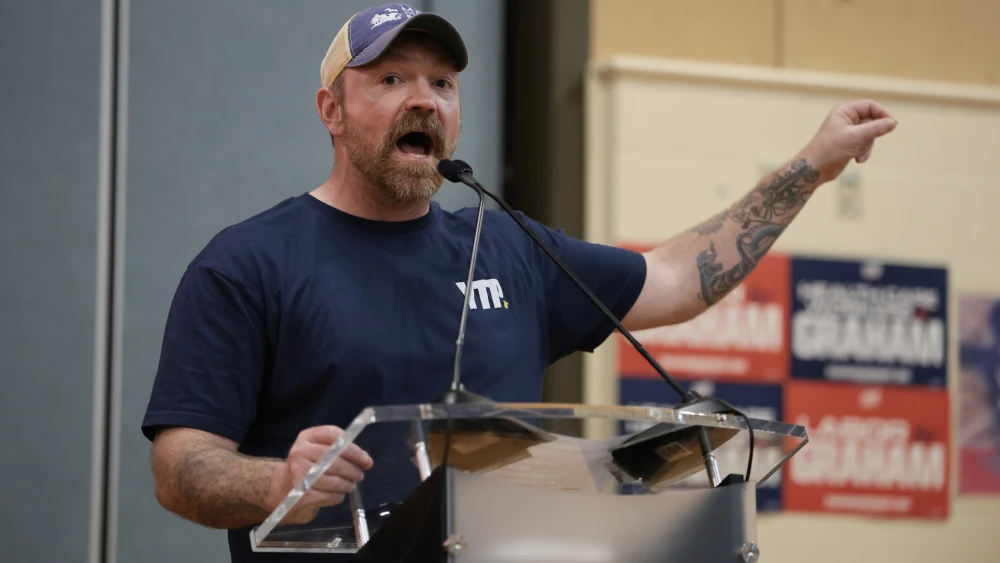
Democratic Senate candidate Graham Platner speaks during a town hall about a Vision for a Healthy Society in Portland, Maine, on May 20, 2026. Photo by Joe Raedle/Getty Images.

It turns out that there are some limits to the tolerance for antisemitism and hatred for Israel increasingly being demonstrated by the Democratic Party. When Maureen Galindo, a candidate in the race for the Democratic nomination for the 35th Congressional District in Texas, said that she planned on turning an ICE detention center into a prison for American Zionists, it was a bit too much for most Democrats. Galindo posted on Instagram that “if you are a Zionist,” then “you are a danger to humanity and belong in prison.”

Democratic House Minority Leader Rep. Hakeem Jeffries (D-N.Y.) said her comments “had no place in American politics, and certainly not in the Democratic Party.” Even left-wing congressional “Squad” ringleader Rep. Alexandria Ocasio-Cortez (D-N.Y.) denounced Galindo for spewing “bigoted garbage and antisemitism.”

Mainstreaming hate on the left

That was encouraging, as was the fact that Galindo ultimately lost her primary runoff to Deputy Sheriff Johnny Garcia, whom she accused of taking money from the pro-Israel AIPAC lobby. But it shouldn’t lead anyone to think that Jew-hatred is off-limits for mainstream Democrats. As the 2026 midterm elections come into focus, it’s clear that anti-Israel rhetoric is not merely commonplace among Democratic candidates. A willingness to demonize Israel and its supporters, discredit AIPAC as a malevolent influence on American politics and treat anti-Zionist smears that are indistinguishable from traditional antisemitism are no barrier to success or acceptance among Democrats. To the contrary, it is often a winning platform.

That’s not merely a function of the support garnered by extremists like Galindo, or first- and second-generation “Squad” members like Reps. Ilhan Omar (D-Minn.), Rashida Tlaib (D-Mich.) and Summer Lee (D-Pa.), all of whom are openly anti-Zionist. Nor is it limited to the popularity of someone like New York City Mayor Zohran Mamdani, whose entire career has centered on his hatred for the State of Israel and the embrace of anti-Jewish tropes. The willingness of national Democrats to tolerate the rise of antisemites who can help them win control of Congress, such as the Nazi-tattooed Maine Senate candidate Graham Platner or Michigan’s Abdul El-Sayed, speaks volumes about the party’s shifting center of gravity.

Reports about Jewish Democratic officeholders feeling themselves to be under constant attack from their own base are widespread. Rep. Josh Gottheimer (D-N.J.), whose pro-Israel views make him a throwback to a bygone era when such beliefs were normative among Democrats, complained in a New York Times op-ed: “My Party Has a Double Standard on Antisemitism.” But Sen. Chris Van Hollen (D-Md.), who has no shame in spreading libelous accusations about Israel committing “genocide” in Gaza, seemed to speak for most members of his party when he used the same forum to assert that they weren’t anti-Israel enough.

With Democrats seemingly poised to make significant gains in November, that’s a sobering thought for those who still hold onto memories of a bipartisan pro-Israel consensus that is clearly a vestige of the past.

But should we be equally worried about the future of the Republican Party with respect to Israel and the Jews?

Trouble on the right

That was the upshot of a New York Times/Sienna College poll published last week. Even if you discount the results because of the newspaper’s unabashed anti-Israel bias—highlighted by its recent publication of Nicholas Kristof’s bizarre and unsubstantiated blood libel about Israelis training dogs to rape Palestinian Arab prisoners—the results raise important questions about the prospects for continued Republican support for Israel and opposition to antisemitism.

Like every other poll about attitudes about President Donald Trump’s support for Israel, the war with Iran and the Jewish state’s conflict with Palestinian Arabs, the numbers show a stark partisan divide. Republicans back the president by huge margins, while Democrats are nearly unanimous in their contempt for Trump. The parties also differ on Israel, with the majority of Republicans backing the Jewish state, while even larger numbers of Democrats oppose it. But the main takeaway from the poll in the newspaper’s own coverage was the “generational divide” that it detected among Republicans with respect to Israel.

It wasn’t just that 60% of those identifying as Republicans wanted to see Trump’s successor seek a new approach to foreign policy. A majority of respondents aged 18 to 44 opposed the president’s decision to go to war against Iran. Of that age group, 54% also thought Trump was “too supportive” of Israel. And nearly two-thirds of them opposed providing additional “military and economic support for Israel,” though the slanted nature of the question (Israel only gets military aid, and almost all of that is spent in the United States) should be taken into consideration.

Among voters older than 45, the results are uniformly positive for Trump and for Israel. But just as ominous was the fact that 37% of Republicans of all ages said that they viewed antisemitic conspiracy theorist Tucker Carlson favorably, while only 29% viewed him unfavorably. That result may, at least in part, be a hangover from his time as a Fox News host, when he was a pro-Trump tribune of conservatism, and managed to keep his anti-Israel and anti-Jewish biases under wraps. Still, it demonstrates that while the antisemitic far-right may remain a minority among Republicans, it is not marginal.

In the post-Trump era—and January 2029 is only 32 months away—the situation may get a lot worse as those young voters play a larger role. Vice President JD Vance, whose public neutrality about Carlson’s antisemitism ought to be disqualifying, is still in the poll position to succeed Trump. If that is how things play out—and given U.S. Secretary of State Marco Rubio’s increasingly dominant role in the administration, assumptions about Vance’s 2028 prospects may be premature at best—the notion of the GOP being a lockstep pro-Israel party may become as much a vestige of the past as similar assertions about the Democrats.

Anti-Israel is political poison for GOP voters

The Times’ predictions about a future in which the mainstream of the Republican Party will, like Carlson, echo the anti-Israel and antisemitic rhetoric of the left are troubling. But for now, such a prospect is still more a matter of wishful thinking for its left-wing readers, who cheer the Democrats’ embrace of Platner and El-Sayed, and lap up the newspaper’s daily repetitions of the “genocide” smear, as well as its disingenuous and utterly unpersuasive justifications of its appalling canard about dogs being trained to rape people.

For the moment, the reality is that opposition to Trump’s pro-Israel stands is political poison for Republicans tempted to try to achieve the “strange new respect” that the left is willing to give to conservatives who embrace the new antisemitism.

The starkest illustration of this occurred last week in Kentucky’s 4th Congressional District when seven-term incumbent Rep. Thomas Massie was bested by a Trump-endorsed challenger by nearly 10 percentage points in the GOP primary. The extremist libertarian Massie spent the campaign claiming that he was being targeted by “Zionist billionaires.” While he was right that pro-Israel PACs poured record amounts into the campaign against him, he was able to counter those sums by raising massive sums of money from out-of-state sources who supported his willingness to engage in antisemitic slurs and Israel-bashing. He remained true to form even after losing, when he said that he had difficulty locating his opponent to concede “because it took a while to find Ed Gallrein in Tel Aviv.”

The results made clear that whatever may happen in the future, even in a district where a popular incumbent was the standard-bearer for the anti-Israel cause, it is a formula for defeat. It’s not only still Trump’s party. It’s also still a party where pro-Israel sentiments, along with support for efforts to oppose a genocidal Islamist regime like that of Iran, remain highly popular.

Indeed, as you look across the country at the results of Republican primaries, it’s obvious that whatever divisions exist within the GOP, the constituency for Israel-bashing is not the path to victory as it often is among Democrats. Antisemitism may be the coin of the realm when it comes to extremist podcasters like Carlson, far-right conspiracy theorist Candace Owens or the neo-Nazi “groyper” Nick Fuentes. But it has yet to make itself felt among Republican voters or officeholders. Indeed, once Massie is sent back to his off-the-grid cattle ranch to consume raw milk to his heart’s content, the GOP House caucus will be uniformly pro-Israel.

There simply is no current Republican equivalent of Platner or El-Sayed—or would-be members of the “Squad”—among those likely to be representing the GOP this fall. Candidates who might fit that description, such as Florida gubernatorial candidate James Fishback or Dan Bilzerian, who is mounting a primary challenge to Rep. Randy Fine (R-Fla.), are way behind in the polls. Their conspiracy-mongering about Jews and Israel seems to have put them in the wrong party.

Democrats embrace anti-Zionists

The situation is different among Democrats.

To take just one example of how Democratic primary voters are trending, the nominally pro-Israel Rep. Dan Goldman (D-N.Y.), whose anti-Trump credentials could not be better (he was one of the attorneys for the dubious effort to impeach the president in 2019), is seen as an almost-certain loser in his effort to hold his seat.

He is opposed by Brad Lander, the former Controller of New York City, whose tenure in that office was widely deemed a disaster. But Lander, who, like Goldman, is Jewish, is endorsed by Mamdani and is a rabid Israel-basher. He even recited a Quranic verse in an appearance at a mosque that attacked Christianity while also repeating the familiar blood libels about Israel committing “genocide” and “apartheid.”

Yet according to the latest polls, Landers leads the incumbent in the deep-blue district with a significant Jewish population by an astonishing 57% to 23% margin.

Across the nation, similar results can be seen. Indeed, the antisemitic Platner is coasting to his party’s Maine Senate nomination, because his lead in the polls scared Gov. Janet Mills (who had been recruited by the party establishment to oppose him) out of the race.

It’s possible to imagine a future in which younger GOP voters hold onto their antagonism for Israel and the Jews, as well as tolerance for antisemites, and wind up being the dominant force in a post-Trump party. Yet even Vance has to know that holding onto his friendship with Carlson will be a problem in the 2028 presidential primaries against an opponent who will be able to appeal to the GOP’s evangelical pro-Israel base.

On the other side of the aisle, pro-Israel candidates face a base that has been marinating in the intersectional ideology that falsely identifies Jews and the Jewish state as “white” oppressors. And they will be operating in an environment in which liberal media, like the Times, will not only be legitimizing Jew-hatred but openly celebrating it.

The persistent appeal of people like Carlson and other Jew-haters for many on the right means that a battle for the soul of the Republican Party will be waged in the coming years, and the outcome is far from certain. But the awful truth is that the same battle has already played out among Democrats in recent years. And condemnations of outliers like Galindo notwithstanding, it has already been lost.


Jonathan S. Tobin is editor-in-chief of the Jewish News Syndicate, a senior contributor for The Federalist, a columnist for Newsweek and a contributor to many other publications. He covers the American political scene, foreign policy, the U.S.-Israel relationship, Middle East diplomacy, the Jewish world and the arts. He hosts the JNS “Think Twice” podcast, both the weekly video program and the “Jonathan Tobin Daily” program, which are available on all major audio platforms and YouTube. Previously, he was executive editor, then senior online editor and chief political blogger, for Commentary magazine. Before that, he was editor-in-chief of The Jewish Exponent in Philadelphia and editor of the Connecticut Jewish Ledger. He has won more than 60 awards for commentary, art criticism and other writing. He appears regularly on television, commenting on politics and foreign policy. Born in New York City, he studied history at Columbia University.


Zawartość publikowanych artykułów i materiałów nie reprezentuje poglądów ani opinii Reunion’68,
ani też webmastera Blogu Reunion’68, chyba ze jest to wyraźnie zaznaczone.
Twoje uwagi, linki, własne artykuły lub wiadomości prześlij na adres:
webmaster@reunion68.com


Alo Yoga Urged to Investigate Customers Receiving Packages With Anti-Israel, Anti-Jewish Messages


Alo Yoga Urged to Investigate Customers Receiving Packages With Anti-Israel, Anti-Jewish Messages

Shiryn Ghermezian


An Alo Yoga store under renovation at K11 Musea in Hong Kong, China. Photo: SCMP via Reuters Connect

The Jewish advocacy group StandWithUs has called on the American athleisure brand Alo Yoga to publicly condemn antisemitism and investigate how some customers received packages containing anti-Israel and anti-Jewish messages.

“No customer should face discrimination or hate because of their identity or nationality. We are calling on Alo Yoga to investigate this incident, condemn antisemitism clearly and publicly, and ensure this never happens again,” StandWithUs said in a statement.

The Jewish group also asked supporters to send “a respectful direct message” to the privately-owned company on Instagram and demand the brand take “accountability,” address the reported incidents, and condemn antisemitism.
.

Earlier in May, the Israeli publication Ynet spoke with two Alo Yoga customers in Israel who ordered items from the brand’s official website. Instead of receiving a mailed package with their purchased products, the shipments included hateful messages. Both customers said their orders were placed through the brand’s US website but physically shipped from Alo Yoga Canada.

One customer said her package did not include the items she ordered and was instead full of torn cardboard and papers, and an empty plastic bag used to wrap clothing. She shared photos of her printed order summary that was inside the package, showing someone had handwritten “Free Palestine,” “Hamas will win,” and “Death, death to the IDF [Israel Defense Forces].” Someone had also drawn an inverted red triangle, which has been used to symbolize support for violent Palestinian “resistance” against Israel. The symbol first appeared in propaganda videos from the Al-Qassam Brigades, Hamas’ military wing.

“The bag was sealed — the shipment arrived intact, and I opened the folds myself, so it would appear that this had to have happened at the company itself,” the customer told Ynet. “All the junk inside — the cardboard, the bags — was also all from Alo Yoga.”

The shopper said after she contacted customer service through the Al Yoga chat and uploaded a photo of the package, the chat blocked her.

A second Israeli Alo Yoga customer told Ynet the package she received did not contain her purchased items but just a order slip with the handwritten messages “Free Palestine,” “Victory to Hamas,” “From the river to the sea,” and “Death, death to the IDF.”

“I contacted Alo Yoga, and the moment I sent a photo, the chat closed,” she told the publication. “But I am very persistent, so I opened another chat, and another chat, and another chat, until the bot transferred me to a representative. I started corresponding with her. I told her, ‘This is incitement, this person knows my address,’ and she said, ‘I’m very sorry, I’m transferring this to the department that handles this.’ I gave her my email. Now the ball is in Alo Yog’’s court. They need to get back to me and say what they are going to do.”

Alo Yoga did not respond to The Algemeiner‘s request for comment.

Alo — which stands for air, land, and ocean — was launched in Los Angeles in 2007 and founded by childhood best friends Danny Harris and Marco DeGeorge. Harris is the company’s CEO while DeGeorge serves as its president. The two friends also co-own Alo Yoga’s parent company, Color Image Apparel, Inc.

Zawartość publikowanych artykułów i materiałów nie reprezentuje poglądów ani opinii Reunion’68,
ani też webmastera Blogu Reunion’68, chyba ze jest to wyraźnie zaznaczone.
Twoje uwagi, linki, własne artykuły lub wiadomości prześlij na adres:
webmaster@reunion68.com


Dokończyć robotę

Protest na Amirkabir University of Technology w Teheranie


Dokończyć robotę

Majid Rafizadeh


Reżim Iranu musimy widzieć takim, jakim on jest: jako potężnie uzbrojoną bandę zbirów oraz — według rządu USA — „największego państwowego sponsora terroryzmu” od dziesiątków lat. Reżim irański utrzymuje władzę dzięki brutalnej sile, która terroryzuje nie tylko jego sąsiadów i szerszy świat za pośrednictwem pełnomocników, pocisków balistycznych i bliskiej zdolności nuklearnej, lecz także własną populację liczącą około 93 milionów ludzi. Dekady represji, „eksportowania rewolucji” i ideologicznego ekstremizmu ukształtowały jego tożsamość, głęboko zakorzenioną w antyamerykanizmie, antysemityzmie i pogardzie wobec własnych obywateli.

W latach 1979, 1999, 2009, 2017–2018, 2019, 2022, pod koniec 2025 i na początku 2026 roku Irańczycy masowo wychodzili na ulice w ogólnokrajowych protestach przeciwko załamaniu gospodarczemu, represjom i nieudolnym rządom. Za każdym razem reżim odpowiadał bezwzględnymi masakrami — ostatnio w styczniu 2026 roku, kiedy siły bezpieczeństwa wprowadziły blackouty i otworzyły ogień do cywilnych demonstrantów z karabinów maszynowych i karabinów snajperskich. Reżim Iranu, według prezydenta USA Donalda J. Trumpa, zabił „co najmniej 42 tysiące protestujących” w ciągu kilku dni.

Reżim irański — dysponujący setkami tysięcy uzbrojonych ludzi w Korpusie Strażników Rewolucji Islamskiej, milicji Basidż i innych formacjach bezpieczeństwa — utrzymuje kontrolę nad społeczeństwem bez jakichkolwiek ograniczeń wobec własnych obywateli. Miliony nieuzbrojonych cywilów, niezależnie od odwagi, nie są w stanie przeciwstawić się takiej sile.

Administracja Trumpa, współpracując z Izraelem, wykonała mocny pierwszy krok poprzez precyzyjne uderzenia, które znacząco osłabiły irańską infrastrukturę wojskową, zdolności nuklearne i możliwości projekcji siły. Same bombardowania nie zmieniły jednak podstawowej ideologii reżimu ani jego psychopatycznej brutalności. Reżim Iranu nadal utrzymuje antyamerykańską postawę, wspiera swoich pełnomocników i prowadzi wewnętrzne represje. Nie dąży do reform, lecz do ponownego dozbrojenia i zemsty. Dlatego zmiana reżimu nie jest opcjonalna — jest konieczna.

Wysłanie amerykańskich wojsk lądowych na terytorium Iranu byłoby kosztowne pod względem ludzkim i finansowym. Sami odważni Irańczycy stanowią miliony „żołnierzy na miejscu” — gdyby tylko mieli środki, by się bronić i przechylić równowagę sił.

Zwycięska walka amerykańskich kolonii o niepodległość od Wielkiej Brytanii w dużej mierze opierała się na uzbrojonych obywatelach. Kolonialne milicje i minutemani — zwykli ludzie posiadający własną broń palną — odegrali decydującą rolę od pierwszych strzałów pod Lexington i Concord aż po kluczowe bitwy. Bez uzbrojonej ludności gotowej do oporu te improwizowane siły nie byłyby w stanie prowadzić długiej walki przeciwko zawodowej armii. Amerykańskie prawo do posiadania broni nie było dodatkiem po fakcie; stanowiło fundament obalenia tyranii.

Amerykański senator Lindsey Graham niedawno opowiedział się za „rozwiązaniem w duchu Drugiej Poprawki”:

„Uwielbiam pomysł rozwiązania w duchu Drugiej Poprawki dla narodu irańskiego… Gdybym był prezydentem Trumpem i byłbym Izraelem, uzbroiłbym Irańczyków po zęby, aby mogli wyjść na ulice uzbrojeni i odwrócić losy walki wewnątrz Iranu… Dajcie im broń, aby mogli powstać tak jak my, by zniszczyć ten reżim”.

Trump również zauważył, że Irańczycy nie mają broni, by przeciwstawić się reżimowym snajperom i siłom bezpieczeństwa.

Iran graniczy lądowo z Irakiem, Turcją, Afganistanem, Pakistanem, Azerbejdżanem, Turkmenistanem i Armenią. Należy wykorzystać kreatywne i bezpieczne kanały — we współpracy z grupami opozycyjnymi i dysydentami wewnątrz Iranu — aby dostarczać broń, amunicję i środki obronne bezpośrednio Irańczykom. Nie chodzi o tworzenie chaosu, lecz o przywrócenie równowagi, tak aby reżimowi despoci nie mogli bezkarnie nadal masakrować nieuzbrojonych tłumów.

Zasada prawa obywateli do posiadania broni, której znaczenie potwierdziła historia Stanów Zjednoczonych, ma zastosowanie również tutaj. W Iranie mogłoby to neutralizować reżimowych egzekutorów miasto po mieście bez konieczności zagranicznej okupacji.

Równolegle do uzbrajania irańskich cywilów USA i ich sojusznicy muszą utrzymywać maksymalną presję gospodarczą: blokady, sankcje i izolację, które odetną reżim od zasobów potrzebnych do represji i awanturnictwa.

Są sytuacje, w których nawet góry dyplomacji nie działają. Czy Adolf Hitler w Niemczech albo premier Japonii Hideki Tōjō rozbroili się i zreformowali?

Krótko mówiąc: uzbroić naród irański. Gospodarczo zdusić reżim. Pozwolić samym Irańczykom zdecydować o swojej przyszłości. Taki jest jasny wniosek z kolejnych irańskich powstań tłumionych przy użyciu przeważającej siły ognia oraz z historii powstania samych Stanów Zjednoczonych. Irańczycy pokazali swoją wolę. Zmiana reżimu dokonana przez samych Irańczyków — wyposażonych w środki obrony i chronionych — jest jedynym trwałym rozwiązaniem.


Link do oryginału: https://www.gatestoneinstitute.org/22532/finish-the-job

Gatestone Institute, 16 maj 2026

Dr Majid Rafizadeh jest politologiem, analitykiem wykształconym na Harvardzie oraz członkiem rady Harvard International Review. Jest autorem kilku książek poświęconych polityce zagranicznej USA. Można się z nim skontaktować pod adresem: dr.rafizadeh@post.harvard.edu

Obserwuj Majida Rafizadeha w serwisie X (dawniej Twitter).


Zawartość publikowanych artykułów i materiałów nie reprezentuje poglądów ani opinii Reunion’68,
ani też webmastera Blogu Reunion’68, chyba ze jest to wyraźnie zaznaczone.
Twoje uwagi, linki, własne artykuły lub wiadomości prześlij na adres:
webmaster@reunion68.com

Who should speak for Israel? The case for Caroline Glick


Who should speak for Israel? The case for Caroline Glick

Jonathan S. Tobin


Pearl-clutching about the veteran journalist possibly being sent to the New York consulate misses the point. The Jewish state needs bold advocates more than traditional diplomats.

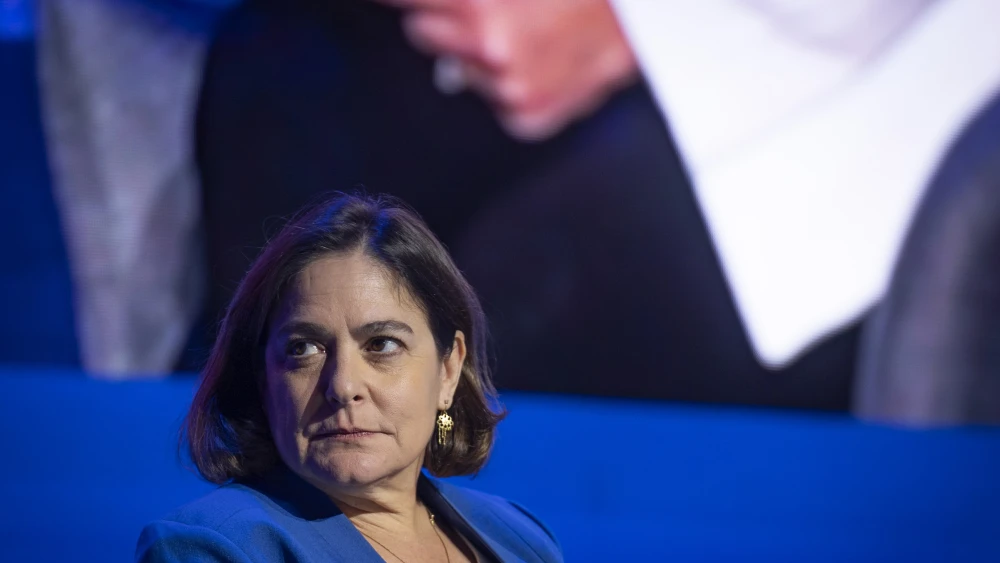
Caroline Glick, international affairs adviser to the Israeli Prime Minister Benjamin Netanyahu, attends the FOZ Ambassadors Summit in Jerusalem, Dec. 7, 2025. Photo by Yonatan Sindel/Flash90.

As far as Prime Minister Benjamin Netanyahu’s leftist critics are concerned, the last thing Israel needs is someone representing the country abroad who enthusiastically supports his policies, and is ready to do intellectual and verbal combat with the government’s opponents. If that doesn’t make sense, then welcome to Israeli politics.

That basic conundrum explains the firestorm that has greeted the floating of the idea that Netanyahu might name veteran journalist and current adviser Caroline Glick to the post of consul general in New York City. Glick was a senior contributing editor at JNS and hosted “The Caroline Glick” show on JNS TV before being named as Netanyahu’s international affairs adviser in February 2025.

In many ways, she is an ideal candidate for such a post. She was born, raised and educated (at Columbia and Harvard universities) in the United States. As a result, she speaks unaccented idiomatic American English, unlike most of Israel’s diplomats.

After making aliyah, she served in the Israel Defense Forces, where she worked as coordinator of negotiations with the Palestinian Authority during the period of the Oslo Accords. After becoming a journalist, she was embedded with the U.S. Army during the invasion of Iraq and worked as a frontline war correspondent. Since then—and outside of a brief stint running for the Knesset in 2019—she’s been covering and commenting on the issues that are at the forefront of Israeli public policy and diplomacy.

Moreover, as someone who worked with Netanyahu for a while in the 1990s and then again in the last year, she understands the prime minister’s views as well as anyone.

Unpopular with the left

So, what’s the problem with sending her to represent Israel in the city with the largest Jewish population outside of the Jewish state?

The answer, according to the scathing comments published in recent days in outlets like The Times of Israel and Haaretz, is that her views are in line with those of the government she would represent and the voters who elected it. According to both of those publications, which are bitterly opposed to that government, sending Glick to New York would offend “progressive” Jews. As far as the far-left Haaretz is concerned, Netanyahu is “spitting in American Jews’ faces” by even thinking of such an appointment.

The portrait they paint of her is of someone who hates most American Jews. The truth is quite the opposite. Glick loves both Israel and the Jewish people. But she has little patience or tolerance for those who claim to represent the Jews but have abysmally failed to defend their interests and security. Which is to say that she has been deeply critical of much of the American Jewish establishment and those elements of the community that have largely failed to live up to their responsibilities.

Since the Hamas-led Palestinian Arab terror attacks on Israel on Oct. 7, 2023, American Jewry has been faced with an unprecedented surge of antisemitism. Mobs on college campuses and in the streets of American cities have targeted Jews of all ages for intimidation and even violence, while chanting for Jewish genocide (“From the river to the sea”) and terrorism against Jews everywhere (“Globalize the intifada”). The traditional allies of liberal Jews have turned their backs on them, joining the gangs and embracing a new generation of anti-Zionist politicians who have joined in spreading blood libels about Israel being guilty of “genocide” and “apartheid.” And with the help of corporate media outlets like The New York Times, they have created a situation where Jew-hatred has become not just mainstream but even fashionable in elite circles.

Much of the American Jewish establishment has failed to respond to this crisis. Even when confronted with openly anti-Zionist figures like New York City Mayor Zohran Mamdani, whose entire career has revolved around his opposition to the existence of a Jewish state and who eggs on mobs besieging synagogues, all too many Jewish leaders have failed to confront or consistently oppose him.

Moreover, some of the so-called Jewish “progressives” whose sensibilities TOI and Haaretz are so worried about have joined with the likes of Mamdani to vilify Israel.

Diplomacy or advocacy

At such a moment in history, it’s worth asking: What is needed most? Israeli diplomats to schmooze the Jewish establishment, as so many have done in the past, and seek to avoid criticizing anti-Zionist Jews? Or does Israel, as well as the majority of New York Jews who are still supportive of the Jewish state, need someone who will pull no punches—and directly confront their country’s foes and help inspire others to do the same?

Advocacy hasn’t always been the top priority when Israel has chosen people to fill the country’s three top diplomatic posts in the United States and arguably the world: ambassador to the United States, ambassador to the United Nations and consul general in New York City. In practice, these positions are often treated more like patronage plums to be given out for political reasons as opposed to decisions directly related to public support for the Jewish state.

It’s also true that when it comes to filling such posts, governments of all stripes like to follow tradition, picking people who can look and play the role of diplomat. That means choosing a person who doesn’t offend anyone or step on any toes. That often involves dipping into the ranks of the professionals who have served in a similar capacity elsewhere, including veterans of Israel’s Foreign Ministry.

Being charming at cocktail parties can also be useful. But given the current crisis, perhaps it’s time that a new voice is represented in a major American posting by someone who goes against type. That would entail choosing an individual who could not only handle the duties of a typical diplomat but serve as an unapologetic advocate for the country and for the government he or she is representing.

In the past, some of Israel’s envoys have distinguished themselves as public advocates.

Abba Eban, the Jewish state’s first ambassador to the United Nations, who also jointly held the post of ambassador to the United States from 1950 to 1959; and U.N. Ambassadors Chaim Herzog (1975-78) and Netanyahu (1984-88) ably argued the justice of the Jewish state’s cause.

It’s no coincidence that in addition to their command of the issues—and unlike many of those who have represented Israel in the United States—all three spoke fluent and idiomatic English with, respectively, South African/English, Irish and American accents. That was a major asset; it enabled them to avoid the pitfalls of addressing the American public with awkward or non-idiomatic English, a must in a country where relatively few people speak a foreign language.

Netanyahu managed to do the same with some of his appointments.

Two former Americans he appointed as ambassadors to the United States—Michael Oren (2009-2013) and Ron Dermer (2013-2021)—were able diplomats and articulate exponents of their country’s cause.

Yechiel Leiter, the current ambassador in Washington, also American-born, is willing to eloquently and bluntly speak truth to both Washington and American Jewry. In fact, he did so earlier this month, when he aptly characterized the left-wing J Street as “a cancer within the Jewish community” for advocating for cutting off arms sales to Israel in the middle of a war in which it is fighting for its survival.

Leiter may have offended left-wing opponents of Israel, but he was only saying what most American Jews who care about Israel were already thinking.

The American Jewish disconnect

Such truth-telling can be jarring for American Jews. Too many of them get their news about Israel from The New York Times or left-wing publications like TOI and Haaretz. So, it’s no wonder that in contrast to the overwhelming majority of Israelis, they cling to outdated patent nostrums like the belief in a two-state solution the Palestinians repeatedly rejected long ago. They tend to believe that anyone who doesn’t sound like a J Street spokesperson is a rabid right-winger and opposed to peace, even if that sort of thinking is utterly disconnected from the reality of Israel, especially after Oct. 7.

With all due respect to many of the able and hard-working people who have served in this post before, what is required now is thinking outside the box. Sending another former Knesset member who needed to be “promoted” to a diplomatic post to get them out of the way in Jerusalem or a veteran diplomat who sees New York as another rung up the organizational ladder in the Ministry of Foreign Affairs would be a missed opportunity for the Jewish state.

What Israel and American Jewry need now is not someone who will try to make friends with Mamdani or be comfortable at a soirée with editors of the Times or liberal Jews who continue foolishly to look to both for leadership. An Israeli representative who will take on the intersectional left and the antisemitic right with equal boldness is what is required right now. So is someone who will fearlessly speak directly to ordinary Jews and not just to the Manhattan elites.

And that is exactly what Caroline Glick would do if given this opportunity.

In the past, Netanyahu flirted with the idea of appointing Glick to this post; in the end, he went in another direction. But he ought to take the pearl-clutching about Glick from left-wingers who oppose everything that he and most Israelis stand for as a good reason to trust his instincts and to choose her this time. While she wouldn’t be the safe choice or one that would earn him the applause of the liberal establishment in either country, she would be the right one.


Jonathan S. Tobin is editor-in-chief of the Jewish News Syndicate, a senior contributor for The Federalist, a columnist for Newsweek and a contributor to many other publications. He covers the American political scene, foreign policy, the U.S.-Israel relationship, Middle East diplomacy, the Jewish world and the arts. He hosts the JNS “Think Twice” podcast, both the weekly video program and the “Jonathan Tobin Daily” program, which are available on all major audio platforms and YouTube. Previously, he was executive editor, then senior online editor and chief political blogger, for Commentary magazine. Before that, he was editor-in-chief of The Jewish Exponent in Philadelphia and editor of the Connecticut Jewish Ledger. He has won more than 60 awards for commentary, art criticism and other writing. He appears regularly on television, commenting on politics and foreign policy. Born in New York City, he studied history at Columbia University.


Zawartość publikowanych artykułów i materiałów nie reprezentuje poglądów ani opinii Reunion’68,
ani też webmastera Blogu Reunion’68, chyba ze jest to wyraźnie zaznaczone.
Twoje uwagi, linki, własne artykuły lub wiadomości prześlij na adres:
webmaster@reunion68.com


Głowa do góry Ministro kultury


Głowa do góry Ministro kultury

Andrzej Koraszewski


Piszę do ciebie w te dni przedostatnie, bo w moją skrzynkę pocztową wpadły dwa listy otwarte nie do mnie lecz do Ministry Kultury. Jam nie kulturysta, zaś dziedzic narodowy poniekąd i owszem, ale wybredny, wątek niedocieczony…

Czytając te listy z jakiegoś powodu najpierw przyszedł do głowy „Fortepian Szopena”. Może ze względu na motto: L’art?… c’est l’art — et puis, voilà tout, albo pierwsze wersy:

Byłem u Ciebie w te dni przedostatnie

Niedocieczonego wątku

– Pełne jak mit,

Blade jak świt,

– Gdy życia koniec szepce do początku:

„Nie stargam cię ja – nie! – Ja, u-wydatnię!…”

Mamy tu i mit i jakby pytanie o miejsce sztuki w życiu. Ale im bardziej wgłębiałem się w te listy do Ministry, tym bardziej myśli moje uciekały od narodowego dziedzictwa do tego bardziej światowego, a osobliwie do Erazma, który przemierzając na koniu przez kawał Europy układał w głowie „Pochwałę głupoty”. Tytuł troszkę mylący, bo chciał chwalić cnotę. Wybrał w tym celu Głupotę, która napuszonym odpowiada skromnie, że z tym napuszeniem, to raczej nie do mnie.

Jesteś Ministro politolożką, producentką, a wszystko w jednym. Twarz miła, mówić by siła, ale ja chciałbym o tych listach od ludzi kultury do Ministry Dziedzictwa. Czytając te listy, jako ateista, westchnąłem „mój Boże, bo cóż nasza Ministra zrobić teraz może, czy im odpowie, czy raczej zmilczy?” Biedna Ministra w sytuacji trudnej. Mogłabyś tedy odpowiedzieć sucho, że polityka międzynarodowa nie jest moim zadaniem, mam dbać, o naszą kulturę, by kwitła. No właśnie, jaką rolę ma minister kultury? Najkrócej mówiąc, to państwowy mecenas sztuki. Artyści z mecenasami mieli zawsze kłopot, bo źródło utrzymania ale i różne oczekiwania. Państwowy mecenas sztuki, zazwyczaj twierdzi, że sztuce tylko oddany, ale to pół prawdy, bowiem zawsze pragnie by sztuka wspierała tę stronę sceny, która ją (czy jego) wybrała. Ludzka sprawa. Tak więc minister lub ministra wybiera dyrektorów i przydziela granty stosownie do potrzeb właściwej entanty.

Wróćmy przeto do listów otwartych do Pani – pod pierwszym pół tysiąca pisarzy, poetów, artystów i statystów w dziedzictwie tworzonym na żywo. Przeglądam tę listę, co całymi stronami płynie i parafraza słów T.S. Eliota na usta się ciśnie – nie sądziłem, że głupstwo porwało tak wielu.

Piszą tedy autorzy owego listu otwartego do Ministry Dziedzictwa, że stoją (lub siedzą) w obliczu „ludobójstwa, którego dokonuje państwo Izrael w Strefie Gazy”, jest tam dalej i apartheid i okupacja i agresja na Liban. Ach, czytałem to już tysiąc razy; nasi kulturyści nie są zbyt oryginalni. Jak w sennych majakach powtarzają słowa, które już były plagiatem muzułmańskich twórców cyfrowych, kiedy je czytali. Z jakiej talii kart wzięli te wróżby, na jakiej glebie sieją ziarna „nowego” dziedzictwa? (Może nie jest tak nowe, może król jest nagi?) Pytanie na początek brzmi, czy Ministra czytała „Umysł zniewolony”. (Jakże to niezręczne pytanie, jak mógłbym pomyśleć, że go nie czytała? Wszak to nasze dziedzictwo.) Rozmawiałem kiedyś o popularności tej książki z pewnym szwedzkim pisarzem. Zastanawiałem się dlaczego kogoś obchodzą losy czterech pisarzy, których nazwisk nie potrafią nawet wymówić? Odpowiedział, że nie chodzi o tych konkretnych pisarzy, a o zjawisko, mody, uległości i zagubienia artystów. Ja chciałem wędrować po przykładach rosyjskich, on pociągnął mnie w inną stronę, wielkich, uwiedzionych łajdactwem talentów zachodnich, Knuta Hamsuna, Ezry Pounda, Bernarda Shawa, który kłaniał się zarówno Stalinowi jak i Hitlerowi, skończyło się na wspólnym ulubieńcu Garcii Marquezie, który właśnie wtedy odwiedzał Fidela Castro, bawiąc się w jego przepysznych włościach. Talent nie chroni przed głupstwem (głupstwo było ulubionym słowem Karskiego, Jana Karskiego).

Umysły zniewolone to długa historia, wróćmy zatem do pisanych do Pani listów, nie o kulturze, a o polityce, przez ludzi którzy mogą mieć jakiś talent, co nie oznacza, że wiedzą o czym mówią. „Czucie i wiara silniej mówi do mnie…” pisał poetę niezbyt chętny oświeceniu, ale bardzo romantyczny. Otrzymała Pani list od głęboko czujących i mało zainteresowanych pytaniem – czy Izrael popełnił, popełnia lub ma zamiar popełnić ludobójstwo. Ich czucie i wiara nie wymaga dowodów (tym właśnie wiara różni się od nauki), a ich wrażliwość nie podlega negocjacjom, więc domagają się od Pani działania zgodnego z ich szemraną wrażliwością.

Zabawny jest drugi list, podpisany przez mieńszewików. (Tu widzę zaledwie kilkadziesiąt nazwisk.) Ten list jest zgoła ciekawszy. Przypomniał mi młodość, kiedy niezdarne próby krytyki ukrywano wśród głębokich pokłonów. Tu również nikt nie rozważa ani absurdalności ani amoralności zarzutów wysuwanych przez sygnatariuszy pierwszego listu.

Ten drugi list zaczyna się tak:

W obliczu tragedii rozgrywającej się na Bliskim Wschodzie: wojny i cierpienia palestyńskiej ludności cywilnej w Strefie Gazy, zbrodni dokonanych przez Hamas i Palestyński Dżihad na Izraelczykach, przemocy dotykającej Palestyńczyków ze strony żydowskich osadników na Zachodnim Brzegu oraz dramatycznej sytuacji w Południowym Libanie, my, ludzie kultury, zwracamy się z apelem, by odpowiedzią polskich instytucji kultury nie było zrywanie relacji z izraelskimi środowiskami artystycznymi, naukowymi i intelektualnymi – szczególnie z tymi, które od miesięcy publicznie sprzeciwiają się wojnie, polityce okupacji oraz łamaniu praw człowieka.

I znów stoimy (lub siedzimy) w obliczu kiczu. Drugi akapit jest znacznie ciekawszy i znacznie głębiej zakorzeniony w naszym dziedzictwie kulturowym. Piszą tedy autorzy tak:

Nie ma wątpliwości, co do faktu ludobójstwa – potwierdziły to liczne organizacje, w tym ONZ, Amnesty International, Human Rights Watch, B’Tselem, Lekarze bez Granic, Międzynarodowe Stowarzyszenie Badaczy Ludobójstwa (IAGS), a także ponad 800 specjalistów prawa międzynarodowego i studiów nad ludobójstwem.

Jako doświadczona politolożka zapewne uderzył Panią argument z autorytetu. Naszych mieńszewików znów nie interesują twarde dowody, definicje, ani nawet autorytety prezentujące inne stanowisko. Furda mędrca szkiełko i oko. Nie bawimy się w definicje, boć to przecie nie seminarium tylko sztuka epistolarna. Mieńszewicy przekonują, żeby Pani Ministra nie zrywała kontaktów z izraelskimi instytucjami kulturalnymi, bo oni tam czasem przecież też protestują, więc mamy wspólną sprawę.

Nie mając pojęcia, który z tych listów jest bardziej obrzydliwy, już chciałem wrócić do „Pochwały głupoty” kiedy zobaczyłem trzeci list otwarty do Pani w sprawie naszego dziedzictwa narodowego i kultury.

Tym razem autorka i sygnatariusze zwracają się do Pani Minister zauważając na początek, że Polska nie wdrożyła unijnej strategii zwalczania antysemityzmu i wspierania życia żydowskiego. (To raczej apel do premiera oraz Ministra Spaw Wewnętrznych i Administracji.) Mamy tu również apel o zawieszenie współpracy przez kierowane przez Panią Ministerstwo, ale tym razem z antysemitami wszelkiej maści. (Co może być o tyle trudne, że w Pani kompetencji jest ocenianie twórczości, a nie poglądów i jak długo te poglądy nie przekładają się na oczekiwania od polityka repezentującego państwo ich podzielania i promowania, może Pani nie mieć formalnych podstaw do zawieszenia takiej współpracy.)

W tym trzecim liście konkret pojawia się kilka akapitów dalej:

Apelujemy również o jednoznaczny sprzeciw wobec prób wymuszania bojkotu izraelskich instytucji, organizacji i osób fizycznych wyłącznie z powodu ich pochodzenia, obywatelstwa lub braku publicznego odcięcia się od państwa Izrael, o co wnoszą antysemici dzisiaj, tak jak wnosili w roku 1968.

Czyli, jest to apel, żeby Pani ten pierwszy list kulturystów wyrzuciła do kosza na śmieci informując o tym jego sygnatariuszy. (To rozsądna rada.)

Pojawia się tu również merytoryczna uwaga, że

… egzystencjalna obrona Izraela i jego obywateli przed fundamentalistycznym terrorem nie jest ludobójstwem. Trwający konflikt jest tragiczny, ale nie jest ludobójstwem. Jest wojną wywołaną przez Hamas, wsparty przez Iran i Hezbollah. Izrael nie jest jej inicjatorem, a celem agresorów 7 października była ludność, a nie infrastruktura wojskowa.

Całkowicie się z tym zgadzam, na podstawie analizy dochodzenia w MTS, (w szczególności dwukrotnego głosu odrębnego sędzi Sebutinde), jak również analiz autorytetów z dziedziny prawa międzynarodowego i prawa wojennego pominiętych w spisie autorytetów wymienionych w liście mieńszewików, po rozważeniu przedstawionych argumentów, a nie tylko w reakcji na blask aureoli. Problemem jest jednak pytanie czy polskie Ministerstwo Kultury i Dziedzictwa Narodowego jest właściwym forum dyskusji o tej sprawie.

Skrócona wersja trzeciego listu do Pani kończy się słowami:

Współczesna nienawiść do Żydów budzi dziś zasadne skojarzenia z polityką najgorszych, totalitarnych reżimów znanych z historii dwudziestego wieku. Uważamy, że każda forma współpracy, finansowania czy legitymizowania instytucji, organizacji i osób, które szerzą antysemityzm lub tolerują go w swoich szeregach, okrywa dziś polską kulturę głęboką i niezmywalną hańbą.

Nie da się ukryć, że wśród czarnych kart naszej kultury i naszego dziedzictwa narodowego nienawiść do Żydów zajmuje miejsce szczególne. Przypadła Pani rola Państwowego Mecenasa Sztuki, a sztuka, jak twierdzi mój amerykański przyjaciel, może czasem prawdę odkrywać, ale nie posiada narzędzi, do jej ustalania, w odróżnieniu od teologii ma zasadne prawo do istnienia na uniwersytetach, ale nie może rościć sobie prawa do ustalania prawdy przez czucie i wiarę. Erazm mówi to samo, choć trochę inaczej, więc głowa do góry i wróćmy do spraw kultury.


Zawartość publikowanych artykułów i materiałów nie reprezentuje poglądów ani opinii Reunion’68,
ani też webmastera Blogu Reunion’68, chyba ze jest to wyraźnie zaznaczone.
Twoje uwagi, linki, własne artykuły lub wiadomości prześlij na adres:
webmaster@reunion68.com