
Archive | January 2015

Acknowledge the righteous Muslims

Acknowledge the righteous Muslims

Robert Satloff
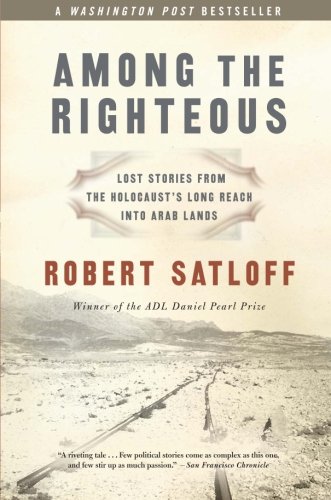

Several years ago, I walked up a dimly lit staircase in a working-class district of Paris and knocked on the door of a cramped, two-room apartment. There, I met Joseph Naccache, an elderly, bedridden Jew. I had found Joseph’s name on a list of survivors of Nazi labor camps in his native Tunisia and I had come to interview him on his wartime experience.

Joseph had not had an easy life, either in Tunisia or his adopted France, and he was full of bitterness and melancholy. Muslims were among the chief villains. They had cheered when the Germans paraded Jews through the streets of Tunis en route to forced labor, he said; and two generations later, they were now hounding Jews in the streets of Paris. He had escaped a Muslim land, Joseph said ruefully, but he was still in a land of Muslims.

And then, almost as an afterthought, he reminded himself about a Muslim named Hamza Abdul Jalil who, he said, saved his life. This is the story of Hamza and Joseph.

In the warren-like neighborhood of Tunis where Joseph lived, where the sounds of stonecutters and street merchants competed with the muezzin’s call to prayer, the center of social activity was the hammam, or Turkish bathhouse. More than just a place to wash, it was a gathering spot where men and women (separately) shared news, spread gossip, told jokes and relaxed.

On the main street near the narrow alley where the Naccache family lived, Hamza Abdul Jalil owned just such a hammam. The family-owned bathhouse was where both Jews and Muslims sat side by side on low benches, filling bucket after bucket of steaming hot water.

It was December 1942, a month after the first German troops arrived in Tunis, when the SS ordered Jewish men to gather for forced labor. When few showed up voluntarily, Nazi troops went from synagogue to synagogue, hospital to hospital, even house to house to find Jewish men and drag them to perform such deadly tasks as clearing bombs and repairing runways in the middle of Allied air raids.

Hamza Abdul Jalil knew that it was a dangerous moment for the Jews of his neighborhood. When the roundup of Jews began, Hamza told Joseph that if he ever needed a place to hide, he should come to the hammam. When Joseph began to fear that the German dragnet was closing in, he took Hamza up on his offer. For two weeks, Hamza protected him deep inside the labyrinth of the hammam, providing refuge and food, so that Joseph could evade his pursuers. Hamza neither requested nor accepted any payment.

After he left the hammam for another hiding place, Joseph was eventually captured by the Germans and sent to labor camps in the Tunisian hinterland. A lifetime later, he still remembered the kindness of the proprietor of the local hammam.

“One cannot say that the entire world was evil,” Joseph told me. “Some people were kind. Some were humane.”

Soon after I heard this story, I traveled to Tunis and looked for the hammam. It was right where Joseph said it would be. And, almost frozen in time, I found the current proprietor sitting in the small entryway. He was Faruq Abdul Jalil, Hamza’s son.

After I told Faruq why I had come, he apologized that he had not before heard this story about his father. But it made sense, he said. Why would his father help Joseph? This elderly Tunisian man, dressed in a felt cap similar to the traditional fez worn by his father in a picture that hung on the wall, answered matter-of-factly: “He hid Mr. Naccache because Muslim and Israelites – ‘Jews’ as you call them – they were almost like brothers.”

I was reminded of this story reading of the heroism of Lassana Bathily, the Malian-born Muslim man who saved up to 15 people, including many Jews, by hiding them in a freezer in the besieged kosher market attacked in Paris a few weeks ago. “Yes, I helped the Jews. We are brothers,” he told an interviewer. “This is not a question of Jews, Christians or Muslims, we are all in the same boat.”

These stories are important. To be sure, they should not be used to gloss over the real dangers posed by what French prime minister Manuel Valls bluntly calls “radical Islamism” or to inflate the numbers of righteous heroes – Muslim and otherwise – willing to risk their lives to save innocents, whether during the Holocaust or today. Rather, the reason to retell these stories as loudly and often as possible is as a compelling reminder of the power of free choice. People who take mainstream ideas like nationalism or Islam and warp them into the extremes of fascism or jihadism are making a choice. And people who stand tall in the face of those who tyrannize others on the basis of those warped extremes are making a choice, too.

As the French beef up their counterterrorism units and the Americans dispatch more special forces “advisers” to Iraq and Syria, the central reality remains that the battle raging from Paris to Raqqa will be won when more people – in this case Muslims – make the choice that Hamza and Lassana both made.

Robert Satloff is the executive director of the Washington Institute for Near East Policy. This commentary was written for THE DAILY STAR.
A version of this article appeared in the print edition of The Daily Star on January 27, 2015, on page 7.


twoje uwagi, linki, wlasne artykuly, lub wiadomosci przeslij do: webmaster@reunion68.com


Moments in History

Hatikvah Sung at Bergen-Belsen by Clive Kandel

Clive Kandel


Moments in History
Hatikvah Sung at Bergen-Belsen 23rd April 1945 Graphic Disturbing.

23rd April 1945 BBC reporter Patrick Gordon Walker and Richard Dimbleby transmitted the following transmission from recently liberated concentration camp Bergen-Belsen. When the British and Canadians advanced on Bergen-Belsen in 1945, the German army negotiated a truce and exclusion zone around the camp to prevent the spread of typhus.When the Allied troops finally entered they found thousands of bodies unburied and approximately 55,000 inmates, most acutely sick and starving. Over the next days the surviving prisoners were deloused and moved to a nearby German army camp, which became the Bergen-Belsen DP camp. The remaining SS personnel were then forced by armed Allied troops to bury the bodies in pits. In spite of massive efforts to help the survivors, about another 9,000 died in April, and by the end of June 1945 another 4,000 had died (after liberation a total of 13,994 people died). On the 13th day after liberation, the Luftwaffe bombed one of the hospitals in the DP camp, injuring and killing several patients and Red Cross workers. The total number of deaths at Bergen-Belsen from 1943 to June 1945 was about 50,000.

Rabbi Leslie Hardman, who took the service,was quoted later saying,'”If all the trees in the world turned into pens, all the waters in the oceans turned into ink and the heavens turned into paper, it would still be insufficient material to describe the horrors these people suffered under the SS.”


The ”Hatikvah” is Israel’s national anthem. Known as ”The Hope”,the anthem’s theme revolves around the nearly 2000-year-old hope of the Jewish people to be a free and sovereign people in the Land of Israel.The British Mandate government briefly banned its public performance in 1919, in response to an increase in Arab anti-Zionist political activity.
A former member of the Sonderkommando reports that the song was spontaneously sung by Czech Jews in the entryway to the Auschwitz-Birkenau gas chamber in 1944. While singing they were beaten by Waffen-SS guards.


twoje uwagi, linki, wlasne artykuly, lub wiadomosci przeslij do: webmaster@reunion68.com


PiS przeciwko uznaniu Palestyny?

Andrzej Duda (kandydat PiS na prezydenta RP) przeciwko uznaniu Palestyny

Redakcja Erec Izrael


duda

Dnia 17 grudnia 2014 w Parlamencie Europejskim przyjęto symboliczną rezolucję w sprawie uznania palestyńskiego państwa. Poparli ją jednogłośnie europosłowie SLD, PO i PSL.

Europosłowie PiS się podzielili – część głosowała przeciwko, a część wstrzymała się od głosu. Nikt z europosłów PiS nie zagłosował za rezolucją.

Przeciwko rezolucji uznającej państwo palestyńskie głosowali: Ryszard Czarnecki, Andrzej Duda (kandydat PiS na prezydenta RP), Anna Fotyga (b. szefowa polskiego MSZ), Dawid Jackiewicz, Marek Jurek, Karol Karski, Zdzisław Krasnodębski, Tomasz Poręba oraz Kosma Złotowski.

Wstrzymali się od głosu: Beata Gosiewska, Marek Gróbarczyk, Zbigniew Kuźmiuk, Ryszard Legutko, Stanisław Ożóg, Bolesław Piecha, Kazimierz Michał Ujazdowski, Jadwiga Wiśniewska, Janusz Wojciechowski.

Czytaj dalej tu: ..kandydat PiS na prezydenta RP przeciwko…


twoje uwagi, linki, wlasne artykuly, lub wiadomosci przeslij do: webmaster@reunion68.com


Antysemityzm po turecku, (i wśród młodych Brytyjczyków)

Antysemityzm po turecku, (i wśród młodych Brytyjczyków)

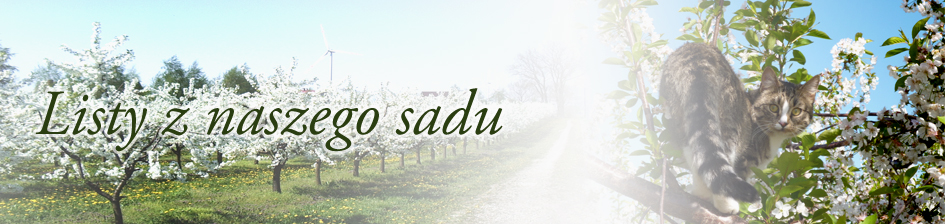
Gubernator Edirne, Dursun Sahin. Źródło: Cumhuriyet, Hurriyet, 22 listopada 2014.

Gubernator Edirne, Dursun Sahin. Źródło: Cumhuriyet, Hurriyet, 22 listopada 2014.

Jak pokazał raport MEMRI Turkish Media Project (patrz Antysemityzm wspina się na nowe wyżyny w Turcji: groźby przeciwko Żydom tureckim, wyrazy podziwu dla Hitlera, wezwania, by posłać Żydów do obozów koncentracyjnych; Żydzi powinni płacić “specjalny podatek”) antysemityzm nadal rośnie w Turcji, a przewodzi temu rządząca partia AKP i przedstawiciele państwa. W piątkowym kazaniu imam powiedział, że według Allaha „najbardziej zaciekłymi i dzikimi wrogami islamu na ziemi są Żydzi”; parlamentarzysta AKP nazwał to kazanie „wspaniałą mową” i promował je na swojej stronie na Facebooku. Gubernator prowincji Edirne, kiedyś centrum żydowskiego życia w Turcji, zadekretował, jak to sam określił, „z wielką nienawiścią w sercu”, że Wielka Synagoga prowincji, która obecnie podlega renowacji, nie zostanie otwarta, tak jak planowano, jako dom modlitw Żydów, ale będzie „muzeum bez żadnych eksponatów”.

Poniżej podajemy przykłady niedawnych wyrazów antysemityzmu w Turcji oraz niektóre reakcje mediów:

Według raportu o mowie nienawiści w mediach tureckich: gazeta islamistyczna “Yeni Akit” jest tu leaderem – Żydzi stanowią cel numer 1

Według raportu opublikowanego 20 grudnia 2014 r. przez Fundację Hrant Dink, nazwaną imieniem turecko-ormiańskiego dziennikarza, zamordowanego w 2007 r., popierająca AKP islamistyczna gazeta „Yeni Akit” stoi na czele listy mediów, które publikują mowę nienawiści. Według tego badania Żydzi stanowią cel numer 1 mowy nienawiści, a po nich są Ormianie i chrześcijanie. Kolejnym najgorszym winowajcą jest inna gazeta islamistyczna “Mili Gazete”[1].

Czytaj dalej tu: Antysemityzm po turecku…


twoje uwagi, linki, wlasne artykuly, lub wiadomosci przeslij do: webmaster@reunion68.com


Świadkowie – pisarze. Spotkanie z okazji 70. rocznicy wyzwolenia Auschwitz.

Świadkowie – pisarze. Spotkanie z okazji 70. rocznicy wyzwolenia Auschwitz.

W przededniu 70. rocznicy wyzwolenia niemieckiego nazistowskiego obozu koncentracyjnego i zagłady Auschwitz w oświęcimskiej Galerii Książki odbędzie się spotkanie z trójką byłych więźniów obozu. Halina Birenbaum, Zofia Posmysz i Bogdan Bartnikowski to świadkowie historii, którzy swoje doświadczenia z czasów wojny zawarli w literackich wspomnieniach. Otwarte spotkanie, podczas którego goście opowiedzą zarówno o swoich doświadczeniach obozowych, jak i o twórczości literackiej, rozpocznie się w poniedziałek 26 stycznia 2015 r. o godz. 17.00.

Halina Birenbaum urodziła się w 1929 r. w Warszawie. Jako dziecko przeżyła koszmar warszawskiego getta i obozów: na Majdanku, Auschwitz, Ravensbrück i Neustadt-Glewe, gdzie została wyzwolona w 1945 r. W 1947 r. wyemigrowała do Izraela. W 1967 r. ukazała się jej pierwsza książka Nadzieja umiera ostatnia będąca zapisem wspomnień w czasów wojny. W 1991 r. Halina Birenbaum wydała drugą książkę Powrót do ziemi praojców następnie Każdy odzyskany dzień, Wołanie o pamięć i kilka tomików wierszy. Jej twórczość jest świadectwem pamięci o Holokauście, ale zarazem też zachwytem nad światem i wyrazem wiary w podstawowe ludzkie wartości.


Zofia Posmysz urodziła się w 1923 r. w Krakowie. W kwietniu 1942 r. została aresztowana za posiadanie ulotek i osadzona w więzieniu przy ul Montelupich w Krakowie, skąd w 30 maja została przewieziona do KL Auschwitz. W styczniu 1945 r. została ewakuowana do KL Ravensbrück i Neustadt-Glewe. Literacko zadebiutowała w 1945 r. wspomnieniami Znam katów z Belsen. Rozgłos przyniosło jej słuchowisko radiowePasażerka z kabiny 45, na motywach którego powstał film Pasażerka w reżyserii Andrzeja Munka, a także książka pod tym samym tytułem. Zofia Posmysz w 2013 r. została Honorowym obywatelem miasta Oświęcim, a we wrześniu 2014 r. odsłoniła tablicę jej poświęconą w Alei Pisarzy przy oświęcimskiej Galerii Książki.

Bogdan Bartnikowski urodził się w Warszawie w 1932 r. Brał czynny udział w Powstaniu Warszawskim. 12 sierpnia 1944 r. został wywieziony wraz z matką do obozu Auschwitz. W styczniu 1945 r. przeniesiono go do obozu w Berlinie-Blankenburgu, gdzie został wyzwolony 22 kwietnia 1945 r. Po wojnie został pilotem wojskowym, a także pracował jako dziennikarz. W 1969 r. ukazały się jego opowiadania o polskich dzieciach w Auschwitz pt.: Dzieciństwo w pasiakach, które zostały wydane w kilku językach.

Organizatorami wydarzenia są Państwowe Muzeum Auschwitz-Birkenau oraz Galeria Książki. Wstęp wolny. Adres: ul. Nojego 2.

Główne obchody 70. rocznicy wyzwolenia Auschwitz odbędą się 27 stycznia 2015 r. w namiocie ustawionym przed główną bramą byłego obozu Birkenau. Szczegóły znaleźć można na stronie 70.auschwitz.org.


twoje uwagi, linki, wlasne artykuly, lub wiadomosci przeslij do: webmaster@reunion68.com