Archive | August 2022

The Antidote to Tyranny is Liberty, Not Democracy or International Government

The Antidote to Tyranny is Liberty, Not Democracy or International Government

J.B. Shurk


  • When presidents and prime ministers make and enforce their own laws under the pretext of “emergency powers,” then citizens should not be surprised when their leaders discover an endless supply of “emergencies” requiring urgent action.
  • The opposite of tyranny is not democracy, but rather liberty and individual rights. Is it not startling, then, that Western leaders extol democracy, yet pay such little homage to personal freedoms?
  • Yet freedom, liberty, and individual rights are rarely mentioned. In their stead, political leaders cherish the “virtues” of democracy and little else. It is as if a linguistic sleight of hand has robbed Western citizens of their most valuable heritage.
  • Is it not strange that Western leaders laud democracy over authoritarianism while simultaneously diminishing the power of their voters and strengthening the authority of foreign institutions [such as the EU, the UN, and the WHO]? Shouldn’t “democratic” nations decide their own fates?
  • Why should bigger, broader forms of international government, however, be seen as more virtuous and less corrupt than their national forms?…. For that matter, had Hitler’s Nazi Party succeeded in conquering all of Europe, would his “European Union” have deserved greater legitimacy than the national governments of Poland, Belgium, or France?
  • When national populations are denied self-determination and personal liberties are treated as privileges, not rights, then tyranny is never far from taking hold.
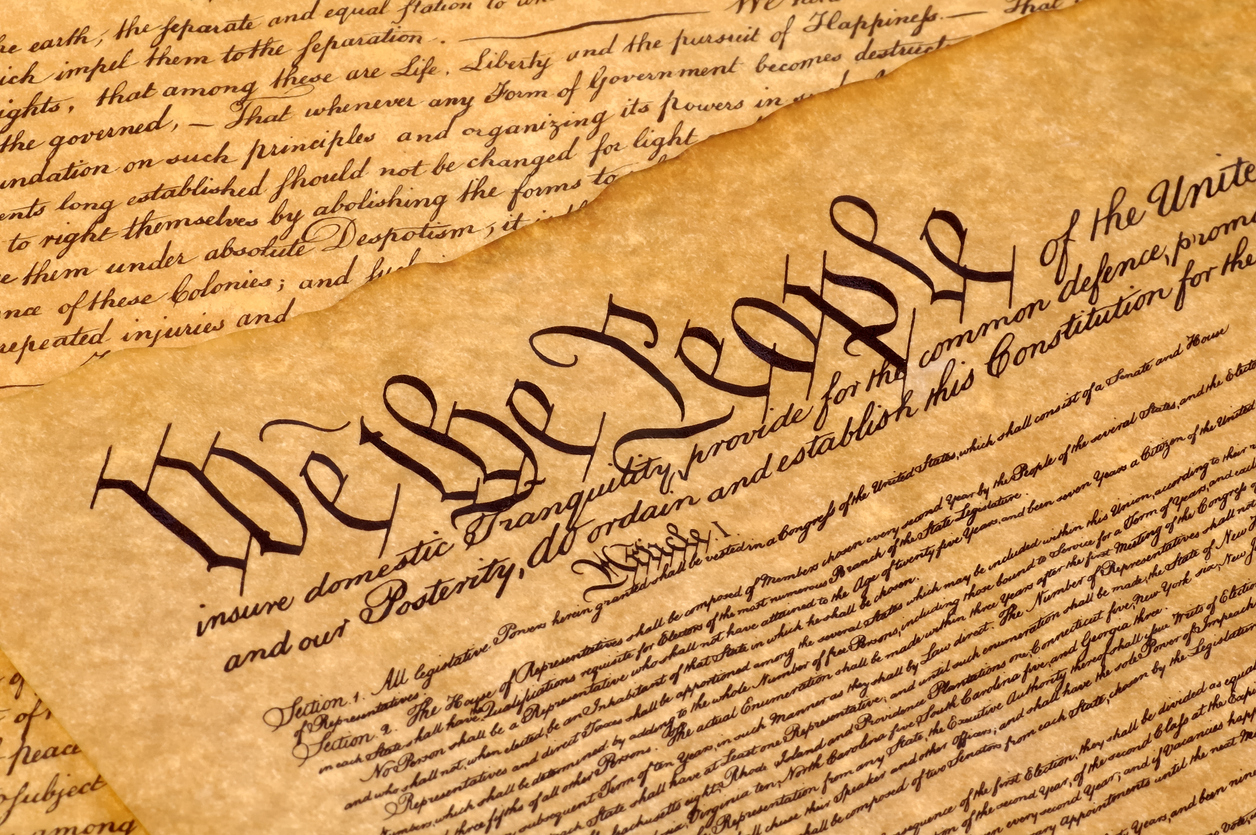
(Image source: iStock)

Political language manipulates political debate. Abortion opponents who define themselves as “pro-life” semantically render abortion proponents as “pro-death.” Abortion supporters who define themselves as “pro-choice” semantically render any opposition as “anti-choice.” Who wants to be “pro-death” or “anti-choice,” after all? Such is the nature of politics. Words are weapons: when wielded deftly, they shape the battlespace for our minds.

So what does it mean when Western leaders these days speak so much of democracy but so little of individual rights? Or that they preach the virtues of international institutions, while demonizing nationalism as xenophobic and dangerous? It means that national sovereignty and natural, inviolable rights are under direct attack throughout the West.

It has become rather common for European and American politicians to divide the world between “democratic” and “authoritarian” nations, the former described as possessing inherent goodness and the latter declaimed as threatening the planet’s very existence. Of course, after two-plus years of COVID-19-related mask, vaccine and travel mandates, often imposed in the West through unilateral executive or administrative action — and not through legislative will or public referendum — it is somewhat difficult to assert that democratic nations are free from authoritarian impulse.

When presidents and prime ministers make and enforce their own laws under the pretext of “emergency powers,” then citizens should not be surprised when their leaders discover an endless supply of “emergencies” requiring urgent action. Should that truth be in any doubt, one need only look to Canadian Prime Minister Justin Trudeau’s iron-fisted decision to quell truckers’ peaceful Freedom Convoy protests against experimental vaccine mandates earlier this year by confiscating bank accounts and effecting forceful arrests with little regard for due process or respect for Canadians’ free speech. Trudeau’s declared “emergency” trumped Canadian citizens’ personal rights.

It is also true that democracy in and of itself is no guarantee for a noble and just society. In a properly functioning democracy of one hundred citizens, fifty-one can vote to deny the other forty-nine property, liberty, and even life. Should a member of the minority find himself enslaved to the state or slated for execution simply because the majority wish it so, he will not be singing the praises of democracy while his neck is squeezed within the noose.

Principles of federalism (where sovereign government jurisdiction is divided between a central authority and its local, constituent parts) and separation of powers (where the judicial, legislative, and executive functions of government are divided among distinct and independent branches) provide strong checks against the concentration and abuse of too much power.

However, it is the West’s traditional embrace of natural rights that exist apart from and superior to constitutional authority that create the greatest protection against unjust government power (democratic or not). When natural rights are viewed as inviolable, as they are in the U.S. Declaration of Independence, free speech cannot be censored simply because it is speech with which the government disagrees. When private property ownership is understood as an inherent right possessed by individuals, Trudeau could not so easily go after private bank accounts whenever he might choose to declare an “emergency.” When individual natural rights are seen as mere “gifts” from the government, though, they quickly disappear whenever government actors find it expedient.

It is increasingly common to see individual rights attacked as “selfish” and contrary to the “common good.” Should government leaders convince citizens that personal rights do not exist, or that they should not exist, then authoritarian governments embracing various shades of communism or fascism will come knocking on the door.

The rule of law does not excuse tyranny simply because what is unjust was democratically enacted. If any voting minority is vulnerable to the whims of the majority, then to that minority a democratic government feels exceedingly authoritarian, too. And should your life, liberty, or property be on the line, you might very well prefer the judgment of a benevolent dictator to the demands of a vengeful, yet “democratic,” mob.

The opposite of tyranny is not democracy, but rather liberty and individual rights. Is it not startling, then, that Western leaders extol democracy, yet pay such little homage to personal freedoms? Surely Western Civilization should honor hard-fought victories for freedom of speech, freedom of religion, and free will. Surely the advancement of human liberty should be celebrated as a triumph of reason and rationality over feudal systems of power and their imperious forms of control. Surely any “free” society distinguishes itself from authoritarian regimes through its steadfast protection of inviolable human rights that exist irrespective of statutory law. Yet freedom, liberty, and individual rights are rarely mentioned. In their stead, political leaders cherish the “virtues” of democracy and little else. It is as if a linguistic sleight of hand has robbed Western citizens of their most valuable heritage.

If Western political leaders have used rhetorical voodoo to replace “individual liberty” with vague notions of “democracy,” they have relied upon a similar witchcraft to replace national sovereignty with international forms of government. What are the European Union, the United Nations, and the World Health Organization if not institutional structures for weakening the individual voting power of a nation’s citizens by handing once sovereign national powers to non-citizens?

Is it not strange that Western leaders laud democracy over authoritarianism while simultaneously diminishing the power of their voters and strengthening the authority of foreign institutions? Shouldn’t “democratic” nations decide their own fates? If not, if they must yield to the authority of the EU, UN or WHO, can individual nations still claim to be governed democratically?

“Nationalism” these days has been reduced to a disparaging word, as if anything done in the interests of one particular nation is inherently suspect. Citizens who express patriotic pride in their culture and national history are often rebuked as parochial or downright bigoted. Political movements that champion national self-determination (such as President Trump’s MAGA coalition in the U.S. and Brexit in the U.K.) are routinely ridiculed as “fascist” or “neo-Nazi.” Even when they achieve victory in democratic elections, they are nonetheless labeled “threats” to democracy.

Why should bigger, broader forms of international government, however, be seen as more virtuous and less corrupt than their national forms? When the Roman Republic became the Roman Empire, did its international institutions become inherently more trustworthy? When the Holy Roman Empire united much of Europe, did its emperors seem less authoritarian? For that matter, had Hitler’s Nazi Party succeeded in conquering all of Europe, would his “European Union” have deserved greater legitimacy than the national governments of Poland, Belgium, or France?

Surely it is just as absurd to praise international institutions over national governments without regard to the forms they take, as it is to praise democracy without regard for personal freedoms and individual rights. Surely it is easier to keep an eye on the actions of a local politician than it is to hold accountable a government official far away in Washington, D.C., New York City, Brussels, or Geneva. Yet international bodies are accorded tremendous respect today, while national bodies are frequently treated with disdain. It is as if national sovereignty has been demolished because the votes of democratic nations cannot be trusted to serve international interests. When Western leaders are all parroting the language of the World Economic Forum, it does not seem as if they are taking their marching orders from their own voters. Deferring to unelected, untransparent, unaccountable organizations seems a rather odd way to fight authoritarianism.

When national populations are denied self-determination and personal liberties are treated as privileges, not rights, then tyranny is never far from taking hold. Hiding that reality behind manipulations of language does not change its potent truth. It just forestalls contentious political battles for a later, more explosive day.


JB Shurk writes about politics and society.


Zawartość publikowanych artykułów i materiałów nie reprezentuje poglądów ani opinii Reunion’68,
ani też webmastera Blogu Reunion’68, chyba ze jest to wyraźnie zaznaczone.
Twoje uwagi, linki, własne artykuły lub wiadomości prześlij na adres:
webmaster@reunion68.com


Gold Medal-Winning Australian Racewalker Wears Keepsake From Holocaust Survivor Grandmother in Competition

Gold Medal-Winning Australian Racewalker Wears Keepsake From Holocaust Survivor Grandmother in Competition

Shiryn Ghermezian


Jemima Montag in an interview with Athletics Australia. Photo: YouTube screenshot.

Australian racewalker Jemima Montag wore a gold bracelet made from a necklace that belonged to her late grandmother, a Holocaust survivor, when she won her second Commonwealth Games gold medal on Saturday in the 10,000-meter walk.

The medical student, 24, who wears the bracelet in every competition, finished the race in 42 minutes and 34 seconds at the Alexander Stadium in Birmingham, England. The reigning Commonwealth Games champion is the first woman to win a gold medal in racewalking since fellow Australian Jane Saville in 2006. She told the Australian Broadcasting Channel (ABC) about wearing the keepsake during her races, “It’s certainly a lucky charm. I can feel it there wobbling around and she’s with me.”

Montag’s paternal grandmother Judith, a survivor of the Auschwitz concentration camp, died last year before Montag competed in the Tokyo Olympics. Judith did not speak about her experience in the Holocaust because of the trauma associated with it, but after her death, Montag and her aunt looked through Judith’s personal items to try and learn more.

“In some of her love letters and journal entries, she wrote about just trying to make it through the next hour the next day, just hoping to meet her dad at the gate with a piece of bread,” Montag shared with ABC. “And I think what I take from that is in a race, it’s one kilometer at a time; it’s one step at a time, not thinking about the finish line.”

She added: “They marched through snow and cold for days on end in little sandals, and hardly any clothing. And she and her sister took their waistband and tied their wrists together. And they said, ‘we’re getting through this together or not at all.’ And so, [I’m] just visualizing her walking on ice, not knowing when the next meal would be or if she would survive.

“[Racing] is fun,” Montag continued, “and this is something I choose to do, and yes, it’s hard. But someone just two generations ago had that level of strength. And I know it’s with me now.”

She told ABC that the gold bracelet made from Judith’s necklace is a reminder of her grandmother’s “strength and resilience” during the Holocaust, adding, “To uncover the amount of grit, perseverance, and mindfulness and presence that they had to have. It’s just a really tangible reminder of what she sacrificed for dad and then me to even be alive.”

Montag said she is planning to write a book about her grandmother’s experiences.


Zawartość publikowanych artykułów i materiałów nie reprezentuje poglądów ani opinii Reunion’68,
ani też webmastera Blogu Reunion’68, chyba ze jest to wyraźnie zaznaczone.
Twoje uwagi, linki, własne artykuły lub wiadomości prześlij na adres:
webmaster@reunion68.com


Dyskryminacja z miłości i dobrego serca

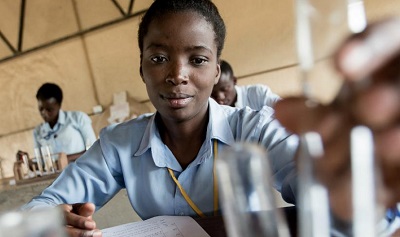
Uczennica liceum w Lusace (Zambia) przeprowadza eksperyment na lekcji chemii. Zdjęcie: UNICEF Photo/UN0145554/Karin Schermbrucker. (Źródło: ONZ, International Day of Women and Girls in Science.)


Dyskryminacja z miłości i dobrego serca

Andrzej Koraszewski


Przez tysiąclecia trzymano kobiety z dala od ośrodków edukacyjnych i tylko te najbardziej przebiegłe umiały jakoś ominąć boskie zakazy.

.
W Europie Reformacja kazała wszystkim czytać Słowo Boże, więc tam gdzie miłość bliźniego przegrała z chęcią zysku, dziewczynki, nawet te z chłopskich rodzin, dostały się do ławek szkolnych, chociaż kościoły i rodzice dokładali starań, żeby nie siedziały w nich zbyt długo. W XIX wieku zaczęły stukać do bram uniwersytetów, na co większość panów patrzyła z oburzeniem i obrzydzeniem.

Kiedy w XX wieku dziewuchy zaczęły się masowo pchać do szkół średnich i na uniwersytety uznano, że może ich umiejętności przydadzą się do różnych prac pomocniczych, bo ich słabe główki do myślenia się przecież nie nadają.

Jeff Jacoby z „Boston Globe” przypomina, że właśnie mija 50 lat od uchwalenia w USA poprawki do ustawy edukacyjnej zakazującej dyskryminacji ze względu na płeć w jakichkolwiek ośrodkach edukacyjnych. Jacoby przypomina słowa senatoraBircha Bayha z Indiany, który był jednym z inicjatorów tej poprawki:              

Wszyscy znamy stereotyp, że kobiety są ładnymi istotami, które idą do szkoły średniej, aby znaleźć męża, niektóre  idą do szkoły wyższej, ponieważ chcą bardziej interesującego męża, a w końcu wychodzą za mąż, mają dzieci i nigdy nie idą do pracy zawodowej. Z takich stereotypowych wyobrażeń wynika pragnienie wielu szkół, by nie marnować „męskich miejsc” dla kobiet. Ale fakty przeczą tym mitom o „słabszej płci” i nadszedł czas, aby zmienić nasze założenia operacyjne. . . . [Ta poprawka] jest ważnym pierwszym krokiem w wysiłkach, aby zapewnić kobietom w Ameryce coś, co słusznie należy do nich — równe szanse uczęszczania do wybranych przez nie szkół [i] rozwijania umiejętności, których pragną.

Wielu badaczy dowodzi, że prawdziwym motorem przemian były zmiany rynku pracy, które gwałtownie przyspieszały podczas obydwu wojen światowych, kiedy sytuacja wymuszała masowe zatrudnianie kobiet (chociaż gotowość pracodawców do rezygnacji z zasiedziałych mitów była nadal sprzeczna z ich przyzwyczajeniami i interesami).

Trudno powiedzieć jaką siłę oddziaływania miał prawny zakaz dyskryminowania kobiet amerykańskich w ośrodkach edukacyjnych, jako że generalna zmiana proporcji kobiet wśród absolwentów szkół wyższych obserwowana jest w całym rozwiniętym (i nie tylko rozwiniętym) świecie.       

Ekonomista Mark J. Perry sięgnął po dane amerykańskiego Biura Statystyki Pracy z października 2021 r., i pokazuje zdumiewające różnice między młodymi mężczyznami i kobietami w Stanach Zjednoczonych. Proporcje nie tylko się odwróciły, ale panie mogą mieć wzrastające kłopoty ze znalezieniem tych interesujących (intelektualnie) partnerów. 

Dziś więcej kobiet niż mężczyzn kończy szkoły średnie, wśród absolwentów szkół wyższych jest kobiet więcej niż mężczyzn o całe 20 procent. Mężczyźni znacznie częściej przerywają naukę zarówno na poziomie szkoły średniej, jak i podczas studiów, banalna jest obserwacją, że mężczyźni mają wielokrotnie częściej problemy z alkoholem, narkotykami i przestępczością. Jeśli idzie o liczbę doktoratów panie biją panów na głowę.    

Patrząc na statystyki wyników nauczania to mężczyźni pozostają dziś daleko w tyle za kobietami i dotyczy to nie tylko sfeminizowanych zawodów takich jak farmacja, medycyna, pedagogika, ale również ekonomia czy biologia. Co więcej przyspiesza tempo zmian w dziedzinach, które były ostatnimi bastionami męskiej supremacji, na politechnikach, na wydziałach matematyki i fizyki panie przestały być dziwolągami (a panowie profesorowie i młodsi wykładowcy niestety często dają powody do podejrzeń, że nie są równo traktowane).      

Czy to oznacza, że w amerykańskim systemie edukacyjnym kobiety są dziś uprzywilejowane? Od dawna mamy powody, by sądzić, że administracyjne wyrównywanie szans często przynosi skutki odwrotne od zamierzonych, kwoty, punkty, pozytywna dyskryminacja nie tylko hamują rozwój, nie tylko prowadzą do obniżania poziomu nauczania, ale są zabójcze dla grup, które były wcześniej dyskryminowane. Zamiast nagradzać pracowitość i talenty, nagradzają postawy roszczeniowe i prowadzą do bezpodstawnych oczekiwań.      

Banalne jest stwierdzenie, że walka ze skutkami długotrwałej dyskryminacji, czy to ze względu na płeć, rasę, pochodzenie etniczne, czy grupę społeczną, musi zaczynać się od  uzupełnienia rodzinnej i środowiskowej stymulacji intelektualnej dzieci od najwcześniejszych lat, że złe szkoły w połączeniu z przekonywaniem, że te dzieci są ofiarami systemowej dyskryminacji, przy równoczesnym domaganiu się obniżania oczekiwań, to strategia  pogłębiania problemu i blokowania ruchliwości społecznej.       

Problem dyskryminacji kobiet jest tu klasycznym przykładem. Sama dyskryminacja była (i nadal jest) zakotwiczona głównie w kulturze religijnej. Dziś jest najbardziej otwarcie podtrzymywana w islamie, prawosławie i katolicyzm męczą się z udawaniem, że porzuciły dawne przesądy, że tylko troszczą się o tradycyjny model rodziny, w którym mężczyzna zarabia, a kobieta rodzi i sprząta, protestantyzm niemal się poddał i posiada już nawet biskupki,  (nie ma się jednak co oszukiwać, również protestanci mają swoje bastiony tradycji, których działanie widzimy zarówno w kościołach, jak i w wyznaniowych szkołach). Boko Haram (islamski ruch walki z zachodnią nauką dla dziewcząt), jest tylko w Afryce, ale Malala została postrzelona w Pakistanie za swoje głośnie domaganie się prawa do nauki.

My żyjemy w świecie, w którym walka o prawo dostępu kobiet do oświaty została uwieńczona pełnym zwycięstwem. Wszystko byłoby na najlepszej drodze, gdyby nie to, że dziś pseudo feministki zaczęły walkę o idealne parytety, jakby miały kłopoty ze zrozumieniem, że ważną dla społeczeństwa pozycję powinien pełnić człowiek z najlepszymi kwalifikacjami, że istotne jest równe traktowanie, a nie płciowa sprawiedliwość w organach władzy.                  

Walka z tym co pozostało z wielowiekowej dyskryminacji trwa. Pytanie jednak czy walczymy o równość szans, równość ocen w zależności od pracowitości i talentu, równość płac w zależności od jakości i wydajności pracy, czy o kwoty w oparciu o kryterium kto ma XX a kto XY. Kiedy ideologia bierze górę nad rozsądkiem, szydło wychodzi z worka i może poprawiać statystyki, ale szkodzi sprawie.

W dyskusjach o dyskryminacji kobiet jak na gumce powraca pytanie, czy są biologiczne różnice między umysłami kobiet i mężczyzn. Wiele wskazuje na to, że są i byłoby dziwne gdyby nie było. Różnice między jednostkami są większe i głębsze niż różnice między populacjami, a ujawnienie jednostkowych talentów zależy w dużym stopniu od tego, co dzieje się w pierwszych latach naszego życia. Opowieści o ścisłych umysłach mężczyzn i opiekuńczych skłonnościach kobiet sprawdzają się na wielkich liczbach, ale w prawdziwym życiu nieustannie zderzamy się z zaskakującymi odchyleniami od stereotypów (nawet jeśli mają one podstawy w rzeczywistości).

Nadal jest powód do rozwijania feminizmu, ale dobrze jest jednak patrzeć na jego jakość i wydajność. Twierdzenie, że ważne to co w głowie, a nie to, co między nogami, nie jest sprzeczne z walką z pozostałościami odwiecznej dyskryminacji, zgoła przeciwnie.


Zawartość publikowanych artykułów i materiałów nie reprezentuje poglądów ani opinii Reunion’68,
ani też webmastera Blogu Reunion’68, chyba ze jest to wyraźnie zaznaczone.
Twoje uwagi, linki, własne artykuły lub wiadomości prześlij na adres:
webmaster@reunion68.com

Majestic Mt. Arbel fortress to open following 1.5 years of conservation work

Majestic Mt. Arbel fortress to open following 1.5 years of conservation work

JUDITH SUDILOVSKY


Workers carried 20 to 40 kilos of steel supporting elements up 300 meters along the cliff to the Ottoman-period fortress.

.
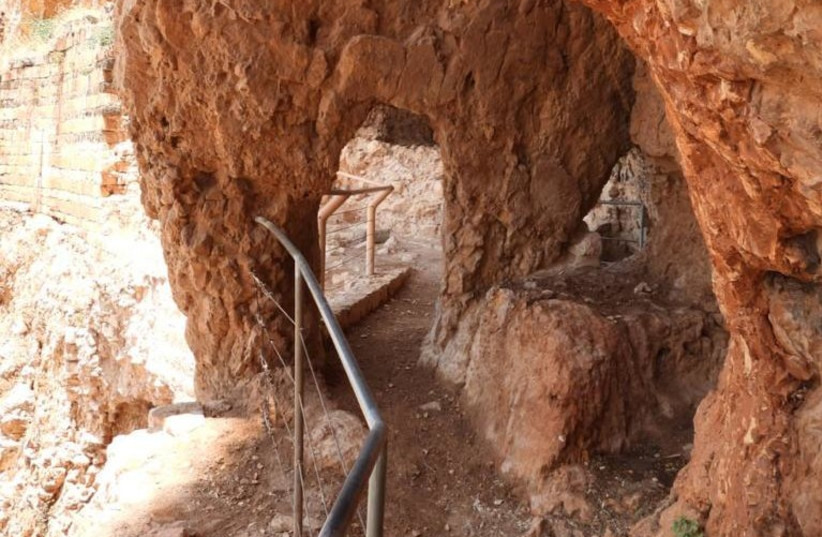
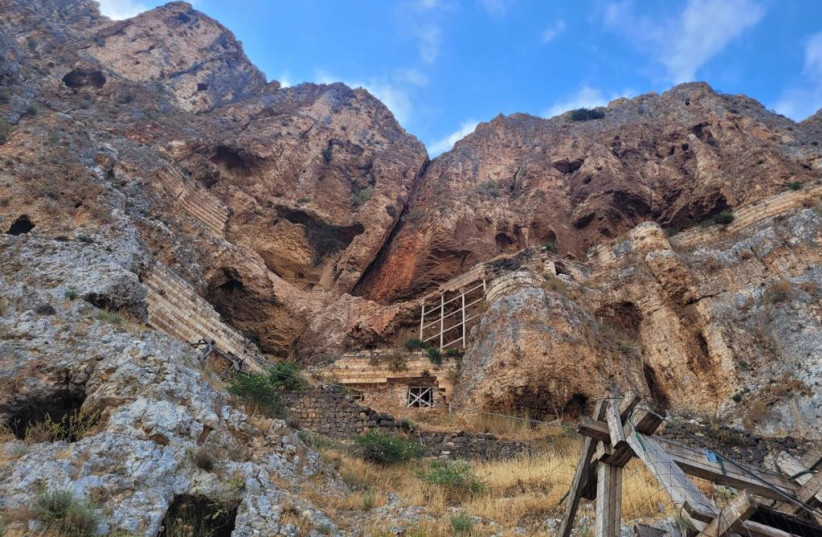
The Mt. Arbel National Park will open this weekend after 1.5 years of complex conservation work on the Ottoman period fortress on the towering cliff. / (photo credit: Asaf Dori)

Towering majestically over Lake Kinneret, looking out over a breathtaking view of the upper and lower Galilee including Mt. Nitai, and further towards the Golan Heights and Mt. Hermon, the stark cliff of Mt. Arbel has been witness to plenty of history.

In a secluded plateau on the south and west of the impressive cliff, are the archaeological remains of a Jewish village from the Hellenistic period in the 2nd and 3rd century BC, which was in continued use until the Roman period; inside the cliff is a series of hidden cave dwellings which may have been an extension of the village and which were used as a refuge by Jewish rebels supporters of the last Hasmonean king of Judea, Antigonus II, as they battled, and lost, against the Roman legions of King Herod in 40 BC. The battle was described by Roman-Jewish historian Yosef Ben-Matitiyahu who himself was leader of a Jewish battle against the Romans at the same inaccessible location in 60 CE, later describing how the Romans lit large fires at the entrance of the caves–with many of the Jewish rebels leaping to their deaths–in his famed volume “The War of the Jews” written as Flavius Josephus.

Beneath all this, flint tools and other archaeological evidence of pre-historical occupancy have been found; on top there is also evidence of a crusader fortress and, above all, there is what can be seen today overlooking the region: a stunning work of architectural engineering in the form of a military fortress from 1621 built by a local Druze ruler named Fakhr Al-Din II during a period of instability during the reign of the Ottoman Empire.

The fortress was not allowed to stand for too long, and within a decade of its construction Ottoman forces destroyed it for reasons unknown. Time and nature did their share, and over the centuries the three-story fortress—a popular site for intrepid hikers to visit–fell into great disrepair making it dangerous for visitors.

Fifteen years ago, the Israel Nature and Parks Authority, which manages the Mt. Arbel Natural Park and Nature Reserve, undertook a sweeping conservation project made up of six parts, and in the past five years two major conservation projects of spectacular complexity to strengthen and support the fortress were carried out.

The Mt. Arbel National Park will open this weekend after 1.5 years of complex conservation work on the Ottoman period fortress on the towering cliff (credit: Rotem Cohen Vider)

This Saturday, July 16, the site will officially reopen to the public after 1.5 years of conservation work.

In July and August, there will be unique behind-the-scenes sunrise tours of the conservation works inside the citadel, and hikers will be able to experience both the spectacular natural beauty at the reserve as well as the magnificent archaeology.

The conservation work on Mt. Arbel was coordinated with the Israel Antiquities Authority, planned by Schaffer & Ronen conservation engineering and carried out by Archo Company. 

As part of the conservation work carried out with the Archo Company, many stones were reinforced in the fort, special materials for the thickness of the walls and the ancient structure were injected and about 20 deep drillings were drilled into the rock to create a grip on the hanging walls.

“Another significant process done at the site is the construction of a steel supporting element that simulates the original wall line of the fort, which aims to support the stone walls hanging in the air. The project was accompanied by extremely difficult engineering and logistical challenges that made it challenging and special and we are very happy that it has come to an end and we can return the fort to the visitors,” added Yonatan Orlin, director of the INPA conservation teams in the northern district.

The logistics of the work were formidable, said INPA Mt. Arbel Park director Asaf Dori. Special scaffolding had to be built prior to the conservation work in order to allow the process to begin.

“The fortress is in the middle of the cliff and access to it is by foot only. There is a path that reaches to 300 meters below the cliff, but then you need to climb the 300 meters to the fortress, and another 170 steps to the first story and another 80 more steps inside the fortress in order to bring all the materials and tools up,” he said.

Different methods of transporting materials were looked into from donkeys to tractors and helicopter, but in the end the only thing that was suitable was manpower, he said, and the conservation work itself was conducted standing on the scaffolding suspended from the cliff.

“All the material, everything went up on the backs of people. Twenty to forty kilos of the steel elements for the wall was brought up piece by piece and built like with Legos. It couldn’t be built any other way,” said Dori.  

Much artistic architectural thought was put into the original design of the fortress said Dr. Haim Mamalya, Tiberias and East Lower Galilee subdistrict archaeologist of the Israel Antiquities Authority.  Even when building on such a difficult location, Fakhr Al-Din II put emphasis not only on the fortress as a place for military protection but also as one of beauty using the natural resources available to him, said Mamalya, and the fortress wall was made of successive rows of three of white limestone and black basalt stone he procured from the valley below.

“It is very beautiful and special. It was really thought out.”

Dr. Haim Mamalya, Tiberias and East Lower Galilee subdistrict archaeologist of the Israel Antiquities Authority

“It is not easy to carry basalt stone from the wadi to mid-cliff, but the purpose was for more than just to protect the wall against attacks from enemies, or for construction purposes, but for the esthetic beauty of it. It is very beautiful and special,” he said. “It was really thought out.”

The hundreds of caves that were originally created in a natural process also open on the cliff, and later the natural cave complexes were hewn and expanded by man for residential purposes in ancient times. The impressive structure of the caves include living halls, collection cisterns, stair assemblies, Jewish mikvahs and cisterns which were carved under the natural drainage system of the rock, through its natural grooves, noted the INPA in a statement.

Throughout the periods of its use, in the citadel and the cave village, natural drainage systems were used to fill cisterns and assist the life of the castle. These systems collapsed over the years and as part of the conservation work the natural drainage systems were tilted to reduce weathering and damage, the INPA said.

“This has been a very complex work done in the center of the high cliff, which has led to spectacular results. Today, the visitor’s experience in the fortress has improved miraculously, and after 160 steps they will enter a 400-year-old building that provides a spectacular and unique view of the Arbel, Lower Galilee and Upper Galilee,” said Dori.

He noted that there are several hiking trails in the reserve. Around the entrance of the site there is an easy circular route along the mountain base that includes four amazing views and from where the fortress can be seen, or the more adventurous route designed for families of good hikers and recommended for children aged 7 and up, which includes descent and then ascent of the cliff—including the use of metal ladders in some places—and also passes through the fortress and refuge caves.


In honor of the new opening on July 16, August 5 and August 20 the INPA will offer free, behind-the-scenes tours along the more challenging path at 6:30 a.m. and 7:00 a.m. by tour guides as part of a Tourism Ministry project. In the morning, there will also be professional guides who will guide the hikers on the conservation and development work done at the fort.

Entrance to the site to view the sunrise will begin at 5:15 this coming Saturday, and at 5:30 a.m. during the month of August, but a descent to the hiking path will be only possible starting at 6:30 a.m. to respect the quiet for the many animals for whom the nature reserve is home.


Zawartość publikowanych artykułów i materiałów nie reprezentuje poglądów ani opinii Reunion’68,
ani też webmastera Blogu Reunion’68, chyba ze jest to wyraźnie zaznaczone.
Twoje uwagi, linki, własne artykuły lub wiadomości prześlij na adres:
webmaster@reunion68.com

English Soccer Club Tottenham Hotspur Surprise Israeli, Palestinian Kids at Tel Aviv Training Session

English Soccer Club Tottenham Hotspur Surprise Israeli, Palestinian Kids at Tel Aviv Training Session

Shiryn Ghermezian


Tottenham Hotspur’s Harry Kane scores their second goal against the Rangers at Ibrox Stadium, Glasgow, Scotland. Photo: Action Images via Reuters/Jason Cairnduff

Ahead of their match in Haifa over the weekend, four players on the English Premier League soccer club Tottenham Hotspur paid a surprise visit on Friday to Israeli and Palestinian children participating in a soccer program hosted by an Israeli nonprofit.

Hugo Lloris, Eric Dier, Matt Doherty, and Ryan Sessegnon met with 45 kids taking part in a Tel Aviv training session organized by The Equalizer, which uses sports as a tool for education and social change to bring together children from different backgrounds.

The charity runs weekly soccer training sessions and educational classes “with the aim of giving children a significant framework for personal development and values such as tolerance, mutual respect, preventing violence and eradicating racism, while creating a bridge between different populations in Israeli society,” according to its website.

The children, ages 9-12, had a Friday session hosted by Tottenham Spurs’ Global Football Development coaches, running a series of drills and learning tactics with help from the team’s players and its ambassador, Ledley King.

The children also took pictures with the Spurs’ players and received signed autographs, along with tickets to the club’s Saturday night match against Italy’s A.S. Roma, at the Sammy Ofer Stadium in Haifa.

“It’s not every day that children in Israel get the opportunity to meet top-class Premier League footballers,” said Liran Gerassi, CEO and founder of The Equalizer. “Such encounters are a huge boost to the children’s motivation, ambition, and self-esteem for years to come and therefore a meaningful contributor to achieving our goals of equal opportunities and bridging social gaps.”

Speaking after the training session, Lloris, the Spurs’ team captain, applauded the charity for doing “a fantastic job in bringing together Israeli and Palestinian children through the power of football.”


Zawartość publikowanych artykułów i materiałów nie reprezentuje poglądów ani opinii Reunion’68,
ani też webmastera Blogu Reunion’68, chyba ze jest to wyraźnie zaznaczone.
Twoje uwagi, linki, własne artykuły lub wiadomości prześlij na adres:
webmaster@reunion68.com