Archive | October 2022

Is Russia conducting experiments on foreign satellites?

Is Russia conducting experiments on foreign satellites?

JERUSALEM POST STAFF


The Russian Defense Ministry said that the Russian Space Forces are conducting experiments with foreign satellites.

.
A first military satellite named Noor is launched into orbit by Iran’s Revolutionary Guards Corps, in Semnan, Iran April 22, 2020. / (photo credit: WANA/SEPAH NEWS VIA REUTERS)

According to a Russian media site, the Defense Ministry said at the celebration of the 65th anniversary of the Space Forces, that the Russian Space Forces are conducting experiments with foreign satellites.

The ministry stated, “Particular attention was paid by specialists of the Main Center for Space Situation Intelligence to monitor the composition and condition of orbital groupings in orbits with spacecraft of foreign states.”

The Defense Ministry also added that “throughout the year, the on-duty means of the Russian missile attack warning system, along with the specialized means of space control and missile defense systems, detected more than 150 launches of foreign and domestic ballistic missiles and space missiles.”

What are the Russian Space Forces?

According to multiple Russian sources, the Russian Space Forces are a branch of the Russian Aerospace Forces. They provide aerospace warning, air and space sovereignty, as well as other protection-related things for Russia.

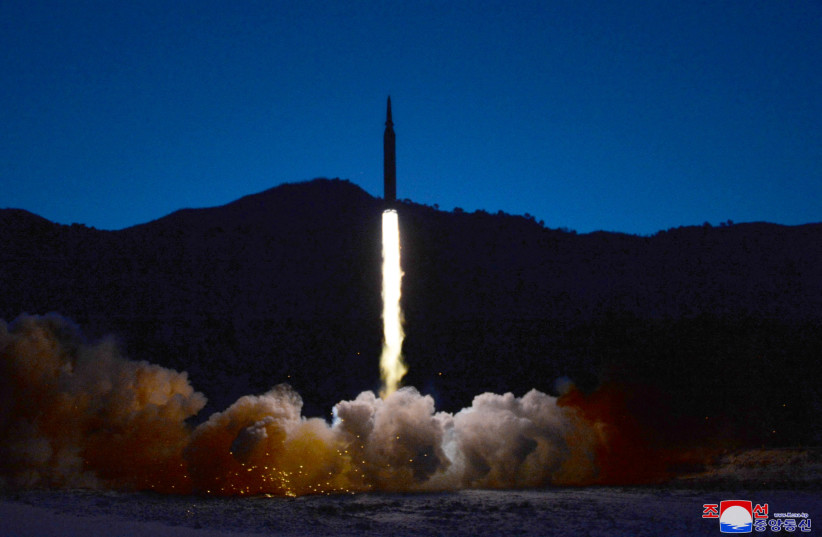
A missile is launched during what state media report is a hypersonic missile test at an undisclosed location in North Korea, January 11, 2022, in this photo released January 12, 2022 by North Korea’s Korean Central News Agency (KCNA). (credit: KCNA VIA REUTERS/FILE PHOTO)

They started out in 1967 as the Troops of Anti-Missile and Anti-Space Defense and then reorganized into Space Defense Units in 1982.

The Russian Federation was established in 1992 and in 1997, the Space Force was dissolved as a separate service arm. It was at that point that it was incorporated into the Strategic Rocket Forces along with the Space Missile Defense Forces.


Zawartość publikowanych artykułów i materiałów nie reprezentuje poglądów ani opinii Reunion’68,
ani też webmastera Blogu Reunion’68, chyba ze jest to wyraźnie zaznaczone.
Twoje uwagi, linki, własne artykuły lub wiadomości prześlij na adres:
webmaster@reunion68.com


The U.S. Government’s Vast New Privatized Censorship Regime

The U.S. Government’s Vast New Privatized Censorship Regime

JENIN YOUNES


Censorship of wrongthink by Big Tech at the behest of the government is government censorship, which violates the First Amendment
.

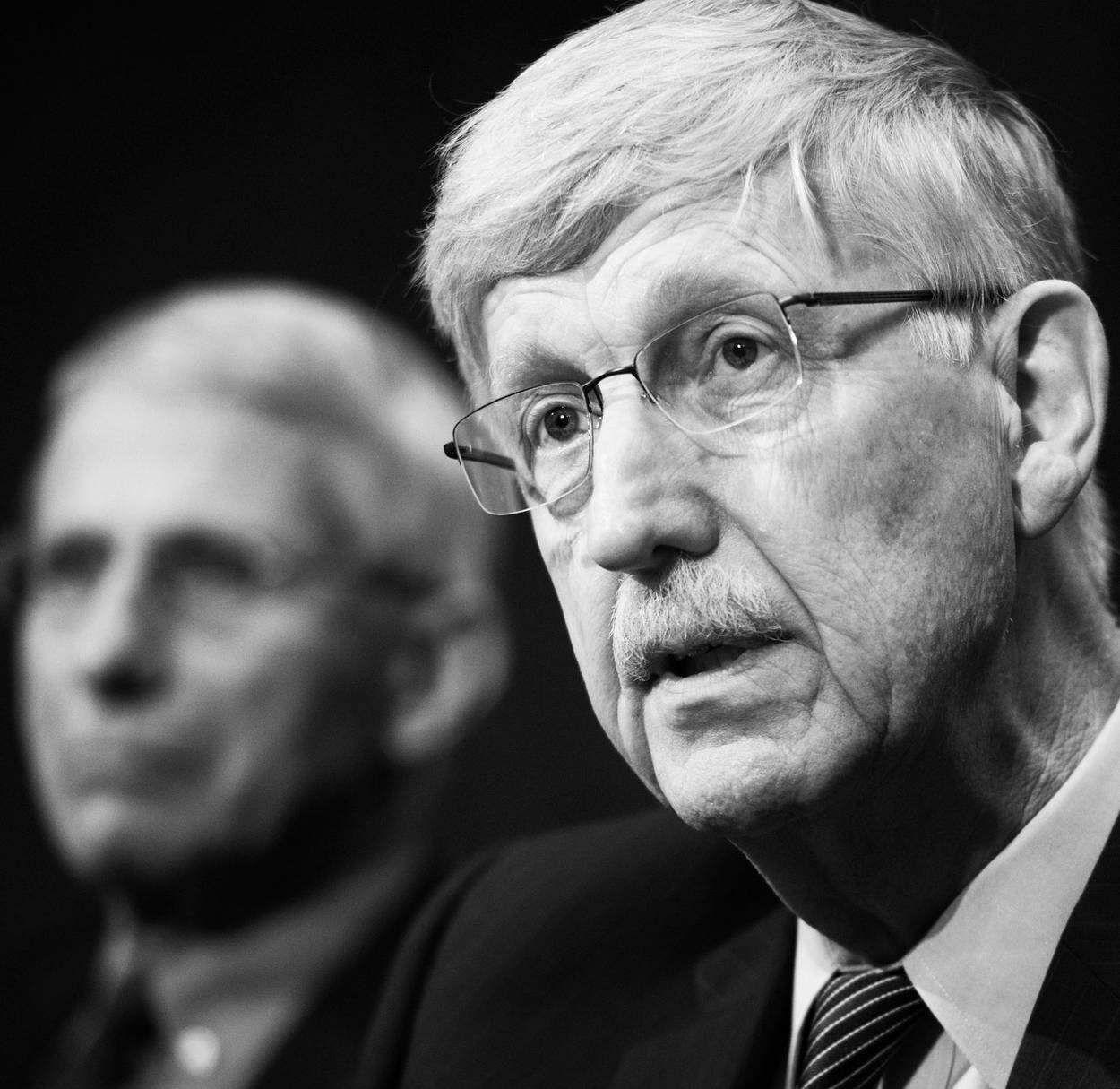
Francis Collins, at right, and Anthony FauciTOM WILLIAMS/CQ ROLL CALL

One warm weekend in October of 2020, three impeccably credentialed epidemiologists—Jayanta Bhattacharya, Sunetra Gupta, and Martin Kulldorff, of Stanford, Oxford, and Harvard Universities respectively—gathered with a few journalists, writers, and economists at an estate in the Berkshires where the American Institute for Economic Research had brought together critics of lockdowns and other COVID-related government restrictions. On Sunday morning shortly before the guests departed, the scientists encapsulated their views—that lockdowns do more harm than good, and that resources should be devoted to protecting the vulnerable rather than shutting society down—in a joint communique dubbed the “Great Barrington Declaration,” after the town in which it was written.

The declaration began circulating on social media and rapidly garnered signatures, including from other highly credentialed scientists. Most mainstream news outlets and the scientists they chose to quote denounced the declaration in no uncertain terms. When contacted by reporters, Drs. Anthony Fauci and Francis Collins of the NIH publicly and vociferously repudiated the “dangerous” declaration, smearing the scientists—all generally considered to be at the top of their fields—as “fringe epidemiologists.” Over the next several months, the three scientists faced a barrage of condemnation: They were called eugenicists and anti-vaxxers; it was falsely asserted that they were “Koch-funded” and that they had written the declaration for financial gain. Attacks on the Great Barrington signatories proliferated throughout social media and in the pages of The New York Times and Guardian.

Yet emails obtained pursuant to a FOIA request later revealed that these attacks were not the products of an independent objective news-gathering process of the type that publications like the Times and the Guardian still like to advertise. Rather, they were the fruits of an aggressive attempt to shape the news by the same government officials whose policies the epidemiologists had criticized. Emails between Fauci and Collins revealed that the two officials had worked together and with media outlets as various as Wired and The Nation to orchestrate a “takedown” of the declaration.

Nor did the targeting of the scientists stop with the bureaucrats they had implicitly criticized. Bhattacharya, Gupta, and Kulldorff soon learned that their declaration was being heavily censored on social media to prevent their scientific opinions from reaching the public. Kulldorff—then the most active of the three online—soon began to experience censorship of his own social media posts. For example, Twitter censored one of Kulldorff’s tweets asserting that: “Thinking that everyone must be vaccinated is as scientifically flawed as thinking that nobody should. COVID vaccines are important for older, higher-risk people and their caretakers. Those with prior natural infection do not need it. Not children.” Posts on Kulldorff’s Twitter and LinkedIn criticizing mask and vaccine mandates were labeled misleading or removed entirely. In March of 2021, YouTube took down a video depicting a roundtable discussion that Bhattacharya, Gupta, Kulldorff, and Dr. Scott Atlas had with Gov. Ron DeSantis of Florida, in which the participants critiqued mask and vaccine mandates.

Because of this censorship, Bhattacharya and Kulldorff are now plaintiffs in Missouri v. Biden, a case brought by the attorneys general of Missouri and Louisiana, as well as the New Civil Liberties Alliance (NCLA), which is representing them and two other individuals, Dr. Aaron Kheriaty and Jill Hines. The plaintiffs allege that the Biden administration and a number of federal agencies coerced social media platforms into censoring them and others for criticizing the government’s COVID policies. In doing so, the Biden administration and relevant agencies had turned any ostensible private action by the social media companies into state action, in violation of the First Amendment. As the Supreme Court has long recognized and Justice Thomas explained in a concurring opinion just last year, “[t]he government cannot accomplish through threats of adverse government action what the Constitution prohibits it from doing directly.”

Federal district courts have recently dismissed similar cases on the grounds that the plaintiffs could not prove state action. According to those judges, public admissions by then-White House press secretary Jennifer Psaki that the Biden administration was ordering social media companies to censor certain posts, as well as statements from Psaki, President Biden, Surgeon General Vivek Murthy, and DHS Secretary Alejandro Mayorkas threatening them with regulatory or other legal action if they declined to do so, still did not suffice to establish that the plaintiffs were censored on social media due to government action. Put another way, the judges declined to take the government at its word. But the Missouri judge reached a different conclusion, determining there was enough evidence in the record to infer that the government was involved in social media censorship, granting the plaintiffs’ request for discovery at the preliminary injunction stage.

The Missouri documents, along with some obtained through discovery in Berenson v. Twitter and a FOIA request by America First Legal, expose the extent of the administration’s appropriation of big tech to effect a vast and unprecedented regime of viewpoint-based censorship on the information that most Americans see, hear and otherwise consume. At least 11 federal agencies, and around 80 government officials, have been explicitly directing social media companies to take down posts and remove certain accounts that violate the government’s own preferences and guidelines for coverage on topics ranging from COVID restrictions, to the 2020 election, to the Hunter Biden laptop scandal.

Correspondence publicized in Missouri further corroborates the theory that the companies dramatically increased censorship under duress from the government, strengthening the First Amendment claim. For example, shortly after President Biden asserted in July of 2021 that Facebook (Meta) was “killing people” by permitting “misinformation” about COVID vaccines to percolate, an executive from the company contacted the surgeon general to appease the White House. In a text message to Murthy, the executive acknowledged that the “FB team” was “feeling a little aggrieved” as “it’s not great to be accused of killing people,” while he sought to “de-escalate and work together collaboratively.” These are not the words of a person who is acting freely; to the contrary, they denote the mindset of someone who considers himself subordinate to, and subject to punishment by, a superior. Another text, exchanged between Jen Easterly, director of the Cybersecurity and Infrastructure Security Agency (CISA), and another CISA employee who now works at Microsoft, reads: “Platforms have got to get more comfortable with gov’t. It’s really interesting how hesitant they remain.” This is another incontrovertible piece of evidence that social media companies are censoring content under duress from the government, and not due to their directors’ own ideas of the corporate or common good.

Further, emails expressly establish that the social media companies intensified censorship efforts and removed particular individuals from their platforms in response to the government’s demands. Just a week after President Biden accused social media companies of “killing people,” the Meta executive mentioned above wrote the surgeon general an email telling him, “I wanted to make sure you saw the steps we took just this past week to adjust policies on what we are removing with respect to misinformation, as well as steps taken further to address the ‘disinfo dozen’: we removed 17 additional Pages, Groups, and Instagram accounts tied to [them].” About a month later, the same executive informed Murthy that Meta intended to expand its COVID policies to “further reduce the spread of potentially harmful content” and that the company was “increasing the strength of our demotions for COVID and vaccine-related content.”

Alex Berenson, a former New York Times reporter and a prominent critic of government-imposed COVID restrictions, has publicized internal Twitter communications he obtained through discovery in his own lawsuit showing that high-ranking members of the Biden administration, including White House Senior COVID-19 Advisor Andrew Slavitt, had pushed Twitter to permanently suspend him from the platform. In messages from April 2021, a Twitter employee noted that a meeting with the White House had gone relatively well, though the company’s representatives had fielded “one really tough question about why Alex Berenson hasn’t been kicked off from the platform,” to which “mercifully we had answers” (emphasis added).

About two months later, days after Dr. Fauci publicly deemed Berenson a danger, and immediately following the president’s statement that social media companies were “killing people,” and despite assurances from high-ups at the company that his account was in no danger, Twitter permanently suspended Berenson’s account. If this does not qualify as government censorship of an individual based on official disapproval of his viewpoints, it would be difficult to say what might. Berenson was reinstated on Twitter in July 2022 as part of the settlement in his lawsuit.

In 1963, the Supreme Court, deciding Bantam Books v. Sullivan, held that “public officers’ thinly veiled threats to institute criminal proceedings against” booksellers who carried materials containing obscenity could constitute a First Amendment violation. The same reasoning should apply to the Biden administration campaign to pressure tech companies into enforcing its preferred viewpoints.

The question of how the Biden administration has succeeded in jawboning big tech into observing its strictures is not particularly difficult to answer. Tech companies, many of which hold monopoly positions in their markets, have long feared and resisted government regulation. Unquestionably—and as explicitly revealed by the text message exchanged between Murthy and the Twitter executive—the prospect of being held liable for COVID deaths is an alarming one. Just like the booksellers in Bantam, social media platforms undoubtedly “do not lightly disregard” such possible consequences, as Twitter’s use of the term “mercifully” indicates.

It remains to be seen whether Bhattacharya and Kulldorff will be able to show that Fauci and Collins explicitly ordered tech companies to censor them and their Great Barrington Declaration. More discovery lies ahead, from top White House officials including Dr. Fauci, that may yield evidence of even more direct involvement by the government in preventing Americans from hearing their views. But Bhattacharya, Kulldorff, and countless social media users have had their First Amendment rights violated nonetheless.

The government’s involvement in censorship of specific perspectives, and direct role in escalating such censorship, has what is known in First Amendment law as a chilling effect: Fearing the repercussions of articulating certain views, people self-censor by avoiding controversial topics. Countless Americans, including the Missouri plaintiffs, have attested that they do exactly that for fear of losing influential and sometimes lucrative social media accounts, which can contain and convey significant social and intellectual capital.

Moreover, the Supreme Court recognizes that a corollary of the First Amendment right to speak is the right to receive information because “the right to receive ideas follows ineluctably from the sender’s First Amendment right to send them.” All Americans have been deprived—by the United States government—of their First Amendment rights to hear the views of Alex Berenson, as well as Drs. Bhattacharya and Kulldorff, and myriad additional people, like the reporters who broke the Hunter Biden laptop story for the New York Post and found themselves denounced as agents of Russian disinformation, who have been censored by social media platforms at the urging of the U.S. government. That deprivation strangled public debate on multiple issues of undeniably public importance. It allowed Fauci, Collins, and various other government actors and agencies, to mislead the public into believing there was ever a scientific consensus on lockdowns, mask mandates, and vaccine mandates. It also arguably influenced the 2020 election.

The administration has achieved public acquiescence to its censorship activities by convincing many Americans that the dissemination of “misinformation” and “disinformation” on social media presents a grave threat to public safety and even national security. Over half a century ago, in his notorious concurrence in New York Times v. United States (in which the Nixon administration sought to prevent the newspaper from printing the Pentagon Papers) Justice Hugo Black rejected the view that the government may invoke such concepts to override the First Amendment: “[t]he word ‘security’ is a broad, vague generality whose contours should not be invoked to abrogate the fundamental law embodied in the First Amendment,” he wrote. Justice Black cited a 1937 opinion by Justice Charles Hughes explaining that this approach was woefully misguided: “The greater the importance of safeguarding the community from incitements to the overthrow of our institutions by force and violence, the more imperative is the need to preserve inviolate the constitutional rights of free speech, free press, and free assembly … that government may be responsive to the will of the people and that changes, if desired, may be obtained by peaceful means. Therein lies the security of the Republic, the very foundation of constitutional government.”

The Founders of our country understood that line-drawing becomes virtually impossible once censorship begins and that the personal views and biases of those doing the censoring will inevitably come into play. Moreover, they recognized that sunlight is the best disinfectant: The cure for bad speech is good speech. The cure for lies, truth. Silencing people does not mean problematic ideas disappear; it only drives their adherents into echo chambers. People who are booted off Twitter, for example, often turn to Gab and Gettr, where they are less likely to encounter challenges to patently false posts claiming, for example, that COVID vaccines are toxic.

Indeed, this case could not illustrate more clearly the First Amendment’s chief purpose, and why the framers of the Constitution did not create an exception for “misinformation.” Government actors are just as prone to bias, hubris, and error as the rest of us. Drs. Fauci and Collins, enamored of newfound fame and basking in self-righteousness, took it upon themselves to suppress debate about the most important subject of the day. Had Americans learned of the Great Barrington Declaration and been given the opportunity to contemplate its ideas, and had scientists like Bhattacharya, Gupta, and Kulldorff been permitted to speak freely, the history of the pandemic era may have unfolded with far less tragedy—and with far less damage to the institutions that are supposed to protect public health.


Jenin Younes is litigation counsel at the New Civil Liberties Alliance.


Zawartość publikowanych artykułów i materiałów nie reprezentuje poglądów ani opinii Reunion’68,
ani też webmastera Blogu Reunion’68, chyba ze jest to wyraźnie zaznaczone.
Twoje uwagi, linki, własne artykuły lub wiadomości prześlij na adres:
webmaster@reunion68.com


Hundreds of ancient artifacts seized from home in northern Israel

Hundreds of ancient artifacts seized from home in northern Israel

JERUSALEM POST STAFF


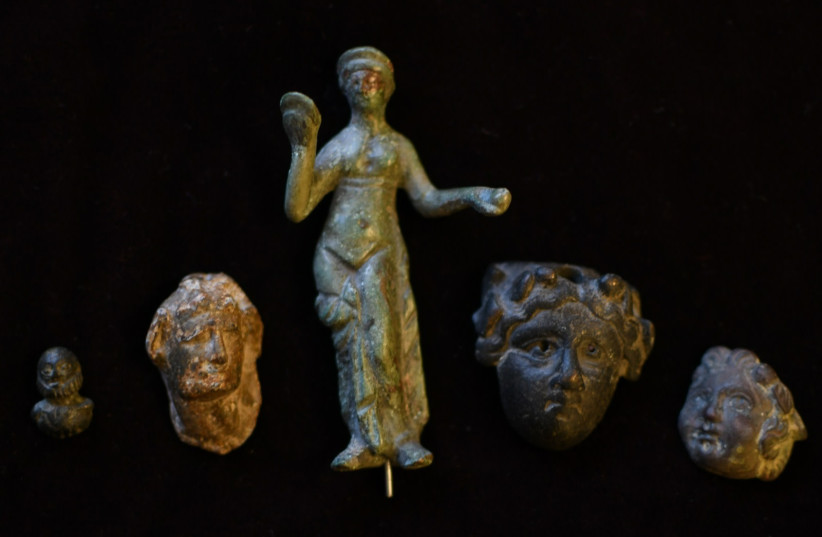
About 270 ancient artifacts were found in the search, including coins from different periods and figurines of Medusa.

.

Ancient artifacts seized from an antiquities dealer in northern Israel, September 2022 / (photo credit: YULI SCHWARTZ/IAA)

Hundreds of ancient decorated toga pins, earrings, rings and figurines of animals and idols were found in the home of a man who used to be an antiquities dealer in northern Israel, the Antiquities Authority announced on Thursday.

The Robbery Prevention Unit of the Antiquities Authority had entered the home with a search warrant. The suspect, a 70-year-old man, used to be an antiquities dealer and is suspected of trading in antiquities without a license and smuggling antiquities abroad.

“The suspect knew the provisions of the law but chose to ignore them and act against the law in order to make money,” said Amir Ganor, director of the Robbery Prevention Unit. “Hundreds of ancient finds reach the antiquities trade market as a result of illegal excavations at antiquities sites throughout the State of Israel. The time has come to act to ban the trade in antiquities in Israel, similar to all the countries of the Mediterranean Sea.”


Zawartość publikowanych artykułów i materiałów nie reprezentuje poglądów ani opinii Reunion’68,
ani też webmastera Blogu Reunion’68, chyba ze jest to wyraźnie zaznaczone.
Twoje uwagi, linki, własne artykuły lub wiadomości prześlij na adres:
webmaster@reunion68.com


Henryk Grynberg – Zygmunt Bauman i cienie wielkiego sukcesu. Wokół „Wygnańca” Artura Domosławskiego [część II]

Zdjęcie: Zygmunt Bauman, MEET Digital Culture Center. Fot. Massimo Demelas. Źródło: Flickr (CC BY-SA 2.0).


Zygmunt Bauman i cienie wielkiego sukcesu. Wokół „Wygnańca” Artura Domosławskiego [część II]

Henryk Grynberg


Henryk Grynberg – Zygmunt Bauman i cienie wielkiego sukcesu. Wokół „Wygnańca” Artura Domosławskiego [część I]

Bauman nawet po latach upierał się, że „syjonizm to nacjonalizm jak każdy inny”, jakby nie znał historii Żydów. I że „Żydzi są nierozłączną częścią narodów, z którymi żyją”, choć Holokaust wykazał coś wprost przeciwnego – pisze w drugiej odsłonie tekstu o bohaterze „Wygnańca” Henryk Grynberg.

.

W Izraelu, azylu żydowskich wygnańców i uchodźców, Bauman „odmówił identyfikacji z państwem narodowym” [wszystkie cytaty pochodzą z „Wygnańca” Artura Domosławskiego – przyp. HG]. Czyste rezonerstwo, bo różne bywają państwa narodowe. Wierzę, że „polskość i żydowskość pozostały w nim i zawsze miały boleć”, ale druga część tego zdania: „zwłaszcza wtedy, gdy w imieniu jednej lub drugiej ze wspólnot dopuszczano się niegodziwości”, wymaga jakichś dowodów. Polscy Żydzi, których znałem, a zwłaszcza ocaleńcy, kochali Izrael. Nawet znani komuniści jak Hersz Smolar (ojciec Aleksandra i Eugeniusza) czy Dawid Sfard, którego syn został Baumana zięciem. U żadnego innego Żyda nie czytałem, że „syjonizm, który zawsze był agenturą burżuazyjną, przekształcił się w zwykłą bandę amerykańskich szpiegów i dywersantów”, a tak pisał Bauman w oświadczeniu, że zrywa z ojcem z powodu jego syjonistycznych poglądów, choć było to długo przed Marcem, gdy nikt nikogo do takich oświadczeń nie zmuszał. Nawet po latach upierał się, że „syjonizm to nacjonalizm jak każdy inny”, jakby nie znał historii Żydów. I że „Żydzi są nierozłączną częścią narodów, z którymi żyją” [s. 210], choć Holokaust wykazał coś wprost przeciwnego.

„Patrzył na dokonywane przez przywódców Izraela czystki etniczne, na okupację ziem palestyńskich, rozbudowywanie nielegalnych osiedli na cudzej ziemi, dyskryminację Palestyńczyków w Izraelu” – wylicza Domosławski [s. 62] gołosłownie i arbitralnie, bo żaden sąd jeszcze spornych kwestii tych ziem nie rozstrzygnął, a dawno by to uczynił, gdyby to rzeczywiście były „nielegalne osiedla na cudzej ziemi”, nielegalna „okupacja” i „czystki etniczne”. Poza tym nie ma „Palestyńczyków w Izraelu”, jest tylko mniejszość arabska na prawach obywatelskich. Dyskryminacja pewno się zdarza jak wszędzie, ale nikt i nic nie zmusza ich do emigracji i nie emigrują. „Krytykuje okupację ziem arabskich zajętych przez Izrael podczas wojny sześciodniowej” [s. 468]. Znów błąd historyczny, bo Izrael nie zajął ziem należących do jakiegoś państwa, lecz nielegalnie okupowane od 1948 roku przez Jordanię i Syrię oraz Synaj, który wkrótce zwrócił Egiptowi.

„W Izraelu politycy i środki masowego przekazu nakręcają histerię. Głoszą, że państwa arabskie szykują się do inwazji, wymazania Izraela z mapy […], przeprowadzenia drugiego Holokaustu”. Tak Domosławski szkicuje tło wojny sześciodniowej, pomijając blokadę Zatoki Akaba przez Egipt, usunięcie oddziałów rozjemczych z Synaju i mobilizację wojsk arabskich na granicach kraju, który w newralgicznej środkowej części miał tylko kilkanaście kilometrów szerokości, oraz entuzjazm w Kairze i Damaszku, gdzie nie kryto zamiarów utopienia Żydów w morzu.

Ja dobrze pamiętam te dni i przerażenie Żydów na całym świecie. „Izrael poszedł na wojnę, mimo że do rozładowania napięcia wystarczyłaby dobra dyplomacja” – pisze Domosławski, powołując się na Toma Segeva, który po fakcie orzekł, że „groźba «eksterminacji» nie była zatem rzeczywista”. Ja bym wolał dowiedzieć się z tej biografii opinii Baumana, wojskowego i filozofa, czy groźba nowego Holokaustu nie była „rzeczywista” i czy wolno było ryzykować. Nieprawdą jest, że 32 rodziny ortodoksyjnych Żydów, które wiosną 1968 roku osiedlają się w Hebronie, „zakładają pierwszą żydowską kolonię na Zachodnim Brzegu” i że to „początek bezprawnego tworzenia żydowskich osiedli na terytoriach okupowanych” [s. 473]. Żydzi mieszkali w Hebronie dużo dawniej, lecz w 1929 roku zostali wymordowani przez sąsiadów, a w 1968 roku wrócili do pożydowskich nieruchomości. Nie było i nie ma żadnego bezprawia w osiedlaniu się Żydów „na terytoriach okupowanych” kolejno przez Turcję, Wielką Brytanię, Jordanię, a od 1967 roku przez Izrael – nie ma takiej antyżydowskiej ustawy. Jestem pewny, że komunistów z Polski poddawano w Izraelu „zabiegom operacyjnego rozpoznania […] badano ich poglądy, kontakty […] drogę przekazywanych […] wiadomości […] sieć personalnych powiązań”, ale czy bez powodu? Byłem lojalnym studentem komunistycznego dziennikarstwa, gdy wywiad polski złożył mi „ofertę nie do odrzucenia”, bo moja najbliższa rodzina złożyła papiery na wyjazd do Izraela. Po Październiku udało mi się z tego wywinąć, lecz gdy się zwróciłem o paszport, żeby pojechać tam w odwiedziny, chcieli, żebym „tylko” zabrał ze sobą list i przesłał na wskazany adres [patrz „Ciąg dalszy”, rozdz. „Interludium”].

Drażnili go ci, co chcą być Żydami 

W Izraelu Bauman stał się pacyfistą jak nigdy przedtem. Niepokoiła go „militaryzacja Izraelczyków”, ostrzegał, że „w cywilnym życiu nie odniosą korzyści ze swej wojennej chwały”, niepokoił się o „hasła narzucające społeczeństwu cywilnemu wartości militarne” i orzekł, że „Izrael nie chce pokoju” [s. 494–497] – bez badań socjologicznych, a nawet bez zapytania, czy strona przeciwna chce pokoju. Chciał „walczyć z nacjonalistycznym obłędem” – ale nie arabskim. „Zguba Izraela nie w Arabach, lecz Żydach”; „ten naród nie ma większych wrogów niż on sam”. Na pytanie, dlaczego opuścił Izrael, odpowie po latach, że woli być „ofiarą nacjonalizmu niż jego nosicielem i praktykantem” [s. 500–501]. W prywatnym liście pisał, że „nie należy się dziwić samobójcom z Hamasu wzorującym się na żydowskich bojownikach z getta warszawskiego i białostockiego” i retorycznie pytał, „czymże jest mur wznoszony dziś wokół terenów okupowanych, jeśli nie próbą prześcignięcia zleceniodawców muru wokół warszawskiego getta?” – jakby nie miał pojęcia o Holokauście. „Oby słowa tego wybitnego człowieka zostały wysłuchane. Fakt, że powiedział to Żyd, ma dla nas podwójne znaczenie” – przyklasnął mu palestyński terrorysta Mustafa Barghouti, dodając, że „Baumana w Izraelu nazywają już Żydem nienawidzącym własnego narodu” [s. 509].

Ja bym powiedział, że nie chciał być Żydem (dlatego uciekał w komunizm) i drażnili go ci, co chcą być Żydami – można się czegoś takiego nabawić od antysemitów. Sam się poniekąd do tego przyznał, mówiąc, że aby „poświęcić życie zawracaniu syjonistycznego tworu z drogi, jaką z własnego wyboru podążał, trzeba by mi chyba być bardziej Żydem niż jestem…” [s. 510]. Domosławski też bezdyskusyjnie potępia politykę Izraela „wobec okupowanych i prześladowanych Palestyńczyków”. Zakłada, że Bauman „czuł, że niegodziwości są popełniane także w jego imieniu” [s. 514], jakby te „niegodziwości” były udowodnione. Sprzeczne z faktami jest również twierdzenie, że „nie on wybierał koleje swego życia” [s. 516]. Do ucieczki z Polski rzeczywiście został zmuszony (w 1939 i 1968 roku), ale nie do antysyjonizmu. KBW nie wybierał, Informacji Wojskowej też nie, ale komunizm, marksizm, neokomunizm i neomarksizm owszem. Kołakowski odżegnał się od marksizmu, a Bauman nie – to był wolny wybór. Twierdził, że w warunkach globalizacji „przyczyny naszego położenia wymykają się ludzkiej obserwacji” i tworzą „niespotykaną w dziejach przestrzeń dla wielkiego kłamstwa i manipulacji” [s. 686], ale nie dostrzegł tylko, że niektóre z jego wypowiedzi są tego dowodem.

Niezrozumienie Holokaustu 

Holokaust według Baumana „nie jest anomalią, lecz konsekwencją nowoczesności”, cywilizacji, która umożliwiła taką zbrodnię [s. 621]. Odpowiedzialność za nią przypisuje nowoczesnemu państwu. Argumentuje, że „nauka i rozum nie stanęły na przeszkodzie ludobójstwu”, że nie zabezpieczyły przed nim również „mechanizmy moralne społeczeństwa, kodeksy etyczne ani przykazania religijne” [s. 622], że takiej zbrodni dokonać mogło tylko państwo „z jego monopolem na środki przemocy”, nowoczesną machiną administracyjną, inżynierią społeczną i tłumieniem „podstawowych odruchów moralnych” za pomocą propagandy, która przeobrażała Żyda w „istotę odczłowieczoną”, a „nie było to trudne w chrześcijańskim społeczeństwie”, w którym od wieków przedstawiano Żyda „jako nosiciela zła”. Innymi słowy, antysemityzm był od tego nieodłączny, lecz nowoczesność była warunkiem sine qua non. Bauman twierdzi, że Holokaust może się powtórzyć, że jego ofiarami mogą być nie tylko Żydzi i że zło nie wymaga współudziału, że wystarczy – jak to ujął Domosławski – „stanie na uboczu” [s. 621–624]. Ja się zgadzam z jego twierdzeniem, że „Zagłada nie jest jedynie problemem Żydów”, tak jak antysemityzm, ale nie, że „nie należy wyłącznie do narodu żydowskiego”, bo stanowczo za późno, żeby się nią dzielić.

W „Zagładzie i nowoczesności” Bauman dowodzi, że była ona produktem nowoczesności, a nie „błędem w jej funkcjonowaniu”, po czym, że była „w takim samym stopniu produktem co pomyłką nowoczesnej cywilizacji”. Twierdzi, że można ją uznać za „dowód kruchości naszej cywilizacji lub przeciwnie, za dowód siły i skuteczności jej działań” i opowiada się raczej za tym drugim poglądem, gdyż umożliwiła „nieludzkie i destrukcyjne działania na skalę niewyobrażalną. Zatem nie wiadomo, czy siła, czy słabość, a może jedno i drugie. Sam sobie zaprzecza, gdy pisze, że „w żadnym momencie […] holocaust nie popadł w konflikt z zasadami racjonalnego działania”, a parę rozdziałów później wspomina o zabijaniu „rzemieślników żydowskich bardzo potrzebnych do realizacji wojskowych zadań” i zarzuca prezesowi łódzkiego getta, Rumkowskiemu, że „nie doceniał morderczego irracjonalizmu Niemców”. Wykazuje nieznajomość przedmiotu, rozważając, „czy aryjscy sąsiedzi nie zdołali zapobiec wywiezieniu Żydów do obozów dlatego, że Żydzi byli tacy bierni i ulegli [czy może dlatego] rzadko uciekali swoim strażnikom, ponieważ nie mieli dokąd uciekać”, gdy dokumenty dowodzą, że czynili wszystko, aby uniknąć deportacji i uciekali. Niezrozumienie zdradza także jego sarkastyczna uwaga: „Pojawili się nawet samozwańczy rzecznicy nieżyjących ofiar, którzy posunęli się aż do ostrzegania przed świętokradczymi zakusami zmierzającymi do pozbawienia Żydów holokaustu, jego «chrystianizacji», czy posiania zwątpienia w jego czysto żydowski charakter przez powiązanie z ogólną niedolą nieokreślonej «ludzkości»”. Samozwańczy rzecznicy nieżyjących? We wspomnieniach i zeznaniach niezliczonych świadków powtarzają się zaklęcia ginących, żeby w ich imieniu opowiedzieli światu. O pozostałych błędach zagęszczonych w tym niefortunnym zdaniu – i dawno już skorygowanych – pisałem bardziej szczegółowo w eseju „Nowoczesne wielkie zło” [patrz „Prawda nieartystyczna”, PIW 1994 i Czarne 2002].

Antykapitalizm i antyamerykanizm

Domosławski podkreśla, że światową sławę przyniosła Baumanowi krytyka kapitalizmu. Zwłaszcza wśród młodzieży. Uczył, że „komunizm narzucił reszcie świata podjęcie […] takich zadań, jak walka z niedolą, upokorzeniem i upośledzeniem, jak właściwa rekompensata […] prawa do edukacji […] opieki zdrowotnej, ubezpieczenia społecznego…” [s. 673]. A nieprawda, bo robili to socjaliści. Komuniści uważali, że im gorzej, tym lepiej i woleli obalać niż naprawiać. Roosevelt wprowadził ubezpieczenia społeczne i inne reformy, „kradnąc piorun” socjalistom, a nie komunistom. Owszem, „wiele tych postulatów przyjmowano w świecie kapitalistycznym ze strachu przed rewolucją komunistyczną” [s. 673], ale zapobiegały jej socjalistyczne reformy, a nie komunistyczna krecia robota. Bauman twierdził, że socjaliści poddawali kapitalizm „słusznej krytyce – za nieudolność i marnotrawstwo” [s. 625], a ja pamiętam, jak w okresie odwilży na Uniwersytecie Warszawskim poddawano takiej krytyce nasz socjalizm.

Podejrzewam, że popularności przysparzał mu także modny na uczelniach antyamerykanizm. W wypowiedzi o zamachu na Amerykę dokonanym 11 września 2001 roku krytykował ją, że produkuje czterdzieści procent zanieczyszczeń i przeszkadza „w powołaniu światowego trybunału dla okiełznania ludobójstwa i poskromienia jego sprawców z obawy, żeby jej obywatele nie musieli się spowiadać z zadawanych przez siebie innym ludom cierpień i za nie odpowiadać”, oraz ostrzega, że „dla milionów ludzi zagrożonych utratą środków do życia […] Ameryka stać się może symbolem wszystkiego, co […] odczuwają jako niecne, nikczemne, niegodne i nieludzkie” [s. 687]. Taka mowa na pogrzebie trzech tysięcy amerykańskich ofiar ludobójstwa. Kapitalistyczna Ameryka produkuje obecnie piętnaście procent zanieczyszczeń, a socjalistyczne Chiny trzydzieści. Zanieczyszczając naturalne środowisko, Ameryka wytwarzała i wytwarza więcej żywności niż reszta świata, ratując go od śmierci głodowej. Ameryka rzeczywiście nie zgadza się, by wrogowie wymierzali jej obywatelom swoją niesprawiedliwość. Nikt nie uczynił więcej przeciw ludobójstwom niż Ameryka i nie udziela tyle darmowej pomocy niż Ameryka. Skłonność do winienia Ameryki zaraz po ludobójczej zbrodni, której padła ofiarą, zauważyłem również u paru innych polskich intelektualistów komunistycznego pochodzenia.

Eklektyczna ideologia Baumana

„Człowiek postępujący moralnie czuje się odpowiedzialny za drugiego człowieka i nie oczekuje rewanżu. Postępuje moralnie, ponieważ tak należy” [s. 630]. To prosto z Talmudu, a dokładniej z wyboru sentencji pt. „Pirkej Awot”, na który Bauman się nie powołuje. Jego własna sentencja, że „można być wyposażonym w najszlachetniejsze zasady, mieć najlepsze intencje – i popełniać zbrodnie”, brzmi jak próba obrony komunizmu, w którym jedni może mieli dobre intencje, gdy inni pod takim pozorem mordowali i rabowali. Zauważył, że „w komunizmie – inaczej niż w faszyzmie – doszło do rozejścia się praktyki z ideą” [s. 633], ale nie dodał, że to świadczy o fałszu i hipokryzji. Nie chciał uchodzić za relatywistę, a równocześnie twierdził, że „«prawda obiektywna» jest wręcz dążeniem do monopolu” – bez zaznaczenia, że do takiego monopolu dążyli i dążą marksiści, komuniści i neomarksiści. I wątpię, czy ustrój, któremu obiektywna prawda wydaje się „niebezpieczna”, może być demokratyczny. Nie rozumiem, na jakiej podstawie Domosławski w tym miejscu dodaje, że prawda obiektywna „bywa dla demokratycznego ładu śmiertelnie niebezpieczna” [s. 661], ale wątpię, by taki ład mógł być demokratyczny. „Dyscyplinie nowego ładu podporządkowuje się całe społeczeństwo – dyskretnie, stopniowo, niezauważalnie. Rynek już oderwał się od demokratycznej kontroli. Teraz oddziela się od niej władza polityczna. Tę faktycznie sprawują biurokraci i eksperci […] Pomagają im nowe technologie. Sprzyjają ulegające presji media […]”. Tak biograf za swoim bohaterem charakteryzuje „ekspansję nowego kapitalizmu”, ale jest to dosłowny opis nowego socjalizmu, który dziś, na naszym oczach, neomarksistowska koalicja usiłuje wepchnąć w gardło Ameryce.

Według Domosławskiego Bauman „wysyła niejednoznaczne sygnały”, że odchodzi od „marksistowskiej ortodoksji”, a jednak „nieustająco inspiruje się fragmentami myśli Marksa” [s. 561] i sam przyznaje, że jest „eklektyczny, że jedynie miesza, przetwarza, łączy rozmaite odkrycia innych” [s. 564], że czerpie z Kafki, Mrożka, Kundery. Mrożek i Kundera byli antykomunistami, a Kafka niemal syjonistą. Najważniejszym z pisarzy był dla niego  – według Domosławskiego – Camus. Też antykomunista. Bauman wymyślił sobie własną ideologię: socjalistyczne ideały jako „zadanie, które nigdy się nie kończy” [s. 585]. Czyli nigdy niespełniona obietnica. Jak w Związku Młodzieży Polskiej, gdzie nas uczono, że budujemy raj dla przyszłych pokoleń. W „Solidarności” widział nie ruch przeciwko systemowi, lecz dojrzewanie socjalizmu (esej „O dojrzewaniu socjalizmu”), a dojrzewał on – na naszym oczach – do upadku. Mówił, że „inspiruje się myślą zarówno liberalną, jak i socjalistyczną” [s. 700], a kiedy indziej: „Umrę socjalistą” [tamże]. Twierdził, że dzięki Gramsciemu przestał być „ortodoksyjnym marksistą, nie stając się antymarksistą” [s. 708]. Brzmiał jak komunista, mówiąc, że socjalizm jest „ostrzem noża przyłożonym do panujących w obecnie istniejącym społeczeństwie rażących niesprawiedliwości” [s. 713] i jak socjalista wybierał „państwo socjalne” [s. 719]. Na pytanie, czy chce zmienić świat, odpowiedział, że chce „tylko by ludzkość się zmieniła” [s. 721] – co na jedno wychodzi – a parę stronic dalej czytam, że „nie ukrywał, że marzy o zmianie świata”. Ma się wrażenie, że nie pamiętał, co mówi.

Czym zastąpić Zachód?

Nie dokończył zamówionej we Włoszech wypowiedzi na temat „schyłku Zachodu”. Zrobiła to po jego śmierci jego druga żona Aleksandra Jasińska-Kania i tekst ukazał się jako dwugłos. Ja znalazłem go we wrocławskiej „Odrze” pod tytułem „Zachód chyli się ku upadkowi” i zainteresowałem się, bo mnie już w połowie zeszłego wieku o tym chyleniu się uczono. Profesor pewno ma rację, że „ludzie mogą być wolni tylko pod warunkiem, że potrafią korzystać ze swej wolności” – najlepszym dowodem Polska. Równie pouczające jest przytoczone spostrzeżenie Umberto Eco, że dla „populistycznej” władzy niezbędne jest „posiadanie wroga” i „dlatego gdy wroga nie ma, koniecznie trzeba go stworzyć”. Trzeba tylko dodać, że wróg taki jest niezbędny zarówno faszyzmowi, jak i komunizmowi i że wrogiem najczęściej „stwarzanym” byli i są Żydzi – o czym tu się nie wspomina.

W tym kontekście wybranym wrogiem jest „establishment” jako „zbiór ludzi przestarzałych, należących do minionej epoki, tak zacofanych, że muszą zostać wypchnięci z teraźniejszości […] podczas gdy ludzie silni, gotowi wysłać [ów establishment] na śmietnik, gdzie jego miejsce, jawią się jako wodzowie nowego początku – po czym ci, którzy do tej pory byli niczym, będą wszystkim”. Jak „dziś niczym, jutro wszystkim my” w „Międzynarodówce”? „Taki jest właśnie Zachód będący – jak niektórzy z nas podejrzewają z przerażeniem, a inni myślą o tym z nadzieją i radością – w zaawansowanym stadium upadku […]. I niech tak będzie. Krzyżyk na drogę” – konkludują współautorzy bez wyjaśnienia, co będzie, jeśli „tak będzie”. Czy zastąpi go Wschód? Z Chinami na czele? Pewne jest tylko, że komunizm – który przyszedł z uniwersytetu, naszkodził, namordował i nigdy nie poniósł kary – wciąż tam jest i, jak widać, nie traci nadziei. Niektóre z powyższych uwag zapisałem w „Pamiętniku 4” pod datą 18 stycznia 2018, ignorując końcowe zdanie prof. Jasińskiej-Kani o budowie „statków, które pozwolą ludzkości przeżyć po zniknięciu Zachodu”. Dzisiaj wydaje mi się ono bardziej aktualne.

***

Zygmunt Bauman opublikował 57 książek, tłumaczonych na 33 języki. Otrzymał między innymi prestiżowe nagrody Theodora Adorna i Księcia Asturii, oraz doktoraty honorowe dziewięciu uczelni między innymi w Wielkiej Brytanii, Niemczech, Szwecji, Danii i Norwegii, lecz nasz Uniwersytet Warszawski odmówił mu honorowego odnowienia doktoratu przez tamten młodzieńczy epizod z KBW i Informacją Wojskową, pomimo że – jak pisze jego biograf – „brak przykładu choćby jednego konkretnego czynu zasługującego na wieczne potępienie” [s. 785]. Wśród niewinnych, którzy go utrącili, nie zabrakło wieloletnich członków partii, a najzajadlejszy, który określił KBW jako „formację porównywalną z SS”, okazał się gorliwym tajnym donosicielem SB [s. 799]. Odmówiono mu również doktoratu honoris causa na poznańskim Uniwersytecie im. Adama Mickiewicza i honorowego obywatelstwa miasta, w którym się urodził.


Książka:

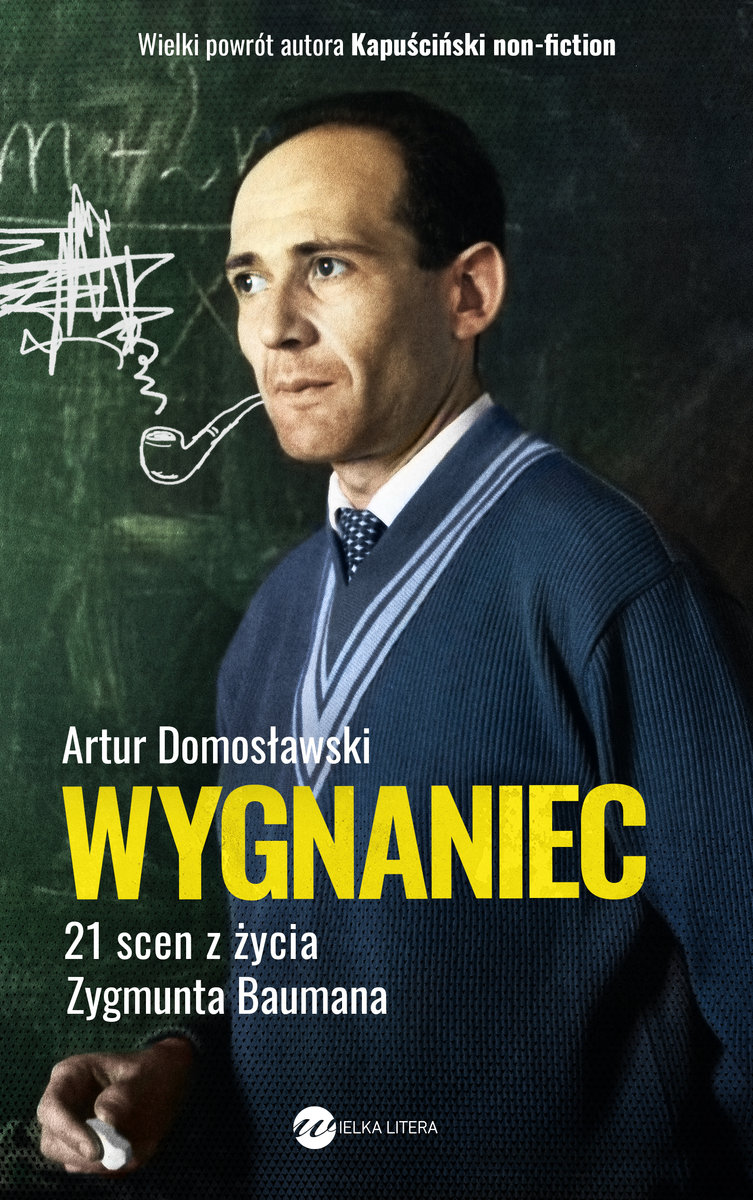
Artur Domosławski, „Wygnaniec. 21 scen z życia Zygmunta Baumana”, wyd. Wielka Litera, Warszawa 2021.


Zawartość publikowanych artykułów i materiałów nie reprezentuje poglądów ani opinii Reunion’68,
ani też webmastera Blogu Reunion’68, chyba ze jest to wyraźnie zaznaczone.
Twoje uwagi, linki, własne artykuły lub wiadomości prześlij na adres:
webmaster@reunion68.com


Should Israel Lead the Fight Against Antisemitism?

Should Israel Lead the Fight Against Antisemitism?

Ben Cohen / JNS.org


Supporters of the Boycott, Divestment, and Sanctions campaign. Photo: Alex Chis.

The just-published Annual Assessment of the Jerusalem-based Jewish People Policy Institute (JPPI) makes for sobering reading when it comes to the section on antisemitism.

It’s not that the report contains any new information or fresh insights. Largely culled from the reporting of other institutions, the analysis in the JPPI publication notes that during the last two years, two events—the war in Gaza between Israel and Hamas in May 2021 as well as the persistence of the COVID-19 pandemic—have profoundly shaped antisemitic discourse and our perception of it. Further, it observes that the “fight against anti-Semitism has attained increasing awareness and support. It is the focus of more conferences and seminars than ever before, and legislative initiatives against anti-Semitism have multiplied.” Yet despite “the proliferation of initiatives, some reports have declared the effort to eradicate anti-Semitism a ‘failure,’” it adds.

Given that there is a question mark over whether antisemitism can ever be entirely eradicated, as opposed to controlled and marginalized, such judgements on existing efforts are perhaps unfair. Nevertheless, it is certainly true that in recent years, an unprecedented infrastructure for countering antisemitism has crystallized in place at just the same time that the problem has worsened on a scale not witnessed since World War II.

Many democratic countries have appointed government officials to deal with fight against antisemitism and the preservation of Jewish life more broadly. This global infrastructure is almost 20 years old, with the first steps towards its creation emerging in 2003 in the wake of a major inter-governmental conference on antisemitism hosted by the Organization for Security and Cooperation in Europe (OSCE). During that time, these officials have stressed similar themes to counter antisemitism on both sides of the Atlantic Ocean: more Holocaust education in schools, more training for police officers, emergency responders and other frontline personnel in recognizing and responding to antisemitism, and the active promotion of the International Holocaust Remembrance Alliance (IHRA) working definition of anti-Semitism, which includes instances of anti-Zionism among its examples.

A particularly grim account of what the resurgence of antisemitism has meant for Jewish communities was provided last week by Eddo Verdoner, the government-appointed national coordinator to counter antisemitism in the Netherlands. In an extensive interview with the Dutch newspaper Trouw, Verdoner revealed that his office is inundated with reports from Jewish students and Jewish employees that complain of antisemitic harassment—for example, Jews being told they have to first criticize Israel’s policies towards the Palestinians before they are permitted to participate in a campus debate.

“The result is that Jews hide their identity or apologize for it,” Verdoner remarked. “Children say: ‘Why am I even here?’ Or they don’t even want to be a Jew at all… A child should be able to express his identity at school, a student should feel safe at university, and in the workplace people should be able to say that they are Jewish to colleagues without any worries.”

This disarmingly simple statement is more revealing than the dry statistics that document the rise of antisemitic agitation in both Europe and North America. Essentially, Verdoner is saying that the climate of fear among Jews in the Netherlands—where the size of the community is estimated between 30,000 and 50,000—has become so great that it is a factor in their day-to-day routines. Will my Jewish identity, many Dutch Jews are evidently asking themselves, create a fresh problem for me today?

As the JPPI report makes clear, these issues are not confined to the Netherlands. In France too, it notes, Jewish students are equally prone to hiding their identities in the face of hostility, while the discernible movement of Jews from neighborhoods that are less Jewish into those that are more so—dubbed by some an “internal Aliyah”—continues apace. And hiding Jewish identity is even a factor in the U.S. The JPPI report cited an American Jewish Committee study which discovered that “four out of ten American Jews say they have avoided posting content online that would reveal their Jewishness or their views on Jewish issues, and 22 percent refrained from publicly displaying Jewish items.”

While the JPPI report doesn’t really tell us anything about antisemitism that we didn’t already know, it is nevertheless a useful overview of its global dimensions. Striking, too, is its conclusion.

“The return of anti-Semitism could become a long-term fixture of global discourse, while the ability of Jewish communities and Israel to influence it is limited,” it states. “Under these circumstances, Israel, as the world’s strongest Jewish organizing force, cannot confine itself to attempts to ‘fight anti-Semitism.’ Israelis must understand what it will mean to live in an era when anti-Semitism is a persistent factor in Jewish life, and prepare for that era accordingly, while formulating plans for appropriate explanatory, diplomatic, and security activity.”

Hence, the report went on to say, the response to antisemitism should be entrusted to “a single integrative body with powers and implementation capabilities” created by the Israeli government. For anyone familiar with the troughs and peaks of antisemitism over the last 20 years, such a proposal should give pause.

The Israeli government has been an important partner in the fight against antisemitism, for example running a vocal social media campaign to counter the anti-Zionist Boycott, Divestment and Sanctions (BDS) movement through its Ministry of Strategic Affairs. But it doesn’t follow logically that the Israeli government should be the main address for those who want to step up the fight against antisemitism.

There are several reasons for this. To begin with, antisemitism impacts Jews who are citizens of other countries, not Israel; it is their governments that need to be mobilized and it is local Jewish organizations, not Israeli diplomats, that are best placed to secure that response. Additionally, Israel is not just a Jewish state but an active member of the international community; in recent years and months, Israel has encountered diplomatic tensions with Poland, France and Russia among other countries over domestic antisemitism. Will making antisemitism a confirmed priority lead to more or less clear thinking when it comes to formulating Israeli foreign policy? The jury is out on that question.

Finally, and depressingly, Israel taking the reins in this particular fight will simply reinforce the antisemitic meme that all Jews are closet Israelis who are more loyal to Israel than their countries of citizenship. Better, then, for Israel to remain what it has always been—a beacon of hope and a refuge for those who need one, but absolutely not a substitute government for Jews in the Diaspora.


Ben Cohen is a New York City-based journalist and author who writes a weekly column on Jewish and international affairs for JNS.


Zawartość publikowanych artykułów i materiałów nie reprezentuje poglądów ani opinii Reunion’68,
ani też webmastera Blogu Reunion’68, chyba ze jest to wyraźnie zaznaczone.
Twoje uwagi, linki, własne artykuły lub wiadomości prześlij na adres:
webmaster@reunion68.com