
Archive | January 2025

Prisoner Releases Are a Terror Victim’s Nightmare

Prisoner Releases Are a Terror Victim’s Nightmare

Stephen M. Flatow / JNS.org
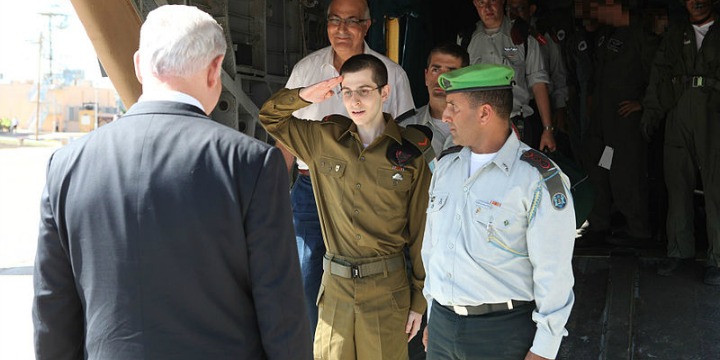

Gilad Shalit salutes Israeli Prime Minister Benjamin Netanyahu after prisoner exchange deal in Oct. 2011. Photo: Wikimedia Commons.

I knew this day would come. Ever since Israel began to release prisoners as a “goodwill” measure and for hostages, I knew that the time would come when terrorists with “blood on their hands” would be released.

As if the result of freeing terror prisoners in 2011 in exchange for the release of Israeli soldier Gilad Shalit, who had been held by Hamas for five years, wasn’t enough of a warning, the next round of releases will be just as troublesome for Israelis.

Following the murder of my daughter Alisa in a 1995 terror attack in Kfar Darom, Israel was able to capture, convict and sentence to life in prison some of the terrorists involved in her death. While they sit today in a maximum-security prison under life sentences, I am sure they are smiling more than usual because of the potential of their being included in the list of those soon-to-be released prisoners.

Sure, the Israeli hostage families are delighted over the prospect of being united with their loved ones who have been held captive for more than a year in indescribable conditions below ground in Gaza. I’m delighted, too, that families will be reunited, but my joy is tempered by knowing that these terrorists are being turned loose to commit terror again.

This is not my first experience coping with Israel’s determination to release prisoners. Twice before in the last 25 years when prisoner releases were being carried out, I eagerly sought the list of prisoners being released. And when I did get it, I carefully combed the list of Arabic names transliterated into Hebrew looking for the names Nidal Moustafa Bouri, Ahmed Douad Abu Dachi, Maram Ibrahim Salameh and Al-Halim Saheb Omar Balbasi, each serving life sentences for the Kfar Darom bombing. Unlike the United States, Israel does not have a death penalty for terrorists.

There are good reasons to not release convicted terrorists. While such decisions are often driven by diplomatic, security or humanitarian considerations, they carry significant risks and negative implications. The current deal to release prisoners is harmful to Israel, and, in the long run, Western society for several reasons.

The release of prisoners diminishes Israel’s deterrence against terrorism. If it is Israel’s policy of harsh consequences for those who commit acts of terror to deter potential attackers, releasing such prisoners undermines this goal, signaling to its enemies that even those responsible for the deaths of innocent citizens may eventually be freed. The perception of accountability is weakened.

The release of terrorists emboldens groups such as Hamas and Palestine Islamic Jihad to commit terror attacks, believing that the price for their actions may not be permanent incarceration. When prisoners with blood on their hands are released, it is celebrated as a victory by terrorist organizations. They portray such releases as evidence of their strength and ability to pressure Israel. Public celebrations, parades and glorification of released prisoners not only boost the morale of these organizations but also strengthen their standing among supporters. This can lead to increased recruitment, fundraising and operational activity, thereby escalating threats to Israeli security.

Releasing prisoners, particularly those convicted of murder, can erode public trust in the government and judicial system as it is viewed as undermining the rule of law. Many Israelis feel that such decisions betray the memory of victims and the principles of justice. Victims and the families of victims often bear lifelong scars—both physical and emotional. The outrage and anguish are palpable. We feel that they and their loved ones’ suffering has been tossed aside for political expediency.

Perhaps the most dangerous consequence of releasing prisoners with blood on their hands is the potential to incentivize kidnappings and hostage-taking. Terrorist organizations have historically used Israeli captives as leverage to negotiate the release of prisoners. For example, the 2011 exchange of more than 1,000 prisoners, including many with blood on their hands, for Shalit set a precedent that such tactics can yield significant results.

Case in point: Yahya Sinwar, the orchestrator of the Oct. 7 attacks and their aftermath, was serving multiple life sentences for orchestrating the murders of both Israelis and Palestinians accused of collaborating with Israel. Released in the Shalit prisoner exchange, he ascended to a leadership position within Hamas, becoming its de facto leader in Gaza until he was killed by the Israel Defense Forces last year.

As David M. Weinberg, senior fellow and director of the Jerusalem-based Misgav Institute for National Security and Zionist Strategy, wrote last year, “The danger of mass-releasing Palestinian terrorists is clear. A deal that frees vicious murderers of Israeli Jews … in exchange for Israel’s innocent suffering hostages endangers even more Israeli lives down the road—and that road is not notably long.”


Zawartość publikowanych artykułów i materiałów nie reprezentuje poglądów ani opinii Reunion’68,
ani też webmastera Blogu Reunion’68, chyba ze jest to wyraźnie zaznaczone.
Twoje uwagi, linki, własne artykuły lub wiadomości prześlij na adres:
webmaster@reunion68.com

Former CIA analyst admits leaking secret info about Israeli response to Iran

Former CIA analyst admits leaking secret info about Israeli response to Iran

JNS Staff


Asif William Rahman, 34, will be sentenced on May 15 and faces up to 10 years in prison.

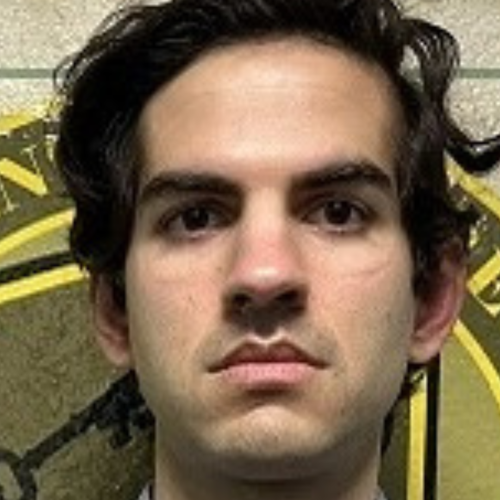
The former CIA analyst Asif William Rahman, 34, of Vienna, Va., pleaded guilty on Friday to leaking classified information about Israel’s military response to Iran’s Oct. 1 missile attacks.

“Mr. Rahman betrayed the trust of the American people by unlawfully sharing classified national defense information he swore an oath to protect,” stated Matthew Olsen, a U.S. assistant attorney general in the Justice Department’s national security division.

“Today’s guilty plea demonstrates that the Justice Department will spare no effort to swiftly find and aggressively prosecute those who harm the United States by illegally disclosing our national security secrets,” Olsen added.

Robert Wells, executive assistant director of the FBI national security branch, stated that “with today’s plea, Asif Rahman acknowledges he betrayed the trust of his country by sharing classified information in spite of the risk to the United States and our allies.”

“Government employees who are granted security clearances and given access to our nation’s classified information must promise to protect it,” Wells added. “Rahman blatantly violated that pledge and took multiple steps to hide his actions.”

The Justice Department announcement didn’t mention Israel. On Oct. 1, Iran fired more than 180 ballistic missiles at Israel—its second direct attack on the Jewish state. Israel intercepted most of the missiles with U.S. and Jordanian military support. 

It stated that per court documents, Rahman accessed and printed two top secret documents on Oct. 17 about “a U.S. foreign ally and its planned actions against a foreign adversary.”

“Rahman removed the documents, photographed them and transmitted them to individuals he knew were not entitled to receive them,” per the department. “By Oct. 18, 2024, the documents appeared publicly on multiple social media platforms, complete with the classification markings.”

Rahman also “deleted and edited journal entries and written work product on his personal electronic devices to conceal his personal opinions on U.S. policy and drafted entries to construct a false narrative regarding his activity,” the Justice Department stated.

“Rahman also destroyed multiple electronic devices, including a personal mobile device and an internet router he used to transmit classified information and photographs of classified documents, and discarded the destroyed devices in public trash receptacles in an effort to thwart potential investigations into him and his unlawful conduct,” it added.

Rahman also accessed and printed secret national defense information “repeatedly” between spring 2024 and that November and took the documents to his home, where he copied them and “altered them in an effort to conceal their source and his activity,” per the Justice Department.

“Rahman then communicated top secret information that he learned in the course of his employment to multiple individuals he knew were not entitled to receive it,” it added.

A grand jury indicted him on Nov. 7, and he was arrested when he came to work on Nov. 12. “He has remained in custody since his arrest,” the Justice Department said.

Rahman faces 10 years in prison for the two counts to which he pleaded guilty, of “willful retention and transmission of classified information related to the national defense.” His sentencing is scheduled for May 15.


Zawartość publikowanych artykułów i materiałów nie reprezentuje poglądów ani opinii Reunion’68,
ani też webmastera Blogu Reunion’68, chyba ze jest to wyraźnie zaznaczone.
Twoje uwagi, linki, własne artykuły lub wiadomości prześlij na adres:
webmaster@reunion68.com


Umowa, która utrzymuje Hamas u władzy, nie ma sensu

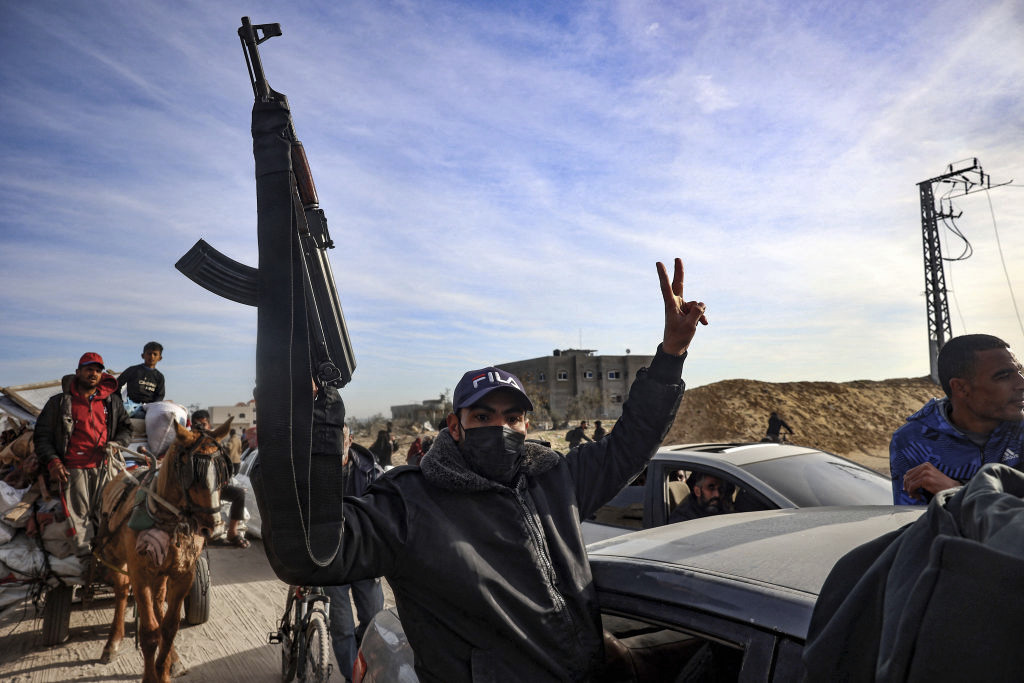
Umowa o zawieszeniu broni i zakładnikach nie wymaga od Hamasu rozbrojenia ani oddania kontroli nad Strefą Gazy. Grupa terrorystyczna wydaje się być przekonana, że umowa pozwoli jej utrzymać kontrolę nad Strefą Gazy i przygotować się na kolejne masakry Żydów. Na zdjęciu: uzbrojeni terroryści Hamasu świętują zwycięstwo w Rafah, w południowej Strefie Gazy, 19 stycznia 2025 r. (Zdjęcie: zrzut z ekranu wideo.)


Umowa, która utrzymuje Hamas u władzy, nie ma sensu


Khaled Abu Toameh
Tłumaczenie: Małgorzata Koraszewska


Ci, którzy sądzą, że wspierana przez Iran palestyńska organizacja terrorystyczna Hamas porzuci dżihad (świętą wojnę) i jej cel wymordowania Żydów i zniszczenia Izraela w następstwie niedawnego porozumienia o zawieszeniu broni i zakładnikach, są w błędzie.

Chociaż umowa może położyć kres obecnemu konfliktowi między Izraelem a Hamasem, w żaden sposób nie odzwierciedla zmiany radykalnej i niebezpiecznej ideologii tej islamistycznej grupy, jak to zostało opisane w jej Karcie z 1988 r. Dokument cytuje Hassana al-Bannę, założyciela organizacji Bractwa Muzułmańskiego (której odłamem jest Hamas), który powiedział: „Izrael powstanie i będzie istniał, dopóki islam go nie obali, tak jak obalił to, co było wcześniej”.

Główne punkty Karty Hamasu:

    • Kwestia palestyńska jest religijno-politycznym problemem muzułmańskim, a konflikt z Izraelem toczy się między muzułmanami a żydowskimi „niewiernymi”.
    • Cała Palestyna jest ziemią muzułmańską i nikt nie ma prawa jej oddać.
    • Należy prowadzić bezkompromisowy dżihad przeciwko Izraelowi i całkowicie sprzeciwić się jakiemukolwiek porozumieniu uznającemu prawo tego państwa do istnienia.

Umowa o zawieszeniu broni i zakładnikach nie wymaga od Hamasu rozbrojenia lub oddania kontroli nad Strefą Gazy. Jeśli chodzi o Hamas, jest to po prostu kolejna umowa podobna do porozumień o zawieszeniu broni zawartych z Izraelem po poprzednich rundach walk w ciągu ostatnich 20 lat. Grupa terrorystyczna wydaje się być przekonana, że umowa pozwoli jej utrzymać kontrolę nad Strefą Gazy i przygotować kolejne masakry Żydów.

Niedługo po ogłoszeniu porozumienia zawieszenia broni i zakładnikach, 15 stycznia, przywódca Hamasu Chalil al-Hajja wyraźnie powiedział, że jego ugrupowanie zamierza kontynuować dżihad przeciwko Izraelowi.

Nawiązując do ataku Hamasu na Izrael z 7 października 2023 r., w wyniku którego zginęło 1200 Izraelczyków, a tysiące zostało rannych, al-Hajja powiedział:

„Potop Al-Aksa [nazwa, której Hamas używa do opisania okrucieństw z 7 października] stanowi znaczący punkt zwrotny w historii palestyńskiej sprawy i oporu, a jego reperkusje nie ustaną, dopóki nie zostanie wyzwolona okupowana Jerozolima”.

Następnie nazwał masakry z 7 października „osiągnięciem militarnym i sił bezpieczeństwa, które pozostanie powodem do dumy narodu palestyńskiego” i pochwalił Iran za wspieranie palestyńskiego „oporu” i ostrzeliwanie rakietami Izraela w czasie wojny.

W odpowiedzi na porozumienie o zawieszeniu broni i o zakładnikach Hamas wydał oświadczenie, w którym stwierdził:

„To osiągnięcie dla naszego ludu, naszego oporu, naszego narodu i wolnych ludzi na świecie. To punkt zwrotny w konflikcie z [izraelskim] wrogiem, na drodze do osiągnięcia celów naszego ludu, jakimi są wyzwolenie i powrót”.

„Wyzwolenie” odnosi się do deklarowanego przez Hamas celu zlikwidowania Izraela i zastąpienia go państwem islamistycznym. „Powrót” odnosi się do palestyńskiego żądania zalania Izraela milionami „uchodźców”, aby Żydzi stali się mniejszością we własnej ojczyźnie.

W kolejnym wskazaniu intencji Hamasu kontynuowania walki z Izraelem, zwolennicy tej organizacji terrorystycznej wyszli na ulice miasta Chan Junis w południowej części Strefy Gazy, aby świętować zawieszenie broni i wzięcie zakładników, skandując: „Pójdziemy do Jerozolimy, poświęcimy miliony męczenników!”

Członkowie skrzydła wojskowego Hamasu, Brygad Izz a-Din al-Kassam, również dołączyli do obchodów i oświadczyli: „Jesteśmy na polu bitwy i pozostaniemy na polu bitwy”.

Świętowano również na Zachodnim Brzegu [Judei i Samarii], gdzie zwolennicy Hamasu w Ramallah, de facto stolicy Autonomii Palestyńskiej, skandowali hasła poparcia dla zabitych przywódców Hamasu, Jahji Sinwara i Mohammeda Deifa, pomysłodawców masakry 7 października.

Ahmed Fouad Ackhatib, były mieszkaniec Strefy Gazy i pracownik naukowy Atlantic Council, napisał 14 stycznia:

„Rzeczywistość jest taka, że islamistyczny terroryzm Hamasu, maskujący się jako ‘opór’, nie osiągnął niczego dla narodu palestyńskiego, poza miliardami dolarów zmarnowanych zasobów i dziesiątkami tysięcy niepotrzebnych zgonów, a Gaza leży w ruinie po 20 latach od izraelskiego wycofania się [ze Strefy Gazy] włącznie z osiedlami w 2005 r. Tak, nastąpi rozliczenie z Hamasem po zakończeniu wojny, a grupa musi zostać poddana metaforycznym, intelektualnym i dosłownym procesom za zbrodnie przeciwko aspiracjom i projektowi narodowemu narodu palestyńskiego…

Machina propagandowa Hamasu, zarządzana przez katarskie państwowe media Al-Dżazira Arabic, będzie pracować w nadgodzinach, aby pomóc grupie terrorystycznej przekształcić katastrofalną katastrofę w zwycięstwo na miarę bitew pod Stalingradem i Leningradem, desperacko próbując promować terroryzm i narrację o zbrojnym oporze jako coś heroicznego i walecznego, podczas gdy jest tchórzliwa i nieskuteczna…”

Umowa o zawieszeniu broni i zakładnikach, która pozwala Hamasowi pozostać u władzy, oznacza, że jest tylko kwestią czasu, zanim grupy terrorystyczne podejmą próbę kolejnego ataku na Izrael w stylu 7 października. Nowa administracja USA, aby uniknąć dalszej przemocy i rozlewu krwi, musi nalegać na odsunięcie Hamasu od władzy.

Można to osiągnąć jedynie poprzez wywieranie presji i sankcji na katarskich i irańskich sponsorów Hamasu. Hamas musi zostać całkowicie pokonany i wyeliminowany, a nie nagrodzony za popełnienie największej zbrodni przeciwko Żydom od czasów Holokaustu.

Butne oświadczenia Hamasu po osiągnięciu porozumienia o zawieszeniu broni i zakładnikach pokazują determinację tej grupy terrorystycznej do kontynuowania ataków na Izrael. Oświadczenia te pokazują również, że przywódcy Hamasu są gotowi poświęcić więcej swoich ludzi, aby zrealizować swój cel zniszczenia Izraela. Najwyraźniej nie wyciągnęli żadnych wniosków ze sprowadzenia katastrofy na Palestyńczyków. Przywódcy Hamasu nie przejmują się tym, że dziesiątki tysięcy Palestyńczyków zostanie zabitych w ramach dżihadu przeciwko Izraelowi. Ponadto przywódcy Hamasu najwyraźniej nie są zainteresowani odbudową Strefy Gazy i zapewnieniem jej mieszkańcom bezpieczeństwa, stabilności i dobrobytu. Zamiast tego ich głównym celem jest zamordowanie jak największej liczby Żydów.

Jedynym porozumieniem, które rzeczywiście przyniesie pokój, jest zawieszenie broni, w wyniku którego Hamas przestanie istnieć.


Khaled Abu Toameh – urodzony w 1963 r. w Tulkarem na Zachodnim Brzegu, arabski dziennikarz, któremu wielokrotnie grożono śmiercią. Publikował między innymi w “The Jerusalem Post”, “Wall Street Journal”, “Sunday Times”, “U.S. News”, “World Report”, “World Tribune”, “Daily Express” i palestyńskim dzienniku “Al-Fajr”. Od 1989 roku jest współpracownikiem i konsultantem NBC News.


Zawartość publikowanych artykułów i materiałów nie reprezentuje poglądów ani opinii Reunion’68,
ani też webmastera Blogu Reunion’68, chyba ze jest to wyraźnie zaznaczone.
Twoje uwagi, linki, własne artykuły lub wiadomości prześlij na adres:
webmaster@reunion68.com


Gaza 70-Degree ‘Cold’ Chills Media Curiosity as New York Times Depicts Israel as Baby Killer

Gaza 70-Degree ‘Cold’ Chills Media Curiosity as New York Times Depicts Israel as Baby Killer

Ira Stoll


A general view shows destroyed buildings in northern Gaza, amid the ongoing conflict in Gaza between Israel and Hamas, near the Israel-Gaza border, Nov. 11, 2024. Photo: REUTERS/Amir Cohen

The “cold” temperatures in Gaza have been a staple of New York Times and other news coverage — and of anti-Israel activism in the US — in recent weeks. But just how cold is it, actually, in Gaza?

At Least 5 Babies Are Dead From Cold as Winter Grips Gaza,” was a Dec. 31, 2024 headline in the New York Times. “Dead From Cold” was something of a euphemism, as the real baby-killers, the Times made clear with echoes of classical libels against Jews, were the “Israeli military’s bombardment and attacks.”

Toward the end of the article came a mention of “more heavy rain expected in the coming days, and lows in the mid-40s Fahrenheit.”

The Times doubled down on this with a follow-up piece in its Jan. 2, 2024 edition headlined, “No Respite for Gazans as the War Grinds On.”

“Over the past few days, Gazans have endured chilly winter rainstorms; Gazan officials say some infants have died from the cold,” the article said, with no mention of any temperature readings.

Such claims were widespread. “Born at war, dying in the cold,” was an NBC News headline. “Babies are dying in the cold,” said a Washington Post article published on Jan. 6, about “at least seven infants in Gaza who have died in the cold in recent weeks, according to relatives, doctors, and the enclave’s Health Ministry.” The Post, too, made clear who the real baby-killers were — the Jews — referring to “ongoing Israeli restrictions on aid convoys.”

So, how cold has it been in Gaza? According to TimeAndDate.com, which seems reasonably reliable, the coldest it got in Gaza City for the entire month of December 2024 was 45 degrees Fahrenheit. On Dec. 25 the temperature hit 70 degrees. According to Google, the weather in Rafah, Gaza on Jan. 7, 2025 was sunny with a high of 69, a low of 51, and zero precipitation. Not exactly the Yukon permafrost.

Any infant’s death is tragic. It is indeed possible to die of hypothermia in wet conditions in the 40s, especially without adequate shelter and clothing. Yet it’s also possible to survive in even lower temperatures, even without a fire.

You wouldn’t know it from the press coverage, but infants also do die for reasons other than cold or Israeli bombardment. In New York City in 2021, 400 infants died before their first birthday, for causes including respiratory distress, infections, cardiovascular disorders, sudden infant death syndrome, and congenital malformations.  The Times has paid those New York City deaths less attention than the ones in Gaza, perhaps because they don’t provide as ready an opportunity to vilify the Jewish state.

The “Gazan officials” the Times mentions are part of a Hamas power structure dedicated to defaming Israel. Those officials use information as warfare against the Jewish state they are dedicated to destroy. The Gaza doctors are largely the same. Any claims coming out of Gaza deserve to be treated with a substantial dose of skepticism. They often reflect not so much the reality on the ground but the propaganda agenda of what remains of the Hamas terror organization.

Time and time again, the most extreme claims coming out of Gaza have proven false. There was the New York Times claim that Israel had bombed a hospital. The Times published an editors’ note after it had accompanied the original claim with a photograph of a different demolished building, and after it turned out that the damage to the hospital site was caused by a misfired Palestinian rocket meant for the Jewish state, not an Israeli air strike targeting terrorists in Gaza.

There was also the New York Times claim that Israel was starving Gazan children to death, which left out the UN statistics showing Gazans about as well fed as children in India, Saudi Arabia, and Egypt.

Now the Times and the rest of the media crowd are claiming that Gazan children are freezing to death in a place that enjoys 70-degree sunshine during the day and 40-50 degree lows at night.

For sure, I’d rather be here in the US than there in Gaza. I don’t doubt that some young Gazan children are genuinely miserable. There are also Israelis who are miserable because they are in bomb shelters hiding from Iranian-supplied rockets and missiles, and because their family members are kidnapped or serving on reserve duty.

The best way to improve the lot of innocent Gazans would be for Hamas and Islamic Jihad to immediately put down their arms, surrender, and release to freedom the hostages who were kidnapped on Oct. 7, 2023.

The coldest things of all in Gaza are the hearts of the Hamas terrorists. That is a fact that the international press, in its newfound fascination with the not-actually-that-frosty Gaza weather, seems intimidated by, and also a fact that the press is all too frequently unwilling to share directly with readers.


Ira Stoll was managing editor of The Forward and North American editor of The Jerusalem Post. His media critique, a regular Algemeiner feature, can be found here.


Zawartość publikowanych artykułów i materiałów nie reprezentuje poglądów ani opinii Reunion’68,
ani też webmastera Blogu Reunion’68, chyba ze jest to wyraźnie zaznaczone.
Twoje uwagi, linki, własne artykuły lub wiadomości prześlij na adres:
webmaster@reunion68.com


IDF announces fallen soldier Eviatar Ben Yehuda, killed in West Bank

IDF announces fallen soldier Eviatar Ben Yehuda, killed in West Bank

YONAH JEREMY BOB / JERUSALEM POST STAFF


The Jerusalem Post understands that the wounded officer was the commander of Battalion 8211 from the Efraim Brigade in the northern West Bank.

.
Staff-Sergeant Eviatar Ben Yehuda / (photo credit: IDF SPOKESPERSON’S UNIT)

The IDF announced on Monday that IDF soldier Staff-Sergeant Evyatar Ben Yehuda was killed and that another IDF officer was severely wounded in an incident in the West Bank.

The Jerusalem Post understands that the wounded officer was the commander of Battalion 8211 from the Efraim Brigade in the northern West Bank.

A David vehicle holding the two soldiers ran over an improvised explosive device during a proactive IDF raid in the Tamun area of the Menashe region.

Improvised explosive devices have been a more frequent problem in the West Bank since the 2023-2024 Middle East war took off, with Iran providing more powerful weapons and Palestinian terror groups learning new tactics for ambushing some IDF armored vehicles.

In August 2024, the IDF announced that four soldiers were wounded in Tubas in the northern West Bank after their partially armored David vehicle was hit by an improvised explosive

IDF soldiers operate in the West Bank, January 19, 2025 (credit: IDF SPOKESPERSON’S UNIT)

The IDF did not provide how many times this had happened, but it had already reported on several such instances over the summer. 

Major incident in Jenin

Another major incident was a June 27 incident in Jenin in which one soldier was killed and 22 were wounded.

Yet another incident was earlier in August when two soldiers were moderately wounded and another two soldiers were lightly wounded.

During the June 27 incident, a Panther armored vehicle drove over a road where there was one of multiple planted explosive devices underground.

The road had already been bulldozed and “cleared” by an IDF D-9 bulldozer to ensure that such hidden improvised explosive devices could not ambush the soldiers.

The initial injuries to the soldiers within the Panther were much more limited, but nearby Palestinians activated a second improvised explosive device – possibly remotely – against the rescuers.

During the June 27 incident, the IDF said that the D-9 missed the explosive devices because they were buried at a much deeper depth than usual.

Until then, the devices had been buried around 40-50 centimeters under a road.

These devices were probably placed around 1.5 meters deep.

According to public records, D-9s standard digging depth cuts off at less than 70 centimeters.

Of course, if a D-9 does multiple runs through a specific area, it can go much deeper, but this creates other operational dilemmas when operating in a hostile environment and trying to maintain an element of surprise and quick and decisive action.

Back in June, the IDF was unclear how it would overcome such ambushes if the Palestinians copied their success in the future and based on numerous such incidents, it does not seem that the military has arrived at a solution.


Zawartość publikowanych artykułów i materiałów nie reprezentuje poglądów ani opinii Reunion’68,
ani też webmastera Blogu Reunion’68, chyba ze jest to wyraźnie zaznaczone.
Twoje uwagi, linki, własne artykuły lub wiadomości prześlij na adres:
webmaster@reunion68.com