Archive | 2026/07/07

„Gazeta Wyborcza” informuje

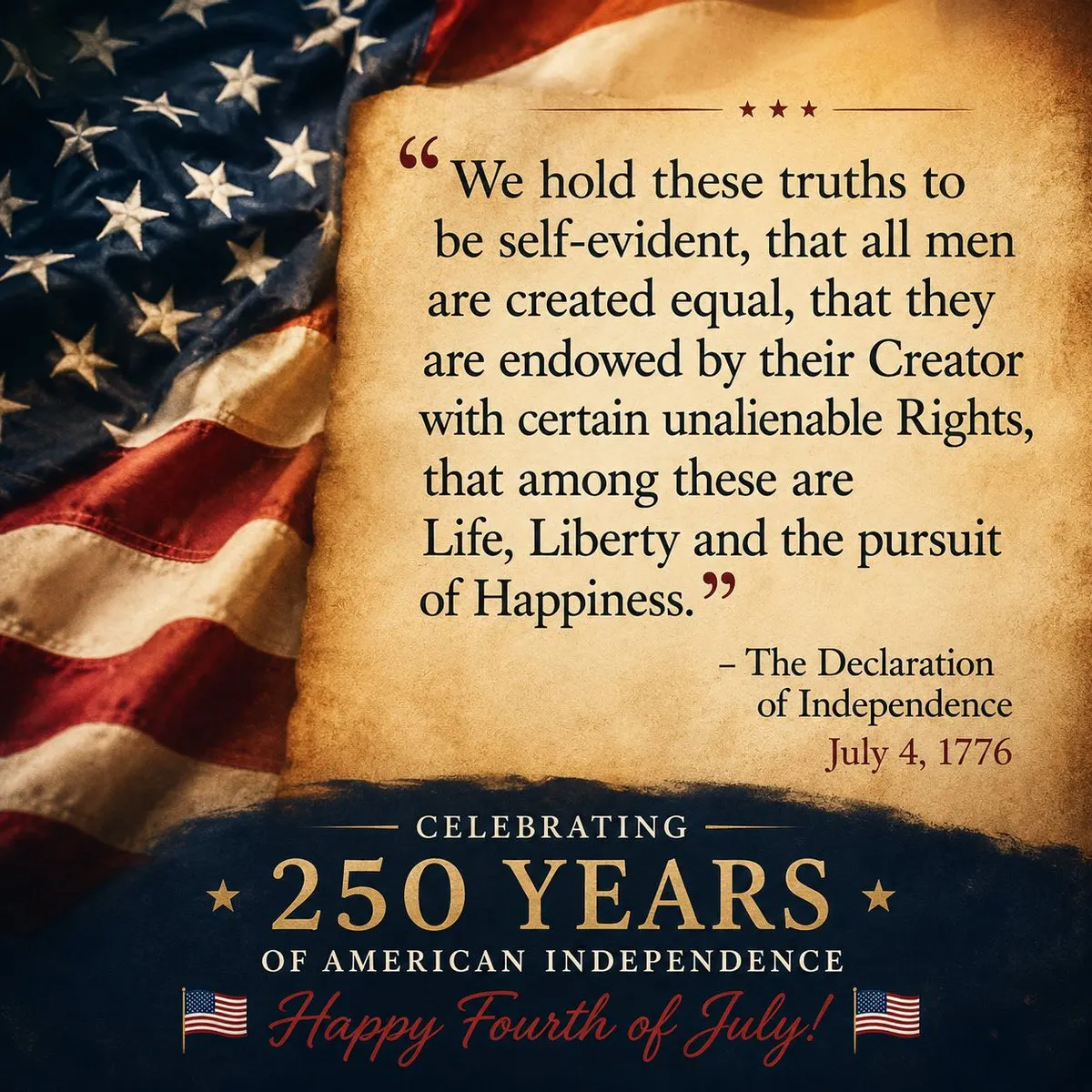
250. rocznica uchwalenia amerykańskiej Konstytucji


„Gazeta Wyborcza” informuje

Andrzej Koraszewski


Od wielu miesięcy media amerykańskie (i nie tylko amerykańskie) opublikowały setki artykułów na temat tej okrągłej rocznicy uchwalenia konstytucji państwa ludzi wolnych, które ojcowie założyciele zapowiadali i którego Konstytucja miała bronić przed tyranią. Jedni twierdzą, że eksperyment z amerykańską demokracją właśnie się kończy, inni, że jej obrona wymaga maksymalnej mobilizacji. Wszyscy wskazują na zagrożenia, chociaż wskazują na różne zjawiska, które ich zdaniem tej demokracji zagrażają. Faktem jest, że już 250 lat temu krążyły plotki, iż George Washington lada chwila ogłosi się cesarzem.

W dzień po uroczystościach w Waszyngtonie czytałem artykuł w polskiej gazecie reklamującej się jako najlepsza z najlepszych i apelującej do najbardziej intelektualnie wyrobionych czytelników nad Wisłą. W pierwszych słowach swego listu Katarzyna Rochowicz informuje, że donosi o „250-leciu USA i ewakuacji przed przemówieniem Trampa”.

4 lipca to data ostatecznego uchwalenia Konstytucji USA. Ta konstytucja ma bardzo krótką preambułę:

My, Naród Stanów Zjednoczonych, pragnąc udoskonalić Unię, ustanowić sprawiedliwość, zabezpieczyć spokój w kraju, zapewnić wspólną obronę, podnieść ogólny dobrobyt oraz utrzymać dla nas samych i naszego potomstwa dobrodziejstwa wolności, wprowadzamy i ustanawiamy dla Stanów Zjednoczonych Ameryki niniejszą Konstytucję.

Cała reszta to instrukcja obsługi państwa, budowa systemu zabezpieczeń, żeby uchronić się przed zawłaszczeniem władzy przez jakąkolwiek grupę. Sami Amerykanie nazywają tę rocznicę Dniem Niepodległości, chociaż Unia była w zasadzie niepodległa już wcześniej.

Stany Zjednoczone są najbardziej udanym dzieckiem brytyjskiego i francuskiego oświecenia. Właśnie w tej kolejności – bardziej brytyjskiego niż francuskiego – bez Robespierre’a i gilotyn, z większym naciskiem na ograniczenie władzy centralnej, która nie ma rządzić, a zaledwie administrować, pozostawiając w rękach obywateli swobodę decydowania w większości spraw.

Pierwsza poprawka do Konstytucji Stanów Zjednoczonych (uchwalona w 1791 roku) gwarantuje obywatelom pięć podstawowych wolności: wolność religii, słowa, prasy, zgromadzeń oraz prawo do wnoszenia petycji. Zakazuje ona Kongresowi ustanawiania religii państwowej oraz ograniczania prawa do swobody sumienia.

Historia ludzkości to głównie historia tyranii i autokracji, amerykański eksperyment był wyjątkowy. Kiedy czytamy preambułę do amerykańskiej Konstytucji, możemy mieć wrażenie, że czytamy doskonałe streszczenie mowy Peryklesa zapisanej przez Tukidydesa. Ateńska demokracja była zaledwie krótkim epizodem. Co tworzono 250 lat temu? Nowe Ateny czy raczej „miasto na wzgórzu”? Jedno i drugie, w długiej tradycji szukano metody pozwalającej na stworzenie państwa wolnych ludzi.

Wolni ludzie to nadal ludzie, więc od pierwszej chwili było oczywiste, że ta kolejna próba zbudowania prawdziwej demokracji będzie zawsze chwiejna i narażona na wykolejenie się. Powstawała jako kolonializm osadniczy, kosztem ludności rdzennej, z niewolnictwem będącym zaprzeczeniem państwa wolnych ludzi. A jednak, na tle całej reszty świata, była czymś absolutnie wyjątkowym. Ta wyjątkowość owocowała niezwykłą innowacyjnością, prężnością i stała się magnesem dla ludzi dobrych i złych z całego świata.

Po niespełna dwustu latach Stany Zjednoczone były już pierwszą potęgą świata, a geopolityka zaczęła coraz silniej wpływać na sprawy wewnętrzne. Zniknęło niewolnictwo, została jego pamięć. Powszechny dostęp do broni, który miał zapobiegać tyranii, stał się utrapieniem. Państwo dobrobytu zaczęło podgryzać zaradność i uzależniać od władzy rozdzielającej świadczenia społeczne z pieniędzy podatników. Nie tylko publiczna oświata znalazła się w głębokim kryzysie. Sama idea amerykańskiej demokracji zaczęła być coraz częściej kwestionowana, a swobody gwarantowane przez pierwszą poprawkę coraz częściej nadużywane. Wolność słowa stała się swobodą wrzasku, oświata aż nazbyt często zmienia się w indoktrynację, wolne media zaczęły się zmieniać w partyjne biuletyny, a cenzura zaczęła się wkradać tylnymi drzwiami, z walnym wsparciem sztucznej inteligencji.

Wróćmy jednak do artykułu Katarzyny Rochowicz:

Świętowanie 250-lecia niepodległości w waszyngtońskim National Mall zostało przerwane przez ewakuację w związku z nadchodzącą burzą. Ostatecznie zarówno przemówienie Donalda Trumpa, jak i pokaz fajerwerków opóźniły się. „Nie ma mowy, żeby cokolwiek nas powstrzymało” – mówił prezydent USA.

Dowiadujemy się, że część ludzi nie posłuchała polecenia, żeby się schronić w pobliskich budynkach, że prezydent zapewniał, iż burza minie. Wreszcie docieramy do wytłuszczonego podtytułu:

Trump ostrzega przed komunizmem. „To tak jak z rakiem: trzeba go wyciąć, i to jak najszybciej”.

Cóż, komunizm, podobnie jak nazizm, otwarcie zwalcza demokrację. Podobnie jak nazizm jest ideologią odpowiedzialną za wojny i ludobójstwa, ma na sumieniu nie mniej niż sto milionów ofiar prześladowań, by nie wspomnieć o produkcji zacofania w krajach Europy Wschodniej, Azji i Afryki. W odróżnieniu od nazizmu jest nadal nauczany i promowany w szkołach oraz na uniwersytetach.

Dziennikarka gaworzy, że przemówienie [prezydenta] rozpoczęło się z półtoragodzinnym opóźnieniem, że Tramp był w dobrym nastroju. Wreszcie docieramy do pierwszego cytatu:

„Ten kraj jest domem wolności. To ziemia wolności, a ta flaga jest sztandarem najbardziej niezwykłego, wyjątkowego i niesamowitego narodu, jaki kiedykolwiek istniał na Ziemi” – oświadczył. Zapewnił, że USA są „silniejsze, bardziej wolne, bogatsze, bezpieczniejsze i bardziej dumne niż kiedykolwiek wcześniej”.

Nie mogę wiedzieć, jak ciąg dalszy odebrali inni czytelnicy, ale ja przy tej lekturze miałem wrażenie, że kiedy autorka dociera do słów Donalda Trumpa o komunizmie, to albo nie wie, o czym amerykański prezydent mówi, albo nie próbuje nawet zrozumieć. Słowa „śmiertelne zagrożenie” ujmuje w cudzysłów, żeby zasygnalizować, że żadnego takiego zagrożenia nie ma.

– Ameryka nigdy nie będzie krajem komunistycznym – zadeklarował Trump. – Nasi żołnierze nie walczyli z komunizmem na polach bitew całego świata po to, by to zagrożenie znów podniosło łeb tutaj, w Ameryce. Nie pozwolimy, by do tego doszło. Tego rodzaju zagrożenie trzeba powstrzymać natychmiast, zanim zdąży się rozwinąć. To tak jak z nowotworem: trzeba go wyciąć i to jak najszybciej – oznajmił prezydent, który w ostatnim czasie kilkukrotnie atakował przeciwników politycznych, nazywając ich „komunistami”.

Po upadku ZSRR sowietologia zmarniała, ale nie trzeba być sowietologiem, żeby dostrzec, że ludzie tacy jak Mamdani, Bernie Sanders i tysiące profesorów amerykańskich uniwersytetów mogą mieć coś wspólnego z komunizmem. Komunistyczna Partia USA ma dziś plus minus dwa tysiące członków, więc to nie o nich mówił amerykański prezydent. Donald Trump nie należy do osób klarownie definiujących pojęcia, których używa. Nie jest jednak tak, że wszystkich swoich przeciwników politycznych nazywa komunistami. Łatwo się domyśleć, że używa tego pojęcia w odniesieniu do wyznawców ideologii „woke”, a może nawet szerzej – do przeciwników wolności takiej, jak ją rozumieli twórcy amerykańskiej Konstytucji.

Trump, jak to Tramp, powiedział, że:

„To, co najlepsze, jest jeszcze przed nami. To dopiero świt złotej ery Ameryki. W tę 250. rocznicę i Dzień Niepodległości deklarujemy, tak jak uczynili to nasi przodkowie dwa i pół wieku temu, że dla naszego kraju, dla naszych dzieci i dla sprawy wolności wyniesiemy Amerykę na nowy poziom, na poziom, jakiego dotąd nie osiągnęła. Uczynimy ją większą, lepszą i silniejszą, a także będziemy ją kochać jeszcze bardziej”.

A nasza dziennikarka kończy swój fajerwerk opisem fajerwerków, które rozpoczęły się po przemówieniu prezydenta.

Tymczasem w niezliczonych esejach, analizach i felietonach na marginesie tej rocznicy w centrum uwagi było nieodmiennie pytanie, czy amerykańska demokracja zdoła przetrwać w obliczu rosnącej potęgi Chińskiej Republiki Ludowej, agresywnego islamu, napływu nielegalnych imigrantów z Trzeciego Świata, wewnętrznej niespójności i nieustannych ataków na konstytucyjny ład. Prawdą jest, że Ameryka nigdy nie była tak bogata jak dziś, ale ta zamożność, ten nieprawdopodobny sukces społeczeństwa opartego na konstytucyjnym ładzie, zdaniem wielu autorów niszczy gotowość jego obrony i wpycha znaczną część młodego pokolenia w łapy różnych proroków totalitarnych doktryn, zaś media – nie tylko w Polsce – coraz częściej dezinformują zamiast dostarczać rzetelnej informacji.


Zawartość publikowanych artykułów i materiałów nie reprezentuje poglądów ani opinii Reunion’68,
ani też webmastera Blogu Reunion’68, chyba ze jest to wyraźnie zaznaczone.
Twoje uwagi, linki, własne artykuły lub wiadomości prześlij na adres:
webmaster@reunion68.com


Only Jewish Trustee of Canadian Human Rights Museum Resigns Over ‘One-Sided Nakba’ Exhibit


Only Jewish Trustee of Canadian Human Rights Museum Resigns Over ‘One-Sided Nakba’ Exhibit

Shiryn Ghermezian


Members of Israel’s Arab minority take part in a rally marking the “Nakba” or “Catastrophe,” when Palestinians lament the establishment of Israel in 1948 and the Jewish state’s subsequent victory in its war of independence, near the abandoned village of Khubbayza, northern Israel, May 9, 2019. Photo: REUTERS/Ammar Awad.

The only Jewish member of the Canadian Museum for Human Rights (CMHR) board of trustees resigned on Monday effective immediately because of concerns over the museum’s “one-sided” exhibit on the so-called Palestinian “Nakba” set to open this week.

International human rights lawyer and scholar Mark Berlin was appointed by the Canadian government as a trustee of the CMHR in 2018. He was formerly the senior adviser on the Middle East to former Attorney General Irwin Cotler and director general of international legal programs at Canada’s Department of Justice, where he oversaw efforts to establish justice sector reforms around the world including in the Palestinian Authority.

Berlin addressed his resignation letter on Monday to Minister of Canadian Identity and Culture Marc Miller and CMHR’s board chairman. He said he has decided to no longer be associated with the Winnipeg museum because it plans to proceed with the exhibit, “Palestine Uprooted: Nakba Past and Present,” in its present form, despite repeated concerns raised by himself and members of the Jewish community.

“Nakba,” the Arabic term for “catastrophe,” is used by Palestinians and anti-Israel activists to refer to the establishment of the modern state of Israel in 1948. Activists often invoke the term when discussing the displacement of some 750,000 Palestinian Arabs following Israel’s War of Independence, many of whom left the nascent state for varied reasons, including that they were encouraged by Arab leaders to flee their homes to make way for the invading Arab armies. At the same time, about 850,000 Jews were forced to flee or expelled from Middle Eastern and North African countries in the 20th century, primarily in the aftermath of Israel’s declaring independence.

Berlin wrote that presenting the 1948 displacement of Palestinians without “proper historical and political context” offers “a narrow one-sided argument of history that can only deepen the distrust and animosity that currently exists between Jews and Muslims in this country.” He said talking about a historical event “with a one-sided perspective” selected by the museum “serves to deepen division and contributes to further hostility toward Jews in Canada” and raises concerns about the institution’s ability to fulfill its obligations under the Museums Act.

Berlin said the exhibit, opening on Saturday, fails to explain that Arab nations rejected a 1947 United Nations plan to create separate Jewish and Arab states in the territory and launched a war against the newly established state of Israel. The exhibit focuses on the displacement of Palestinian Arabs, but Berlin criticized it for not acknowledging the Jewish people who were forced to flee Arab countries at the same time.

He wrote that the museum’s “vague commitment” to mentioning the Jewish displacement in a later, unconfirmed exhibit is not good enough because “the stories are not severable — they occurred at the same historical moment.”

“A story detached from the surrounding factual details is not the truth; it is just a story,” he added. “The museum has a statutory and moral obligation to tell the full truth, not to sacrifice it at the altar of politics. By their actions, the museum’s mandate is thereby compromised along with the public’s confidence in its integrity. The museum loses its legitimacy when it presents as historical truth a narrative that erases a crucial part of the history.”

Berlin accused the museum of betraying its Jewish supporters with such an exhibit. He believes the museum’s decision to omit the historical and political context surrounding the “Nakba,” and the museum’s “selective approach to history,” is “politically motivated.” He additionally slammed the institution for its “profound failure” in uniting communities.

“Instead, the controversy surrounding this exhibit, and my unsuccessful effort to fight against what I believe to be institutional anti-Zionism and to bring a more balanced perspective to the exhibit’s development, has undermined my confidence in the museum as a place the Canadian public can trust to present an accurate historical exhibit, replacing trust with ideology.”

The Jewish advocacy group B’nai Brith Canada said Berlin’s resignation validates its own previous concerns about the “Nakba” exhibit.

“Mr. Berlin is a respected scholar and someone who has worked, on the ground, to promote peace and human rights in Israel and Palestine,” noted B’nai Brith Canada’s CEO Simon Wolle. “His letter must serve as a wake-up call not only to the CMHR’s remaining trustees but to Minister Miller.” He also called on the Canadian government to intervene.

“It is the government’s job to step in when a trustee resigns and speaks out about a Federal Crown corporation’s internal governance, its work, and its impact on the Canadian public,” Wolle explained. “The CMHR’s mishandling of this exhibit should concern every Canadian. It is not only about the potential harms to the Jewish community, but what it says about the state of our federal institutions, our values, and Canada’s role in upholding international norms and human rights.”

Noah Shack, CEO of the Centre for Israel and Jewish Affairs, said on Monday the “lack of transparency” in the exhibit has “severely undermined confidence in a publicly-funded institution and ultimately left its sole Jewish board representative feeling compelled to resign.” He called on Miller “to hold the museum’s leadership accountable and ensure that national institutions are not weaponized against Canadians to serve a one-sided political agenda.” He said the museum consulted with political activists when curating the exhibit, including one who described the Jewish community’s identity as “a disease to be destroyed.”

In a statement cited by CTV News, Miller’s office thanked Berlin for his work as a trustee of CMHR and said he would be replaced. “Like all Canadians, we expect the board of trustees to continue its important work in fulfilling the mission of the Canadian Museum for Human Rights and to remain representative of the diversity of Canadian voices, as the vacancy is filled in the coming months,” wrote spokeswoman Alisson Levesque.

CMHR CEO Isha Khan said on Monday the exhibit aims to highlight the lived experiences of Palestinian Canadians and their stories of forced displacement, according to Canada’s CBC News. Khan added that the museum understands Berlin’s concerns but claimed the exhibit has received support from Jewish Canadians. Board chair Benjie Nycum said the museum’s board “remains committed” to the exhibit’s opening.


Zawartość publikowanych artykułów i materiałów nie reprezentuje poglądów ani opinii Reunion’68,
ani też webmastera Blogu Reunion’68, chyba ze jest to wyraźnie zaznaczone.
Twoje uwagi, linki, własne artykuły lub wiadomości prześlij na adres:
webmaster@reunion68.com


Anti-Israel US Senate Candidate in Maine Hit With Sexual Assault Allegation as Campaign Falters


Anti-Israel US Senate Candidate in Maine Hit With Sexual Assault Allegation as Campaign Falters

Corey Walker


Democratic US Senate candidate Graham Platner speaks at a campaign town hall meeting in Ogunquit, Maine, US, Oct. 22, 2025. Photo: REUTERS/Brian Snyder

Graham Platner, a Democratic US Senate candidate in Maine who has drawn national attention for his sharp criticism of Israel, has been hit with a new and serious allegation of sexual assault, adding to mounting pressure on his campaign as questions grow about his political future.

In a report published Monday by Politico, Jenny Racicot, 41, who said she dated Platner on and off from 2019 to 2021, alleged that in late 2021 Platner arrived at her home heavily intoxicated after she had told him not to come over, entered the residence, and forced her to have sex despite her repeatedly telling him “no.”

Racicot told Politico she later disclosed the alleged assault to her therapist and another individual, and the publication reported reviewing contemporaneous emails and messages that it said supported key aspects of her account. Platner has categorically denied the allegation, calling it “false” while announcing he is taking time to consider the “best path forward” for his Senate campaign.

The allegation follows earlier reports detailing accusations from multiple women regarding Platner’s past conduct, including claims of abusive behavior and misogynistic remarks, all of which he has also denied.

Platner has become a prominent figure within the Democratic Party’s progressive wing, in large part because of his outspoken condemnations of Israel and his calls for significant changes to US policy toward the country. His positions have drawn praise from pro-Palestinian activists while prompting criticism from many pro-Israel Democrats and Jewish organizations, which have argued that some of his rhetoric unfairly targets Israel and risks deepening political divisions over the US-Israel relationship.

Platner, an oyster farmer, launched his campaign in late summer 2025 with splashy digital ads accusing Israel of committing a “genocide” in Gaza. He also accused Israel of “exterminating” people in Gaza during campaign stops and vowed to vote against sending additional aid to the Jewish state. Platner drew further outrage after he released a statement marking the anniversary of the Oct. 7, 2023, slaughters carried out across southern Israel by the Palestinian terrorist group Hamas, in which he condemned Hamas for “war crimes” but went on to accuse Israel of igniting a “genocide” in Gaza.

Platner also found himself embroiled in scandal last year after downplaying revelations that he possessed a tattoo resembling a symbol of the Schutzstaffel (SS), the Nazi paramilitary organization responsible for large-scale atrocities against millions of Jews and other victims in Europe during World War II. Platner subsequently covered up the tattoo.

Although Platner denied knowing the tattoo’s meaning, a former romantic partner reportedly told friends months before the scandal broke that he had a Nazi-related tattoo.

Platner’s rise made him a darling of the party’s progressive flank. After handily defeating the establishment-backed candidate, Maine Gov. Janet Mills, in the Democratic primary, he consolidated endorsements from an array of prominent progressives, including Rep. Ro Khanna (D-CA), Sen. Bernie Sanders (I-VT), and Sen. Ruben Gallego (D-AZ).

Though Platner has led incumbent Sen. Susan Collins (R-ME) in most polls, recent surveys show the Republican lawmaker steadily eroding his advantage, a potential consequence of the mounting scandals attached to his candidacy. A recent Fox News poll indicated that a narrow plurality of Mainers, 49 percent to 47 percent, planned to choose Collins over Platner.


Zawartość publikowanych artykułów i materiałów nie reprezentuje poglądów ani opinii Reunion’68,
ani też webmastera Blogu Reunion’68, chyba ze jest to wyraźnie zaznaczone.
Twoje uwagi, linki, własne artykuły lub wiadomości prześlij na adres:
webmaster@reunion68.com