Archive | 2026/11/18

Amerykanie zabierają samoloty z kolejnej brytyjskiej bazy. Boją się Iranu

10.11.2026, ewakuacja amerykańskich samolotów z bazy Mildenhall w Suffolk w Wielkiej Brytanii (Fot. REUTERS/Hannah Mckay)


Amerykanie zabierają samoloty z kolejnej brytyjskiej bazy. Boją się Iranu

Marta Urzędowska


Amerykańskie tankowce zostały ewakuowane z drugiej już bazy w Wielkiej Brytanii z powodu “zagrożenia ze strony Iranu”. Jednocześnie Izraelczycy nie przestają namawiać Amerykanów do kolejnego ataku na irańskie cele.

Informację, że amerykańskie samoloty ewakuowano z brytyjskiej bazy z powodu zagrożenia ze strony Iranu, podaje „Wall Street Journal”.  

Chodzi o amerykańskie tankowce, przeniesione z brytyjskiej bazy Królewskich Sił Powietrznych Mildenhall w Suffolk, w Anglii. Samoloty zostały ewakuowane w ostatni poniedziałek (9.11).

Tankowce przeniesiono do Niemiec. Wzrosło zagrożenie terrorystyczne?

Dwa tankowce, które korzystały z bazy Mildenhall, zostały rano przekierowane do Niemiec. Jak podają źródła dziennika, później tego samego dnia także kilka innych jednostek stacjonujących w bazie zostało przeniesionych – częściowo także do Niemiec, ale też innych, niewymienionych miejsc.

Jak informują źródła dziennika, Amerykanie poważnie obawiają się zagrożenia ze strony Iranu, choć dziennik nie podaje, o jakie zagrożenie chodzi. Nie jest też jasne czy pojawiło się ono nagle i ma charakter natychmiastowy, czy raczej chodzi o ogólne zabezpieczenia związane z wojną z Iranem.

Jednocześnie cytowani przez dziennik urzędnicy potwierdzają, że Stany Zjednoczone podniosły poziom ochrony w dwóch bazach RAF Mildenhall i RAF Lakenheath, wykorzystywanych przez amerykańskie siły, do poziomu wprowadzanego, gdy wywiad wskazuje, że prawdopodobne jest zagrożenie terrorystyczne.  

Nie pierwszy raz w ostatnich tygodniach Amerykanie zmniejszają swoją obecność w Wielkiej Brytanii. W październiku Pentagon odesłał do USA bombowce B-1 z bazy RAF Fairford w południowo-zachodniej Anglii, w hrabstwie Gloucestershire. Powód był podobny – jak opisywał w tym czasie „Wall Street Journal”, Amerykanie bali się irańskiego spisku, zabicia amerykańskich pilotów i zaatakowania samolotów za pomocą dronów i innej broni.

Irańskie zagrożenie wywołała wojna. Teheran: Nie ma żadnych negocjacji

Amerykanie boją się irańskich zagrożeń, bo od pół roku są z Iranem w stanie wojny. Rozpętali ją w lutym, razem z Izraelem przez sześć tygodni bombardując irańskie cele, zabijając ważnych przywódców politycznych i wojskowych i poważnie uszczuplając irański arsenał pocisków. W odpowiedzi Irańczycy zbombardowali arabskich sojuszników USA w regionie i zablokowali ważną dla transportu ropy cieśninę Ormuz, co wywindowało ceny surowca.

Choć od wiosny na miejscu nie dochodzi do większych starć, do tej pory nie udało się wypracować trwałego porozumienia, bo żadna ze stron nie chce pójść na ustępstwa – Amerykanie nie zgadzają się na zniesienie sankcji gospodarczych i zmniejszenie swojej obecności w regionie, Irańczycy natomiast nie zamierzają rezygnować z programu nuklearnego.

W efekcie na miejscu panuje pat, cieśnina Ormuz, choć częściowo odblokowana, pozostaje niebezpieczna, bo Irańczycy regularnie strzelają do pływających nią jednostek, co utrudnia eksport arabskiej ropy i nie pozwala rynkom się uspokoić.

W ostatnich dniach Teheran zaostrzył retorykę. – Czas skończyć z fabrykowaniem fałszywych doniesień o rzekomych negocjacjach – stwierdził szef irańskiej rady do spraw bezpieczeństwa Mohsen Rezaei. – Najwyższa pora, by Amerykanie ustąpili i dostosowali się do naszych warunków – dodał.

Kongresmeni poinformowani o zagrożeniach. Izrael prze do nowej ofensywy

Sytuacji nie rozjaśniają wypowiedzi Donalda Trumpa, który w ostatnich tygodniach na zmianę stwierdza, że nowe ataki na Iran są bardzo prawdopodobne, albo że jest wręcz przeciwnie.

W ostatni poniedziałek (9.11) stwierdził, że „podjęcie działań wojennych nie wydaje się konieczne”, choć zastrzegł jednocześnie, że na wypadek, gdyby do nich doszło, USA są „uzbrojone i gotowe”. Tego samego dnia tzw. „Ósemka”, czyli najważniejsi liderzy polityczni i szefowie komisji wywiadu w Kongresie, którzy dostają najbardziej tajne briefingi, zostali poinformowani o nowym irańskim zagrożeniu – informuje dziennik.

Irańczycy wprost stwierdzają, że jakikolwiek nowy atak oznaczałby zdecydowany odwet, który tym razem wyszedłby poza Bliski Wschód.

O kontynuowaniu wojny z Iranem nie przestają marzyć Izraelczycy – izraelskie władze, które uznają Iran za regionalnego arcywroga, od początku były przeciwne przerywaniu jej po sześciu tygodniach. Dziś, jak informuje „Financial Times”, premier Benjamin Netanjahu codziennie dzwoni do Trumpa, namawiając go do wznowienia ataków.

“Netanjahu dzwoni do niego codziennie, choć ci, którzy nie chcą wojny – zarówno w Białym Domu, jak i poza nim – starają się z tym walczyć, mówią prezydentowi, żeby nie eskalował i poważnie traktował negocjacje”, cytuje Financial Times osobę znającą szczegóły sprawy.

Izraelczykowi się spieszy, bo nie zostało mu dużo czasu. W Izraelu w ub. tygodniu odbyły się wybory parlamentarne, w których jego sojusz nie zdobył większości koniecznej do dalszego samodzielnego rządzenia. W tej chwili jego polityczny rywal, Gadi Eisenkot, próbuje stworzyć nowy rząd, na co ma sześć tygodni. Jeśli mu się uda – Netanjahu przestanie być premierem.

W ostatni poniedziałek Trump spotkał się z katarskim premierem Muhammadem bin Abd ar-Rahmanem at-Tanim, który mediuje w konflikcie z Iranem. „Katar, Arabia Saudyjska, Zjednoczone Emiraty Arabskie, Bahrajn, Kuwejt i inne państwa wolałyby utrzymania status quo”,  napisał po spotkaniu w swoim serwisie Truth Social, wyjaśniając, że on również woli utrzymać sankcje na Iran, niż rozpoczynać kolejne ataki.


Redagowała Alicja Lehmann


Zawartość publikowanych artykułów i materiałów nie reprezentuje poglądów ani opinii Reunion’68,
ani też webmastera Blogu Reunion’68, chyba ze jest to wyraźnie zaznaczone.
Twoje uwagi, linki, własne artykuły lub wiadomości prześlij na adres:
webmaster@reunion68.com

UK sanctions on Israel sets a dangerous precedent, exposes British double standards – editorial


UK sanctions on Israel sets a dangerous precedent, exposes British double standards – editorial

JPOST EDITORIAL


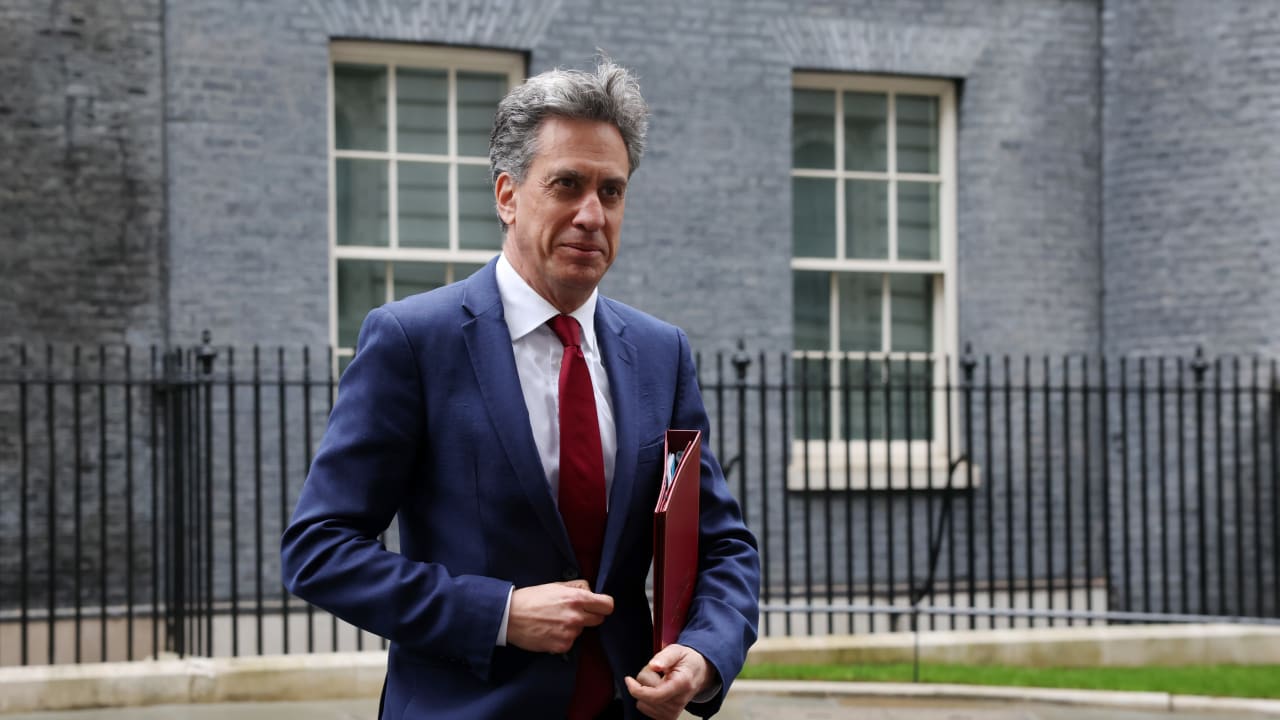
British Foreign Secretary Ed Miliband announced a reset in relations with Israel in September, including tougher measures targeting settlements in the West Bank. / (photo credit: Dan Kitwood/Getty Images)

Relations between the United Kingdom and Israel suffered another troubling blow on Tuesday, as Britain announced sanctions against eight Israeli construction and development companies operating in the West Bank.

More concerning than the immediate economic consequences is the precedent London is setting, and its potential implications for Israeli businesses and citizens beyond those named.

The sanctions, including asset freezes and director disqualifications, are intended to disrupt settlement construction. Announced shortly before the final deadlines for the controversial E1 settlement tender, they send a message to Israel’s government: Settlement expansion will carry an international price.

UK Foreign Secretary Ed Miliband framed the decision as part of Britain’s commitment to preserving a two-state solution. But where does this policy end?

If construction companies can be sanctioned for their involvement in settlements, what about the banks financing them, the suppliers providing materials, or businesses providing essential services? The distinction between targeting specific companies and imposing wider economic pressure on Israeli institutions could become increasingly difficult to maintain.

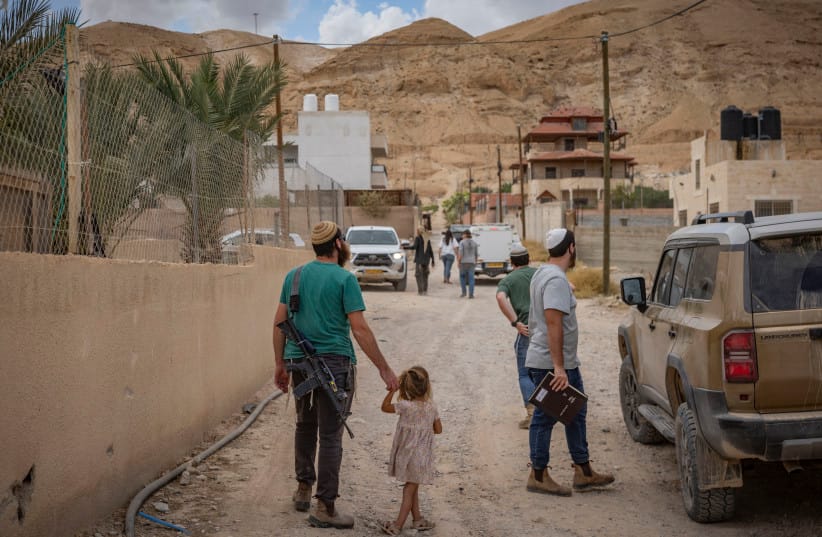
Jewish Israeli settlers are seen at a compound of eight houses near the Palestinian city of Jericho in the West Bank, November 5, 2026. (credit: CHAIM GOLDBERG/FLASH90)

Britain owes Israel an explanation for double standards

Britain also owes Israel an explanation of the standard it is applying. In September, its government told Parliament it had no plans to introduce additional trade sanctions against northern Cyprus, emphasizing economic engagement between the island’s two communities. Britain’s own guidance warns that property there may belong to Greek Cypriots displaced in 1974, whose ownership rights remain legally recognized.

London understands the problems of displacement and contested property. Why does it favor economic engagement in one unresolved territorial conflict while expanding sanctions against businesses in another?

Its earlier explanation makes that question more pressing. Asked in July about its different treatment of Israeli and Turkish settlers, the British government said Israeli sanctions responded to specific acts of violence or repeated incitement. Tuesday’s measures extend to companies for their involvement in settlement construction. That broader justification demands an explanation of how Britain intends to apply the same principles elsewhere. The conflicts have different histories and legal circumstances. London must explain why those differences warrant such different economic responses.

There is little reason, meanwhile, to believe these sanctions will achieve their political objective.

Ideological drivers unlikely to be halted by British sanctions

The ideological forces driving settlement expansion are unlikely to change course because Britain freezes several companies’ assets. Those most committed to expanding settlements will interpret the move as further evidence that Israel cannot rely on its traditional allies, reinforcing their determination to press ahead.

London risks strengthening those who argue that international criticism should simply be ignored, while making diplomatic engagement on the West Bank more difficult.

The inclusion of Tzav 9 for obstructing humanitarian aid deliveries to Gaza raises a separate issue. The broader announcement should nevertheless remind Israel that it cannot dismiss growing international concern over the West Bank.

Jewish extremist violence against Palestinians, inconsistent law enforcement, and the increasingly permissive environment in which some attacks occur carry serious diplomatic consequences.

Israel cannot expect its allies to indefinitely overlook violence and policies that undermine prospects for a political solution. Nor should it allow extremists to define its international standing.

The next Israeli government must confront Jewish violence seriously, ensure equal law enforcement, and pursue diplomatic engagement. It must also defend Israel’s legitimate security interests and insist that its allies apply consistent standards.

Britain should understand that sanctions are a blunt instrument. Punishing companies is unlikely to persuade the settlement movement to abandon its ambitions and risks a broader confrontation with Israeli society. Preserving a two-state solution requires sustained diplomacy and a credible understanding of Israeli security concerns.

Israel must address the conduct that makes such measures increasingly attractive to its historic allies. London must explain why economic engagement remains its prescription elsewhere, while Israeli businesses face expanding penalties.

Jerusalem has responsibilities in its own backyard. Britain has a responsibility to demonstrate that its principles hold beyond the West Bank.


Zawartość publikowanych artykułów i materiałów nie reprezentuje poglądów ani opinii Reunion’68,
ani też webmastera Blogu Reunion’68, chyba ze jest to wyraźnie zaznaczone.
Twoje uwagi, linki, własne artykuły lub wiadomości prześlij na adres:
webmaster@reunion68.com


UK Pro-Palestinian Protesters Target Manchester Jewish Community, Sports Center While Children Play Soccer


UK Pro-Palestinian Protesters Target Manchester Jewish Community, Sports Center While Children Play Soccer

Shiryn Ghermezian


Illustrative: A police car is seen outside Victoria Station in Manchester, England. Photo: Reuters/Phil Noble

A group of Pro-Palestinian activists in the United Kingdom gathered on Sunday night outside a Jewish community and sports center in the city of Manchester while Jewish children were reportedly playing soccer inside the venue.

Demonstrators held signs and Palestinian flags outside the Manchester Maccabi Community and Sports Club in Prestwich in protest of a private event held inside the club that was organized by a third-party Israeli company. Several members of the local Jewish community who were concerned about the protest contacted the neighborhood Jewish watch group Shomrim, which dispatched volunteers to the scene, according to Jewish News. The publication added that Shomrim volunteers then liaised with Greater Manchester Police officers, who eventually escorted the group of protesters away from the Jewish establishment. No arrests were made.

“Some callers were understandably distressed and concerned for the safety of children who were playing on the grounds at the time,” Shomrim Manchester told Jewish News. “Everyone should be able to enjoy community facilities and recreational activities without feeling intimidated or unsafe.”

The Manchester Maccabi Community and Sports Club said the third-party Israeli company rented its facilities for a private gathering. The protest was reportedly in response to an event advertised by Paragon Group where free, one-on-one consultations with legal and real estate experts were being offered for those interested in Israeli property investment or moving to Israel.

The Manchester Maccabi Community and Sports Club said it “outrightly condemns” the organizers of the pro-Palestinian demonstration who they believe were aiming to “import conflict and scare tactics onto the streets of Manchester and against our community.” The Jewish center said it believes the group of protesters were not locals because they were not recognized by its security team.

The establishment added that Sunday night’s event inside its facilities continued throughout the evening, despite the demonstration outside, and protesters caused no disruption to the security of its building. A public right of way runs outside the club from Park Road and Bury Old Road, and it must remain accessible 24 hours a day, according to the facility.

Manchester Maccabi said Greater Manchester Police officers returned to the club on Monday morning to offer support to the community and there will be increased police presence in the future. The club will also talk with the Community Security Trust, which monitors antisemitism and provides protection to Britain’s Jewish community, and the local Bury Council “to explore future opportunities to strengthen the security of the overall site.”

The National Jewish Assembly, a British pro-Israel organization, condemned the demonstrators, saying that protesting with Palestinian flags outside a sports facility where Jewish children play soccer “is not activism.”

“It is harassment, intimidation, and deliberate antagonism,” said the organization. “This is how normalized Jew hatred has become. Even Jewish children cannot enjoy playing football without being confronted by this hatred.”

The Jewish Representative Council of Greater Manchester & Region also denounced the demonstration, describing it as “deeply disturbing.”

“Protesters gathering outside a Jewish communal building, displaying Palestinian flags with the sole objective of intimidating members of the Jewish community needs to be unequivocally condemned,” it said.


Zawartość publikowanych artykułów i materiałów nie reprezentuje poglądów ani opinii Reunion’68,
ani też webmastera Blogu Reunion’68, chyba ze jest to wyraźnie zaznaczone.
Twoje uwagi, linki, własne artykuły lub wiadomości prześlij na adres:
webmaster@reunion68.com