Archive | 2017/11/20

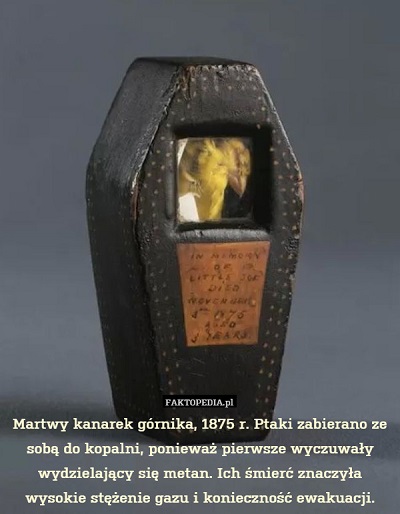
Kanarek w kopalni

Kanarek w kopalni

Ludwik Lewin

We Francji lubi się cytować zdanie ojca wielkiego Emmanuela Levinasa, który powiedzieć miał, radząc synowi wyjazd z Litwy – „kraj, który staje się całkowicie rozdarty i podzielony po to by bronić honoru małego żydowskiego oficera, jest krajem, do którego trzeba wyjechać”. Rzadziej przypomina się tam, że to po procesie kapitana Dreyfusa, pewien wysłannik wiedeńskiej gazety, doszedł do wniosku, że jeśli nawet we Francji oskarża się Żyda o zbrodnie, których na pewno nie popełnił, to znaczy, że Żydzi muszą mieć własne państwo. Dziennikarz nazywał się Theodor Herzl.

Tragiczne wydarzenia ostatnich miesięcy i lat powodują wzmożenie debaty nad sytuacją Żydów we Francji, deklaracje patriotyzmu i oskarżenia władz, podczas gdy w Izraelu francuskojęzyczni politycy starają się przygotować do wielkiej aliji znad Sekwany.

Trzech Czarnych muzułmanów wdarło się wieczorem w początku września do domu żydowskiej rodziny w Livry-Gargan, pod Paryżem. „Jesteście Żydami, więc macie pieniądze – dawać! – krzyczeli bandyci, zanim pobili i związali parę staruszków Mireille i Rogera Pinto. Pod groźbą noży i śrubokrętów zabrali im gotówkę i karty kredytowe, a następnie przez wiele godzin przeszukiwali mieszkanie od piwnicy, poprzez łazienkę po strych, w nadziei na znalezienie cenności. Pani Pinto dopiero nad ranem doczołgała się jakoś do telefonu, by zadzwonić na policję, ale zanim funkcjonariusze weszli do domu, bandytom udało się uciec.

Przewodniczący CRIF (Rada reprezentatywna żydowskich instytucji Francji) Francis Kalifat potępił tę „dokonaną z premedytacją, napaść antysemicką”. „Ten oburzający czyn jest kolejnym dowodem – jeśli jeszcze trzeba dowodów – na to, że Żydzi we Francji są zagrożeni na ulicach, a od pewnego czasu, również w swoich domach, co jest jeszcze bardziej niepokojące”.

„Po przerażającym zamordowaniu Sary Halimi w jej mieszkaniu, ten nowy napad powinien nakłonić władze naszego kraju do wzmożonej czujności i przykładnego, odstraszającego karania sprawców” – dodał Francis Kalifat.

Sara Halimi, emerytowana kierowniczka żydowskiego żłobka, to najświeższa spośród śmiertelnych ofiar antysemityzmu we Francji. W kwietniu przez balkon wdarł się do jej paryskiego mieszkania sąsiad – muzułmanin z Czarnej Afryki – i krzycząc Allah akbar , torturował ją przez godzinę, po czym wyrzucił przez okno.

Policja wezwana po pierwszych krzykach ofiary, stała bezczynnie przed wejściem do kwaterunkowego budynku.

Po zatrzymaniu morderca został odesłany do szpitala psychiatrycznego, a pierwsze orzeczenie lekarskie mówiło o „ostrym ataku delirycznym”. Zbrodnia została praktycznie przemilczana przez media. Nie ulega wątpliwości, że dlatego, by w trwającej wtedy kampanii wyborczej na prezydenta, nie przysparzać głosów populistycznej przywódczyni skrajnie prawicowego, zdecydowanie antymuzułmańskiego, Frontu Narodowego.

Przemilczano „biały marsz”, w którym około trzech tysięcy osób, prawie wyłącznie Żydów, w hołdzie dla Sary Halimi, poszło pod jej dom. I mimo protestów instytucji i organizacji żydowskich, jak i prawników, niemal pół roku minęło zanim prokurator zdecydował się, by do oskarżenia dołączyć okoliczność obciążającą, jaką jest antysemicki motyw zbrodni.

Wśród poprzednich ofiar muzułmańskich, niekoniecznie islamistycznych antysemitów, najbardziej znany jest młodziutki Ilan Halimi, porwany, torturowany i zamordowany w roku 2006 przez gang afro-arabski, który jak rodzina z Livry Gargan, „musiał mieć pieniądze, bo był Żydem”.

Od 2012 r. dwanaścioro Żydów straciło życie w napadach antysemickich, których sprawcy działali w imię dżihadu. Wcześniej kilka zabójstw uznano za czyny chorych psychicznie lub znaleziono dla nich inne niż antysemityzm motywacje. Dodać do tego trzeba gwałty, rabunki i napady uliczne na Żydów w kipach, motywowane jakoby chęcią pomsty za „krwiopijstwo”, „śmierć palestyńskich dzieci w Gazie” i zawsze tym, że „Żydzi muszą mieć pieniądze”.

„Antysemityzm, który w nas dziś uderza nie ma nic wspólnego z historią Francji” – powiedział znany francuski filozof Alain Finkielkraut, syn Żydów z Polski i wielki francuski patriota.

„To nie są resztki francuskiego nacjonalizmu. To antysemityzm, który jest z siebie dumny i którego nie można zawstydzić, ponieważ mówi językiem «antyrasizmu»”.

„Mamy do czynienia z antysemityzmem antyrasistowskim, bo według tych ludzi Żydzi przeszli na drugą stronę barykady z powodu Izraela i okupacji Palestyny. Wszystko to przemyślane jest w terminach rasistowskich: Izrael jest państwem rasistowskim, więc przeciwstawianie się Izraelowi i tym wszystkim, którzy czują jakiś związek z tym krajem, to walka z rasistami” – mówił filozof w wywiadzie dla francuskojęzycznego programu izraelskiej telewizji I24.

Nosicielami tych poglądów są zarówno muzułmanie, wychowywani w pogardzie i nienawiści wobec Żydów, jak i francuska skrajna lewica, a wśród niej, najgłośniejsza obecnie partia opozycyjna w parlamencie francuskim, Francja Nieujarzmiona. Jej przywódca Jean-Luc Mélenchon oskarżył ówczesnego premiera, piętnującego manifestantów broniących współwyznawców z Gazy okrzykami „śmierć Żydom”, o „powiązania ze skrajną prawicą izraelską”.

Zauważa to Alain Finkielkraut, ale jak się wydaje, nie zauważa, że antysemityzm we Francji nie ogranicza się do tych dwóch środowisk. Według sondażu przeprowadzonego na zamówienie Fundacji Fondapol – think tanku, którego dyrektorem jest prawicowy politolog Dominique Reynié – jedna czwarta do jednej trzeciej badanych, a czasem nieco więcej, podziela uprzedzenia wobec Żydów, a wśród nich przekonanie, że rządzą gospodarką i finansami, mają za dużo wpływów w mediach i polityce. 35% badanych zgadza się ze stwierdzeniem, że „Żydzi we własnym interesie wykorzystują status ofiar nazistowskiego ludobójstwa w czasie II wojny światowej”.

Ankieta wskazuje, że tradycyjny antysemityzm skrajnej prawicy bynajmniej nie należy do przeszłości. Poza muzułmanami – którzy są dwa do trzech razy liczniejsi niż przeciętna Francuzów podzielających uprzedzenia antysemickie, to w partii Marine Le Pen i wśród jej elektoratu najwięcej jest opinii antysemickich. Wygląda na to, że Alain Finkielkraut bardziej na serio niż zwolennicy Frontu Narodowego, bierze odejście tego stronnictwa od antyżydowskich, negacjonistycznych korzeni tego stronnictwa.

To prawda, we Francji ginie obecnie najwięcej Żydów za to, że są Żydami. To prawda, tutejsze władze wykazują często wiele wyrozumienia dla islamistycznych „szejków” i imamów związanych z Bractwem Muzułmańskim. Oficjalne media francuskie zieją często nienawiścią do Izraela, a rząd na wszelkich forach międzynarodowych głosuje przeciw Państwu Żydowskiemu. To prawda, ale Francja poprzez obecność największej w Europie liczby Żydów i jednej z największych mniejszości muzułmańskich, jest miejscem, w którym ze zdwojoną ostrością ukazują się problemy Europy i świata.

Pamiętajmy o zajadłym antysemityzmie w Polsce bez Żydów. Nie zapominajmy o sukcesach Alternatywy dla Niemiec, która jest nie tylko antimigracyjna, ale z nostalgią sięga do czasów nazizmu i propaguje to, co nazywa się w polskich sądach, „kłamstwem oświęcimskim”.

Żydzi, tak jak często w dziejach, znów są tym kanarkiem, którego w klatce znoszą do szybu górnicy, gdyż jako pierwszy ginie od trujących gazów dając ludziom sygnał do ucieczki. Świat nie jest jednak kopalnią i nie ma windy, którą cywilizacja europejska wydobyć by się mogła z kryzysu, na który składa się koniec dominacji Zachodu, brak zaufania do demokracji i – pośród masowej imigracji – utrata poczucia tożsamości.

W tej sytuacji powraca się do odwiecznej recepty – bij Żyda! nie pamiętając, że nie uratowało to Rosji i nie myśląc, że nie może uratować Europy.


  • Pierwsza publikacja “Słowo Żydowskie“, listopad 2017
    Ludwik Lewin

Dziennikarz i poeta, od 1967 roku mieszka w Paryżu, wieloletni korespondent Polskiej Sekcji BBC.


twoje uwagi, linki, wlasne artykuly, lub wiadomosci przeslij do: webmaster@reunion68.com


Who Saved Israel in 1947?

Who Saved Israel in 1947?

MARTIN KRAMER


The usual answer is Truman—but it could just as easily be Stalin. In fact, thanks to Zionist diplomacy, it was both; and therein lies a lesson for the Jewish state today.

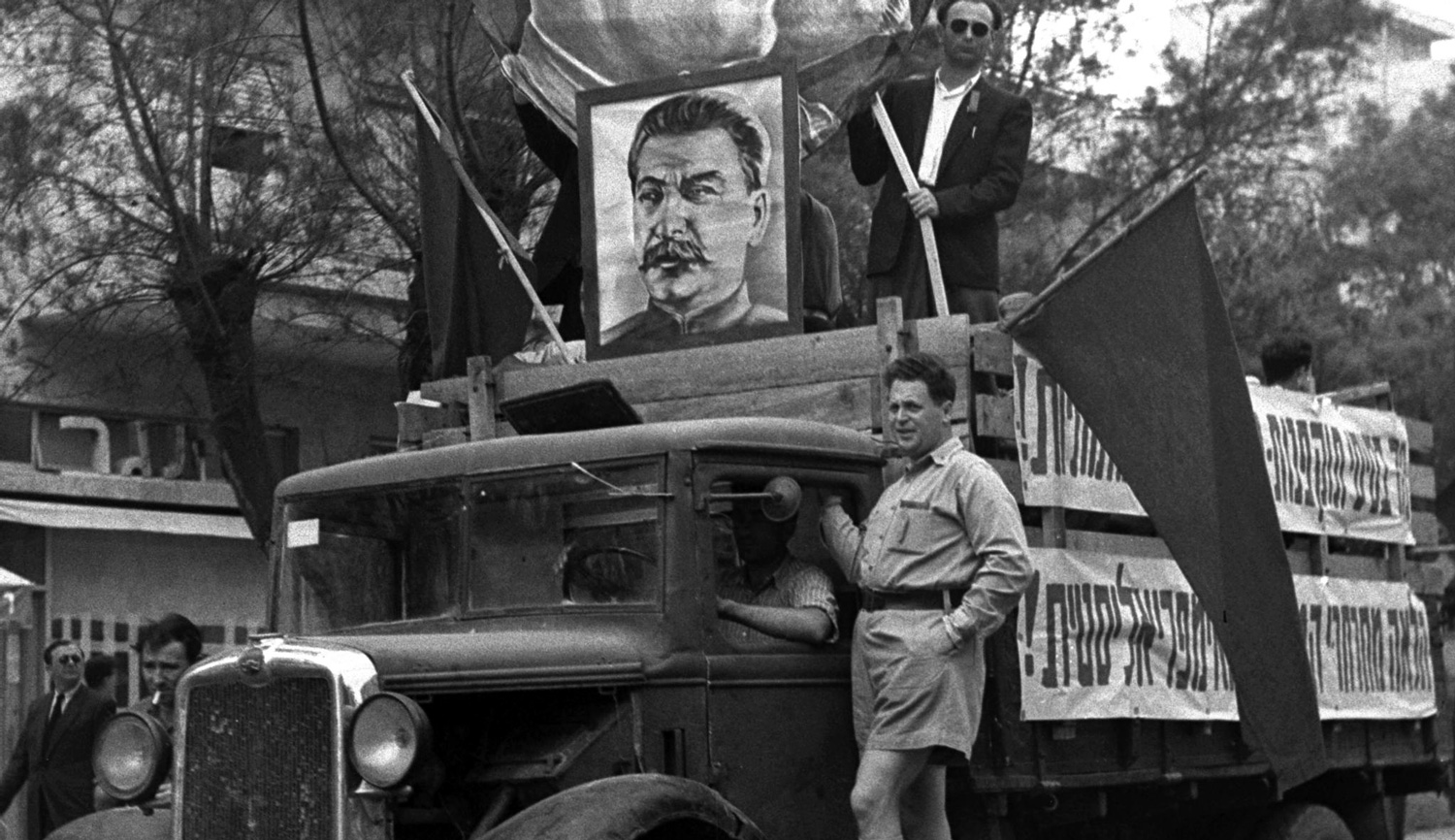
A truck with the faces of Soviet Communist leaders Lenin and Stalin at the labor day parade held in Tel Aviv on May 1, 1949. Pinn Hans/Israeli Government Press Office.

November 29 marks the 70th anniversary of UN General Assembly resolution 181, recommending the partition of Mandate Palestine into two separate Jewish and Arab states. On that day in 1947, millions of listeners sat glued to their radio sets to follow the voting. The outcome set off spontaneous celebrations among Zionists everywhere, for it constituted the first formal international endorsement of a Jewish state.

To celebrate the anniversary, Israel’s embassy to the United Nations is restoring the hall in Flushing Meadows, New York—today the main gallery of the Queens Museum, then the meeting place of the General Assembly—to its appearance in 1947. The announced plan is to reenact the vote, with the current ambassadors of member states that voted “yes” recasting their ballots.

The most conspicuous of the ballots cast will be that of the United States. Indeed, the vote and its sequel are set to be told as a largely American story. Israel’s UN ambassador, Danny Danon, has placed the celebration in this historical context:

From the moment President Truman became the first world leader to recognize the new Jewish state, Israel has had no better friend than the United States of America, and the U.S. has had no more steadfast ally than the state of Israel.

In keeping with this, the keynote speaker in New York will be U.S. Vice-President Mike Pence. Again and again, we are likely to hear how Harry Truman stood up to his State Department (and, perhaps less heroically, catered to Jewish voters) by saying “yes” in November 1947 and then by immediately recognizing Israel when David Ben-Gurion declared the state on May 14, 1948. And once again, we will be reminded of Eddie Jacobson, Truman’s Jewish business partner in a Kansas City haberdashery before the Depression, who famously traded on his old friendship to secure a critical meeting between Truman and the Zionist leader Chaim Weizmann in March 1948.

The rest of the story has been carefully burnished over the years, including by Truman himself. In 1953, when Jacobson introduced the former president to a Jewish audience as “the man who helped create the state of Israel,” Truman upped the ante by comparing himself with the ancient Persian ruler who restored the Jews to Jerusalem from Babylonian exile: “What do you mean ‘helped to create’? I am Cyrus.”

Historians, it is true, still debate Truman’s motives. But they also agree on one thing: Israel’s creation owed more to Truman than to any other world leader. “Without Truman,” write Allis and Ronald Radosh in their book on Truman and Israel, “the new state of Israel might not have survived its first difficult years, and succeeded thereafter.” Michael J. Cohen, in his earlier book on Truman and Israel, states that in 1947 and 1948, “Truman arguably played the decisive diplomatic role in the birth of the new state of Israel.” Michael Oren, in Power, Faith, and Fantasy, his bestseller on America in the Middle East, asserts that Truman’s comparison of himself with the Persian ruler Cyrus “was not entirely bluster.”

The problem here is simple: everything said about the contribution of Truman could be said about that of Joseph Stalin.

I. Stalin, a Founding Father of Israel?

In a 1998 essay marking Israel’s 50th anniversary, the historian Paul Johnson addressed a “paradoxical aspect of the Zionist miracle, which we certainly did not grasp at the time and which is insufficiently understood even now.” That paradox, wrote Johnson, is that “among the founding fathers of Israel was Joseph Stalin.” Twenty years later, even fewer people grasp it. The Soviet Union is long gone, remembered by Israel and its supporters as the patron of Nasser abroad, the jailer and tormentor of Jews at home, the purveyor of vicious anti-Semitism everywhere. Nor did any Soviet leader himself ever claim the mantle of Cyrus. To the contrary: from the 1950s onward, the Soviet Union did its utmost to erase the fact of Soviet support for the creation of Israel from official history and from Arab memory.

Meanwhile, both in the United States and in Israel, an equal and opposite process has erased from memory the inconstancy of American support for Israel’s creation.

Yes, the U.S. voted for partition in November 1947, but by the following March it had declared partition impossible to implement and proposed a “temporary” UN trusteeship in its stead. On the very eve of Britain’s official withdrawal from Israel the following May, America’s top diplomat was still warning Israel’s leaders against declaring independence.

It is a “paradoxical aspect of the Zionist miracle,” wrote the historian Paul Johnson, “that “among the founding fathers of Israel was Joseph Stalin.”

Yes again, Truman did immediately recognize Israel (de facto but not de jure). But he had already enforced an arms embargo on the Middle East, forcing Israel to scavenge for its survival.

By contrast, not only did the Soviet Union under Stalin vote for partition, and also recognize Israel—the first state to do so de jure, three days after independence—it had come out in favor of a Jewish state well before the United States. Moreover, it had held firm in that support both before and after the vote, and had indirectly assured that the newborn state would have the war materiel it desperately needed to defend itself. According to Abba Eban, Israel’s first UN ambassador, without the Soviet vote in favor of partition (together with the votes of four satellite nations), and without the arms provided by the Soviet bloc, “we couldn’t have made it, either diplomatically or militarily.”

Still, one might wonder: even if all this is true, is any contemporary purpose served by recounting it? That purpose certainly cannot be to “rehabilitate” Stalin’s Soviet Union. Although there is such a tendency in Russia today, few outside that country harbor any illusions about Stalin’s horrific legacy. Nor can the purpose be to belittle the significance of American support for Israel since 1967.

In what follows, my objective is otherwise: to show how, in the years just before, during, and after the establishment of the state of Israel, its leaders thought creatively about the postwar geopolitical order. Knowing that they had no steady friends, they presciently identified the Soviet Union as an emerging great power, and set about wooing Moscow. Soviet support then allowed them to parlay budding cold-war rivalries into even more American support. It was a masterstroke of Zionist diplomacy.

Stalin’s decision is still shrouded in mystery, and it is by no means certain that Zionist overtures played the decisive role in the Soviet Union’s surprising and highly consequential support for a Jewish state. But they might have done. Today, as Israel makes its way in a changing world, marked by the rise of new powers, there may be a lesson to be learned from this history.

It all began with a forgotten speech.

II. A Forgotten Speech That Shocked the World

read more: Who Saved Israel in 1947?


Martin Kramer teaches Middle Eastern history at Shalem College in Jerusalem and is the Koret visiting fellow at the Washington Institute for Near East Policy. His most recent book is The War on Error (2016).


twoje uwagi, linki, wlasne artykuly, lub wiadomosci przeslij do: webmaster@reunion68.com


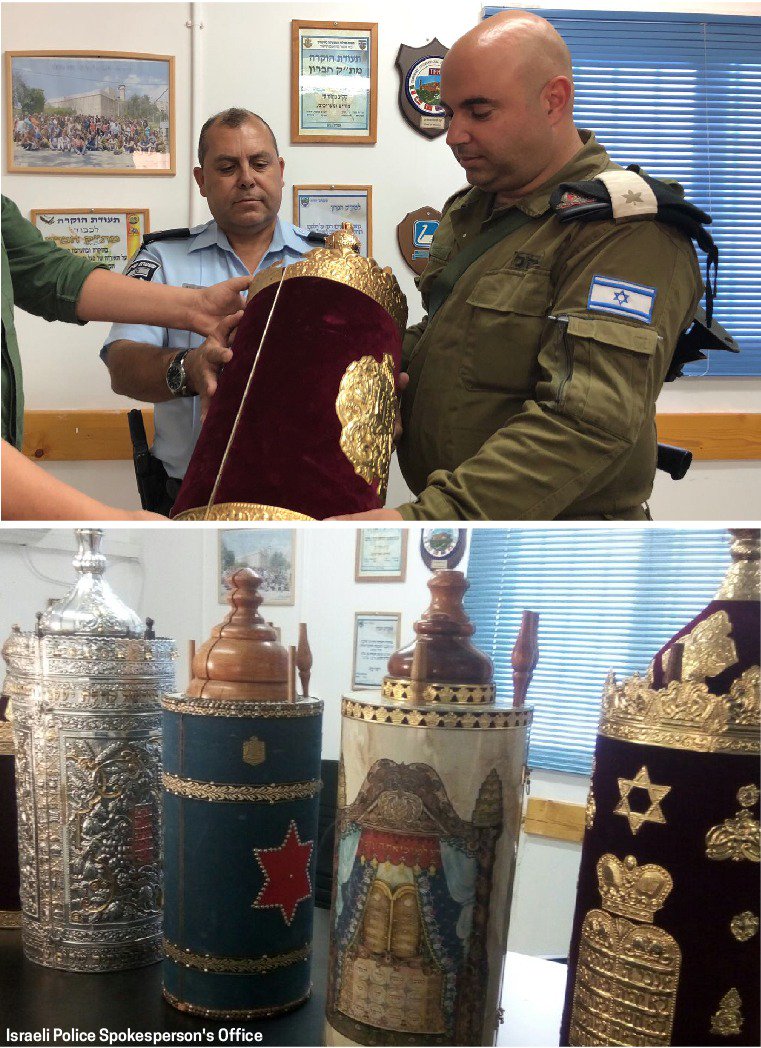
Torah Scrolls Stolen From Jaffa Synagogue Are Found in Hebron

Torah Scrolls Stolen From Jaffa Synagogue Are Found in Hebron and Returned After Cooperation Between Israeli, Palestinian Police

Barney Breen-Portnoy


The Torah scrolls that were stolen from a Jaffa synagogue on Thursday and returned on Sunday. Photo: Israel Police.

Five Torah scrolls that were stolen from a synagogue in central Israel this week and taken to the West Bank have been found and returned, following a cooperative effort of Israeli and Palestinian law-enforcement authorities.

The holy texts — taken from the Beit David synagogue in Jaffa early Thursday morning — were tracked down in Hebron and handed over to Israeli officials on Sunday “thanks to coordination between the Hebron District Coordination Liaison, Israel’s Police and the PA Police,” the Coordinator of Government Activities in the Territories Unit (COGAT) tweeted.

Earlier this week, five Torah scrolls were stolen from a synagogue in central  and taken to . Today, thanks to coordination between the Hebron District Coordination Liaison, Israel’s Police and the PA Police, the scrolls were returned


The Israel Police said the successful outcome was a result of its “positive relationship” with its Palestinian Authority counterpart force, which helps it deal with crimes carried out in Israel that originated in the West Bank, including cases of murder, drug offenses and property theft.


twoje uwagi, linki, wlasne artykuly, lub wiadomosci przeslij do: webmaster@reunion68.com