Archive | 2017/11/21

Milicje a palestyńskie “pojednanie”

Milicje a palestyńskie “pojednanie”

Khaled Abu Toameh
tłumaczenie: Małgorzata Koraszewska


Prezydent Autonomii Palestyńskiej (AP), Mahmoud Abbas, mówi, że nie chce widzieć “milicji” w Strefie Gazy, kiedy porozumienie o “pojednaniu” z Hamasem zostanie wprowadzone w życie. “Palestyńskie kierownictwo nie zaakceptuje modelu milicji w Strefie Gazy, ponieważ nie jest udany” – powiedział Abbas chińskiej agencji informacyjnej – “Będzie tylko jedna władza, jedno prawo i jedna broń, bez żadnych milicji”.

Hamas, ze swej strony, już odrzucił żądanie Abbasa. Hamas oznajmił, że nie ma zamiaru rozbroić się mimo porozumienia o “pojednaniu” podpisanego ostatnio w Kairze. “Nie możemy oddać naszej broni, ponieważ lud palestyński nadal jest na etapie wyzwolenia narodowego” – powiedział Jehja Sinwar, przywódca Hamasu w Strefie Gazy. – “Nie możemy także uznać Izraela i nie zrobimy tego”.

Odmowa rozbrojenia się przez Hamas nie powinna stanowić niespodzianki. Od czasu, kiedy Hamas przemocą przejął panowanie nad Strefą Gazy dziesięć lat temu, zbudował olbrzymie aparaty bezpieczeństwa, które składają się z tysięcy milicjantów, z których większość jest członkami Brygad Izz Adin Al-Kassam, militarnego skrzydła ruchu. Hamas przeszmuglował także duże ilości broni do Strefy Gazy i wykopał dziesiątki tuneli wzdłuż granic z Izraelem i Egiptem.

Pomysł, że Hamas kiedykolwiek rozmontuje swoje aparaty bezpieczeństwa i przekaże Strefę Gazy siłom Mahmouda Abbasa, jest czystą fantazją. Hamas nie ma problemu z powrotem ludzi Abbasa do przejścia granicznego w Rafah z Egiptem, jak to było przed 2007 r., kiedy Hamas przechwycił panowanie nad Strefą Gazy. Ale to jest wszystko, co Hamas gotów jest poświęcić, by poprzeć sukces porozumienia o “pojednaniu” z Abbasem i jego frakcją, Fatahem.
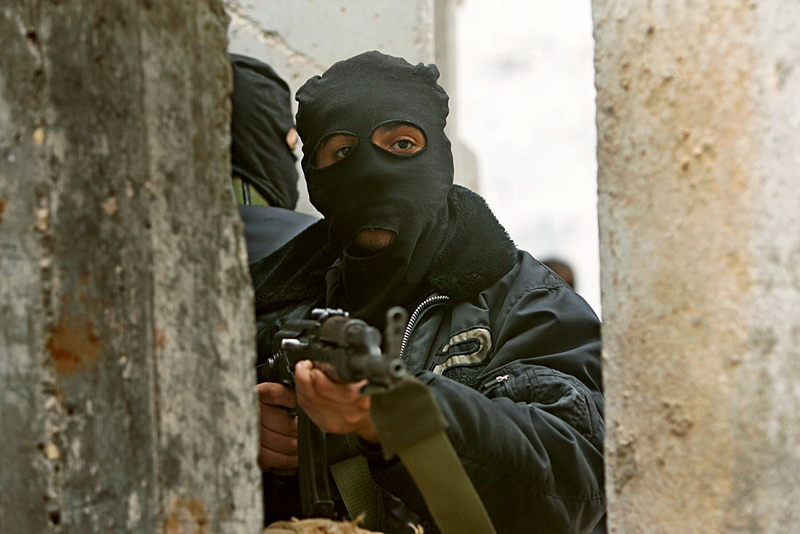
(Zdjęcie: Abid Katib/Getty Images)

To jest cena, jaką Hamas jest gotowy zapłacić, ale nie z powodu ciepłych uczuć do Abbasa, a dlatego, że służy to jego interesom. Ponowne otwarcie Rafah pozwoli Hamasowi odetchnąć po latach izolacji i blokady. Kilkuset ludzi Abbasa na przejściu granicznym Rafah nie stanowi zagrożenia dla rządów Hamasu w Strefie Gazy.

Nade wszystko Hamas stara się zapobiec powrotowi do epoki sprzed 2007 r., kiedy Autonomia Palestyńska sprawowała niepodzielną władzę w Strefie Gazy. Do tego roku wiele sił bezpieczeństwa AP utrzymywało Strefę Gazy w uścisku i stosowało politykę “żelaznej pięści” wobec Hamasu i innych grup opozycyjnych.

Wypowiedzi przywódców Hamasu w ciągu ostatnich kilku dni pokazują, że starają się oni powtórzyć model używany przez Hezbollah w Libanie. Hamas chce nadal zawiadować sprawami bezpieczeństwa w Strefie Gazy, ograniczając odpowiedzialność Autonomii Palestyńskiej do spraw cywilnych. Odmowa rozbrojenia się Hamasu i przekazania spraw bezpieczeństwa Abbasowi może storpedować sponsorowane przez Egipt “pojednanie” – szczególnie wobec odrzucenia przez AP możliwości skopiowania modelu Hezbollahu w Strefie Gazy.

Podczas gdy Abbas mówi o potrzebie rozbrojenia Hamasu i rozwiązania jego milicji, część Palestyńczyków zastanawia się, jaki będzie los zbrojnych grup w Strefie Gazy, które są związane z Fatahem, jeśli porozumienie o “pojednaniu” wejdzie w życie.

Hamas w żadnym razie nie jest jedyną partią z własną milicją w Strefie Gazy. Niemal wszystkie inne frakcje palestyńskie, włącznie z Islamskim Dżihadem, Ludowym Frontem Wyzwolenia Palestyny i Demokratycznym Frontem Wyzwolenia Palestyny, mają tam własne milicje – w dodatku do wielu inspirowanych przez ISIS milicji, które także pojawiły się w Strefie Gazy w ostatnich kilku latach.

Ocenia się, że na terenie Strefy Gazy działa około 50 różnych milicji. Mówi się, że te milicje posiadają około miliona sztuk broni.

Prawdziwym testem dla Abbasa będzie dzień, w którym będzie musiał poradzić sobie z niesfornymi grupami zbrojnymi w Strefie Gazy, które są związane z Fatahem. Abbas ma powody do niepokoju w sprawie milicji Hamasu, Islamskiego Dżihadu, LFWP i DFWP. Żadna z tych grup nie złoży broni dobrowolnie ani nie rozwiąże swoich milicji tylko dlatego, że chcą tego Egipcjanie lub Abbas. Abbas musi ponadto niepokoić się o grupy związane z Fatahem: one także raczej nie podporządkują się jego życzeniu, by w Strefie Gazy nie było milicji.

Fatah ma w Strefie Gazy kilka grup zbrojnych, które nie są znane ze swojej zbytniej lojalności wobec Abbasa. Niektóre z tych niezadowolonych grup zbrojnych często brzmią bardziej jak Hamas i Islamski Dżihad niż jak Fatah.

Fatah ma sporo milicji w Strefie Gazy: Brygady Męczenników Al-Aksa, Brygady Ahmeda Abu Riszy, Brygady Abdela Kader Al-Husseiniego, Grupy Męczennika Ajmana Judeha i Brygady Nidala Al-Amoudiego.

Chociaż są stowarzyszone z Fatahem, te grupy zbrojne nadal mówią o “walce zbrojnej” przeciwko Izraelowi i o pragnieniu “wyzwolenia Palestyny od morza [Śródziemnego] do rzeki [Jordan]”. Niezdyscyplinowane grupy stowarzyszone z Fatahem mają długą historię wywoływania gniewu i zażenowania Abbasa oraz kierownictwa Fatahu na Zachodnim Brzegu. Grupy te często wydają oświadczenia pochwalające zamachy terrorystyczne przeciwko Izraelowi, takie jak niedawna strzelanina w Har Adar w pobliżu Jerozolimy, w której zamordowano trzech Izraelczyków.

Przez ostatnich kilka lat kierownictwo Fatahu na Zachodnim Brzegu starało się zdystansować od akcji i retoryki tych zbrojnych grup Fatahu w Strefie Gazy. Te starania odbijają pragnienie kierownictwa Fatahu na Zachodnim Brzegu, by przedstawiać się społeczności międzynarodowej (i Izraelowi) jako partia “umiarkowana”, która sprzeciwia się przemocy i szuka pokojowego rozwiązania konfliktu z Izraelem.

Jeszcze bardziej niepokojące dla Abbasa jest to, że w dodatku do Hamasu, zbrojne grupy Fatahu w Strefie Gazy również odmawiają rozbrojenia się.

Obecnie Abbas musi niepokoić się nie tylko o Hamas i Islamski Dżihad; ma własnych uzbrojonych ludzi Fatahu, którzy mówią, że oni także nie oddadzą broni. Ten ból głowy dla Abbasa stanowi kolejną przeszkodę we wprowadzeniu w życie porozumienia o “pojednaniu”.

Jak powiedział niedawno Abu Mohammed, rzecznik Brygad Męczenników Al-Aksa w Strefie Gazy: “Nie oddamy broni dopóki Palestyna nie zostanie wyzwolona”. Jego wypowiedź jest powtórzeniem stanowiska Hamasu i wszystkich innych zbrojnych grup. Odmowa rozbrojenia się Hamasu jest jedną sprawą, ale kiedy podobno lojalne wobec Abbasa grupy także występują z podobnymi wypowiedziami, jest to jak splunięcie w twarz prezydentowi Autonomii Palestyńskiej.

Porozumienie o “pojednaniu” jeszcze nie zostało wprowadzone w życie, niemniej kwestia milicji w Strefie Gazy już wyłoniła się jako główna przeszkoda i poważny cios dla Abbasa. Będzie musiał teraz zdecydować: albo kontynuować z porozumieniem o “pojednaniu” i zaakceptować odgrywanie roli prezydenta Strefy Gazy pełnej zbrojnych grup i milicji – z których większość zdecydowanie nie jest jego przyjaciółmi – albo wycofać się i zrozumieć, że jego pragnienie posiadania jednego prawa, jednej siły policyjnej i jednej władzy w Strefie Gazy nie jest niczym innym jak mrzonką.


twoje uwagi, linki, wlasne artykuly, lub wiadomosci przeslij do: webmaster@reunion68.com


Israel’s Unknown Heroic Spies of World War I

Israel’s Unknown Heroic Spies of World War I

Dr. Yvette Alt Miller


Sarah Aaronsohn

The Aaronsohn siblings founded an espionage ring in Zichron Yaakov to help Britain defeat the Turks.

November 11, 2018, marks Armistice day, the anniversary of the end of World War I.That bloody conflict drew to a close as Winston Churchill famously described, at 11am, the Eleventh Hour of the Eleventh Day of the Eleventh Month in 1918.

Amid the ceremonies marking this day around the globe, few, if any, will remember the courageous band of Jewish spies who formed the top-secret organization NILI, based in the Israeli town of Zichron Yaakov, who spied for Britain during the War. British intelligence official Baron William Ormsby-Gore said that NILI was “admittedly the most valuable nucleus of our intelligence in Palestine during the war.” A secret letter thanking the NILI network acknowledged that Britain could not have won the War without the aid of the NILI spies.

The heroes who made up NILI are all but forgotten. As we recall World War I a century later, let’s reclaim the legacy of the Jews of NILI and proclaim their decisive contribution to the Allied victory to the world.

Zichron Yaakov: First Flowering of the Desert

The story of the NILI spy ring begins in Zichron Yaakov, a town settled by Jewish immigrants from Romania in 1882. They were part of a group of idealistic Jews who were beginning to buy land in the Land of Israel, then controlled by the Ottoman Empire, and establish Jewish farms and towns. When Romania gained independence from the Ottoman Empire in 1878, it effectively stripped most of its Jews from citizenship and began a system of anti-Semitic persecution. Many Romanian Jews fled to the United States. Others turned to the Land of Israel as a haven.
Life wasn’t easy for these idealistic, young Zionists. Historian Howard M. Sachar writes, “Eaten alive…by flies, periodically robbed of their livestock by Bedouins, the settlers and their families quickly began to wilt under disease, heat, and sheer exhaustion.”
Edmond de Rothschild, the ennobled French Jew who had amassed a fortune in banking, supported the struggling Jewish towns and farms. Zichron Yaakov is named for Edmund de Rothschild’s father, Jacob. (Zichron Yaakov means “memory of Jacob” in Hebrew.)

The Remarkable Aaronsohn Family

A hundred Jewish families moved from Romania to Zichron Yaakov in the 1880s. Among these were Ephraim and Malkah Aaronsohn and their six children.

One of the Aaronsohn’s sons, Aaron, became one of the world’s foremost agronomists. In 1906, he discovered the genetic forebear of wheat and in 1909 he established the Jewish Agricultural Experiment Station, where he experimented with adapting new growth to the arid conditions of the Middle East. A passionate Zionist, he travelled the world, explaining to people how Jewish farmers were transforming the Land of Israel, making the desert bloom.

Aaron was often assisted by his younger sister Sarah, an exceptional woman who spoke Hebrew, Yiddish, Turkish, French, Arabic and English.

In 1914, Sarah married an older man, a Jewish immigrant from Bulgaria, and moved with him to Istanbul. The marriage was an unhappy one, and the following year, as Turkey was in the midst of fighting in World War I alongside Germany, Sarah left her husband and travelled home by train to Zichron Yaakov.

The sights that Sarah saw from her train carriage as it moved through the Ottoman countryside horrified her. Ottoman Turks were in the midst of conducting what would be known as the Armenian Genocide, which saw the murder of one million men, women and children during World War I. Sarah later described seeing hundreds of bodies being loaded onto trains, and witnessing the brutal murder of up to 5,000 Armenians, whose bodies were then piled in a pyramid with kindling, and set on fire.

Aaron Aaronsohn

The Ottoman Turks who administered the Land of Israel made no secret of their hatred of Jews, and Sarah feared that the genocide she’d witnessed against the Armenians of the Ottoman Empire would next be directed against Jews if the Ottomans won the war. When she returned to Zichron Yaakov, she was determined to do all she could to aid Great Britain, which was fighting Ottoman Forces across the Middle East.

A World at War

With the outbreak of World War I in 1914, the Ottoman Empire had joined with the Central Powers – Germany and Austria – to fight the allies, led by Britain and France. The Jews living in the Land of Israel, which was then under Ottoman rule, found themselves the target of anti-Semitism. The Ottoman Empire ruled that Jews and Christians must be drafted to fight – or else pay ruinous taxes to be exempted from military service.

In 1914, Sultan Mehmed V announced that that the Ottoman Empire was joining the Great War – and also declared that this was a jihad, a religious war against non-Muslims as well. As historian Eugene Rogan recounts, “On 14 November … the call for holy war (was) read out in public to a large crowd gathered outside the Mosque of Mehmed the Conqueror in the sultan’s name. The crowd roared its support.”
Inside the Jewish settlements, panic ensued. Were the Jews, like the Ottoman Empire’s Armenians and other minorities, going to become target of hate and violence?

The God of Israel Does Not Lie

The Aaronsohns decided to do what they could to support Britain in the war against the Turkish Ottomans. They founded a secret group, aided by their brother-in-law Avshalom Feinberg and close friend Joseph Lishansky. About 40 other young Jews joined the group, which was dubbed NILI, an acronym for the Biblical phrase Netzah Yisrael Lo Yeshaker, The Eternal One of Israel does not lie (Samuel I 15:29)

Sarah Aaronsohn and Avshalom Feinberg, 1916

read more: Israel’s Unknown Heroic Spies of World War I


twoje uwagi, linki, wlasne artykuly, lub wiadomosci przeslij do: webmaster@reunion68.com


BDS Activists Took Over American Studies Association

Report: BDS Activists Secretly ‘Took Over’ American Studies Association Before It Endorsed Israel Boycott

Shiri Moshe


Supporters of the boycott, divestment and sanctions campaign. Photo: Alex Chis.

Anti-Israel activists implemented a “covert campaign” to gain leadership positions at the American Studies Association (ASA), which they subsequently manipulated into endorsing an academic boycott of Israel, a Jewish human rights group said on Thursday.

The Louis D. Brandeis Center for Human Rights Under Law — which is representing four plaintiffs suing the ASA over its 2013 adoption of the boycott — revealed that newly-uncovered emails showed how activists with the US Campaign for the Academic and Cultural Boycott of Israel (USACBI) “took over” and used the ASA to advance their political agenda.

A proposed second amended complaint filed by the plaintiffs — all current and former American Studies professors — named five of the 10 individual defendants as USACBI leaders: Sunaina Maira, Neferti Tadiar, J. Kehaulani Kauanui, Jasbir Puar, and Steven Salaita.

The defendants “misappropriated the American Studies Association’s funding, name, prestige, membership lists, and respected institutional voice” on behalf of USACBI, thereby subverting ASA’s “apolitical mission and scholarly purpose,” the plaintiffs said.

According to the complaint, the “defendants obtained control of the nominations process by which the American Studies Association chose its leaders,” then restricted nominations to individuals affiliated with USACBI and who would support the ASA’s proposed boycott of Israel.

“This constituted a violation of the American Studies Association bylaws, which require that nominations for the American Studies Association National Council and President reflect the diversity of the membership,” the plaintiffs argued.

The scheme was allegedly spearheaded by Puar, an assistant professor of women’s studies at Rutgers University who has come under fire for supporting terrorism against Israelis and repeating accusations that Israel harvests Palestinian organs.

Puar, also a USACBI leader, acted “to ensure that only signed supporters of USACBI were nominated for American Studies Association President” — a requirement she did not disclose to ASA members, according to the complaint.

In one alleged email exchange between nominees to the ASA’s National Council — who were debating whether to reveal their support for BDS in their nomination statement — USACBI leader Maira claimed, “I feel it might be more strategic not to present ourselves as a pro-boycott slate. We need to get on the Council and I think our larger goal is support for the resolution, not to test support at this early stage from ‘outside’ the NC.”

Another USACBI leader, David Lloyd, replied, “I would definitely suggest not specifying BDS, but emphasizing support for academic freedom, etc.”

Nikhil Singh, who was already a National Council member, cautioned against this approach.

“[W]e all know that ‘academic freedom’ is not good enough,” he wrote. “My real question: what do we hope to gain from election of pro-BDS members to the American Studies Association national council if we have not made any of the stakes of their election clear to the membership?”

“I think that not revealing something this important and intentional and then hoping later to use the American Studies Association national council as a vehicle to advance our cause will not work and may well backfire, because it will lack legitimacy,” Singh added.

Of the three nominees involved in the discussion, only one — Alex Lubin — mentioned support for “the academic and cultural boycott of Israel” in his statement.

“He lost the election” while the other two candidates won, demonstrating that “a nominee’s commitment to the boycott of Israel and its academic and cultural institutions” was a material fact to ASA members, the plaintiffs argued.

By the end of her three years on the Nominating Committee, Puar and two other USACBI endorsers “had turned the American Studies Association National Council from a body primarily comprised of American Studies professors and scholars, and otherwise diverse members … to one overwhelmingly comprised of individuals with a singular focus on adopting the USACBI Boycott,” the complaint continued.

Ultimately, seven of the twelve ASA members nominated for the 2013 National Council had also endorsed USACBI. This did not reflect the diversity of the ASA’s approximately 4,000 members at the time, which only contained some 800 USACBI endorsers, according to the plaintiffs. This was a breach of the ASA’s constitution, which mandates that nominees “shall be representative of the diversity of the association’s membership.”

The complaint included what it said were several other incriminating emails from the defendants, including one from Maira, who wrote, “Jasbir is nominating me and Alex Lubin for the Council and she suggests populating it with as many supporters as possible.”

In another email, Puar claimed, “I think we should prepare for the longer-term struggle by populating elected positions with as [many] supporters as possible.”

A third email, this time from Lubin, read, “In my conversations with Jasbir it’s clear that the intent of her nominations was to bring more people who do work in, and are politically committed to . . . the question of Palestine . . . we were nominated in order to build momentum for BDS even though the question of BDS in American Studies Association may or may not emerge while we’re on the council.”

The plaintiffs listed multiple other complaints against the defendants, including that they “refused to post or circulate letters and other information opposing the boycott” before the ASA vote.

The ASA’s 2013 vote to implement a boycott of Israeli universities and academic institutions marked its first-ever — and thus far only — boycott of a nation.

Several universities terminated their ASA membership over the vote, which was condemned by over 200 senior university administrators and multiple academic organizations, including the American Association of University Professors, American Association of Universities and American Council on Education.


twoje uwagi, linki, wlasne artykuly, lub wiadomosci przeslij do: webmaster@reunion68.com
