
Archive | 2026/07/16

Jest tylko jedna ludzka cywilizacja (Zawsze zagrożona przez barbarię)

Jest tylko jedna ludzka cywilizacja (Zawsze zagrożona przez barbarię)

Andrzej Koraszewski


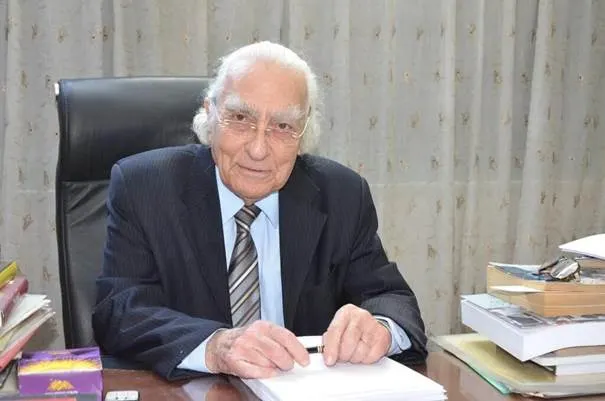
Dopiero kilka dni temu dowiedziałem się, że 7 stycznia 2026 r. zmarł Murad Wahba, egipski filozof, w Europie praktycznie nieznany, w Ameryce znany w wąskich kręgach filozofów. Wiele lat temu moja żona robiła napisy do jednego z jego wywiadów, potem wywiązała się krótka korespondencja na marginesie jego wypowiedzi na łamach egipskiego dziennika „El Watan”.

Murad Wahba był nie tylko filozofem, był również sędzią egipskiego Sądu Najwyższego, a równocześnie wiecznie atakowanym dysydentem. We wspomnianym wywiadzie denerwował się na określenie „zderzenie cywilizacji”, uważał je za absurdalne, wychodząc z założenia, że cywilizacja jest stopniowym odchodzeniem od dzikości, że jest zawsze zagrożona przez barbarzyńców atakujących od środka i z zewnątrz, rozkwita w różnych miejscach i upada pod naciskiem fanatyzmu i barbarzyństwa, a inni z ruin ratują to, co daje się ocalić, i próbują ją wskrzesić w innym miejscu.

Ten jego pogląd staje się naturalny i zrozumiały, kiedy uświadomimy sobie, że jego główną specjalnością był arabski renesans, a w szczególności Ibn Ruszd, znany jako Awerroes, człowiek do dziś uznawany za najbardziej wnikliwego komentatora Arystotelesa.

Murad Wahba nie zawsze mówił wszystko wyraźnie, nie zamierzał umierać na emigracji i dożył sędziwego wieku w Egipcie, mając 99 lat, nieustannie łagodnie, ale stanowczo spierając się ze światem. Studiował w Kairze, doktoryzował się w Aleksandrii. Zdecydowany zwolennik rozdziału meczetu i państwa, na pytanie o definicję sekularyzmu odpowiadał, że jest „to sposób patrzenia na świat, który uznaje jego nieustanną zmienność. Skoro świat się zmienia, również nasze rozumienie rzeczywistości powinno być względne i otwarte na korekty”. Wyjaśniał, że religijna absolutna pewność nie daje się pogodzić ze zmiennością życia. Od zamachu we wrześniu 2001 roku powtarzał, że rosnący na świecie fundamentalizm religijny prowadzi do islamistycznego terroryzmu, który dąży do zniszczenia współczesnej cywilizacji, a jej obrona wymaga mobilizacji wszystkich sił.

„Istnieje tylko jedna ludzka cywilizacja – mówił. – Jej początki sięgają czasów, gdy ludzie osiedlili się i nauczyli uprawiać ziemię. Od tamtej pory rozwijała się nieprzerwanie, zmieniając jedynie geograficzne centrum. Tak zwane »zderzenie cywilizacji« nie jest więc konfliktem między cywilizacjami, lecz starciem jednej ludzkiej cywilizacji z jej największym wrogiem – fundamentalizmem religijnym.

Tę cywilizację trzeba ocalić przed islamskim fundamentalizmem, którego celem jest ustanowienie światowego kalifatu”.

Murad Wahba był represjonowany podczas studiów, znienawidzony do końca życia przez Bractwo Muzułmańskie i przez „umiarkowanych” duchownych. Żeby zrozumieć jego filozofię, trzeba wrócić do arabskiego renesansu i do Awerroesa.

Arabski renesans kończył się w czasach, kiedy Polska dopiero zaczynała swoją historię. Brytyjsko-amerykański historyk Niall Ferguson twierdzi, że europejski renesans był możliwy dzięki rozproszeniu władzy i osłabieniu papiestwa. Heretycy znajdowali schronienie u bardziej tolerancyjnych i bardziej światłych władców. Wcześniejszy o ponad 500 lat renesans arabski funkcjonował podobnie i niemile widziani przez kapłanów heretycy znajdowali schronienie na bardziej tolerancyjnych dworach.

Ibn Ruszd (Awerroes) urodził się w Kordobie w 1126 roku. Nie, nie był pierwszym arabskim myślicielem, który pragnął ocalić spuściznę greckiej filozofii. Zainteresowanie grecką filozofią niepokoiło muzułmańskich teologów. Prawie siedemdziesiąt lat przed narodzinami Awerroesa w Persji urodził się Al-Ghazali. Wkrótce po studiach został zausznikiem wezyra w Bagdadzie i z czasem stanął na czele religijnej uczelni. Jego obsesją były zagrażające islamowi wpływy pogańskie, a przede wszystkim Arystoteles i inni greccy filozofowie. Ghazali napisał 40-tomowy traktat Ożywienie nauk religijnych. W drugiej połowie XI wieku wielu muzułmańskich uczonych było zafascynowanych Arystotelesem i greckim empiryzmem, który próbowano wykorzystywać do bardziej swobodnej interpretacji Koranu. Ghazali uważał, że Koran można zrozumieć dopiero po śmierci, stając przed obliczem Allaha. Stał się najbardziej znanym i najbardziej wpływowym wrogiem myśli starożytnej. Jego zdaniem wszystkie wysiłki poznawcze na drodze rozumu i empirii są próżne, a jedyną możliwością poznania jest całkowite zdanie się na bożą wolę (oczywiście w interpretacji kapłanów).

Awerroes polemizował z poglądami Al-Ghazalego w Traktacie rozstrzygającym, dowodząc, że filozofia jest lepszym narzędziem dociekania prawdy niż teologia. Ciekawy był jego pogląd na duszę ludzką – uważał, że jednostkowe dusze umierają wraz z ciałem, ale dusza ludzkości jest nieśmiertelna. Podejrzewam, że idea Murada Wahby – jednej ludzkiej cywilizacji, która zamiera w jednym miejscu i odradza się w innym – ma silny związek z ideą nieśmiertelnej duszy ludzkości Awerroesa.

Za najważniejszą pracę Awerroesa w dziedzinie filozofii uważa się Rozproszenie rozproszenia (Tahafut al-tahafut), w którym bronił arystotelesowskiego punktu widzenia, sprzeciwiając się argumentom Al-Ghazalego zamieszczonym w Rozproszeniu filozofów (Tahafut al-falasifa), według których arystotelizm jest sprzeczny sam ze sobą oraz dodatkowo stanowi zniewagę dla samego islamu.

Życie Awerroesa przypomina, jak bardzo historia się powtarza. Kiedy był młody, Andaluzja była ciągle bardzo tolerancyjna. Awerroes szybko zdobył sławę jako filozof, lekarz i prawnik. W ostatnich dekadach XII wieku do Kordoby i Sewilli dotarł islamski fanatyzm. Kiedy w 1153 roku Awerroes był w Marrakeszu (Maroko), gdzie przedstawiono go kalifowi Almohadów, wykręcił się od odpowiedzi na pytanie, czy niebiosa zostały stworzone z niczego, czy są wieczne, gdyż zła odpowiedź mogła być śmiertelnie niebezpieczna. Na większą swobodę zdobył się dopiero, kiedy kalif zaczął dyskutować z przedstawiającym go przyjacielem o Platonie i Arystotelesie.

W 1195 roku Awerroes popadł w niełaskę. Postawiono mu różne zarzuty i był sądzony przez trybunał w Kordobie. Trybunał potępił jego nauki i nakazał spalenie jego dzieł. Wygnano go do pobliskiego żydowskiego miasta Erlisana (obecnie Lucena), z czasem przeniósł się do Marrakeszu, gdzie aż do śmierci w 1198 roku był chroniony przez tamtejszego kalifa.

Wróćmy do czasów współczesnych i Murada Wahby. Jego zdaniem dzisiejszy fundamentalizm islamski opiera się na średniowiecznych teologach, którzy uznali Awerroesa za heretyka. Dzisiejsi teolodzy muzułmańscy w większości uważają cywilizację za śmiertelnego wroga, popychając szarych ludzi do terroryzmu.

Walka z islamskim terroryzmem nie powinna ograniczać się do walki zbrojnej; równie ważna, a może wręcz ważniejsza, jest edukacja, ponieważ „cywilizacja rodzi się z myślenia mitycznego, ale rozwija się dzięki rozumowi”. Fundamentalizm opiera się na zasadzie bezwzględnego posłuszeństwa, więc gdyby cały świat stał się kalifatem opartym na ślepym posłuszeństwie zamiast na rozumie, oznaczałoby to – według niego – ostateczny koniec cywilizacji.

Podstawowym zadaniem państwa jest ochrona życia obywateli, ale walka z fundamentalizmem nie może ograniczać się do zadań policji i wojska. Centralną rolę musi pełnić walka z ideologią i kulturą przemocy. Wahba w 1983 roku zorganizował międzynarodową konferencję pod hasłem „Filozofia i człowiek z ulicy”. Religia odbiera człowiekowi własną sprawczość, ale mentalność wiernopoddańczą można powoli zmieniać; do tego potrzebna jest szeroko pojęta warstwa nauczycielska, która nie zamyka się w wieży z kości słoniowej i potrafi rozmawiać z szarym człowiekiem.

Ta konferencja ściągnęła na niego gromy ze strony napuszonych. Nie pierwszy i nie ostatni raz. Przeglądając teksty napisane po jego śmierci, widzę, że wielu pobożnych autorów nadal oskarża go o wszystkie możliwe grzechy, włącznie z syjonizmem. Najbardziej ubawiły mnie zapewnienia, że Murad Wahba nigdy nie wejdzie do raju. Ostrożny filozof nigdy otwarcie nie przyznawał się do ateizmu, ale mam wrażenie, że nigdy się do raju nie wybierał, zgadzając się ze swoim idolem, że dusza jednostki umiera wraz z ciałem, a o duszę ludzkości warto walczyć, jak długo żyjemy.


Zawartość publikowanych artykułów i materiałów nie reprezentuje poglądów ani opinii Reunion’68,
ani też webmastera Blogu Reunion’68, chyba ze jest to wyraźnie zaznaczone.
Twoje uwagi, linki, własne artykuły lub wiadomości prześlij na adres:
webmaster@reunion68.com

Bipartisan House bill calling for UNRWA to be permanently dismantled, replaced ‘long overdue,’ experts say


Bipartisan House bill calling for UNRWA to be permanently dismantled, replaced ‘long overdue,’ experts say

Rikki Zagelbaum


“This is not a case of a few bad apples,” Yoni Tobin, senior policy analyst at JINSA, told JNS. “It’s a case of a rotten tree.”

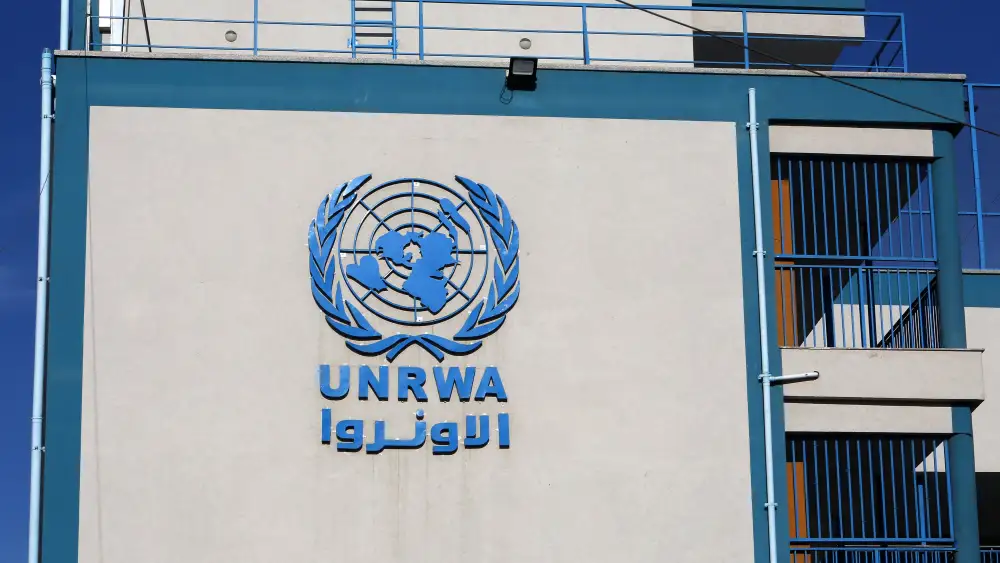
The U.N. Relief and Works Agency for Palestine Refugees (UNRWA) building in Rafah, the southern Gaza Strip, Nov. 29, 2021. Photo by Abed Rahim Khatib/Flash90.

A new bipartisan bill introduced by Reps. Mike Lawler (R-N.Y.) and Josh Gottheimer (D-N.J.) to permanently dismantle and replace the United Nations Relief and Works Agency, some of whose members participated directly in the Oct. 7 attacks, is long overdue, experts told JNS.

“It’s trying to put the administration’s words into action,” Yoni Tobin, senior policy analyst at the Jewish Institute for National Security of America, told JNS on Tuesday, when the bill was introduced.

“It sort of lays out a roadmap for how to actually create not only a pathway to dismantle UNRWA but to replace it,” he said. “To ensure that there is an entity that does what UNRWA was supposed to do all these years but didn’t do.”

The Replace UNRWA with Real Humanitarian Assistance Act would require the U.S. secretary of state to submit, within 180 days, a “comprehensive strategy, coordinated with international partners and allies,” for dismantling the agency, which the U.N. General Assembly created in December 1949 to assist Palestinian refugees.

UNRWA has no mandate to resettle refugees or pursue other permanent solutions to their status, and its registry has only grown since the agency’s founding because it continues to classify refugees and their descendants as “refugees” in perpetuity.

The plan would include a detailed timeline to wind the agency down, identify the governmental or nongovernmental entities that would assume its responsibilities and outline funding and transition plans.

The U.S. secretary of state would be required to begin implementing the plan within one year of submitting the strategy.

“UNRWA has repeatedly failed to meet the basic standards of accountability and neutrality that the international community should expect from any humanitarian organization,” Lawler stated. “Credible reports have exposed serious failures within the agency, including employees with ties to terrorist organizations and educational materials that promote antisemitism and incite violence.”

He added that dismantling the organization would not interrupt “humanitarian aid” to those who need it, while preventing the strengthening of “organizations that undermine peace and security.”

.
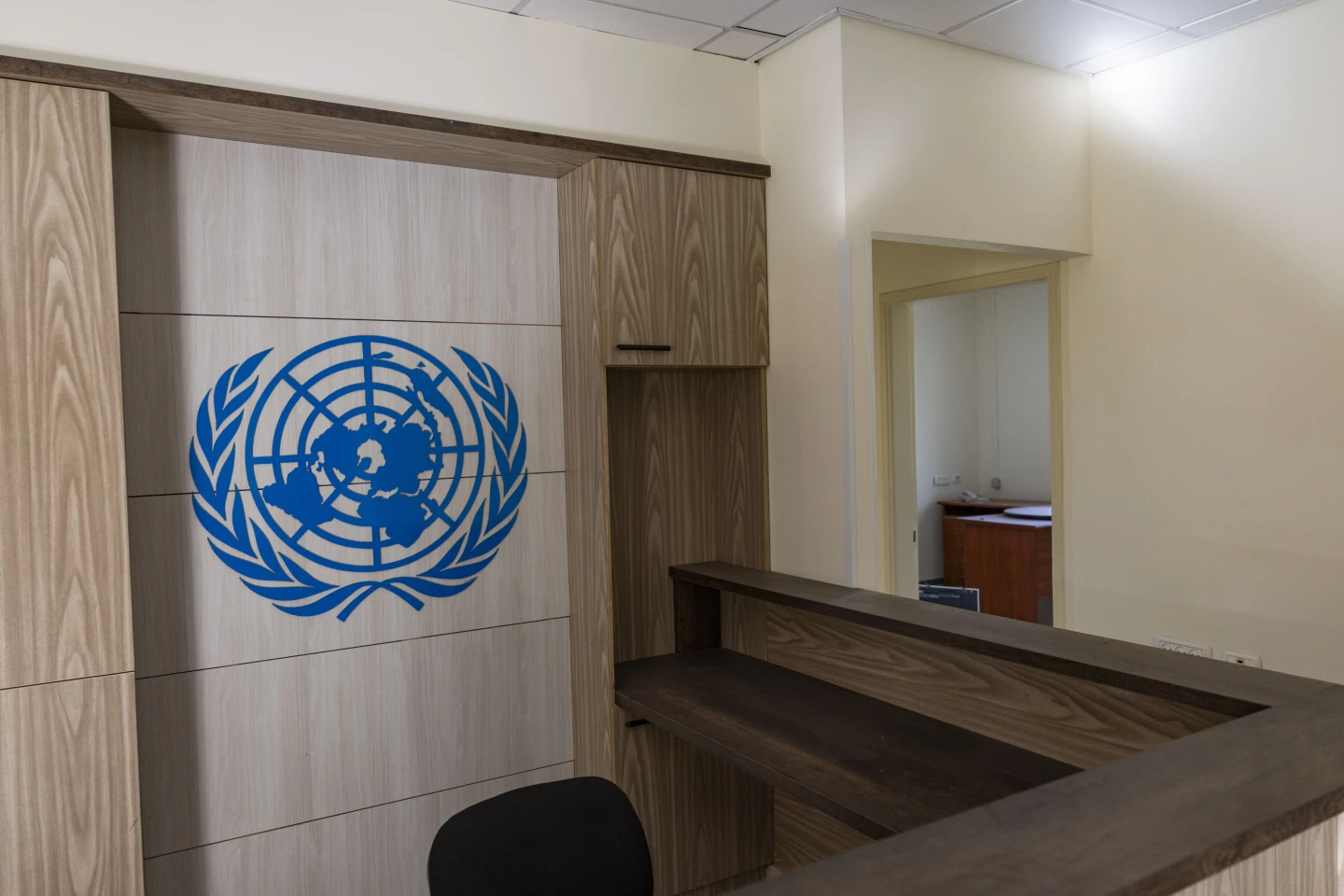
The former offices of the U.N. Relief and Works Agency for Palestine Refugees (UNRWA) in Jerusalem, Jan. 20, 2026. Photo by Yonatan Sindel/Flash90.

A June report from the U.S. Agency for International Development’s Office of Inspector General stated that its investigation had resulted in suspension or debarment referrals for more than 100 current or former UNRWA staff members who participated in the Oct. 7 attacks or had ties to the terrorist group.

The individuals included school principals, teachers, security personnel, attendants, psychosocial counselors and medical professionals.

“Democrats and Republicans agree. We can’t keep funneling money through an organization that teaches kids to hate and employs Hamas terrorists involved in the Oct. 7 attack,” Gottheimer stated.

“That’s why our bill requires a responsible, phased transition to replace UNRWA with accountable partners and makes sure aid reaches the people who need it,” he stated. “Aid should feed families, not fund terror.”

Several Jewish organizations have supported the legislation, including AIPAC, the Foundation for Defense of Democracies and Christians United for Israel Action Fund.

Tobin told JNS that the U.S.-led Board of Peace has already adopted a policy of ensuring that UNRWA has no place in Gaza’s future. The legislation, he said, lays out a plan for “how to actually make that come to fruition.”

“There needs to be some plan, some action item, while we have this window of opportunity,” he said, “while the United States is actively seeking the dismantlement of UNRWA as formal government policy, while Congress is receptive to the idea, while Hamas is militarily weak and while we have momentum with the Board of Peace.”

Since 2000, the United States has provided more than $5.2 billion to UNRWA, “and in return, it’s gotten a hostile, rogue agency that is an obstacle to peace in Gaza,” according to Tobin.

“When news broke in January 2024 that nearly a dozen UNRWA personnel participated in Hamas’s Oct. 7 massacre, it was shocking but not surprising,” he said. “UNRWA’s many structural problems for decades have included a very cozy relationship with terrorists in Gaza, many of whom had infiltrated the agency.”

“This is not a case of a few bad apples,” he told JNS. “It’s a case of a rotten tree.”

David May, a senior research analyst at the Foundation for Defense of Democracies, told JNS that the agency “is dedicated to preserving the Palestinians as refugees and political pawns to be wielded against Israel, not to resettling them and encouraging them to move past the conflict.”

“UNRWA is a drain on donors and an obstacle to peace” that has “sold Palestinians the fantasy of erasing the State of Israel by moving there en masse” for decades, he said.

“This desire to prolong the refugee crisis stems partly from institutional inertia,” he said. “UNRWA is focused exclusively on Palestinians, and creating solutions would lead to its dissolution.”

The agency must be dismantled, “but this must be done gradually, as the bill recommends,” May told JNS. “Vital UNRWA responsibilities can and should be transferred to competent agencies that aren’t saddled by UNRWA’s corruption and baggage.”

The Trump administration barred federal agencies from providing funding to UNRWA through an executive order in February 2025. Cutting off U.S. funding alone, however, is insufficient, Tobin said, because a future administration could reverse the policy and UNRWA can continue raising money from other countries.

“For UNRWA to really be taken out of the equation in Gaza, which is long overdue, the United States needs to get its partners on board and ensure that funding isn’t coming to UNRWA from any source,” he told JNS.

The agency is “not a distinct entity from Hamas,” but rather has “been co-opted by Hamas,” Tobin said. Intelligence estimates suggest that about half of UNRWA’s 12,000 employees in Gaza have family members with terrorist ties and that another 1,000 employees are under U.S. investigation for alleged involvement in terrorism, he said.

“When you’re looking at an organization like UNRWA, with decades and decades of evidence that are publicly available for anyone to see of its deep rot, which goes beyond terrorism, it extends into deep corruption and just plainly being an ineffectual organization,” he said.

“If you look at some of the test scores and metrics coming out of Gaza schools from the early 2000s, not long after Hamas took power in Gaza, you’ll see that most kids in Gaza, as a result of UNRWA’s miseducation of them, lacked the basic ability to do math, read and write,” he told JNS.

UNRWA is concerned with two things, according to Tobin, “self-preservation and sheltering or enabling terrorism and terrorists.”

“UNRWA has been sheltering Hamas for years, and it’s time to end that,” he told JNS.


Zawartość publikowanych artykułów i materiałów nie reprezentuje poglądów ani opinii Reunion’68,
ani też webmastera Blogu Reunion’68, chyba ze jest to wyraźnie zaznaczone.
Twoje uwagi, linki, własne artykuły lub wiadomości prześlij na adres:
webmaster@reunion68.com


Anti-Zionist ‘Assault Battallions’ Patrol Thessaloniki Streets, Targeting Israelis and Jews


Anti-Zionist ‘Assault Battallions’ Patrol Thessaloniki Streets, Targeting Israelis and Jews

Ailin Vilches Arguello


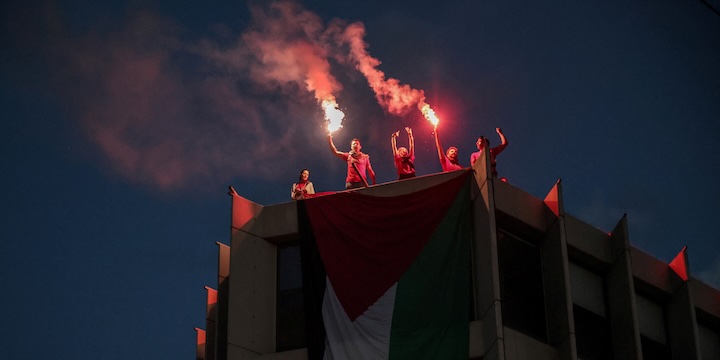
Protesters who hung a huge Palestinian flag at a building facing the Israeli embassy, lit flares during a protest over the interception of the Gaza aid flotilla, in Athens, Greece, May 21, 2026. Photo: REUTERS/Louisa Gouliamaki

Greece’s Jewish community has denounced “anti-Zionist patrols” which harassed and intimidated Jews and Israelis on the streets of Thessaloniki, calling the incident a disturbing echo of one of the city’s most violent chapters nearly 95 years after assault squads first targeted its Jewish population. 

Last weekend, the left-wing anarchist group Rouvikonas organized what it called “anti-Zionist patrols” through the streets of Thessaloniki – Greece’s second-largest city in the country’s north – saying the demonstrations were intended to confront a growing “Israeli and Zionist infiltration” across the city.

Joined by members of the “Permanent Struggle for Class Liberation” and the “Thessaloniki Liberation Initiative,” individuals were seen marching through the city wearing black T-shirts featuring Palestinian flags.

According to the anti-Israel group, Thessaloniki has become part of a wider process of “colonization” driven by domestic and foreign capital, alleging that Israeli and other investment funds are increasingly buying up beaches, neighbourhoods and villages and displacing local residents in the process.

“Israelis are rushing to invest their money, bloodied by the genocide, into Airbnb and other accommodations, or into plots of land that the Greek state is selling off at bargain prices,” the statement reads.

“While the people of Palestine and Lebanon are being massacred, Zionist tourists, [Israeli] soldiers and their families arrive by the thousands on cruise ships, turning their investment properties into sources of income or holiday homes far removed from the rapes and murders of civilians and children in Gaza,” it continues.

Rouvikonas also accused Israeli investments of serving as part of the Jewish state’s “soft power” strategy, alleging they are used to expand Israel’s economic and political influence abroad while generating profits that are “used to maintain Israel’s expensive, international propaganda machine.”

As long as the Greek government continues military and commercial cooperation with Israel, the group vowed it would continue efforts to ensure that “the genocidaires and Zionists are not welcome in our cities.”

The Central Jewish Council of Greece condemned the demonstrations as a chilling reminder of one of the darkest chapters in the country’s Jewish history, warning that those involved evoked the “assault battalions” that hunted Jews through the streets of Thessaloniki nearly a century ago during the Campbell pogrom.

“In both cases – then and today – hatred against Jews prevails. And today a new climate of Jew-hatred is taking shape that threatens not only Greek Jews but also the well-being of all citizens. Because history teaches that antisemitism begins its course targeting Jews but never stops with Jews,” the statement reads.

“We observe with sadness the tolerance shown by state authorities and social institutions towards this new wave of fanaticism that is manifested against Jewish citizens of the State of Israel,” it continues.

“These ‘assault battalions’ and their followers seek to undermine the strategically important relations between Greece and Israel in a period of instability in the eastern Mediterranean that threatens the security of both countries,” it further says.

Now, local authorities have reportedly launched a preliminary investigation into whether the actions of Rouvikonas and its supporters amounted to public incitement to violence or hatred before taking any further legal action.

Thessaloniki was once home to one of the largest Jewish communities in Europe, with Jews making up more than half the city’s population for centuries — so much so that locals called it “the Mother of Israel.” That world ended in 1943, when Nazi forces deported nearly 50,000 Thessaloniki Jews to Auschwitz-Birkenau. More than 90% were murdered in the Holocaust. Today, fewer than 1,000 Jews remain in a city that once thrummed with synagogues, Sephardic culture, and Ladino-speaking street life.

In 1931, the Campbell pogrom erupted in Thessaloniki after false accusations that local Jews were collaborating with Bulgarians and Communists fueled antisemitic violence. Nationalist mobs attacked the city’s Campbell neighborhood, home to a large Jewish community, torching dozens of homes and businesses and forcing many families to flee. 

Although much of the neighborhood was destroyed, those responsible were ultimately acquitted, while government assistance for the devastated Jewish community remained limited.


Zawartość publikowanych artykułów i materiałów nie reprezentuje poglądów ani opinii Reunion’68,
ani też webmastera Blogu Reunion’68, chyba ze jest to wyraźnie zaznaczone.
Twoje uwagi, linki, własne artykuły lub wiadomości prześlij na adres:
webmaster@reunion68.com