Archive | 2026/11/21

List otwarty do rektora ASP w Warszawie w sprawie odwołania wystawy izraelskiej projektantki

Gmach główny Akademii Sztuk Pięknych przy Krakowskim Przedmieściu (Fot. Bartosz Bobkowski / Agencja Wyborcza.pl)


List otwarty do rektora ASP w Warszawie w sprawie odwołania wystawy izraelskiej projektantki

Beata Lewkowicz


Publikujemy list otwarty Beaty Lewkowicz w sprawie odwołania wystawy Shelly Satat-Kombor w ASP w Warszawie.


Do Jego Magnificencji Rektora Akademii Sztuk Pięknych w Warszawie, prof. dr. hab. Błażeja Ostoi Lniskiego

Szanowny Panie Rektorze,

Jestem absolwentką Akademii Sztuk Pięknych w Krakowie. Zawsze uważałam, że artyści, przynajmniej teoretycznie, powinni być szczególnie wyczuleni na wszelkie przejawy cenzury, ideologicznych ograniczeń i prób narzucania jedynie słusznych sposobów myślenia. Powinni patrzeć szerzej, dostrzegać więcej, wykazywać się większą swobodą intelektualną, wrażliwością i świadomością złożoności świata.

Nie oznacza to oczywiście, że zawsze tak było. Nie było nawet w czasach, kiedy sama studiowałam na krakowskiej ASP. Artyści są przecież tylko ludźmi. Bywają niemądrzy, niewykształceni, pozbawieni empatii, podatni na manipulację, konformistyczni, a niekiedy zwyczajnie przekupni. Potrafią bezmyślnie podążać za modą, obowiązującymi trendami i tymi, którzy wyznaczają kierunki, od których zależą prestiż, uznanie i przyszła kariera.

Tak było kiedyś i tak jest nadal. Dotyczy to zarówno artystów dojrzałych, którzy poniekąd wybili się na Żydach i Holokauście, by następnie uznać współczesny Izrael za jądro ciemności, jak i artystów młodych, dopiero rozpoczynających swoją drogę, którzy podążają śladami starszych kolegów. Czasem z autentycznego idealizmu, czasem z niewiedzy, a czasem z całkiem przyziemnej kalkulacji, że określone poglądy i gesty mogą okazać się przydatne w przyszłej karierze.

Nie spodziewałam się jednak, że dojdzie do sytuacji, w której władze Akademii Sztuk Pięknych, zamiast bronić swobody twórczej i akademickiej, same zdecydują się ograniczyć ją pod naciskiem studentów, których protest opiera się na tak powierzchownej znajomości faktów i tak zdumiewająco wybiórczej wrażliwości.

Z oburzeniem przyjęłam informację o odwołaniu przez władze Akademii Sztuk Pięknych w Warszawie wystawy izraelskiej projektantki Shelly Satat-Kombor, wykładowczyni Akademii Sztuki i Wzornictwa Bezalel w Jerozolimie, a także o podjętej równocześnie decyzji o zawieszeniu współpracy z izraelskimi uczelniami.

Powodem tych decyzji był protest grupy studentów, którzy uznali prezentację prac izraelskiej artystki za legitymizowanie polityki Państwa Izrael.

Szczególne oburzenie budzi jednak argument przytoczony przez jedną z inicjatorek protestu, studentkę grafiki, która w rozmowie z “Gazetą Wyborczą” oświadczyła z iście zetempowskim ogniem (proszę wybaczyć to archaiczne określenie, mam nadzieję jednak, że zrozumiałe dla Pana, choć zapewne już nie dla studentów, którzy najwyraźniej mają problem z wiedzą dotyczącą znacznie bliższej historii, a cóż dopiero tak zamierzchłej):

“Sprawdziłam, że w 2024 roku ta pani udzielała wywiadu izraelskiej telewizji i opowiadała o symbolicznym znaczeniu biżuterii wojennej tj. o satynowej wstążce, którą Izraelczycy nosili na ubraniach. To mnie wzburzyło. Zwróciłam się do Samorządu Studentów ASP z prośbą o interwencję”.

Wcześniej ta sama studentka wyznała, że na widok zapowiedzi wystawy “zmroziło ją”.

Przyznam, że mnie również zmroziło. Nie z powodu izraelskiej projektantki ani jej wypowiedzi, lecz z powodu ignorancji, braku elementarnej empatii i zdumiewającej niezdolności do rozumienia symboli, jakimi wykazała się osoba studiująca na ASP, a więc uczelni wyższej ergo gromadzącej ludzi, którzy winni orientować się nieco w wydarzeniach ostatnich kilku lat.

Wywiad, który tak wzburzył panią studentkę, został wyemitowany 4 marca 2024 roku w izraelskiej telewizji Channel 13. Shelly Satat-Kombor, projektantka i ówczesna kierowniczka Wydziału Biżuterii i Mody Akademii Bezalel, opowiadała w nim o znaczeniu przedmiotów, które w następstwie wydarzeń 7 października 2023 roku stały się symbolami solidarności, pamięci i społecznego protestu.

A jakież to przedmioty?

Żółte wstążki, przypinki, nieśmiertelniki, naklejki z wizerunkami zakładników, gwiazdy Dawida i symbole “Chaj”, oznaczające po hebrajsku “życie”. Przedmioty, które ludzie przypinali do ubrań, nosili na szyi i rozdawali podczas demonstracji, domagając się uwolnienia kobiet, mężczyzn i dzieci porwanych przez terrorystów z Hamasu.

Żółta wstążka nie jest symbolem izraelskiej armii. To symbol oczekiwania na powrót zakładników, mający znacznie starszą historię, sięgającą między innymi amerykańskiego kryzysu zakładników w Iranie w 1979 roku.

7 października 2023 roku terroryści Hamasu i innych ugrupowań porwali do Strefy Gazy 251 osób.

13 października 2025 roku, po 738 dniach niewoli, uwolniono ostatnich 20 żywych zakładników.

26 stycznia 2026 roku, po 843 dniach, sprowadzono do Izraela szczątki ostatniego z porwanych.

Symbol żółtej wstążki (niekoniecznie satynowej) po 7 października stał się w Izraelu jednym z najbardziej rozpoznawalnych znaków solidarności z porwanymi. Nosili ją ludzie o najróżniejszych poglądach politycznych, domagający się od władz zdecydowanych działań na rzecz uwolnienia zakładników. Była symbolem pamięci, nadziei, ale także presji społecznej, kierowanej zarówno przeciwko palestyńskim terrorystom przetrzymującym porwanych, opinii publicznej świata, jak i wobec izraelskiego rządu.

W materiale telewizyjnym, który tak wstrząsnął cytowaną przez Wyborczą studentką pojawia się w tle fotografia przedstawiająca tłum ludzi z pomarańczowymi balonami i równie pomarańczowymi motylami. Ponieważ najwyraźniej zarówno owa studentka jak i wspierająca ją grupa również w tym przypadku prezentują przerażającą ignorancję, pozwolę sobie przypomnieć – wydawałoby się – powszechnie znane fakty. Otóż była to demonstracja domagająca się uwolnienia porwanych wraz z matką Shiri Bibas najmłodszych zakładników – jej dwóch rudowłosych synków, czteroletniego Ariela i dziewięciomiesięcznego Kfira, uprowadzonych 7 października 2023 roku z kibucu Nir Oz. Ich wizerunki obiegły świat. Pomarańczowe balony pojawiały się podczas demonstracji i zgromadzeń, których uczestnicy żądali uwolnienia rodziny. Kolor rudych włosów chłopców stał się symbolem nadziei, że dzieci i ich matka wrócą do domu.

Nie wrócili. Shiri, Ariel i Kfir zostali zamordowani przez terrorystów w Strefie Gazy.

Z historią Ariela Bibasa wiąże się również pomarańczowy motyl. W kwietniu 2025 roku izraelska Akademia Języka Hebrajskiego ogłosiła, że gatunek Melitaea ornata, dotychczas noszący hebrajską nazwę nawiązującą do Jerozolimy, otrzymał nazwę Kitmit Ariel, na cześć zamordowanego chłopca, który uwielbiał obserwować motyle. Decyzję podjęto za zgodą jego ojca, Yardena Bibasa. Pomarańczowe skrzydła motyla przypominają kolor włosów Ariela.

Jak zapewne doskonale Panu wiadomo, Shelly Satat-Kombor jest projektantką, wykładowczynią i współtwórczynią marki obuwniczej CoupleOf, od ponad dwóch dekad zajmującą się wzornictwem, rzemiosłem, technologią i odpowiedzialnym projektowaniem. Kierowała Wydziałem Biżuterii i Mody Akademii Bezalel w Jerozolimie, uczelni, na której wspólnie studiują Żydzi i Arabowie, w tym Palestyńczycy.

Warszawska ASP znała zresztą Shelly Satat-Kombor od lat. Już w 2021 roku prowadziła na tej uczelni warsztaty poświęcone ponownemu wykorzystaniu starych butów. Akademia opublikowała wówczas entuzjastyczną relację, chwaląc wiedzę projektantki, jej zaangażowanie i umiejętność inspirowania studentów.

W listopadzie 2026 roku miała ponownie poprowadzić warsztaty w ramach programu Erasmus+, którym towarzyszyć miała niewielka wystawa dziesięciu par zaprojektowanych przez nią butów, zatytułowana “One Step Forward”.

Dziesięć par butów w gablocie na parterze Wydziału Wzornictwa – tyle wystarczyło, żeby wywołać protest, żądania odwołania wystawy i groźbę pikiety.

Jeszcze bardziej niepokojąca od postawy protestujących studentów jest jednak reakcja władz uczelni.

Jak wynika z informacji opublikowanych przez „Gazetę Wyborczą”, prorektor Barbara Kowalewska poleciła odwołać wystawę, a równocześnie poinformowała o zawieszeniu współpracy warszawskiej ASP z izraelskimi uczelniami w ramach wymiany studentów i wykładowców.

A więc nie tylko zrezygnowano z tej pojedynczej ekspozycji, ale przy okazji podjęto decyzję o znacznie szerszych konsekwencjach, dotyczących izraelskich instytucji akademickich oraz ludzi niemających żadnego związku z polityką izraelskiego rządu.

Zastosowano zasadę odpowiedzialności zbiorowej.

Na szczególne uznanie zasługuje w tej sytuacji stanowisko dziekana Wydziału Wzornictwa, prof. Grzegorza Niwińskiego, który sprzeciwił się decyzji, wskazując, że została wymuszona przez studentów spoza wydziału i nie znajduje poparcia wśród jego kadry. Dziekan podkreślił również, że nie należy stosować odpowiedzialności zbiorowej, a gniew studentów został skierowany przeciwko niewłaściwej osobie.

Samorząd studencki ma oczywiście prawo formułować żądania, nawet niemądre. Władze Akademii mają jednak obowiązek samodzielnie oceniać ich zasadność, nie ulegając szantażom. Tymczasem sprzeciw studentów spoza Wydziału Wzornictwa okazał się ważniejszy niż stanowisko dziekana i kadry wydziału, którego wystawa dotyczyła. Kto zatem decyduje o programie artystycznym Akademii i według jakich kryteriów? Czy wystarczy protest grupy studentów, aby odwołać zaproszenie dla artysty, a następnie zawiesić współpracę z uczelniami całego państwa, pozbawiając możliwości wymiany akademickiej również studentów i wykładowców niemających z tą sprawą nic wspólnego?

Tymczasem władze rektorskie uzasadniły swoją decyzję tym, że samorząd studencki jest ustawowym reprezentantem społeczności studentów, a jego stanowisko w sprawach etycznych zasługuje na poważne traktowanie.

Oczywiście, że zasługuje. Nie oznacza to jednak, że samorząd ma prawo narzucać uczelni politykę wykluczania artystów ze względu na ich narodowość ani że władze akademickie powinny bezkrytycznie przyjmować każde żądanie zgłoszone pod hasłem wrażliwości etycznej.

Antysemityzm nie zawsze przybiera dziś postać otwartej nienawiści do Żydów. Może również kryć się pod hasłami antyizraelskiego aktywizmu, kiedy wobec izraelskich artystów i naukowców stosuje się odpowiedzialność zbiorową, odmawia im prawa do uczestnictwa w międzynarodowym życiu kulturalnym, a solidarność z żydowskimi ofiarami terroryzmu staje się powodem publicznego potępienia.

Akademia Sztuk Pięknych nie jest instytucją powołaną do prowadzenia polityki zagranicznej ani do wymierzania zbiorowych sankcji artystom, naukowcom i studentom. Powinna natomiast być miejscem, w którym wiedza, talent i dorobek twórczy mają większe znaczenie niż narodowość, a wolność artystyczna nie kończy się tam, gdzie zaczynają się polityczne emocje części społeczności akademickiej.

W związku z powyższym zwracam się do Pana Rektora o:

  1. Publiczne przedstawienie szczegółowego uzasadnienia decyzji o odwołaniu wystawy Shelly Satat-Kombor, wraz ze wskazaniem konkretnych przesłanek, na których została oparta.
  2. Wyjaśnienie, czy zawieszenie współpracy z izraelskimi uczelniami nadal obowiązuje, jakich instytucji dotyczy i na jakiej podstawie zostało wprowadzone.
  3. Cofnięcie decyzji o zawieszeniu współpracy akademickiej z izraelskimi uczelniami oraz zagwarantowanie, że narodowość artystów, wykładowców i studentów nie będzie stanowiła kryterium ich wykluczania.
  4. Publiczne odniesienie się do argumentu dotyczącego żółtej wstążki i wyjaśnienie, czy władze Akademii uznają solidarność z zakładnikami porwanymi przez Hamas za okoliczność mogącą uzasadniać ograniczenie współpracy artystycznej.
  5. Przedstawienie stanowiska władz ASP wobec stosowania odpowiedzialności zbiorowej w międzynarodowej współpracy naukowej i artystycznej.

Zawartość publikowanych artykułów i materiałów nie reprezentuje poglądów ani opinii Reunion’68,
ani też webmastera Blogu Reunion’68, chyba ze jest to wyraźnie zaznaczone.
Twoje uwagi, linki, własne artykuły lub wiadomości prześlij na adres:
webmaster@reunion68.com


Will political considerations lead to inaction against Iran?


Will political considerations lead to inaction against Iran?

Jonathan S. Tobin


Domestic controversies may dictate U.S. and Israeli decisions about whether deadly threats from Tehran are addressed. But in the long run, ignoring national interests isn’t good politics.

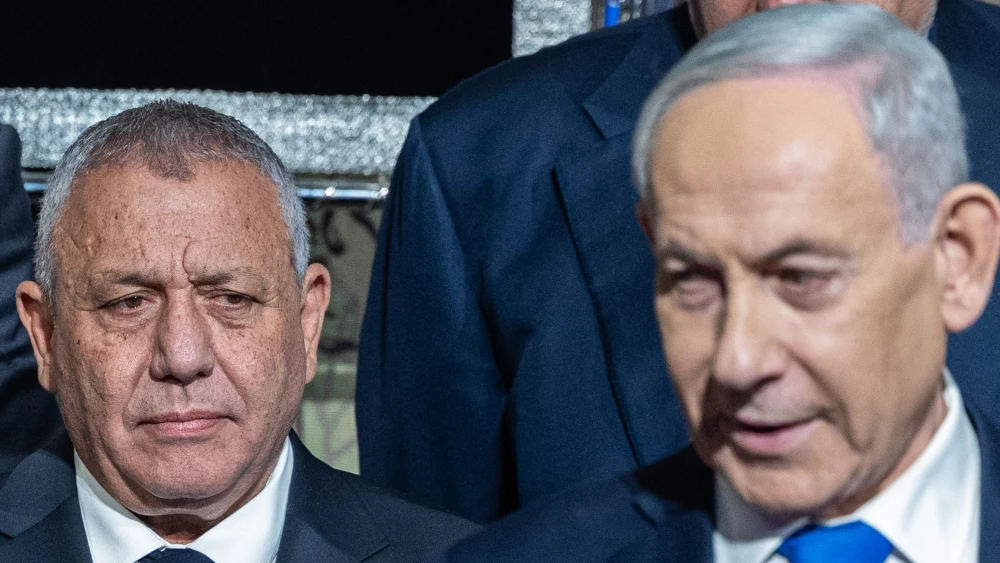
Israeli Prime Minister Benjamin Netanyahu and Yashar party leader Gadi Eisenkot attend a ceremony following the swearing-in of the 26th Knesset at the Knesset in Jerusalem, Nov. 10, 2026. Photo by Chaim Goldberg/Flash90.

In the last week, the question of what to do about Iran has again become inescapable. In both the United States and Israel, speculation about whether military action against Tehran would resume has risen to a fever pitch. Talk about continuing the war was amplified by reports of Iranian chemical threats against the United States; worries about whether the cyberattacks from the Islamist regime were behind breakdowns of infrastructure networks that were dismissed by the Trump administration; and actual renewed missile attacks against Arab states.

After the joint U.S.-Israel military campaign to ensure that Tehran’s nuclear and missile programs were definitively destroyed that began on Feb. 28 was ended by a ceasefire in April and then a failed attempt at diplomacy in June, the debate about whether—in President Donald Trump’s words—either country would “finish the job” has hung in the balance.

Yet a decision may be determined more by political considerations than the question of whether the national interests of both the United States and Israel dictate action.

Mixed signals

Trump has been sending mixed signals for months. He’s been making characteristically tough threats against the Islamist regime for its unwillingness to give up its nuclear and missile programs, as well as its support for international terrorism. He’s also talked about wanting a deal with Iran’s leaders but then dismissed the idea. That’s because, as they showed with the foolish Memorandum of Understanding negotiated by Vice President JD Vance in June, the Iranians have demonstrated that they have no interest in keeping their word or coming to any agreement with Washington, except on terms that ensure their ability to continue to threaten the region and the West.

Just as importantly, some in the administration—most notably, Secretary of State Marco Rubio—have said resumed military action is unnecessary because the U.S. campaign to isolate and strangle the Iranian economy is succeeding. That’s a point seconded by commentary from the Foundation for Defense of Democracies, which says that the effective sanctions and the blockade of Iranian ports should be augmented by further action to cut off land routes into and out of the country.

Yet the very success of this nonmilitary campaign is what is driving Iran to actions, including redoubling its efforts to rebuild its missile arsenal, which may make it irresponsible for the United States or Israel to simply sit back and hope for Tehran to wave the white flag in order to save its economy from collapse.

As the Islamist regime has shown over the years, its tolerance for economic pain may be unlimited. The government, now controlled more by the Islamic Revolutionary Guard Corps rather than the ayatollahs, is willing to endure impoverishment of their nation and the immiseration of its people to continue to engage in brutal repression against dissidents. Indeed, it may be prepared to do just about anything other than to give up the weapons programs and terror that allow it to continue the jihad it has been waging against the West since it took power in the revolution of 1979.

In other words, if Washington and Jerusalem are to address a deadly threat to their security and that of the West, resumption of the war may be forced upon them. Still, there are powerful reasons why neither country may be able to act.

Narrow window of opportunity

The Trump administration knows that whether or not the unpopularity of the war against Iran—or rather, the hike in gas prices caused by the conflict—contributed to the Republican Party’s shellacking in the midterm elections earlier this month, the outcome may have narrowed the window during which the president can act without Congress seeking to stop him.

Foreign policy remains the preserve of the executive branch. The options for the new Democratic majorities that will take over both the U.S. House of Representatives and the Senate in January to stop a renewed war against Iran will be limited. But if Trump is going to resume military action, it’s more likely to happen during the next five weeks than after Jan. 1.

Though Trump has effectively fired Vance from any role in policy on Iran, he’s also wary of reigniting a debate among Republicans about foreign policy in which neo-isolationists like the vice president and his fans among the groyper wing of the GOP would resume griping about the war.

The president has always been an Iran hawk because his definition of “America First” has involved confronting and defeating America’s Islamist enemies. And, unlike Vance, he rightly regards Israel as a strategic asset and the only U.S. ally willing to fight alongside America. You don’t have to be a “neocon”—a term that some on the far right, like Vance’s close friend, former Fox News host Tucker Carlson, use interchangeably with “Jew”—to know that this is a fact.

The link between opposition to the war on Iran and antisemitism, as well as the false charge that the conflict is an Israeli plot, rests behind much of the commentary on the issue.

But that doesn’t mean Trump won’t act if he thinks he must, even if it means causing a political firestorm from left-wing Democrats and their right-wing allies who share a willingness to appease Iran and are hostile to the Jewish state.

Eisenkot’s political maneuvers

Israeli Prime Minister Benjamin Netanyahu’s problems are different but amount to a similar balancing act between strategic and political considerations.

After last month’s inconclusive Knesset election, Netanyahu remains the caretaker prime minister, even as former Israel Defense Forces chief of staff—retired Gen. Gadi Eisenkot—attempts to form a new government. Eisenkot has repeatedly warned against Israel undertaking any military action against Iran during this holding period, even shockingly advising the IDF not to obey Netanyahu’s orders.

Nevertheless, the timing of efforts to deal with Iran cannot be determined by Israel’s slow-motion process by which coalition negotiations can drag on for weeks or even months.

Moreover, though Eisenkot’s patriotism shouldn’t be questioned, in his quest to topple Netanyahu by any means necessary, he may well form a minority government enabled by the votes or non-votes of anti-Zionist Arab parties that oppose Israel’s existence. In doing so, he’s setting up a situation in which a future government’s freedom of action to defend the Jewish state could be limited by its dependence on Arab nationalists, Communist and Muslim Brotherhood supporters, and their allies. Suffice it to say that the leaders of the Joint Arab List and Ra’am parties are unlikely to back any military effort to defend Israel against Iran and its terrorist proxies.

The possibility that Israel’s window of opportunity to strike Iran could be closed by this situation may be motivating Netanyahu to urge Trump not to wait any longer before resuming the war. Reports concerning intelligence about Iran’s rebuilding of its missile and drone arsenal via domestic production or aid they are receiving from China and Russia may be just as much a reason for the urgency that some in Jerusalem now feel about the necessity to act.

The “anybody-but-Bibi” coalition that got fewer votes than Netanyahu’s Likud and religious parties allies. But thanks to the recommendations of the Arabs and one of the Haredi parties, Israeli President Isaac Herzog gave Eisenkot the first crack at forming a government. It’s likely that the vast majority of his supporters among the Zionist parties would back a resumed war against Iran, as do the overwhelming majority of the Israeli people.

That said, the hostility to Netanyahu and the suspicion his opponents have that everything he does is about politics limits his ability to act.

Netanyahu’s iron will

That’s in spite of the fact that they said the same thing during the war against Hamas, Hezbollah and Iran after Oct. 7, 2023. Yet it was only Netanyahu’s iron-willed resolution to continue the fight that enabled Israel to achieve the incredible strategic victories it won over its foes while his political opponents, including Eisenkot, advocated giving up, when doing so would have meant ensuring that all of those enemies would be incomparably stronger than they are today.

In both countries, there’s no doubt that the politically safe thing to do is not to resume the battle and hope that Trump’s economic campaign succeeds. That is certainly true for Trump, who will have his hands full battling Democratic opponents wanting to impeach him and other administration figures, as well as to prevent him from finishing the job against Iran, rather than working with him.

And it’s also true for Netanyahu, whose best political strategy may now be to sit back and watch Eisenkot fail to form a government and eventually hope for a better result in new elections. The same may apply even if Eisenkot succeeds in becoming prime minister, as Netanyahu could benefit from the fact that whatever coalition the former general cobbles together would be weak and likely short-lived.

Yet no one in either country should mistake short-term political calculations for wisdom. In the long run, smart maneuvers based on downplaying or ignoring vital national interests are bad politics, even if they help politicians evade traps that may seem to benefit their opponents.

Allowing Iran to reconstitute its weapons arsenal while it continues to mount cyberattacks against American targets, even if it wasn’t responsible for last week’s series of system failures, or to rebuild its international terror network will be disastrous for the United States. The same applies to whether it is allowed to begin the process of rebuilding a nuclear threat, even if Israeli and American attacks have set it back by many years.

Under its Islamist regime, Iran will always be at war with the West, moderate Arab regimes and Israel. That is its raison d’être, despite the fact that many people in those countries would prefer to ignore that and continue business as usual. And the existential threat to Israel is a given, even if some Israelis are more focused on their war against Netanyahu or other domestic opponents.

What both Washington and Jerusalem need now are not politicians smart enough to avoid criticism about foreign wars but statesmen willing to risk their careers to protect their nation’s vital interests. That—and not the politics of the conflict with Iran—is what ought to dictate policy.


Jonathan S. Tobin is editor-in-chief of the Jewish News Syndicate, a senior contributor for The Federalist, a columnist for Newsweek and a contributor to many other publications. He covers the American political scene, foreign policy, the U.S.-Israel relationship, Middle East diplomacy, the Jewish world and the arts. He hosts the JNS “Think Twice” podcast, both the weekly video program and the “Jonathan Tobin Daily” program, which are available on all major audio platforms and YouTube. Previously, he was executive editor, then senior online editor and chief political blogger, for Commentary magazine. Before that, he was editor-in-chief of The Jewish Exponent in Philadelphia and editor of the Connecticut Jewish Ledger. He has won more than 60 awards for commentary, art criticism and other writing. He appears regularly on television, commenting on politics and foreign policy. Born in New York City, he studied history at Columbia University.


Zawartość publikowanych artykułów i materiałów nie reprezentuje poglądów ani opinii Reunion’68,
ani też webmastera Blogu Reunion’68, chyba ze jest to wyraźnie zaznaczone.
Twoje uwagi, linki, własne artykuły lub wiadomości prześlij na adres:
webmaster@reunion68.com


‘Vampire Diaries’ Actor Claims Former Co-Star Blacklisted Him From Fan Events Over Pro-Israel Views


‘Vampire Diaries’ Actor Claims Former Co-Star Blacklisted Him From Fan Events Over Pro-Israel Views

Shiryn Ghermezian


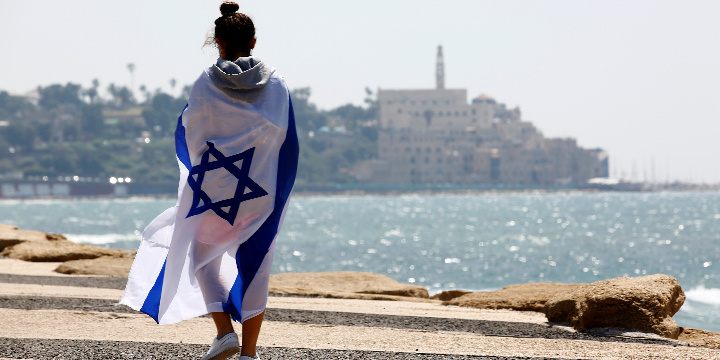
A girl wears an Israeli flag at the shore of the Mediterranean Sea on Israel’s Independence Day marking the 73rd anniversary of the creation of the state, at a beach in Tel Aviv, Israel, April 15, 2021. Photo: REUTERS/Corinna Kern

Australian actor Nathaniel Buzolic accused one of his former co-stars of blacklisting him from fan events because of his pro-Israel stance.

Buzolic most notably played Kol Mikaelson in the two television shows “The Vampire Diaries” and “The Originals.” The actor, who is Christian, has publicly voiced his support for Israel and has visited the country several times. Since the deadly Oct. 7, 2023, Hamas-led terrorist attacks in southern Israel, Buzolic has used his Instagram account, “Nate Buzz,” to share with more than three million followers messages and videos in support of Israel.

In an Instagram Reel on Monday, Buzolic claimed that he has not been able to interact with fans of “The Vampire Diaries” and “The Originals” at conventions and events because a “coward” former co-star had him banned. “There’s an actor I have worked with who has had me banned from attending fan events if he’s there, quietly,” Buzolic explained. He claimed that the unnamed male actor is pro-Palestinian but has not publicized his solidarity with Palestinians online “probably because he just wants to protect his career.”

Buzolic suggested that the former co-star doesn’t want him to attend events because of his pro-Israel views. “He also wanted to stop me from getting work and meeting with fans at fan events,” he continued. “So if you’ve noticed my absence, that’s why.”

“Cowards, cowards, because they won’t publicly share their support …  but they want to stop people like me from earning an income and getting work,” he added. He concluded his video with “always and forever,” which is the family mantra of the Mikaelson family in “The Originals.”

Buzolic wrote in the caption: “Telling the truth will always cost you something but at least you will never become a coward. I remember when he didn’t want to do fan events cause he thought he was above that. Can you guess who?” In the same reel, the Australian actor described Arab Palestinians using expletive terms. Earlier that same day, Buzolic shared a video on Instagram that allegedly showed Palestinians displaying cruelty towards a camel at a wedding in Hebron in the West Bank.

Buzolic made his debut in “The Vampire Diaries” in 2021 during the show’s third season. The widely popular series starred Nina Dobrev, Paul Wesley, and Ian Somerhalder. Buzolic’s character was a member of the Mikaelson family, which also included the characters Klaus (played by Joseph Morgan), Elijah (Daniel Gillies) and Rebekah (Claire Holt). He also played Kol in the spinoff series “The Originals,” which aired from 2013-2018, and starred in a second spinoff series, “Legacies,” from 2018-2022.


Zawartość publikowanych artykułów i materiałów nie reprezentuje poglądów ani opinii Reunion’68,
ani też webmastera Blogu Reunion’68, chyba ze jest to wyraźnie zaznaczone.
Twoje uwagi, linki, własne artykuły lub wiadomości prześlij na adres:
webmaster@reunion68.com