
Mamdani’s anti-Israel obsession is key to his rise

Mamdani’s anti-Israel obsession is key to his rise

Jonathan S. Tobin


With his election as mayor of New York increasingly likely, the Democratic candidate is willing to finesse every issue except his opposition to the existence of a Jewish state.
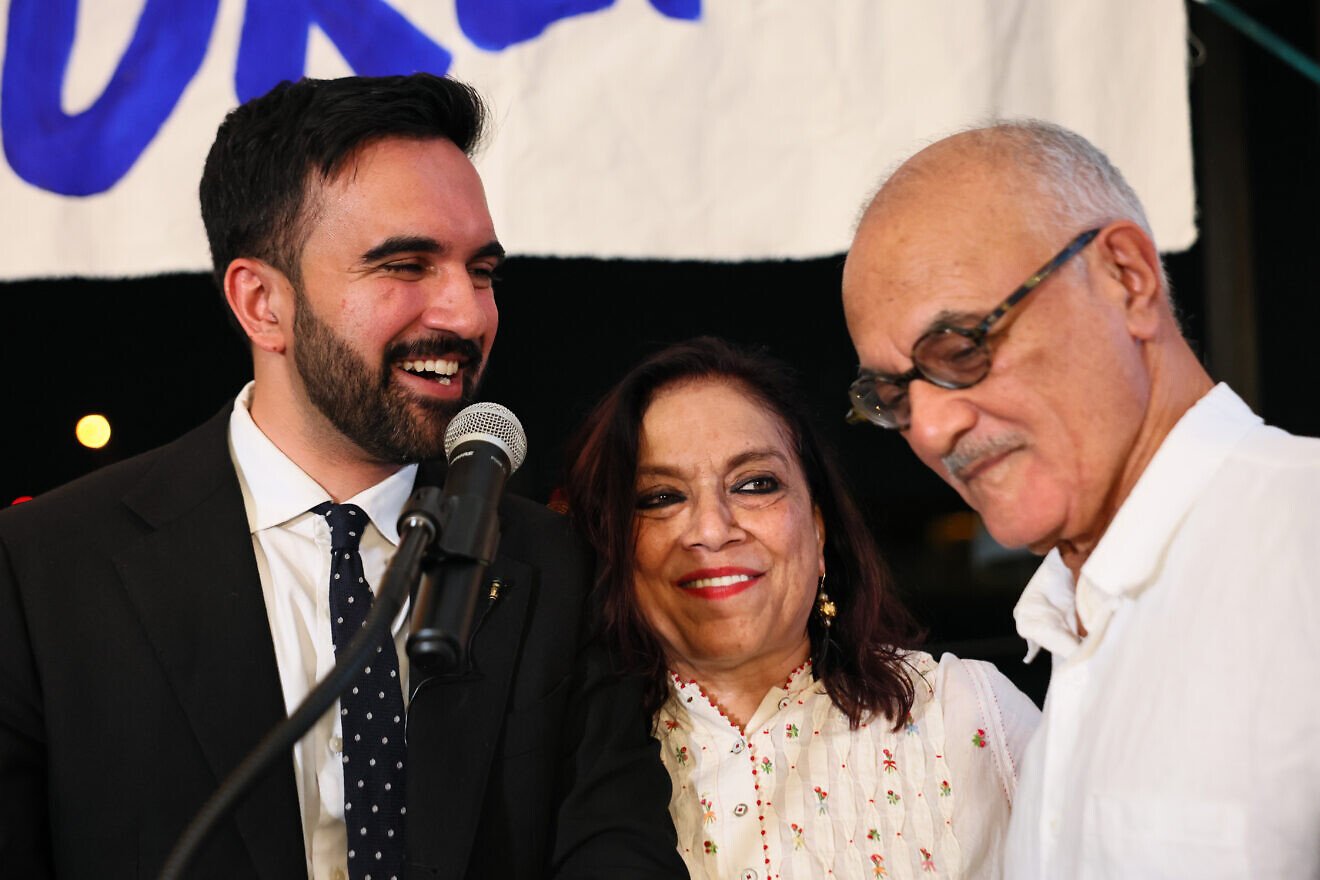
New York state assemblyman Rep. Zohran Mamdani with his mother, Indian-American Mira Nair, and his father, professor Mahmood Mamdani, as they celebrate his primary win for the Democratic candidate for mayor of New York City at an election night gathering at the Greats of Craft LIC in Long Island City, Queens, on June 24, 2025. Photo by Michael M. Santiago/Getty Images.

With less than three weeks until Election Day in New York City, it’s clear that the hopes for preventing the election of Zohran Mamdani to be the next mayor are dwindling. That means it’s time to stop pretending that it won’t happen. Instead, what is needed most now is a sober assessment of how Jewish residents of the five boroughs will be affected by having an openly antisemitic mayor of the greatest Jewish city outside of Israel.

For those who prefer to avoid that, we can roll out all the usual clichés about how the only poll that counts is the one in which the voters cast ballots. We can even quote that icon of New York baseball, Yogi Berra, and say, “It ain’t over until it’s over.” Still, it is necessary to examine the hard facts.

An anti-Mamdani flop

State, city and national Democrats could have reacted to the primary results in June by rejecting Mamdani and declaring their willingness to support an independent alternative, rather than let their party be taken over by not merely a hardcore Marxist but someone with a long record of support for the anti-Zionist and antisemitic cause of destroying the State of Israel. But they didn’t. While some Democratic leaders, like Senate Minority Leader Sen. Chuck Schumer and House Minority Leader Hakeem Jeffries, both from New York City, have remained neutral, most of the party, including Gov. Kathy Hochul, has rallied behind him.

That was also reflected in polls that showed that the large plurality of New York Democratic voters who won him the June primary was not a fluke or the result of a low turnout.

The other main focus of the anyone-but-Mamdani push has also fizzled.

The decision of Mayor Eric Adams to drop out of the race has not increased the chances of former New York City Gov. Andrew Cuomo, who is running as an Independent, of overtaking Mamdani, the man who beat him in the Democratic primary. The latest poll confirmed what every other survey published since June has shown. The Fox News poll showed that Mamdani’s lead actually increased, with him receiving the support of 52% of respondents, with Cuomo getting only 28% and Republican candidate Curtis Sliwa receiving 14%. The 6% of the rest are either sticking with Adams or saying they were still undecided.

Polls can be wrong, but a margin that big seems insurmountable. Anyone who thought that the first general election debate might change the dynamic of the election was similarly disappointed.

Mamdani was far from impressive in the three-way dustup. His glib, charismatic campaign style rests heavily on simplistic slogans about making New York more affordable and works well in retail politics. Still, that seemed to melt under scrutiny when questioned about how he could finance his plan for massive giveaways or make the city safer.

Though far more knowledgeable and experienced, Cuomo was similarly unimpressive, giving none but his die-hard supporters the idea that the election might be closer than the polls are showing.

The only candidate who seemed to profit from the evening was Sliwa, who has been the object of a great deal of pressure to join Adams and drop out, and thereby give Cuomo a better chance in a two-man race. He decided to stubbornly stay in the fight.

During the debate, with less to lose, he seemed more comfortable in his own skin than the other two. Without his trademark Guardian Angels beret, the feisty Sliwa seemed less of a gadfly and was willing to slug away at the many shortcomings of both of his rivals. Still, with the GOP candidate trailing Mamdani by 38% in deep-blue New York City, to treat his chances as plausible is something of a fantasy. If Sliwa gets a bump in the next polls to come out, it will only hurt Cuomo and show that more of those willing to cast protest votes are going with him.

A changed city and party

How is it possible for someone like Mamdani, who only months ago was a 33-year-old backbench state assemblyman few outside his district had ever heard of, to be on the cusp of becoming New York’s mayor?

His rise is the product of a number of factors.

One is the changed demographics of New York City. A significant percentage of the middle- and working-class voters, especially white ethnic New Yorkers who were the heart of the city for the last century, have moved to the suburbs or to places like Florida. The electorate that voted Rudy Giuliani into office in 1993 and 1997, and even Michael Bloomberg to his three terms earlier in this century, just doesn’t exist anymore. Always a Democratic stronghold, it has become so blue to the extent that an Independent or Republican winning the mayoralty almost seems impossible.

It’s also a reflection of the Democratic Party in 2025, which is far to the left of the political faction that embraced a centrist like Bill Clinton or the late New York Mayor Ed Koch a generation ago. As Mamdani stated in the Oct. 16 debate, his top priority, along with Socialist fantasies about cheaper housing, groceries and free bus rides, is “resisting” President Donald Trump. That is the sort of campaign line that might strike many outside observers as irrelevant to the main challenges facing a city beset by a declining economy, coupled with rising costs, ongoing crime, and the squeezing of the middle and working classes. But it resonates with a Democratic Party that lives in the sort of left-wing bubble that causes many to dub Manhattan as akin to a Cold War Eastern European “people’s republic.”

That is why many national and even statewide New York Republicans are secretly pleased about Mamdani’s impending victory. Indeed, U.S. Secretary of the Treasury Scott Bessent said the quiet part out loud when he was quoted in a Vanity Fair story earlier this month as saying that Mamdani winning would be good for the GOP and even for the city in the long run. In this view, Gotham’s collapse under Democratic Socialist rule would illustrate the bankruptcy of the Marxist ideas that are driving the party’s increasingly dominant intersectional left wing, and thereby lead to Republican victories in 2026 and 2028.

That might be right since the Trump administration and the GOP will do their best to paint an ascendant Mamdani and his fellow young Democratic Socialist Rep. Alexandria Ocasio-Cortez (D-N.Y.)—a possible presidential or senatorial candidate in 2028—as the poster children of the Democratic Party nationwide. In this scenario, Mamdani and AOC will be responsible for a rerun of the 1972 presidential election in which left-wing Sen. George McGovern led the Democrats to an epic landslide defeat at the hands of Republican President Richard Nixon.

Whether or not that happens is yet to be determined. And cocky Republicans need to remember that even that historic result was followed by the collapse of their party in the next two elections because of Nixon’s Watergate scandal.

Unwilling to budge on Israel

What we do know is that Mamdani’s rise is also the product of a deeply troubling societal trend whose consequences may be more much consequential than the ups and downs of the electoral cycle, in which the fortunes of both major parties are always bound to rise and fall.

Whatever may be said about Mamdani’s campaign and his prospects for successfully governing the country’s largest city, the one consistent theme behind his rise is unrelenting hostility to Israel and its Jewish supporters.

Like any candidate who won a primary by being an ideologue, Mamdani has attempted to smooth over his rough edges in the general election campaign. Although he stuck to his Marxist ideas, the main themes of his fall campaign sought to appeal to a broader electorate than the hard-core extremists of his DSA base. Yet the one issue he won’t compromise on is Israel and the antisemitic cause that has been closest to his heart since he was in college.

As Mamdani made clear in his interview with Fox News the weekend before the debate, even after the ceasefire that ended the post-Oct. 7 war between Israel and Hamas in Gaza, the Democrat wouldn’t call for Hamas terrorists to comply with its terms, lay down their arms and give up control of the Strip, though he backtracked on that in the debate. He also doubled down on threats to arrest Israeli Prime Minister Benjamin Netanyahu should he visit the city while he is mayor, even though that would violate U.S. law.

Throughout the last two years, he has refused to abandon his extremist take on the Middle East that he has held since he founded a chapter of the antisemitic Students for Justice in Palestine at Bowdoin College. He continues to refloat blood libels about Israel committing “genocide.” Even in the Oct. 16 debate, he refused to recognize the legitimacy of the one Jewish state on the planet, though he takes no such stands about the scores of other nations based on the ethnic or religious identity of their majority and indigenous population.

Indeed, so hard-core is his position that he hasn’t even been willing to condemn those who chant for Jewish genocide and terrorism with their refrains of “Globalize the intifada” and “From the river to the sea.”

That attitude was also on display in a profile interview article in The New York Times Magazine published the same week, which was in equal measures flattering and revealing. In it, he made clear that while he was willing to talk to everyone, the concept of a governing coalition that he is carrying into office is uncompromising only on one issue: Israel and the Jews. As far as he is concerned, Democrats can’t make “an exception” for members of their party who are “progressive” on every issue except “Palestine.”

Even as he accepts that he’s going to have to compromise on many of his stands in order to govern, his opposition to Israel and the right of the Jewish people to sovereignty and security in their ancient homeland is not something on which he is willing to move an inch. While he may be willing to talk to those Jews who either embrace his antisemitic attitudes or liberal Jewish leaders who think access to power is more important than defending their people, no one should be deceived by such gestures. It is not just conservatives who see this. Principled liberals like Rabbi Ammiel Hirsch understand the meaning of his lies about Israel and ideological commitment to ideas that are integral to antisemitism.

At the core of his identity

Since foreign policy is not part of the responsibility of an American mayor, it’s fair to ask why this is so important to him. The answer is patently obvious.

It’s something he learned from his far-left parents—his father, Mahmood Mamdani, is a professor at Columbia University, and his mother is India-born filmmaker Mira Nair—and even shared by his wife, who publicly mourned the death this week of a pro-Hamas influencer who cheered for the Oct. 7 atrocities. He grew up around and became friends with hard-core scholastic ideologues like Edward Said, author of Orientalism, and Rashid Khalidi, who helped normalize hatred for Israel and the denial of Jewish rights. And so, such sentiments are at the core of his being. 

Hatred and intolerance for Jews and their rights are not marginal to the 21st-century Marxist mindset that he exemplifies. The embrace of toxic ideas like critical race theory, intersectionality and settler-colonialism that brands Jews and Israel as “white” oppressors is at its heart. The key to understanding the impact of these ideas is that, as the Democratic Socialists of America’s condemnation of the ceasefire-hostage release deal that ended the post-Oct. 7 war showed, those who believe this consider Israel’s existence illegitimate under any circumstances and justify any actions, no matter how atrocious or inhuman, as justifiable “resistance.”

While such views were confined to the fever swamps of the far left not so long ago, they have gone mainstream in the wake of the rise of the Black Lives Matter movement in the last decade, coupled with the surge of international antisemitism since the Hamas-led attacks on Israel on Oct. 7, 2023.

Mamdani is therefore the perfect illustration of the same attitudes that are causing much of the Democratic Party to oppose Israel, and to accept and spread blood libels about Jews committing genocide against the Palestinian people. The fact that The New York Times published a fawning paean this week to one of the world’s leading pro-Hamas antisemites, U.N. special rapporteur Francesca Albanese, is just another symptom of how a person like Mamdani could become the idol of the Democrats’ left-wing base.

A Mayor Mamdani will not have much power to harm the State of Israel. Nor will his adherents be rounding up Jews in the streets of New York. And whoever is governor—especially if, due in part to Hochul’s support of Mamdani, Rep. Elise Stefanik (R-N.Y.), a congressional scourge of antisemites, is elected governor in 2026—could make it difficult for him to do anything. Nevertheless, his command of the New York City Police Department will be a godsend to antisemitic mobs on college campuses or in the streets of the city, who will know that the man in charge will not only be reluctant to arrest them but actually be on their side. That will have a tangible impact on the security of the city’s Jewish population.

Just as important, Mamdani’s election will be a potential turning point in American Jewish history as antisemitism not only becomes endemic but part of mainstream political culture.

We’ve continued to see the knee-jerk reaction of the mainstream liberal media to any attempt to call Mamdani to account for his extremism and Jew-hatred by falsely labeling it “Islamophobia.” Along those lines, demonizing Mamdani’s critics as “Islamophobic” demonstrates how most such accusations are nothing more than an attempt to silence critiques of jihadist ideology and Muslim attacks on Jews.

Of course, this is still a minority view in the country as a whole. The overwhelming majority of Republicans reject the antisemitic views of the left and even those on the far-right, like political commentators and podcasters Tucker Carlson and Candace Owens. That said, an America in which Mamdani isn’t just the mayor of New York but representative of the views of a large percentage of the Democratic Party and its media cheerleaders, like the Times, is a place where Jews can no longer think of themselves as entirely safe.
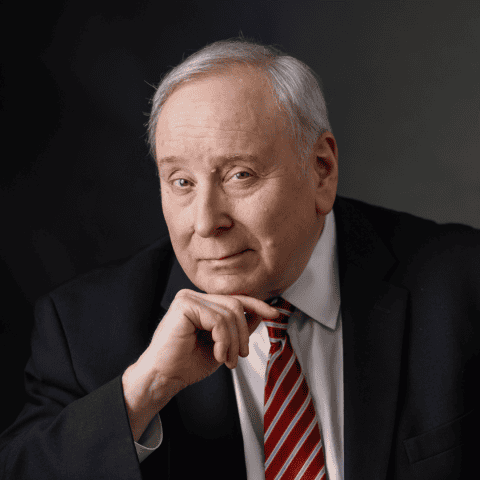

Jonathan S. Tobin is editor-in-chief of the Jewish News Syndicate, a senior contributor for The Federalist, a columnist for Newsweek and a contributor to many other publications. He covers the American political scene, foreign policy, the U.S.-Israel relationship, Middle East diplomacy, the Jewish world and the arts. He hosts the JNS “Think Twice” podcast, both the weekly video program and the “Jonathan Tobin Daily” program, which are available on all major audio platforms and YouTube. Previously, he was executive editor, then senior online editor and chief political blogger, for Commentary magazine. Before that, he was editor-in-chief of The Jewish Exponent in Philadelphia and editor of the Connecticut Jewish Ledger. He has won more than 60 awards for commentary, art criticism and other writing. He appears regularly on television, commenting on politics and foreign policy. Born in New York City, he studied history at Columbia University.


Zawartość publikowanych artykułów i materiałów nie reprezentuje poglądów ani opinii Reunion’68,
ani też webmastera Blogu Reunion’68, chyba ze jest to wyraźnie zaznaczone.
Twoje uwagi, linki, własne artykuły lub wiadomości prześlij na adres:
webmaster@reunion68.com


Hamas hands over bodies of two more Israeli hostages

Hamas hands over bodies of two more Israeli hostages

JNS Staff


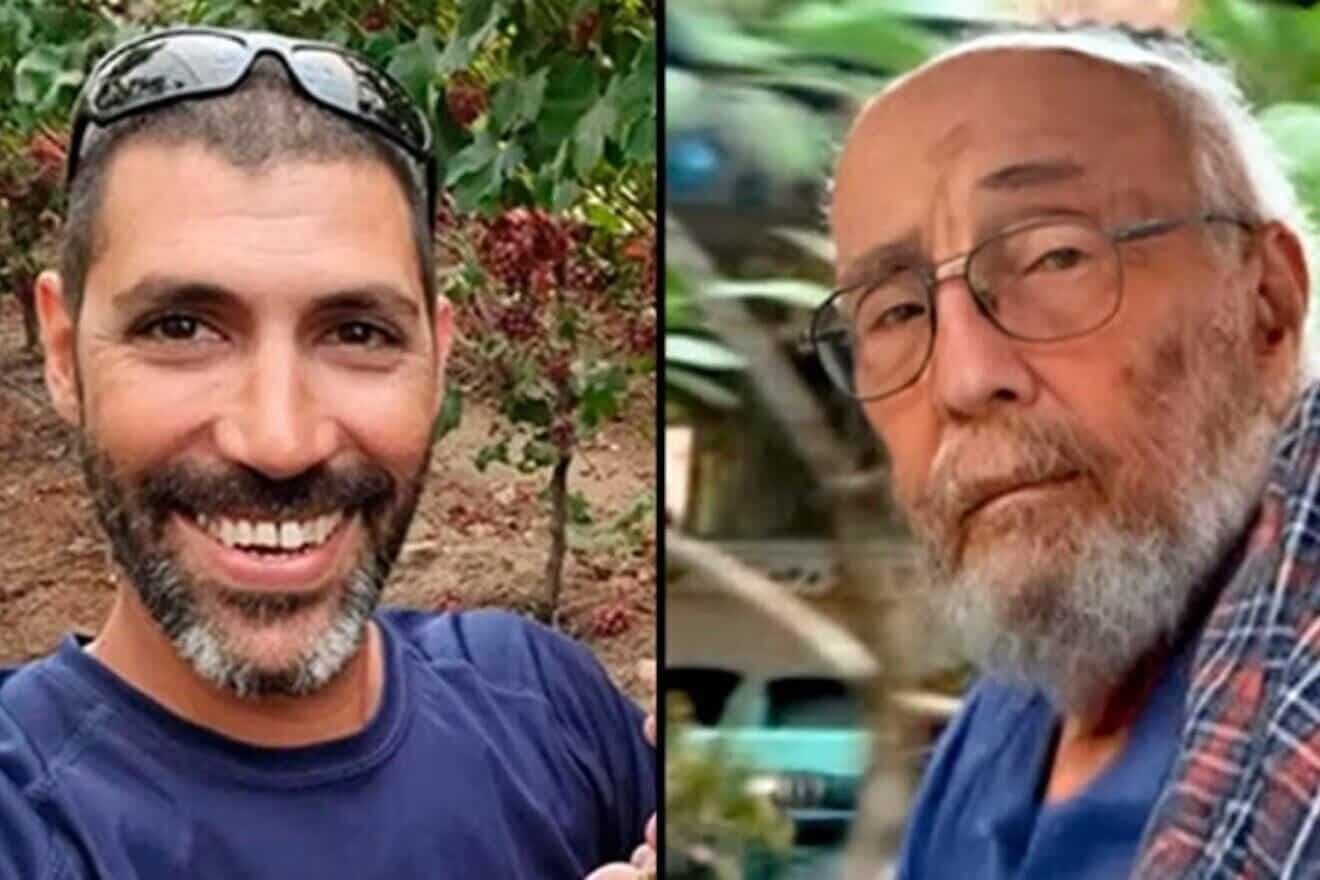
The remains were confirmed as belonging to slain captives Aryeh Zalmanovich and Israel Defense Forces Master Sgt. (res.) Tamir Adar.

Slain captives Israel Defense Forces Master Sgt. (res.) Tamir Adar Aryeh Zalmanovich. Credit: Courtesy.

The Hamas terrorist organization, through the International Committee of the Red Cross, on Tuesday evening returned the remains of two more slain Israeli hostages it had been holding in the Gaza Strip.

After being handed over to Israeli forces by a Red Cross team inside the Strip, the bodies were transferred to the Jewish state and received in a military ceremony, the Prime Minister’s Office said.

Following an identification process at the National Institute of Forensic Medicine at Abu Kabir in Tel Aviv, the PMO confirmed the hostages’ identities as Aryeh Zalmanovich and Israel Defense Forces Master Sgt. (res.) Tamir Adar.

The Israeli government “shares in the deep sorrow of the Zalmanovich and Adar families and all the families of the deceased hostages,” it said.

Jerusalem “remains determined, committed, and working tirelessly to return all of our deceased hostages for proper burial in their country,” added the PMO.

The PMO emphasized that Hamas must honor its commitments under the U.S.-brokered ceasefire deal and return the 14 remaining bodies it continues to hold hostage in Gaza, almost 750 days after the terror organization’s Oct. 7, 2023, massacre in southern Israel.

Under the terms of the ceasefire deal that went into effect last week, Hamas was required to return all 28 hostage bodies it was holding on Oct. 13. So far, the terrorist group has transferred to Jerusalem only 14.

Zalmanovich and Adar were both abducted from Kibbutz Nir Oz near the Gaza border by Hamas-led terrorists during the Oct. 7, 2023 massacre.

Zalmanovich, 86 at the time of his death, one of the founding members of Kibbutz Nir Oz and among the oldest hostages taken that day, died in captivity after several weeks. His son has said he was murdered in Gaza.

The Hostages and Missing Families Forum stated on Wednesday morning: “Aryeh Zalmnovitz was kidnapped alive from his home in Kibbutz Nir Oz on the morning of Oct. 7 and murdered in Hamas captivity. A father of two sons and grandfather of five, he was a man of books and deep knowledge of history and the Land of Israel. He devoted his life to agriculture and field crops, specializing in growing wheat under the harsh conditions of the Negev.”

Adar, the community’s deputy security coordinator, was killed on Oct. 7 defending Nir Oz. The IDF reservist, 38 at the time of his murder, is survived by his wife and two young children.

Tamir “was severely wounded and kidnapped as he went out to defend the Nir Oz community on the morning of Oct. 7, during a heroic battle against hundreds of terrorists,” the Hostages and Missing Families Forum stated on Wednesday. “Tamir did not survive his injuries.”

“Tamir, a third-generation member of Kibbutz Nir Oz, was a devoted family man and father,” it said. “A lover of people and the land—farmer at heart—who, even as a child, loved roaming the kibbutz’s fields and trails, and would often take his young children to watch the sunset.”

Adar’s confirmed death brings the Israeli military’s total fatalities on all fronts since the war started on Oct. 7 to 920, as of Wednesday morning.


Zawartość publikowanych artykułów i materiałów nie reprezentuje poglądów ani opinii Reunion’68,
ani też webmastera Blogu Reunion’68, chyba ze jest to wyraźnie zaznaczone.
Twoje uwagi, linki, własne artykuły lub wiadomości prześlij na adres:
webmaster@reunion68.com


Katar i Turcja chcą odbudować Hamas, a nie Gazę

Ismail Hanijeh z ajatollahem Chameinim w 2012 roku. (Wikipedia)


Katar i Turcja chcą odbudować Hamas, a nie Gazę


Khaled Abu Toameh


Jeśli Katar i Turcja zostaną dopuszczone do odegrania głównej roli w zarządzaniu i odbudowie Strefy Gazy po wojnie Izraela z Hamasem, będzie to powrót do stanu sprzed 7 października 2023 r., kiedy to wspierana przez Iran organizacja terrorystyczna sprawowała pełną kontrolę nad tym terytorium. Katar i Turcja od lat sponsorują i finansują Hamas, a jego przywódcy znajdują u nich schronienie.

Zaproszenie Kataru i Turcji do odegrania znaczącej roli w Strefie Gazy oznacza ponowne wprowadzenie Iranu tylnymi drzwiami. Oba kraje mają silne relacje i wspólne interesy z Teheranem, który — według doniesień — współpracował z Hamasem przy planowaniu inwazji na Izrael 7 października. Rzekomo to właśnie Iran dał zielone światło do ataku podczas spotkania w Libanie 2 października.

Pomimo dotkliwych ciosów zadanych przez izraelskie i amerykańskie naloty, nie ma żadnych oznak, by reżim irański był gotów uznać prawo Izraela do istnienia, przystąpić do Porozumień Abrahamowych lub zrezygnować z używania organizacji terrorystycznych jako swoich pełnomocników w Strefie Gazy, Libanie, Iraku czy Jemenie.


„W obliczu rosnących napięć między Izraelem a Iranem, Katar zbliżył się jeszcze bardziej do Teheranu”
 – poinformował portal Iran International w grudniu 2024 r.

„Było to widoczne podczas wizyty prezydenta Iranu Masouda Pezeshkiana w Dosze w październiku 2024 r. Oba kraje omawiały wzmocnienie współpracy w zakresie gospodarki, energii, kultury i edukacji, ze szczególnym uwzględnieniem rozwiązania kwestii 6 miliardów dolarów zamrożonych irańskich aktywów w Katarze…

Choć Katar i Islamska Republika Iranu przedstawiają swoje partnerstwo jako sposób na promowanie stabilności regionalnej, ich sojusz opiera się na interesach politycznych i strategicznych.

Współpraca Teheranu i Dohy często ukazywana jest w idealistycznych kategoriach, ale w rzeczywistości kryje się za nią głęboka agenda skoncentrowana na władzy, wpływach i tłumieniu opozycji.”

W zeszłym roku Turcja podpisała z Iranem 10 porozumień o współpracy w dziedzinie energii, wolnego handlu i transportu podczas wizyty w Ankarze ówczesnego prezydenta Iranu, Ebrahima Raisiego — informuje Iran International.

„Choć Islamska Republika kładzie nacisk na gospodarczy wymiar relacji, by podnieść morale w kraju, to prawdziwe znaczenie wizyty Raisiego leży w rozmowach o bezpieczeństwie i stabilności regionalnej…”

Prezydent USA Donald J. Trump — mimo najlepszych intencji — może ostatecznie dojść do wniosku, że priorytetem numer jeden dla reżimów irańskiego i większości arabskich jest utrzymanie się przy władzy i ochrona interesów ich przywódców.

Zgodnie z tradycją arabskiej grzeczności, kraje te mogą mówić Trumpowi to, co chce usłyszeć — wiedząc, że za trzy lata nie będzie mógł już ich naciskać. W tym czasie wygodnie umocnią się w Gazie, zdobędą wiedzę o izraelskiej technologii i będą mogły działać bez przeszkód.

Za wcześnie, by zakładać, że bombardowanie irańskich obiektów nuklearnych zmieniło reguły gry w regionie. Nadal nie słyszeliśmy, by reżim w Teheranie mówił o porzuceniu planów zdobycia broni jądrowej. Co więcej, nie ma też żadnych oznak, by inne kraje arabskie — w tym Arabia Saudyjska — były gotowe bezwarunkowo przystąpić do Porozumień Abrahamowych.

Na początku tego roku izraelski minister spraw zagranicznych Gideon Sa’ar oskarżył Turcję o współpracę z Iranem przy próbach przemycania broni do organizacji terrorystycznej Hezbollah w Libanie:

„Iran intensyfikuje starania o przemycanie pieniędzy do Libanu, by odbudować siłę i pozycję Hezbollahu. Te działania prowadzone są m.in. przez Turcję i przy jej współpracy.”

Turcja, pod rządami prezydenta Recepa Tayyipa Erdogana, „jest jednym z najważniejszych strategicznych sojuszników Hamasu” — podaje Centrum Informacji Wywiadowczych i Terroryzmu im. Meira Amita.

„Turcja gości wysokich rangą przedstawicieli Hamasu, niektórzy z nich otrzymali tureckie obywatelstwo. Ankara zapewnia im wsparcie polityczne, dyplomatyczne i propagandowe, a także pomoc gospodarczą i humanitarną.

Hamas stworzył w Turcji jeden ze swoich kluczowych ośrodków zagranicznych, zarządzany głównie przez więźniów zwolnionych w ramach wymiany za Gilada Szalita w 2011 roku. Hamas wykorzystuje Turcję do planowania ataków terrorystycznych, transferu środków finansowych i prania pieniędzy na potrzeby swojej działalności terrorystycznej w Izraelu, Judei, Samarii i Strefie Gazy — w tym ataku i masakry z 7 października 2023 r.”

Zaniepokojony rosnącą rolą Kataru i Turcji w kryzysie gazowym, wysoki rangą oficer Sił Obronnych Izraela ostrzegł:

„Katar, a tym bardziej Turcja, nie mogą ponownie uzyskać przyczółka w Gazie. Zjednoczone Emiraty Arabskie, Egipt i Jordania nienawidzą Hamasu i są bardziej zatroskane losem Palestyńczyków. To Katar finansował Hamas w latach poprzedzających 7 października… Nie ma żadnej gwarancji, że te pieniądze zostaną przeznaczone wyłącznie na odbudowę, a nie na reaktywację skrzydła militarnego Hamasu… Kierownictwo polityczne Izraela będzie musiało przekonać Trumpa, że istnieje zasadnicza różnica między państwami arabskimi: Katar i Turcja to członkowie Bractwa Muzułmańskiego, którzy wspierają Hamas. ZEA i Egipt nienawidzą Hamasu.”

Katar był kluczowym sponsorem finansowym Hamasu, przekazując grupie ponad 1,8 miliarda dolarów w ciągu ostatnich dwóch dekad. Były emir Kataru, szejk Hamad bin Chalifa as-Sani, jako pierwszy przywódca państwowy odwiedził rząd Hamasu w Strefie Gazy w 2012 roku. W 2021 roku Katar zadeklarował roczne wsparcie w wysokości 360 milionów dolarów, częściowo na wypłaty pensji dla pracowników Hamasu.

Dokumenty zdobyte przez IDF podczas wojny ujawniają intensywną, wieloletnią współpracę Kataru z Hamasem — w tym próby storpedowania amerykańskich inicjatyw pokojowych, marginalizowania wpływów Egiptu w Gazie oraz wzmacniania ról Turcji i Iranu. Pomoc Kataru była tak znacząca, że w grudniu 2009 roku ówczesny przywódca Hamasu Ismail Hanijja powiedział katarskiemu ministrowi spraw zagranicznych, że gotówka z Kataru to „główna tętnica Hamasu”.

W maju 2021 roku Hanijja (wówczas szef biura politycznego Hamasu) powiedział przywódcy Hamasu Jahji Sinwarowi — architektowi masakry z 7 października — że emir Kataru prywatnie „zgodził się na dyskretne wsparcie finansowe” dla Hamasu. Według Hanijji, emir „zgodził się co do zasady na dostarczanie [Hamasowi] środków po cichu, ale nie chce, by świat się o tym dowiedział. Do tej pory zebrano 11 milionów dolarów dla kierownictwa Hamasu.”

Dokumenty ujawniają też, że katarscy oficerowie wywiadu spotkali się z przedstawicielem Hamasu, by omówić nadzór nad szkoleniem specjalnych jednostek bojowych Hamasu w bazach wojskowych w Katarze i Turcji, a także integrację Palestyńczyków, którzy uciekli z Syrii do Libanu, w oddziały terrorystyczne Hamasu w tym kraju.

Według dokumentów, przywódca Hamasu Chalid Maszal powiedział emirowi Kataru w 2019 roku: „Musimy współdziałać, by przeciwstawić się [planowi pokojowemu Trumpa] i go wyeliminować.” Dokumenty pokazują, że Hamas i Katar planowali zepchnięcie Egiptu na margines jako mediatora między Izraelem a Hamasem, jednocześnie promując wpływy Turcji na Bliskim Wschodzie.

W 2022 roku Sinwar napisał do Hanijji, że Turcja również powinna odegrać wiodącą rolę w działaniach przeciwko Izraelowi:

„Twoim zadaniem jest rozpoczęcie przygotowań do kampanii. Musimy natychmiast zacząć działać z naszymi sojusznikami — Iranem, Katarem i Turcją. Katarska i turecka dyplomacja muszą odegrać wiodącą rolę. Naszym zadaniem jest utrudnić okupantowi oddychanie i doprowadzić do zerwania jego relacji dyplomatycznych z aktorami międzynarodowymi.”

Uważać, że pod obecnymi rządami Katar, Turcja i Iran mogą odegrać pozytywną i konstruktywną rolę w zapewnieniu pokoju i stabilności na Bliskim Wschodzie, jest śmieszne — i niebezpieczne. Reżimy te od zawsze były po stronie Bractwa Muzułmańskiego i wielu islamistycznych organizacji terrorystycznych, w tym ISIS, Al-Kaidy, Hamasu, Palestyńskiego Islamskiego Dżihadu i Hezbollahu.

Od początku wojny w Gazie Katar, Turcja i Iran opowiedziały się po stronie Hamasu i potępiły Izrael za obronę przed tą organizacją terrorystyczną. Katar i Turcja nie są zainteresowane odbudową Strefy Gazy. Ich celem — przy wsparciu Iranu — jest odbudowa potencjału militarnego i cywilnego Hamasu oraz zapewnienie, że organizacja ta, być może pod nowym szyldem, utrzyma się przy władzy.


Link do oryginału: https://www.gatestoneinstitute.org/21992/qatar-turkey-rebuild-hamas

Gatestone Institute, 16 października 2025

Khaled Abu Toameh – Znany arabski dziennikarz mieszkający w Izraelu.


Zawartość publikowanych artykułów i materiałów nie reprezentuje poglądów ani opinii Reunion’68,
ani też webmastera Blogu Reunion’68, chyba ze jest to wyraźnie zaznaczone.
Twoje uwagi, linki, własne artykuły lub wiadomości prześlij na adres:
webmaster@reunion68.com


Academia is trying to rewrite Jewish history.

Academia is trying to rewrite Jewish history.

Matthew Nouriel


Meanwhile, highly qualified Jewish faculty are either run out of academia or their lives are made intolerable the moment they dare teach the truth about Zionism and antisemitism.

Ruins in the Old City of Jerusalem (photo: Levi Meir Clancy/Unsplash)

This is a guest essay by Matthew Nouriel, an Iranian and Jewish writer and activist.

You can also listen to the podcast version of this essay on Apple Podcasts, YouTube Music, YouTube, and Spotify.


Recently, the University of San Francisco’s Jewish Studies & Social Justice program announced that it had brought in Hadar Cohen to teach a course titled “Arab Jews: Histories, Politics, and Identity.”

At first glance, it might sound like a welcome step — a Mizrahi Jew given a platform in academia. But a closer look reveals a much deeper problem.

Cohen is not a historian, not a scholar of Middle Eastern Jewry, and has no advanced academic training in Jewish Studies, Middle East Studies, or History. Her background is in engineering, “alternative divinity programs,” and “spiritual activism.” Hadar proudly states that, “Each aspect of her work is done through a political lens.” What qualifies her to teach such a course is not academic rigor, but that she fits the ideological script academia demands. And that is the point.

Universities once upheld rigorous standards for who could teach courses on complex histories: advanced degrees, peer-reviewed scholarship, expertise grounded in years of study. Increasingly, those standards have been replaced by a different qualification with the ability to embody and promote a set of activist frameworks that align with the university’s brand of “social justice.” This is not education; it is indoctrination. It compromises the very integrity of academia by prioritizing ideology over scholarship, activism over accuracy.

The very title of Cohen’s course gives away the bias: “Arab Jews.” This is not a neutral term. It is a politicized label, largely rejected by Jews from Arab and Muslim countries. It collapses Jewish identity into Arab nationalism and erases the historical truth that Jews were indigenous to the Middle East and North Africa long before Arab conquest.

or centuries, Jews in Arab lands were not considered Arabs. They lived under the dhimma system1, tolerated, but legally and socially subordinate. Tunisian-Jewish writer Albert Memmi put it bluntly: “The term ‘Arab Jews’ is obviously not a good one. … We would have liked to be Arab Jews, [but] centuries of contempt and cruelty prevented it.” To have our narrative framed through a term we overwhelmingly reject is not representation; it is distortion.

Cohen herself has written: “Zionism has no space for an Arab Jew like me.” But this misses the point entirely. Zionism was, and still is, fundamentally a decolonization project. Jews are not colonizers in the Middle East; we are the indigenous people of the Land of Israel, whose presence and sovereignty predated both European imperialism and Arab conquest.

If we are speaking honestly about colonization, it was the Arab-Muslim empires, beginning in the 7th century, that spread across the Middle East and North Africa, supplanting local languages, cultures, and religions with Arabic and Islam. That is precisely why so many Jews from Morocco to Iraq reject the label “Arab Jews.” To accept it would be to adopt the identity of our colonizers, the very people who treated us as second-class citizens for centuries and who, in the 20th century, expelled us en masse. Many of us have an aversion to that term for the same reason Indigenous peoples elsewhere reject identities imposed by colonial powers.

It is impossible to tell the story of Jews from the Middle East and North Africa without naming Islamic antisemitism. For centuries, Jews lived under the dhimma system, tolerated, but marked as second-class, taxed as inferiors, and regularly subjected to humiliation and violence. Pogroms like the Farhud in Iraq or the expulsions from Egypt, Libya, and Yemen in the 20th century were not isolated events; they were the culmination of a long history of subjugation.

This is precisely why so many Jews whose diaspora experiences were in these countries are staunchly Zionist. Our Zionism is not abstract; it is born of lived experience: centuries of Islamic antisemitism, followed by dispossession and exile. To pretend otherwise, to erase this reality in the name of “Arab Jewish” identity politics, is not only offensive; it is profoundly unacademic. It rewrites history to suit a contemporary ideological agenda rather than telling the truth.

Yes, Mizrahi Jews faced hardship and discrimination in Israel’s early decades. That history is real. But Israel has also done remarkable work to unify Jews of every background. Shared schools, neighborhoods, military service, and culture have fused Mizrahi and Ashkenazi Jews together. Intermarriage across communities is widespread. Today, Israeli identity itself is inseparable from Mizrahi music, food, politics, and literature. While work remains to close socioeconomic gaps, Israel is not a place where Mizrahi identity is erased by Zionism. On the contrary, it is the one place where it flourishes.

Meanwhile, highly qualified Jewish faculty, those with advanced degrees, peer-reviewed publications, or years of teaching experience, are either run out of academia or have their lives made intolerable the moment they dare to teach the truth about Zionism or antisemitism.

Professor Andrew Pessin at Connecticut College was hounded into professional isolation after a pro-Israel post was misquoted and denounced as racist, while Columbia University’s Shai Davidai was investigated, banned from campus, and ultimately driven out despite being cleared. Both stark examples of how Jewish faculty who speak honestly about Zionism or antisemitism see their lives made unbearable.

I also recently spoke with a Mizrahi Jewish professor who experienced this firsthand. She had published two books, was highly qualified, and taught a university course on the history of modern Israel, a class Jewish students had requested after growing tired of the ahistorical revisionist narratives offered in their Middle Eastern Studies department.

In her course, she presented both Jewish and Arab perspectives, even inviting the professor who taught Palestinian history to address her students. She made clear she was eager to reciprocate and speak in that professor’s classroom as well, but the invitation was never returned. Her students (about 30 in total, not all Jewish, including some Christian Arabs) were grateful for the balance she brought. Not a single student ever filed a complaint.

But the professor of Palestinian history ensured that she would not be offered additional classes. Because she was not tenured, she was quietly pushed out. Later, at another prominent university, she refused to sign the anti-Zionist faculty statements regularly circulated by colleagues. Realizing she would never be granted tenure under such conditions, she left academia altogether, driven out by the same ideology that had once driven her family from their home in the Middle East.

The pattern is clear: Universities only want Jewish Studies professors who will conform to what is deemed an “acceptable Jew.” This is evident as well in the appointment of Shaul Magid at Harvard Divinity School, brought in at a time when Jewish students were already facing a hostile climate. The well-known American rabbi, David Wolpe, who once served on Harvard University’s antisemitism advisory board, described Magid as “a gracious human being and an estimable scholar of Jewish texts, notably Hasidism,” but added pointedly, “I profoundly disagree with his stance on Israel and wish Harvard Divinity School would appoint someone whose views reflect the mainstream of the Jewish community.”

Even when Jewish scholars are respected in their fields, it is their political reliability — not their expertise or balance — that determines whether they are elevated or erased. Others are denied tenure, disinvited, or pressured into silence. And yet, in their place, universities elevate voices like Hadar Cohen — individuals selling snake oil, with little to no scholarly training in the field, but whose rhetoric fits the ideological mold academia wants to project.

This is not about education; it’s about politics. And it’s a collapse of integrity. The uncomfortable reality is this: Cohen has been elevated not because she represents Mizrahi Jews, but because she doesn’t. Her narrative aligns with the propaganda academia prefers, one that frames Jews from Muslim-majority countries as “Arab Jews,” downplays Zionism, and provides ammunition for anti-Zionist rhetoric.

In doing so, she has allowed herself to be positioned as a token: the rare Mizrahi voice who can be weaponized to legitimize a broader academic project that is, in fact, hostile to the overwhelming majority of Mizrahi Jews and our lived experience.

And here is the most dangerous part: College students, already primed to obsess over this issue, will run in droves to sit in her class. They will eagerly tokenize her as an “as a Jew” voice, then regurgitate her rhetoric as evidence that their own antisemitism, cloaked as “anti-Zionism,” is justified, because a Mizrahi Jew said it. This is how disinformation works: not by silencing Jews outright, but by platforming fringe voices who can be used to launder antisemitism through a Jewish mouthpiece.

This is what makes the situation all the more infuriating.

The appointment of Hadar Cohen is not progress; it is tokenization. It is propaganda dressed up as education. It is yet another example of how academia has lost its way, sacrificing integrity for ideology. And for Mizrahi Jews, it is a painful reminder: Our story is still being told for us, by those who do not speak for us, in institutions that care more about the narrative than about the truth.

But at the end of the day, Hadar Cohen herself is not to blame. She is doing what many would do — stepping into opportunities when they are offered. The fault lies with a system of academia that elevates unqualified voices because they serve an ideological agenda, while silencing or sidelining those best equipped to teach our history with honesty and rigor.

The crisis here is not about one course or one individual; it is about a university culture that has abandoned truth for tokenization, and scholarship for propaganda. That is the real stain on academia, and it must be addressed.


Zawartość publikowanych artykułów i materiałów nie reprezentuje poglądów ani opinii Reunion’68,
ani też webmastera Blogu Reunion’68, chyba ze jest to wyraźnie zaznaczone.
Twoje uwagi, linki, własne artykuły lub wiadomości prześlij na adres:
webmaster@reunion68.com


Hamas Aims to Keep Grip on Gaza Security and Can’t Commit to Disarm, Senior Official Says

Hamas Aims to Keep Grip on Gaza Security and Can’t Commit to Disarm, Senior Official Says

Reuters and Algemeiner Staff


Hamas senior official Mohammed Nazzal speaks during an interview with Reuters, in Doha, Qatar, October 15, 2025. Photo: REUTERS/Ibraheem Abu Mustafa

Hamas intends to maintain security control in Gaza during an interim period, a senior Hamas official told Reuters, adding he could not commit to the group disarming – positions that reflect the difficulties facing US plans to secure an end to the war.

Hamas politburo member Mohammed Nazzal also said the group was ready for a ceasefire of up to five years to rebuild devastated Gaza, with guarantees for what happens afterwards depending on Palestinians being given “horizons and hope” for statehood.

Speaking to Reuters in an interview from Doha, where Hamas politicians have long resided, Nazzal defended the group’s crackdown in Gaza, where it carried out public executions on Monday. There were always “exceptional measures” during war and those executed were criminals guilty of killing, he said.

PRESSURE TO DISARM

While Hamas has broadly expressed these views before, the timing of Nazzal’s comments demonstrates the major obstacles obstructing efforts to cement a full end to the war in Gaza, days after the first phase of the ceasefire was agreed.

They point to big gaps between Hamas’ positions and US President Donald Trump’s plan for Gaza, ahead of negotiations expected to address Hamas’ weapons and how Gaza is governed.

Asked for comment on Nazzal’s remarks, the Israeli prime minister’s office said Israel was committed to the ceasefire agreement and continued to uphold and fulfil its side of the plan.

“Hamas is supposed to release all hostages in stage 1. It has not. Hamas knows where the bodies of our hostages are. Hamas are to be disarmed under this agreement. No ifs, no buts. They have not. Hamas need to adhere to the 20-point plan. They are running out of time,” it said in a statement to Reuters.

Trump’s September 29 plan called for Hamas to immediately return all hostages before committing to disarmament and ceding governance of Gaza to a technocratic committee overseen by an international transitional body.

Israeli Prime Minister Benjamin Netanyahu supported the plan, saying it would dismantle Hamas’ military capabilities, end its political rule, and ensure that Gaza would never again pose a threat to Israel.

Hamas-led terrorists killed 1,200 people and abducted another 251 during the October 7 attacks on Israel that triggered the war.

Pummeled by Israel in the war, the Palestinian Islamist group is under intense pressure to disarm and surrender control of Gaza or risk a resumption of the conflict.

Asked if Hamas would give up its arms, Nazzal, speaking on Wednesday, said: “I can’t answer with a yes or no. Frankly, it depends on the nature of the project. The disarmament project you’re talking about, what does it mean? To whom will the weapons be handed over?”

He added that issues to be discussed in the next phase of negotiations, including weapons, concerned not only Hamas but other armed Palestinian groups, and would require Palestinians more broadly to reach a position.

Asked for its response to Nazzal’s remarks, the White House directed Reuters to comments by Trump on Thursday.

“We have a commitment from them and I assume they’re going to honor their commitment,” Trump said, noting that Hamas had returned more bodies but without elaborating on the issue of it disarming or its interim presence on the ground.

Nazzal also said the group had no interest in keeping the remaining bodies of deceased hostages seized in the October 7, 2023 attacks.

Hamas has handed over at least nine out of 28 bodies. It was encountering technical problems recovering more, he said, adding that international parties such as Turkey or the US would help search if needed.

A senior Turkish official said last week that Turkey would take part in a joint task force along with Israel, the US, Qatar and Egypt to locate the bodies.

Hamas agreed on October 4 to release the hostages and hand over governance to a technocratic committee, but said other matters needed to be addressed within a wider Palestinian framework. It released all living hostages on Monday.

Nazzal said the phase two negotiations would begin soon.

GOALS OF ELECTIONS, ‘HOPE’ FOR PALESTINIANS

On Tuesday, Trump said he had communicated to Hamas that it must disarm or it would be forced to. Trump has also suggested Hamas was given temporary approval for internal security operations in Gaza, and has endorsed Hamas killing members of gangs.

Noting Trump’s remarks, Nazzal said there was an understanding regarding Hamas’ presence on the ground, without specifying among whom, indicating it was necessary to protect aid trucks from thieves and armed gangs.

“This is a transitional phase. Civilly, there will be a technocratic administration as I said. On the ground, Hamas will be present,” he said. After the transitional phase, there should be elections, he said.

Nazzal said mediators had not discussed with the group an international stabilization force for Gaza, which was proposed in Trump’s ceasefire plan.

Hamas’ founding charter called for the destruction of Israel, although the group’s leaders have at times offered a long-term truce with Israel in return for a viable Palestinian state on all Palestinian territory occupied by Israel in the 1967 war.

Israel regards this position as a ruse.

Nazzal said Hamas had suggested a long-term truce in meetings with US officials, and wanted a truce of at least three to five years to rebuild the Gaza Strip. “The goal isn’t to prepare for a future war.”

Beyond that period, guarantees for the future would require states to “provide horizons and hope for the Palestinian people,” he said.

“The Palestinian people want an independent Palestinian state,” he added.


Zawartość publikowanych artykułów i materiałów nie reprezentuje poglądów ani opinii Reunion’68,
ani też webmastera Blogu Reunion’68, chyba ze jest to wyraźnie zaznaczone.
Twoje uwagi, linki, własne artykuły lub wiadomości prześlij na adres:
webmaster@reunion68.com