„Od pogromu do propagandy: dziedzictwo Hamasu i oszustwo flotylli”

Naziści Hamasu prowadzący izraelskich zakładników schwytanych w Be’eri 7 października 2023 roku (Wikipedia)


„Od pogromu do propagandy: dziedzictwo Hamasu i oszustwo flotylli”


Salah Uddin Shoaib Choudhury


Jedyną sprawiedliwą odpowiedzią na takie barbarzyństwo [inwazję Hamasu na Izrael z 7 października 2023 r.] musi być stanowczość: ratowanie zakładników, pociągnięcie sprawców i ich sponsorów do odpowiedzialności oraz odmowa normalizacji propagandy, która celebruje morderstwo i gwałt.

Za pośrednictwem swojego imperium telewizyjnego Al-Dżazira Katar promował działalność dżihadystyczną Hamasu i innych grup terrorystycznych inspirowanych ideologią Bractwa Muzułmańskiego. Dodatkowo, podczas „Arabskiej Wiosny” w 2011 roku, to właśnie Katar niemal w pojedynkę nakręcał bezprecedensową propagandę dżihadu, mającą na celu obalenie rządu Egiptu.

Kontynuując finansowanie terroryzmu, Katar zdaje się dziś organizować kolejną „Arabską Wiosnę” – tym razem, by usunąć obecne władze Egiptu.

Według stacji MSNBC, Katar wydał już „niemal 100 miliardów dolarów” tylko w samych Stanach Zjednoczonych, by zdobyć wpływy na ich terytorium.

Jeśli Gaza ma mieć jakąkolwiek przyszłość opartą na realnym pokoju, Katar musi całkowicie zniknąć z tej układanki.

To połączenie – pozornej humanitarności osłaniającej brutalne sieci – jest nowym hybrydowym zagrożeniem naszych czasów.


Incydent z Flotyllą Global Sumud obnaża głębszy problem: wybiórcze oburzenie, w którym państwa i organizacje pozarządowe instrumentalizują język praw człowieka w sposób perwersyjny.

Demokracje i aktorzy społeczeństwa obywatelskiego powinni odciąć terrorystów od ich wspólników, azylów i sponsorów. Humanitarny język nie może być wykorzystywany do maskowania terroryzmu.

Dla rodzin zakładników wciąż czekających, dla pogrążonych w żałobie społeczności i dla przyszłości porządku międzynarodowego opartego na zasadach – jedyną akceptowalną reakcją na masakrę z 7 października jest wymierzenie sprawiedliwości, demontaż sieci terrorystycznych, które to umożliwiły, i odmowa tolerowania jakiejkolwiek narracji, która usprawiedliwia lub wybiela brutalne, niesprowokowane okrucieństwo.

7 października 2023 roku na izraelskich cywilach dokonano orgii rzezi i przemocy seksualnej. Był to starannie zaplanowany, świadomy pogrom, transmitowany z groteskową dumą. Świat patrzył, jak terroryści na żywo nadawali swoje zbrodnie w mediach społecznościowych, zamieniając morderstwo i gwałt w spektakl propagandowy.

Tego dnia nie doszło po prostu do kolejnego epizodu w tragicznej historii konfliktu izraelsko-arabskiego. Był to przełom operacyjny i moralny – masowe okrucieństwo, którego konsekwencje wciąż rozrywają rodziny. Wydarzenie to obnażyło również międzynarodowy dyskurs, w którym moralna jasność zbyt często ustępuje miejsca relatywizowaniu.

Dwa lata później skutki nadal są odczuwalne. W inwazji Hamasu zginęło 1 200 Izraelczyków. Czterdziestu ośmiu izraelskich zakładników – z których tylko 20 uważa się za żywych – nadal znajduje się w niewoli. Nabrzeżna Strefa Gazy, zamieniona w centrum dowodzenia terroryzmem, stała się areną sporu, który został zniekształcony przez wybiórcze oburzenie i cynicznych polityków.


Masakra i jej ludzki koszt

7 października nie był spontanicznym wybuchem przemocy. To była operacja zaplanowana z zimną krwią, oparta na rozpoznaniu i bezwzględnej determinacji. Inwazję przeprowadzono w koordynacji z Iranem. Palestyńscy dżihadyści z Gazy wtargnęli do Izraela, atakowali cywilne osiedla, torturowali i mordowali mieszkańców, ścinali głowy dorosłym i dzieciom, palili całe rodziny żywcem i wykorzystywali niewyobrażalną, sadystyczną przemoc seksualną jako narzędzie terroru.

Skala tej zbrodni – najkrwawszego ataku na Żydów od czasów Holokaustu – dowiodła, że współczesny terroryzm nie zna żadnego kodeksu etycznego. Choć dokładne liczby ofiar różnią się w zależności od źródeł, niepodważalne są fakty: 1 200 zamordowanych, tysiące rannych, rozbite rodziny i 251 porwanych osób – z których część nie żyje, część nadal jest więziona, a niektórzy zostali wcześniej uwolnieni. Czterdziestu ośmiu pozostaje w niewoli, z czego jedynie 20 uznaje się za żywych. Ofiary były głodzone (dowody: tu i tu) i zmuszane do kopania własnych grobów.

Każdy dzień, w którym ci zakładnicy nadal są w rękach Hamasu, to moralna plama na międzynarodowej społeczności, która twierdzi, że broni niewinnych.


Propaganda jako broń: spektakl w mediach społecznościowych

Hamas zamienił zbrodnię w widowisko. Terroryści transmitowali swoje okrucieństwa na żywo. Nagrania brutalnych aktów szybko rozprzestrzeniano i wykorzystywano jako narzędzie zastraszania społeczeństw i pozyskiwania sympatyków. To nie była jedynie brutalność – to była wojna psychologiczna mająca złamać izraelskie społeczeństwo i wymusić ustępstwa polityczne oraz militarne. Transmisje gwałtów i makabrycznych okaleczeń – oraz oczekiwanie, że zachodnie platformy internetowe będą publikować te treści pod pretekstem „kontekstu” lub „informacji” – są testem dla firm technologicznych, organizacji praw człowieka i demokracji. Polityka platform i retoryka praw człowieka stały się przykrywką dla normalizacji i wzmacniania masowej przestępczości.


Sponsorzy i wspólnicy: Iran, Katar i regionalna oś

Hamas nie działa w politycznej próżni. Od lat Iran jest jednym z dwóch głównych sponsorów państwowych Hamasu – dostarcza mu fundusze, broń, szkolenia i plany zniszczenia nie tylko Izraela, ale i Stanów Zjednoczonych.

Amerykańskie i izraelskie szacunki – jak również liczne źródła otwarte – dokumentują wsparcie finansowe i militarne Iranu dla Hamasu. To partnerstwo zamienia Gazę w przedłużenie złośliwej strategii regionalnej.

Drugim wieloletnim sponsorem Hamasu jest Katar – wspierający także wiele innych organizacji islamistycznych (przykłady: tu i tu).

Znany jako „podpalacz i strażak”, Katar, mimo że oferuje kanały dyplomatyczne i gości negocjatorów, toleruje i wspiera polityczną oraz medialną infrastrukturę Hamasu. Zapewnia tej organizacji – i wielu innym grupom terrorystycznym – finansowanie, osłonę dyplomatyczną i wsparcie logistyczne.

Jak wspomniano wcześniej, Katar za pośrednictwem Al-Dżaziry promował brutalny dżihad, a dziś – jak sugerują analizy – może ponownie dążyć do destabilizacji Egiptu poprzez nową „Arabską Wiosnę”.


Flotylle, oszustwo i obnażenie zagranicznego wsparcia

Niedawna Flotylla Global Sumud – według jej organizatorów mająca zwrócić uwagę na kryzys humanitarny w Gazie – ujawnia inną prawdę: powiązane z terroryzmem sieci działają w ramach rzekomo humanitarnej kampanii.

Według izraelskich służb, dokumenty odzyskane w Gazie potwierdzają bezpośrednie zaangażowanie Hamasu w organizację i finansowanie elementów tej flotylli – co pokazuje, jak organizacje terrorystyczne wykorzystują osłonę humanitarną do celów politycznych i operacyjnych. Flotylla wywołała międzynarodowe oburzenie i współczujące nagłówki, podczas gdy za kulisami rozgrywała się precyzyjna koordynacja, przepływy pieniędzy i strategiczne przekazy medialne służące celom Hamasu. To właśnie taka hybrydowa forma zagrożenia – pozorna pomoc humanitarna ukrywająca sieci przemocy – stanowi nową formę wojny.


Globalna hipokryzja: organizacje praw człowieka, wybiórcze oburzenie i moralna inwersja

Flotylla Global Sumud uwidacznia głębszy problem: wybiórcze oburzenie, w którym państwa i organizacje pozarządowe posługują się językiem praw człowieka w sposób asymetryczny. Znane organizacje, takie jak Amnesty International, Human Rights Watch, Article 19 i inni, publicznie potępiały izraelskie przejęcie jednostek flotylli, określając działania jako „nielegalne” lub „nieproporcjonalne”. Jednocześnie te same organizacje często milczały, relatywizowały lub wręcz usprawiedliwiały masowe zbrodnie Hamasu, branie zakładników i wykorzystywanie cywilów jako żywych tarcz. Taka moralna inwersja – potępianie zatrzymywania statków powiązanych z organizacją terrorystyczną przy jednoczesnym bagatelizowaniu masowych morderstw i przemocy seksualnej – podważa wiarygodność i promuje niebezpieczne narracje.

Obrona praw człowieka powinna być stosowana konsekwentnie: potępiać zarówno rzekome nadużycia państwowe, jak i celowe ataki na cywilów przez grupy terrorystyczne.


Postawa Pakistanu i niepokojące dziedzictwo

Najnowsze wypowiedzi Pakistanu, potępiające działania Izraela wobec flotylli, dodają kolejny problematyczny wymiar. Silne potępienie Izraela przez Islamabad – wraz z absurdalnym przedstawianiem zatrzymanych aktywistów jako „niewinnych” pracowników humanitarnych – stoi w rażącej sprzeczności z długo udokumentowaną historią pakistańskiego wsparcia dla islamistycznego terroryzmu w Azji Południowej i poza nią.

Od szkoleń i logistyki po propagandę ideologiczną – elementy pakistańskiego aparatu państwowego wspierały grupy stosujące metody i cele zbieżne z Hamasem. Taka przeszłość powinna dyskwalifikować moralizatorskie wystąpienia Islamabadu i skłaniać społeczność międzynarodową do weryfikacji, czy stanowiska te mają charakter zasadniczy, czy raczej oportunistyczny i obłudny.


Sprawiedliwość wymaga: rozliczenia

Sprawcy ataków z 7 października oraz ich łańcuch dowodzenia muszą zostać ujawnieni, osądzeni i odizolowani. Państwa i instytucje wspierające finansowo, logistycznie lub dyplomatycznie organizacje terrorystyczne muszą zostać objęte sankcjami i pociągnięte do odpowiedzialności. Platformy internetowe dopuszczające publikację nagrań zbrodni bez kontekstu powinny być zobowiązane do nowych standardów. Międzynarodowe prawo i normy praw człowieka domagają się uczciwej, równej ich aplikacji: potępienia brania zakładników i przemocy seksualnej, ścigania zbrodni wojennych oraz odmowy udzielania immunitetu ze względu na powiązania polityczne.

Najważniejsze jednak jest natychmiastowe, bezpieczne uwolnienie zakładników. Żadne inne zadanie nie może mieć pierwszeństwa nad tym moralnym obowiązkiem.

Dwa lata po 7 października międzynarodowy dyskurs został zatruty przez cynizm, wybiórcze oburzenie i geopolityczne kalkulacje. Niektóre rządy i instytucje – zwłaszcza na Zachodzie, jak Francja, Wielka Brytania, Kanada, Australia, Norwegia, Portugalia, Irlandia czy Hiszpania – wolą moralną akrobatykę. Wydają oświadczenia, które uspokajają ich wewnętrzne elektoraty, ale nie bronią uniwersalnych wartości. Nie ma miejsca na neutralność wobec masowego mordu, brania zakładników i gwałtów. Relatywizacja to przyzwolenie. Demokracje i społeczeństwa obywatelskie powinny odciąć terrorystów od ich sponsorów, azylów i finansowania. Język humanitarny nie może służyć kamuflażowi dla terroryzmu. Przede wszystkim – każdy dostępny środek dyplomatyczny, prawny i operacyjny musi zostać uruchomiony, by uwolnić zakładników z Gazy i zapobiec kolejnej zbrodni na skalę tej z 7 października.


Link do oryginału: https://www.gatestoneinstitute.org/21954/pogrom-propaganda-hamas-october-7-flotilla
Gatestone Institute, 8 paździenika 2025


Salah Uddin Shoaib Choudhury to nagradzany dziennikarz, pisarz i redaktor gazety Blitz, specjalizujący się w tematyce kontrterrorystycznej i geopolityce regionalnej. Śledź go na X: @Salah_Shoaib


Zawartość publikowanych artykułów i materiałów nie reprezentuje poglądów ani opinii Reunion’68,
ani też webmastera Blogu Reunion’68, chyba ze jest to wyraźnie zaznaczone.
Twoje uwagi, linki, własne artykuły lub wiadomości prześlij na adres:
webmaster@reunion68.com

Netanyahu is the post-Oct. 7 war’s victor, not its scapegoat


Netanyahu is the post-Oct. 7 war’s victor, not its scapegoat

Jonathan S. Tobin


His critics are determined to cast the prime minister as the villain of the war. But only his steadfast focus on denying victory to Hamas forced it to surrender to Trump’s demands.

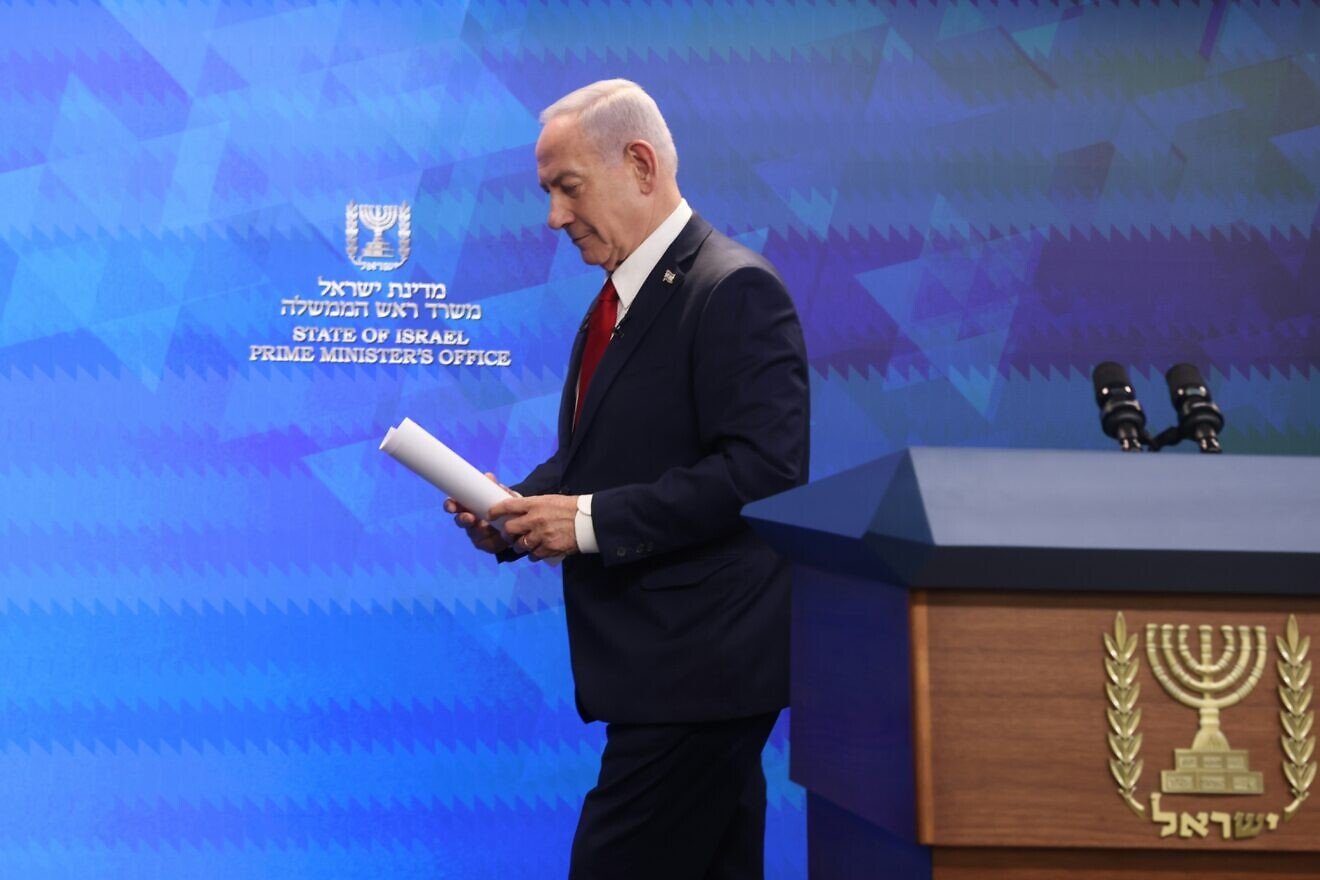
Israeli Prime Minister Benjamin Netanyahu holds a press conference at the Prime Minister’s office in Jerusalem, Sept. 16, 2025. Photo by Marc Israel Sellem/POOL.

Barring any last-minute reversals, the post-Oct. 7 war is finally about to come to an end. President Donald Trump’s 20-point plan for ending the war in the Gaza Strip has been agreed to by both Israel and Hamas. That means that the remaining Israeli hostages should be coming home within days. Israel will pull back its forces to positions inside Gaza; however, the last remnants of the terrorist forces will still be isolated and in a position to be, as Trump says, “obliterated” should they not surrender their arms and give up their control of the enclave, as the plan demands.

This makes Trump the hero of the hour as he garners praise from even some of his most determined foes for achieving what everyone hopes will turn out to be peace. Yet accolades for the other person who made this outcome possible—Israeli Prime Minister Benjamin Netanyahu—are largely missing from the reactions to the news.

There are many reasons for this. Outside of Israel, it is mostly because Netanyahu is seen as a surrogate for Israel, a country whose actions and existence are the focus of a tsunami of biased coverage and ideological opposition largely rooted in antisemitism.

Slighting the prime minister

Inside Israel, he is, much like Trump in the United States, the focus of a relentless partisan campaign of defamation and delegitimization by his political opponents. They are sick of his long tenure in office and their inability to defeat him by democratic means. As a result, they are willing to blame him for everything that goes wrong in and for their country, including those things for which he does bear some or all of the responsibility, in addition to much that is not his fault.

In the long run, history will be the judge of both men, even if, at this moment, it’s hard to imagine any discussion of their merits not determined by the political positions and prejudices of those speaking. Though he is Israel’s longest-serving prime minister and has been a major figure in Israeli politics for more than three decades before Oct. 7, it’s likely that Netanyahu’s place in history will largely be defined by the war that followed the tragic events of that dark day.

As such, before the debate about his role in the events of the last two years is obscured by the justified attention given to Trump or becomes merely a cudgel with which his foes can batter him in the lead-up to the next Israeli election, it’s important to lay out some clear facts about his conduct of the war and how it ended.

It’s crucial to restate that what will follow the release of the hostages and celebration of the end of the fighting will be a test of wills, with much of the outcome of this process resting on Trump’s resolve to insist that Hamas observe its terms of the deal. Regardless of the success of the next phases of Trump’s plan, the effort to depict Netanyahu as having failed is still completely wrong. Dealt a terrible blow on Oct. 7, his leadership was crucial to Israel’s recovery in the war and to eventually deal devastating blows not only against Hamas, but its Iranian backers and their Hezbollah allies in Lebanon.

Nevertheless, the trauma and wounds inflicted on Israel during two years of war will take many years to heal, if, indeed, they ever do.

Still, the war’s end leaves Israel in an incomparably stronger regional strategic position than it was on Oct. 6, 2023. It also leaves its enemies far weaker than anyone could have imagined either before the massacre or immediately afterward. And the person who is largely responsible for that is Netanyahu, albeit with the help of his American ally.

The blame for Oct. 7

It’s true that since Oct. 7 happened on his watch, Netanyahu deserves a share of the blame for the disaster. He had bought into the conceptzia that Hamas could not and would not ever attempt anything on the scale of what they pulled off on Oct. 7. He thought that allowing Qatar to send cash to Hamas in Gaza and allowing Palestinian Arabs to work in Israel would maintain the status quo with the terrorists. And he trusted the assurances of the country’s military and intelligence establishment that something like Oct. 7 was impossible.

He was wrong about that. Then again, so were his political opponents, almost none of whom advocated a change in policy toward Hamas and Gaza before Oct. 7. Though some of the blame for the disaster belongs to him, the lion’s share of it must be placed on the “experts” whose job it was to know better. The claims that he was warned of what would happen and failed to act fall flat when realizing that, like any political leader, he had no choice but to believe the generals and intelligence chiefs who were sure it couldn’t happen on their watch.

The test for any political leader placed in the sort of position that Netanyahu was in on Oct. 7 can’t rely on why he didn’t foresee what few, if any others, predicted, but on his reaction to the fiasco and the ability to turn the tables on multiple enemies. And on that score, Netanyahu succeeded far more than even his most ardent admirers could have imagined.

In the weeks and months after Oct. 7, he rallied the country to fight back and to begin the arduous task of dismantling Hamas—a task made incredibly difficult because of the way they had used billions in international aid to Gaza to create a massive, underground tunnel fortress the size of the New York City subway system.

Only Netanyahu could have done it

A weaker or less resolute leader would have faltered and long given in to the tidal wave of international criticism aimed at Israel’s counterattack. It’s inconceivable that any of the possible opposition alternatives to Netanyahu as premier—Naftali Bennett, Benny Gantz or Yair Lapid—would have had the backbone and sheer stubbornness to resist the demands of the Biden administration to halt the war before Hamas’s military formations were defeated and while it was still in control of much of Gaza.

Biden slow-walked arms deliveries and second-guessed Israeli efforts as he shifted from an initial position of support for the war to one largely determined by his desire to appease pro-Hamas elements of his Democratic Party as he sought re-election.

Would anyone but Netanyahu have had the patience and the thick skin to withstand the enormous pressure exerted against him not only from Biden but also from some of the families of hostages and his domestic political opponents, who wanted him to agree to a deal that would have granted victory to Hamas?

Instead, he hung on and waited for the right moment to successfully strike back at the other fronts banging on Israel’s door. Jerusalem launched a brilliant attack, exploding the beepers and pagers of thousands of Hezbollah operatives in Lebanon in the fall of 2024—one that will go down in history. Israeli strikes methodically took out the senior leaders of Hamas and Hezbollah in moves reminiscent of the country’s past vaunted military prowess. And then, after Trump returned to the White House, he also ordered a decisive series of strikes in June against Iran’s nuclear program that culminated when—building on and dependent on earlier Israeli efforts—the United States delivered the coup de grace to Tehran’s ambitions to achieve a weapon.

When necessary, he engaged in hostage release and temporary ceasefire deals that were forced upon him by first Biden and then Trump. But he never deviated from pushing toward achieving what long appeared to be two mutually exclusive war goals: the release of all the hostages, and the decisive defeat and elimination of Hamas.

The Trump deal is far from perfect in that it forces Israel to release more terrorists with blood on their hands; gives immunity to the rulers of Qatar, who finance Islamist terror (and to whom Netanyahu was forced to offer a humiliating apology); and could well be reversed if the Americans don’t insist on the terms being fulfilled to the letter. Still, Netanyahu’s willingness to keep pushing for a resolution that involved both freeing all of the hostages, coupled with the demilitarization of Gaza and surrender of Hamas, which his opponents and even some of his friends said was impossible, amazed a world watching, analyzing and commenting on every move he made.

The idea that this could have all been achieved a year or more earlier and that Netanyahu prolonged the war to retain power is simply false. The current terms were not on offer before Trump’s embrace of them. If he refused to accept a hostage deal that would have let Hamas stay in place, it was not to appease right-wing coalition allies but because that would have contradicted his principles and what most Israelis wanted. The distinction between opinions about Netanyahu and the country’s war goals was blurred in the coverage of the war and the maelstrom of Israeli politics. But by ignoring personal attacks—in which some people seemed to speak and act as if he, rather than the Hamas terrorist organization, was responsible for the kidnappings and long-term holding of the hostages—the prime minister was able to eventually free the majority of them while not allowing the Islamist criminals to profit from their crimes.

Nor should we accept the narrative that Netanyahu’s effort to reform Israel’s out-of-control and far too powerful judiciary after he won a decisive victory in the November 2022 Knesset election was one of the reasons why Hamas attacked in the first place. It’s true that the divisions over that policy seemed to tear Israel apart in the first nine months of 2023. The responsibility for that belongs more to an opposition that sought to handicap Israel’s efforts to defend itself just to maintain their undemocratic grip on power via a juristocracy—while claiming to be defending the democracy they were actually undermining—than it does to the prime minister.

As we now know, Hamas had been planning Oct. 7 for years and would have eventually launched such an attack, no matter who was sitting in Jerusalem at the time or whether Israelis were arguing about judicial reform or anything else.

The information war

It’s also true that Israel has suffered great damage to its international reputation during the war and has lost a great deal of support in the international community, even in the United States. This is also blamed on Netanyahu. However, any Israeli leader would have been treated the same, including his political opponents.

The growing belief around the world that Israel was committing war crimes or even “genocide” was the result of the international press mimicking Hamas propaganda and not any failure on the part of the prime minister. The global surge of antisemitism wasn’t the result of Jerusalem’s mistakes but a function of the normalization of Jew-hatred enabled by the successes of the left in indoctrinating a generation in toxic theories that legitimized the demonization of Jews and Israelis.

Supporters as well as critics of Israel have faulted the failures of the Netanyahu government’s information policies. His team might have done better, and only a few in the Jewish world or in the media (like JNS) were willing or prepared to fight back against the drumbeat of lying coverage and commentary that falsely labeled Israel as committing “genocide.”

The prime minister’s laser-like focus on winning the war was, in the end, far more valuable to his nation than one that would have emphasized what would have likely been a futile attempt to justify Israel’s just war to international audiences. The reaction to the events of Oct. 7, in which the Israeli victims were depicted as the bad guys and the Palestinian murderers and their supporters the victims, was the result of a shift in opinion that happened long before the massacres. Israel’s war against Islamist terrorists is one that all Western nations should support. But too many in the press and among liberal opinion leaders have come to believe the Jewish state should be judged by double standards applied to no other nation and has no right to exist or defend itself. No amount of clever social-media posts or attempts to influence journalists that were already biased against Israel would have changed that.

The verdict of history

Only time will tell whether Netanyahu will survive a post-war reckoning in which a commission will likely be convened to assign blame for the Oct. 7 disaster.

My guess is that any commission assembled by Israel’s legal and political establishment will seek to pin all of the responsibility on Netanyahu—the one person in the country so many Israeli elites already hate—rather than focus on the generals and intelligence establishment that were so terribly wrong. Yet given the fact that, despite the trauma and suffering of the past two years, it was his war strategies that have made Israel safer and stronger, observers shouldn’t be surprised if the Israeli voting public’s verdict contradicts such a judgment. If he runs in the next election, expected to be held sometime in the next year, only an utter fool or someone who hasn’t realized that Netanyahu’s policies are popular (even if he is not) should be certain that he can’t win.

Whatever the verdict from a commission or the voters, the last two years should be considered his finest hour. Prior to Oct. 7, there were reasons to believe that he had hung around too long in office and needed to make way for a fresh face. Though no person is indispensable, it was only Netanyahu’s particular combination of stubbornness, courage, political skill and strategic insight that allowed the Jewish state to achieve a result that freed the hostages and decisively defeated their enemies. For that, he deserves the thanks of his country, the Jewish people and Western nations, which have just as much to gain from the defeat of the Islamists of Hamas, Hezbollah and Iran as the Israelis.


Jonathan S. Tobin is editor-in-chief of the Jewish News Syndicate, a senior contributor for The Federalist, a columnist for Newsweek and a contributor to many other publications. He covers the American political scene, foreign policy, the U.S.-Israel relationship, Middle East diplomacy, the Jewish world and the arts. He hosts the JNS “Think Twice” podcast, both the weekly video program and the “Jonathan Tobin Daily” program, which are available on all major audio platforms and YouTube. Previously, he was executive editor, then senior online editor and chief political blogger, for Commentary magazine. Before that, he was editor-in-chief of The Jewish Exponent in Philadelphia and editor of the Connecticut Jewish Ledger. He has won more than 60 awards for commentary, art criticism and other writing. He appears regularly on television, commenting on politics and foreign policy. Born in New York City, he studied history at Columbia University.


Zawartość publikowanych artykułów i materiałów nie reprezentuje poglądów ani opinii Reunion’68,
ani też webmastera Blogu Reunion’68, chyba ze jest to wyraźnie zaznaczone.
Twoje uwagi, linki, własne artykuły lub wiadomości prześlij na adres:
webmaster@reunion68.com


German Chancellor: Germany Should Pull Out of Eurovision Song Contest if Israel Is Banned


German Chancellor: Germany Should Pull Out of Eurovision Song Contest if Israel Is Banned

Shiryn Ghermezian


German Chancellor Friedrich Merz attends celebrations of the newly completed renovation of Reichenbach Strasse synagogue in Munich, Germany, Sept. 15, 2025. Photo: REUTERS/Angelika Warmuth

German Chancellor Friedrich Merz said on Sunday that Germany should withdraw its participation in the 2026 Eurovision Song Contest (ESC) if Israel is banned from the international competition.

Merz made the comments during an interview on the public broadcaster ARD when he was asked whether Germany should voluntarily pull out of the Eurovision next year if Israel is excluded.

“I would support that. I think it’s a scandal that this is even being discussed. Israel belongs there,” he replied, according to the German news agency Deutsche Presse-Agentur (DPA).

Merz’s remarks come after Germany’s Culture Minister Wolfram Weimer last month criticized those threatening to withdraw from the 2026 Eurovision contest if Israel participates. Weimer said in part that “the culture of cancellation is not the solution — the solution is diversity and cohesion.”

The European Broadcasting Union (EBU), which organizes the ESC, is scheduled to hold an online vote in November of all its member broadcasters to decide if the Israeli public broadcaster KAN should be allowed to participate in the 2026 Eurovision, in light of Israel’s military actions in the Gaza Strip during the ongoing Israel-Hamas war. Kan said in a released statement that it hopes the EBU “will continue to maintain the apolitical, professional, and cultural nature of the competition.”

Next year’s Eurovision is set to take place in Vienna, Austria, in May. KAN recently announced that the singer who will represent Israel in the 2026 Eurovision will be selected again this year through the reality show “The Next Star,” which is set to air in Israel in the coming weeks. Yuval Raphael represented Israel in this year’s Eurovision competition and came in second place with her song “New Day Will Rise.”

Organizers of the ESC have been facing growing pressure to bar Israel from the competition, and broadcasters from several countries – including in Spain, Slovenia, Iceland, Ireland, and the Netherlands – have threatened to withdraw from the Eurovision if Israel is not banned. Senior officials in Austria have criticized efforts to ban Israel from the competition and the Danish public broadcaster DR also said it does not support a boycott of the Jewish state from the competition “as long as they comply with the rules and regulations.”

Poland’s culture minister said she hopes her country will not participate in the 2026 Eurovision if Israel is allowed to partake in the song contest.


Zawartość publikowanych artykułów i materiałów nie reprezentuje poglądów ani opinii Reunion’68,
ani też webmastera Blogu Reunion’68, chyba ze jest to wyraźnie zaznaczone.
Twoje uwagi, linki, własne artykuły lub wiadomości prześlij na adres:
webmaster@reunion68.com


Trump: Mamy deal. Izrael i Hamas zatwierdziły pierwszy etap planu dla Strefy Gazy

Palestyńczycy świętują w Khan Younis na południu Strefy Gazy, po ogłoszeniu wiadomości, że Izrael i Hamas zgodziły się na pierwszą fazę planu prezydenta USA Donalda Trumpa dotyczącego Strefy Gazy (Fot. REUTERS/Video Obtained By Reuters)


Trump: Mamy deal. Izrael i Hamas zatwierdziły pierwszy etap planu dla Strefy Gazy

Wiktoria Bieliaszyn


Izrael i Hamas zatwierdziły pierwszy etap planu dla Strefy Gazy. Hamas zwolni wszystkich zakładników, Izrael ma wycofać wojska do uzgodnionej linii – napisał w nocy ze środy na czwartek prezydent USA Donald Trump.

Artykuł aktualizowany

Izrael i Hamas osiągnęły porozumienie w sprawie uwolnienia izraelskich zakładników, porwanych do Strefy Gazy podczas inwazji na terytorium Izraela 7 października 2023 r., w zamian za wycofanie izraelskich wojsk do uzgodnionej linii demarkacyjnej.

„Z dumą informuję, że Izrael i Hamas zgodziły się na realizację pierwszej fazy naszego planu pokojowego. Oznacza to, że wszyscy zakładnicy zostaną wkrótce uwolnieni, a Izrael wycofa swoje wojska do wspólnie uzgodnionej linii jako pierwszy krok w kierunku trwałego, solidnego i wiecznego pokoju” – napisał na platformie Truth Social.

Porozumienie Izrael – Hamas. Co dalej

Premier Izraela Benjamin Netanjahu poinformował, że porozumienie z Hamasem ma zostać zatwierdzone na specjalnym posiedzeniu rządu w czwartek. Nazwał je „krytycznym punktem zwrotnym” i podziękował Donaldowi Trumpowi za pomoc w jego osiągnięciu. W ramach porozumienia Izrael uwolni ze swoich więzień znaczną liczbę Palestyńczyków.

Hamas również potwierdził, że osiągnięto porozumienie, potwierdzając jego ustalenia. W oświadczeniu grupa stwierdziła, że porozumienie zostało osiągnięte po „odpowiedzialnych i poważnych negocjacjach” dotyczących propozycji Trumpa.

Mieszkańcy Tel Awiwu świętujący porozumienie Izraela z Hamasem.
Mieszkańcy Tel Awiwu świętujący porozumienie Izraela z Hamasem. Fot. REUTERS/Ronen Zvulun

Pod koniec września prezydent Trump przedstawił plan pokojowy, zgodnie z którym Hamas ma uwolnić izraelskich zakładników w zamian za uwolnienie przez Izrael prawie dwóch tysięcy Palestyńczyków. Hamas przetrzymuje jeszcze 20 żywych zakładników i ciała 28 martwych.

Informatorzy agencji Associated Press donoszą, że Hamas planuje uwolnić wszystkich żyjących zakładników w ten weekend. Ciała zostaną wydane w późniejszym terminie, etapami. “Izraelska armia wycofa się z 70 proc. obszaru” – opisują dziennikarze. W zamian za to uwolnionych zostanie kilkuset palestyńskich więźniów przetrzymywanych przez Izrael.

Porozumienie zostanie formalnie podpisane w czwartek około południa w Egipcie – poinformował AFP jeden z informatorów.

Wysoki rangą palestyński urzędnik poinformował BBC, że rozejm wejdzie w życie natychmiast po jego zatwierdzeniu przez rząd izraelski. Według niego Izrael zezwoli na wjazd do Strefy Gazy 400 ciężarówek z pomocą humanitarną dziennie przez pierwsze pięć dni, a w kolejnych dniach ich liczba będzie stopniowo rosnąć.

Przedstawiciel Hamasu powiedział, że negocjacje dotyczące drugiej fazy zawieszenia broni rozpoczną się „niezwłocznie”.

Plan Trumpa przewiduje również rozbrojenie Hamas-u i odsunięcie członków ugrupowania od władzy w Strefie Gazy. Z komunikatu nie wynika, aby osiągnięto porozumienie w tym punkcie.

Donald Trump zapowiedział też, że Stany Zjednoczone będą odgrywać rolę w odbudowie Strefy Gazy oraz zapewnieniu jej bezpieczeństwa i pokoju.

– Będziemy angażować się w pomoc w osiągnięciu sukcesu i utrzymaniu pokoju – powiedział w wywiadzie dla Fox News, krótko po ogłoszeniu osiągnięcia przełomu w negocjacjach.

Negocjacje między Izraelem i Hamasem toczyły się od poniedziałku w Egipcie. Pośredniczyli w nich wysłannicy z USA, Kataru, Turcji i państw arabskich. Sygnały, że porozumienie jest bliskie, pojawiły się w środę podczas spotkania w Białym Domu. Media donosiły wtedy, że sekretarz stanu Marco Rubio przekazał prezydentowi odręczną notatkę o treści: „Musisz szybko zatwierdzić post na Truth Social, abyś mógł jako pierwszy ogłosić porozumienie”. Treść notatki została uchwycona przez fotografa Associated Press.

Sekretarz stanu USA Marco Rubio informuje prezydenta Donalda Trumpa o propozycji dotyczącej Strefy Gazy podczas okrągłego stołu poświęconego ruchowi antyfaszystowskiemu Antifa, który Trump uznał za krajową ‘organizację terrorystyczną’ na mocy dekretu wykonawczego z 22 września Fot. REUTERS/Evelyn Hockstein

Jak donosi Guardian, zarówno w Izraelu, jak i w Strefie Gazy doniesienia o porozumieniu przyjęto z radością. “Tłumy zgromadziły się w pobliżu szpitala Nasser w Khan Younis, na południu Strefy Gazy, klaszcząc i wiwatując w tym, co jeden z Palestyńczyków określił jako „historyczny moment” po dwóch latach konfliktu” – opisują brytyjscy dziennikarze.

Z kolei na ulicach Tel Awiwu członkowie rodzin zakładników, opisuje Guardian, otwierali szampana.

– Matan wraca do domu. To są łzy, o które się modliłam się – powiedziała dziennikarzom portalu Haaretz matka izraelskiego zakładnika przetrzymywanego w Strefie Gazy. “Niektórzy z tych, którzy zgromadzili się na miejskim placu zakładników, twierdzili, że Trump powinien zostać doceniony za swoją rolę w wynegocjowaniu porozumienia, wzywając do przyznania mu „Nobla” – czytamy w oświadczeniu.

Forum Rodzin Zakładników, oddolna organizacja reprezentująca wiele rodzin zakładników, wezwało rząd izraelski do natychmiastowego zwołania posiedzenia w celu zatwierdzenia porozumienia.

Porozumienie Izrael – Hamas. Reakcje świata

Sekretarz generalny ONZ António Guterres z zadowoleniem wezwał wszystkie strony do „pełnego przestrzegania” warunków porozumienia. Oświadczył też, że organizacja zwiększy pomoc i zintensyfikuje działania na rzecz odbudowy Strefy Gazy. Wezwał wszystkie strony do przestrzegania warunków porozumienia, w tym uwolnienia izraelskich zakładników, przestrzegania stałego zawieszenia broni i natychmiastowego zezwolenia na dostarczanie pomocy humanitarnej.

„Cierpienia muszą się skończyć” – czytamy w oświadczeniu Guterresa.

Strefa Gazy ciągle niebezpieczna

W czwartek rano armia Izraela ostrzegła Palestyńczyków, aby nie wracali do Gazy „do czasu dalszych instrukcji” i unikali obszarów, w których przebywają żołnierze.

– Obszar na północ od Wadi Gaza nadal uważany jest za niebezpieczną strefę walk. Siły Obronne Izraela nadal otaczają miasto Gaza, a powrót do niego jest niezwykle niebezpieczny” – przekazał rzecznik prasowy izraelskich sił zbrojnych Avichay Adraee. – Dla własnego bezpieczeństwa proszę powstrzymać się od powrotu na północ lub zbliżania się do obszarów, w których stacjonują i działają Siły Obronne Izraela w całej Strefie Gazy, w tym na południu i wschodzie Strefy, do czasu wydania oficjalnych instrukcji.

O eksplozjach w Strefie Gazy już po doniesieniach o zawarciu porozumienia informowała też tamtejsza agencja obrony cywilnej.

– Od czasu ogłoszenia wczoraj wieczorem porozumienia w sprawie proponowanych ram zawieszenia broni w Strefie Gazy odnotowano kilka eksplozji, szczególnie w północnych rejonach Strefy Gazy” – powiedział jeden z przedstawicieli agencji, Mohammed Al-Mughayyir.

Jak podaje agencja France-Presse, wspomniał on o „serii intensywnych nalotów” na miasto Gaza.


Redagował Jarosław Marczuk.


Zawartość publikowanych artykułów i materiałów nie reprezentuje poglądów ani opinii Reunion’68,
ani też webmastera Blogu Reunion’68, chyba ze jest to wyraźnie zaznaczone.
Twoje uwagi, linki, własne artykuły lub wiadomości prześlij na adres:
webmaster@reunion68.com


Those calling for ‘globalizing the intifada’ have more blood on their hands


Those calling for ‘globalizing the intifada’ have more blood on their hands

Jonathan S. Tobin


Media outlets that mainstream blood libels about Israel committing “genocide” and demonize Jews can’t evade their role in fomenting antisemitic violence like the Manchester attack.

Members of the community comfort each other near Heaton Park Hebrew Congregation in Manchester, England, following domestic terror attack at the synagogue that resulted in the deaths of two people Yom Kippur, Oct. 2, 2025, Photo by Paul Currie/AFP via Getty Images.

Don’t expect the latest incident of antisemitic violence to wake the world up to the incitement against Jews that has swept across the globe in the last two years since Oct. 7. The attack on Yom Kippur at the Heaton Park Hebrew Congregation in Manchester, England, that cost the lives of two Jews rightly provoked condemnations from British Prime Minister Keir Starmer and other politicians in the United Kingdom, as well as shocked headlines around the world.

Still, there is something important lacking in the responses to the coverage of this tragedy on the part of those in the media, global organizations like the United Nations, or those who have joined in, supported, justified and rationalized pro-Hamas demonstrations and activism throughout the West. Their willingness to spread the anti-Israel propaganda put out by terrorists who led the Palestinian Arab assault across the Gaza border on Oct. 7, 2023 has helped mainstream and normalize blood libels about the Jewish state and the Jews. And that has contributed to an atmosphere of hate that makes atrocities like the one committed at the British synagogue not merely possible but inevitable.

Threats against Jews

Though they were willing to admit the obvious and declare the attack an act of domestic terrorism, British authorities say they are still working to discover the motive of Jihad al-Shamie, the assailant who was killed at the scene by police. He has been identified as a 35-year-old British citizen of Syrian descent. Three other people who have, at press time, not yet been identified are reported to have assisted him in carrying out the assault, which involved a car being driven into the crowd of Jewish worshippers outside the synagogue and a knife attack. But you don’t have to be Sherlock Holmes to realize that the current atmosphere, where threats against Jews are constantly heard at mass demonstrations in London and other British cities in support of Palestinian terrorism, is part of the equation.

We’ve seen a string of violent attacks during the past year in the United States, including the shooting deaths of two young Israeli embassy staffers in Washington, D.C.; the firebombing of a march for Israeli hostages in Boulder, where an 82-year-old Holocaust survivor was killed; and an overnight arson attack on the Harrisburg residence of Gov. Josh Shapiro during Passover. All were committed in the name of “Free Palestine, “a slogan whose meaning is the erasure of Israel, not the creation of an Arab state alongside it, which the Palestinians have repeatedly demonstrated that they don’t want.

Yet when pro-Hamas mobs on college campuses and city streets chant “From the river to the sea,” and especially, “globalize the intifada,” those aren’t phrases consistent with the concern for human rights or the plight of Palestinians in the current war. They are a demand for the genocide of Jews and terrorism against them everywhere. And that’s exactly what happened in Manchester—the English city with the largest concentration of Jews outside of metropolitan London—and in those attacks in America.

It’s true that only Jihad al-Shamie and his accomplices are directly responsible for the Manchester crime, as it is equally true that only the assailants who proclaimed that they killed in the name of “Free Palestine” should be held accountable for those crimes.

The ‘genocide’ blood libel

Even if these are all so-called “lone wolf” attacks, they point to how the demonization of Jews has been legitimized in public discourse. Those who have taken sides against Israel in the war that followed the Oct. 7 massacre of 1,200 people in southern Israel haven’t just expressed sympathy for the people who participated in and cheered for those unspeakable atrocities. They’ve claimed that the just war Israel is fighting against Hamas is a crime and falsely asserted that its purpose is the annihilation of Palestinians. That’s despite the care that the Israel Defense Forces takes to avoid civilian casualties, while Hamas is deliberately seeking to endanger and even starve their own people.

As a result of this, the charge that Israel is committing “genocide” in Gaza—a preposterous and libelous falsehood that is an attempt to redefine the word in a way that would encompass virtually any armed conflict—is now routinely published or broadcast in legacy corporate press outlets, even in offhand references as if it were a historic and unchallenged fact.

This is not merely biased journalism. Rather, it’s a talking point for delegitimizing Israel’s right of self-defense against a genocidal terrorist movement. It is also shorthand for smearing all Israelis and Jews as the moral equivalent of the Nazis, an antisemitic trope. The point is not just to deflect attention from the goals of the Palestinians, whose national identity is inextricably linked with their century-old war against the right of Jews to live in their ancient homeland. By labeling Israelis and those who support them—as is true for the overwhelming majority of Jews—in this manner, those who employ these canards are implicitly legitimizing violence against them.

The Heaton Park Hebrew Congregation in Manchester, England, in 2015. Credit: David Dixon via Wikimedia Commons.

That’s the context for attacks such as the Manchester synagogue murders.

Israel’s foes claim that linking their libelous rhetoric to antisemitism and violence is unfair. The liberal media that both defend their efforts and help mainstream their talking points generally agree. They assert that noting the way their advocacy and actions legitimize murderous attacks is unmerited since all they are doing is “criticizing” Israel.

Of course, Israel shouldn’t be exempt from “criticism.” However, individuals who chant for its destruction aren’t “criticizing” it. They are cheering on those who work for that genocidal goal. Criticism is about changing actual policy. What those who scream “From the river to the sea” are endorsing is the position held by most Palestinians in which the one Jewish state on the planet is considered illegitimate and therefore worthy of destruction.

Starmer’s responsibility

That is also why the condemnations of the Manchester attack coming from leaders like Starmer ring hollow.

By recognizing Palestinian statehood unilaterally, along with France, Canada and Australia, without Hamas releasing the hostages it took on Oct. 7, or a commitment on their part to disarm and end their war to destroy Israel, Starmer’s government was rewarding the terrorists for their barbarous actions.

This was an outrageously ill-timed and irresponsible effort to undermine both Israel’s campaign to defeat Hamas and American diplomatic efforts to end the war. It sent a signal to the terrorists—and their foreign enablers and supporters—that destroying the group responsible for the largest mass slaughter of Jews since the Holocaust was not as important as appeasing domestic constituencies of leftist and Muslim voters who hate Israel and the Jews.

The idea that you can separate loathing for the Jewish state and the loathing of Jews is a myth that has been debunked by the violence that Israel-haters have employed against Jewish communities around the world. So, too, is the notion that policies that reward violence against Jews don’t validate and ultimately encourage those who want to translate their Jew-hatred into crimes such as the one in Manchester.

There, as was the case in the U.S. capital, Colorado and Pennsylvania, we saw the “Globalize the intifada” slogan at work. As long as most of the media continues to spread blood libels about Israel and politicians either endorse them or are pressured into discriminatory and harmful policies because of them, the flood of Jewish blood spilled by these “Free Palestine” antisemites will only continue to increase.


Jonathan S. Tobin is editor-in-chief of the Jewish News Syndicate, a senior contributor for The Federalist, a columnist for Newsweek and a contributor to many other publications. He covers the American political scene, foreign policy, the U.S.-Israel relationship, Middle East diplomacy, the Jewish world and the arts. He hosts the JNS “Think Twice” podcast, both the weekly video program and the “Jonathan Tobin Daily” program, which are available on all major audio platforms and YouTube. Previously, he was executive editor, then senior online editor and chief political blogger, for Commentary magazine. Before that, he was editor-in-chief of The Jewish Exponent in Philadelphia and editor of the Connecticut Jewish Ledger. He has won more than 60 awards for commentary, art criticism and other writing. He appears regularly on television, commenting on politics and foreign policy. Born in New York City, he studied history at Columbia University.


Zawartość publikowanych artykułów i materiałów nie reprezentuje poglądów ani opinii Reunion’68,
ani też webmastera Blogu Reunion’68, chyba ze jest to wyraźnie zaznaczone.
Twoje uwagi, linki, własne artykuły lub wiadomości prześlij na adres:
webmaster@reunion68.com