Archive | December 2015

Brazilian Jews moving to Israel in record numbers, fleeing recession and violence


Brazilian Jews moving to Israel in record numbers, fleeing recession and violence

A new immigrant at Ben-Gurion airport kisses the tarmac as he makes aliya Photo By: REUTERS
Aliya

“In Israel, we don’t feel threatened with imminent violence. The feeling of security with our police and army plus unity of the population reinforces the generalized feeling that we are not alone.”

For four years, llana Lerner Kalmanovich rode a hot and crowded bus three hours each day to reach the Federal University of Rio de Janeiro, where she was pursuing degrees in physical education and nutrition.

Police raids into nearby slums, or favelas, often blocked the freeway, and stray bullets from gun battles with criminals were a constant threat. Even on the Federal University campus, the oldest and among the most prestigious in Brazil, Kalmanovich felt unsafe. Robberies were commonplace and, every now then, corpses were found in the nearby woods.

So in 2007, Kalmanovich moved to Israel. She had spent a whole year there a decade earlier on a youth movement program and fallen in love with the country. And though she holds German citizenship and could have built a new life for herself in Europe, there was never any doubt she would make her home in the Jewish state.

“Israel is the place where I feel at home, happy, among my people,” Kalmanovich told JTA. “We say ‘Shabbat shalom’ to the bus driver, to the garbage man, to the sales clerk. Everyone shares mostly the same social and economic level. We all celebrate the same national holidays. It’s like living in a huge kibbutz of 8 million people. Here I am the rule, not the exception.”

Kalmanovich is not alone. Immigration to Israel, or aliyah, from Brazil has more than doubled in the past four years, from 191 in 2011 to over 400 so far this year. The average growth in aliyah for all of Latin America in the same period was just 7 percent. Though it has approximately half the Jewish population of neighboring Argentina, Brazil has sent more immigrants to Israel for two years running. An estimated 120,000 Jews live in Brazil.

“They seek a better future,” said Gladis Berezowsky, 58, who helps run Beit Brasil, a nongovernmental organization based in Israel established in 2014 to assist Brazilians seeking to move to Israel.

Brazil, a nation of 200 million, is facing its steepest recession in a quarter century, with the economy expected to shrink by almost 2 percent this year – down from more than 7 percent GDP growth in 2010. The Brazilian real has shrunk 138 percent compared to the American dollar in the past five years and the inflation rate has edged up to 10 percent.

The country is also one of the bloodiest on earth, with more than 58,000 Brazilians dying a violent death in 2014.

“More people are killed every year in Brazil through intentional violence than anywhere else on the planet, including most of the world’s war zones combined,” said Robert Muggah, a research director of a Rio-based think tank that studies the intersection between violence and the drug trade.

“The absurd violence in Rio was postponing our plans to have children,” said Silvia Brafman, 33, who moved from Brazil’s second-largest city to Haifa in late October with her husband. “The high unemployment rate and lack of opportunities were the second reason to head for Israel. The current stabbing wave here does not scare us at all. What really frightens me most is the language, which can delay my entering the job market.”

Fabio Erlich, 33, hasn’t had that problem. Erlich, who moved last year with his wife and three daughters to the central Israeli city of Modiin, secured jobs at two Jerusalem yeshivas before he arrived with help from Brazilian friends who were already established in the country.

“We wanted to give our children a better quality of life in the educational, social and religious fields,” Erlich said. “Israel allows you to be a Jew with no limitations, not only in the outside but mainly deep within. Finding a job in Israel made our big Zionist dream come true.”

Brazilian Jews have traditionally boasted a comfortable upper-middle-class life, but things are changing. Several Jewish day schools have merged or are in the process in order to survive, while administrators at some of them say the number of scholarship applications has never been higher.

“We have seen a 100 percent rise in requests recently,” said Yehoshua Goldman, the chief Rio representative of Chabad, which runs Lar da Esperanca (Home of Hope), an organization for Jews in financial need.

Despite the economic slowdown, real estate prices have nearly tripled in some parts of Rio in the past five years. Carlos Cohen, 36, a skilled IT specialist, could not afford the exorbitant rents, so he found an apartment in a favela near his office. When his daughter was born, Cohen realized he needed to get out.

“The high-tech market here is very vibrant,” said Cohen, who moved to the coastal city of Netanya with his family in 2012. “You only remain jobless if you want. We are proud to call this place ours, where we can truly put our citizenship in practice. Urban violence here is nearly zero, the safety feeling is absolute. We now can finally raise our family in a better place.”

For Martin and Michele Teitelbaum, being robbed in broad daylight in Higienopolis, an upscale and heavily Jewish neighborhood of Sao Paulo, Brazil’s largest city, was the last straw. In 2010, they took their three children – ages 2, 5 and 7 – and headed for Raanana, a city in central Israel with a large population of immigrants from Europe and the Americas.

“In Brazil, I was merely one more trying to survive,” Martin said.

“Life was sort of superfluous there, with many inverted values,” Michele added. “Here in Israel we value what must be valued.”

Psychologist Rita Cohen Wolf is a neighbor of the Teitelbaums in Raanana, where she settled in 1977 after she had been robbed eight times in Brazil. The last time, she had a gun pointed at her head.

In 2014, Wolf posted an open letter to President Dilma Rousseff on Facebook in which she criticized the violence in Brazil. She was astonished to see it republished in the Brazilian press.

“In Brazil, violence is felt every day,” Wolf told JTA. “In Israel, we don’t feel threatened with imminent violence. The feeling of security with our police and army plus unity of the population reinforces the generalized feeling that we are not alone.”


twoje uwagi, linki, wlasne artykuly, lub wiadomosci przeslij do: webmaster@reunion68.com



ISIS wyłoniło się z ksiąg naszego dziedzictwa

ISIS wyłoniło się z ksiąg naszego dziedzictwa; jeśli nie zreformujemy naszego nauczania, wymrzemy

Ibtihal Al-Khatib
Tłumaczenie: Małgorzata Koraszewska


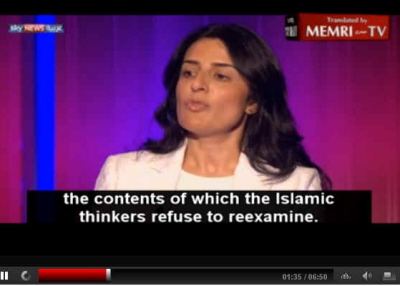
W wywiadzie z 20 listopada dla Sky News Arabia, kuwejcka nauczycielka akademicka i dziennikarka, profesor Ibtihal Al-Khatib, wezwała do pilnego przeanalizowania programów szkolnych. Podkreślając, że ISIS wyłoniło się „z naszych szkół, z naszej ideologii i z ksiąg naszego dziedzictwa” powiedziała: „Albo zreformujemy nasze nauczanie religii i dołączymy do nowoczesnego życia, albo wymrzemy”. Al-Khatib, która jest profesorem języka i literatury angielskiej na uniwersytecie w Kuwejcie, proponowała następnie „całkowite usunięcie edukacji islamskiej z programów szkolnych i zastąpienie jej nauczaniem historii religii”.

Ibtihal Al-Khatib: Przyzwyczailiśmy się do mentalności ofiary i jakoś nauczyliśmy się znajdować w tym przyjemność. Zawsze uważamy, że jesteśmy ofiarami, tymi, których świat atakuje, tymi, przeciwko którym świat spiskuje. Dlatego, kiedy innych spotykają nieszczęścia lub katastrofy, wyrażamy naiwną i dziecinną mściwość. Widzieliśmy to w wypadku samolotu rosyjskiego, który spadł na Synaju i widzieliśmy to znowu po tym, co stało się we Francji. Robimy to, zamiast widzieć sytuację realistycznie.

Dziennikarz: Niektórzy mówią, że usprawiedliwianie terroryzmu jest równoznaczne z terroryzmem. Czy zgadza się pani z tym?

Ibtihal Al-Khatib: Całkowicie. Każda próba usprawiedliwienia lub uprawomocnienia terroryzmu jest ideą terrorystyczną, równie niebezpieczną jak sam czyn terrorystyczny, ponieważ idea i czyn są równie niebezpieczne.

[…]

Uważam, że istnieją wyraźnie krytyczne opinie wobec ISIS, ale równocześnie istnieją silne nastroje popierające ISIS i istnieje sympatia wobec Państwa Islamskiego. Dlatego ISIS rośnie. Nie rośnie w próżni i nie wyłoniło się z próżni. Wyłoniło się z naszych szkół, z naszej ideologii i z ksiąg naszego dziedzictwa, a myśliciele islamscy odmawiają rewizji ich zawartości.

[…]

Jeśli nie poddajesz się reformom, świat na ciebie nie poczeka. Stoimy przed dwiema opcjami. Albo zreformujemy nasz dyskurs religijny i dołączymy do nowoczesnego życia, albo wymrzemy. Naprawdę uważam, że narody w zastoju, które trzymają się kurczowo zasad sprzecznych z postępem cywilizacji, muszą dojść do takiego końca. Takie narody nie przetrwają.

[…]

Nadal jestem marzycielką w sprawie rewolucji Wiosny Arabskiej. Jestem w pełni świadoma, że czekają nas ciężkie czasy, ponieważ, podobnie jak wszystkie inne ludzkie rewolucje, rewolucje arabskie mają wzloty i upadki, i może zabrać im 100 lat, by się ustabilizować i przynieść owoce.

Dziennikarz: Ale wyrosły z nich grupy ekstremistyczne, islam polityczny…

Ibtihal Al-Khatib: To jest cena, którą musimy zapłacić i ze smutkiem mówię, że ciężar będzie większy dla kobiet.

[…]

Dziennikarz: Dr Al-Khatib, po pięciu latach przemocy, w której ster przejęły grupy ekstremistyczne, takie jak ISIS i inne siostrzane organizacje, pewni intelektualiści w Zatoce mówią, że bezpieczeństwo jest ważniejsze od wszystkich innych względów. Kiedy będziemy mieć bezpieczeństwo, możemy zająć się dialogiem, który przyniesie korzyści społeczeństwu. Jakie jest pani zdanie w tej sprawie?

Ibtihal Al-Khatib: Nienawidzę tego całym sercem.

Dziennikarz: Dlaczego?

Ibtihal Al-Khatib: Ten pretekst… Bezpieczeństwo w zamian za wolność, bezpieczeństwo w zamian za wolność słowa… Uważam, że bezpieczeństwo stało się straszydłem używanym do straszenia nas. Zawsze zmuszają nas do wyboru między dwiema opcjami, jedna gorsza od drugiej. Jest tak, jak gdyby młodzież nie potrafiła dać rozwiązania, które byłoby do przyjęcia dla wszystkich.

Dziennikarz: Problem polega na tym, że nie możemy czekać na młodzież. ISIS już jest tutaj.

Ibtihal Al-Khatib: Nie ma wyboru poza cierpieniem i poświęcaniem się. Poddanie się na wpół akceptowalnemu rozwiązaniu doprowadzi do poważnych problemów. Cierpimy z tego powodu już teraz – między młotem a kowadłem.

[…]

Dziennikarz: Czy sądzi pani, że społeczeństwo arabskie dzisiaj jest otwarte na rewizję swojego dyskursu religijnego i ideę odnowienia go?

Ibtihal Al-Khatib: Nie sądzę, by świat arabski miał wybór. Musi odnowić swoją ideologię religijną i zająć się nowymi perspektywami.

[…]

Media społecznościowe otworzyły bramy do wolności, które poprzednio były zakazane. Jak wiemy, wszystko co jest pod wielkim ciśnieniem, przy otwarciu wybucha ci w twarz, ale z czasem zaczyna się stabilizować. Musimy znieść wiele szkód wynikających z otwarcia bramy do nowych wolności, aż sprawy się ustabilizują. Wierzę jednak, że korzyści mediów społecznościowych przeważają nad szkodami.

Dziennikarz: A co z uregulowaniem mediów społecznościowych, choćby tylko jako zabezpieczenie przed ideami ekstremistycznymi i organizacjami terrorystycznymi?

Ibtihal Al-Khatib: Całkowicie to odrzucam, zarówno dlatego, że jest to sprzeczne z pojęciem wolności, jak i dlatego, że jest to niemożliwe do zrealizowania. Nie należy uchwalać prawa, którego nie daje się egzekwować. To byłoby żenujące.

Dziennikarz: Jak pani wie, ISIS rekrutuje wielu młodych mężczyzn z Zatoki poprzez Twitter i inne media społecznosciowe.

Ibtihal Al-Khatib: Istnieje różnica między ideologią a bezpośrednimi groźbami lub bezpośrednim rekrutowaniem przemocą.

Dziennikarz: Grupy ekstremistyczne mogłyby powiedzieć, że to jest ich ideologia.

Ibtihal Al-Khatib: Ideologia jest czymś innym od powodowania obrażeń fizycznych. To oceniają władze porządkowe w każdym z krajów. W Kuwejcie dyskutujemy obecnie o prawie dotyczącym mediów elektronicznych, które ma regulować Twittera, mówiąc dokładnie. Jestem całkowicie przeciwna temu. Nie ma luki prawnej, która wymaga nowego prawa. Nasze prawa zajmują się każdym powodowaniem obrażeń fizycznych.

Dziennikarz: Gdyby grupa ekstremistyczna próbowała wpłynąć na jednego z pani synów, Boże broń, czy zmieniłaby pani zdanie na kwestię regulacji mediów społecznościowych?

Ibtihal Al-Khatib: Mam nadzieję, że nie. Mam nadzieję, że z ideologią będziemy walczyć ideologią. W ostatecznym rachunku płacimy cenę za milczenie przez wiele lat w sprawie pewnych sposobów życia w naszym społeczeństwie. Byliśmy świadkami wzrostu i przenikania bestii religii – nazwijmy to bestią religii politycznej. Widzieliśmy jej wpływ na islamskie program edukacyjne, na media i kanały telewizyjne, które prezentują szejków, i milczeliśmy. Teraz, kiedy szkoda w końcu przyszła i stuka do naszych drzwi, musimy ponosić odpowiedzialność.

[…]

Dziennikarz: Wzywa pani ministrów edukacji, by zmienili program “tu i teraz”. Jak pilna jest potrzeba rozpoczęcia kampanii na rzecz odnowienie programów szkolnych?

Ibtihal Al-Khatib: Musi to być zrobione tu i teraz. Nowe programy to sprawa nie cierpiąca zwłoki.

[…]

Popieram nawet całkowite usunięcie z programów szkolnych edukacji islamskiej i może zastąpienie jej programem o historii religii, żeby poinformować młodych uczniów o historii różnych religii.


twoje uwagi, linki, wlasne artykuly, lub wiadomosci przeslij do: webmaster@reunion68.com



Hungarian Jews protest statue of WWII politician who drafted anti-Semitic laws

Hungarian Jews protest statue of WWII politician who drafted anti-Semitic laws

A member of Hungary’s far-right Jobbik party, delivers a speech to hundreds of far-right supporters during a rally against the World Jewish Congress Plenary Assembly in Budapest May 4, 2013. Photo By: REUTERS
jobbik

Row over statue of Balint Homan, who served as minister of religion and education twice between 1932 and 1942, broke out as Hungary grapples with anti-Semitic past and role it played in Holocaust.

BUDAPEST – Hungary’s Jewish community protested against plans to erect a statue to a politician who played a role in drafting anti-Jewish laws during World War Two, saying on Thursday that it would bring back the “dark and menacing shadow of anti-Semitism”.

The row over a statue to Balint Homan, who served as minister of religion and education twice between 1932 and 1942, broke out as Hungary grapples with its anti-Semitic past and the role it played in the Holocaust despite a thriving Jewish culture.

The right-wing government of Prime Minister Viktor Orban’s Fidesz party last year faced accusations of whitewashing its past when it erected another statue in Budapest depicting Hungarians as victims of World War II.

A private foundation in Szekesfehervar, west of Budapest, wants to put up the statue in honor of Homan, a former historian and politician.

He was a member of Hungary’s parliament representing Szekesfehervar between 1932 and 1944, at a time when hundreds of thousands of Jews perished in concentration camps.

“Balint Homan was a decisive figure of the far-right politics that eventually contributed to the deportation of 600,000 Hungarian Jews,” the Federation of Hungarian Jewish Communities (Mazsihisz) said on Thursday.

“There are some (people) who want to bring the dark and menacing shadow of anti-Semitism to this country,” it said.

Andras Heisler, chairman of Mazsihisz, said they had written to Prime Minister Orban, asking him to prevent the erection of the statue “with all possible legal means.”

“As Hungarian citizens, we protest against the erection of the statue of an anti-Semitic politician in democratic Hungary,” Heisler said.

Homan was jailed for life after the war for backing the declaration of war on the Soviet Union and he died in prison in 1951. A Budapest court in March 2015 posthumously acquitted him of war crimes charges.

The foundation which initiated erection of the statue could not be reached for comment.

Szekesfehervar Mayor Andras Cser-Palkovics was quoted as saying that Homan was being honored because he had done a lot for the city’s development.

“Balint Homan’s activity and role cannot be regarded as faultless … but it is also indisputable that his work, despite all the controversies and mistakes he made, brought a lot of positives in science, in education and also in the development of Szekesfehervar,” the mayor said on the city’s website.

“No one can be judged one-sidedly, as history is not black and white,” he said.


twoje uwagi, linki, wlasne artykuly, lub wiadomosci przeslij do: webmaster@reunion68.com


Hanukkah candle lighting returns to Polish Presidential Palace

Hanukkah candle lighting returns to Polish Presidential Palace

Poland’s President Andrzej Duda lighting a Hanukkah candle alongside Poland’s Chief Rabbi Michael Schudrich in Warsaw, Poland, Dec. 9, 2015. (Czarek Sokolowski/AP Images)

WARSAW, Poland (JTA) — Representatives of the Polish Jewish community lit Hanukkah candles at the Presidential Palace in Warsaw following a one-year hiatus.

The ceremony, which was launched in 2006, was held Wednesday evening. Until 2014, the candle lighting had been held every year since its inauguration.

“It is good that Hanukkah candles were lit again in the Presidential Palace,” Polish-Jewish activist Piotr Kadlcik told JTA. “I hope that the president’s words, the ‘republic of friends,’ is a good sign for Polish Jews and Israel.” Kadlcik did not elaborate on why there was no ceremony last year.

At the ceremony, Polish President Andrzej Duda thanked Israel’s former ambassador to Poland, Shevach Weiss, who “is the symbol of the republic of friends.”

“I would like this Hanukkah candle to shine all over the country giving joy, and warmth, and a sense of community that we all so desperately need,” Duda said. “Let there always be a great hope for the chosen people, for all the Jews in Poland and around the world.”

Duda noted that candle-lighting ceremony was launched by President Lech Kaczynski, who died in 2010.


twoje uwagi, linki, wlasne artykuly, lub wiadomosci przeslij do: webmaster@reunion68.com