Archive | 2016/01/26

Warszawa uczci pamięć ofiar Holokaustu. Sprawdź program uroczystości

Warszawa uczci pamięć ofiar Holokaustu. Sprawdź program uroczystości

  Piotr Halicki


Apel Pamięci, spektakl o ostatniej nocy Janusza Korczaka, zapalenie świec w oknach domów, a także kursujący ulicami stolicy pusty tramwaj oznaczony gwiazdą Dawida. Warszawa po raz kolejny obchodzić będzie Międzynarodowy Dzień Pamięci o Ofiarach Holokaustu, oddając hołd zgładzonym. Znamy już program uroczystości.
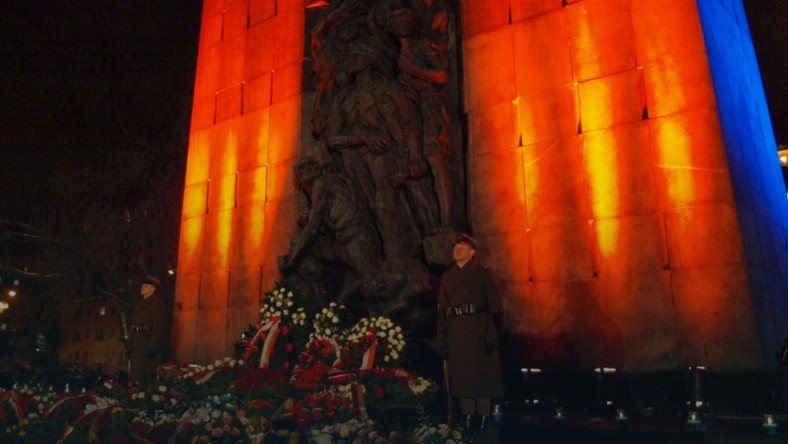
Główne uroczystości odbędą się pod Pomnikiem Bohaterów Getta

Główne uroczystości odbędą się pod Pomnikiem Bohaterów Getta

Międzynarodowy Dzień Pamięci o Ofiarach Holokaustu przypada w środę, 27 stycznia. W tym roku będzie obchodzony już po raz jedenasty. W obchody włączy się również ponownie Warszawa.

Uroczystości w stolicy rozpoczną się 27 stycznia, o godz. 16, przy Pomniku Bohaterów Getta na Muranowie. Wieńce złożą tam m.in. przedstawiciele władz państwowych i samorządowych, organizacji społecznych i religijnych, ambasadorowie oraz harcerze i młodzież szkolna. Ważnym elementem uroczystości będzie modlitwa ekumeniczna, odmówiona przez przedstawicieli różnych wyznań i kościołów, która ma podkreślić duchowy wymiar wydarzenia. Zaplanowano również Apel Pamięci, podczas którego każdy będzie mógł odczytać imiona ofiar Holokaustu, także swoich bliskich.

Po uroczystościach pod pomnikiem, Teatr Żydowski im. Estery Rachel i Idy Kamińskich – Centrum Kultury Jidysz zaprasza na spektakl o ostatniej nocy Janusza Korczaka pt. “Noc całego życia” w reż. Szymona Szurmieja, na podstawie scenariusza Ryszarda Marka Grońskiego. Sztuka rozpocznie się o godz. 18. Informacje o spektaklu i biletach można znaleźć na stronie internetowej teatru.
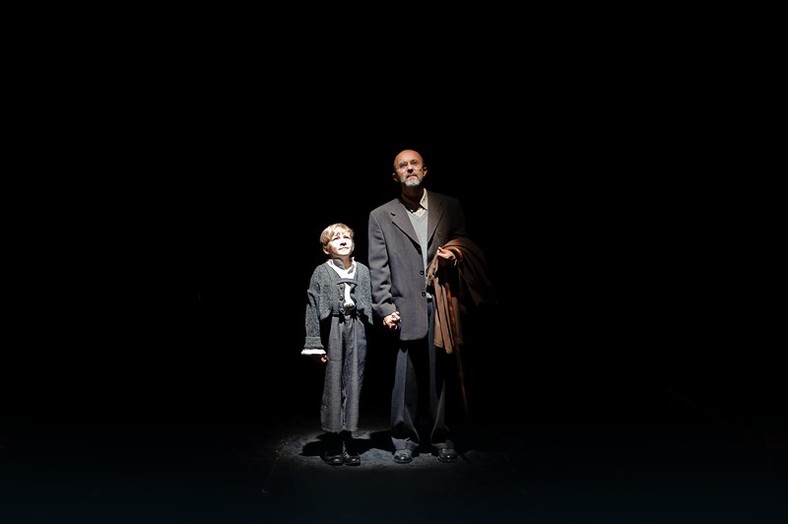
W Teatrze Żydowskim wystawiony zostanie spektakl o ostatniej nocy Janusza Korczaka

W Teatrze Żydowskim wystawiony zostanie spektakl o ostatniej nocy Janusza Korczaka

Fundacja Shalom, która jest głównym organizatorem obchodów Międzynarodowego Dnia Pamięci o Ofiarach Holokaustu, po raz kolejny prosi o zapalenie świec w oknach domów. Fundacja apeluje, by to symboliczne “światło pamięci” pojawiło się w nich o godz. 18. Ma to być wyrazem solidarności z milionami niewinnych ofiar Zagłady oraz znakiem nadziei na poszanowanie życia ludzkiego. Akcja ma charakter ogólnopolski. Zyskała poparcie przedstawicieli Kościoła katolickiego oraz innych wyznań.

Światło Pamięci można także zapalić w internecie, korzystając z portalu społecznościowego Facebook. Wystarczy z profilu Fundacji Shalom – https://www.facebook.com/fundacja.shalom/ – pobrać zdjęcie przedstawiające zapaloną świecę w oknie i zamieścić na swojej tablicy.

Ponadto w środę, 27 stycznia, na ulice stolicy wyjedzie zabytkowy tramwaj oznaczony gwiazdą Dawida. Pusty pojazd będzie symbolizować tramwaj kursujący w getcie warszawskim. Ma on przypomnieć mieszkańcom stolicy o żydowskich sąsiadach, którzy zginęli w obozach zagłady i w gettach. Tramwaj, w godz. w godz. 12-18, będzie kursować trasą: pl. Narutowicza – Filtrowa – Nowowiejska – Marszałkowska – Andersa – Stawki – al. Jana Pawła II – Popiełuszki – Metro Marymont – Popiełuszki – al. Jana Pawła II – Okopowa – Towarowa – pl. Zawiszy – pl. Narutowicza.
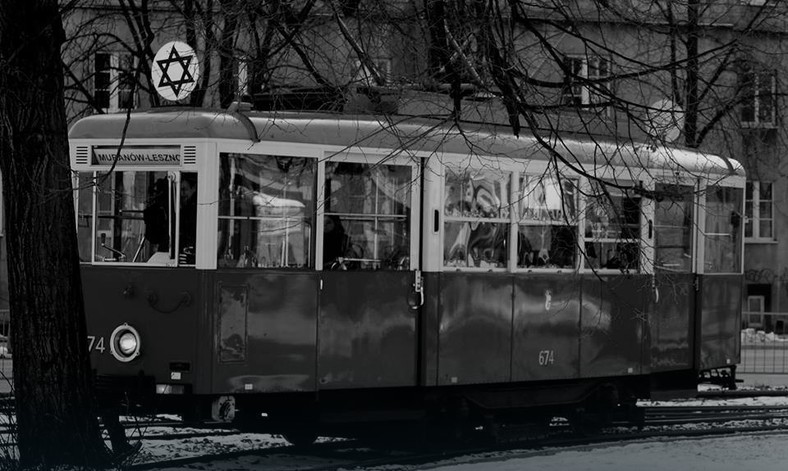
Na ulice stolicy wyjedzie zabytkowy tramwaj oznaczony gwiazdą Dawida

Na uroczystości zaprasza Fundacja Shalom. Współorganizatorami wydarzeń są Stołeczna Estrada, Tramwaje Warszawskie oraz Teatr Żydowski im. Estery Rachel i Idy Kamińskich – Centrum Kultury Jidysz.

Holokaust to zagłada milionów europejskich Żydów i przedstawicieli innych grup ludności, dokonana w czasie II wojny światowej, przez nazistów z III Rzeszy i ich sojuszników. Szacuje się, że łącznie w wyniku tego ludobójstwa zginęło nawet 11 mln osób, w tym sześć milionów Żydów. Jedna trzecia tej liczby, czyli blisko dwa miliony, to dzieci. Wśród ofiar Holokaustu Polscy Żydzi stanowią, według różnych szacunków, od 2,6 do 3,3 mln osób.


twoje uwagi, linki, wlasne artykuly, lub wiadomosci przeslij do: webmaster@reunion68.com


Art from the Holocaust: 100 Works from the Yad Vashem Collection

Art from the Holocaust: 100 Works from the Yad Vashem Collection

Bedřich Fritta (Friedrich Taussig) (1906–1944)
Rear Entrance, Theresienstadt Ghetto, 1941–1944

New Exhibition at the German Historical Museum in Berlin to open with the participation of Chancellor Angela Merkel

(Jerusalem, January 14, 2016) On January 25, 2016, Yad Vashem will be opening a new exhibition at the German Historical Museum in Berlin. The exhibition, “Art from the Holocaust: 100 Works from the Yad Vashem Collection,” is its largest-ever presentation of artwork from the Yad Vashem Art Collection outside of Israel and will be featured in three languages: German, English and Hebrew.

The exhibition is a collaborative effort between the Bonn-based Foundation for Art and Culture, the German Historical Museum and Yad Vashem – the World Center for Holocaust Remembrance in Jerusalem. The project was initiated by the German national daily BILD media partner and the Foundation for Art and Culture.

The exhibition, which has been jointly curated by Eliad Moreh-Rosenberg from Yad Vashem and Prof. Dr. Walter Smerling on behalf of the Foundation for Art and Culture, is part of the official events surrounding International Holocaust Remembrance Day and also represents the culmination of events marking 50 years since the establishment of German-Israeli diplomatic relations. The exhibition will be on display from January 26- April 3, 2016.

Chancellor of Germany H.E. Angela Merkel will participate at the Inauguration Ceremony at the German Historical Museum on January 25, 2016 together with Yad Vashem Chairman Avner Shalev, as well as Prof. Dr. Alexander Koch, President of the German Historical Museum and Kai Diekmann, Board Member of the Foundation for Art and Culture & Editor-in-Chief of the BILD.

The exhibition features artwork from 50 artists – all but one of whom were Jewish – 24 of whom were murdered by the Nazis and their collaborators. Despite the appalling conditions in which they found themselves and the daily struggle to survive, the artists overcame the paucity of materials with inventiveness, and through their creativity reasserted their individuality and their will to live. The artworks are classified into different themes such as portraits, transcendence and reality, and range from depictions of the daily atrocities faced in the camps to the evocation of an idyllic counter-reality. In portraying their brethren, the Jewish artists were able to commemorate them for future generations, thus defying the Nazis process of dehumanization and annihilation. Beyond the variety of approaches, the different styles and the multiplicity of themes evoked, all the artworks testify to the power of the human spirit that refused to surrender.

A selection of the artworks featured in the exhibition can be viewed online on Yad Vashem’s website.

The exhibition is made possible through the sponsorship of Daimler AG and the Deutsche Bank AG. The catalogue accompanying the exhibition is published by the Wienand Verlag, Cologne.


twoje uwagi, linki, wlasne artykuly, lub wiadomosci przeslij do: webmaster@reunion68.com


Archaeologists Here Uncovered Something Nazis Were Hoping Nobody Would Find (Photo)

Archaeologists Here Uncovered Something Nazis Were Hoping Nobody Would Find (Photo)

Charles Roberts


gravesArchaeologists have discovered hidden gas chambers underneath the ground at a Nazi death camp in Sobibor, Poland, and estimate that a quarter of a million Jews were killed there during the Holocaust.

After an uprising at the camp in 1943, Nazi troops attempted to erase all traces of its existence. The gas chambers there were buried and a road was placed on top, and now, archaeologists have discovered the remains.

“Finally, we have reached our goal — the discovery of the gas chambers,” said archaeologist Yoram Haimi. “We were amazed at the size of the building and the well-preserved condition of the chamber walls.”


Haimi says that two of his uncles were killed at that very death camp, and archaeologists say they discovered a number of personal items from the site, including a wedding band with the inscription, “Behold, you are consecrated unto me.”

Wojciech Mazurek, another archaeologist involved in the shocking discovery, explained how the Nazis used the gas chambers to execute mass amounts of people.

“The extermination of people took place there; murder by smoke from an engine that killed everyone within 15 minutes in these gas chambers, in torment, shouting,” Mazurek said. “It is said that … the Nazis even bred geese in order to drown out these shouts so that prisoners could not have heard these shouts, these torments.”

Reports say that only 50 Sobibor prisoners, out of the 300 that were a part of the uprising, were alive by the time that World War II ended.


Sources: The Blaze, Huffington Post, RT


twoje uwagi, linki, wlasne artykuly, lub wiadomosci przeslij do: webmaster@reunion68.com
