Archive | June 2021

Spotkanie autorskie wokół książki Jaffa Schatza ‘Pokolenie. Wzlot i upadek polskich Żydów komunistów’ – obejrzyj nagranie


Spotkanie autorskie wokół książki Jaffa Schatza ‘Pokolenie. Wzlot i upadek polskich Żydów komunistów’ – obejrzyj nagranie

Żydowski Instytut Historyczny


Radykalizm i radykałowie rodzą się w społeczeństwach nacechowanych napięciami, niesprawiedliwością i dyskryminacją. Chciałem ten temat opisać, kiedy świadkowie jeszcze żyli, ocalić przed zapomnieniem i przed fałszowaniem. Losy tego pokolenia dostarczają fantastycznego materiału dla wszystkich nauk społecznych: historii, socjologii, psychologii społecznej, politologii – mówi Jaff Schatz w rozmowie z Heleną Datner (ŻIH). Nagranie spotkania poświęconego książce “Pokolenie. Wzlot i upadek polskich Żydów komunistów” jest już dostępne na kanale YouTube Żydowskiego Instytutu Historycznego.

Jakie czynniki sprawiają, że możemy mówić o członkach ruchu komunistycznego jako o „pokoleniu”? W jaki sposób losy indywidualne stają się ilustracją doświadczeń zbiorowych? Jakie dylematy moralne i problemy praktyczne napotykali żydowscy aktywiści podczas realizacji swoich celów? Jakie etniczne, kulturowe i społeczne czynniki wpływały na nich jako na jednostki oraz kolektyw?

Z Jaffem Schatzem, autorem książki Pokolenie. Wzlot i upadek polskich Żydów komunistów rozmawia dr Helena Datner (ŻIH).

Książka Jaffa Schatza, której oryginalny tytuł brzmi Generation. The Rise and Fall of the Jewish Communists of Poland, trafia po raz pierwszy do rąk polskich czytelników dzięki przekładowi opracowanemu przez Żydowski Instytut Historyczny im. Emanuela Ringelbluma. Mimo ponad dwudziestu lat, które upłynęły od jej premiery za granicą, publikacja pozostaje niezwykle istotną monografią dotyczącą losu Żydów, którzy przystąpili do ruchu komunistycznego w latach 20. i 30., a stali się jego ofiarami trzy dekady później.


Zawartość publikowanych artykułów i materiałów nie reprezentuje poglądów ani opinii Reunion’68,
ani też webmastera Blogu Reunion’68, chyba ze jest to wyraźnie zaznaczone.
Twoje uwagi, linki, własne artykuły lub wiadomości prześlij na adres:
webmaster@reunion68.com


New prehistoric human unknown to science discovered in Israel

New prehistoric human unknown to science discovered in Israel

ROSSELLA TERCATIN


Hebrew U and Tel Aviv University researchers found remains of a new type of ‘Homo’ who lived in the region some 130,000 years ago.
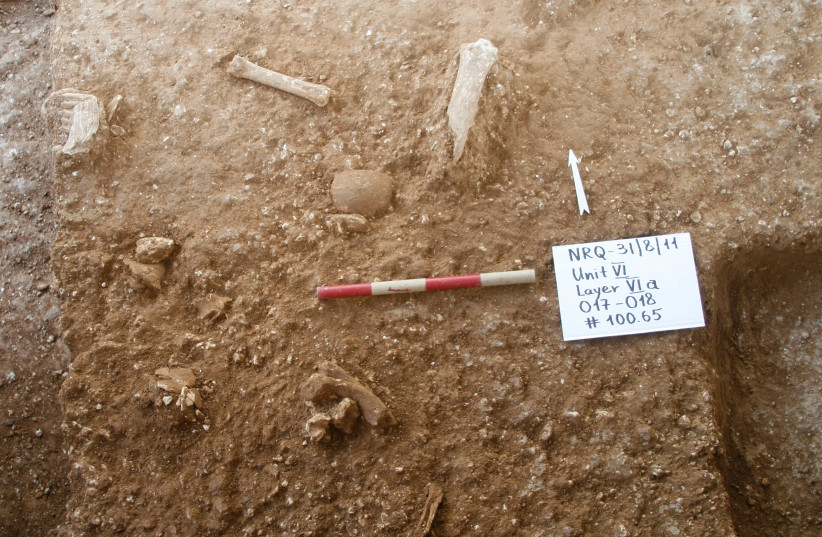
Skull found at the site among other items at Nesher Ramla. / (photo credit: DR. YOSSI ZAIDNER)

A new type of early human previously not known to scientists has been discovered in Israel, Tel Aviv University and Hebrew University researchers announced Thursday as their extraordinary findings appeared in the prestigious academic journal Science.

Researchers believe the new “Homo” species intermarried with Homo sapiens and was an ancestor of the Neanderthals.

Tens of thousands of years ago, the busy central region of what is now a densely populated and traffic-jammed part of Israel, was a landscape that very much resembled the African savanna. It featured rhinos, wild horses and cattle and other large animals that were perfect game for ancient hunter-gatherers.

The site of Nesher Ramla, a few kilometers from the modern-day city, was probably close to a water reservoir where early humans could hunt animals. Today, the dig site is filled with many animal bones, stone tools for making fire and butchering, and human bones, including skulls, TAU anthropologist Prof. Israel Hershkovitz said.

.
“We know that modern humans – or Homo sapiens – arrived in this area some 200,000 years ago,” he said. “When we started excavating and examining the different archaeological layers, we found that they dated back between 140,000 and 120,000 years ago, so we expected to find remains of Homo sapiens. We did not realize that another form of human was living alongside them.”

The site was discovered during a salvage excavation led by Hebrew University archaeologist Dr. Yossi Zaidner at the Nesher cement plant. Israeli law demands that a salvage excavation be carried out alongside any new construction project.
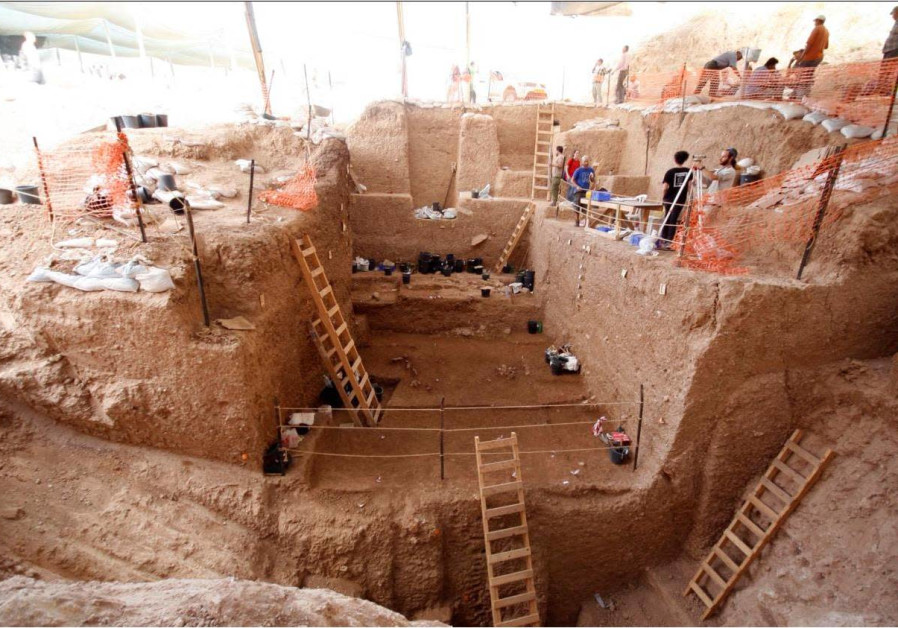
Thick archaeological layers uncovered during the dig at Nesher Ramla. (Photo credit: Dr. Yossi Zaidner)

“This is an extraordinary discovery,” said Zaidner. “We never imagined that alongside Homo sapiens, archaic Homo roamed the area so late in human history.”

The researchers believe that the newly discovered human type, which they named after the site, lived in the region hundreds of thousands of years ago and at least until 130,000 years ago.
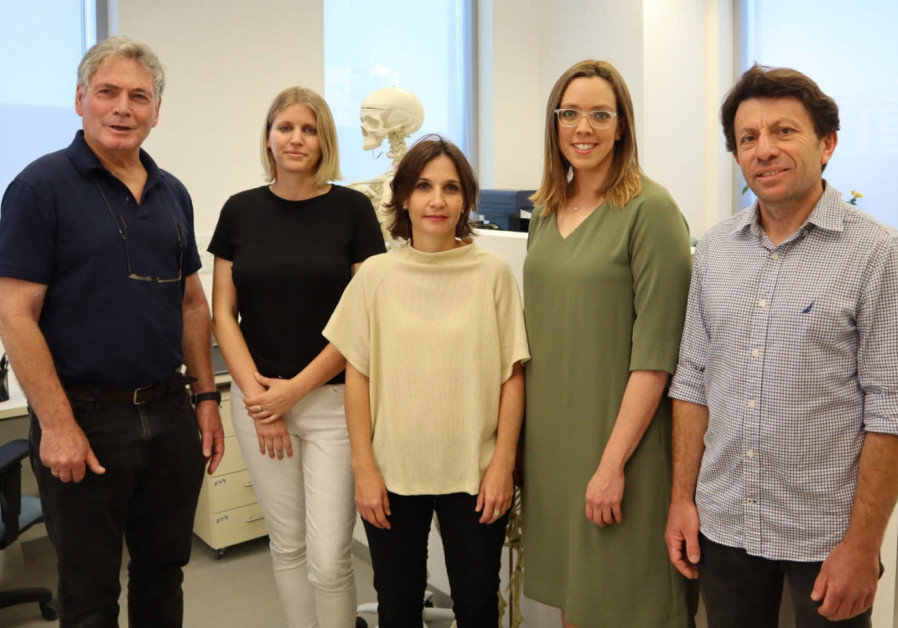
The Nesher Ramla research team (Left to Right): Israel Hershkovitz, Marion Prevost, Hila May, Rachel Sarig and Yossi Zaidner. (Photo credit: Tel Aviv University)

Hershkovitz said it took a long time to determine that the bones they found indeed belonged to a hitherto unknown species.
“There was no ‘eureka’ moment,” he noted.

But the findings may radically change what researchers have so far believed about how ancient populations evolved and interacted, including how sapiens and Neanderthal, other ancient human types, related to each other.

“We have shown that contrary to what was previously believed, the Neanderthals are not a European story, but very much a story of the Levant,” he said.

Researchers believe the Nesher Ramla was an ancestor of the Neanderthals and other archaic Asian populations.

“Previously, it was thought that Neanderthals arrived in [what is now] Israel around 70,000 to 50,000 years ago from Europe,” Hershkovitz remarked. “However, now we are talking about a population living here some 130,000 years ago.”

Some features of the remains, like the teeth and the jaws, were more similar to Neanderthal species, while the skulls resembled the Homo type. But something did not make sense.
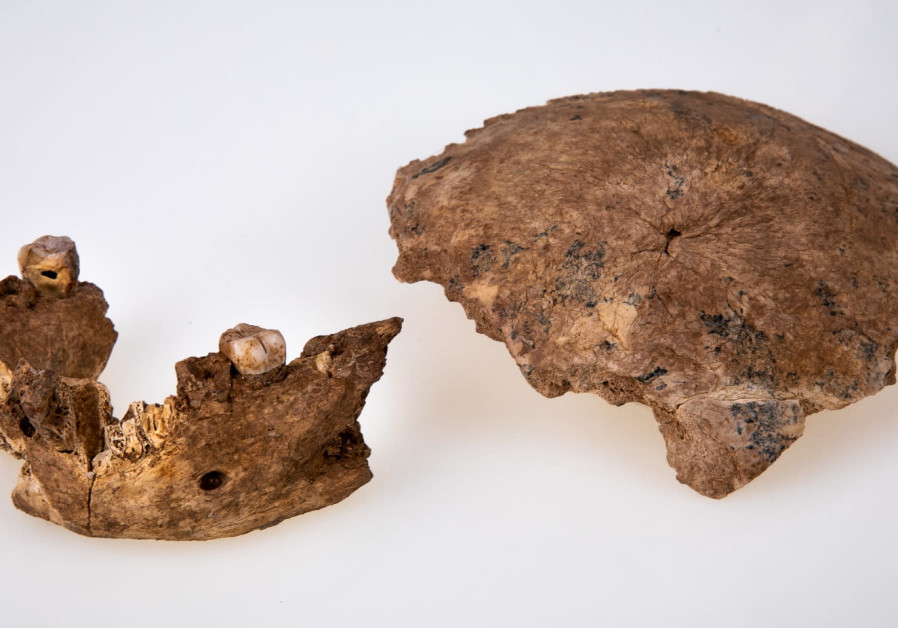
Fossil remains of skull and jaw found at Nesher Ramla. (Photo credit: Tel Aviv University)

When the researchers understood that the bones they had retrieved did not belong to either a Neanderthal or a Homo sapiens, they started to examine the possibility that they belonged to the last survivors of a more archaic population that they thought had become extinct hundreds of thousands of years earlier.

“We started to look for other members of this population, and we discovered that some fossils previously unearthed at other prehistoric sites in Israel, including the Qesem cave, belonged to the same group,” Hershkovitz said.

“We therefore realized that we were dealing with a huge population that lived in the region, and probably also migrated in different directions, including in Asia and in Europe and later became the humans we know as Neanderthal.”

According to Hershkovitz, Nesher Ramla Homo and Homo sapiens not only coexisted peacefully and exchanged technology, but also produced offspring.

“They engaged culturally and biologically,” he said. “In Europe, the story was very different because when modern humans arrived there around 45,000 years ago, they completely eliminated the local Neanderthals. This did not happen here.”

“We think that some later fossils we found in several caves dating back to 100,000 years ago probably belonged to offspring of sapiens and Nesher Ramla,” he added.

For example, in the Qafzeh cave in the Lower Galilee, archaeologists found the remains of several humans presenting the features of both species, some closer to the sapiens, some to the Nesher Ramla.

“It is similar to what happens when we see that certain children look more like their mother and some look more like their father,” Hershkovitz noted.
The scientists were not able to extract any DNA from the fossils.

“Warm weather destroys DNA,” Hershkovitz said. “In Israel, we have not been able to find any preserved DNA from earlier than 15,000 years ago.”

For this reason, the researchers’ conclusions are based on the morphology of the bones found.

“People think in paradigms,” said TAU Dr. Rachel Sarig. “That’s why efforts have been made to ascribe these fossils to known human groups like Homo sapiens, Homo erectus, Homo heidelbergensis or the Neanderthals. But now we say: No. This is a group in itself, with distinct features and characteristics.”

In the past, geneticists had already suggested that an unknown population represented the missing link between sapiens and Neanderthal, as pointed out by another researcher, Dr. Hila May. The Nesher Ramla population could represent the answer.

“As a crossroads between Africa, Europe and Asia, the Land of Israel served as a melting pot where different human populations mixed with one another, to later spread throughout the Old World,” she added. “The discovery from the Nesher Ramla site writes a new and fascinating chapter in the story of humankind.”

Zawartość publikowanych artykułów i materiałów nie reprezentuje poglądów ani opinii Reunion’68,
ani też webmastera Blogu Reunion’68, chyba ze jest to wyraźnie zaznaczone.
Twoje uwagi, linki, własne artykuły lub wiadomości prześlij na adres:
webmaster@reunion68.com


News From Israel- Jun. 24, 2021

News From Israel- Jun. 24, 2021

ILTV Israel News


New Coronavirus cases reaching over 100 for the third day in a row

Israeli foreign minister Yair Lapid announces first official visit to Rome to meet with the US Secretary Of State

The Latest On Iran – The Attack On Its Nuclear Facility And The Ongoing Negotiations


Zawartość publikowanych artykułów i materiałów nie reprezentuje poglądów ani opinii Reunion’68,
ani też webmastera Blogu Reunion’68, chyba ze jest to wyraźnie zaznaczone.
Twoje uwagi, linki, własne artykuły lub wiadomości prześlij na adres:
webmaster@reunion68.com


Spełnimy i zrozumiemy [komentarz do parszy Miszpatim]

Gustave Dore/ Wikipedia


Spełnimy i zrozumiemy [komentarz do parszy Miszpatim]

RABIN JONATHAN SACKS


PARSZA MISZPATIM 22 LUTEGO 2020/ 27 SZWAT 5780

Fraza, która pojawia się na końcu parszy Miszpatim – naase we-niszma, „spełnimy i usłuchamy” – jest jedną z najbardziej znanych w całym judaizmie. Tymi słowami Izraelici przyjęli przymierze na Synaju. Stoją one w zupełnej sprzeczności do skarg, grzechów i aktów buntu, których w historii wędrówki przez pustynię jest tak wiele.

Według tradycji talmudycznej Bóg musiał zawiesić górę nad głowami Izraelitów, żeby przekonać ich do przyjęcia Tory (Szabat 88a, Awoda zara 2b). Zgodnie jednak z analizowanym wersetem Żydzi przyjęli przymierze dobrowolnie i z entuzjazmem:

I wziął księgę przymierza [Mojżesz] i przeczytał przed uczy ludu; i rzekli: Wszystko co powiedział Wiekuisty spełnimy i usłuchamy” (Szemot 24:7).

Na jego podstawie wykształciła się inna talmudyczna tradycja, zgodnie z którą Izraelici, wygłaszając te słowa, mieli urosnąć do rangi aniołów.

Rabi Simlaj mówi, że gdy Izraelici pospiesznie powiedzieli „spełnimy” zamiast powiedzieć najpierw „usłuchamy”, z nieba zstąpiło sześćdziesięciu aniołów i włożyło na głowę każdego z nich po dwie korony – jedną w nagrodę za „zrobimy” i jedną za „usłuchamy”.

Rabi Eliezer mówi, że gdy Izraelici pospiesznie powiedzieli „spełnimy” zamiast powiedzieć najpierw „usłuchamy”, dało się usłyszeć Boski głos, który mówił: Kto objawił Moim dzieciom tę tajemnicę, którą znają tylko aniołowie? (Szabat 88a).

Ale co właściwie oznaczają te słowa? Naase – zrobimy – jest jasne. Mówi o wykonaniu jakiejś czynności, zachowaniu się w pewien szczególny sposób. Mniej konkretne jest jednak znaczenie drugiego czasownika. Niszma może oznaczać „usłyszymy” lub „będziemy posłuszni”, a także „zrozumiemy”. W ten sposób frazę naase we-niszma można odczytać na kilka sposobów:

1] Według Talmudu i Rasziego oznacza ona „uczynimy i usłyszymy”. W ten sposób Izraelici mieli zadeklarować całkowitą wiarę w Boga, ponieważ zaakceptowali przymierze, zanim jeszcze poznali jego wszystkie warunki. To piękna interpretacja, ale zakłada odczytanie rozdziału dwudziestego czwartego poza kolejnością. Zgodnie z chronologią zdarzeń Izraelici najpierw godzą się na przymierze (Szemot 19:8), następnie Bóg przekazuje im Dziesięć Przykazań (Szemot 20), a na końcu Mojżesz objaśnia wiele szczegółowych praw (Szemot 21-23). Dopiero wtedy, znając już znaczną część Tory, Izraelici mówią naase we-niszma.

2] „Wykonamy [powierzone nam do tej pory zadania] i będziemy przestrzegać [wszystkich przyszłych przykazań]” – tak odczytuje frazę Raszbam. W swojej obietnicy Izraelici biorą więc pod uwagę zarówno przeszłość, jak i przyszłość. Rozumieją, że są na pewnym etapie zarówno fizycznej, jak i duchowej wędrówki i mogą nie znać jeszcze wszystkich szczegółów prawa. Szma nie oznacza tutaj „usłyszeć”, ale „usłuchać” – lojalnie reagować.

3] „Będziemy postępować usłusznie” – to tłumaczenie Sforno. W tej interpretacji słowa naase i niszma tworzą hendiadys – figurę retoryczną przedstawiającą jedno pojęcie za pomocą dwóch wyrazów. Izraelici obiecali zrobić wszystko, co rozkaże im Bóg, nie dlatego, że chcieli coś na tym zyskać, ale ponieważ chcieli spełnić Jego wolę. To On ocalił ich od niewoli, prowadził przez pustynię i karmił. Chcieli okazać swojemu odkupicielowi i prawodawcy oddanie i lojalność.

4] „Uczynimy i zrozumiemy” – tłumaczenie Izaaka Aramy. Podobnie jak w słowach Boga z historii o wieży Babel – „Oto zstąpmy, a pomieszajmy tam mowy ich, aby nie zrozumieli [jiszmeu] jeden mowy drugiego” (Be-reszit 11:7) – szema może oznaczać „rozumieć”. Według tej interpretacji Izraelici stawiają czynne robienie nad biernym rozumieniem, dając tym samym wyraz głębokiej filozoficznej prawdzie. Pewne rzeczy możemy zrozumieć tylko w działaniu. Tylko przewodząc, można zrozumieć przywództwo; pisanie – tworząc teksty; a muzykę, słuchając melodii. To rzeczy, których nie można nauczyć się z książek. Podobnie jest z wiarą. Nie możemy naprawdę zrozumieć judaizmu, nie przestrzegając przykazań. Działanie prowadzi do zrozumienia.

Zgłębiając tę interpretację, możemy zrozumieć coś jeszcze istotniejszego. Jeśli uważnie wczytamy się w dziewiętnasty i dwudziesty czwarty rozdział księgi Szemot, zauważymy, że Izraelici przyjęli przymierze trzy razy. Jednak trzy wersety, które o tym mówią, znacząco się od siebie różnią:

I odpowiedział cały lud razem, mówiąc: Wszystko, co rzekł Wiekuisty uczynim [naase]! (Szemot 19:8).
I przyszedł Mojżesz i opowiedział ludowi wszystkie słowa Wiekuistego i wszystkie prawa; i odpowiedział cały lud jednogłośnie, mówiąc: „Wszystkie słowa, które wyrzekł Wiekuisty spełnim [naase]!” (Szemot 24:3).
I wziął księgę przymierza [Mojżesz] i przeczytał przed uczy ludu; i rzekli: Wszystko co powiedział Wiekuisty spełnimy i usłuchamy [naase we-niszma]” (Szemot 24:7).

Tylko trzeci werset zawiera wspomnianą frazę. I tylko w nim nie ma wzmianki o jednomyślności Izraelitów. Czy te różnice są ze sobą jakoś powiązane?

To bardzo możliwe. Na poziomie naase – żydowskiego działania – jesteśmy jednogłośni. Oczywiście istnieją różnice między Żydami aszkenazyjskimi i sefardyjskimi. W każdym pokoleniu dochodzi też do napięć między poskim – autorytetami w świecie halachy. Dotyczy to każdego systemu prawnego. Sprawiedliwe sądy zawsze pozostawiają miejsce na odmienne opinie. Różnice te są jednak niewielkie w porównaniu do sporów o podstawy halachy.

Żydowskie prawo zjednoczyło niegdyś cały naród. Judaizm jest społecznością prawa i czynu. Właśnie ta dziedzina najbardziej potrzebuje konsensusu. Dlatego w kwestii „czynienia” – naase – Izraelici byli jednogłośni. Mimo różnicy poglądów między Hilelem a Szamajem, Abaje i Rabą, Rambamem i Roszem, Josefem Karo i Mosze Isserlesem, wszystkich ich łączyła choreografia żydowskich przykazań.

Na poziomie rozumienia – niszma – nie jesteśmy jednak tacy sami. Judaizm miał swoich racjonalistów i mistyków, filozofów i poetów, uczonych, stąpających twardo po ziemi, i świętych, których dusze wzniosły się ku niebiosom. Mędrcy twierdzili, że na Synaju każdy doświadczył objawienia na swój własny sposób:

„A lud cały widział” (Szemot 20:15): gromy i płomienie i głos trąby. Jak wiele było tam głosów i jak wiele płomieni? Oznacza to, że każdy słyszał i widział podług swoich możliwości (zrozumienia tego, czego każdy z nich doświadczył). I to oznaczają słowa: „Głos Boży w potędze; głos Boży w majestacie” (29:4) (Mechilta 20:15b).

To, co łączy Żydów – a przynajmniej powinno – to działania, a nie przekonania. Wykonujemy te same czynności, chociaż coś innego one dla nas znaczą. Między naase i niszma panuje zgoda. To miał na myśli Majmonides, pisząc w komentarzu do Miszny: „Gdy między Mędrcami dochodzi do sporu i nie dotyczy on działań, ale wyłącznie opinii (sewara), nie należy wydawać halachicznej decyzji na rzecz jednej ze stron” (kom. do Miszny, Sanhedryn 10:3).

Nie oznacza to, że w judaizmie nie zdarzają się twarde poglądy. W najprostszym ujęciu (według Raszbama, Josefa Albo i Franza Rosenzweiga) jego postawę tworzy wiara w trzy rzeczy: stworzenie, objawienie i odkupienie. Trzynaście zasad wiary Majmonidesa rozwija tę strukturę. We wstępie do Siduru wykazałem również, że na tych trzech elementach zbudowany jest wzór żydowskiej modlitwy.

Wiara w stworzenie oznacza patrzenie na wszechświat jako na dzieło Boskiej kreacji. Oświecenie to wiara w to, że Tora jest słowem Bożym. Odkupienie oznacza postrzeganie historii jako Bożego czynu i Jego wezwania do działania. Jednak między tymi rozległymi pojęciami każdy z nas – prowadzony przez mędrców z przeszłości i współczesnych nauczycieli – musi odnaleźć swoje własne zrozumienie Tory i własną drogę do Boga.

Judaizm to zarówno przekonania, jak i uczynki. Powinniśmy pozwolić innym na swobodę rozumienia wiary swoich przodków. Polowanie na herezję jest nieszczęsnym zajęciem. Jedną z największych ironii w żydowskiej historii jest fakt, że Majmonides, który najbardziej ze wszystkich przyczynił się do sprowadzenia halachy do poziomu dogmatu, stał się pierwszą ofiarą tej doktryny. Za życia oskarżano go o herezję, a po śmierci palono jego książki.

„Uczynimy i zrozumiemy” oznacza: będziemy czynić tak samo, ale rozumieć inaczej. Wierzę, że uczynki nas jednoczą, pozostawiając przestrzeń do znalezienia własnej drogi do wiary.

Tłumaczenie: Jolanta Różyło © CHIDUSZ 2019


Zawartość publikowanych artykułów i materiałów nie reprezentuje poglądów ani opinii Reunion’68,
ani też webmastera Blogu Reunion’68, chyba ze jest to wyraźnie zaznaczone.
Twoje uwagi, linki, własne artykuły lub wiadomości prześlij na adres:
webmaster@reunion68.com


Left in US slides into acceptance of antisemitism

Left in US slides into acceptance of antisemitism

Jonathan S. Tobin


Banning an Israeli food truck at a Philadelphia event shocked some Jewish leftists. But why? Their acceptance of anti-Israel hate has inevitably led to such prejudice.

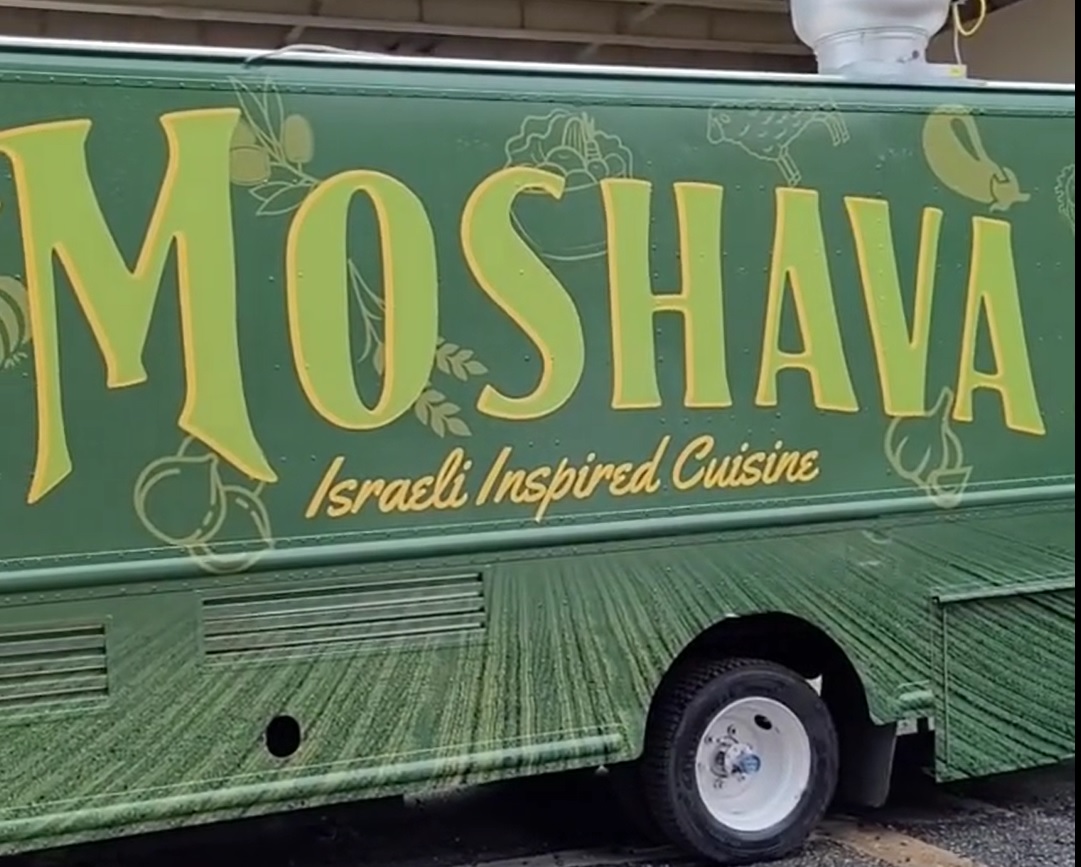
The Moshava food truck in Philadelphia. (Screenshot)

As far as some of Israel’s most vicious critics were concerned, it was the sort of thing that gave their critiques of Zionism a bad name. It was difficult to pretend that the decision of organizers of a Philadelphia food festival to disinvite an Israeli-owned food truck from participating was rooted in anything other than prejudice against Israel and Jews.

Those who run the “Taste of Home” event that had been scheduled to take place in the Kensington section of the City of Brotherly Love thought they were being prudent when they told the owners of the Moshava food truck not to show up after hearing “concerns from the community that we love and serve” about its presence. Those “concerns” reportedly included possible protesters and threats of violence.

The festival was meant to celebrate the cuisine of international communities, and the Moshava truck, which was founded by Israeli chef Nir Sheynfeld, qualified for inclusion and had previously appeared at similar gatherings. But in the activist circles that frequent some food festivals, anything identified with Israel makes some people feel “unsafe,” which ironically is a feeling usually expressed in actions designed to make Jews feel unwelcome, threatening their safety.

Unfortunately for the nonprofits behind the festival, the story about the exclusion of the Israeli truck quickly spread to the media and generated a justified storm of criticism. It was rightly called out as an indefensible ouster of the representative of one immigrant food culture that just happened to be Jewish and Israeli. In the end, organizers felt they had no choice but to cancel the entire event rather than be labeled as open anti-Semites.

That might be represented as a good outcome in that at least it showed that those who seek to boycott Israel and Jews couldn’t get away with behaving in such an overtly biased manner. Anyone who doubts, however, that the threats of violence aimed at the festival were real needs to think about why they just didn’t walk back the ban and re-invite the Israeli food truck. Had they done so, the event, which no doubt many people were looking forward to, could have still been held.

As The Philadelphia Inquirer reported, the backstory was that similar events had also included a truck selling Arab food. But when the Arab-owned truck couldn’t make it to this particular festival, the idea of having an Israeli outlet there without its supposed counterpart might not have been tolerated by their “community.” It’s also likely that after weeks of anti-Israel incitement triggered by the Jewish state’s attempts to defend its citizens against 11 consecutive days of rocket fire from Hamas in Gaza, even a culinary version of a two-state solution wouldn’t fly.

Among the most interesting reactions to this fiasco was the fact that the same leftist Jews who have been doing their best to attack the Jewish state were also offended by the ban of the Israeli truck. Writer Peter Beinart, who pontificates about Israel and other topics from the pages of The New York Times and the Marxist publication Jewish Currents, used to claim to be a “liberal Zionist,” though officially abandoned that cause last year in favor of a demand for Israel’s abolition and replacement by a “binational state.”

Like others on the left, he’s rarely met an assertion of Jewish rights or self-defense that he isn’t willing to oppose. Even Beinart, however, understood that what happened in Philadelphia was an act of antisemitism. Beinart has tried to straddle the fence when it comes to the antisemitic BDS movement by supporting its goal, if not always its methods; still, victimizing an Israeli cook was one step too far. “Whatever your politics on Israel-Palestine, discriminating against a food truck owner because he’s an American of Israeli descent is antisemitism, pure and simple,” Beinart tweeted.

Also weighing against the Philly foodies was Rabbi Jill Jacobs, the head of T’ruah, a leftist rabbinic organization that has made a significant contribution to the demonization of Israel and the justification of BDS. She tweeted, “For those wondering where the line is between criticizing Israel & antisemitism, this is an example that definitely steps over the line – discriminating against Israeli American Jews solely because of their national origin.”

The fact that most of their social media followers, including those affiliated with the anti-Zionist and antisemitic Jewish Voices for Peace, disagreed with them was interesting. Both were on the receiving end of a backlash in which fellow leftists claimed (not without justification) that there was no moral difference between a BDS movement that targeted Israel and boycotting Jews in the United States. Others also insisted that the exclusion of the food truck was appropriate because – echoing one claim made by Palestinian propagandists – all Israeli food was “cultural appropriation.”

The point being that if you don’t accept that Jews are indigenous to the land of Israel, then their cuisine is also illegitimate, and somehow a knockoff of Palestinian culture, despite the fact that its distinction from neighboring lands and peoples was virtually unknown until it arose as a nationalistic reaction to the growth of the Jewish community there in the 20th century.

It’s utter nonsense that food itself is now being used to try to smear the Jews’ presence in their ancient homeland as a form of colonialism, with “white privilege” a sidebar to the real problem that the Philadelphia incident exposed and which Jewish leftists still don’t understand.

It may be easy, even for the likes of Beinart and Jacobs, to understand that targeting a Jew born in Israel selling the cuisine of his native land for exclusion is antisemitic. Yet once you go along with intersectional myths rooted in critical race theory that falsely label as an “apartheid state,” it isn’t possible to pick and choose among the various expressions of these toxic ideas.

The anti-Israel movement they have encouraged and to no small extent legitimized by giving it expressly Jewish cover is one that isn’t concerned with where Israel’s borders should be placed or whether its policies are correct. Its goal is to eliminate the sole Jewish state on the planet. Once you say it’s OK to target Jews in this fashion, there’s no way to draw careful lines between supposedly acceptable boycotts and acts of delegitimization, and those that you think show bad manners or ill will.

Just as those who approve of anti-Israel rants on the floor of Congress spoken by Reps. Ilhan Omar (D-Minn.), Rashida Tlaib (D-Mich.) and Alexandria Ocasio-Cortez (D-NY), which spread lies and anti-Jewish tropes, can’t be surprised when that leads to violence against Jews in the streets or leftwing activists deciding that won’t tolerate Israeli food at a street fair.

Once you say that Israel can be singled out and judged by double standards, and that Jews alone are to be deprived of rights denied to no one else, there’s no way to avoid heading down the slippery slope of antisemitism. By the time Israeli food sellers are the victims of prejudice, it’s too late for the anti-Zionists to turn back. If you want to prevent further such incidents, the answer isn’t better admission policies or security at food festivals. It involves those who have either acquiesced to the delegitimization of Israel or joined in it to acknowledge the connection between their advocacy and the actions of street thugs.


Reprinted with permission from JNS.org.


Zawartość publikowanych artykułów i materiałów nie reprezentuje poglądów ani opinii Reunion’68,
ani też webmastera Blogu Reunion’68, chyba ze jest to wyraźnie zaznaczone.
Twoje uwagi, linki, własne artykuły lub wiadomości prześlij na adres:
webmaster@reunion68.com