Archive | 2021/06/02

Sienkiewicz rasistą? Żaden dawny autor nie zda egzaminu, któremu poddaje go dzisiejsza wrażliwość

Henryk Sienkiewicz (Fot. domena publiczna)


Sienkiewicz rasistą? Żaden dawny autor nie zda egzaminu, któremu poddaje go dzisiejsza wrażliwość

Maciej Janowski


My na pewno nie zdamy egzaminu, jaki urządzą nam nasi potomkowie, liberalni inteligenci w XXII czy XXIII w. Boję się myśleć, za jakich potworów moralnych nas uznają.

* * *

Pod wpływem niedawnej dyskusji o miejscu „W pustyni i w puszczy” w kanonie lektur szkolnych zacząłem się zastanawiać. Czy Henryk Sienkiewicz był rasistą?

Czy „W pustyni i w puszczy” jest książką rasistowską?

Namysł był krótki, bo odpowiedzi są oczywiste: nie był, nie jest.

Uprzedzenia Sienkiewicza były uprzedzeniami jego czasów

Nie chcę tu bronić Sienkiewicza contre coeur, bo nigdy nie byłem jego specjalnym wielbicielem, nawet w dzieciństwie; nie chcę też bronić „W pustyni i w puszczy”, bo nie jest to ostatecznie najwybitniejsze dzieło polskiej literatury. Chodzi mi o pewne podejście do przeszłości, które mnie niepokoi.

Bo przecież jest jasne, że Sienkiewicz wyposażony był w cały zestaw kulturowych uprzedzeń na temat wyższości białego człowieka, europejskiej kultury etc., jakie były typowe dla inteligenta europejskiego jego epoki. Jest również jasne, że nie był rasistą w sensie biologicznym, bo nowoczesny rasizm jest dziełem nauk biologicznych z pierwszych dekad XX w. O tych naukach Sienkiewicz (rocznik 1846) pewnie niewiele wiedział. Uprzedzenia Sienkiewicza były uprzedzeniami jego czasów i robienie mu z tego powodu zarzutów jest bezsensowne.

Zresztą na tle swoich rówieśników nie był on jakimś strasznym nacjonalistycznym szowinistą.

Był raczej głosicielem lekko bezrefleksyjnego, tradycyjnego, polskiego patriotyzmu, do którego niepostrzeżenie wkradały się coraz silniejsze elementy nowoczesnego nacjonalizmu. Jednak do endeckiej ideologii egoizmu narodowego było mu daleko.

Nie jesteśmy mądrzejsi od naszych przodków

Ale ktoś może zapytać: nawet jeśli to wszystko prawda, nawet jeśli Sienkiewicz (czy jakikolwiek inny dawny autor) nie był rasistą w rozumieniu swojej epoki, to co to może nas dzisiaj obchodzić? Przecież chodzi nam o dzisiejszy odbiór jego książek. Być może powinniśmy zwracać uwagę na to, jaki negatywny wpływ mogą mieć dawne książki dzisiaj, a nie na to, jak należy oceniać poglądy autora na tle jego czasów?

Niby racja – ale w tej racji kryje się pułapka. Wrażliwość moralna z epoki na epokę się zmienia (na lepsze czy na gorsze?). Żaden autor piszący choćby kilkadziesiąt lat temu (a co dopiero dawniej) nie zda egzaminu, któremu poddaje go dzisiejsza wrażliwość, choćby był jak na swoją epokę najbardziej nawet otwarty i pozbawiony uprzedzeń. I vice versa: my również nie zdalibyśmy egzaminu z etyki, jakiemu poddaliby nas ludzie z dawnych epok. A już na pewno nie zdamy egzaminu, jaki urządzą nam nasi potomkowie, liberalni inteligenci w XXII czy XXIII w. (boję się myśleć, za jakich potworów moralnych nas uznają). Co robić w takiej sytuacji? Cenzurować lektury? Wybierać z dawnych autorów tylko te fragmenty, które uznajemy za zgodne z naszymi poglądami? Wydaje mi się to niegodne poważnych ludzi, zwłaszcza zwolenników wolności słowa. Można usunąć z list lektur absolutnie wszystko – nie tylko Sienkiewicza – to jednak byłby absurd. Taka postawa, w której poddajemy dawnych autorów bezwzględnej kontroli pod kątem naszych współczesnych poglądów, jest w istocie przejawem niesłychanego zadufania.

To tak, jakbyśmy mówili: patrzcie, o ile mądrzejsi, o ile lepsi moralnie jesteśmy od tych wszystkich dawno zmarłych.

Muszę przyznać, że ja nigdy jakiejkolwiek wyższości umysłowej czy moralnej nad ludźmi dawnych epok nie odczuwałem. Są elementy uprzedzeń etnicznych, genderowych czy innych u Szekspira, Dantego, Homera? Pewnie, że są, i co z tego? Mamy ich nie przekładać, nie wznawiać, nie czytać? Czy naprawdę nie ma u nich niczego poza uprzedzeniami?

Zaproszenie do dyskusji

A można przecież postąpić inaczej. Można czytać dawne teksty z maksymalną życzliwością, szukając w nich przede wszystkim tego, co dziś jeszcze wydaje nam się wartościowe (jest tego wiele, również u Sienkiewicza). A co z fragmentami, które budzą nasz sprzeciw? Mogą się one stać – i tutaj jest miejsce dla dobrego nauczyciela polonisty – zaproszeniem do dyskusji. Dyskusji, której celem ma być nie pognębienie autora i ukazanie naszej wyższości, lecz zrozumienie poglądów człowieka z innej epoki. Nawiasem mówiąc, u Sienkiewicza głównym tematem takiej dyskusji w moim przekonaniu powinno być nie tyle „W pustyni i w puszczy”, ile obraz stosunków polsko-ukraińskich w „Ogniem i mieczem”. Wiem dobrze, że obecna polityka oświatowa nie sprzyja ani ciekawym dyskusjom w szkole, ani dobrym nauczycielom; ale przecież kiedyś się to zmieni.


Maciej Janowski – historyk, zajmuje się dziejami Polski i Europy w XIX w.


Zawartość publikowanych artykułów i materiałów nie reprezentuje poglądów ani opinii Reunion’68,
ani też webmastera Blogu Reunion’68, chyba ze jest to wyraźnie zaznaczone.
Twoje uwagi, linki, własne artykuły lub wiadomości prześlij na adres:
webmaster@reunion68.com

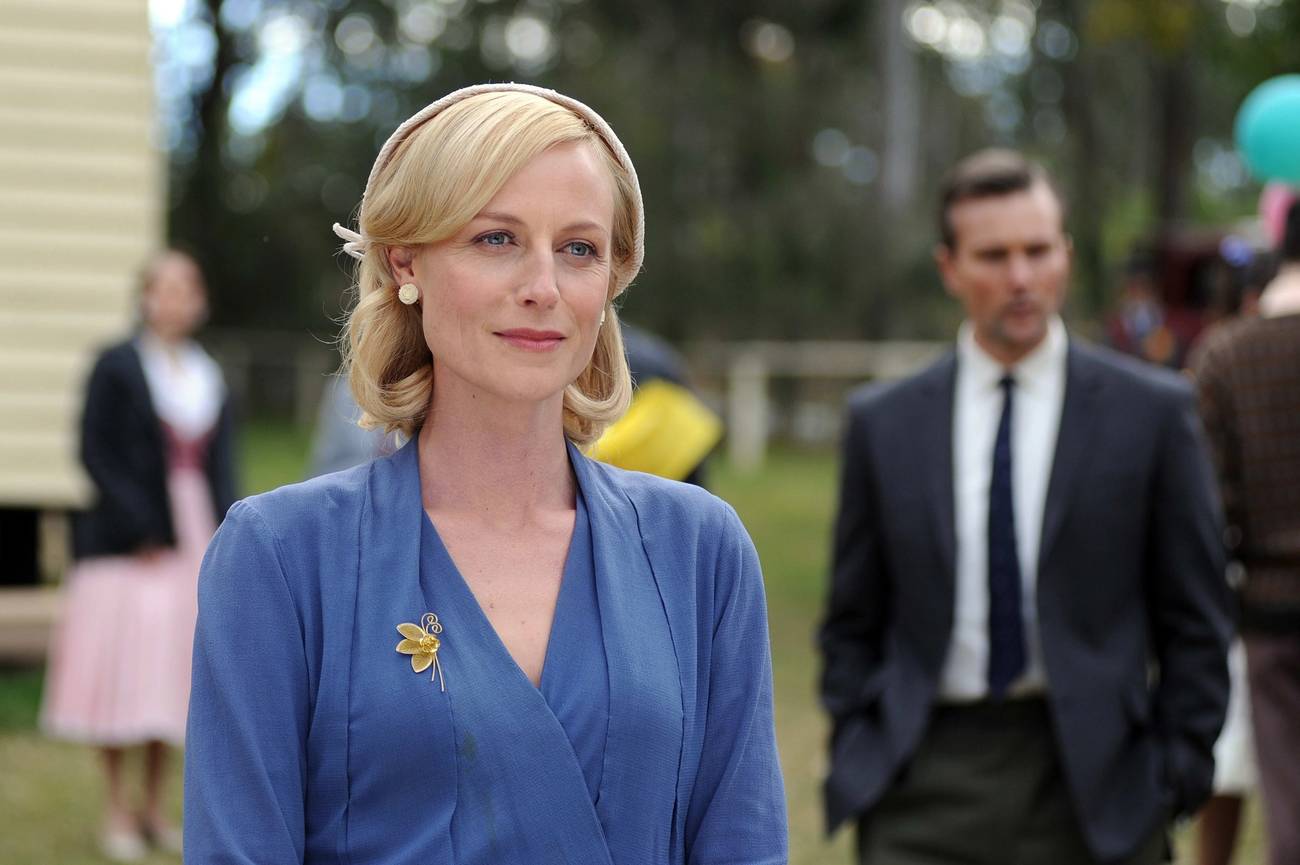

A Place to Call Home

A Place to Call Home

MICHAEL OREN


ACORN TV / Marta Dusseldorp as Sarah Nordmann in a ‘A Place to Call Home’

The Australian series, set in the aftermath of World War II, portrays religious life (and Jews) with bracing sincerity

.

In one of the final scenes of the hit Australian series A Place to Call Home, Sarah Nordmann lights the Sabbath candles. She blesses the wine and the bread and passes them around the table. The moment is extraordinary, not only because Sarah, born Bridgette Adams, is a convert to Judaism, but because all her guests are gentiles. Some of them were formerly anti-Semites. Sarah embraces them and wishes them an ardent “Shabbat shalom.”

Sarah ranks as one of the most complex characters to appear in contemporary television—principled, passionate, long-suffering, and intrepid. Her decision to convert, made after falling in love with a Jewish doctor during the Spanish Civil War, leads to her excommunication from the Catholic Church and subsequent estrangement from her mother. It results in her internment in the Ravensbrück concentration camp and her torture by the Nazis. Yet the most insidious challenge to Sarah’s identity comes after the Holocaust, when a wealthy Australian widower invites her to work as a nurse in his quiet country town. There she must wrestle with almost daily displays of anti-Semitism.

It comes in various stripes, from the “Hitler should have gotten you all” variety to the aristocratic “to be born a Jew is misfortune enough, but to become one is a tragedy.” Jew-hatred is shown to permeate every stratum of Australian society, along with prejudice against gay people, women, and Blacks. Sarah stands up for them all. Though not formally observant, she is fiercely attached to her adopted faith and what she regards as its liberal ideals. She confronts the bigots and, for the most part, defeats them. When chancing on a former Ravensbrück guard, she seeks not closure but vengeance, and after giving birth to a son, insists on having him circumcised. Along the way, Sarah befriends other Jews, many of them Orthodox, all of them noble.

If glowing in its portrayal of Jews and Judaism, A Place to Call Home, which is streaming on Acorn TV, is no less admiring in its treatment of Israel. Sarah is unreservedly proud of the Jewish state, defending it from detractors and yearning to visit at the earliest opportunity. Zionism serves as an inspiration to other liberation movements, she believes, as do several of the series’ protagonists. “Israel … it gives a man hope,” an aboriginal worker observes to her. “Two thousand years for your mob and only 200 years for ours … so maybe there’s light at the end of the tunnel.”

Such a positive portrayal of Jewishness and Israel might be understandable if the makers of A Place to Call Home were themselves committed Jews or evangelical Christians. But writer Bevan Lee, a renowned gay-rights activist, wrote the series not as a tribute to Jews but to the veterans of World War II. Marta Dusseldorp, who plays Sarah, is also a non-Jew. She prepared for the role by watching Claude Lanzmann’s Shoah film, visiting Sydney’s Holocaust Museum and speaking with a convert. “Sarah doesn’t walk around as a victim,” she explained. “Her life is about … being positive and enriching the world.” A search of the producers’ backgrounds reveals no Jewish connections whatsoever.

By contrast, one would be hard-pressed to find an American series in which Jews did not play a significant if not dominant role. And Jewish characters have long been a staple of American television—from the presumed-to-be Jewish stars of Rhoda and Seinfeld to the over-the-top Jews of Curb Your Enthusiasm and The Marvelous Mrs. Maisel. The progression from subtle to flagrant portrayals no doubt reflects the increasing success and security of Jews in the entertainment field, but it also mirrors their own sense of identity. For them, it seems, Judaism is less a source of pride and values than of ethnic quirks, psychological fragility, and angst—less a religion than a syndrome. And it is funny, easily caricatured: an ongoing Jewish joke. Donny’s Bar Mitzvah, a new Amazon Prime comedy, seeks to be “the raunchiest Jewish movie ever made.”

But other series, most graphically Our Boys and Unorthodox, dispense with humor altogether to show a Judaism that is racist, anti-feminist, cruel, and ultimately violent. Israel is painted as heartless at best, and at worst, evil. These themes converge in Messiah, a Netflix production that touches on almost every anti-Semitic trope, from the hideous IDF soldiers who torment a Christ-like figure and his unarmed Palestinian followers to the Israeli security personnel determined to kill him.

Our Boys and Unorthodox were created by Jews, but not Messiah, which was written by an Australian Catholic. This is unusual, for Australia may be one of the few countries in the world capable of producing a program like A Place to Call Home. Free of Europe’s anti-Semitic baggage and without the American Jews who poke fun or take aim at their heritage, Australian producers have no problem in presenting Jews who are steeped in their tradition and committed to their faith. They can still see Israel as a blessing.

That sympathy applies not only to Judaism but to religion in general. An upper crust family saga similar to Dynasty, Downton Abbey, and Dallas, A Place to Call Home is uniquely focused on faith. The Catholics are staunch in their religious convictions as are the members of the Church of England—the “C of E” as they lovingly call it. “What would we do without prayer, whoever our God?” Doris, a Protestant, asks Sarah after the funeral of a common friend. Sarah responds by reciting Psalm 23, in Hebrew, “v’yeshavti bavait Adonai le’orech yamim,” and Doris concludes, “with your son and the Holy Spirit forever and ever.”

Perhaps this is a nod to the period in which the drama takes place, in the early 1950s, when Australians were presumably more observant. But Downton Abbey, set in 1920s England, is effectively desacralized, with its historical adviser having been instructed to “keep religion out of it.” At a time when television priests are more likely to be pedophiles than role models and born-again Christians are invariably fanatics, A Place to Call Home is a paean to piety.

And audiences loved it. Discontinued after a mere two seasons, the series was brought back by popular demand for an additional five. It won every Australian television award—including most outstanding drama series—four times.

“Shabbat shalom,” the guests in that final scene reply to Sarah. She has triumphed over ignorance, hatred, and genocide. But religion, too, has won, and especially Judaism. A Place to Call Home proves that Jews, God, and Israel needn’t be lambasted or lampooned to achieve high ratings. On the contrary, portraying them favorably, even heroically, just may be the secret to a hit.


Zawartość publikowanych artykułów i materiałów nie reprezentuje poglądów ani opinii Reunion’68,
ani też webmastera Blogu Reunion’68, chyba ze jest to wyraźnie zaznaczone.
Twoje uwagi, linki, własne artykuły lub wiadomości prześlij na adres:
webmaster@reunion68.com


‘Unorthodox’ Stars Shira Haas, Amit Rahav Take Home Wins at Independent Spirit Awards

‘Unorthodox’ Stars Shira Haas, Amit Rahav Take Home Wins at Independent Spirit Awards

Shiryn Ghermezian


Shira Haas in “Unorthodox.” Photo: YouTube screenshot.

The two Israeli lead actors of the Netflix mini-series “Unorthodox” both picked up wins at the 36th annual Film Independent Spirt Awards on Thursday.

Shira Haas — who plays an ultra-Orthodox woman fleeing Brooklyn’s Satmar community in the 2020 Netflix drama — won the award for Best Female Performance in a Scripted Series at the virtual ceremony, hosted by “Saturday Night Live” cast member Melissa Villaseñor. Amit Rahav, who stars as Haas’ husband in “Unorthodox,” took home the win for Best Male Performance in a Scripted Series.

Both actors appeared shocked by the win in videos shared on social media. Haas said in her acceptance speech that she was “not expecting” to take home the award, while Rahav wrote in an Instagram post that he is extremely honored by the award and added “Thank you thank you thank you! never going sleep again.”

This is the first year that the Independent Spirit Awards included TV/streaming categories.

Based on Deborah Feldman’s 2012 memoir, “Unorthodox: The Scandalous Rejection of My Hasidic Roots,” the four-episode mini-series circulates around Haas’ character Esty Shapiro, who feels constrained by her strict religious upbringing in Brooklyn and the pressures of marriage, and eventually leaves for Berlin.

Haas has been nominated for an Emmy and a Golden Globe for her performance in the show.

Netflix’s “Immigration Nation,” a documentary series about the migrant crisis in the US that was co-directed and co-produced by Israeli filmmaker Shaul Schwarz, also took home a win, for Best New Non-Scripted or Documentary Series.


Zawartość publikowanych artykułów i materiałów nie reprezentuje poglądów ani opinii Reunion’68,
ani też webmastera Blogu Reunion’68, chyba ze jest to wyraźnie zaznaczone.
Twoje uwagi, linki, własne artykuły lub wiadomości prześlij na adres:
webmaster@reunion68.com