Archive | April 2025

Kto rządzi Watykanem do wyboru nowego papieża, kiedy pogrzeb i konklawe

Papież Franciszek nie żyje. Kiedy konklawe i kto kieruje do tego czasu Watykanem (Fot. REUTERS/Maxwell Briceno)


Kto rządzi Watykanem do wyboru nowego papieża, kiedy pogrzeb i konklawe

Bartosz Hlebowicz

Większość urzędników Stolicy Apostolskiej zawiesza pracę, ale nie wszyscy. Pogrzeb papieża Franciszka odbędzie się prawdopodobnie jeszcze w tym tygodniu. W przypadku konklawe termin jest odleglejszy.
      • Papież Franciszek zmarł 21 kwietnia 2025 r.
      • “O 7:35 rano biskup Rzymu Franciszek powrócił do domu Ojca” – poinformował w Poniedziałek Wielkanocny Watykan.
      • Miał 88 lat.
      • Pontyfikat sprawował przez ponad 12 lat.
      • Wieczorem w poniedziałek Watykan poinformował, że przyczyną śmierci Franciszka był udar mózgu i nieodwracalna zapaść kardiologiczna.
      • Wczoraj po godz. 20 kardynał Kevin Farrell przewodniczył obrzędowi potwierdzenia zgonu. Ciało papieża złożono w trumnie w kaplicy w hotelu Santa Marta. Prawdopodobnie w środę rano będzie ono przeniesione do bazyliki Świętego Piotra

W poniedziałek wieczór Biuro Prasowe Watykanu opublikowało oświadczenie prof. Andrei Arcangelego, dyrektora Dyrekcji Zdrowia i Higieny Państwa Watykańskiego: „[Papież] zmarł w wyniku udaru, śpiączki i nieodwracalnej zapaści sercowo-naczyniowej.

Stwierdzenia zgonu dokonano na podstawie zapisu elektrokardiograficznego”. W oświadczeniu mowa też o tym, że papież “cierpiał na ostrą niewydolność oddechową w obustronnym wielobakteryjnym zapaleniu płuc, rozsiane rozstrzenie oskrzeli, nadciśnienie tętnicze i cukrzycę typu II”.

Co będzie się działo w Watykanie w najbliższych dniach

We wtorek odbędzie się pierwsza kongregacja generalna, czyli spotkanie kardynałów zarządzających Kościołem w czasie poprzedzającym konklawe. Wezmą w niej udział ci już przebywający w Rzymie. W najbliższych dniach do Rzymu będą też zjeżdżać kardynałowie zaproszeni przez dziekana Kolegium Kardynalskiego Giovanniego Battistę Re. Kiedy większość z nich lub wszyscy będą już na miejscu, kongregacje generalne rozpoczną sesje plenarne, aby omówić za zamkniętymi drzwiami priorytety Kościoła i kryteria, jakie powinien spełnić następny papież.

Zapewne następnego dnia nastąpi przeniesienie ciała papieża do Bazyliki Świętego Piotra, by wierni mogli oddać mu hołd. Biuro prasowe Stolicy Apostolskiej poinformowało, że szczegółowe zasady zostaną ustalone i podane we wtorek, „po pierwszej kongregacji kardynałów”. Ciało będzie wystawione przez trzy dni, a więc do soboty.

Jak podaje “La Repubblica” pogrzeb powinien się odbyć między czwartym a szóstym dniem od dnia śmierci, a więc w najbliższy piątek, sobotę lub niedzielę. Zdecyduje o tym Kolegium Kardynalskie. Wiadomo, że papież zostanie pochowany w Bazylice Matki Bożej Większej na Wzgórzu Eskwilińskim.

Po pogrzebie rozpoczną się novendiali – dziewięć dni mszy za duszę zmarłego papieża.

Kiedy rozpocznie się konklawe

Kardynałowie pod przewodnictwem kardynała dziekana wyznaczą datę rozpoczęcia konklawe, które odbędzie się w Kaplicy Sykstyńskiej. Watykańskie normy przewidują, że powinno się ono rozpocząć między piętnastym a dwudziestym dniem po śmierci Papieża, a zatem najpóźniej 10 maja.

Kolegium Kardynalskie nie ma władzy takiej, jaką ma papież, kardynałowie nie mogą np. mianować biskupów czy stanowić praw. Jednocześnie w czasie sede vacante większość watykańskich urzędników przestaje sprawować swoje funkcje. Dotyczy to także szefów instytucji kurialnych i ich członków (w tym sekretarza stanu Pietro Parolin). Ale są wyjątki: abp Diego Ravelli, mistrz papieskich celebracji liturgicznych, który będzie nadzorował obrzędy w tym okresie, a także penitencjariusz większy kard. Angelo De Donatis, szef Penitencjarii Apostolskiej (sąd watykański zajmujący się m.in. odpustami) i elektor Jego Świątobliwości, kard. Konrad Krajewski. O swoich działaniach informują Kolegium Kardynałów. Swoich funkcji nie przestają pełnić także wikariusz diecezji rzymskiej, kard. Baldassarre Reina, i wiceregent Rzymu Renato Tarantelli.

Nie przestają administrować bieżącymi sprawami szefowie dykasterii (ministerstw w Stolicy Apostolskiej). Jeśli chodzi o Sekretariat Stanu, to pracy nie przerywają: zastępca ds. ogólnych abp. Edgar Pena Parra, sekretarz ds. stosunków z państwami Paul Richard Gallagher oraz wikariusz generalny dla Watykanu, kardynał diakon Mauro Gambetti.

Kto kieruje Watykanem do czasu wyboru papieża

W okresie przejściowym po śmierci papieża wyróżniają się dwaj urzędnicy: kamerling Świętego Kościoła Rzymskiego i dziekan Kolegium Kardynalskiego.

Kamerling stwierdza zgon papieża. Obecnie jest nim kard. Kevin Farrell, który po śmierci papieża „obejmuje w posiadanie” watykański Pałac Apostolski i w okresie tymczasowym „administruje dobrami i prawami doczesnymi” Stolicy Apostolskiej. Ponadto zajmuje się ustaleniem szczegółów pochówku papieża.

Dziekan Kolegium Kardynalskiego, 91-letni Giovanni Battista Re, zwołuje kongregacje generalne kardynałów poprzedzające konklawe. Do niego należy ustalenie porządku obrad.

Dziekan Kolegium nie poprowadzi jednak samego konklawe, ponieważ przekroczył 80. rok życia. Uczyni to najstarszy spośród kardynałów biskupów (tytularni zwierzchnicy podmiejskich diecezji Rzymu oraz niektórzy kardynałowie z Kurii Rzymskiej) – sekretarz stanu Watykanu Pietro Parolin (ma 70 lat).

Parolin, będący czołowym watykańskim dyplomatą, wymieniany jest wśród nieoficjalnych kandydatów na nowego pontifeksa.


Zawartość publikowanych artykułów i materiałów nie reprezentuje poglądów ani opinii Reunion’68,
ani też webmastera Blogu Reunion’68, chyba ze jest to wyraźnie zaznaczone.
Twoje uwagi, linki, własne artykuły lub wiadomości prześlij na adres:
webmaster@reunion68.com


Blow Up Washington

Blow Up Washington

Sergiu Klainerman and John Londregan


By moving federal agencies out of D.C., Donald Trump can put the government back in touch with the people it serves while spreading federal dollars more equally, to places that need them

Carol Highsmith/Library of Congress

As the dust settles from the 2024 presidential election, a new administration makes its way to Washington where it will find the same federal bureaucracy, four years older, four years more deeply entrenched, impassively waiting for the new reformers to expend their energy for change like a large ocean wave breaking on an unyielding rocky shoreline.

The entire history of the republic has taken place against the backdrop of steady expansion in the scope and concentration of power at the federal level. Once a new federal agency is put in place, to alleviate one or another societal alleged need or political expedient, removing it becomes a Sisyphean task. Good luck getting rid of the Department of Education. Over time, the old physical swamp at the center of Washington, D.C., has been replaced by a bureaucratic swamp—the marshland was drained, to be succeeded by an archipelago of imposing granite and concrete buildings, housing an alphabet soup of government entities: FBI, FTC, FRB, HUD, IRS, ITC, and so on. As more and more power flowed from the states to the central government, the capital became encased in ever-expanding rings of deep blue congressional districts peopled by equally expanding legions of government workers. The growth of the federal government is thus matched by the suburban sprawl that spreads every year farther into the countryside.

As power and control accumulates in Washington, tax revenue and other resources flow out of the rest of the country and into Washington like stuff being sucked into a black hole—even economically depressed areas are taxed to “feed the feds,” driving up real estate prices and congesting the roadways in the nation’s capital.

While too many new presidents have embraced this process, Reagan sought to reverse it, only to slow the sprawl for a few years. Is the lesson, then, that Washington will continue to expand at the expense of the rest of the country? Is this process unstoppable? It needn’t be. While striking a balance between the attributions of the federal and state governments is complicated, controlling the physical location of government activity is much more straightforward.

Let’s disperse the government agencies away from the gridlocked highways and overpriced real estate of the Washington, D.C., area to the economically depressed regions of the country they serve, recycling the federal budget back to the economy from which it came.

A physically decentralized government will do more for the nation. It will also cost less—a lot less, if coupled with a reduction in the size of the bureaucracy.

A move in this direction was carried out during the first Trump administration when many employees of the U.S. Department of Agriculture (USDA) were reposted to Kansas. Since then many have managed to continue to work remotely from Washington—in 2023, the USDA had the third-emptiest government headquarters in D.C.—but a little avid direction from the agency could suffice to get them to move or to quit. In the latter case they could be replaced by people who would reside in the Sunflower State. And what goes for USDA would go equally well for all the other acronyms in the alphabet soup.

What kind of expenditure are we talking about? The Office of Personnel Management (OPM) database on the federal workforce, Fedscope, indicates that as of March 2024, the last month for which data are available across agencies, there were 449,503 federal employees in Washington, D.C., Maryland, and Virginia. That’s just under 20% of all federal workers. Their average salary (only 99.2% of these employees have their salary listed) was $133,000 (higher than the average salary of the remaining 80%, which is approximately $99,000). Then there are associated expenses, such as office space, that don’t include the numerous employees of federal contractors who also cluster along the exits from the Capital Beltway like penguins in an Antarctic breeding ground. But it gives us an idea as to magnitude of the issue: Right now we are dropping $60 billion into the overheated Washington, D.C., real estate market, and putting almost half a million federal workers into the same bumper-to-bumper commuting traffic on the capital’s congested road system.

Among the cabinet level agencies whose employees are most heavily concentrated in and near the capital are the surviving fragments of HEW (United States Department of Health, Education, and Welfare), now broken into the perhaps soon-to-be-abolished Department of Education and the Department of Health and Human Services. Of DoE’s 4,245 employees, 64% reside in D.C., MD, and VA, with an average yearly salary of $151,000 as of March 2024, while 51% (that is 46,348) of DHS personnel live in and around the capital, making $147,000 a year as of March 2024. The Department of Commerce is also heavily concentrated in Washington and its surroundings, where 23,142 of its employees work, earning an average of $144,000.

Other departments are much less concentrated in the environs of the capital. For example the Veterans Administration is already fairly dispersed, delivering service to veterans where they live all around the country. But they still have 25,671 employees based in or near Washington, albeit only 5% of their total workforce, who earn an average of about $119,000 a year. The USDA, already the object of some dispersion to Kansas, has but 10%, that is 9,290, of its workers living in Washington, D.C. Even with no reductions in force, dispersing this gigantic payroll to economically distressed parts of the country that are currently paying taxes that support the salary extravaganza on the banks of the Potomac would help those areas address their economic challenges. Doing so would also be an act of simple fairness.

If the agencies are in fact dispersed throughout the country that supports them, recycling tax dollars into the local economies from which they came, it would not only be beneficial to the country at large, but also, unlike the well-intentioned but only temporarily effective reforms of the Reagan era, it would prove irreversible. Once the government agencies that now crowd Washington and its suburbs are relocated to Appalachia, the Rust Belt, and the poverty pockets of the West, the states that would welcome them will fight in the halls of Congress to keep their share of the $60 billion-plus payroll from returning to the banks of the Potomac. Unlike the other reforms being considered by the incoming administration, this comes with its own constituency for meaningful and lasting decentralization.

Would the relocated agencies be unable to function? During COVID, their headquarters had little difficulty shifting to remote work. In fact, as of last year, almost a third of federal workers work remotely on a full-time basis, with only 6% reporting “in-person on a full-time basis,” according to a recent report from Sen. Joni Ernst’s office. They should have no problem adapting quickly to new latitudes and longitudes, and if their presence were to lead to improved internet connectivity in the rest of the country, all the better!

But wouldn’t transferring these federal employees and all this federal money currently concentrated in Washington to other, redder parts of the country simply “turn the map blue” as government workers continue to vote for their beloved big government party? The economic multiplier effect of relocating economic resources to the country will be “linear”: each dollar spent in Enid, Oklahoma, instead of Bethesda, Maryland, benefits the local economy of Garfield County, Oklahoma. The effect of relocating partisan voters depends a great deal on context: In a typical deep red congressional district an extra 40,000 government workers mean the Republican candidate wins the next election with 60% of the vote instead of 65%, while pumping millions of dollars into the local economy. Relocating government workers to swing districts or to swing states could have a much larger impact on elections. However, if the agencies were spread widely and carefully their political impact on the regions that received them would be small, while the economic return would be substantial.

A physically decentralized government will do more for the nation. It will also cost less—a lot less, if coupled with a reduction in the size of the bureaucracy. Some government workers, those with a weaker vocation for civil service, will simply quit rather than relocate. Employees who would otherwise have hung on for years and even decades filing lawsuits, disability claims, and grievances, will voluntarily separate from government service, greatly simplifying the gritty and drawn-out business of “reductions in force” envisioned by the new department of government efficiency (DOGE) to be headed by Elon Musk and Vivek Ramaswamy. Whereas government unions, media and politicians would rail against mass firings, there is much less political advantage to be had from aligning with people who would rather quit than live next door to the median voter in Iowa. Of course, it may be that in time the dispersion process will lead to a more ideologically diverse government workforce, as federal bureaucrats see our great country up close rather than viewing it at a distance through the haze of Washington preconceptions.

Meanwhile, Washington would better be able to serve its mission as our political capital and as a sanctuary for our national history. It would make it easier for Americans seeking to visit their seat of government to communicate with their elected representatives in Congress, more attractive to museumgoers, and more vibrant as a cultural center. At the very least, it would cut down on traffic congestion, alleviate summer smog and lead to higher tourist revenues. Besides, who knows what interesting uses the locals would come up with for all the newly vacant office buildings? Perhaps for once the unwritten law of ever-expanding centralization may be broken.


Sergiu Klainerman is the Eugene Higgins Professor of Mathematics at Princeton University, where he has taught since 1987.


John Londregan is a Professor of Politics and International Affairs at Princeton University.


Zawartość publikowanych artykułów i materiałów nie reprezentuje poglądów ani opinii Reunion’68,
ani też webmastera Blogu Reunion’68, chyba ze jest to wyraźnie zaznaczone.
Twoje uwagi, linki, własne artykuły lub wiadomości prześlij na adres:
webmaster@reunion68.com


Three Arrested at Protest in Scotland Against Israeli Athlete Competing in Bowls Tournament

Three Arrested at Protest in Scotland Against Israeli Athlete Competing in Bowls Tournament

Shiryn Ghermezian


Palestinian supporters protesting outside a Scotland vs. Israel match at the a UEFA Women’s European Qualifiers at Hampden Park, Glasgow, Scotland on May 31, 2024. Photo: Alex Todd/Sportpix/Sipa USA via Reuters Connect

Three protesters were arrested and charged after participating in an anti-Israel demonstration in Scotland on Sunday that targeted an Israeli bowl player competing in the World Bowls Indoor Championship taking place in the Scottish city of Aberdeen.

The protest was co-organized by the Scottish Palestine Solidarity Campaign (SPSC) and was largely held outside the Aberdeen Indoor Bowling Club, where Israeli athlete Boaz Markus was competing, according to the Scottish newspaper The National. The international tournament runs from April 20-25. A flyer for Sunday’s protest described Markus as “a representative of the illegal, apartheid Israeli state currently carrying out genocide.”

Protesters outside the arena chanted against Israel while holding Palestinian flags and placards calling for an end to Israel’s military actions in the Gaza Strip ahead of Markus’s match at 1 pm. Video shared on social media by the pro-Palestinian group Show Israeli Genocide the Red Card, which co-organized the protest, also showed two demonstrators inside the venue chanting “Free, free Palestine,” shouting that Markus was “not welcome in Scotland,” and making further accusations about Israel committing “war crimes” and “murdering babies.” The protesters were eventually escorted out of the venue by police. The mayhem caused Markus’ match to be delayed by two hours.

On Sunday, police said two people had been arrested and that “enquiries are ongoing,” but then released an update on Monday explaining that another person had been arrested and charged in relation to the protest, The National reported.

“On Sunday, April 20, 2025, officers attended a pre-planned demonstration on Summerhill Road in Aberdeen,” said a police spokesperson. “Two women aged 57 and 63, and a 56-year-old man were arrested and charged. A report will be submitted to the Procurator Fiscal [public prosecutor].”

Maggie Chapman, Green Member of the Scottish Parliament, also participated in the anti-Israel rally on Sunday.

“Sport is meant to be for everyone, but Israel is a racist apartheid state, built on denying even the most basic human rights to people under occupation,” she said. “I was proud to join today’s protest against Israel’s systematic repression of Palestinians and the normalization of war crimes. Sporting and cultural boycotts were an important act of solidarity against the apartheid regime in South Africa and are an important act way of standing with the people of Gaza.”

Chapman criticized the police response to the demonstration, calling it “totally disproportionate.”

“Protest is not a crime, but genocide is, and we all have a responsibility to stand against it,” she stated.

Earlier this month, SPSC tried to pressure World Bowls, which is the international federation for the sport of bowls, to disinvite Markus from the World Bowls Indoor Championship. The anti-Israel group accused World Bowls and the Aberdeen Indoor Bowling Club of “sportswashing Israeli genocide.” Show Israeli Genocide the Red Card sponsored an open letter that called on the Scottish government to intervene if World Bowls failed to rescind Markus’ invitation to the tournament.

World Bowls CEO Neil Dalrymple responded, saying at the time that the federation will not rescind Markus’ invitation. He also asked protesters not to disrupt the competition. “World Bowls is very pleased to be staging the World Bowls Indoor Championship in Aberdeen,” he told the Scottish Sun.

“World Bowls has 60 member countries from across the world including Israel and all of our members continue to be welcome and eligible to participate in all World Bowls staged events,” he added. “Our view is that sport and politics should not be intertwined. We will be allowing the representative of Israel to play in this World Bowls event, and we hope that all players and officials will enjoy their visit to Aberdeen. We respect the right for people to protest whilst we hope that they will respect the right for World Bowls to stage this competition without disruption inside the venue.”


Zawartość publikowanych artykułów i materiałów nie reprezentuje poglądów ani opinii Reunion’68,
ani też webmastera Blogu Reunion’68, chyba ze jest to wyraźnie zaznaczone.
Twoje uwagi, linki, własne artykuły lub wiadomości prześlij na adres:
webmaster@reunion68.com


Tanecznym krokiem powraca przeszłość

Warszawa 1968 – protesty studentów po zdjęciu ”Dziadów” (Zrzut z ekranu wideo)


Tanecznym krokiem powraca przeszłość


Andrzej Koraszewski


Antysemityzm, przecież to już takie niemodne – powiedziała w marcu 1968 roku szykowna koleżanka ze studiów socjologicznych, nie ukrywając swojego zdumienia i oburzenia. Trudno zaprzeczyć, że dyktat mody intelektualnej jest bardziej bezwzględny niż tej, którą lansuje „Vogue”. Wiemy jak rozchodzą się idee, znamy mechanizm grupowego konformizmu, a jednak trudno wyjść ze zdumienia, kiedy ideologicznie wrogie środowiska lewicy i prawicy, nie przestając na siebie warczeć, w pewnych sprawach mówią jednym głosem. Podobnie kochają pieski i kotki, podobnie współczują chorym dzieciom, podobnie kochają Palestyńczyków, podobnie również chłoną każde kłamstwo o Izraelu.

Członkowie Ku Klux Klanu powtarzają brednie o żydowskich zbrodniach  za „Guardianem”, Candence Owens  zgadza się z Franceską Albanese. Na naszym nadwiślańskim podwórku, w tych sprawach nie widać większych różnic między ludźmi ze stajni Zandberga i mędrcami z Konfederacji. I niech ci nie przyjdzie do głowy, że jakaś Oko-Press, „Wyborcza” czy „Polityka” są gdzieś po środku. Nic z tych rzeczy. Pełna zgoda narodowa.

W anglosaskim świecie bodaj najmocniejszym nieżydowskim głosem obnażającym tę zgodę ponad podziałami wydaje się być Douglas Murray. Oczywiście jego siła przebicia jest stokrotnie (jeśli nie tysiąckrotnie), słabsza od tych, którzy wplatają kłamstwa o Żydach w kaszkę manną dla ubogich duchem. Piers Morgan ściąga miliony widzów, amerykański podkaster i komik Joe Rogan należy do światowej czołówki w swojej klasie i też może się pochwalić milionami odbiorców. Kiedy zapraszają, pojawia się nadzieja, że może coś dotrze do tych, którzy piją wodę z zatrutych źródeł.

Joe Rogan włożył mnóstwo pracy, żeby osiągnąć przyzwoite wyniki w sportach walki, na kolejnym etapie był niezłym dziennikarzem sportowym, był zabawny w towarzystwie, więc dał się namówić na występy na estradzie. Sukces w roli komika pchnął go o krok dalej, jego The Joe Rogan Experience, to ryż mydło i powidło, dużo sportu i innych spraw, które ludzie lubią. Przygotowanie do rozmów o sporcie było solidne, przygotowanie do rozmów o świecie, jak tak wiele innych celebrowanych osobowości medialnych, oparł na opowieściach zasłyszanych.

Może jestem niesprawiedliwy, ale mam wrażenie, że jeśli idzie o politykę to Rogan, podobnie jak Piers Morgan, rozeznanie ma raczej ubogie, ale lubi organizować walki w błocie zawodników z różnych parafii.

Wchodząc w taki cyrk nie oczekuj sokratesowego dialogu, (chociaż kilka razy widziałem Nataszę Hausdorff, umiejącą wpędzić w zakłopotanie katarynkę). Odwieczny dylemat, wycofać się i mówić do przekonanych, czy jednak próbować dotrzeć do ludzi mających mocne przekonania oparte na znikomej wiedzy i autorytetach spod ciemnej gwiazdy.

W kilku miejscach widziałem sprawozdania z udziału Douglasa Murraya w podkaście Rogana. Pisząc o tym Brendan O’Neill używa słowa „edglordism”, w odniesieniu do polityki to opis chorągiewki na wietrze, pogoni za tym co najmodniejsze, za tym, co dziś w dobrym tonie na salonie i na jarmarku. Murray zarzucał Roganowi, że daje platformę podżegającym do nienawiści piewcom teorii spiskowych. Trudno powiedzieć dlaczego przypomniało mi to opisywaną przez Miłosza rozmowę gospodarza z gościem, który zdumiony zapytał, dlaczego kaczki taplają się w brudnym stawie, kiedy kawałek dalej płynie czysta rzeczka. „Ba, gdyby one o tym wiedziały” – odpowiedział gospodarz, a Miłosz przytoczył tę anegdotkę nie dla sursum corda.      

Brendan O’Neill pisze w tym kontekście o izraelofobii. Nie jestem pewien, czy słusznie, czy jest to właściwe słowo na tę modną nienawiść łączącą ponad podziałami. Fobia to tylko lęk, a tu pandemia wścieklizny.

Kiedy oglądasz rytuał nienawiści amerykańskich studentów, masz wrażenie, że to nowa inscenizacja Dziadów. Ich nienawiść jest nabożna, rytualna, ludyczna. „Weźmy się za ręce i zróbmy krok do przodu, jeszcze jeden krok i jeszcze jeden.” To warto obejrzeć, posłuchać głosów ciemności.


Dom gubernatora Pensylwanii Josha Shapiro  został obrzucony koktajlami Mołotowa i podpalony przez chorego psychicznie. Chory cierpi na miłość do Palestyńczyków i nienawiść do Żydów. To poważna choroba psychiczna, a jej symptomy mogą przybierać różne formy. Łączy je niezdolność zauważenia ideologii „Palestyńczyków”, a zarazem głębokie jej poparcie.

Douglas Murray próbuje opowiedzieć światu, z kim prowadzą wojnę Izraelczycy, kto ją rozpoczął, jaki ma cel, jakimi metodami ten wróg walczy. Murray, podobnie jak wielu innych, jest skazany na niepowodzenie. Próbuje przeciwstawić fakty chorym na miłość do „Palestyńczyków” i nienawiść do Żydów. Brytyjski badacz David Collier przedstawia studium przypadku. W USA Palestyńczyk, który już 17 lat jest studentem, ma być deportowany. Student zajmował się organizowaniem studentów do boju o „Palestynę od rzeki do morza” więc żadnych studiów nie ukończył, był wszelako widoczny, udzielał wywiadów, organizował grupy, pisał w mediach społecznościowych. Swoje przekonania podpierał swoim życiorysem, który słuchacze ochoczo akceptowali, nie zadając pytań. Szybki przegląd dostępnych wywiadów i wpisów w mediach społecznościowych (tych po arabsku i tych po angielsku), pokazuje nie tylko, że ten życiorys to kłamstwo na kłamstwie, ale również, że student jest z rodziny terrorystów, gloryfikuje terroryzm i zachęca do terroryzmu. Jak pisze Collier, gdyby był Rosjaninem popierającym Putina lub Chińczykiem popierającym chiński komunizm, amerykańskie władze zainteresowałyby się nim wcześniej, a jego aresztowanie nie wzbudziłoby szaleńczego oburzenia całej sfory polityków i dziennikarzy. To jednak jest ten rodzaj Palestyńczyka, który budzi gorące uczucia i zdumienie, że można zadawać niestosowne pytania. Czy to tylko użyteczni idioci, jak sugeruje David Collier, czy jednak zarażeni modą na paranoję? Czy ta nienawiść jest rzeczywiście bezmyślna, czy chorobliwa i dotyka wielu ludzi skądinąd inteligentnych i dobrze wykształconych? Powrót mody zakorzenionej w rodzinnej kulturze, w religii takiej lub innej, czasem całkiem świeckiej i zgoła ateistycznej, w języku i sztuce.

Zauważanie powiązań islamonazizmu z niemieckim nazizmem jedni uważają za obraźliwe, inni za niemądre, a jeszcze inni zgoła za teorię spiskową.

Informacje o powtarzanych tydzień w tydzień wezwaniach do ludobójstwa narodu żydowskiego są nietaktowne i pachną paskudnie podżeganiem do wojny z dobrymi ludźmi.    

Redaktor działu Świat i naczelny magazynu „Książki” Łukasz Grzymisławski tak przekonuje do lektury „Wyborczej”:

„Których wodzów starożytnych podziwia Beniamin Netanjahu, nie wiadomo, ale próbował przekonać Trumpa do ataku na irańskie instalacje nuklearne. Trump na razie storpedował te plany, bo gromadzi argumenty za przyznaniem mu Pokojowej Nagrody Nobla: w sobotę w Rzymie na kolejnej rundzie negocjacji mają się spotkać zaufany Trumpa Steve Witkoff i szef irańskiej dyplomacji.”

Język jasny, aluzje zrozumiałe, przekaz zgodny z obowiązującą modą. Czy jest możliwe, że ten redaktor nie zna ani Karty Hamasu, ani konstytucji Iranu, ani historii żydowskiego państwa? Zarabia na życie informowaniem nas o świecie w gazecie, która traktuje Hamas jako  wiarogodne źródło informacji o faktach, a władze izraelskie jako notorycznych kłamców. Nie, to nie są tylko pożyteczni idioci, za tym fenomenem kryje się znacznie więcej.

Brendan O’Neil pisze o „izraelofobach”:

„Nigdy nie sprawdzają swojego wywodu w konfrontacji z rzeczywistością. Nie muszą: ich gorączkowe, pozbawione faktów twierdzenia są codziennie powielane przez media i establishment kulturalny, który nienawidzi Izraela tak samo jak oni. Izraelofobia to wielki samonapędzający się krąg wzajemnych odruchów w erze Internetu.”

Dlaczego? Jakim cudem? Jak to działa? Powracamy do historii, żeby zrozumieć jak moda na mordy działała wcześniej. Jeszcze przed zorganizowaną przez Hamas orgią mordów żydowskich sąsiadów ukazała się moja książka Idź i wróć człowiekiem, sięgnąłem po nią, żeby sprawdzić, czy można ją czytać w zmienionym świecie, w którym ludobójcza ideologia i próba realizacji jej ostatecznego celu wywołała tsunami nienawiści do tych, których zaatakowano, i heroiczne wysiłki, aby ocalić przed zniszczeniem ludobójczą organizację oraz jej cześć i honor.

Wściekły antysemityzm muzułmański podniósł tym barbarzyńskim czynem stary europejski antysemityzm do entej potęgi. Przeglądając tę książką zatrzymałem się przy poniższym fragmencie.      

Tuż przed wywołaną przez Putina wojną z „ukraińskim faszyzmem” na polskim rynku księgarskim ukazała się książka Anny Bikont Cena. W poszukiwaniu żydowskich dzieci po wojnie. Lektura tej książki, kiedy tuż obok toczy się wojna, jest szczególnie trudna.

W rozdziale pierwszym na stronie 20 Anna Bikont pisze:

„Do pierwszego napadu na dom [żydowskich sierot] w Rabce doszło 12 sierpnia 1945 roku, nazajutrz po pogromie w Krakowie. Granat rozerwał podłogę w pokoju lekarskim i poderwał kozetkę, na której leżała chora dziewczynka. Dziecko trafiło do szpitala, szczęśliwym zrządzeniem losu tylko z lekkimi obrażeniami. Tydzień później, 19 sierpnia, napastnicy przeprowadzili poważniejszy atak. Strzelali i wrzucili granaty do wszystkich trzech willi, w których zakwaterowano dzieci. Osiem dni później, w nocy 27 sierpnia, przyszli po raz trzeci.

Karolina Panz, historyczka z Centrum Badań nad Zagładą Żydów, zrekonstruowała przebieg natarcia i opisała sprawców. Byli to uczniowie i nauczyciele Prywatnego Gimnazjum Sanatoryjnego Męskiego doktora Jana Wieczorkowskiego w Zakopanem, członkowie komórki Ruchu Oporu Armii Krajowej. Do „akcji”: przeciwko kilkudziesięciorgu dzieciom ocalałym z Zagłady przygotowali dwa ręczne karabiny maszynowe, jeden granatnik, pancerfaust, piętnaście karabinów, dwa karabiny dziesięciostrzałowe, pięć pistoletów maszynowych, tak zwanych pepesz, cztery pistolety, i skrzynię amunicji. Uczniowie należeli do drużyny harcerskiej. Ich katechetą, a zarazem organizatorem napaści na dzieci, był ksiądz Józef Hojhoł, duchowny cieszący się w Rabce poważaniem.

Jak działały umysły lekarza, księdza i innych dorosłych, uczniów szkoły średniej, którzy bezpośrednio po hitlerowskiej zagładzie, uznali mordowanie ocalałych żydowskich dzieci za wiodący cel, dla którego warto narażać własne życie. Czy tamte wydarzenia wyjaśniają dzisiejszą atrakcję skrajnego barbarzyństwa? Czy jakoś tłumaczą, dlaczego kochający pieski i kotki ludzie tak strasznie cierpią, kiedy Żydzi bronią swojego życia? Ich cierpienie wydaje się autentyczne, ich potrzeba oskarżania, tych, którzy są celem ludobójczych ataków, o ludobójstwo, jest ewidentnie silniejsza od nich. 

W 1968 roku modę na antysemityzm wskrzesiła w kręgach partyjnych inscenizacja „Dziadów” w teatrze, a raczej reakcje studentów na sztukę powiązane z importowanym z Moskwy antysyjonizmem. Zadawniony antagonizm polsko rosyjski pozwolił wtedy ten antysyjonizm odrzucić, dokładnie ten sam antysyjonizm opakowany w zachodnią postępowość pozwala lewicy być dobrymi Europejczykami, a prawicy wiernymi narodowej tradycji. Mówią i czują dokładnie to samo, kierując się wzniosłymi uczuciami dziwnie podobnymi do tych, które czuli napastnicy na sierociniec w Rabce.     

Pierwszą reakcją dyktatorów intelektualnej mody na Oświecenie był romantyzm, z jego odrazą do nauki, pochwałą wzniosłych uczuć, narcyzmem i pogardą, potem widzieliśmy rewolucyjny romantyzm z jego okrytą peleryną empatii gloryfikacją barbarzyństwa, potem przyszedł komunizm i faszyzm. Poszukiwanie utraconej ciemności. Racjonalizm okazał się ułudą, pozostała żmudna, jednostkowa, niemal beznadziejna obrona przed barbarią i artystami tworzącymi coraz to nowe wersje absurdalnego Frankensteina, który będzie miał zawsze więcej fanów niż doktor Bernard Rieux.


Zawartość publikowanych artykułów i materiałów nie reprezentuje poglądów ani opinii Reunion’68,
ani też webmastera Blogu Reunion’68, chyba ze jest to wyraźnie zaznaczone.
Twoje uwagi, linki, własne artykuły lub wiadomości prześlij na adres:
webmaster@reunion68.com


The real lesson of the attack on Josh Shapiro

The real lesson of the attack on Josh Shapiro

Melanie Phillips


It’s not just the man suspected of setting fire to the Pennsylvania governor’s Harrisburg home who has lost his mind.

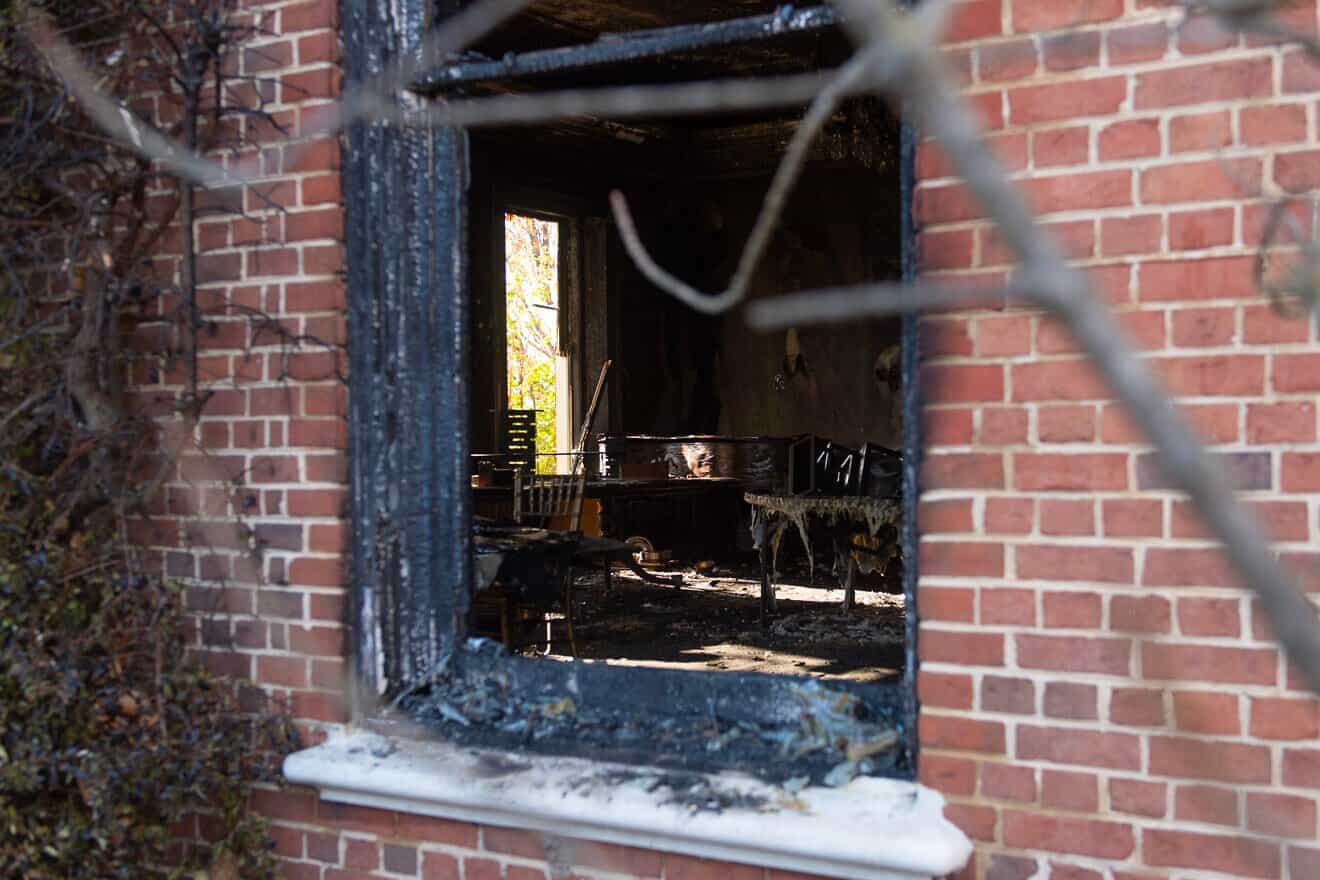
Extensive fire damage to the Pennsylvania Governor’s Mansion in Harrisburg, the residence of Gov. Josh Shapiro, after an arson attack on April 12, seen during a press conference on April 13, 2025. Photo by Matthew Hatcher/Getty Images.

The attack on the home of Pennsylvania Gov. Josh Shapiro carries a number of lessons, none sharper and more urgent than the wake-up call for those who are least likely to want to acknowledge it.

Last Saturday night, the Jewish Democratic governor had completed the Passover seder with his family and gone to bed in his official residence when it was firebombed in the small hours. Police roused the family and evacuated them without any injury, but the damage to the house was extensive.

Cody Balmer, a 38-year-old mechanic from Harrisburg, called the authorities on Sunday at 2:50 a.m. and admitted to firebombing the house less than an hour previously. He confessed to 911 operators that he had brought with him homemade Molotov cocktails and that if the governor had confronted him, Balmer would have beaten him with a hammer.

State police said he had targeted Shapiro “based upon perceived injustices to the people of Palestine,” as well as on account of his Jewish faith. So it appears that Balmer’s murderous attack was fueled by his antisemitism and his support for the Palestinian cause.

This attack reveals various things about that cause. For Balmer is not an Islamist. He’s not a neo-Nazi. He’s not a Palestinian Arab. He’s a white-skinned, American Palestinian supporter.

He was reportedly angry with Shapiro over the governor’s position on the war in Gaza. According to a police search warrant, Balmer said he needed to know that Shapiro “will not take part in his plans for what he wants to do to the Palestinian people.”

This is obviously absurd. Shapiro poses no threat to the Palestinians. He has been a strong supporter of Israel during the war with Hamas in the Gaza Strip, backing Israeli government actions, likening some pro-Palestinian protesters to the Ku Klux Klan and supporting efforts to penalize institutions that divest from Israel.

But he has also said that he supports a two-state solution, and wants Palestinian and Jewish people to live in peace.

Moreover, rather than stopping Shapiro from a wholly imaginary attack on Palestinians, Balmer tried to do to Shapiro and his family what the Palestinians have actually done to Jews.

Balmer deliberately set fire to the governor’s mansion, knowing that Shapiro and his family were inside. On Oct. 7, 2023, Hamas-led Palestinians from Gaza burned Israelis alive.

The claim that the Israelis are monsters who are willfully killing Palestinian civilians is a malevolent invention promoted by the Palestinian Arabs and their supporters in the West, who blame Israel for crimes committed by the Palestinians, of which the Israelis are, in fact, the victims.

Balmer was out on bail for attacking his wife and child. In the days leading up to the arson at the governor’s mansion, family members had attempted to have him committed to a psychiatric institution. He is, by all accounts, mentally ill.

While he is therefore not typical of Palestinian supporters, the hysterical incitement against Israel and the Jews since the Oct. 7 massacre has clearly played a significant role in the particular direction Balmer’s derangement has taken him.

In the past 18 months of hate mobs targeting Jews for intimidation, abuse and violent attacks on college campuses and in the streets of major Western cities, demonstrators have chanted “Globalize the intifada!” Well, the attack on Shapiro’s house is what “Globalize the intifada!” looks like.

Nothing has been done to stop this incitement to violence. And now, an unhinged individual has taken this message and run with it.

Shapiro is a senior Democrat who shot to national prominence when he was considered as a vice-presidential running mate for Kamala Harris in last year’s presidential election.

Yet despite this appalling attack on one of their own, the Democrats and their supporters have been remarkably silent. There’s been virtually no shocked outrage from those quarters. In the liberal media, there has been only the most subdued reporting.

The reason for this is as obvious as it is shameful. This attempted murder was committed in support of the Palestine cause. And such is the commitment by liberals to that cause that they can’t bring themselves to react against the terrible deed that was done in its name.

They will be busily telling themselves that Balmer is mentally ill, which seems true. But if a mentally ill neo-Nazi had firebombed a black family, the Democrats and the liberal media would be shouting from the rooftops about the inherent racism of Western society. If a white-skinned thug had tried to burn alive a prominent Muslim family, liberals would have convulsed for days over the nation’s “Islamophobia.”

If Shapiro’s mansion had been firebombed by a member of the Proud Boys screaming about the Great Replacement, the Democrats and liberal media would have erupted with charges of far-right antisemitism, and every conservative patriot would have been tarred with a murderous ideology.

In all these hypothetical instances, the attack would have been seen as politically motivated. But when an attack is mounted in the name of the Palestinians, liberals are suddenly struck dumb.

This is because they cannot bring themselves to acknowledge that such a terrible act has been committed in support of a cause upon which they hang their claim to be moral, compassionate and decent people. To condemn it would be to condemn themselves.

It awakens their deepest fear—that to denounce the motivation for such an act would destroy their moral and political personality. They are terrified that it would turn them into the thing they dread more than anything else—to become “right-wing.” In their minds, this is synonymous with evil.

But the Palestinian cause that they so devoutly support is not moral or decent. It’s motivated by genocidal aspirations and Jew-hatred, and violence is its calling card.

Its supporters in the West—having swallowed the egregious lies on which this cause is based—peddle a grotesque inversion of reality in which Israel is blamed for defending itself against a barbaric and genocidal onslaught in a seven-front war of annihilation. It is these Palestinian supporters who are spreading evil.

Balmer told the police that he believed Shapiro’s stance on the war in Gaza was leading to the deaths of Palestinians. It’s not just mentally ill individuals who believe such a thing about Israel and Diaspora Jews.

Since Oct. 7, liberal media and politicians have been promoting the lie that Israel is purposefully killing Gazan civilians, of whom the majority are women and children. The fact that this is totally untrue hasn’t stopped it from becoming so deeply believed and causing such anger among the public that Jews in the Diaspora are being regularly ostracized and abused for supporting the “killing of Palestinian babies.”

Jews find themselves targeted for collective punishment over the malicious fantasy of the crimes of Israel. Individual Jews in the West are singled out grotesquely as accomplices to these alleged crimes simply by dint of their supporting Israel’s attempt to defend itself against annihilation. They also find themselves accused of bad faith if they call out the rampant Jew-hatred that’s exploded across America and Western nations.

Diaspora Jews are being gaslighted, abused, ostracized, intimidated, threatened and attacked just for standing up as Jews for their people and for truth and justice—and now an attempt has been made to burn one of them alive.

What Balmer’s attack tells the West is that, in supporting the Palestinian cause, it is endorsing an innately murderous, hate-mongering and malevolently mendacious creed.

The Israel-haters can hardly try to excuse Balmer’s attack on Shapiro as the action of a madman, given that the blood libels they themselves perpetrate have now caused countless thousands of people in the West to lose their own minds over Israel and the Jews.


Melanie Phillips, a British journalist, broadcaster and author, writes a weekly column for JNS. Currently a columnist for The Times of London, her new book, The Builder’s Stone: How Jews and Christians Built the West and Why Only They Can Save It, is published by Wicked Son and can be purchased on Amazon. To access her work, go to: melaniephillips.substack.com.


Zawartość publikowanych artykułów i materiałów nie reprezentuje poglądów ani opinii Reunion’68,
ani też webmastera Blogu Reunion’68, chyba ze jest to wyraźnie zaznaczone.
Twoje uwagi, linki, własne artykuły lub wiadomości prześlij na adres:
webmaster@reunion68.com