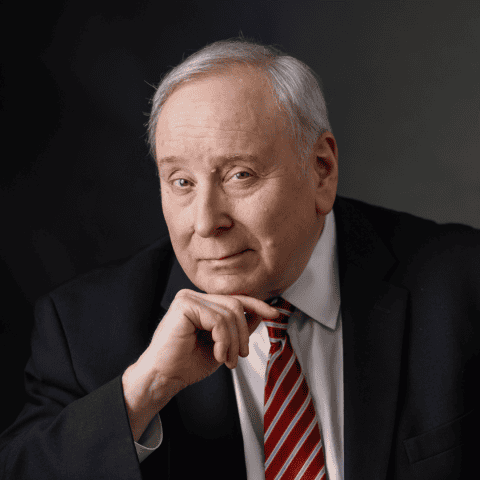
In Memory of My Personal Friend, Charlie Kirk


In Memory of My Personal Friend, Charlie Kirk

Pinchas Allouche


A memorial is held for Charlie Kirk, who was shot and killed in Utah, at the Turning Point USA headquarters in Phoenix, Arizona, US, Sept. 10, 2025. Photo: REUTERS/Caitlin O’Hara

Words cannot express the depth of our grief at the tragic murder of my dear friend, Charlie Kirk, at the hands of an evil gunman. Charlie was not only a national leader; he was also my neighbor here in Scottsdale, Arizona, with whom I shared a special bond.

We often spoke about G-d, whom he loved; our Judeo-Christian values, which he championed; America, which he adored; Israel and the Jewish people, whom he deeply cherished; and the state of our youth, for whom he cared so profoundly.

Beyond Charlie’s profound wisdom and unquenchable curiosity, he had an uncanny ability to engage in every exchange — even when disagreements grew heated — with respect, humility, and grace, along with an unrelenting desire to find common ground. A few months ago, he proudly shared with me that he too “observes the Sabbath.” From then on, we would often wish each other “Shabbat Shalom” every Friday.

Unlike many in positions of power, Charlie never felt threatened by the success of others. He lifted people up, opened doors, and rejoiced in their growth. Over a year ago, he encouraged me to join our mutual friend Seth Leibsohn on the radio, where I now appear regularly every Friday on 960AM The Patriot. Charlie often introduced me to his many friends and influencers, always eager to connect people and help them thrive.

Charlie loved his family fiercely. His beloved wife, Erika, and their children were his crown jewels. He hugged them tightly every day, and often reminded me to do the same with mine. Their well-being was always on his mind; his family was both his source of joy and his greatest mission. Just recently, while I was praying at the Western Wall in Jerusalem, Charlie asked me to “pray for my family, my wife Erika, and our children, Genevieve and MacArthur.”

Charlie was also a true believer in the United States of America, in the Constitution, and in the Divine principles upon which this country was founded. He worked tirelessly to reach everyone — particularly students on campuses across America — engaging them in dialogue and reminding them of our sacred values.

He was a stalwart supporter of Israel and of the Jewish people. Just a few weeks ago, I wrote in the Times of Israel that “Charlie is one of the most stalwart and consistent fighters in this war for truth, faith, and moral clarity… one of the shiniest ambassadors of G-d in our world.” Indeed, he lived with courage, with clarity, and with uncompromising faith.

Charlie’s sudden passing is not only a colossal loss for his friends; it is also a profound loss for America, for the nation of Israel, for all people of faith, and for the world.

To his amazing wife, Erika, to his precious children, Genevieve and MacArthur, and to all of Charlie’s loved ones: We send our deepest love, our fervent prayers, and our endless blessings. Know that we are with you today, tomorrow, and always.

And to all of us, I beg you: In Charlie’s memory, please consider the following:

  • Hug your spouse and children tighter today and every day, as Charlie did.

  • Embrace G-d and His values uncompromisingly, as Charlie did.

  • Add more and more good deeds to your everyday life, as Charlie did.

  • Debate ideas but never demean people, as Charlie did. As the seal of our great nation proclaims: E Pluribus Unum — out of many, one. May we live by it.

May Charlie’s light continue to guide us and illuminate our world. And may we soon see the day in which “G-d will swallow up death forever … and wipe away the tears from all faces” (Isaiah 25:8). Amen.


Rabbi Pinchas Allouche is the founding Rabbi of Congregation Beth Tefillah and the founding Dean of Nishmat Adin Hihh School in Scottsdale, Arizona.


Zawartość publikowanych artykułów i materiałów nie reprezentuje poglądów ani opinii Reunion’68,
ani też webmastera Blogu Reunion’68, chyba ze jest to wyraźnie zaznaczone.
Twoje uwagi, linki, własne artykuły lub wiadomości prześlij na adres:
webmaster@reunion68.com


Karmienie aligatora


Karmienie aligatora

Paul Finlayson


„Tym, który karmi krokodyla, jest pacyfista – mający nadzieję, że zostanie zjedzony jako ostatni.”
— Winston Churchill

Ktoś zamordował Charliego Kirka na uniwersytecie.

To nie wydarzyło się w próżni. Kilka miesięcy temu niemal doszło do zamachu na Donalda Trumpa. Radykalna osoba transpłciowa w Minneapolis wtargnęła do katolickiej szkoły i zamordowała dwoje dzieci. Młode żydowskie małżeństwo w Waszyngtonie zostało zmasakrowane przez fanatyków.

A teraz Charlie Kirk – mąż, ojciec, dumny zwolennik Izraela – został zamordowany podczas wydarzenia na kampusie uniwersyteckim. Nie dziwi mnie, że stało się to właśnie na uczelni; dziwi mnie raczej, że do takich zbrodni nie dochodzi częściej.

Nie powinniśmy być zaskoczeni. Zaskoczeniem jest raczej to, że nie zdarza się to częściej – bo karmimy aligatora.

Christopher Hitchens ostrzegał kiedyś: „Barbarzyńcy nigdy nie zdobywają miasta, dopóki ktoś z wewnątrz nie otworzy im bram.” Dziś nasze bramy nie tylko są otwarte – ktoś trzyma je szeroko uchylone: prorektorzy uczelni, tchórzliwi politycy i służby porządkowe, które wolą uspokajać tłum niż chronić obywateli. Aligator jest głaskany, hołubiony, całowany w oślizgły pysk – a teraz ludzie udają zaskoczenie, że gryzie.


Uniwersytety i kultura przyzwolenia

To, że Charlie Kirk został zamordowany na kampusie, jest znamienne. Uniwersytety nie są już przystaniami debaty; stały się inkubatorami fanatyzmu. Nie wiem, czy Kirk został zaatakowany ze względu na swoje poglądy dotyczące Izraela – ale wiem jedno: był dumnym obrońcą państwa żydowskiego, i w tej kwestii zgadzam się z każdym jego słowem. Dziś na kampusach nie rozkwita już „pro-palestyński” aktywizm, lecz pro-hamasowska agitacja, pozostawiona sama sobie.

Studenci, wykładowcy i administratorzy kibicują Hamasowi – gangsterskiemu kultowi śmierci, którego dusza to „wysuszona, nienawistna, szatańska rodzynka antysemityzmu” – i sprzedają terroryzm w opakowaniu ofiary. Skandują „Intifada!” – to nie metafora, lecz hasło bojowe, wezwanie do przemocy i chaosu. Jeśli tak wygląda życie akademickie, to żydowscy liderzy będą mordowani. Fakt, że do zabójstwa Kirka doszło właśnie na uczelni, nie jest przypadkiem. To naturalny plon tego, co akademia zasiała. Karmimy aligatora.


Zgniłizna akademicka

Na mojej własnej uczelni – University of Guelph–Humber – zostałem zwolniony za potępienie Hamasu, za nazwanie ich tym, czym są: nazistami. Wystarczyła jedna odpowiedź na wpis mężczyzny z Pakistanu, który wzywał do unicestwienia Izraela – i zostałem zawieszony, uciszony, oczerniony, a następnie wyrzucony bez żadnego procesu.

Tymczasem profesor, który przeprowadził brutalny atak na moje dobre imię – człowiek z tysiącami antysemickich wpisów, gloryfikujący Hamas i Hezbollah, ziejący nienawiścią w każdym słowie – został ochroniony. Nie mam wątpliwości, że dziś świętuje śmierć Kirka. Jestem pewien, że w pokoju nauczycielskim wielu moich byłych kolegów cieszy się na wieść, że prawicowy zwolennik Izraela nie żyje.

Moja historia to drobiazg w porównaniu do tego, co spotkało Kirka. A jednak ja także nie mogłem już bezpiecznie pojawić się na kampusie. Gdy 300 tysięcy ludzi usłyszy, że jesteś rasistą i nazistą, wystarczy jeden, który uzna, że „sprawiedliwość” oznacza kulę. A mimo to uczelnia objęła opieką mojego prześladowcę, a mnie ogłosiła zagrożeniem. To właśnie znaczy karmić aligatora.

Nie chodzi tu o mnie – chodzi o to, co nasza cywilizacja hoduje. Uniwersytety przyjmują z otwartymi ramionami ludzi, którzy gardzą żydowskim bezpieczeństwem, marzą o tyranii nad wolnością słowa, nienawidzą Zachodu i podważają kruche wolności, za które ginęli nasi żołnierze. Jeśli wspierają radykalne barbarzyństwo, jeśli policja stoi z boku w imię sygnalizowania cnoty, demokracja nie przetrwa. Zachodnia cywilizacja jest krucha. To jest moment jej załamania.

Salman Rushdie – został niemal zabity za to, że pisał – ostrzegał: wolność słowa bez prawa do obrażania przestaje istnieć. Hitchens przypominał: „Krokodyl zje cię jako ostatniego.” A jednak nasi elitarnie tchórzliwi decydenci wciąż składają mu krwawe ofiary.


Kanadyjskie kampusy

McGill tolerował niemal 100 namiotów w obozowisku, które samo nazwało się „strefą wyzwoloną”, aż do momentu, gdy presja polityczna wymusiła jego likwidację. Uniwersytet w Toronto pozwolił, by flagi palestyńskie zdominowały uroczystość wręczenia dyplomów, z obozem protestacyjnym zaledwie kilka kroków dalej. Na terenie całej Kanady uczelnie tolerowały – lub półoficjalnie negocjowały z – tłumami domagającymi się odcięcia więzi z izraelskimi instytucjami.

Przemoc była zawsze obecna tuż pod powierzchnią. Policja w Toronto nie interweniowała na proradikalnych protestach, gdzie nękano Żydów – a kiedy dochodziło do starć, to właśnie żydowscy kontrdemonstranci, a nie agresywny tłum, byli aresztowani. Uniwersytety i policja tolerowały to wszystko ze strachu: strachu, że studentów muzułmańskich jest więcej niż żydowskich; strachu, że czesne jest ważniejsze niż zasady. Zero prawości, zero ochrony dla słabszych – tylko żałosna polityka.

To przyzwolenie nie jest neutralne – to zapłata. Politycy zabiegają o głosy, odmawiając potępienia antysemickiej przemocy. CUPE Ontario otwarcie bojkotuje izraelskich akademików od 2009 roku. A podczas gdy administracje wydają miliony na walkę z wykładowcami krytykującymi Hamas, przymykają oczy na tych, którzy gloryfikują 7 października. Karmimy aligatora.


Karmienie aligatora

Powiedzmy to wprost. Przemoc nie pochodzi od mitycznych prawicowych ekstremistów. Pochodzi od radykalnej lewicy – i przede wszystkim od islamskiej lewicy. Jeśli kogoś to boli – państwo nie ma obowiązku chronić czyichś uczuć. Karmimy aligatora – i nie mamy prawa udawać zdziwienia, gdy znów ugryzie.

Zamordowanie Charliego Kirka nie wydarzyło się w próżni. To efekt kultury stworzonej przez tchórzliwe elity, pielęgnowanej przez ugodowość, usprawiedliwianej przez akademików, nagłaśnianej przez media i uświęcanej przez polityków zbyt podłych, by bronić cywilizacji, którą odziedziczyli.


Apel do działania

To musi być punkt zwrotny. Uniwersytety muszą usunąć wykładowców, którzy gloryfikują terror. Policja musi egzekwować prawo wobec tłumów grożących przemocą. Politycy muszą przestać wymieniać przyszłość narodu na głosy. Obywatele muszą domagać się prawdy – nie ugody. Tu nie chodzi o prawicę kontra lewicę. Tu chodzi o to, czy prawda, wolność i samo życie nadal cokolwiek znaczą na Zachodzie.

Karmimy aligatora – i jeśli nie przestaniemy, będą kolejne ofiary, kolejne dzieci, kolejne ofiary leżące martwe, podczas gdy biurokraci będą mruczeć frazesy, a radykałowie będą wiwatować.


Link do oryginału: https://www.freedomtoffend.com/p/they-murdered-charlie-kirk


Zawartość publikowanych artykułów i materiałów nie reprezentuje poglądów ani opinii Reunion’68,
ani też webmastera Blogu Reunion’68, chyba ze jest to wyraźnie zaznaczone.
Twoje uwagi, linki, własne artykuły lub wiadomości prześlij na adres:
webmaster@reunion68.com


Jerry Seinfeld is right about the meaning of ‘Free Palestine’


Jerry Seinfeld is right about the meaning of ‘Free Palestine’

Jonathan S. Tobin


The comedian is being bashed for comparing those who wish to erase Israel to the Ku Klux Klan.

Jerry Seinfeld in Tel Aviv. Credit: Hostages and Missing Persons Families Forum.

What Jerry Seinfeld said was considered so bad that The Hollywood Reporter compared it to his awful Netflix comedy movie “Frosted.”

The 71-year-old creator and star of one of the most popular shows in television history is probably too beloved by his fans to be canceled by the entertainment industry and too rich (last year Bloomberg estimated his net worth to be more than $1 billion) to care. But there’s no question that his latest comments are likely to make him extremely unpopular among those in the creative arts.

The comedian caused a stir with remarks he made during an unscheduled appearance at Duke University with Omer Shemtov, an Israeli who had been abducted by Hamas terrorists at the Nova Music Festival on Oct. 7, 2023 and held hostage in Gaza for 505 days. According to The Chronicle, the university’s student newspaper, the event was sponsored by Chabad at Duke, as well as the Provost’s Initiative on the Middle East, university centers and Jewish student groups.

Be honest about your bigotry

As the newspaper reported, Seinfeld, who spoke prior to Shemtov, said the following about the ubiquitous phrase chanted by supporters of Hamas and those opposed to Israel: “Free Palestine is, to me, just—you’re free to say you don’t like Jews. Just say you don’t like Jews. By saying ‘Free Palestine,’ you’re not admitting what you really think. So it’s actually—compared to the Ku Klux Klan, I’m actually thinking the Klan is actually a little better here, because they can come right out and say, ‘We don’t like Blacks, we don’t like Jews.’ Okay that’s honest.”

This is apparently an utterance so terrible that Duke felt compelled to disavow it, denying responsibility for his presence and words. According to The New York Times, various leftist and Muslim groups voiced their outrage and, using the standard language of academic cancellation, accused him of fostering “a hostile environment for Muslim, Arab, Palestinian and allied students, leaving many feeling unsafe and unsupported on their own campus.”

The pro-Hamas Council on American-Islamic Relations (CAIR) also weighed in and accused Seinfeld of “dehumanizing” Palestinians.

Though Seinfeld has long eschewed the conventional life of a star, this will also put him on the outs with what appears to be a majority of those working in movies and television. The most recent effort to organize a boycott of Israel has gained traction in the industry, with more than 1,300 filmmakers and actors, including some well-known names, signing a petition pledging to refuse to work with Israeli film institutions and companies that are “implicated in genocide and apartheid against the Palestinian people,” a category that is more or less defined as virtually anyone in the Jewish state or its Jewish supporters abroad.

A buzzword for Jew-hatred

The signers, as well as those condemning Seinfeld, all accept the blood libels that Israel is actually committing genocide and apartheid, though these are blatant falsehoods propagated by Hamas. The conflict in Gaza is a just war against a genocidal terror group that committed the worst mass slaughter of Jews since the Holocaust and has vowed to repeat the atrocity “again and again” at the first opportunity. And far from an “apartheid state,” Israel is the only democracy in the Middle East where Arabs and Muslims enjoy equality under the law.

But contradicting these toxic myths is bad enough. Seinfeld is in trouble with the chattering classes because he denounced the slogan that sounds the most reasonable to those untutored in the realities of the Middle East. Unlike “From the river to the sea” or “Globalize the intifada,” which are easily understood to mean wiping Israel off the map and supporting terrorism against Jews wherever they live, “Free Palestine” sounds as if it just means wanting Palestinian Arabs to be free.

So, it’s likely that the attacks on him will intensify, with many denouncing him as a racist for sticking to his support for the Jewish state and open criticism of its detractors.

But not only was he right to say what he did about “Free Palestine;” he deserves enormous credit for saying it at a time when liberal public opinion has turned on Israel and antisemitism is back in fashion.

Disgust with P.C.

By Hollywood standards, Seinfeld has never been particularly vocal about his political opinions. While he contributed to both Republican George W. Bush and Democrat Al Gore in the 2000 presidential election cycle and various Democratic candidates in 2004, in many ways he never stood out as anything other than a conventional liberal. Indeed, he joined with other actors and comedians to make a tribute video to President Barack Obama when he left the White House in 2017, and said that knocking on the Oval Office window to get the president’s attention in the film was “probably the peak of my entire existence.”

On the other hand, it’s also true that by 2015, he was beginning to voice his disquiet with liberal political correctness. And he no longer performed, as he often had done previously, on college campuses, because students who had been indoctrinated in leftist myths were increasingly offended by jokes at which they once laughed. His taking issue with what he called “that P.C. crap” earned him a rebuke from Rolling Stone magazine in 2024 for saying in an interview in The New Yorker what some on the political right had long been noting.

Still, the real turning point for him came with the Hamas-led Palestinian assault on Israel on Oct. 7, 2023. While most entertainers joined in the denunciation of the Jewish state’s efforts to eradicate Hamas, Seinfeld, whose television show and comedy routines often played off his identity, loudly refused to do so. Ever since then, he has been dogged by anti-Israel protesters at his performances and public appearances.

He’s been heckled by “Free Palestine” advocates at his shows, and last year when the Queens College graduate gave a hilarious comedic commencement speech at Duke (which both of his children attended), some students booed, waved Palestinian flags and walked out in protest. Luckily, the overwhelming majority stayed and laughed along with everyone else at his advice, which centered on the importance of not losing one’s sense of humor—something he called “essential” to survival amid the vicissitudes of life in the real world.

Yet his comparison of the pro-Hamas mobs to the KKK is likely a bridge too far for most in the entertainment world, since by extension, he’s claiming that most of the people in his business are Jew-haters but afraid to admit it openly. There will likely be pressure on him to apologize and concede that those who say “Free Palestine” are, as most liberals claim them to be, merely idealists supporting an oppressed people yearning to be “free.”

Except Seinfeld was, as he often is with his rye observations about the small things in life that have always been the core of his comedic schtick, right on target with his calling out of those who use the phrase.

Anti-Zionism is antisemitism

It’s possible that some of those American students who say “Free Palestine” may just mean they want equality and self-determination for Palestinian Arabs, just as some of them may have no idea of the meaning of “From the River to the Sea” or are able to identify either of the bodies of water in question.

But those words have a very different meaning in the context of Palestinian politics and the groups that represent the Arabs living in Judea, Samaria and Gaza. Moreover, those pro-Palestinian organizations, like Students for Justice in Palestine and CAIR, for that matter, make no bones about what the phrase symbolizes: the eradication of Israel by, as they also say, “any means necessary.”

For them, “Palestine” does not mean just Gaza or even the “West Bank” where the Palestinian Authority autonomously rules the Arab population. It constitutes all of the territory of what from 1922 to 1948 was the British Mandate for Palestine and all of the land on which the State of Israel exists.

As such, it is not advocating for a two-state solution in which Israel and a putative state of Palestine would exist side by side in peace. It is the catch-phrase of anti-Zionists who oppose the existence of the one Jewish state on the planet, no matter where its borders might be drawn. It is an echo of the consistent position of the Palestinian Arabs, who have repeatedly rejected a separate state so long as it would mean accepting the legitimacy of a Jewish one next to it.

Like Hamas, whose objective is the genocide of the Jewish people as well as Israel’s destruction, those who say “Free Palestine” are just saying they don’t think the Jews ought to have a state in their ancient homeland, and are tacitly endorsing the “any means necessary” used by the terrorists to advance that goal.

This is not a stretch or a misinterpretation of their positions. Most of those who have either newly embraced or reaffirmed the above position, did so only in reaction to the orgy of mass murder, rape, torture and kidnapping of Israelis that took place on Oct. 7. There is no better proof of the fact that anti-Zionism is antisemitism than this brutal fact.

It’s a hard truth that even many Jewish organizations whose job it is to defend the Jews and Israel either don’t understand this or refuse to say it, out of deference to the feelings of many of their erstwhile allies in liberal political or minority groups who have abandoned Israel and the Jews since Oct. 7. They seem to fear that calling the “Free Palestine” crowd by their right name as Jew-haters will offend too many people and further isolate the Jewish community. But whether the antisemites or the fearful mainstream Jewish leaders are willing to admit it, what Seinfeld said was the truth.

Fashionable toxic myths

How did this euphemism or buzzword for Jew-hatred that none save the uncancellable like Seinfeld or conservative commentators fear to denounce become part of the politically correct lexicon?

It happened in the same way that the woke catechism of diversity, equity and inclusion (DEI), which enshrines racial divisions as permanent and is the opposite of equal opportunity, became a sacred cow of the academy, the arts, the corporate world and even government during the administration of President Joe Biden. Progressives captured the culture and began the indoctrination of generations of students in toxic left-wing myths. These includecritical race theory, intersectionality and settler-colonialism that denounced America and the West as irredeemably racist and also branded Jews and Israel as “white” oppressors.

But just as the Trump administration has begun the herculean task of rolling back the grip of woke ideology on the nation, so, too, is it necessary to tell the truth about the antisemitic nature of the mantras of what some have called the new leftist religion of “Palestinianism.”

While all comparisons to the KKK are invidious by definition, the comedian was entirely correct to assert that the eliminationist and prejudicial goals of the “Free Palestine” movement are just as despicable as the racism and bigotry of the Klan. The only difference between them lies in the fact that, like the antisemitism of European intellectuals of the early 20th century that led to the rise of the Nazis and the Holocaust, the pro-Hamas and anti-Israel mobs are largely made up of the educated and chattering classes, not the lower and middle-class thugs that joined the Klan. It is, as the eminent historian Niall Ferguson aptly noted, a case of “The Treason of the Intellectuals.”

It’s long been clear that many of those Jews in pop culture, publishing and the arts that are sympathetic to Israel fear to say so publicly lest they be ostracized. The shunning of people like Israeli actor Gal Gadot, whom The New York Times reports has suffered a downturn in her once successful career since Oct. 7, provides a sobering example of how the efforts to boycott artists, if not Israel’s economy, is gaining support.

It’s hard to say what impact this bout of truth-telling will have on Seinfeld, who is no longer dependent on Hollywood fashion to continue his career. We can only hope he will inspire more Jewish entertainers to speak out on behalf of their own people, rather than joining the “as a Jew” crowd to denounce Israel along with their “enlightened” colleagues.

Whether they do or not, Seinfeld’s stanceis not merely praiseworthy; it’s vital to rolling back the tsunami of antisemitism that has been sweeping over the globe in the last two years.

We shouldn’t be afraid of labeling a phrase that is nothing but shorthand for Jewish genocide as what it is. The way to combat the effort to isolate Israel and to silence and intimidate Jews who might speak up for Jewish rights—and against the Marxist, Islamist and even some far-right extremists who are united in their antisemitism—is to tell the truth about them. Pretending that they are just well-meaning idealists merely legitimizes that which should be denounced as hate.


Jonathan S. Tobin is editor-in-chief of the Jewish News Syndicate, a senior contributor for The Federalist, a columnist for Newsweek and a contributor to many other publications. He covers the American political scene, foreign policy, the U.S.-Israel relationship, Middle East diplomacy, the Jewish world and the arts. He hosts the JNS “Think Twice” podcast, both the weekly video program and the “Jonathan Tobin Daily” program, which are available on all major audio platforms and YouTube. Previously, he was executive editor, then senior online editor and chief political blogger, for Commentary magazine. Before that, he was editor-in-chief of The Jewish Exponent in Philadelphia and editor of the Connecticut Jewish Ledger. He has won more than 60 awards for commentary, art criticism and other writing. He appears regularly on television, commenting on politics and foreign policy. Born in New York City, he studied history at Columbia University.


Zawartość publikowanych artykułów i materiałów nie reprezentuje poglądów ani opinii Reunion’68,
ani też webmastera Blogu Reunion’68, chyba ze jest to wyraźnie zaznaczone.
Twoje uwagi, linki, własne artykuły lub wiadomości prześlij na adres:
webmaster@reunion68.com


Documents Reveal Hamas Uses Gaza Hospitals for Military Purposes, International NGOs Complicit in Operations


.

Documents Reveal Hamas Uses Gaza Hospitals for Military Purposes, International NGOs Complicit in Operations

Ailin Vilches Arguello


Israeli soldiers inspect the Al Shifa hospital complex, amid their ground operation against Palestinian terrorist group Hamas, in Gaza City, Nov. 15, 2023 in this handout image. Photo: Israel Defense Forces/Handout via REUTERS

Internal documents from Hamas’s Ministry of Interior and National Security dating back to 2020 reveal the Palestinian terrorist group has long used Gaza’s medical facilities for military purposes, according to a new report.

On Wednesday, NGO Monitor — an independent, Jerusalem-based research institute that tracks anti-Israel bias among nongovernmental organizations — released two documents declassified by the Israel Defense Forces (IDF), revealing how Hamas has weaponized Gaza’s hospitals for years to shelter its operatives and leaders.

Translated from Arabic, the documents also reveal that international organizations — including the Red Cross and Doctors Without Borders — are aware of Hamas’s presence in Gaza’s medical facilities, even as they publicly deny or downplay it.

“While repeatedly echoing Hamas allegations and condemning Israel’s operations to end the exploitation of hospitals for terror, these groups clearly knew that Hamas exploited these facilities and chose to remain silent,” Gerald Steinberg, president of NGO Monitor, said in a statement.

Since the start of the war in Gaza, Hamas’s exploitation of hospitals has drawn heightened attention, with Israel facing international criticism for its operations near medical facilities as it seeks to crack down on the terrorist group.

According to NGO Monitor, the internal Hamas documents show a deliberate strategy of “embedding its military infrastructure, fighters, and leadership within hospitals and medical facilities in Gaza … thereby violating international law and endangering civilian lives.”

The documents also show that foreign NGOs have not only been aware of Hamas’s presence in Gaza’s medical facilities but also have sometimes worked alongside them.

For example, one internal memo notes that the Red Cross occupied a wing in the Al-Shifa medical complex directly adjacent to offices used by Hamas.

Despite international claims to the contrary, the documents show that the Palestinian terrorist group views medical facilities not as neutral spaces but as integral parts of its infrastructure.

“These facilities are considered to be of interest to hostile security parties and an important source for intelligence gathering, especially in times of war, since these health facilities are a place of gathering for the wounded during times of escalation, and these wounded cases hold sensitive positions in the resistance,” one of the internal memos reads.

“Furthermore, these health facilities are a place of gathering for numerous leaders of the movement and the government during times of escalation,” it continues.

The documents also reveal how Hamas closely monitors and controls foreign NGOs working in hospitals due to fears that they might serve as channels for Israeli intelligence.

“Do not let these associations have their own locations to work inside health facilities. When a location is allocated for these associations, it shall be outside the main building of the clinic or hospital, and far away from movement locations, and following security authorization,” one of the internal memos reads.

“Medical members from the Gaza Strip must join incoming delegations, whether the delegations work in hospitals or their own locations,” it adds.

Under this structured oversight, NGO Monitor explains that foreign organizations had to operate according to Hamas’s rules, “making them complicit in a system” that exploits medical centers for terrorist purposes.

“The internal Hamas documents reviewed in this report expose a systematic Hamas strategy to militarize Gaza’s health-care system, using hospitals and medical facilities as extensions of its military and security apparatus,” NGO Monitor says.

“This arrangement is fundamentally inconsistent with the principle of medical neutrality in Gaza, transforming humanitarian spaces into dual-use facilities that serve both medical and military purposes,” it continues.


Zawartość publikowanych artykułów i materiałów nie reprezentuje poglądów ani opinii Reunion’68,
ani też webmastera Blogu Reunion’68, chyba ze jest to wyraźnie zaznaczone.
Twoje uwagi, linki, własne artykuły lub wiadomości prześlij na adres:
webmaster@reunion68.com


Zbyt wiele osób wciąż nie rozumie palestyńskiej kultury

Zdjęcie: Ahmed Abu Hameeda/Unsplash


Zbyt wiele osób wciąż nie rozumie palestyńskiej kultury

Joshua Hoffman


Dopóki społeczność międzynarodowa nie skonfrontuje się z kulturą celebrowania przemocy i śmierci, nigdy nie zrozumie konfliktu izraelsko-palestyńskiego.

Sześciu Izraelczyków zostało zamordowanych w poniedziałek, a kolejnych 12 odniosło rany — sześciu z nich ciężkie — kiedy para palestyńskich terrorystów otworzyła ogień do pojazdów i pieszych w Jerozolimie.

Dwaj napastnicy, mieszkańcy Zachodniego Brzegu, przybyli na skrzyżowanie krótko po godzinie 10:00 i otworzyli ogień do ludzi czekających na przystanku autobusowym, a także do autobusu, który właśnie się tam zatrzymał.

Oczywiście Hamas pochwalił ten śmiertelny atak, nazywając go „bohaterską operacją”.

Takie incydenty są częścią ponurej eskalacji od początku wojny Izrael-Hamas 7 października 2023 roku, kiedy to tysiące terrorystów kierowanych przez Hamas wtargnęło na południe Izraela, mordując około 1 200 osób i porywając 251. Od tego czasu w atakach terrorystycznych na terenie Izraela i Zachodniego Brzegu zginęło ponad 50 Izraelczyków.

W styczniu 2024 roku Izrael zmierzył się z próbą infiltracji w pobliżu Hebronu, a także z zamachem przy użyciu samochodu w Ra’ananie, w którym zginęła jedna osoba, a wiele innych zostało rannych. Zaledwie miesiąc później, w lutym, uzbrojeni napastnicy otworzyli ogień na stacji benzynowej w pobliżu Eli, zabijając co najmniej dwóch Izraelczyków.

W marcu trzech Izraelczyków zostało dźgniętych nożem w centrum handlowym w Gan Yavne przez Palestyńczyka zatrudnionego tam nielegalnie; jeden z nich zmarł później w wyniku odniesionych ran. Do połowy 2024 roku bilans wzrósł — doszło do śmiertelnej strzelaniny w Kalkilji, rannych w pobliżu Nablusu i innych ataków na osoby po prostu wykonujące codzienne czynności.

Szczególnie makabryczny był zamach w sierpniu 2024 roku, kiedy żydowski osadnik został zatłuczony młotkiem w pobliżu Kedumim. W tym samym miesiącu doszło do strzelaniny z jadącego auta na trasie 90, serii zamachów bombowych przy użyciu samochodów w rejonie Hebronu i zabójstwa izraelskich policjantów w kolejnym ataku. W październiku siedmiu Izraelczyków zostało zamordowanych. (w tym matka osłaniająca swoim cialem niemowlę), w serii ataków z użyciem noża i broni palnej w Tel Awiwie.

W listopadzie i grudniu terroryści otworzyli ogień do autobusu w pobliżu Ariela, raniąc osiem osób, a kolejne zamachy z użyciem samochodów i broni palnej w rejonie Hebronu i al-Chader spowodowały wiele ofiar, w tym śmierć dziecka.

W styczniu 2025 roku trzech palestyńskich napastników powiązanych z Hamasem i Islamskim Dżihadem Palestyńskim zaatakowało autobus i dwa samochody na drodze nr 55 na północy Zachodniego Brzegu. Skoordynowany atak zakończył się śmiercią trzech Izraelczyków i ranami u ośmiu kolejnych. W lutym w autobusach w centralnym Izraelu znaleziono ładunki wybuchowe, które jednak nie eksplodowały. Jeden z nich opatrzono wiadomością: „Zemsta z Tulkarmu” — miasta na Zachodnim Brzegu.

W maju izraelska kobieta w ciąży została postrzelona w drodze do szpitala; zmarła, ale jej dziecko przeżyło dzięki cesarskiemu cięciu. W lipcu dwóch funkcjonariuszy palestyńskiej administracji autonomicznej przeprowadziło łączony atak z użyciem broni palnej i noża w Gusz Ecjon, zabijając jednego Izraelczyka.

Prawda jest taka, że te przykłady mogłyby trwać w nieskończoność. W Izraelu terroryzm nie jest wyjątkiem, ale codziennością — autobusy, synagogi, restauracje, chodniki: codzienne przestrzenie życia żydowskiego zamieniają się w sceny rzezi.

A mimo to, poza Izraelem, te okropieństwa ledwie zostają odnotowane. Pojawiają się na chwilę w lokalnych mediach, po czym znikają. Świat idzie dalej, jakby Izraelczycy mieli jakąś nadludzką zdolność znoszenia rzeczy niewyobrażalnych. To wymazywanie faktów nie jest przypadkowe. To efekt selektywnego postrzegania.

Kiedy Palestyńczyk wjeżdża samochodem w cywilów na przystanku autobusowym lub nastolatek dźga nożem żydowskich przechodniów, rzadko nazywa się to aktem terroru. Zamiast tego świat karmi się eufemizmami: „samotny wilk”, „reakcja na okupację” — jakby dźganie obcych ludzi było formą dialogu politycznego. W takich relacjach żydowskie ofiary sprowadza się do przypisów, ich człowieczeństwo zostaje wymazane przez narrację, która z morderców czyni „bojowników ruchu oporu”, a z zabitych — zwykłe „konsekwencje”.

Ale ten schemat nie jest nowy. Palestyński terroryzm wobec Żydów to część długiej, nieprzerwanej historii przemocy, sięgającej ponad wieku. Jeszcze zanim powstało nowoczesne państwo Izrael, Żydzi byli mordowani w masakrze w Hebronie w 1929 roku, atakowani podczas pogromów w Europie i arabskich zamieszek lat 30. Późniejsze dekady to porwania samolotów, zamachy samobójcze w autobusach i kawiarniach podczas Drugiej Intifady, nożowe intifady w latach 2010.

Za rządów wieloletniego dyktatora Mahmuda Abbasa, Palestyńska Administracja wypłaca tzw. „Fundusz Męczenników” — obecnie 400 dolarów miesięcznie dożywotnio — rodzinom terrorystów, którzy przeprowadzili atak w Jerozolimie¹.

Często słyszymy, że należy odróżniać „zwykłych Palestyńczyków” od terrorystów. Ale czy ta granica naprawdę się utrzymuje? Terroryzm nie rodzi się w próżni. Wymaga infrastruktury: społeczności, które ukrywają sprawców, celebrują ich „męczeństwo” i wychowują dzieci na diecie złożonej z gloryfikowanej przemocy.

Kiedy w USA dochodzi do strzelaniny w szkole, główny nurt amerykańskiego społeczeństwa nie gloryfikuje sprawcy. Ale gdy palestyński terrorysta dokonuje zamachu, jego twarz trafia na plakaty, jego imieniem nazywa się place publiczne, jego rodzinie przyznaje się świadczenia, a jego pogrzeb staje się narodowym świętem. Zamiast traktować ich jak wyrzutków, podnosi się ich do rangi męczenników i wzorców do naśladowania dla przyszłych pokoleń.

Czy to zachowanie społeczeństwa zasadniczo przeciwnego terroryzmowi, czy raczej społeczeństwa współwinnego jego podtrzymywania? Czy taka kultura czyni terror odstępstwem od normy, czy raczej jej aspiracją?

To nie tylko Hamas czy Islamski Dżihad podtrzymują tę spiralę — to cały ekosystem kulturowy, który ich normalizuje. Sondaże nieustannie pokazują, że znaczna część palestyńskiego społeczeństwa popiera ataki na izraelskich cywilów. Ulice, szkoły i turnieje sportowe noszą imiona osób, które wysadzały autobusy lub dźgały dzieci. Na ulicach ataki bywają świętowane słodyczami. To nie są zachowania marginalne; one są wpisane w codzienne życie, tworząc atmosferę, w której mordercy są bohaterami, a ofiary — przypisem.

Więc gdy analitycy uspokajają nas, że „zwykły Palestyńczyk” to nie terrorysta, tak naprawdę ukrywają prawdę. Ale jeśli ta sama osoba akceptuje przemoc, cieszy się z rozlewu krwi i wspiera tych, którzy to organizują, trudno utrzymać wyraźne rozróżnienie moralne. Terroryzm to nie tylko czyn nielicznych — to przyzwolenie, milczenie i aprobata wielu.


Na arenie międzynarodowej palestyński terroryzm często przedstawiany jest jako rozpaczliwa próba „wyzwolenia” — jakby każda kula wystrzelona w żydowskie dziecko czy każdy zamach bombowy na autobus był wołaniem o wolność. Ale gdyby rzeczywistym celem było wyzwolenie, wzorzec palestyńskiej przemocy poza Izraelem nie miałby sensu. Przez dekady palestyńskie grupy kierowały swoją broń nie tylko przeciwko Izraelczykom, ale również przeciwko tym arabskim krajom, które udzielały im schronienia, takim jak Jordania, Liban czy Kuwejt..

Weźmy Jordanię jako przykład. Pod koniec lat 60. i na początku 70. Palestyńczycy rozpoczęli równoległą wojnę przeciwko samej monarchii jordańskiej. Porywali samoloty, dokonywali zamachów na urzędników i nawet próbowali obalić rząd króla Husseina. Rezultatem był Czarny Wrzesień 1970 roku, kiedy to armia jordańska wypędziła Organizację Wyzwolenia Palestyny po krwawej wojnie domowej, która pochłonęła tysiące ofiar wśród Palestyńczyków i Jordańczyków.

Spójrzmy też na Liban. Kiedy OWP została wyparta z Jordanii, przeniosła się na południe Libanu, gdzie utworzyła miniaturowe państwo i prowadziła wojnę nie tylko przeciwko Izraelowi, ale również przeciwko libańskim chrześcijanom, muzułmanom i Druzom. Palestyńskie milicje stały się centralnym czynnikiem wywołującym wojnę domową w Libanie, pogrążając kraj w chaosie, podsycając sekciarską przemoc i rujnując całe społeczeństwo.

W 1992 roku Dania przyjęła 321 palestyńskich uchodźców. Kiedy w 2019 roku rząd przeanalizował ich sytuację, okazało się, że niemal dwie trzecie — 64 procent — miało kryminalną przeszłość.

Gdyby palestyński terroryzm rzeczywiście dotyczył wyłącznie „wyzwolenia”, jego celem byłby wyłącznie Izrael. Tymczasem historia pokazuje coś zupełnie innego. Główny nurt palestyńskiego społeczeństwa niesie w sobie ideologię wiecznej walki, w której nawet sojusznicy stają się wrogami, jeśli nie podporządkują się oczekiwaniom. Prawda jest niewygodna: palestyński terroryzm ma mniej wspólnego z budową wolnego państwa, a więcej z podtrzymywaniem kultury destrukcji.

To, czego jesteśmy dziś świadkami, niestety nie jest bez precedensu. To po prostu najnowszy rozdział historii, w której życie Żydów traktowane jest jako bez znaczenia.

Ta ciągłość doprowadziła do czegoś jeszcze bardziej złowieszczego: normalizacji śmierci Żydów. Zamachy terrorystyczne przeciwko Izraelczykom stały się tłem informacyjnym — tragediami wchłoniętymi przez codzienny rytm konfliktu, jakby były nieuniknione i nie zasługiwały na poruszenie. Ten sam akt terroru, który sparaliżowałby Londyn, Nowy Jork czy Paryż na tygodnie, w Jerozolimie czy Tel Awiwie traktowany jest jak „kolejny zwyczajny dzień”.

Gdy w Europie dochodzi do zamachu bombowego, budynki podświetlane są kolorami solidarności, a światowi przywódcy deklarują jedność wobec ekstremizmu. Ale kiedy w Izraelu mordowani są Żydzi, cisza jest ogłuszająca, przerywana jedynie ogólnikowymi wzmiankami o „spirali przemocy”, które sugerują moralną równowagę między ofiarą a napastnikiem.

Język mediów podsyca to wymazywanie. Słowa takie jak „bojownicy”, „starcia”, „eskalacje” odbierają wydarzeniom moralną przejrzystość. Terroryzm staje się polityką, morderstwo — pretensją. Reporterzy i analitycy poświęcają więcej miejsca na tłumaczenie rzekomych motywacji sprawców niż na upamiętnienie ofiar. W efekcie powstaje narracja, która subtelnie obsadza zabójców w roli uczestników „walki”, a ofiary redukuje do rekwizytów w cudzym dramacie.

To zniekształcenie pogłębia jeszcze podwójny standard w podejściu do praw człowieka. Cierpienie Palestyńczyków opisywane jest językiem sprawiedliwości uniwersalnej, natomiast cierpienie Żydów traktowane jest jako produkt uboczny konfliktu. Prawa człowieka dla Palestyńczyków są bez końca nagłaśniane; prawa człowieka dla Żydów są niewidzialne. Odmowa nazywania żydowskich ofiar „ofiarami” nie jest jedynie semantyką — to dehumanizacja przebrana za empatię.

Tymczasem psychiczne obciążenie Izraelczyków jest ogromne. Rodzice wysyłają dzieci do szkoły wiedząc, że autobusy są potencjalnymi celami. Rodziny chodzą po targowiskach lub wsiadają do pociągów z ciągłą obserwacją, gdzie uciekać w razie strzelaniny. Żołnierze, nauczyciele, sklepikarze, studenci — wszyscy żyją ze świadomością, że ich codzienność odbywa się w cieniu terroryzmu. To jest ludzki koszt stojący za nagłówkami, które nigdy nie przebijają się poza granice Izraela: nie tylko śmierć, ale cicha groza życia w oczekiwaniu na kolejny atak.

A jednak świat wciąż nie chce się nauczyć jednej prostej prawdy: to, co zaczyna się od Żydów, nigdy nie kończy się na Żydach. Taktyki terrorystyczne, które narodziły się w Izraelu — zamachy samobójcze, ataki nożem, taranowanie samochodem — zostały wyeksportowane i skopiowane na całym świecie. Ignorowanie ich w Izraelu to pozwalanie, by rozprzestrzeniły się gdzie indziej. Izrael jest pierwszą linią frontu w szerszej wojnie z terroryzmem, a ci, którzy lekceważą izraelskie cierpienie, nie tylko są obojętni wobec Żydów — są ślepi na zagrożenia, które dotyczą również ich samych.

Paradoks jest przerażający: Naród Żydowski, od wieków traktowany jako kozioł ofiarny, znów staje się wyjątkiem. Jesteśmy jedynymi ofiarami, których tragedie się racjonalizuje, których śmierć tłumaczy się jako „zasłużoną”. Niektórzy twierdzą, że to nie jest zamierzone — tylko efekt zmęczenia, przeładowania informacyjnego, konkurujących nagłówków.

Ale zadaj sobie pytanie: jak często widzisz nagłówki o Izraelczykach dźganych, rozstrzeliwanych czy wysadzanych w drodze do synagogi, szkoły lub pracy? Jak często te historie otrzymują tę samą uwagę, to samo współczucie, co podobne ataki na Zachodzie? Dlaczego „prawa człowieka” mają zastosowanie wszędzie — poza przypadkiem, gdy ofiarami są Żydzi?

Odpowiedź jest niewygodna. Uznanie cierpienia Żydów wymagałoby konfrontacji z wiekami podwójnych standardów. Łatwiej jest odrzucić Żydów jako uprzywilejowanych lub wpływowych, niż przyznać, że nadal są celami nienawiści. Łatwiej jest zredefiniować terroryzm w Izraelu jako coś „mniej niż terror”, niż zmierzyć się z tym, co to mówi o naszym moralnym kompasie.

Milczenie nie jest neutralnością. Milczenie jest współudziałem.

Jest takie stare ćwiczenie myślowe: „Jeśli drzewo przewraca się w lesie i nikt tego nie słyszy, to czy faktycznie był jakiś dźwięk?”
Dziś moglibyśmy je przeformułować: „Jeśli w Izraelu dochodzi do zamachu terrorystycznego, a świat go nie nagłaśnia — to czy naprawdę miał miejsce?”

To pytanie retoryczne, oczywiście, ale oddaje paradoks naszych czasów: epoki, w której wszystko jest rejestrowane, transmitowane i udostępniane — a jednak całe tragedie potrafią zniknąć w otchłani selektywnego przekazu.

Gdy autobus zostaje podziurawiony kulami, rodzina zastrzelona, a bomba wybucha przed synagogą — brak relacji to coś więcej niż przeoczenie. Okrada zmarłych z godności, a żyjących z solidarności. Przekazuje światu, że niektóre życia znaczą mniej, że niektóre ofiary nie zasługują na współczucie.

To nie tylko porażka dziennikarstwa. To porażka moralności.
Milcząc, ludzie nie tylko przymykają oczy na przemoc — oni ją normalizują.


Zawartość publikowanych artykułów i materiałów nie reprezentuje poglądów ani opinii Reunion’68,
ani też webmastera Blogu Reunion’68, chyba ze jest to wyraźnie zaznaczone.
Twoje uwagi, linki, własne artykuły lub wiadomości prześlij na adres:
webmaster@reunion68.com