Opinia większości nie oznacza prawdy


Opinia większości nie oznacza prawdy

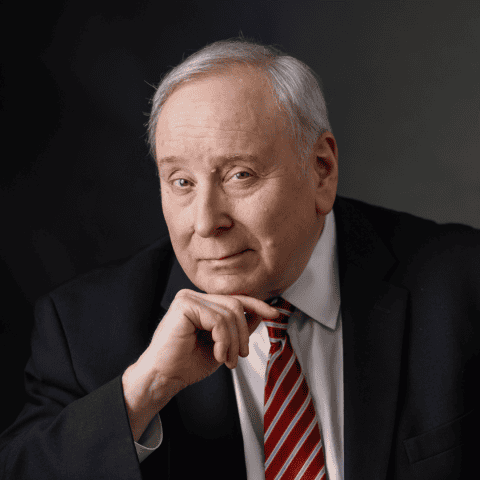
Lucy Tabrizi


Widziałam tę grafikę (mem) krążącą w sieci od co najmniej roku i za każdym razem mnie irytuje. Jej chwyt jest prosty: zalać ekran nazwami organizacji, tak by sama powtarzalność sprawiała wrażenie dowodu, którego nie da się podważyć w komentarzu. Zróbmy więc to porządnie.

Twierdzenie jest proste: jeśli większość NGO, instytucji, ruchów i państw jest przeciwko Izraelowi, to muszą mieć rację.

Historia pełna jest przykładów, kiedy większość dramatycznie się myliła: niewolnictwo, eugenika, segregacja rasowa, a nawet przekonanie, że słońce krąży wokół Ziemi. Tłum nie jest miarą prawdy.

Spójrzmy teraz na liczby. Żydzi stanowią zaledwie 0,2% światowej populacji, podczas gdy muzułmanie – około jednej czwartej ludzkości. Przez ponad sto lat znaczna część świata arabskiego pompowała antysyjonistyczną i antysemicką propagandę, kształtując opinię publiczną – nawet wśród tych, którzy nie podzielali tych poglądów.

Państwa takie jak Katar dysponują majątkiem sięgającym 1 biliona dolarów¹ za pośrednictwem swojego państwowego funduszu inwestycyjnego (Qatar Investment Authority), który inwestuje znaczne środki w instytucje zachodnie forsujące propagandę Bractwa Muzułmańskiego. Samo Bractwo czerpało szeroko z ideologii nazistowskiej – spuścizny, którą szczegółowo analizuję tutaj.

Ale najważniejsze jest to: przekonanie, że sądy i społeczeństwo obywatelskie nigdy nie zwróciłyby się przeciwko Żydom, świadczy o głębokiej ignorancji historycznej. Wielokrotnie imperia i państwa robiły dokładnie to – od średniowiecznej Anglii i Francji, przez Hiszpanię, Portugalię, carską Rosję, po nazistowskie Niemcy. Przez stulecia odwracały się od swoich społeczności żydowskich – i niemal każde z nich szybko potem upadało.

Przez dwa tysiące lat Żydów oskarżano o zatruwanie studni, roznoszenie zarazy, mordowanie dzieci. W latach 30. XX w. to właśnie system prawny został wykorzystany jako broń przeciwko nim. Holokaust rozpoczął się w sądach.

To jest główny powód, dla którego współczesny syjonizm istnieje – i dlaczego istnieje Izrael. Ponieważ opinia światowa tak często obracała się przeciwko Żydom. To tylko kolejna odsłona schematu, który każdy może dostrzec, jeśli tylko podrapie powierzchnię antysemityzmu.


Punkt po punkcie:


Międzynarodowy Trybunał Sprawiedliwości (MTS)
 – Nie ogłosił, że doszło do ludobójstwa. Jedynie dopuścił sprawę do rozpatrzenia, co jest bardzo niskim progiem. Joan Donoghue, która wygłaszała orzeczenie, później musiała to publicznie wyjaśniać².


ONZ
 – To nie bezstronny arbiter, lecz zbiór państw członkowskich, z których wiele głosuje blokowo, jak np. Organizacja Współpracy Islamskiej czy Ruch Państw Niezaangażowanych. Te bloki regularnie łączą siły, by izolować Izrael. W 2022 r. Zgromadzenie Ogólne ONZ przyjęło więcej rezolucji potępiających Izrael niż przeciwko wszystkim pozostałym krajom razem wziętym, w tym Korei Północnej, Iranowi czy Syrii. W 2024 r. Izrael był potępiany niemal trzy razy częściej niż reszta świata łącznie.


Oxfam
 – Pracownicy zostali przyłapani na rozpowszechnianiu antysemickiej retoryki. W pewnym momencie organizacja charytatywna sprzedawała na swojej stronie internetowej Protokoły mędrców Syjonu³. Niedawno wolontariusze zbierali datki, chodząc po dzielnicy żydowskiej i przywołując fałszywą liczbę ofiar w Gazie – co Oxfam później przyznał, mogło wyglądać jak celowanie w konkretną społeczność. Przeprosiny przychodzą po fakcie, ale schemat wskazuje na kulturę, w której antysemickie motywy ciągle się przedostają.


UNICEF
 – Powiela dane o ofiarach podawane przez Hamas bez ich weryfikacji, a potem po cichu je koryguje. Współpracował też z NGO powiązanymi z Hamasem i publikował raporty przedstawiające Izrael jako agresora, pomijając stosowanie przez Hamas dzieci-żołnierzy. Jedna z najbardziej zaufanych organizacji na rzecz dzieci zbyt często służyła jako megafon dla propagandy terrorystycznej.


Międzynarodowy Trybunał Karny (MTK)
 – Kierownictwo trybunału spotykało się publicznie z przedstawicielami Hamasu, a sam trybunał ma długą historię naciągania i niewłaściwego stosowania prawa międzynarodowego wobec Izraela – co szczegółowo opisałam tutaj.


UNRWA
 – Naszpikowana agentami Hamasu. Co najmniej 10% personelu jest powiązanych z organizacjami terrorystycznymi⁴. 7 października kilku pracowników aktywnie uczestniczyło w masakrze.


B’Tselem
 – Skrajnie lewicowe i marginalne izraelskie NGO, reprezentujące jedynie ułamek izraelskiego społeczeństwa, a za granicą traktowane jak głos całego narodu. Polegać na B’Tselem, by zrozumieć Izrael, to tak jakby traktować Kościół Baptystów Westboro jako reprezentanta całego chrześcijaństwa.


WHO
 – Bezrefleksyjnie powiela dane Ministerstwa Zdrowia Gazy, nie informując, że kontroluje je Hamas. Brak ujawnienia źródła sprawia, że WHO de facto „czyści” dane Hamasu, przekształcając je w „międzynarodowy fakt”.


Al Jazeera
 – Zakazana w Arabii Saudyjskiej, Egipcie, Jordanii, Bahrajnie, ZEA, Iraku, a nawet na terytoriach palestyńskich za służenie jako ramię propagandowe Kataru i islamistów. Na Zachodzie wykorzystuje wolność prasy, by udawać postępowe medium – taktyka żywcem wyjęta z podręcznika rosyjskich mediów państwowych. Nawet Autonomia Palestyńska oskarżała ją o promowanie Hamasu, a Al Arabiya demaskowała rozdźwięk między jej wypolerowanym kanałem anglojęzycznym a radykalnym kanałem arabskim.


Dziennikarze
 – W Gazie nie istnieje wolna prasa. Hamas decyduje, co można nagrywać, pisać i kto może pracować. „Lokalni dziennikarze”, na których polegają zachodnie media, to często ludzie Hamasu albo przerażeni cywile, którzy nie mają wyboru. Każda krytyka Hamasu grozi aresztem lub gorzej. To, co świat czyta, nie jest reportażem – to komunikaty prasowe Hamasu.


Palestyńczycy – Hamas kontroluje przepływ informacji w Gazie. To nie jest wolne społeczeństwo. Ale Palestyńczycy nie są monolitem. W rzeczywistości więcej Palestyńczyków ryzykowało życiem, protestując przeciwko Hamasowi, niż osób w wielu „wolnych” krajach, które twierdzą, że mówią w ich imieniu. Osoby takie jak Ahmed Fouad Alkhatib czy Moumen Al-Natour otwarcie krytykowały Hamas – często bardziej niż Izrael.


Czerwony Krzyż
 – Kiedyś niesławnie opisał nazistowskie obozy jako „humanitarne”, dając się oszukać fasadom takim jak Theresienstadt, przedkładając „neutralność” nad potępienie zbrodni. Dziś wywiera presję na Izrael w sprawie kwestii humanitarnych, niemal nie wspominając o izraelskich zakładnikach przetrzymywanych przez Hamas.


Antysyjoniści
 – Zaczynają od założenia: „Izrael jest zły”, a potem dopasowują argumenty, by to udowodnić. Antysyjonizm został wykreowany w stalinowskim Związku Radzieckim jako narzędzie propagandy zimnowojennej, a dziś głoszą go ajatollahowie z Iranu – kraju, którego cel jest otwarcie ludobójczy.


Lekarze w Gazie
 – To instytucje prowadzone przez Hamas, a nie niezależny system medyczny. Żaden lekarz nie może bezpiecznie zaprzeczyć oficjalnej narracji, gdy Hamas kontroluje ich licencje, szpitale, a często i życie. Wyłamanie się grozi więzieniem lub gorzej.


Zachodni Brzeg
 – Przywództwo Autonomii Palestyńskiej tłumi sprzeciw i szerzy antyizraelską narrację. Prezydent AP, Mahmud Abbas, napisał doktorat, w którym umniejszał Holokaust i oskarżał Żydów o współpracę z nazistami – motyw, który powtarza do dziś. Jego rząd realizuje też politykę „pay-for-slay” – wypłacając pensje terrorystom i ich rodzinom za zabijanie Izraelczyków.


Podręczniki historii
 – Które konkretnie? I kto je napisał? Mam tylko nadzieję, że ludzie faktycznie do nich zaglądają, zamiast opierać swoją wiedzę historyczną na relacjach z Instagrama czy kontach aktywistów finansowanych przez Iran.


Czerwony Półksiężyc
 – Często powiązany z organizacjami terrorystycznymi i wielokrotnie przyłapany na nadużywaniu symboli humanitarnych. Karetki i konwoje medyczne pod jego znakiem były używane do transportu broni i bojowników, co stanowi pogwałcenie prawa międzynarodowego i naraża prawdziwych pracowników medycznych oraz pacjentów.


Studenci uniwersyteccy
 – To ta sama grupa demograficzna, która kiedyś wiwatowała na cześć Stalina, Mao, a nawet Osamy bin Ladena. Ich „solidarność” zawsze była łatwa do wyprodukowania – najpierw przez radziecką propagandę, dziś przez pieniądze z Kataru. Katar przelał prawie 5 miliardów dolarów do amerykańskich uczelni w ciągu ostatnich dwóch dekad⁵. Wybaczcie, ale do ich moralnej klarowności podchodzę z ogromnym dystansem.


Antysyjonistyczni Żydzi
 – Zawsze istniała mniejszość, która próbowała zyskać akceptację świata, odrzucając część własnej tożsamości, wierząc, że to zmniejszy antysemityzm. Historia pokazuje, że to nigdy nie działa. I tak są prześladowani wraz z Żydami, których potępiają. Dziś otrzymują nieproporcjonalnie dużo uwagi, ponieważ służą jako „alibi” – Żyd, który potwierdza wygodną narrację.


Middle East Eye
 – Finansowany przez Katar portal o nieprzejrzystej strukturze właścicielskiej, blisko powiązany z Al Jazeerą. Krytycy – w tym regionalni rywale Kataru – opisują go jako tubę propagandową Bractwa Muzułmańskiego, a na Zachodzie często mylnie postrzega się go jako niezależny, oddolny głos.


Nasi dziadkowie
 – Może warto zapytać tych, którzy uciekli z Europy, Afryki Północnej czy Bliskiego Wschodu do Izraela? Wielu z nich przeżyło wypędzenia, pogromy i nagłe zwroty polityczne, które obracały się przeciwko Żydom z dnia na dzień. Oni potrafią najlepiej wyjaśnić, dlaczego Żydzi już dawno temu przestali ufać opinii światowej.


Transmisje na żywo
 – To wojna, a w wojnie cywile tragicznie giną. Najpewniejszy sposób, by do tego nie dochodziło, to jej nie rozpoczynać. Aktywiści internetowi nie są szkoleni w wykrywaniu propagandy. Hamas wie, jak ustawić i prezentować nagrania, by wywołać współczucie, wykorzystując ujęcia z innych konfliktów lub pozbawiając je kontekstu. Recykling obrazów tworzy złudzenie natychmiastowości – wiele z nich jest inscenizowanych, by wywołać oburzenie.


Human Rights Watch
 – Nie jest bezstronnym arbitrem. Założyciel organizacji, Robert Bernstein, ostrzegał w artykule opublikowanym w New York Timesie w 2009 roku, że organizacja stała się obsesyjnie skupiona na potępianiu Izraela, ignorując prawdziwe nadużycia w krajach autorytarnych⁶. Dla porównania, HRW opublikowała duży raport o ludobójstwie Ujgurów w Chinach dopiero po latach presji z zewnątrz.


World Central Kitchen
 – Niegdyś wychwalana jako ratunek humanitarny, WCK została zmuszona do zwolnienia 62 pracowników z Gazy (ponad 10% zespołu), po tym jak śledztwo powiązało ich z organizacjami terrorystycznymi⁷. Wśród nich był Ahed Azmi Qdeih, który brał udział w masakrze 7 października. WCK zapewnia, że wcześniej nie miała wiedzy o tych powiązaniach, ale – podobnie jak w przypadku UNRWA –  w takie zapewnienia trudno  uwierzyć. Jeśli 1 na 10 pracowników ma powiązania z terrorem, to oznacza to systemowy problem.


Amnesty International
 – Milczy lub działa z opóźnieniem w sprawie prawdziwych ludobójstw, np. w Darfurze, wobec Ujgurów czy w Syrii, ale bezustannie atakuje Izrael. Posunęli się nawet do redefinicji pojęcia „ludobójstwo” w swoich raportach – zmieniając je w przypisach, by pasowało do Izraela. W latach 2014–2015 Amnesty przyznawała, że Hamas wykorzystywał szpital Al-Shifa jako bazę wojskową, ale w 2023 roku temu zaprzeczali.


Palestyńscy więźniowie
 – To skazani przestępcy, często odbywający kary za morderstwa.


Palestyńscy chrześcijanie
 – Ich liczba maleje pod wpływem islamskich prześladowań, a nie izraelskiej polityki. Krytykowanie Izraela jest bezpieczne; krytyka prześladowców – nie. Tymczasem Izrael jest jedynym krajem na Bliskim Wschodzie i w Afryce Północnej, gdzie liczba chrześcijan rzeczywiście rośnie⁸.


Lekarze Bez Granic (MSF)
 – Nie są neutralni. Podczas wojny w Gazie ich komunikaty bezkrytycznie powielały dane o ofiarach podawane przez Hamas, nie wspominając w ogóle o 7 października czy o wykorzystywaniu przez Hamas szpitali i cywilów jako żywych tarcz.


Ministerstwo Zdrowia Gazy
 – Jest kontrolowane przez Hamas – organizację, która otwarcie wykorzystuje cywilów jako żywe tarcze⁹. Podawane przez nie liczby ofiar są nieweryfikowalne i często zawyżone – stanowią propagandę, a nie dane z zakresu zdrowia publicznego.


Specjalna sprawozdawczyni ONZ
 – Francesca Albanese umniejszała zbrodniom z 7 października i określała palestyński terroryzm mianem „ruchu oporu”. Ostatnio twierdziła, że Hamas nie powinien być postrzegany jako „rzezimieszki” ani „uzbrojeni po zęby”, lecz jako ciało polityczne, które buduje szkoły i szpitale. Tak wygląda „neutralność” według ONZ: wysłanniczka ds. praw człowieka powielająca przekaz Hamasu. UN Watch, genewska organizacja pozarządowa, wielokrotnie wzywała do jej usunięcia.


World Surgical Foundation
 – Opiera się na danych przekazywanych przez Ministerstwo Zdrowia Gazy, czyli przez Hamas. W związku z tym cały raportowany obraz cierpienia jest oparty na niesprawdzonych i często zmanipulowanych danych.


Żołnierze IDF przyznający się do zbrodni
 – Każda armia ma swoje „czarne owce”. Różnica polega na tym, że Izrael je sądzi, a Hamas wynosi na piedestał. Około 1% populacji ogólnej ma cechy psychopatyczne¹⁰. W armii liczącej 160 tys. żołnierzy oznacza to około 1 600 takich przypadków. Dla Hamasu każdy z nich uchwycony na wideo jest złotem propagandowym, przedstawianym jako dowód przeciwko całej armii.


146 państw wspierających Palestynę
 – Liczby nie są miarą moralności. Większość z tych państw to dyktatury i reżimy autorytarne, a demokracje Zachodu zbyt często dołączają do tego chóru z powodu zamętu – lub, w przypadku Europy, z powodu długiej historii antysemityzmu.

Cierpienie może być prawdziwe – ale tak samo prawdziwa jest propaganda. Antysemityzm to najstarsze uprzedzenie na świecie. Więc kiedy jakiś mem czy nagłówek mówi ci, że „cały świat się zgadza” – pamiętaj: tłum już nieraz się mylił. Śmiertelnie się mylił.


Przypisy:

1. ISGAP, “Networks of Hate: Qatari Paymasters, Soft Power, and the Manipulation of Democracy,” The Institute for the Study of Global Antisemitism and Policy, December 2023, p. 6.

2. BBC, Feb 2024. [bbc.com](https://www.bbc.com/news/av/world-middle-east-68906919)

3. Antisemitism.org, “Oxfam apologises for selling antisemitic tract” (https://antisemitism.org/oxfam-apologises-for-selling-antisemitic-tract-the-protocols-of-the-elders-of-zion-and-removes-it-from-online-sale/), Mar 2020.

4. European Parliament, Written Question E-000295/2024, Jan 2024. europarl.europa.eu

5. National Association of Scholars, Outsourced to Qatar: Academic Collaboration, Campus Influence, and National Security, 2023 (https://www.nas.org/reports/outsourced-to-qatar/full-report)

6. Robert L. Bernstein, “Enough with the Israel Obsession,” The New Republic, Jan 2009 (https://newrepublic.com/article/70453/former-human-rights-watch-prez-enough-the-israel-obsession)

7. Reuters, World Central Kitchen fires dozens of workers in Gaza after Israel accuses them of links to militants, Dec 2024 (https://www.reuters.com/world/world-central-kitchen-fires-dozens-workers-gaza-after-israel-accuses-them-2024-12-10/)

8. Open Doors, World Watch List 2025 – Countries Where Christians Face Extreme Persecution, accessed 2025 (https://www.opendoors.org/en-US/persecution/countries/)

9. NATO StratCom COE, Hamas’ use of human shields in Gaza (https://stratcomcoe.org/cuploads/pfiles/hamas_human_shields.pdf), Lawfare Theme

10. MindPsychiatrist.com, “What percent of the world’s population are psychopaths?(https://mindpsychiatrist.com/what-percent-of-the-world-s-population-are-psychopaths/)


Link do oryginału: https://lucytabrizi.substack.com/p/the-mob-is-not-the-measure-of-truth
Notes From thew Ruins, 9 września 2025


Zawartość publikowanych artykułów i materiałów nie reprezentuje poglądów ani opinii Reunion’68,
ani też webmastera Blogu Reunion’68, chyba ze jest to wyraźnie zaznaczone.
Twoje uwagi, linki, własne artykuły lub wiadomości prześlij na adres:
webmaster@reunion68.com


Israeli ministers call for annexation after UN vote on ‘Palestine’


Israeli ministers call for annexation after UN vote on ‘Palestine’

Israel News


“The fact that a diplomatic attack on Israel is met with Israeli silence—is unacceptable and cannot continue,” said Israeli Finance Minister Bezalel Smotrich.

Israeli Finance Minister Bezalel Smotrich holds a press conference with Judea and Samaria mayors, at the Finance Ministry in Jerusalem, Sept. 3, 2025. Photo by Yonatan Sindel/Flash90.

Israeli ministers on Saturday night called on the government to annex Judea and Samaria, after the U.N. General Assembly voted to adopt the so-called New York Declaration on the Peaceful Settlement of the Question of Palestine, which outlines the implementation of a two-state solution and the path towards recognition of a Palestinian state.

“The fact that a diplomatic attack on Israel is met with Israeli silence—is unacceptable and cannot continue,” said Israeli Finance Minister Bezalel Smotrich, who is also a minister in the Defense Ministry responsible for overseeing civilian issues related to Judea and Samaria.

“France and other countries are openly acting against Israel. Israel must apply Israeli sovereignty as a preventive measure against the reckless attempt to establish a terror state in the heart of our land,” he added.

Israeli Justice Minister Yariv Levin called the U.N. decision “a reward for terrorism,” adding that a Palestinian state will never be established.

“The Land of Israel belongs to the people of Israel,” he added. “Even the U.N. decision will not change that. It is time to apply sovereignty to Judea, Samaria and the Jordan Valley. This is the appropriate Zionist response.”

Israeli Heritage Minister Amichai Eliyahu said the U.N. had transformed from an organization that recognized the Jews’ right to a state in 1947 into “a circus that rewards murderers.”

“An organization in which 57 Muslim countries and African dictatorships have an automatic majority is not only irrelevant, it is dangerous,” he said. “Its resolutions have no meaning, and the time has come for President Trump to lead to its replacement with a sane alternative.

“No invented state will arise for an invented people,” he continued. “There has never been a Palestinian state and there never will be.”

On Thursday, Israeli Prime Minister Benjamin Netanyahu attended the signing of an “umbrella agreement” between the government and Ma’ale Adumim at the Judean city’s Cultural Center, which commits Jerusalem to finance the construction of two new neighborhoods and the expansion of a third in the city.

“We said there will be no Palestinian state—indeed there will be no Palestinian state. This place is ours,” Netanyahu declared at the event.

In repudiating a Palestinian state, Netanyahu referred to the most strategically important part of the agreement—the building of a new neighborhood in E1 (“East 1”)—an area, once built, both Israel and the Palestinians agree threatens Arab geographic contiguity, making it far more difficult to establish a viable Palestinian state.

Various obstacles, chief among them international pressure, have left E1, a 12-square-kilometer (4.6 sq. mile) area in Judea, virtually untouched for decades, despite support for construction by every Israeli government starting from Yitzhak Rabin’s in 1994, which first proposed the idea.

Other ministers who attended were Environmental Protection Minister Idit Silman, Education Minister Yoav Kisch, Diaspora Affairs and Combating Antisemitism Minister Amichai Chikli, Communications Minister Shlomo Karhi, and Ze’ev Elkin, a minister in the Finance Ministry.

U.S. Ambassador to Israel Mike Huckabee said last week that Washington had “never asked Israel not to apply sovereignty” in Judea and Samaria.

“I have repeatedly said that the United States respects Israel as a sovereign state and will not tell Israel what to do. That’s also what Secretary of State Rubio said just last week,” Channel 14 quoted the American envoy as saying.

Asked by reporters to comment on this development, Rubio said, “What you’re seeing with [Judea and Samaria] and the annexation, that’s not a final thing—that’s something being discussed among some elements of Israeli politics. I’m not going to opine on that today.”

He went on to say that Washington had harsh words for world leaders who have said that they plan to recognize an independent Palestinian state.

“We told all these countries, ‘If you guys do this recognition stuff—it’s all fake, it’s not even real,” Rubio said. “If you do it, you’re going to create really big problems.”

Rubio is scheduled to arrive in Israel on Sept. 14 for an official visit. Tommy Pigott, principal deputy spokesperson for the State Department, stated on Friday that Rubio “will convey America’s priorities in the Israel-Hamas conflict and broader issues concerning Middle Eastern security, reaffirming U.S. commitment to Israeli security.”


Zawartość publikowanych artykułów i materiałów nie reprezentuje poglądów ani opinii Reunion’68,
ani też webmastera Blogu Reunion’68, chyba ze jest to wyraźnie zaznaczone.
Twoje uwagi, linki, własne artykuły lub wiadomości prześlij na adres:
webmaster@reunion68.com

Israeli attack on Hamas ‘worthy goal’ but took place ‘very unfortunately’ in Doha, Trump says


Israeli attack on Hamas ‘worthy goal’ but took place ‘very unfortunately’ in Doha, Trump says

Mike Wagenheim


“I believe this unfortunate incident could serve as an opportunity for peace,” the U.S. president stated.

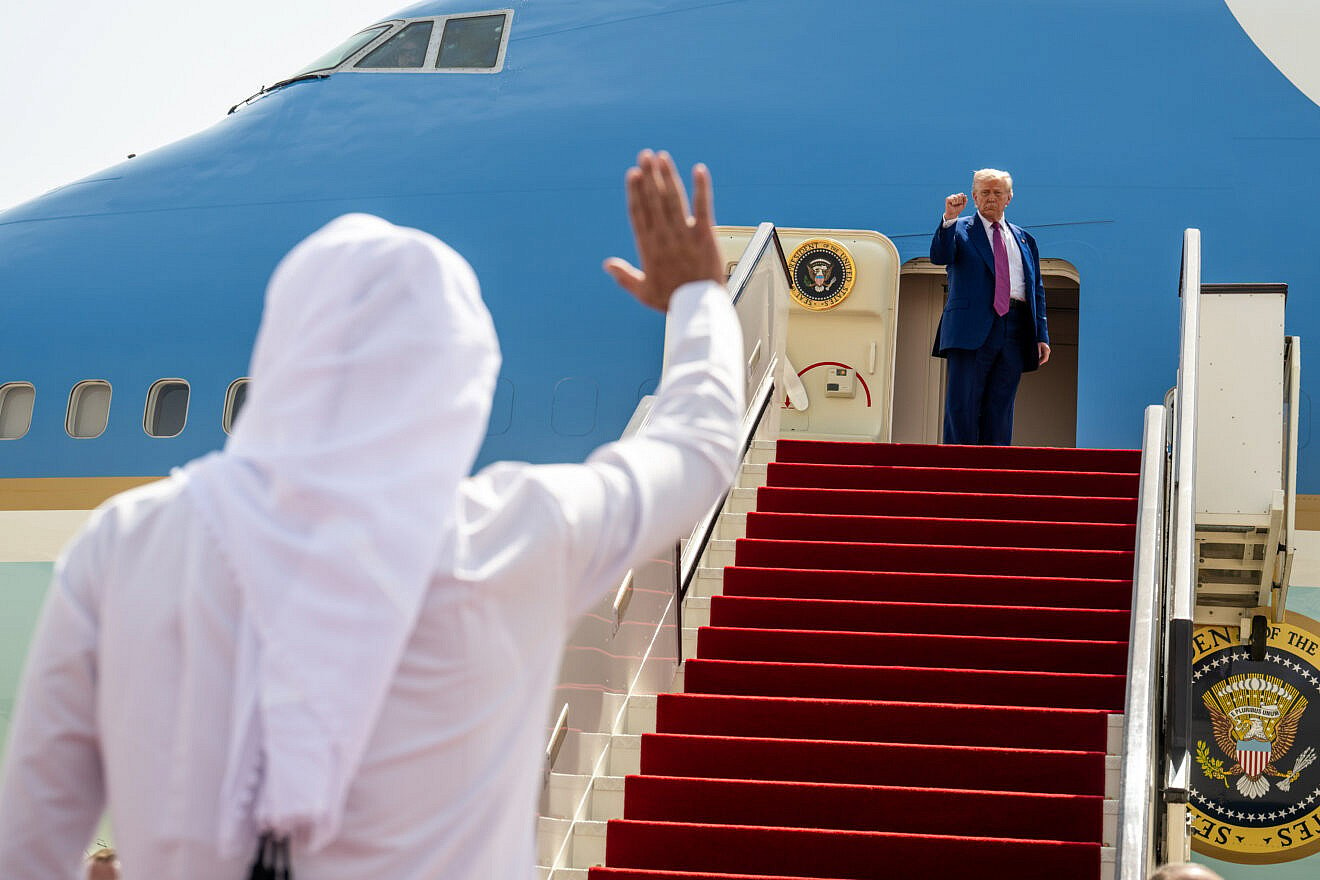
U.S. President Donald Trump bids farewell to Emir of Qatar Sheikh Tamim bin Hamad Al Thani at Al Udeid Air Force Base as he boards Air Force One en route to Abu Dhabi International Airport, May 15, 2025. Credit: Daniel Torok/White House.

U.S. President Donald Trump feels “very badly” about Israel’s strike on a Doha residence that housed a Hamas negotiating delegation earlier in the day.

“Unilaterally bombing inside Qatar, a sovereign nation and close ally of the United States, that is working very hard and bravely taking risks with us to broker peace, does not advance Israel or America’s goals,” the president stated. “However, eliminating Hamas, who have profited off the misery of those living in Gaza, is a worthy goal.”

Trump stated that Israeli Prime Minister Benjamin Netanyahu decided to strike the Doha residence. “I immediately directed special envoy Steve Witkoff to inform the Qataris of the impending attack, which he did; however, unfortunately, too late to stop the attack,” Trump said.

“Shorter Trump: The location of the Hamas leadership was unfortunate,” stated David Hazony, director and Steinhardt senior fellow of the Z3 Institute for Jewish Priorities.

Some media reports were skeptical of Trump’s claim that Washington wasn’t forewarned.

Karoline Leavitt, the White House press secretary, said during a media briefing that the U.S. military told Trump about a pending attack. She didn’t clarify how the U.S. military learned of the attack.

Washington shares parts of its largest military base in the Middle East–located just outside Doha at Al-Udeid—with the Qataris. (Iran attacked the base in June, seemingly in a symbolic strike, after the United States bombed the regime’s nuclear facilities.)

Mohammed bin Abdulrahman Al Thani, the Qatari prime minister, said that the message from a U.S. official came about 10 minutes after the attack. The death toll remains unclear. Hamas says all members of its delegation survived, though some relatives, security and others were killed.

Trump stated that he spoke with Al Thani and the emir of Qatar and thanked them for their “support and friendship” and assured them “that such a thing will not happen again on their soil.”

Trump directed Marco Rubio, the U.S. secretary of state and national security advisor, to finalize a defense cooperation agreement with Qatar. The U.S. president also said that he spoke with Netanyahu.

“I want all of the hostages and bodies of the dead released, and this war to end now,” Trump stated. He said that Netanyahu “told me that he wants to make peace. I believe this unfortunate incident could serve as an opportunity for peace.”

Critics have long accused Qatar of being friendly to both Washington and terror groups, including Hamas, whose leadership it hosts. The state also oversees the Al Jazeera network. Qatar’s supporters say that the state’s connections with Hamas allow a direct line of negotiation with the terror group.


Zawartość publikowanych artykułów i materiałów nie reprezentuje poglądów ani opinii Reunion’68,
ani też webmastera Blogu Reunion’68, chyba ze jest to wyraźnie zaznaczone.
Twoje uwagi, linki, własne artykuły lub wiadomości prześlij na adres:
webmaster@reunion68.com

Sondaże nie są dowodami ludobójstwa


Sondaże nie są dowodami ludobójstwa

Andrzej Koraszewski


Jak informuje nas kierownik działu zagranicznego dziennika Rzeczpospolita  Jerzy Haszczyński:
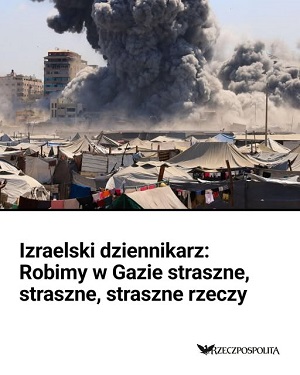
„70 proc. Polaków uważa, że Izrael dopuszcza się w Strefie Gazy ludobójstwa. Jakie znaczenie dla izraelskiego rządu mają takie sondaże? Używa ich jak papieru toaletowego do podcierania tyłków.” To zaledwie początek artykułu pod tytułem „Izraelski dziennikarz: Robimy w Gazie straszne, straszne, straszne rzeczy”. Tym dziennikarzem izraelskim jest oczywiście dziennikarz gazety Haaretz, wściekle lewicowy Josi Melman, który zaczyna swoją opowieść tak: „Rząd Izraela się nie przejmuje, co myślą Polacy, Francuzi, Hiszpanie, reszta świata. Podobnie ze zdaniem połowy Izraelczyków, którzy uważają, że to, co się dzieje w Gazie, jest okropne.”

Nie trzeba długo szukać, żeby dowiedzieć się, że izraelski dziennikarz świadomie wprowadza w błąd na temat rozkładu opinii izraelskiego społeczeństwa. Takie sprawdzenie izraelskich sondaży powinno być łatwe nawet dla absolwenta Wydziału Filozofii w Warszawie (jakim jest p. Haszczyński).

Głosy czytelników w komentarzach pod tym artykułem nie pozostawiają wątpliwości co do tego, jakie jest źródło opinii tych 70 procent Polaków i dlaczego tak wielu dało się przekonać do propagandy Hamasu, masowo powielanej na różnych szacownych łamach.

Porzućmy jednak „Rzeczpospolitą”. Być może masowe postawy i opinie mniej zależą od faktów, a bardziej od tego, gdzie kto szuka informacji.

Dziesiątego września gazeta Washington Post opublikowała artykuł Johna Spencera, wykładowcy West Point, uważanego za jednego z najlepszych specjalistów na świecie w kwestii wojen prowadzonych na terenach miejskich.

John Spencer pisze:

Izrael wezwał do masowej ewakuacji ludności cywilnej z miasta Gaza, co stanowi zapowiedź najbardziej decydującej bitwy tej wojny. W miniony weekend prezydent Donald Trump wydał – jak to ujął na platformie Truth Social – swoje „ostatnie ostrzeżenie” dla Hamasu, ogłaszając, że Izrael zaakceptował warunki rozejmu i że nadszedł czas, aby Hamas uczynił to samo – w przeciwnym razie poniesie konsekwencje. We wtorek Izrael przeprowadził precyzyjne uderzenie na przywódców Hamasu w Dosze.

Zbieg tych wydarzeń podkreśla podstawową prawdę: ostateczna bitwa o Gazę jest nieunikniona.

W miarę jak Izrael przygotowuje się do wejścia do miasta, kampania dezinformacyjna będzie się nasilać. Pojawi się coraz więcej błędnych interpretacji prawa wojennego. Wzrośnie liczba oskarżeń, że oblężenia są nielegalne lub niemoralne. Takie oskarżenia są bezpodstawne.

Amerykański ekspert zwraca uwagę na fakt, że prawa konfliktów zbrojnych dopuszczają oblężenie jako izolację sił przeciwnika w celu odcięcia go od zaopatrzenia, posiłków i możliwości manewru – zwykle w celu zmuszenia do kapitulacji lub umożliwienia decydującego ataku. Prawo zastrzega konieczność podjęcia środków ostrożności mających na celu minimalizację szkód wśród ludności cywilnej. „Oblężenie nie tylko jest zgodne z prawem – może być też najlepszym sposobem na ograniczenie liczby ofiar cywilnych”.

„Podobna taktyka nie jest unikalna dla Gazy. W niemal każdej większej operacji miejskiej ostatnich dekad Stany Zjednoczone i ich sojusznicy otaczali miasta, wzywali cywilów do ewakuacji – a następnie przystępowali do starannie zaplanowanego ataku.

W drugiej bitwie o Faludżę w 2004 roku siły amerykańskie i irackie zastosowały właśnie takie podejście, zanim rozpoczęły największy atak całej wojny w Iraku.

W Tall Afar w 2005 roku wojska USA zbudowały wysoki na trzy metry wał ziemny wokół miasta, ograniczając możliwość wchodzenia i wychodzenia. Mieszkańcom zapewniono bezpieczne drogi ewakuacji, a każda osoba opuszczająca miasto była kontrolowana, by odróżnić cywilów od bojowników Al-Kaidy. Było to tzw. oblężenie „porowate”: cywile mogli odejść, terroryści – nie. Bitwa ta stała się wzorem dla operacji izolowania i oczyszczania miast opanowanych przez ekstremistów.

Bitwa o Mosul w latach 2016–2017 to najbliższy analogiczny przypadek do planowanej operacji izraelskiej. Miasto liczące ponad milion mieszkańców przez dwa lata znajdowało się pod kontrolą Państwa Islamskiego. Początkowo cywilom nakazano pozostać na miejscu, co uczyniło z nich żywe tarcze. W połowie walk polityka się zmieniła i setki tysięcy osób uciekły – mimo że bojownicy próbowali ich powstrzymać. Pomoc humanitarna była dostarczana poza strefą walk, ponieważ wszystko, co trafiłoby do miasta, zostałoby przejęte przez terrorystów. Oczyszczenie Mosulu z sił Państwa Islamskiego zajęło dziewięć miesięcy.”

Spencer zwraca uwagę na fakt, iż mimo że Hamas jest dziś znacznie osłabiony, a armia izraelska jest i lepiej wyszkolona, i lepiej uzbrojona niż armia iracka, miasto Gaza jest twierdzą z podziemnymi tunelami, Hamas nadal korzysta z żywych tarcz i grozi cywilom karami za opuszczanie miasta, co jest oczywistą zbrodnią wojenną.

„Izrael, przeciwnie, przez całą wojnę stosował pełen katalog środków ostrożności przewidzianych przez prawo międzynarodowe: rozdawał ulotki i wykonywał połączenia telefoniczne z ostrzeżeniami, wyznaczał trasy ewakuacyjne, ogłaszał przerwy humanitarne – zarówno po to, by umożliwić cywilom ucieczkę do bezpiecznych stref, jak i by pomoc mogła dotrzeć poza strefy walk.”

W ocenie tej wojny, podobnie jak każdej innej, istotne są pytania, czy jest to agresja, czy działanie obronne? Czy to działanie jest legalne, czy nielegalne, moralne, czy niemoralne, a wreszcie, czy z punktu widzenia bezpieczeństwa państwa jest konieczne?

„Biorąc pod uwagę dotychczasowe działania Izraela, atak na Gazę będzie legalny, moralny i konieczny. IDF działa tak, jak każda nowoczesna armia walcząca z wrogiem zakorzenionym w gęsto zabudowanych miastach.

Zakończenie wojny zależy od tego, czy Hamas uwolni zakładników i zrezygnuje z kontroli nad Gazą. Żadne państwo nie może pozwolić, by organizacja terrorystyczna miała bezpieczną przystań w gęsto zaludnionym mieście, przetrzymując zakładników i wystrzeliwując dziesiątki tysięcy rakiet. Jeśli bojownicy Hamasu odmówią, Izrael ma pełne prawo dokończyć oblężenie i przeprowadzić atak do momentu ich pokonania” – konkluduje John Spencer.

Powróćmy do naszej „Rzeczpospolitej”, która po raz kolejny buduje postawy i opinie świadomie oraz z premedytacją, przekazując narrację Hamasu, na domiar złego zamaskowaną głosem izraelskiego „dziennikarza”. „Rzeczpospolita” nie poinformowała, że Międzynarodowy Trybunał Sprawiedliwości nie orzekł, iż Izrael popełnił ludobójstwo – orzekł, że oskarżenie wniesione przez RPA może mieć jakieś podstawy, a Izrael może (w jakiejś przyszłości) popełnić ludobójstwo. Mętne orzeczenia MTS pozwoliły na kształtowanie opinii publicznej i powoływanie się potem na sondaże przez działających w złej woli dziennikarzy światowej (w tym polskiej) prasy.

Oczywiście dziennikarze tacy jak Jerzy Haszczyński nie odpowiadają na proste pytania o przykład działania polskiej, brytyjskiej, francuskiej, amerykańskiej lub innej armii, która dokonałaby takich wysiłków oszczędzania ofiar cywilnych, jakich dokonuje armia izraelska w Gazie. Izrael nie używa głodu jako broni, ale ani dziennikarz „Rzeczpospolitej”, ani izraelski „dziennikarz” nie podaje i nie może podać żadnego przykładu zaopatrywania ludności wroga w żywność i medykamenty w takich ilościach, jak to robi Izrael w Gazie.
Izraelscy żołnierze nie strzelają do dzieci – chyba że są to uzbrojone dzieci, nastoletni żołnierze, których wykorzystywanie w walkach jest kolejną zbrodnią wojenną Hamasu.

„Rzeczpospolita” została założona przed wojną przez Stanisława Strońskiego (profesora romanistyki pochodzenia żydowskiego), gorącego zwolennika Mussoliniego i włoskiego faszyzmu. Nie ma jednak obowiązku, by aż tak wiernie trzymać się tradycji.


Webmaster: Nie wszyscy wiedza ze wlasciciel Haaretz mieszka w Londynie, a ta uznawana ze “najlepsza Izraelska Gazete” ma tylko troche ponad 4% czytelnikow w samym Izraelu. Tak wiec gdyby nie Arabowie, Antysemici, faszysci i swiatowi “globalisci-komunisci” ktorzy lapczywie wchlaniaja gazete, Haaretz by nie przezyl jako zwykla Izraelska gazeta.  


Zawartość publikowanych artykułów i materiałów nie reprezentuje poglądów ani opinii Reunion’68,
ani też webmastera Blogu Reunion’68, chyba ze jest to wyraźnie zaznaczone.
Twoje uwagi, linki, własne artykuły lub wiadomości prześlij na adres:
webmaster@reunion68.com

America’s unreliable Middle East ‘ally’ is Qatar, not Israel


America’s unreliable Middle East ‘ally’ is Qatar, not Israel

Jonathan S. Tobin


The foreign-policy establishment’s outrage about the strike on Hamas leaders is sheer hypocrisy. What needs to change is Washington’s reliance on the Islamists in Doha.

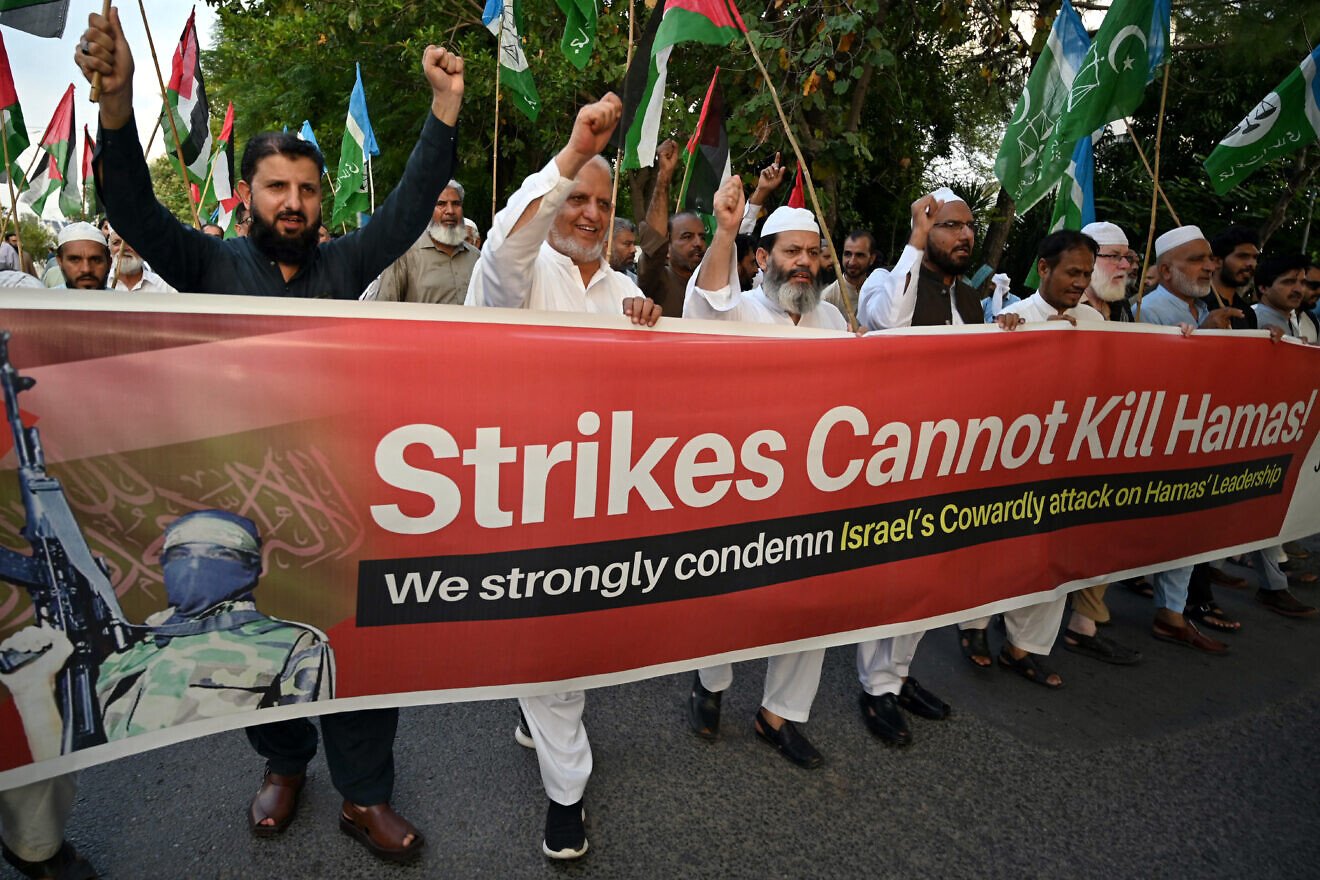
Protesters associated with Pakistan’s Jamaat-e-Islami (JI) Party in Islamabad hold a banner against Israel’s airstrikes targeting Hamas leaders in Qatar, Sept. 10, 2025. Photo by Farooq Naeem/AFP via Getty Images.

The anger from the international community, as well as the Muslim and Arab world, about Israel’s airstrike on members of the Hamas leadership in Doha, Qatar, was matched only by the outrage coming from the American foreign-policy establishment. At the heart of their complaints was not just their chagrin at the skill of the Israel Defense Forces and the Jewish state’s intelligence operatives, in addition to Prime Minister Benjamin Netanyahu’s willingness to flout world opinion.

They were also at pains to depict the strike as the actions of a rogue state, which exploits its ties with the United States rather than behaves like a good ally.

The narrative about the incident is the claim that Netanyahu tricked and/or betrayed President Donald Trump about the airstrike, and so, we were told, he was left with egg on his face.

The most important fact about what happened in Doha was something conspicuously ignored in almost all media coverage. The real scandal was that the men who direct Hamas operations and represent it to the world have been allowed to live openly in peace and apparent security in the Gulf state.

No different than bin Laden

Amid all the huffing and puffing about Israel’s chutzpah for violating the sovereignty of the Gulf emirate, what was lost was that the Hamas operatives and their various functionaries, bodyguards and family members put in harm’s way by the Israelis are among the most vicious criminals on the planet—the moral equivalent of Al-Qaeda mastermind Osama bin Laden.

The real issue isn’t Israel’s violating international norms by attempting to administer the same summary justice to the people who were as much the architects of the terrorist attacks in Israel on Oct. 7, 2023, as bin Laden was of the 9/11 attacks on the World Trade Center and the Pentagon. It’s that a country America continues to treat as a trusted ally is playing host to the authors of the worst mass slaughter of Jews since the Holocaust. That country also funds Islamist terror and supports Islamist indoctrination around the world while acting as a key supporter of Iran. It’s the Qataris who are the rogue state, not the Israelis.

Once that information is acknowledged, then the question is not what the Israelis were doing to disturb the peace of a wealthy enclave in Doha. The question is why the Trump administration seems to be following in the footsteps of its hapless predecessors by treating the Qataris as allies rather than, at best, frenemies who should never be trusted. If anyone has been duping Trump, it’s the Qataris, not the Israelis. Anyone reading or watching news accounts of the attack missed all of this.

Headlines in the liberal mainstream media outlets all screamed their dismay at the Jewish state’s decision to take out some of the terrorist group’s leaders in what they thought was the safe haven of an exclusive neighborhood filled with embassies and luxury residential buildings.

CNN led with a quote from Qatari Prime Minister Sheikh Mohammed bin Abdulrahman al-Thani calling the attack “state terrorism.” A Washington Post story focused on the allegation that Jerusalem was acting like a rogue state: “Israel says it’s bombing its way to peace. The region fears more chaos.”

The New York Times headline on its story betrayed a somewhat more subtle agenda: “Once Again, Israel Leaves Trump in the Dark as It Conducts a Military Attack.” The goal was to highlight not just an apparent rift between Israel and the United States over the incident. The point was to drive home the more sinister notion that Netanyahu is deceiving his erstwhile strategic partner, as well as leading the U.S. president around by the nose and undermining American interests to advance his own dark goals of military conquest and unending war.

A day later, the Times followed up with an even more tendentious story advocating for the Gulf States to take action against Israel while claiming that the attack threatened Qatar’s ability to conduct international trade. But what does granting mass murderers safe haven have to do with the ability of the Gulf emirates to engage in commerce?

In doing so, such media were voicing a sentiment that was repeated throughout the corporate press coverage of the event. The Times and other outlets rounded up the usual suspects of “experts” from Middle East studies departments at major universities—many of which are funded by Qatar—to echo the notion that Israel is the tail wagging the American dog, much to the detriment of the cause of peace and good relations between the United States and the Muslim Arab world.

Veterans of the Obama and Biden administrations who still nurse grudges against Netanyahu and the Israelis for not obeying their orders not to defend their country against terrorists or to make suicidal concessions to them were also trotted out to denounce the strike. They asserted that the Israeli goal was to sabotage ceasefire negotiations with Hamas, for which Qatar serves as the intermediary, as well as to undermine the U.S. relationship with Doha.

More importantly, they sought to play on Trump’s vanity and trumpet the conclusion that the self-styled master of the “art of the deal” was being played for a fool by the Israeli leader.

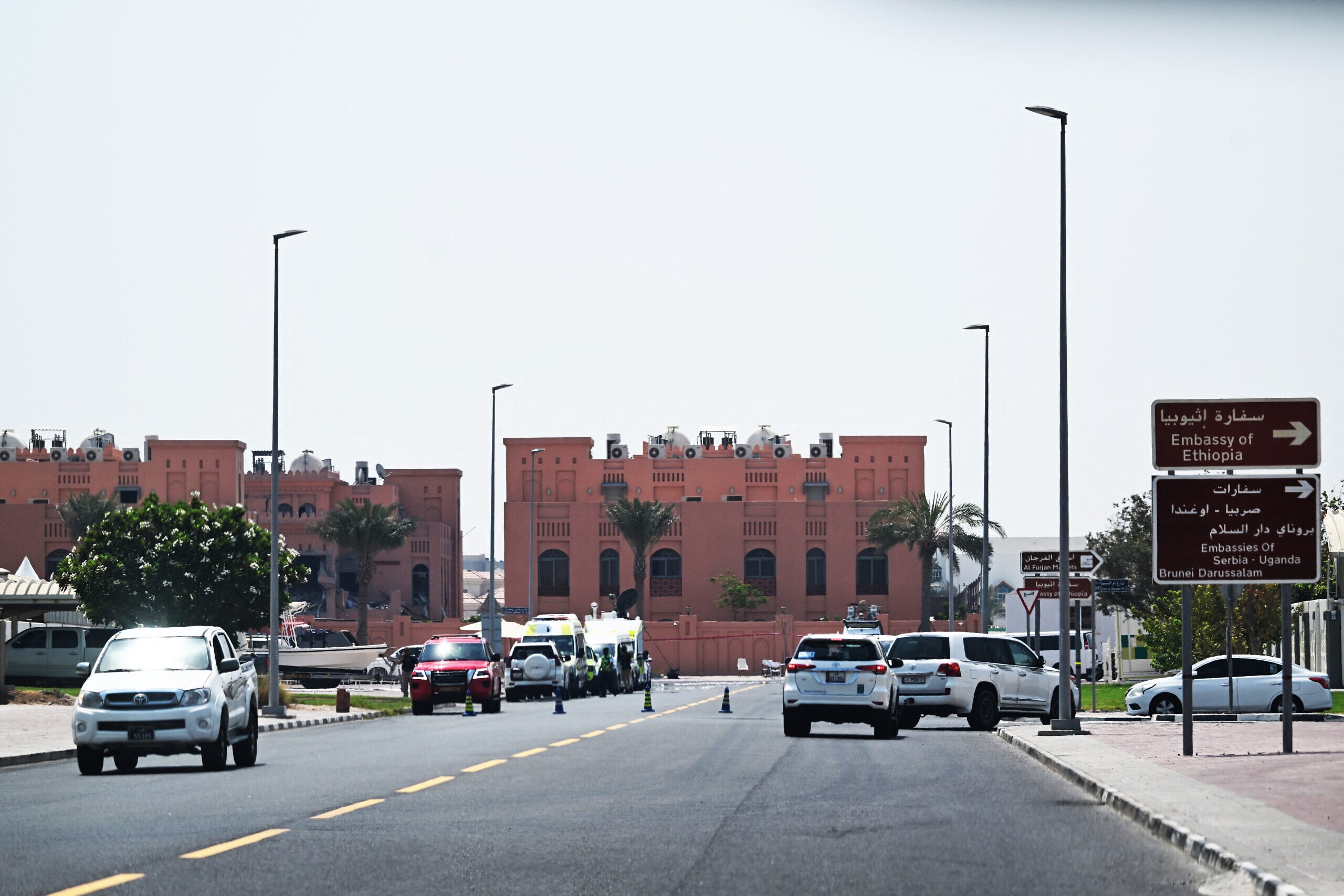
A picture taken from a distance shows the damaged building (left) in the compound housing members of Hamas’s political bureau, targeted the previous day by an Israeli airstrike in Qatar’s capital of Doha, Sept. 10, 2025. Photo by AFP via Getty Images.

A false friend

Many in the foreign-policy establishment speak of the relationship with Qatar as a good deal for the United States. The Qataris are said to be doing a huge favor to Washington by allowing it to use the Al Udeid Air Base as the headquarters for the U.S. Central Command (CENTCOM) and a listening post from which the Americans can keep an eye on Iran and other malign actors in the Middle East.

Moreover, the Qataris have also managed to insert themselves into negotiations between Israel, the United States and Hamas, thereby making them indispensable to the diplomatic process by which Washington hopes to broker yet another ceasefire-hostage release deal with the terrorists.

This narrative about the U.S.-Qatari relationship, however, has it all backwards.

Qatar isn’t doing the Americans any favors by posing as the go-between with Hamas. This is, like the hosting of the military airbase, part of the emirate’s information operation in which it has sought to buy influence in the United States and advance the Islamist agenda that it supports.

Hamas’s presence in Qatar is no accident. It is the headquarters of the Muslim Brotherhood, the Islamist group that gave birth to Hamas. The Brotherhood is also one of the principal engines of a jihadist movement whose aim is the destruction of Israel and a war on the West.

Buying influence

The oil-rich emirate spends money like water in America. It is the largest foreign donor to U.S. institutions of higher education, giving some of its wealth to colleges and universities to maintain Middle East studies departments that are bastions of anti-Western hate and antisemitism, as well as apologists for Islamist threats to America.

And it’s also the Washington lobbying industry’s best friend, buying influence in Congress and the business community. As Middle East analyst Michael Pregent told me, there are a lot of lobbyists and other figures in Washington, D.C., who “couldn’t pay their mortgages” without the money they get either directly or indirectly from Qatar. The emirate’s role in bailing out Trump envoy Steve Witkoff in a real estate deal not only casts doubt on his judgment but has essentially compromised the Trump foreign-policy team’s ability to objectively evaluate Doha’s role in the Middle East.

Another small example of Qatar’s profligate spending in the United States is the way it has funded the film career of the mother of Zohran Mamdani, the Socialist who is the Democratic Party’s candidate in the race for mayor of New York City. The tens of millions it has spent propping up the career of arthouse filmmaker and documentarian Mira Nair, Mamdani’s Israel-bashing mother, is small change compared to the reported hundreds of millions it invested in helping Witkoff. But like the money it spends on installing those who hate Israel and America in tenured positions at colleges and universities, it does all add up.

And that’s not even counting the enormous influence it wields via its Al Jazeera news channel—the most-watched media outlet in the Muslim world—that churns out Muslim Brotherhood-style propaganda masquerading as reporting seven days a week.

It’s true that the Al Udeid Air Base is more important than ever to the United States after former President Joe Biden’s shameful abandonment of the Bagram Air Base in Afghanistan to the Taliban in 2021. While moving it elsewhere would be highly inconvenient, the idea that it couldn’t be transferred to another Gulf emirate isn’t credible. Its presence in Qatar not only confers legitimacy on the dubious notion that Doha is an ally. It also undermines America’s credibility in the struggle against Islamist terror—a point not lost on groups like Hamas and its Muslim Brotherhood mentors, who are funded by the Qataris. Though its apologists will never admit it, Qatar needs the United States a lot more than America needs Qatar.

Simply put, Qatar plays both ends against the middle when it comes to America and Islamic terrorists who wish to destroy it. Unlike Pakistan, which often does the same thing while posing as a U.S. ally, Qatar’s ability to maintain this untenable position is based on its buying influence and not a nuclear weapon.

Has the strike in Qatar endangered Israel’s relationship with Trump? That’s what Israel-bashers are counting on. But they shouldn’t. 

Even as Trump expressed his displeasure about the Israelis acting independently of his control in this manner, he still expressed views that are more in line with those of the pro-Israel community, saying in a Truth Social post that “eliminating Hamas, who have profited off of the misery of those living in Gaza, is a worthy goal.” That is a far cry from the condemnations of the operation.

Trump went on to note that the strike could help prod the Qataris and Hamas to stop stalling in the negotiations and to bend to his most recent ultimatum to the terrorists, demanding that they accept his terms, which involve the release of all the hostages they are still holding and surrender their arms.

An elaborate grift

That goes back to another basic truth ignored in the hubbub about Israel’s actions: the belief that Hamas—and its Qatari funders and enablers—are in any way reasonable actors or part of a credible diplomatic process is a myth. The negotiations approved by Trump, into which Witkoff has helped mire the United States, are nothing more than an elaborate grift on the part of the Qataris and their clients.

They are no more interested in a peaceful settlement to the war in Gaza today than they were in the aftermath of Oct. 7. What they intend to do is to keep stringing out the talks to allow Hamas to survive the war and emerge as its victor, albeit after destroying the coastal enclave and sacrificing thousands of Palestinian Arab lives on the altar of a century-old war to destroy the State of Israel.

The only way to deal with Hamas is to hunt down every last member of its leadership and cadres, and handle them the same way the United States administered justice to bin Laden and a host of other Al-Qaeda terrorists. Doing so does nothing to undermine the cause of peace or efforts to ransom hostages that Hamas has no intention of releasing.

Netanyahu is right to make it clear—even to a good friend of the Jewish state like Trump—that Israel won’t accept any deal that compromises its security or enables a genocidal group like Hamas to remain in a position to repeat its crimes.

Whether the West realizes it or not, the Qatar strike didn’t just bolster Israel’s security but dealt a blow to the forces that also threaten America and Europe. Qatar is an unreliable ally. Israel is a reliable one. Much as Trump may prefer to believe that Doha’s influence-peddling aligns with his own transactional ideas about alliances, the sooner he wises up to the way the Qataris are playing him on behalf of the Oct. 7 murderers, the more rational America’s Middle East policy will become.


Jonathan S. Tobin is editor-in-chief of the Jewish News Syndicate, a senior contributor for The Federalist, a columnist for Newsweek and a contributor to many other publications. He covers the American political scene, foreign policy, the U.S.-Israel relationship, Middle East diplomacy, the Jewish world and the arts. He hosts the JNS “Think Twice” podcast, both the weekly video program and the “Jonathan Tobin Daily” program, which are available on all major audio platforms and YouTube. Previously, he was executive editor, then senior online editor and chief political blogger, for Commentary magazine. Before that, he was editor-in-chief of The Jewish Exponent in Philadelphia and editor of the Connecticut Jewish Ledger. He has won more than 60 awards for commentary, art criticism and other writing. He appears regularly on television, commenting on politics and foreign policy. Born in New York City, he studied history at Columbia University.

A picture taken from a distance shows the damaged building (left) in the compound housing members of Hamas’s political bureau, targeted the previous day by an Israeli airstrike in Qatar’s capital of Doha, Sept. 10, 2025. Photo by AFP via Getty Images.


Zawartość publikowanych artykułów i materiałów nie reprezentuje poglądów ani opinii Reunion’68,
ani też webmastera Blogu Reunion’68, chyba ze jest to wyraźnie zaznaczone.
Twoje uwagi, linki, własne artykuły lub wiadomości prześlij na adres:
webmaster@reunion68.com