Wszystko dzieje się tak, jak wiedziałam, że będzie się działo – ale wszyscy ci piękni, szczęśliwi ludzie nie chcieli tego widzieć. Nadal nie chcą. Jak ktoś powiedział o Holokauście: zaczęło się powoli, a potem wydarzyło się wszystko naraz.
Najpierw wydarzyły się drobne rzeczy – cóż, nie były takie małe, ale były na tyle małe, że większość ludzi ich nie zauważyła. Nie wszystkie formularze medyczne wymagały, abyś identyfikował się jako mężczyzna, kobieta, osoba biseksualna, niebinarna, gej, queer lub osoba transpłciowa – dopóki nie zrobiły tego wszystkie, jak gdyby jednocześnie. Nie każda publiczna, szpitalna lub szkolna toaleta została przemianowana na dowolną i dostępną dla wszystkich – dopóki nie zostały nimi wszystkie.
Nie każdy żydowski lub pro-izraelski student był prześladowany, demonizowany, zmuszany do ucieczki przed kampusowymi tłumami – aż do momentu, gdy spotkało to zbyt wielu.
Psychoterapeuci i psychoanalitycy pochodzenia żydowskiego lub pro-izraelscy nie byli umieszczani na czarnej liście, jeśli podejrzewano ich o pro-izraelskie poglądy, dotyczyło to tylko niektórych — aż stało się jasne, że takie czarne listy faktycznie krążą i coraz więcej świetnych analityków znajdowało na nich swoje nazwiska.
Nie każdy pro-izraelski lub trzymający się nauki (a zatem antytransseksualny) naukowiec stracił upragnione terminy wykładów, awanse, stałe posady, kontrakty wydawnicze, zaproszenia do publikacji w prestiżowych czasopismach – aż do momentu, w którym stało się to ze wszystkimi.
A co z feministkami? Nadal istniejące feministyczne księgarnie i programy studiów feministycznych powoli, a potem na całej linii, przestawały przyjmować prace feministek, jeśli dana feministka nie była całym sercem na pokładzie feminizmu interseksjonalnego; tj. nie była pro-transpłciowa i antyizraelska – i jeśli jej główne obszary studiów nie dotyczyły rasizmu, zachodniego kolonializmu, zachodniego imperializmu i wszystkiego, co queer, wszystkiego, co palestyńskie.
Jeśli chodzi o mnie – dawno temu, chyba jeszcze w 2004 roku, wyrzucono mnie z feministycznej grupy listserv, a także zmuszono do opuszczenia innej profesjonalnej grupy psychologicznej z powodu kwestii Izraela i Palestyny. Zostać czy odejść z niebezpiecznych miejsc, to zawsze było żydowskim dylematem – cóż, jak mówią, to może zaczynać się od Żydów, ale nigdy nie kończy się na nas. Dysydenci, apostaci, niewierni – wszyscy, wszyscy musieli uciekać z miejsc, w których się urodzili, wychowali lub spędzili całe życie.
Ci, którzy krytykowali islam/islamizm, terroryzm i dżihad, nie tylko zostali wykluczeni i zniesławieni, przerywano ich wykłady, grożące tłumy ruszyły przeciwko nim, coraz częściej potrzebowali ochrony policyjnej lub przerywano im w wpół słowa, by szybko wyprowadzić ich z sali dla ich własnego bezpieczeństwa. Zaczęło się to powoli – zarówno doświadczyłam tego, jak i widziałam, jak to się przytrafiało innym – najpierw były to pojedyncze przypadki, ale wkrótce stało się to normą.
Słynni laureaci Nagrody Nobla podpisywali petycje i reklamy demonizujące tylko i wyłącznie Izrael. Na początku nie było ich tak wielu i nie pojawiały się wszystkie naraz. Teraz – pojawia się ich wiele.
Na przykład: właśnie w tak strasznych i niebezpiecznych dla Izraela czasach; gdy Izrael jest torturowany i torturowany ponownie przez sadystyczne zmiany decyzji Hamasu w sprawie oddania kolejnych zakładników; gdy przywódcy Izraela musieli podjąć decyzję, czy uratować trzech obiecanych zakładników, ale kosztem zagrożenia życia całego narodu – co robią piękni, szczęśliwi, wciąż bezpieczni Żydzi w imię swojej wersji tego, czego wymaga żydowska etyka?
Oczywiście. Przyjmują postawę która ich w żaden sposób na nic nie naraża (a którą uważają za „odważną”) i umieszczają swoje nazwiska w mediach. Wczoraj w „New York Times” pojawiła się całostronicowa reklama. Oto, co w niej napisano:
„Trump wezwał do usunięcia wszystkich Palestyńczyków z Gazy. Naród żydowski mówi NIE czystkom etnicznym”. (Ciekawe, kto zapłacił za tę reklamę? I ile kosztowała? Pięćdziesiąt tysięcy dolarów? Więcej? Mniej?)
Czy ci sygnatariusze nie czytali niedawnego, doskonałego i autorytatywnego artykułu historyka Andrew Robertsa na temat historii przesiedleń ludów po wojnie? Czy są zupełnie nieobeznani z faktami? Wybaczcie moje retoryczne pytanie.
Coś mogłabym powiedzieć o niektórych z tych sygnatariuszy, przynajmniej o tych rabinach, których znam. A co z rabinką, która sypia ze swoimi parafianami? Albo rabinką, która kiedyś zaprosiła przedstawiciela OWP do swojej kongregacji w Jom Kipur? Albo rabinką, która kiedyś twierdziła, że nie należy modlić się bez uprzednio wykonanych ćwiczeń jogi i głębokiego oddychania? Albo rabinkami związanymi ze znanymi rabinami-ekstremistami antyizraelskimi? Niestety, haval, to wszystko kobiety, wszystkie feministki; niektóre, no cóż, naprawdę wiele z nich to lesbijskie feministki.
Być może takie rewelacje tego, co dzieje się za kulisami, są nieistotne, wręcz niegrzeczne. Cóż, nie wymieniam ich nazwisk.
Niektórzy sygnatariusze to znani pisarze, aktorzy, reżyserzy filmowi, artyści i raperzy. Ich nazwiska poprzedzają nazwiska rabinów, z których większość — ale nie wszyscy — jest dość nieznana. Lista Fame Game obejmuje: Judith Butler, Nan Goldin, Tony’ego Kushnera, V (dawniej Eve Ensler), Sandi Dubowski, Naomi Klein, Petera Beinarta, wszystkich już znanych ze swoich antysyjonistycznych i żydożerczych stanowisk „sprawiedliwości społecznej”.
Niektórzy ze sławnych ludzi to nowicjusze w niekończącej się walce w samo południe i pomimo „żydowskich” nazwisk niektórych z nich – nie miałam pojęcia, że są Żydami: Joaquin Phoenix, Debra Winger, Boots Riley, Tavi Gevison/Gevinson, Wally Shawn i jego żona Deborah Eisenberg, Jonathan Glazer („Zone of Interest”), Ilana Glazer, Morgan Spector, Molly Crabapple, Joey (dawniej Jill) Soloway, Rain Phoenix, Larry (Seinfeld) Charles.
Czy takie reklamy lub petycje mają znaczenie? Może nie, może tak. Co najmniej widać, że ci sygnatariusze faktycznie wspierając ciągłe krwawe oszczerstwa rzucane przez „New York Timesa” na Izrael. I płacą tej renomowanej gazecie za prawo do tego.
Nakazano nam modlić się za wszystkich naszych ludzi w Dniu Pokuty. Och, nie chcę modlić się za tych sygnatariuszy w Jom Kipur. Nie chcę brać żadnej odpowiedzialności za ich haniebny pokaz.
Phyllis Chesler – Emerytowana profesor psychologii City University of New York, współzałożycielka Association for Women in Psychology oraz National Women’s Health Network.
Zawartość publikowanych artykułów i materiałów nie reprezentuje poglądów ani opinii Reunion’68,
ani też webmastera Blogu Reunion’68, chyba ze jest to wyraźnie zaznaczone.
Twoje uwagi, linki, własne artykuły lub wiadomości prześlij na adres: webmaster@reunion68.com
The IDF said areas within Judea and Samaria have been closed off.
Firefighters at the scene of a bus bombing in Bat Yam, south of Tel Aviv, Feb. 20, 2025. Photo by Avshalom Sassoni/Flash90
Israeli Prime Minister Benjamin Netanyahu on Thursday night ordered the military to conduct a “massive” counter-terrorism operation in Judea and Samaria, after three buses exploded near Tel Aviv and bombs were found on two others in what is being investigated as a coordinated attack.
Netanyahu also instructed the Israel Security Agency (Shin Bet) and Israel Police to step up “preventive activities” against possible additional attacks across the country.
The Shin Bet on Friday arrested three people, including at least one Palestinian and one Jewish Israeli, suspected of driving a terrorist to the Tel Aviv area.
The Palestinian suspect was in Israel illegally.
The Shin Bet did not comment on the reports, citing the ongoing investigation.
Following a situational assessment on Thursday, the IDF said its operations in Judea and Samaria were ongoing, and that areas within the territories have been closed off. IDF Chief of Staff Lt. Gen. Herzi Halevi instructed forces to assist the Israel Police as necessary.
The military also announced the deployment of three additional battalions to reinforce security in Judea and Samaria, adding that it was “prepared to expand the offensive operations.”
An investigator examines a bombed bus in Bat Yam, south of Tel Aviv, Feb. 20, 2025. Credit: Flash90.
All of the explosions on Thursday occurred in parked, empty buses across the central city of Bat Yam, located just south of Tel Aviv. There were no injuries in the attack.
At least one of the bombs bore a note, in Arabic and Hebrew, that stated, “Revenge from the Tulkarem refugee camp,” a reference to the terrorist hotbed in Samaria where security forces have been conducting operations, Channel 12 News reported.
Five explosive devices, all with timers set to go off simultaneously, were found in what was intended to be a “strategic terrorist attack,” Channel 12 cited security sources as saying.
The Shin Bet was called to the scenes, and all bus drivers in the Tel Aviv metropolitan were instructed to search their vehicles for bombs.
Miri Regev, the Israeli transport minister, instructed the National Public Transport Authority to “stop and inspect all buses, trains and light rail cars and act in accordance with the instructions of the Shin Bet and the police.”
Defense Minister Israel Katz directed the IDF to increase “the intensity of activities to thwart terrorism in the Tulkarm refugee camp and in the refugee camps in Judea and Samaria in general,” following what he called “attempted serious terrorist attacks.
“We will pursue the terrorists to the bitter end and destroy the terrorist infrastructure in the camps that serve as a frontline for the Iranian axis of evil,” Katz said.
Zawartość publikowanych artykułów i materiałów nie reprezentuje poglądów ani opinii Reunion’68,
ani też webmastera Blogu Reunion’68, chyba ze jest to wyraźnie zaznaczone.
Twoje uwagi, linki, własne artykuły lub wiadomości prześlij na adres: webmaster@reunion68.com
Anna Frajlich – poetka emigracyjna, slawistka. Urodziła się 10 marca 1942 roku w osadzie Katta Tałdyk koło Osz w Kirgistanie (wówczas ZSRR). Przyszła na świat jako dziecko pary Żydów lwowskich, którzy wyjechali w głąb Związku Radzieckiego (wrócili do Polski w roku 1946). Młodość spędziła w Szczecinie, tam też zdała maturę (1960). Debiut prasowy w roku 1958 w „Głosie Szczecińskim” i w „Naszym Głosie” (polskojęzyczny dodatek do żydowskiego dziennika „Fołks-Sztyme”). W latach 1960-65 studiowała polonistykę na Uniwersytecie Warszawskim (praca magisterska o Stanisławie Brzozowskim). Po studiach była sekretarką niewidomego pisarza Jacka Szczygła, a następnie, do roku 1969, pracowała pod jego kierunkiem w redakcji pisma „Niewidomy Spółdzielca”.
Przełomowym czasem w jej biografii, podobnie jak w życiu sporego odłamu polskiej inteligencji, była narastająca od wojny izraelsko-arabskiej w roku 1967 fala odgórnie inspirowanego i sterowanego antysemityzmu, określana potocznie mianem „Marzec 1968”. W wyniku tej antysemickiej kampanii pod koniec roku 1969 Frajlich wyemigrowała z mężem, inż. Władysławem Zającem i malutkim synem najpierw przez Wiedeń do Rzymu, a następnie do Nowego Jorku. Pracowała jako lektorka języka polskiego na uniwersytecie stanowym Stony Brook, a także w laboratorium epidemiologicznym nowojorskiego Centrum Krwiodawstwa [Kimbell Research Institute] (1971–1975). Od roku 1972 publikowała wiersze w londyńskich „Wiadomościach”. W latach 1977–1981 współpracowała z rozgłośnią polską Radia Wolna Europa. Od roku 1982 wykłada literaturę polską na Uniwersytecie Columbia w Nowym Jorku. W roku 1991 obroniła pracę doktorską na slawistyce New York University. W latach 1995–2003 była egzaminatorką i konsultantką tłumaczy sądowych.
Wydała 9 tomów poezji. Są w nich wiersze liryczne, często erotyczne, ponadto utwory podejmujące w różnych aspektach temat emigracji, traumatyczne poczucie odrzucenia, przezwyciężane dzięki kontaktowi z językiem ojczystym, który jest tworzywem tej poezji i przywraca poczucie więzi z utraconą ojczyzną. Wiele wierszy Frajlich w ciekawy, krytyczny sposób porusza aktualne problemy krajowe, widziane z perspektywy emigracyjnej. Dużą rolę odgrywają w tej poezji obrazy i inne dzieła sztuki, będące dla autorki źródłem inspiracji i pretekstem do formułowania pytań filozoficznych.
Laureatka nagrody Fundacji Kościelskich (1981) , nagrody Fundacji Władysława i Nelly Turzańskich (2003) oraz Nagrody Związku Pisarzy Polskich na Obczyźnie (2015). „Jej literackie korzenie tkwią głęboko w kulturze polskiej, żydowskiej i amerykańskiej, ale to w języku polskim odnajduje przystań i przynależność” – napisano w komunikacie jury ostatniej z wymienionych nagród. Odznaczona krzyżem kawalerskim Orderu Zasługi RP (2002). Honorowy ambasador Szczecina (2007).
Kategorie: Eseje, Rozmowy, Biografie, Zapowiedzi wydawnicze Sławomir Jacek Żurek – filolog i historyk literatury, profesor nauk humanistycznych, profesor zwyczajny na Katolickim Uniwersytecie Lubelskim Jana Pawła II. Ukończył polonistykę na KUL-u w 1991 roku. Następnie uzyskał tytuł doktora nauk humanistycznych na Uniwersytecie Jagiellońskim w 1997 roku. Habilitację zdobył w 2006 roku, a tytuł profesora nauk humanistycznych w 2010 roku. Obecnie pełni funkcję kierownika Katedry Dydaktyki Literatury i Języka Polskiego oraz Pracowni Literatury Polsko-Żydowskiej na KUL. Jest również dyrektorem Międzynarodowego Ośrodka Badań nad Historią i Dziedzictwem Kulturowym Żydów Europy Środkowej i Wschodniej. Jest autorem wielu książek poświęconych relacjom polsko-żydowskim.
Zawartość publikowanych artykułów i materiałów nie reprezentuje poglądów ani opinii Reunion’68,
ani też webmastera Blogu Reunion’68, chyba ze jest to wyraźnie zaznaczone.
Twoje uwagi, linki, własne artykuły lub wiadomości prześlij na adres: webmaster@reunion68.com
Minęło bez mała 80 lat od zakończenia wojny światowej. Przez ten czas ocalałych od Zagłady Żydów chroniła “tarcza nazizmu”. Skoro Hitler ostatecznie pohańbił antysemityzm – mówiono – nikt przy zdrowych zmysłach nie będzie na nich nastawał ani ich atakował bez narażenia się na mało wybredny epitet pogrobowca niemieckich nazistów. Ten stan rzeczy zmienił się za sprawą polityki lewicy, która postanowiła odkorkować butelkę ze złym duchem antysemityzmu, uwolnić go i puścić w świat. Niech niszczy.
Na Żydów znów zaczęto łypać złym okiem, przyglądając się im coraz bardziej natarczywie. Mówił o tym podczas uroczystości 75. rocznicy wyzwolenia Auschwitz Ronald Lauder, przewodniczący Światowego Kongresu Żydów. “Żaden kraj – cytuję jego słowa – nie przyjął Żydów, kiedy o to błagali. Dlatego Żydzi potrzebują Izraela. Zbudowali żywą demokrację w miejscu, w którym demokracja nie istnieje. Tworzyli cud za cudem. Żaden inny kraj na świecie nie musiał tego robić. Za to ONZ, dziennikarze i przywódcy rządów oskarżają ich i potępiają. Izrael jest stawiany pod pręgierzem tych samych kłamstw, które słyszeliśmy o narodzie żydowskim od wieków. Kiedy świat zobaczył komory gazowe i sterty ciał, nikt nie chciał być wiązany z nazistami. A teraz? Nastroje antyżydowskie znów się pojawiają na świecie. I znów pojawiają się te same hasła: Żydzi mają władzę, stoją nad światową gospodarką. Słychać te głosy wszędzie”.
Przez stulecia potępiano Żydów za ich kosmopolityzm, dążenie do rozmontowania państwa narodowego. Miała za to odpowiadać rozproszona po całym świecie rodzina Rothschildów, zaangażowana w tysiące sprzecznych i z pozoru wzajemnie znoszących się interesów, jak też, po drugiej stronie barykady, Karol Marks z jego ideą zastąpienia państwa aparatem administracji. Dziś jednak dezawuuje się politykę żydowską za coś odwrotnego. Widzi się w niej ewidentne “zacofanie”, brak myślenia postępowego. Polityka Izraela wyraża się w dążeniu do stworzenia tworu krzykliwie anachronicznego, jakim jest państwo narodowe. “Upojeni suwerenną potęgą – zauważa ironicznie Alain Finkielkraut – przesiąknięci państwowo-narodowym bytem w czasach wielkiej, pokutnej dekonstrukcji państwa-narodu, są Żydzi jedynym narodem, który żyje w warunkach wolności absolutnej. Co oznacza, że do złudzenia przypominają dawnych antysemitów i z niezmąconym spokojem zajmują ich miejsce”. Jeżeli Żydzi, czy ściślej – Izraelczycy są współczesnymi “antysemitami”, kto w takim razie jest dzisiaj “Żydem”? Otóż “Żydami” są Palestyńczycy, którzy, tak samo jak Izraelczycy, dążą do stworzenia własnej, jak najbardziej partykularnej, bo narodowej i religijnej, państwowości. Ale tego się im nie pamięta, a jeśli pamięta, to nie wyrzuca, tylko ignoruje. Właśnie o tych podwójnych standardach, tej hipokryzji światowych mocarstw mówił Lauder. W oczach świata ofiarami są wyłącznie Palestyńczycy. “Jednym słowem – kontynuuje swoją myśl Finkielkraut – tak bardzo troszczyliśmy się o Innego, że w rezultacie postać Innego wymazała postać wroga. Palestyńczycy nie są już wrogami Izraelczyków, lecz ich Innym. Wojna z wrogiem jest częścią człowieczeństwa. Wojna wypowiedziana Innemu jest zbrodnią przeciwko ludzkości”.
Tak właśnie na sprawę wojny palestyńsko-żydowskiej patrzy Zygmunt Bauman. W rozmowie z Arturem Domosławskim, do której doszło na łamach “Polityki” równo 10 lat temu, stwierdza on wyraźnie i autorytatywnie, że polityka faktów dokonanych stawia Izrael w rzędzie prawomocnych dziedziców tradycji hitlerowskiej. Dosłownie. “Czymże jest mur – pyta Bauman – wznoszony dziś wokół terenów okupowanych, jeśli nie próbą prześcignięcia zleceniodawców muru wokół warszawskiego getta? Zadawanie cierpienia upadla i niszczy moralnie tych, co cierpienie zadają – a cierpiących, wbrew wierzeniom, bynajmniej nie uszlachetnia”. Na pytanie Domosławskiego: “Czy znajduje pan jakieś argumenty, by bronić czy choćby rozumieć taką politykę?”, polski socjolog odpowiada: “Nie, nie wiem, gdzie je znaleźć. Ale też ich nie szukam. Wierzę, że szukanie jest bezcelowe, boć “nieludzkości” człowiek nie może uzasadnić, nie tracąc człowieczeństwa”.
Co za brednie! Dość tego! – krzyczy Konstanty Gebert, publicysta “Gazety Wyborczej” i “Polityki”. “W każdej normalnej sytuacji redakcja, której zaproponowano by taki pasztet, skierowałaby tekst do kosza, a autora wywiadu na odwyk. To prawda, trudno jest zrezygnować z wywiadu z jednym z najbardziej, i całkiem zasłużenie, popularnych myślicieli świata. Ale szacunek dla jego dorobku, o inteligencji czytelników nie wspominając, nakazywałby nie przyjmować jako oczywistości haniebnych bzdur Baumana”. Dla Geberta supozycje Baumana wpisują się w nachalną, zerojedynkową krytykę polityki państwa Izrael, w którym dostrzega on wyłącznie agresora i – co gorsza – strażnika swoich własnych, narodowych interesów. Gebertowi kojarzy się to całkiem słusznie z komunistyczną propagandą potępiającą wojnę sześciodniowa w 1968 roku. Również wtedy w prasie peerelowskiej, w peerelowskich księgarniach, zaczęły ukazywać się publikacje potępiające narodową politykę Izraela, w których zrównywano Moszego Dajana z Adolfem Hitlerem. Jeśli więc państwo Izrael dziedziczy wprost po Hitlerze – stwierdza Gebert – Bauman jawi się jako “Smierdiakow” polskich nacjonalistów komunistycznych, bastard “natolińczyków”, którzy w marcu 1968 roku podjęli decyzję o pozbyciu się z Polski jego oraz reszty ocalałych z Szoa polskich Żydów. Właściwa puenta w tekście Konstantego Geberta pojawia się na samym początku, toteż przytoczę ją, zgodnie z zasadami chronologii, na końcu swojego felietonu: “Profesor Zygmunt Bauman (…) ścigany marcową nienawiścią, wyjeżdżał w 1968 r. z Polski do Izraela. Wytrzymał tam dwa lata i – jak część marcowych imigrantów – uznał, że nie chce żyć w państwie nacjonalistycznym i militarystycznym; wrócił do Europy, do Wielkiej Brytanii, gdzie żyje do dziś”.
Zygmunt Bauman odwiedził Polskę po raz ostatni w 2013 roku. Zmarł w 2017 w Leeds. Wielka Brytania, w której znalazł swój dom, opuściła UE w 2020 roku.
Opublikowany: 12 lip 2021
Ostatnia aktualizacja: 27 wrz 2022
Autor: Piotr Nowak – Filozof, profesor zwyczajny, wykłada filozofię na Uniwersytecie w Białymstoku i Uniwersytecie Warszawskim, autor wielu książek, z których najbardziej lubi „Umieram, więc jestem” (z przedmową profesora Juliusza Domańskiego). Swój stosunek do zbawienia najpełniej wyraził w przygotowanym i przetłumaczonym przez siebie wyborze pism Wasilija Rozanowa „Przez śmierć”. Tłumacz, redaktor, wydawca. Wyróżniony „Skrzydłami Dedala” (2019) za „Przemoc i słowa. W kręgu filozofii politycznej Hannah Arendt”. Zastępca redaktora naczelnego w kwartalniku filozoficznym Kronos. Metafizyka – Religia – Kultura. W TVP Kultura prowadzi autorskie programy „Kronos” i „Powidoki”. Przez większość życia ćwiczył judo w AZS-ie na Karowej.
Zawartość publikowanych artykułów i materiałów nie reprezentuje poglądów ani opinii Reunion’68,
ani też webmastera Blogu Reunion’68, chyba ze jest to wyraźnie zaznaczone.
Twoje uwagi, linki, własne artykuły lub wiadomości prześlij na adres: webmaster@reunion68.com
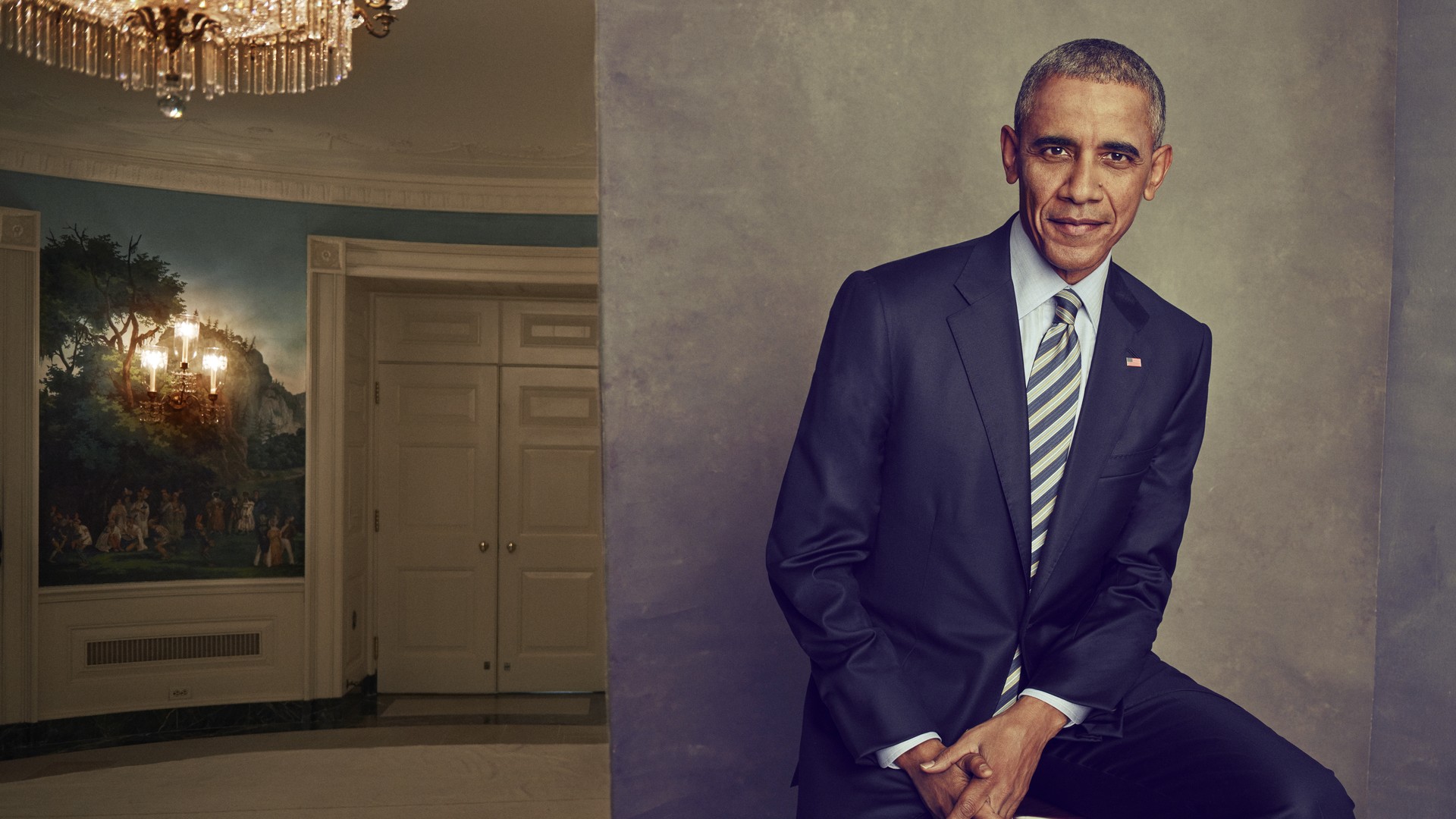
Russia’s invasion of Crimea in early 2014, and its decision to use force to buttress the rule of its client Bashar al-Assad, have been cited by Obama’s critics as proof that the post-red-line world no longer fears America.
So when I talked with the president in the Oval Office in late January, I again raised this question of deterrent credibility. “The argument is made,” I said, “that Vladimir Putin watched you in Syria and thought, He’s too logical, he’s too rational, he’s too into retrenchment. I’m going to push him a little bit further inUkraine.”
Obama didn’t much like my line of inquiry. “Look, this theory is so easily disposed of that I’m always puzzled by how people make the argument. I don’t think anybody thought that George W. Bush was overly rational or cautious in his use of military force. And as I recall, because apparently nobody in this town does, Putin went into Georgia on Bush’s watch, right smack dab in the middle of us having over 100,000 troops deployed in Iraq.” Obama was referring to Putin’s 2008 invasion of Georgia, a former Soviet republic, which was undertaken for many of the same reasons Putin later invaded Ukraine—to keep an ex–Soviet republic in Russia’s sphere of influence.
“Putin acted in Ukraine in response to a client state that was about to slip out of his grasp. And he improvised in a way to hang on to his control there,” he said. “He’s done the exact same thing in Syria, at enormous cost to the well-being of his own country. And the notion that somehow Russia is in a stronger position now, in Syria or in Ukraine, than they were before they invaded Ukraine or before he had to deploy military forces to Syria is to fundamentally misunderstand the nature of power in foreign affairs or in the world generally. Real power means you can get what you want without having to exert violence. Russia was much more powerful when Ukraine looked like an independent country but was a kleptocracy that he could pull the strings on.”
Obama’s theory here is simple: Ukraine is a core Russian interest but not an American one, so Russia will always be able to maintain escalatory dominance there.
“The fact is that Ukraine, which is a non-nato country, is going to be vulnerable to military domination by Russia no matter what we do,” he said.
I asked Obama whether his position on Ukraine was realistic or fatalistic.
“It’s realistic,” he said. “But this is an example of where we have to be very clear about what our core interests are and what we are willing to go to war for. And at the end of the day, there’s always going to be some ambiguity.” He then offered up a critique he had heard directed against him, in order to knock it down. “I think that the best argument you can make on the side of those who are critics of my foreign policy is that the president doesn’t exploit ambiguity enough. He doesn’t maybe react in ways that might cause people to think, Wow, this guy might be a little crazy.”
“The ‘crazy Nixon’ approach,” I said: Confuse and frighten your enemies by making them think you’re capable of committing irrational acts.
“But let’s examine the Nixon theory,” he said. “So we dropped more ordnance on Cambodia and Laos than on Europe in World War II, and yet, ultimately, Nixon withdrew, Kissinger went to Paris, and all we left behind was chaos, slaughter, and authoritarian governments that finally, over time, have emerged from that hell. When I go to visit those countries, I’m going to be trying to figure out how we can, today, help them remove bombs that are still blowing off the legs of little kids. In what way did that strategy promote our interests?”
But what if Putin were threatening to move against, say, Moldova—another vulnerable post-Soviet state? Wouldn’t it be helpful for Putin to believe that Obama might get angry and irrational about that?
“There is no evidence in modern American foreign policy that that’s how people respond. People respond based on what their imperatives are, and if it’s really important to somebody, and it’s not that important to us, they know that, and we know that,” he said. “There are ways to deter, but it requires you to be very clear ahead of time about what is worth going to war for and what is not. Now, if there is somebody in this town that would claim that we would consider going to war with Russia over Crimea and eastern Ukraine, they should speak up and be very clear about it. The idea that talking tough or engaging in some military action that is tangential to that particular area is somehow going to influence the decision making of Russia or China is contrary to all the evidence we have seen over the last 50 years.”
Obama went on to say that the belief in the possibilities of projected toughness is rooted in “mythologies” about Ronald Reagan’s foreign policy.
“If you think about, let’s say, the Iran hostage crisis, there is a narrative that has been promoted today by some of the Republican candidates that the day Reagan was elected, because he looked tough, the Iranians decided, ‘We better turn over these hostages,’ ” he said. “In fact what had happened was that there was a long negotiation with the Iranians and because they so disliked Carter—even though the negotiations had been completed—they held those hostages until the day Reagan got elected. Reagan’s posture, his rhetoric, etc., had nothing to do with their release. When you think of the military actions that Reagan took, you have Grenada—which is hard to argue helped our ability to shape world events, although it was good politics for him back home. You have the Iran-Contra affair, in which we supported right-wing paramilitaries and did nothing to enhance our image in Central America, and it wasn’t successful at all.” He reminded me that Reagan’s great foe, Daniel Ortega, is today the unrepentant president of Nicaragua.
Obama also cited Reagan’s decision to almost immediately pull U.S. forces from Lebanon after 241 servicemen were killed in a Hezbollah attack in 1983. “Apparently all these things really helped us gain credibility with the Russians and the Chinese,” because “that’s the narrative that is told,” he said sarcastically. “Now, I actually think that Ronald Reagan had a great success in foreign policy, which was to recognize the opportunity that Gorbachev presented and to engage in extensive diplomacy—which was roundly criticized by some of the same people who now use Ronald Reagan to promote the notion that we should go around bombing people.”
In a conversation at the end of January, I asked the president to describe for me the threats he worries about most as he prepares, in the coming months, to hand off power to his successor.
“As I survey the next 20 years, climate change worries me profoundly because of the effects that it has on all the other problems that we face,” he said. “If you start seeing more severe drought; more significant famine; more displacement from the Indian subcontinent and coastal regions in Africa and Asia; the continuing problems of scarcity, refugees, poverty, disease—this makes every other problem we’ve got worse. That’s above and beyond just the existential issues of a planet that starts getting into a bad feedback loop.”
Terrorism, he said, is also a long-term problem “when combined with the problem of failed states.”
What country does he consider the greatest challenge to America in the coming decades? “In terms of traditional great-state relations, I do believe that the relationship between the United States and China is going to be the most critical,” he said. “If we get that right and China continues on a peaceful rise, then we have a partner that is growing in capability and sharing with us the burdens and responsibilities of maintaining an international order. If China fails; if it is not able to maintain a trajectory that satisfies its population and has to resort to nationalism as an organizing principle; if it feels so overwhelmed that it never takes on the responsibilities of a country its size in maintaining the international order; if it views the world only in terms of regional spheres of influence—then not only do we see the potential for conflict with China, but we will find ourselves having more difficulty dealing with these other challenges that are going to come.”
Many people, I noted, want the president to be more forceful in confronting China, especially in the South China Sea. Hillary Clinton, for one, has been heard to say in private settings, “I don’t want my grandchildren to live in a world dominated by the Chinese.”
“I’ve been very explicit in saying that we have more to fear from a weakened, threatened China than a successful, rising China,” Obama said. “I think we have to be firm where China’s actions are undermining international interests, and if you look at how we’ve operated in the South China Sea, we have been able to mobilize most of Asia to isolate China in ways that have surprised China, frankly, and have very much served our interest in strengthening our alliances.”
A weak, flailing Russia constitutes a threat as well, though not quite a top-tier threat. “Unlike China, they have demographic problems, economic structural problems, that would require not only vision but a generation to overcome,” Obama said. “The path that Putin is taking is not going to help them overcome those challenges. But in that environment, the temptation to project military force to show greatness is strong, and that’s what Putin’s inclination is. So I don’t underestimate the dangers there.” Obama returned to a point he had made repeatedly to me, one that he hopes the country, and the next president, absorbs: “You know, the notion that diplomacy and technocrats and bureaucrats somehow are helping to keep America safe and secure, most people think, Eh, that’s nonsense. But it’s true. And by the way, it’s the element of American power that the rest of the world appreciates unambiguously. When we deploy troops, there’s always a sense on the part of other countries that, even where necessary, sovereignty is being violated.”
Over the past year, John Kerry has visited the White House regularly to ask Obama to violate Syria’s sovereignty. On several occasions, Kerry has asked Obama to launch missiles at specific regime targets, under cover of night, to “send a message” to the regime. The goal, Kerry has said, is not to overthrow Assad but to encourage him, and Iran and Russia, to negotiate peace. When the Assad alliance has had the upper hand on the battlefield, as it has these past several months, it has shown no inclination to take seriously Kerry’s entreaties to negotiate in good faith. A few cruise missiles, Kerry has argued, might concentrate the attention of Assad and his backers. “Kerry’s looking like a chump with the Russians, because he has no leverage,” a senior administration official told me.
The U.S. wouldn’t have to claim credit for the attacks, Kerry has told Obama—but Assad would surely know the missiles’ return address.
Obama has steadfastly resisted Kerry’s requests, and seems to have grown impatient with his lobbying. Recently, when Kerry handed Obama a written outline of new steps to bring more pressure to bear on Assad, Obama said, “Oh, another proposal?” Administration officials have told me that Vice President Biden, too, has become frustrated with Kerry’s demands for action. He has said privately to the secretary of state, “John, remember Vietnam? Remember how that started?” At a National Security Council meeting held at the Pentagon in December, Obama announced that no one except the secretary of defense should bring him proposals for military action. Pentagon officials understood Obama’s announcement to be a brushback pitch directed at Kerry.
One day in January, in Kerry’s office at the State Department, I expressed the obvious: He has more of a bias toward action than the president does.
“I do, probably,” Kerry acknowledged. “Look, the final say on these things is in his hands … I’d say that I think we’ve had a very symbiotic, synergistic, whatever you call it, relationship, which works very effectively. Because I’ll come in with the bias toward ‘Let’s try to do this, let’s try to do that, let’s get this done.’ ”
Obama’s caution on Syria has vexed those in the administration who have seen opportunities, at different moments over the past four years, to tilt the battlefield against Assad. Some thought that Putin’s decision to fight on behalf of Assad would prompt Obama to intensify American efforts to help anti-regime rebels. But Obama, at least as of this writing, would not be moved, in part because he believed that it was not his business to stop Russia from making what he thought was a terrible mistake. “They are overextended. They’re bleeding,” he told me. “And their economy has contracted for three years in a row, drastically.”
In recent National Security Council meetings, Obama’s strategy was occasionally referred to as the “Tom Sawyer approach.” Obama’s view was that if Putin wanted to expend his regime’s resources by painting the fence in Syria, the U.S. should let him. By late winter, though, when it appeared that Russia was making advances in its campaign to solidify Assad’s rule, the White House began discussing ways to deepen support for the rebels, though the president’s ambivalence about more-extensive engagement remained. In conversations I had with National Security Council officials over the past couple of months, I sensed a foreboding that an event—another San Bernardino–style attack, for instance—would compel the United States to take new and direct action in Syria. For Obama, this would be a nightmare.
If there had been no Iraq, no Afghanistan, and no Libya, Obama told me, he might be more apt to take risks in Syria. “A president does not make decisions in a vacuum. He does not have a blank slate. Any president who was thoughtful, I believe, would recognize that after over a decade of war, with obligations that are still to this day requiring great amounts of resources and attention in Afghanistan, with the experience of Iraq, with the strains that it’s placed on our military—any thoughtful president would hesitate about making a renewed commitment in the exact same region of the world with some of the exact same dynamics and the same probability of an unsatisfactory outcome.”
Are you too cautious?, I asked.
“No,” he said. “Do I think that had we not invaded Iraq and were we not still involved in sending billions of dollars and a number of military trainers and advisers into Afghanistan, would I potentially have thought about taking on some additional risk to help try to shape the Syria situation? I don’t know.”
What has struck me is that, even as his secretary of state warns about a dire, Syria-fueled European apocalypse, Obama has not recategorized the country’s civil war as a top-tier security threat.
Obama’s hesitation to join the battle for Syria is held out as proof by his critics that he is too naive; his decision in 2013 not to fire missiles is proof, they argue, that he is a bluffer.
This critique frustrates the president. “Nobody remembers bin Laden anymore,” he says. “Nobody talks about me ordering 30,000 more troops into Afghanistan.” The red-line crisis, he said, “is the point of the inverted pyramid upon which all other theories rest.”
One afternoon in late January, as I was leaving the Oval Office, I mentioned to Obama a moment from an interview in 2012 when he told me that he would not allow Iran to gain possession of a nuclear weapon. “You said, ‘I’m the president of the United States, I don’t bluff.’ ”
He said, “I don’t.”
Shortly after that interview four years ago, Ehud Barak, who was then the defense minister of Israel, asked me whether I thought Obama’s no-bluff promise was itself a bluff. I answered that I found it difficult to imagine that the leader of the United States would bluff about something so consequential. But Barak’s question had stayed with me. So as I stood in the doorway with the president, I asked: “Was it a bluff?” I told him that few people now believe he actually would have attacked Iran to keep it from getting a nuclear weapon.
“That’s interesting,” he said, noncommittally.
I started to talk: “Do you—”
He interrupted. “I actually would have,” he said, meaning that he would have struck Iran’s nuclear facilities. “If I saw them break out.”
He added, “Now, the argument that can’t be resolved, because it’s entirely situational, was what constitutes them getting” the bomb. “This was the argument I was having with Bibi Netanyahu.” Netanyahu wanted Obama to prevent Iran from being capable of building a bomb, not merely from possessing a bomb.
“You were right to believe it,” the president said. And then he made his key point. “This was in the category of an American interest.”
I was reminded then of something Derek Chollet, a former National Security Council official, told me: “Obama is a gambler, not a bluffer.”
Ruven Afanador
The president has placed some huge bets. Last May, as he was trying to move the Iran nuclear deal through Congress, I told him that the agreement was making me nervous. His response was telling. “Look, 20 years from now, I’m still going to be around, God willing. If Iran has a nuclear weapon, it’s my name on this,” he said. “I think it’s fair to say that in addition to our profound national-security interests, I have a personal interest in locking this down.”
In the matter of the Syrian regime and its Iranian and Russian sponsors, Obama has bet, and seems prepared to continue betting, that the price of direct U.S. action would be higher than the price of inaction. And he is sanguine enough to live with the perilous ambiguities of his decisions. Though in his Nobel Peace Prize speech in 2009, Obama said, “Inaction tears at our conscience and can lead to more costly intervention later,” today the opinions of humanitarian interventionists do not seem to move him, at least not publicly. He undoubtedly knows that a next-generation Samantha Power will write critically of his unwillingness to do more to prevent the continuing slaughter in Syria. (For that matter, Samantha Power will also be the subject of criticism from the next Samantha Power.) As he comes to the end of his presidency, Obama believes he has done his country a large favor by keeping it out of the maelstrom—and he believes, I suspect, that historians will one day judge him wise for having done so.
Inside the West Wing, officials say that Obama, as a president who inherited a financial crisis and two active wars from his predecessor, is keen to leave “a clean barn” to whoever succeeds him. This is why the fight against isis, a group he considers to be a direct, though not existential, threat to the U.S., is his most urgent priority for the remainder of his presidency; killing the so-called caliph of the Islamic State, Abu Bakr al-Baghdadi, is one of the top goals of the American national-security apparatus in Obama’s last year.
Of course, isis was midwifed into existence, in part, by the Assad regime. Yet by Obama’s stringent standards, Assad’s continued rule for the moment still doesn’t rise to the level of direct challenge to America’s national security.
This is what is so controversial about the president’s approach, and what will be controversial for years to come—the standard he has used to define what, exactly, constitutes a direct threat.
Obama has come to a number of dovetailing conclusions about the world, and about America’s role in it. The first is that the Middle East is no longer terribly important to American interests. The second is that even if the Middle East were surpassingly important, there would still be little an American president could do to make it a better place. The third is that the innate American desire to fix the sorts of problems that manifest themselves most drastically in the Middle East inevitably leads to warfare, to the deaths of U.S. soldiers, and to the eventual hemorrhaging of U.S. credibility and power. The fourth is that the world cannot afford to see the diminishment of U.S. power. Just as the leaders of several American allies have found Obama’s leadership inadequate to the tasks before him, he himself has found world leadership wanting: global partners who often lack the vision and the will to spend political capital in pursuit of broad, progressive goals, and adversaries who are not, in his mind, as rational as he is. Obama believes that history has sides, and that America’s adversaries—and some of its putative allies—have situated themselves on the wrong one, a place where tribalism, fundamentalism, sectarianism, and militarism still flourish. What they don’t understand is that history is bending in his direction.
“The central argument is that by keeping America from immersing itself in the crises of the Middle East, the foreign-policy establishment believes that the president is precipitating our decline,” Ben Rhodes told me. “But the president himself takes the opposite view, which is that overextension in the Middle East will ultimately harm our economy, harm our ability to look for other opportunities and to deal with other challenges, and, most important, endanger the lives of American service members for reasons that are not in the direct American national-security interest.”
If you are a supporter of the president, his strategy makes eminent sense: Double down in those parts of the world where success is plausible, and limit America’s exposure to the rest. His critics believe, however, that problems like those presented by the Middle East don’t solve themselves—that, without American intervention, they metastasize.
At the moment, Syria, where history appears to be bending toward greater chaos, poses the most direct challenge to the president’s worldview.
George W. Bush was also a gambler, not a bluffer. He will be remembered harshly for the things he did in the Middle East. Barack Obama is gambling that he will be judged well for the things he didn’t do.
Zawartość publikowanych artykułów i materiałów nie reprezentuje poglądów ani opinii Reunion’68,
ani też webmastera Blogu Reunion’68, chyba ze jest to wyraźnie zaznaczone.
Twoje uwagi, linki, własne artykuły lub wiadomości prześlij na adres: webmaster@reunion68.com
 Zdjęcie redakcji NYT
 Haniebna reklama wykupiona przez Żydów w „New York Times”


 An investigator examines a bombed bus in Bat Yam, south of Tel Aviv, Feb. 20, 2025. Credit: Flash90.


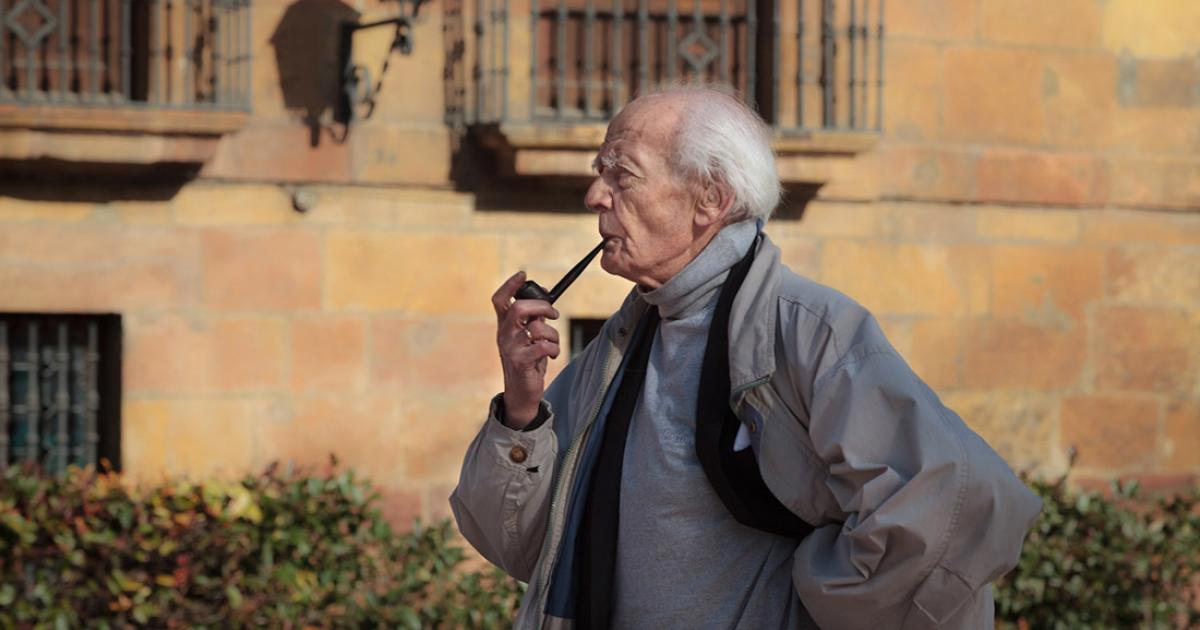 Zygmunt Bauman, fot. Grzegorz Lepiarz