Worse than the terrorists who killed the Bibas family are the Westerners who defend them

Worse than the terrorists who killed the Bibas family are the Westerners who defend them

Giulio Meotti


The little Bibas brothers were kidnapped not only by terrorists in uniforms and balaclavas, but also by ordinary people from Gaza, the famous “civilians” who went to watch the Islamic terrorist show. Op-ed.

.
Israeli policemen salute the coffins / Police spokesperson

The Hamas attack on October 7 produced thousands of horrifying images. The bodies of young and old Israelis killed, tortured and raped. Their mutilated and lifeless bodies carried through the streets of Gaza.

But the image of a terrified young mother, Shiri Bibas, kidnapped by terrorists, with her two young children, 4-year-old Ariel and 9-month-old Kfir, wrapped around her in a quilt, is the symbol of the threat that is Hamas and radical Islam, but also of the cowardice of the political and cultural leaders of the so-called enlightened West.

The coffins containing the dead hostages and handed over to Hamas were locked by the terrorists who did not hand over the right keys to open them. Before opening the coffins, Israel checked for booby traps.

The scenes from Gaza look like a horror movie, but it’s all real: the Red Cross, the fake “journalists” filming, the crowds of Gazan “civilians” with their children celebrating… They had a party with the dead Jews in front of them. Two dead Jewish children and their mother. And tens of millions of Westerners also participated remotely.

A mob of anti-Semites stole a nine-month-old baby from his home. They filmed his kidnapping, so proud were they to have taken this infant. They posted the footage online so other Jew-haters, from Gaza and the West, could drool.

They have annihilated three generations of the same Bibas family (grandparents, mother and children) and millions defend them as the cause that must surpass all others.

For much of the world, the Bibas children were just “Zionist propaganda,” not human beings brutalized for the sole crime of being Jewish. They called these crimes “liberation”.

Kfir and Ariel Bibas became a symbol. Their case is the war against the Jews reduced to its most minute essence.

Even in Nazi Germany there were Germans who saved Jews, but no Gazan has saved a single hostage. Nor reported the whereabouts of a hostage despite the reward Israel offered. Many not only took part in the kidnapping and murder, but just as many took to the streets today as on October 7 to celebrate the return of Jewish children in coffins.

The little Bibas brothers were kidnapped not only by terrorists in uniforms and balaclavas, but also by ordinary people from Gaza, the famous “civilians” who went to watch the show of Islamic terrorists.

Videos show Palestinian children chasing Red Cross vehicles carrying the bodies of murdered Israeli children. There is a malignant disease in such a society.

But in the West it is no better.

-Poster of four-year-old Ariel Bibas with his face obscured by paint and a caricature of Hitler are at Harvard University.

-Posters of the Bibas brothers were also vandalized in Toronto’s Cedarvale Park.

-On one poster of Kfir Bibas they wrote: “The head is still on”.

The Westerners who attacked the posters of Kfir and Ariel – and the other hostages – were pledging their allegiance to Hamas.

-Bibas posters were vandalized in London too.

-Also in London, an advertising company removed the billboards showing the Bibas and other hostages after protests and threats.

Meanwhile, Western leaders have said almost nothing about the Bibas family. “Maybe you forgot about little Kfir Bibas,” fumed Israel’s ambassador to the UN last month. “We haven’t.”

Dede Bandaid and Nitzan Mintz, the artist couple who launched the campaign with the faces of Israelis kidnapped by terrorists to Gaza, said the phrase that has often come to mind for the past sixteen months:

“If this were a campaign for missing dogs or cats, no one would dare tear down their photos”.

Ariel Bibas loved Batman. But when it came to Jewish children kidnapped and killed in Gaza, the West turned out to be the Joker.

Sometimes I feel like ​​going to Rome, putting up two posters next to each other, one of the Bibas children and the other about a missing dog. And seeing which one they tear down.

And it’s not just the Bibas children.

Posters of two other three-year-old Israeli girls, Emma and Yuli Cunio, who were kidnapped from Kibbutz Nir Oz on October 7, were vandalized with Hitler moustaches in London.

The two little Bibas brothers and their mother returned to Israel in a coffin. Two small coffins. But for a piece of the hateful and lost West, they were already dead. And even if they won’t actually say it, perhaps still a little ashamed – but not too much – they think that’s how it had to

Meanwhile, from his hospital bed, Pope Francis, who has never had time to say a word for the Bibas children, calls the parish in Gaza every day to find out if they have eaten. Worry not, it’s full of food, even if Hamas steals and resells it, while the war resurfaces on European soil and with it the awareness of the tragedy. From Munich to Villach, this week more children have been killed or injured by someone shouting “Allahu Akbar”.

This betrayal will be our nemesis. And we will pay. Pay we will. In the meantime, may God bless Yarden Bibas and console him for his beautiful family who are no longer with us and may He curse the enemies of civilization.


Zawartość publikowanych artykułów i materiałów nie reprezentuje poglądów ani opinii Reunion’68,
ani też webmastera Blogu Reunion’68, chyba ze jest to wyraźnie zaznaczone.
Twoje uwagi, linki, własne artykuły lub wiadomości prześlij na adres:
webmaster@reunion68.com


Hamas Frees Six Hostages in Gaza in Exchange for Palestinian Detainees

Hamas Frees Six Hostages in Gaza in Exchange for Palestinian Detainees

Reuters and Algemeiner Staff


Families and supporters react as they celebrate the release of Omer Wenkert, a hostage who was held in Gaza since the deadly October 7, 2023 attack, on the day of the release of six hostages from captivity in Gaza as part of a hostages-prisoners swap and a ceasefire deal between Hamas and Israel, in Gedera, Israel February 22, 2025. Photo: REUTERS/Rami Shlush

Hamas freed six hostages from Gaza on Saturday, the last living Israeli captives slated for release under the first phase of a fragile ceasefire accord, in exchange for hundreds of Palestinian prisoners and detainees.

Eliya Cohen, 27, Omer Shem Tov, 22, and Omer Wenkert, 23, all seized from the site of the Nova music festival in Hamas’ October 7, 2023 attack on southern Israel, were handed over to the Red Cross in Nuseirat, central Gaza, to be transported to Israeli forces.

Dozens of militants stood guard in a crowd that had gathered to watch the handover, as masked Hamas men armed with automatic rifles stood on each side of the three men, who appeared thin and pale, as they were made to wave from the stage.

Tal Shoham, 40, and Avera Mengistu, 39, were earlier released in Rafah in southern Gaza.

The Hamas-directed releases, which have included public ceremonies in which captives are taken on stage and some made to speak, have faced mounting criticism, including from the United Nations, which denounced the “parading of hostages.”

Hamas rejected the criticism on Saturday, describing the events as a solemn show of Palestinian unity. It later handed over a sixth hostage, Hisham Al-Sayed, 36, to the Red Cross in Gaza City with no public ceremony.

Al-Sayed and Mengistu have been held by Hamas since they entered Gaza of their own accord around a decade ago. Shoham was abducted from Kibbutz Be’eri along with his wife and two children, who were freed in a brief truce in November 2023.

The six are the last living hostages from a group of 33 due to be freed in the first stage of the three-phase ceasefire deal between Israel and Hamas that took effect on January 19. Sixty-three more captives, less than half of whom are believed to be alive, remain in Gaza.

Shem Tov embraced his parents tightly, laughing and crying, “How I dreamt of this,” he said, in a video distributed by the Israeli military.

Shoham smiled, waved and gave a thumbs up to his friends who had gathered outside the hospital where he was taken.

“We’ve been waiting for Tal every day since October 7th,” said Yael Avner, 50, one of Shoham’s friends. “It’s a great relief just to see him there, himself just coming back home.”

Hundreds of Israelis gathered in the rain in what has become known as Hostages Square in Tel Aviv. Some lit candles under photos of the Bibas family, whose bodies were returned this week.

In return for the hostages, Israel is expected to release 602 Palestinian prisoners and detainees held in its jails.

They will include 445 Gazans rounded up by Israeli forces during the war, as well as dozens of convicts serving lengthy or life terms for attacks that killed dozens of Israelis in the Palestinian uprising two decades ago.

SLAIN IN CAPTIVITY

The fragile truce in the war between Israel and Hamas terrorists had been threatened by the misidentification of a body released on Thursday as that of Shiri Bibas, who was kidnapped with her two young sons and her husband in the Hamas 2023 attack.

However, late on Friday, Hamas handed over another body, which her family said had been confirmed to be hers.

“Last night, our Shiri was returned home,” her family said in a statement, which said she had been identified by Israel’s Institute of Forensic Medicine.

The Bibas family has been an emblem of the trauma suffered by Israel on that day. Her husband Yarden, seized and held separately from his family, was freed on February 1.

The Israeli military said intelligence assessments and forensic analysis of the bodies of 10-month-old Kfir Bibas and his four-year-old brother Ariel showed both had been killed deliberately by their captors, “in cold blood.”

Israel’s Army Radio, citing the forensic conclusions, said Bibas was likely slain with her children.

Hamas says the Bibas family was killed by an Israeli airstrike. A group called the Mujahideen Brigades said it was holding the family, which was confirmed by the Israeli military.

The ceasefire has brought a pause in the fighting, but prospects of a definitive end to the war remain unclear. Hamas has been at pains to demonstrate that it remains in control in Gaza despite heavy losses in the war.

The terrorist group triggered the conflict by its attack on Israeli communities that killed 1,200 and took 251 hostages.

Both sides have said they intend to start talks on a second stage, which mediators say aims to agree the return of all remaining hostages and the full withdrawal of Israeli troops.


Zawartość publikowanych artykułów i materiałów nie reprezentuje poglądów ani opinii Reunion’68,
ani też webmastera Blogu Reunion’68, chyba ze jest to wyraźnie zaznaczone.
Twoje uwagi, linki, własne artykuły lub wiadomości prześlij na adres:
webmaster@reunion68.com


Pamięć Syzyfa

Święto rabina Remu na Cmentarzu Remuh w Krakowie, 1931 / NAC


Pamięć Syzyfa

Monika Ochędowska


Nieprzypadkowo w „Czarnym weselu” pojawiają się idee mające bezpośrednie przełożenie na politykę współczesnego Izraela. Edward Pasewicz pokazuje długie trwanie syjonistycznego ruchu Ze’ewa Żabotyńskiego, jego racje i oddziaływania


Przypuszczam, że od czasu do czasu coś takiego zdarza się wszystkim. Może to kwestia szczęśliwych zbiegów okoliczności albo efekt pracy mózgu zawzięcie szukającego podobieństw w następujących po sobie zdarzeniach. Bez względu na przyczynę sekwencja czytanych kolejno książek jest niezwykle istotna dla prób ich objaśniania: teksty po prostu lubią ze sobą grać, czasem nawet chcą być w jednej drużynie. Tak było i tym razem.

Po lekturze wydanej jesienią biografii W.G. Sebalda wróciłam do jego książek, kupując komplet wydanych po latach wznowień. I po raz kolejny przekonałam się, że siła niemieckiego pisarza wynika z utrzymywanego wciąż napięcia między kunsztownością metod twórczych, jakimi się posługiwał, a rozpadem świata, o którym opowiadał. To napięcie – jak się okazało – jest również cechą charakterystyczną powieści Edwarda Pasewicza, po które sięgnęłam zaraz potem. Pisarza interesują pejzaże tuż przed kataklizmem, kiedy wszystko zdaje się nieść zapowiedź dramatycznych zdarzeń. Jednak próbuje on zachować je w swojej prozie precyzyjnie i plastycznie, niczym skonstruowane ze słów dioramy.

Podobieństw do Sebalda jest zresztą w przypadku Pasewicza więcej, a żeby się o tym przekonać, wystarczy tylko przekartkować jego dwie ostatnie książki. Weźmy wydane niedawno „Czarne wesele”. Spomiędzy rozpisanego różnymi krojami tekstu co chwilę wyskakują tu staroświeckie reklamy: czekolady, gramofonów, wód kolońskich, mydła czy kaloszy. Z zamieszczonych na końcu informacji na temat źródeł wiadomo, że pochodzą one z „Nowego Dziennika”, polskojęzycznej gazety żydowskiej wydawanej w dwudziestoleciu. Jej redakcja mieściła się w krakowskiej kamienicy przy Orzeszkowej 7 – w maju 1923 roku podłożono tam bombę.

Pasewicza interesują pejzaże tuż przed kataklizmem, kiedy wszystko zdaje się nieść zapowiedź dramatycznych zdarzeń

Akcja powieści Pasewicza rozpoczyna się trzy lata po tych zdarzeniach, choć retrospekcje przenoszą nas nawet do roku 1918, a krótkie futurospekcje – do lat 40. Obok ogłoszeń z „Nowego Dziennika” trafiamy na czarno-białe zdjęcia synagog i bram getta utworzonego w czasie wojny na terenie krakowskiego Podgórza. Poza nielicznymi wyjątkami ilustracje nie odnoszą się bezpośrednio do fabuły, są raczej odrębnymi artefaktami. Jaki jest zatem cel ich użycia?

Edward Pasewicz, „Czarne wesele”. Wielka Litera, 432 strony, w księgarniach od listopada 2024Edward Pasewicz, „Czarne wesele”.

Wielka Litera, 432 strony, w księgarniach od listopada 2024W odpowiedzi na to pytanie pomaga Sebald. Jak wiadomo z jego biografii, pracował nad swoimi książkami niczym rasowy bricoleur. W montowanych skrupulatnie tekstach, na które składały się zmiksowane historie bliskich i dalszych krewnych albo ludzi, o których czytał i którzy go fascynowali, wielokrotnie pozostawiał puste miejsca, w które systematycznie wklejał wielokrotnie kserowane fotografie, często przypadkowe. Nie zależało mu, by były wyraźne, przeciwnie, miały być na tyle nieczytelne, by skłaniać czytelniczki i czytelników do ich odcyfrowania, wydłużając tym samym czas spędzony z książką. Fotografie, mówił Sebald, są jak zapory hamujące nurt lektury. Pasewicz śmiało korzysta z tej wskazówki. Zarówno „Pulverkopf”, jak i „Czarne wesele” zawierają dziesiątki zdjęć, obrazków, ogłoszeń czy fragmentów nutowych zapisów, które sprawiają, że co rusz osiadamy na mieliźnie albo wyskakujemy z nurtu opowieści, by następnie ruszyć z historią naprzód niczym na wyplątanym z sitowia kajaku.

Ale to nie wszystko. Pasewicz, by zbudować wrażenie spowolnienia albo wręcz zatrzymania czasu, zamknięcia czytelników w dioramie opowieści, sięga nie tylko po narzędzia artysty wizualnego, ale też po instrumenty filmowe, ściślej: operatorskie. Co robi operator, by dać widzowi wrażenie długiego trwania? Decyduje się na przykład na bardzo długie ujęcia, w filmoznawczej nomenklaturze zwane sekwencjami. Jeśli pamiętacie pierwsze kilkanaście minut „Gracza” Roberta Altmana, wiecie,
co mam na myśli.

„Pulverkopf” rozpoczyna się niezwykle długim opisem pewnego majowego dnia 1993 roku. Jesteśmy w Międzyrzeczu. Główny bohater opowieści jest w tym czasie nastolatkiem, wybiera się właśnie z rodzinnego domu na spacer, by z dala od ciekawskich spojrzeń wypalić porannego papierosa. Gdy dociera nad rzekę, dostrzega zaplątane w trzcinach ciało sąsiada, Kapitana Tańskiego. Trup ma otwarte oczy i wydaje się patrzeć wprost na chłopca. Ten dzień – wypełniony rozmowami Patryka z matką i babką oraz wyjaśnieniami związanymi ze śmiercią Tańskiego – prezentowany jest w niezwykle intensywnej, zmysłowej sekwencji przez dobre siedemdziesiąt stron.

Autor zostawia nam liczne wskazówki dotyczące umownej konstrukcji świata przedstawionego, wtrącając mimochodem, że dla jego postaci zegar „w ogóle nie istnieje”. Trochę jakbyśmy doświadczali tu „dygresji o zmyśle czasu” znanych z „Czarodziejskiej góry” Thomasa Manna (w rozdziale czwartym pierwszego tomu zaraz po rozważaniach o kapryśnej naturze czasu następuje zresztą pierwsze zetknięcie Hansa Castorpa ze zwłokami). Pasewicz dzieli skądinąd i z tym niemieckim pisarzem kilka obsesji – między innymi te dotyczące studium męskiego ciała, zarówno żywego, jak i martwego.

W „Czarnym weselu” mamy do czynienia z podobnym sposobem rozpoczynania historii, kiedy to – jak pisał Mann – „pierwsze dni na nowym miejscu pobytu mają rozmach młodości, to znaczy bieg szeroki i mocny”. Pasewicz startuje od rozpisanej na kilkadziesiąt stron rozmowy dwójki przyjaciół, śledzących podejrzanych – jak im się wydaje – a na pewno coraz mocniej pijanych Anglików. W trakcie rozmowy orientujemy się, że młodzi przyjaciele, Arke Liberman i Izaak Glassman, są wyznawcami pisarza i dziennikarza Ze’ewa Żabotyńskiego.

Quote icon

Autor zostawia nam liczne wskazówki dotyczące umownej konstrukcji świata przedstawionego

Nieprzypadkowo akcja „Czarnego wesela” rozgrywa się w międzywojennym Krakowie, bo to właśnie tu, w dawnej Galicji, Żabotyński miał najwięcej zwolenników. Tu także otwierał ośrodki quasi-harcerskiej organizacji Betar, której członkowie (tacy jak Izaak i Arke) mieli się stać „nowym typem dumnych Żydów”. Żabotyński wpajał im kult siły i zagrzewał do walki o Wielki Izrael ulokowany w konkretnej geograficznej przestrzeni, o którą do dziś toczy się wojna na Bliskim Wschodzie.

Równie nieprzypadkowo pojawiają się w powieści idee mające bezpośrednie przełożenie na politykę współczesnego Izraela (ojciec Binjamina Netanjahu należał do zwolenników Żabotyńskiego, a sam Binjamin w latach 90. stał na czele partii Likud, formacji, dla której Żabotyński był ideowym patronem). Pasewicz pokazuje długie trwanie tej formacji, jej racje oraz efekty oddziaływania.

Mamy więc w „Czarnym weselu” międzywojenny Kraków, w którym wykluwa się ruch syjonistyczny – to jednak tylko jeden z pejzaży tej powieści. Kolejnym, szerszym, jest codzienne życie skłóconych ze sobą mieszkańców Kazimierza: obok syjonistów poznajemy zarówno grupę zasymilowanych, jak i ortodoksyjnych Żydów. To ci, którymi środowiska związane z „Nowym Dziennikiem” gardzą, nazywając przesądnymi głupcami, źródłem uwstecznienia i zabobonu.

Quote icon

Mamy w „Czarnym weselu” międzywojenny Kraków, w którym wykluwa się ruch syjonistyczny

Różnice ujawniają się już przy okazji odprawiania tytułowego czarnego wesela, kontrowersyjnego obrzędu mającego zażegnać zarazę – szerzącą się w mieście grypę hiszpankę. Polega on na wybraniu ze społeczności dwójki najmniej przydatnych (niepełnosprawnych, kalekich, pozbawionych rodzin i środków do życia) członków, a następnie wyprawieniu im symbolicznego ślubu na terenie cmentarza, przy świeżej mogile. Następnie „młodą parę” wywozi się daleko poza miejsce, które ma zostać ocalone przed pandemią. Choroba ma odejść razem z nimi, a społeczność pozostać bezpieczna (ostatnie wzmiankowane w mediach odprawienie tego rytuału miało miejsce podczas pandemii koronawirusa).

Wszystkie te wątki: syjonizmu, obrzędów, zmysłowych relacji między męskimi bohaterami, ich śmierci podczas wojny, a także – w warstwie formalnej – wykorzystania materiału graficznego, odsyłają nas do jeszcze szerszego planu: studiów nad pamięcią w czasach przyspieszającej historii. Pasewicz prowadzi akcję swojej powieści na wstecznym biegu. Nurza czytelniczki i czytelników w temporalnych meandrach, bawiąc się możliwością nieustannego przewijania wydarzeń (retrospekcje i futurospekcje), przy zachowaniu wyraźnego teraźniejszego tła (naszego i bohaterów).

Trochę przypomina to fabularne studia nad negentropią, konceptem odwracania biegu historii celem przywrócenia rzeczywistości pierwotnego porządku. Tyle że u Pasewicza okazuje się, że u źródeł nie ma żadnej harmonii: nic nigdy nie było uporządkowane i niewinne. Na początku było okropne, zimne oko martwego Kapitana Tańskiego. Były bombowe zamachy, morderstwa, konflikty i spory. Świat nieustannie się rozpada, a najciekawsze momenty to te chwilę przed katastrofą. Choć nasza pamięć działa tak, byśmy w to nie wierzyli.


Zawartość publikowanych artykułów i materiałów nie reprezentuje poglądów ani opinii Reunion’68,
ani też webmastera Blogu Reunion’68, chyba ze jest to wyraźnie zaznaczone.
Twoje uwagi, linki, własne artykuły lub wiadomości prześlij na adres:
webmaster@reunion68.com


Their Time Is Up

Their Time Is Up


Liel Leibovitz


The murder of the Bibas children caps off an 18-month catalog of horrors that has told us exactly who our Palestinian neighbors are. Backed by a friend in the White House, Israel must secure its future through strong unilateral action

Palestinians cheer at the site where Hamas handed over the bodies of four Israeli hostages to the Red Cross in Khan Younis, 20 February, 2025. The transfer, which included the remains of members of the Bibas family, took place as part of a ceasefire agreement between the two sides.
Abed Rahim Khatib/picture-alliance/dpa/AP Images

Grief means little. Rage matters even less. All that we have now are the cold, unfeeling facts: Kfir Bibas, the baby smiling sweetly at us in the photograph, holding his pink elephant, was taken violently from his home, together with his mother Shiri and his four-year-old brother, Ariel. They were held in Gaza and eventually murdered. We may never know the details of their ordeal, but we know plenty about their tormentors. For nearly eighteen months, we’ve been collecting forensic evidence about the specimens who live in Gaza. What do we know about them? The question matters. A lot. In fact, no other does, particularly as Israel and the United States are trying to ascertain how to proceed now that the first round of the ceasefire agreement with Hamas is nearing its end.

What do we know, then?

We know the numbers: A large-scale survey of Gazans, conducted by researchers from Oxford University and published in Foreign Affairs just last week, showed that whereas only 36% of Gazans supported Hamas prior to October 7, 2023, the number spiked to well over a half in March 2024, and began to decline only when Israel successfully eliminated Yahya Sinwar in October of last year. Which should come as no surprise considering the fact that 98% of those surveyed described themselves as religious, and nearly as many said they saw the conflict with Israel in religious, not political terms: The Jews were usurpers who must be banished. How? When asked, 47% said they wanted to see Israel destroyed and replaced with a strict Islamic state governed by Sharia law, and 20% said they would settle merely for the forced removal of all Jews and their transfer to wherever it was their ancestors had lived prior to immigrating to Israel. The moderates, 17% of them, said they would be alright merely with embracing the Palestinian right of return, a kinder, gentler way to end the Jewish state.

Justice meant not only reversing Haman’s evil decree but forcing all those who were only too eager to partake in the slaughter to face the consequences of their actions.

And we know the stories: Many of the Israeli hostages who return tell variations of the same tale, of being held captive by ordinary families, abused and tormented not by bearded zealots with guns but by mothers and fathers and daughters and sons. Liri Albag, for example, the brave IDF soldier who was released in January, was enslaved by one such family, which did not allow her to shower for 37 days and, witnessing her growing faint with hunger, ridiculed her and refused to let her eat any of the food she was forced to cook for her captors.

Such gleeful cruelty has no parallel in the civilized world. Sure, war is hell, and combat rarely concludes without a handful of shocking aberrations. A soldier may crack and do the unthinkable. A rocket might miss its mark, snuffing out innocent lives. That is all too regrettable, and all but unavoidable. But that is not what is happening in Gaza. The footage of a dead Jewish baby returning home to Israel for burial compels us to tell the truth: The assertion that most, or even many, Gazans are innocents hijacked by their tyrannical leaders is a polite fiction. There are certainly some somewhere in the strip, the very young and the very frail included, who neither partook in nor condone the atrocities of the past 18 months, but they should no more redeem Gaza’s genocidal enterprise than the hypothetical ten good men of Sodom and Gomorrah could the cities of the plain.

Like Abraham, our shared Patriarch, we, too, struggled to find the righteous among the wicked. We hoped that the Palestinians of Gaza will show something of the courage we had seen in Syria, Tunisia, or Libya and stand up to their maniacal overlords. No protest materialized, and support for the tyrants grew the more adept they proved at slaughtering the Jews. We hoped for a Palestinian Oskar Schindler, one righteous man or woman who would stand up to Hamas as righteous men and women stood up to the far mightier Nazis and say that no cause or ideology justified the brutal murder of an infant. None came forth. We offered large monetary rewards and safe passage to anyone delivering any information about our hostages; hatred spoke louder than self-interest and cash. Israel’s neighbors to the south had all the opportunities anyone could reasonably ask for to resist, repent, recalculate course. And at every turn, they returned to the singular idea that gives them life and meaning: Kill the Jews, all of them, gleefully.

If we didn’t understand all of this before, we ought to now that we are burying two dead children. And the lesson we must learn is simple. It comes down to one word: enough.

Enough with the sophistry about international laws and human rights. The crucibles in which these ideas were forged, raging with the fires of century-old conflicts, have now cooled down and crumbled. To pretend as if we must now take seriously a torrent of treaties long after the framework guaranteeing their efficacy—if such a framework ever existed in earnest—is sheer lunacy. We’ve seen the United Nations. We’ve seen the International Court of Justice. We’ve seen the Red Cross. To take any of these decrepit and callous concubines of evildoers seriously is not an option any morally or intellectually serious person should ever entertain.

Enough also with the insufferable ululations about Jewish morality and its arc which somehow always bends towards having mercy on the monsters who devour our children. As my dear friend and teacher Rabbi Meir Soloveichik noted in a celebrated article more than two decades ago, hate, too, is a Jewish virtue. The very next holiday on the Jewish calendar, in fact, Purim, is a celebration of the time, long ago, when Jews arose and dispensed with 75,000 of their pursuers, realizing that justice meant not only reversing Haman’s evil decree but forcing all those who were only too eager to partake in the slaughter to face the consequences of their actions. Like them, we, too, are fighting millions of little Hamans, murderous marauders who will grow emboldened the more we offer them mercy.

Which brings us back to earth, to the realm of the real, the practical, and the political. President Trump’s proposal to empty Gaza of its inhabitants is, if we’re honest, more merciful than any Gazan deserves, offering the savages who heard Kfir Bibas sob without showing a shred of basic human decency the one thing that precious baby will never have—a chance of a good and peaceful life elsewhere. Nevertheless, we must embrace this proposal, because at its heart is the one true and inescapable sentiment: Israelis can no longer be expected to live in proximity to those who desire nothing more than their death.

Negotiating with some other Palestinian group won’t do: The PLO, the PFLP, et al are merely a different shade of murderous. Nor is there much value to the fantasy that the same patient reeducation that cleansed so many Germans of the Nazi inflammation might work in Gaza, too. Gazans aren’t, as some Pollyannish accounts would have us believe, long-suffering innocents who had the misfortune of living through decades of Hamas indoctrination; they’re faithful adherents of a stern interpretation of a still-young religion who believe there is glory in putting the enemies of God to the sword. We can, and should, respect their fierce heart. We can, and must, insist that their hands be nowhere near our necks.

Sadly, Israel is showing a growing lack of resolve which is no longer possible to ignore or explain away as some clever bit of tactical genius. Is it possible that Bibi Netanyahu is playing a very long game of five-dimensional chess with the world, holding out on the real prize, which is smiting the regime in Iran? Maybe! But meanwhile, closer to home, nothing is done. A few days ago, a very wise friend wrote to share this startling thought: for the past 18 months, we’ve all listened to Israel’s best and brightest, including Netanyahu himself, go on the sort of podcasts beloved by the self-appointed best and brightest of the American Jewish community, saying that if only they had the proper American support, they would’ve waged a very different war against Hamas.

Now, American support is manifest. Now, an American president possessing uncommon moral clarity and candor is advocating for the opening of the gates of hell. And rather than live up to a year of tough talk, Israel equivocates, looking weak, wounded, and confused. Those exploding beepers were a marvel. The killing of Nasrallah was a thing of beauty. But you don’t win wars and secure the peace with a sprinkling of daring commando acts or a dash of excellent air raids. You win wars and secure the peace by making your enemy realize that they had lost, and in the Middle East, as anyone who has ever consulted a history book could tell you, that means only one thing: seizing land.

Israel, then, must annex Judea and Samaria right now, if only to appear as certain of its right to its ancestral homeland as, say, Senator Tom Cotton. It must enthusiastically advocate for Trump’s plan, or some other arrangement that leaves Gaza empty of Gazans. It must take one long look at Kfir Bibas’ coffin and realize precisely what happens when evil is met with too many clever arguments and not enough swift deeds.


Liel Leibovitz is editor-at-large for Tablet Magazine and the host of its weekly podcast, Rootless, and its daily Talmud podcast Take One.


Zawartość publikowanych artykułów i materiałów nie reprezentuje poglądów ani opinii Reunion’68,
ani też webmastera Blogu Reunion’68, chyba ze jest to wyraźnie zaznaczone.
Twoje uwagi, linki, własne artykuły lub wiadomości prześlij na adres:
webmaster@reunion68.com


Egypt and UNRWA Were for Trump’s Gaza Plan Before They Were Against It

Egypt and UNRWA Were for Trump’s Gaza Plan Before They Were Against It

Hussain Abdul-Hussain


President Donald Trump announced his call to relocate Gazans to Egypt on February 5, 2025, but his plan is actually 72 years old.

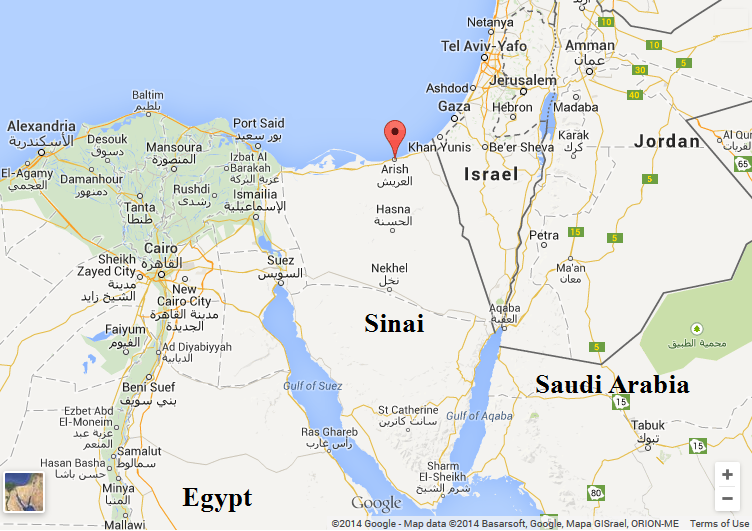
In 1953, Egypt and the United Nations Relief and Works Agency (UNRWA) signed onto a plan to resettle 120,000 Arab refugees from Gaza.

In 1955, the two sides presented their findings: At the cost of $200 million ($2.4 billion in 2025 dollars), the Egyptian town of Qantara, east of Suez and 130 miles southwest of Gaza, would become the refugees’ new home. Egypt would divert water from the Nile to allow agriculture and a self-sustaining economy.

But in retribution to the refusal of the United States and United Kingdom to fund the Aswan Dam’s construction, Egypt’s President Gamal Abdel Nasser pulled the plug on the Gaza-Sinai plan.

Since then, the plan has been largely forgotten, except in the annals of revisionist Palestinian history, which anachronistically projects the “right of return” back into history. In the revisionist approach, the Gazans thwarted the Sinai resettlement conspiracy with their “1955 March Intifada.”

In 1953, Egypt and the United Nations Relief and Works Agency (UNRWA) signed onto a plan to resettle 120,000 Arab refugees from Gaza.

The root of that uprising—what contemporaries called the 1955 Outburst—laid with “communists, Muslim Brotherhood members, and independents” who held their meetings “at the UNRWA Teachers’ Syndicate headquarters.” Their demands included “the cancelation of the Sinai relocation project; [and] the training and arming of Palestinians in the camps.”

Egypt, then the sovereign over the Gaza Strip, promised to “end the Sinai relocation project,” but quickly broke its promise. The Nasser regime instead undertook mass arrests and threw its communist and Muslim Brotherhood leaders into prison, where they remained until July 1957. Cairo also dismantled the UNRWA Teachers’ Syndicate in Gaza.

Nasser then continued with the Gaza-to-Sinai relocation project, signing the joint plan with UNRWA in July 1955. Nasser eventually pulled out of the relocation plan for two reasons:

First, he was frustrated with the Eisenhower administration for withdrawing its funding of the Aswan Dam. Second, he feared communists on the left and Islamists on the right might use the issue to outflank him. As a result of such domestic machinations, 120,000 Arabs remained stuck in a resourceless strip instead of relocating to an economically viable spot, less than 150 miles to the south.

Intra-Arab rivalry and populism has long cost the Palestinians dearly. Instead of resettling those who left Israel after 1948 in places with growth potential, different Arab factions promised them a “return” that left them in destitution for more than seven decades. It is this destitution that Trump wants to end.

Palestinians “deserve a far better life,” he said in 2020. “They deserve the chance to achieve their extraordinary potential. Palestinians have been trapped in a cycle of terrorism, poverty, and violence, exploited by those seeking to use them as pawns to advance terrorism and extremism.” He promised to “find a constructive path.”

If the world pools some $10 billion, it can spend $2 billion to build a city in the Sinai with a modern infrastructure.

In 2025, the U.S. president recognizes he must take the wind out of the sails of those who want Gazans to be perpetual victims whose victimhood they can use against Israel. While many on the left and right in the United States reacted with fury to Trump’s proposal, they do not realize how a similar plan was once the best option to end the dispute.

Had the Egypt-UNRWA plan succeeded in 1955, Arabs would have been resettled in an area with a beachfront that was 365 square miles, two and a half times the size of the Gaza Strip, with water resources and a viable economy that relied on both agriculture and services, given the proximity of Qantara to the Suez Canal and Port Said.

It is not too late to revive the plan. If the world pools some $10 billion, it can spend $2 billion to build a city in the Sinai with a modern infrastructure that includes solar-powered desalination plants and an airport under Egyptian sovereignty. It can still make use of Port Said, while international donors can use the $8 billion to lease the tiny strip from Egypt for 99 years.

Why lease? Because as Israeli thinker Micah Goodman argues in Catch-67, it is easier to arrive at a settlement between Israel and the Palestinians as long as it is not called “final.” Cairo, meanwhile, could use the money to replenish its depleted foreign currency reserves.

Let Gazans relocate to a new city and let future generations worry about a “final settlement.” When Palestinians have the benefit of hindsight, they may not find uncompromising nationalism and self-victimization to be their best option.


Zawartość publikowanych artykułów i materiałów nie reprezentuje poglądów ani opinii Reunion’68,
ani też webmastera Blogu Reunion’68, chyba ze jest to wyraźnie zaznaczone.
Twoje uwagi, linki, własne artykuły lub wiadomości prześlij na adres:
webmaster@reunion68.com