Czynienie przestępstwa z obrony życia przez Żydów

Israeli Prime Minister Benjamin Netanyahu attends the weekly cabinet meeting at his office in Jerusalem on September 27, 2023. (AFP)


Czynienie przestępstwa z obrony życia przez Żydów

Brendan O’Neill
Tłumaczenie: Małgorzata Koraszewska


Wydanie nakazów aresztowania izraelskich przywódców przez Międzynarodowy Trybunał Karny jest nikczemnym aktem moralnej inwersji.

.
Porozmawiajmy otwarcie o tym, co wydarzyło się wczoraj. Czterysta jedenaście dni po tym, jak Żydzi doznali najgorszego aktu antysemickiego barbarzyństwa od czasów Holokaustu, wydano nakazy aresztowania Żydów, którzy się bronili. Trzynaście miesięcy po tym, jak Izrael został zaatakowany przez rasistowskich zabójców z Hamasu, sporządzono akty oskarżenia przeciwko ludziom, którzy ścigają tych rasistowskich zabójców. Trochę ponad rok po tym, jak pewien rodzaj faszyzmu nawiedził jedyny na świecie naród żydowski, przywódcy tego narodu zostali są ścigani za „zbrodnię” walki z tym faszyzmem.

W ostatecznym rachunku oto, do czego sprowadzają się nakazy aresztowania Benjamina Netanjahu i Joava Gallanta wydane przez Międzynarodowy Trybunał Karny: stopniowa kryminalizacja prawa państwa żydowskiego do obrony przed armiami antysemitów, które pragną je zniszczyć. Międzynarodowy Trybunał Karny i jego hałaśliwi cheerleaderzy z izraelofobicznej sfory właśnie dopuścili się jednego z najbardziej przerażających aktów moralnej inwersji ostatnich czasów: uczynili podejrzanymi o popełnienie przestępstwa tych, którzy przeciwstawili się jednej z (jak dotąd) najpoważniejszych zbrodni XXI wieku.

Nie ma najmniejszego znaczenia, co myślimy o Netanjahu, premierze Izraela, lub Gallancie, który był ministrem obrony Izraela, dopóki nie został zwolniony na początku tego miesiąca. Wszyscy, od aktywistów-sędziów MTK po miliony użytkowników Twittera cieszących się z nakazów aresztowania, doskonale wiedzą, że nie tylko ci dwaj mężczyźni zostali oskarżeni – oskarżony został cały Izrael. Jak mówi autor artykułu w „Jerusalem Post”, nakazy rozpalają modne uprzedzenie, które mówi, że Izrael jest „państwem pariasem”, co oznacza, że cały naród prawdopodobnie zapłaci „dramatyczną cenę” za to, co zrobił MTK. I to jest prawda. Naród poddany jednemu z najbardziej barbarzyńskich ataków naszej ery jest oskarżony o barbarzyństwo – prawda i rozsądek całkowicie wywrócone do góry nogami.

Jest wiele do powiedzenia na temat cynicznego, niebezpiecznego wybryku MTK. Jest tu absurdalność wydania nakazu aresztowania Mohammeda Deifa, przywódcy skrzydła wojskowego Hamasu, obok Netanjahu i Gallanta. Powszechnie uważa się, że Deif nie żyje, zginał w wyniku izraelskiego ataku w lipcu. Wielu podejrzewa, że jego nazwisko zostało wymienione tylko po to, aby dodać pozorów bezstronności do władczego wtrącania się MTK w prawo Izraela do prowadzenia wojny z atakującymi go antysemitami. Co więcej, jest oburzające sugerowanie moralnej równoważności między faszystą, który wymordował Żydów, a demokratycznym narodem żydowskim, który mu się przeciwstawił. Przeraża mnie, że główna instytucja „porządku opartego na zasadach” jest tak pozbawiona moralnej busoli, że najwyraźniej nie potrafi odróżnić faszyzmu od celu ataku faszyzmu, człowieka, który rozpoczął wojnę, od ludzi, którzy odpowiedzieli na atak.

Następnie mamy oszałamiającą obłudę zachodnich przywódców, którzy nadymają się, by powiedzieć, że będą przestrzegać decyzji MTK i aresztują tych niegodziwych Izraelczyków, jeśli postawią stopę na ich ziemi. Oto ponura bezczelność Justina Trudeau, który mówi, że „podporządkuje się” decyzji MTK. Kanada brała udział w wojnie w Afganistanie po 11 września, której konsekwencje były o wiele bardziej niszczycielskie niż to, co dzieje się w Gazie. Dziesiątki tysięcy zginęło w tej katastrofie. Miliony zostały skazane na „ostry niedobór żywności” – czyli to, co zwykliśmy nazywać głodem. Zajmij się „zbrodniami” własnego narodu, Justin.

 Keir Starmer wskazał, że Wielka Brytania również będzie przestrzegać decyzji MTK. Och, będziemy przestrzegać? Naród, który był kluczowym graczem w Afganistanie i Iraku – wojnach, w których zginęło znacznie więcej ludzi niż w wojnach, w których Izrael brał udział od 1948 roku razem wziętych – zaaresztuje tych podejrzanych „zbrodniarzy wojennych”? Kto to kupuje? Kto daje się nabrać na to pozerstwo, na postawę polityków, przewodzących państwom, których prowadzone wojny sprawiają, że Izrael wygląda w porównaniu z nimi jak płotka? Wiem, kto: krótkowzroczni izraelożercy z przebudzonej lewicy i skrajnej prawicy, którzy przekonali samych siebie, w obliczu braku czegokolwiek przypominającego dowody, że Izrael jest państwem „wyjątkowo morderczym”. Ci ludzie są tak głęboko zanurzeni w trującym morzu izraelofobii, że z radością będą wiwatować na cześć każdego – nawet krajów, które zabiły większą liczbą ludzi niż Izrael – kto zgodzi się traktować Izrael jako wielkiego pariasa.

A jeszcze jest infantylne traktowanie wojny jako zbrodni. Międzynarodowy Trybunał Karny oskarża Netanjahu i Gallanta o takie „zbrodnie przeciwko ludzkości”, jak wstrzymywanie żywności, wody i lekarstw w Gazie i w ten sposób powodowanie „poważnego cierpienia” jej mieszkańców. To straszne, ale tak właśnie dzieje się na wojnie. Normalność się kończy, zapasy się kończą, ludzie głodują, ludzie cierpią, ludzie umierają. To straszne. Dlatego właśnie, w idealnym przypadku, nie powinno się rozpoczynać wojen. Dlatego Hamas nie powinien był rozpoczynać tej wojny, tego piekielnego starcia, które skazało na zagładę tak wielu niewinnych Palestyńczyków obok Izraelczyków.

Wszystkie wojny zawierają takie okropności. Ostre niedożywienie podwoiło się w Iraku w roku po inwazji aliantów w marcu 2003 r. Dziki głód spustoszył Jemen w wyniku wspieranej przez Zachód wojny saudyjskiej. A mimo to Mohammed bin Salman wciąż baluje w swoich pałacach, spotyka się z zachodnimi przywódcami i rzadko niepokoi sumienia „przebudzonych” izraelożerców na Zachodzie.

Przez 24 godziny z rzędu byliśmy świadkami przyprawiającego o mdłości widowiska państw, a nawet grup terrorystycznych, które są naprawdę mordercze i gorąco witają akt oskarżenia MTK przeciwko „mordercom” z Izraela. Turcja, brutalnie masakrująca Kurdów, określiła nakazy aresztowania jako „niezwykle ważny krok” w kierunku „sprawiedliwości”. Jordania, państwo, które w latach 70. XX wieku toczyło okrutną wojnę przeciwko Organizacji Wyzwolenia Palestyny, oświadczyło, że wdroży orzeczenie MTK. Także Hamas jest teraz zakochany w MTK, pomimo oskarżenia Deifa, kibicując mu za wysłanie ważnego komunikatu do „każdego zbrodniarza wojennego”. Wiem, że wina przez skojarzenie to zła polityka, ale poważnie, jeśli twoje działania sprawiają, że faszystowscy terroryści z Hamasu uśmiechają się od ucha do ucha, nadszedł czas na przemyślenie własnej moralności.

A jeszcze jest dziwaczny spektakl klasy aktywistów wiwatujących na cześć instytucji takiej jak MTK. To są ludzie, którzy krzyczą „biała supremacja!”, gdy Katy Perry nosi afrykańskie warkoczyki, a mimo to mizdrzą się do notorycznie stronniczego sądu, który głównie atakuje przywódców Afryki. Większość osób oskarżonych przez ICC to czarni Afrykanie. Wczoraj dodano tylko kilku Żydów do listy. Szczerze mówiąc, od czasu powstania KKK nie istniała organizacja z tak dziwną obsesją na punkcie czarnoskórych i Żydów.

Fakt, że tak wielu tak zwanych postępowych jest gotowych zignorować rażącą historię rasową MTK, ponieważ wydał nakazy aresztowania przywódców narodu żydowskiego, jest świadectwem bigoterii wirującej w izraelofobicznym kręgu. Kakofonia hałaśliwego triumfu, jaką widzieliśmy we wpływowych kręgach od czasu, gdy MTK wydał nakazy aresztu, jest dowodem neoimperialnej pychy, która leży u podstaw izraelofobii. Gorączkowa demonizacja Izraela przez „przebudzone” elity odzwierciedla demonizację narodów afrykańskich i azjatyckich przez stare elity kolonialne jako podejrzanych, upadłych, gorszych. Szowinistyczny wątek w modnej nienawiści do Izraela sugeruje, że tam, gdzie kiedyś nasi „lepsi” bali się „ciemnego serca” Afryki, teraz boją się „ciemnego serca” jedynego na świecie państwa żydowskiego. Nowa bigoteria ma stare korzenie.

Zasadniczo działania MTK świadczą o głębokim moralnym chaosie Zachodu. Należy odnotować, że gdy coś bardzo podobnego do faszyzmu powróciło do naszego świata, instytucje „porządku opartego na zasadach” rzuciły się na naród, który był jego ofiarą. Gdy Żydzi ponownie stali się celem rasistowskich morderstw, rzucili się na Żydów. Gdy gwałciciele i rasiści z Hamasu wywrócili do góry nogami podstawowe wartości cywilizowanego świata, zasadniczo nagrodzili Hamas, zgadzając się z nim, że państwo, którego nienawidzi, jest rzeczywiście najgorszym państwem. Nie tylko Izrael został rzucony na pożarcie wilkom z MTK i ich potężnych zwolenników – sama cywilizacja dryfuje w kierunku braku rozsądku. Te nakazy aresztowania są bezwartościowe i obraźliwe. Każde cywilizowane państwo powinno je podrzeć.


Zawartość publikowanych artykułów i materiałów nie reprezentuje poglądów ani opinii Reunion’68,
ani też webmastera Blogu Reunion’68, chyba ze jest to wyraźnie zaznaczone.
Twoje uwagi, linki, własne artykuły lub wiadomości prześlij na adres:
webmaster@reunion68.com


Israel vs. Palestine in Manga

Israel vs. Palestine in Manga

Jem Hanan


The conflict in the Middle East is playing out in the world’s most popular form of graphic art

.

Makoto Tanaka

Since Oct. 7, comic artists, both Japanese and Israeli, have used manga as a medium to convey their thoughts about the Israel-Hamas war and its consequences, speaking to Japanese, Israeli and Palestinian, and global audiences. Through manga, all of these artists hope to voice their sometimes complex, sometimes unrefined, but always honest feelings about the events surrounding Oct. 7 and after. As the mangaka Guy Lenman explained, “I knew from the start I wanted to create comics about that, because this is my art, this is my talent. I will use it for good, I hope.”

Manga is no stranger to political expression, having cemented itself in the cultural zeitgeist of Japan after World War II. The influence of American comics is evident in early popular manga, an obvious example being Osamu Tezuka’s Astro Boy. Like most manga, Astro Boy was adapted into an anime, achieving massive national success. Underlying the flashy, bug-eyed characters of the era was a country’s attempts to cope with the military defeat and atomic destruction it suffered, wounds that were still fresh in the minds of artists and their audience. As Japan grew into a confident postwar society, manga became a full-fledged cultural phenomenon, fragmenting into vastly different genres, from romance to horror, read by all ages and all genders, in what became a multi-billion-dollar industry with global reach and significance.

In the early 2000s, anime and manga began to trickle into the media of other countries, one of them being Israel, where Nippon Animation aired adaptations of beloved and classic Western stories, such as Peter Pan, on Israeli cable television. Although an odd departure from its source material, these productions still effectively captured the hearts of many a young Israeli viewer, one of them being Guy Lenman. Although he later pivoted to a grungier, less stylized iteration of Japanese cartooning (citing inspiration from the style of Fullmetal Alchemist), Lenman says that the adaptations were the first to make him realize that he “really enjoyed the anime style.”

Lenman started posting his personal manga-influenced art online, sometimes depicting fantastical creatures and other times one-page comics illustrating small moments in his life. He gravitated toward sci-fi fantasy stories, eventually founding Freelines Studio with his colleague and longtime friend Nimrod Fridman. The two got their big break at the 13th Japan International Manga Award, where they won first prize for their manga Piece of Mind. The comic deals with questions of humanity, one’s true self, and empathy, themes that Lenman says he imbued into his latest work—a manga for an anthology featuring the work of 12 graphic novelists titled In the Heart of October 7th.

An image from Guy Lenman and Nimrod Fridman’s book ‘Piece of Mind,’ which won first prize at the 13th Japan International Manga Award
Courtesy Guy Lenman

Through his anthology, Lenman aims to share the stories of everyday people on Oct. 7. He chose to focus on the lives of his parents-in-law, Marcel and Dror Kaplun, who were murdered by Hamas on their kibbutz the morning of Oct. 7. At first, Lenman and his wife believed that the two were taken as hostages, since Hamas released videos of Marcel and Dror being attacked, but neither of their bodies were found. However, as investigations continued, Marcel’s body was recovered, and soon after, a salvaged piece of a hipbone was identified as belonging to Dror.

Lenman says that going into the project, it was particularly important to him to portray the whole truth—he said to himself, “The truth is so horrible and so horrifying and so terrible, you will not show anything (unless) you know for a fact it happened.” Lenman investigated the videos released by Hamas in excruciating detail, taking note of each and every one of the terrorists’ actions and directly translating the Arabic spoken. I asked Lenman why it was so important for him to be this meticulous about telling Marcel and Dror’s story, even if it meant reliving the terror of that day again and again. He answered with the following:

A lot of artists, because of the heinous acts of Hamas, drew them as demons; there’s so much anger. I thought, that’s not right for me. I wanted to show them as people who did terrible things, because we are all people and we are capable of that. I think lots of people want to avert their gaze when they see really horrible stuff because either it’s too hard to take in, or it makes the world more gray, and we want to think about the world as black and white—there are good people and bad people. Lots of people are desperately trying to find out “who are the bad guys and who are the good guys” and they’re so divided. Of course, there are horrible acts committed by people, but it’s not that simple. If you want to form an educated opinion, you have to face the reality and really study it. Then, at least form your opinion about the affair. It’s a complicated issue. Human nature is complicated.

The Japanese medium allowed Lenman to tell a story that was not only essentially Israeli but also fundamentally human. And yet, a cultural exchange involves not one but two parties. So what do the Japanese mangaka make of the events of Oct. 7?

When Netflix’s Unorthodox debuted on the platform, it enthralled an already established Japanese mangaka: Makoto Tanaka. While her career started with comics depicting life after attending a music university, it eventually morphed into one exploring, and sometimes even romanticizing, Jewish and Israeli culture. “I have been publishing information about Jewish culture and Israel since 2022,” said Tanaka, as stated on her personal website. Tanaka’s works began to include manga featuring trips to Israel, El Al airlines, and chibi style (a style of manga caricature with big-head, small-body proportions) Hasidic rabbis, sidelocks and all.

After Oct. 7, Tanaka’s artistic agenda shifted to the events concerning the Israel-Hamas war. Anime girls with shocking, tekhelet-blue hair swathed in bright yellow ribbon, manga panels commemorating fallen IDF soldiers, and characters draped in the Israeli flag soon flooded Tanaka’s Instagram. Her patriotism eventually caught the attention of the Israeli Embassy, which commissioned her to produce a manga about the life of now-released hostage Noa Argamani.

Manga has allowed artists to tell a story that is not only essentially Israeli but fundamentally human.

According to the Israeli ambassador to Japan, Gilad Cohen, Tanaka’s manga “is a unique project that was created with the aim of continuing to raise the awareness of the issue of the hostages in Japan.” In some ways, Tanaka seems to serve as a link between the Israeli and Japanese governments, partaking in government initiatives to unite the nations behind a common cause: the release of the hostages.

Other manga artists in Japan have expressed solidarity with Palestine. An example of this is the Japanese mangaka community’s adoption of the Twitter movement #WithHandala. Handala was originally the conception of Palestinian cartoonist Naji Salim al-Ali. Growing up in a refugee camp, al-Ali drew political cartoons that became renowned for their scathing critique of Arab and Israeli regimes and were published in newspapers across the world. One of his characters, Handala, a 10-year-old boy, is perpetually shown standing with his back turned to the viewer and his hands clasped behind his back—a silent, enduring witness to the events taking place in the Middle East. The character has since become synonymous with the Palestinian cause.

The first use of Handala as a figure for cartoonists to show their support for the Palestinian people was spearheaded by Francesca Ghermandi. Ghermandi, an Italian illustrator herself, amassed a group of 80 Italian cartoonists to draw their own characters in Handala’s iconic posture.

After its publication, the Italian collection piqued the interest of three Japanese artists—Tokushige Kawakatsu (a mangaka), Mariko Matsushita (a painter), and Zohre Miha (a photograph artist)—who organized their own Japanese iteration of the Handala project. “Seeing this campaign in Italy, we planned this project in the hope that we could create an appeal with the cooperation of Cartoonists in Japan, along with Handala, to appeal for the back of their own characters,” the three wrote in a published statement. The mangakas of Japan could join the movement by posting the back of their character in Handala’s fashion on X with the hashtag “withHandala.” #withHandala blew up, with many well-established mangakas partaking in the movement. One of these artists was Kamome Shirahama, creator of the popular manga series Witch Hat Atelier, which has amassed a cult following over the course of its serialization with an anime adaptation on the horizon. Shirahama posted a drawing of the series’ main character, Coco, in the Handala pose, captioning it “I join Handala in calling for an immediate ceasefire. #withHandala.” [“ハンダラと共に即時停戦を求めます。#withHandala”; translation]. As of October 2024, the post has received 2.4 million views.

Returning to its roots, manga is once again conveying the sentiments surrounding war through the same bold lines and large eyes as it did over 75 years ago. This time, however, it has also created a unique space for discourse between cultures that may seem at odds with each other. Artists like Lenman, Tanaka, and the participants in the #withHandala movement reveal the remarkably perennial and culturally transcendent characteristics of manga, which speaks to children and adults alike in a language that uniquely belongs to the art form.


Jem Hanan is a sophomore at Barnard College, Columbia University.


Zawartość publikowanych artykułów i materiałów nie reprezentuje poglądów ani opinii Reunion’68,
ani też webmastera Blogu Reunion’68, chyba ze jest to wyraźnie zaznaczone.
Twoje uwagi, linki, własne artykuły lub wiadomości prześlij na adres:
webmaster@reunion68.com


Anti-Israel Group Lambasted for ‘Desecrating the Name of Raphael Lemkin’ in ‘Infuriating Abuse’

Anti-Israel Group Lambasted for ‘Desecrating the Name of Raphael Lemkin’ in ‘Infuriating Abuse’

Ira Stoll


Raphael Lemkin being interviewed on Feb. 13, 1949. Photo: Screenshot

Pressure is mounting on a Philadelphia-based nonprofit organization that has usurped the name of a Jewish lawyer and anti-genocide activist to pursue a campaign of strident anti-Israel activism.

Earlier this month, The Algemeiner exposed the extreme anti-Israel activities of the Lemkin Institute for Genocide Prevention, reporting that family members of Raphael Lemkin are outraged that the name of Lemkin, who died in 1959, is being used without their permission to groundlessly vilify the world’s lone Jewish state.

Jewish organizations and Israeli government representatives voiced alarm at the situation disclosed in the article. Lemkin was an ardent Zionist who coined the term genocide and spearheaded the effort to win passage of the UN Convention on the Prevention and Punishment of Genocide, while the Lemkin Institute for Genocide Prevention, founded in 2021, has repeatedly and — despite all evidence to the contrary — accused Israel of planning and perpetrating a genocide in Gaza.

“The Lemkin Institute for Genocide Prevention (@LemkinInstitute) is desecrating the name of Raphael Lemkin and the word ‘genocide’ by falsely labeling the Gaza war as ‘genocide,’” the Simon Weisenthal Center said in a social media post linking to The Algemeiner story. “Lemkin was a Jewish lawyer who coined the term ‘genocide’ and dedicated his life to exposing the horrors of the Holocaust. While the Lemkin Institute is entitled to its political agenda, it has no right to besmirch Lemkin’s legacy.”

An Israeli diplomat, Tammy Rahaminoff-Honig, posted about the article from her official government account: “An important story by @IraStoll in the @Algemeiner reveals infuriating abuse by @LemkinInstitute of Raphael Lemkin’s name and legacy, as well as the terms Holocaust and Genocide, for political bashing of Israel.”

The Azerbaijani Jewish Assembly of America wrote in response to the article, “Finally, @LemkinInstitute has been exposed. It has been a platform for not only antisemitic rhetoric but also blatant Azerbaijanophobia. Backed by funding from the Armenian lobby, it has relentlessly targeted Azerbaijan, promoting the dehumanization of the Azerbaijani people.”

The Lemkin Institute, which didn’t answer The Algemeiner‘s inquiries before the article was published, issued “a note on recent criticism of the Lemkin Institute.”

“We are proud of our record and of our unfailingly frank assessments,” the statement said. “It is almost never popular to call out genocide as it is happening or to point to red flags as the process is getting started.”

In a social media post, Michel Elgort characterized the Lemkin Institute’s note as “a very long, vague, and empty statement that didn’t answer the most basic question that was asked by The Algemeiner: Did you or did you not co-opted the name of Raphael Lemkin to appropriate the good will associated with his name and works, without his family and successors approval?”


Zawartość publikowanych artykułów i materiałów nie reprezentuje poglądów ani opinii Reunion’68,
ani też webmastera Blogu Reunion’68, chyba ze jest to wyraźnie zaznaczone.
Twoje uwagi, linki, własne artykuły lub wiadomości prześlij na adres:
webmaster@reunion68.com


NRWA zatrudnia palestyńskich terrorystów, gloryfikuje przemoc i terroryzm

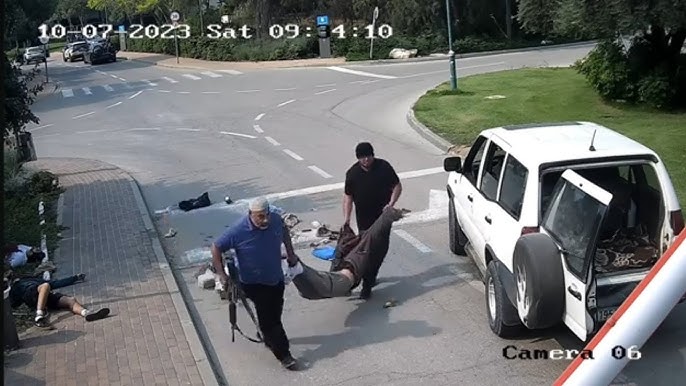
Według izraelskiego wywiadu, ponad 450 terrorystów należących do organizacji terrorystycznych w Strefie Gazy, głównie Hamasu, jest również zatrudnionych przez UNRWA. Kilkunastu terrorystów, którzy brali udział w okrucieństwach z 7 października, było oficjalnie zatrudnionych przez UNRWA. Na zdjęciu: Pracownicy UNRWA 7 października 2023 porywający ciało zabitego Izraelczyka. (Zrzut z ekranu wideo.)


NRWA zatrudnia palestyńskich terrorystów, gloryfikuje przemoc i terroryzm

Bassam Tawil
Tłumaczenie: Małgorzata Koraszewska


Od czasu ataku Hamasu na Izrael 7 października 2023 r., w którym terroryści z Gazy zamordowali 1200 Izraelczyków, pojawiło się więcej dowodów na rolę, jaką Agencja Narodów Zjednoczonych do spraw Pomocy Uchodźcom Palestyńskim (UNRWA) odgrywa we wspieraniu i finansowaniu palestyńskiego terroryzmu.

Na początku listopada Izrael uchwalił nowe prawo, które zakazuje działalności UNRWA w Izraelu i uniemożliwi izraelskim urzędnikom współpracę z agencją. Biorąc pod uwagę wieloletnie wsparcie UNRWA dla Hamasu w Strefie Gazy, zakaz ten przyniesie korzyści nie tylko Izraelowi, ale także Palestyńczykom, którzy nie są powiązani z tą palestyńską grupą terrorystyczną wspieraną przez Iran.

Prawo to uchwalono po odkryciu, że kilku terrorystów, którzy uczestniczyli w okrucieństwach 7 października – w tym morderstwach, gwałtach, ścinaniu głów i porwaniach – było oficjalnie zatrudnionych przez UNRWA. Organizacja Narodów Zjednoczonych przyznała nawet, że dziewięciu pracowników UNRWA „zostanie zwolnionych, ponieważ mogli być zamieszani w ataki Hamasu na Izrael 7 października”. Oskarżenia pojawiły się na początku tego roku, gdy Izrael przedstawił UNRWA dowody na udział 12 pracowników w okrucieństwach. UNRWA zidentyfikowała i zakończyła zatrudnienie dziesięciu z nich. Potwierdzono śmierć dwóch.

„Jestem w środku, jestem w środku z Żydami”; „Mamy zakładniczki, jedną złapałem”. Są to cytaty z nagrań nauczycieli UNRWA, którzy brali udział w masakrze 7 października.

Na nagraniu wideo zarejestrowanym przez kamerę bezpieczeństwa 7 października widać dwóch terrorystów z Hamasu ładujących na ciężarówkę zwłoki zamordowanego przez siebie izraelskiego cywila. Ci terroryści z Hamasu byli również pracownikami UNRWA. Nie byli jedynymi pracownikami UNRWA zamieszanymi w te okrucieństwa.

Według izraelskiego wywiadu, ponad 450 terrorystów należących do organizacji terrorystycznych w Gazie, głównie Hamasu, jest również zatrudnionych przez UNRWA. Według raportu IDF:

„Siły Obronne Izraela (IDF) zebrały znaczące dowody kilku innych sytuacji, które ujawniają udział personelu UNRWA w masakrze 7 października. Potwierdziło to również Biuro Służb Nadzoru Wewnętrznego ONZ (OIOS): Oprócz dziewięciu pracowników, których zespół śledczy ONZ ustalił jako biorących udział w masakrze 7 października, inni pracownicy – co do których zespół twierdził, że nie ma wystarczających dowodów – również brali udział w masakrze. Są członkami Hamasu i Palestyńskiego Islamskiego Dżihadu (PIJ), a ONZ musi ich natychmiast zwolnić, a nie zamiatać sprawę pod dywan.

Nie zwalniając ich, Sekretarz Generalny ONZ i Komisarz Generalny UNRWA bezczelnie demonstrują swoje zdecydowanie dalszego zatrudniania członków Hamasu i Islamskiego Dżihadu, nawet po przedstawieniu im obciążających dowodów w tej sprawie. Czas, aby rządy darczyńców się obudziły i przestały przekazywać pieniądze swoich podatników członkom organizacji uznanym za terrorystyczne”.

Niedawny raport opublikowany przez Institute for Monitoring Peace and Cultural Tolerance in School Education (IMPACT-se), organizację pozarządową analizującą podręczniki szkolne i programy nauczania na całym świecie, ujawnia głębokie powiązania terrorystyczne z edukacją UNRWA. W raporcie naświetlono pięć szkół UNRWA, w których dowódcy Hamasu są dyrektorami lub starszymi pracownikami. Pokazano, że ponad 10% dyrektorów i starszych pracowników edukacyjnych UNRWA w Strefie Gazy to członkowie Hamasu lub Palestyńskiego Islamskiego Dżihadu. Szkoły UNRWA wykorzystują ponadto lekcje do zaprzeczania istnieniu Izraela, promowania wrogości i zachęcania do brutalnych narracji.

W raporcie wskazano, że co najmniej 12 pracowników UNRWA w Strefie Gazy, zajmujących wysokie stanowiska (dyrektorzy szkół, zastępcy, dyrektorzy i zastępcy dyrektorów ośrodków szkoleniowych), zostało zidentyfikowanych jako członkowie Hamasu i Palestyńskiego Islamskiego Dżihadu.

To nie jest „kilka odosobnionych przypadków”, jak twierdzi UNRWA, lecz wskazuje na endemiczne powiązania UNRWA z terroryzmem. Wielu funkcjonariuszy Hamasu i Palestyńskiego Islamskiego Dżihadu pracujących w UNRWA nadal – po 7 października – otrzymuje regularne wynagrodzenie finansowane przez międzynarodowych podatników. Szef UNRWA Philippe Lazzarini niedawno powiedział Zgromadzeniu Ogólnemu ONZ, że jego agencja zapewnia tolerancyjną, pełną szacunku i antyekstremistyczną edukację w Strefie Gazy. Jednak nowy raport IMPACT-se ujawnia instytucjonalne materiały dydaktyczne nauczane w pięciu szkołach UNRWA w Strefie Gazy, gdzie przywódcy Hamasu zostali zdemaskowani paradując jako dyrektorzy tych szkół.

Nauczyciele i szkoły UNRWA wyprodukowały materiały, które gloryfikują przemoc i terroryzm oraz demonizują Izraelczyków. Ćwiczenie do nauki czytania ze zrozumieniem   wyprodukowane przez szkołę UNRWA w Strefie Gazy zawiera historię, która celebruje atak na izraelskich pasażerów podróżujących autobusem, opisując to jako „imprezę grillową”. Inne ćwiczenie, wyprodukowane przez szkołę UNRWA, zawiera test do czytania ze zrozumieniem zatytułowany „Brawo dla bohaterów”. Gloryfikuje postaci związane z wojną, przemocą, ekstremizmem religijnym, a także terroryzmem. Tekst zachęca młodych palestyńskich uczniów do postrzegania tych „bohaterów” jako wzorów do naśladowania. Karta do nauki zachęca również uczniów do krytykowania tych, którzy wybierają spokojne, spełnione życie zamiast męczeństwa: „Picie kielicha goryczy z chwałą jest o wiele słodsze niż przyjemne długie życie w warunkach upokorzenia”. Lista bohaterów w tekście obejmuje: Dalal al-Mughrabi, odpowiedzialną za masakrę na Drodze Nadbrzeżnej w 1978 r., w której zamordowano 38 cywilów, w tym 13 dzieci; Izz Ad-Din al-Kassama, założyciela palestyńskiego ruchu dżihadystów i patrona skrzydła zbrojnego Hamasu.

Streszczenie w podręczniku języka arabskiego dla piątej klasy uczy tekstu zatytułowanego: „Kocham swoją wioskę”, który przedstawia męczeństwo w pozytywnym świetle, chwaląc fakt, że ziemia – odniesienie do Palestyny – jest „zmieszana z krwią męczenników”. Uczy również uczniów, że męczeństwo i dżihad są „najważniejszym sensem życia”.


Wiersz
 nauczany siódmoklasistom przedstawia narody arabskie jako stado koni – czczony symbol wojny w kulturze Beduinów – które upadłyby, gdyby nie zjednoczyły się. Wiersz wzywa rycerzy, symbolizujących arabskich przywódców, do wyzwolenia meczetu Al-Aksa w Jerozolimie „od pięści niewiary, od pomocników szatana – zemsta dla Żydów” .

To tylko kilka przykładów, jak zajęcia edukacyjne organizowane przez szkoły UNRWA zatruły serca i umysły wielu palestyńskich dzieci w ciągu ostatnich siedmiu dekad. Udział pracowników UNRWA w okrucieństwach przeciwko Izraelczykom z 7 października nie był zaskoczeniem. Niepokojące jest to, że szef ONZ i inne kraje darczyńców odmawiają dostrzeżenia tego, co wielu Palestyńczyków już widzi, a mianowicie, że UNRWA od dawna odgrywa znaczącą rolę w podżeganiu do nienawiści wobec Izraela i wychowywaniu kolejnego pokolenia palestyńskich dzieci na gloryfikacji przemocy i terroryzmu. Nadszedł czas, aby ta agencja, jak również cała ONZ, zostały zdemontowane i usunięte, lub przynajmniej, jak sugerowano lata temu, aby narody płaciły tylko za to, czego chcą i otrzymywały to, za co płacą.

Nadszedł również czas, aby palestyńscy „uchodźcy” zaczęli żyć własnym życiem i przestali polegać na pieniądzach zachodnich podatników.


Bassam Tawil – muzułmański badacz i publicysta mieszkający na Bliskim Wschodzie.


Zawartość publikowanych artykułów i materiałów nie reprezentuje poglądów ani opinii Reunion’68,
ani też webmastera Blogu Reunion’68, chyba ze jest to wyraźnie zaznaczone.
Twoje uwagi, linki, własne artykuły lub wiadomości prześlij na adres:
webmaster@reunion68.com

Amsterdamned: The Shame of Femke Halsema

Amsterdamned: The Shame of Femke Halsema

Ben Cohen / JNS.org


Mayor of Amsterdam Femke Halsema attends a press conference following the violence targeting fans of an Israeli soccer team, in Amsterdam, Netherlands, Nov. 8, 2024. Photo: Reuters/Piroschka Van De Wouw

In the arsenal of the antisemite, denial is a key weapon. Six million Jews were exterminated during the Holocaust? Didn’t happen. The Soviet Union persecuted its Jewish population in the name of anti-Zionism? Zionist propaganda. Rape and mutilation were rampant during the massacre in Israel on Oct. 7, 2023? What a smear upon the noble resistance of Hamas. And so on.

No surprise, then, that the left-wing mayor of Amsterdam, Femke Halsema, is now publicly regretting her use of the word “pogrom” in her summation of the shocking antisemitic violence unleashed by Arab and Muslim gangs in the Dutch city in the wake of the soccer match between local giants Ajax and visitors Maccabi Tel Aviv two weeks ago.

One day after the violence, Halsema noted that “boys on scooters crisscrossed the city in search of Israeli football fans, it was a hit and run. I understand very well that this brings back the memory of pogroms.” She could have also mentioned (but didn’t) that the Dutch authorities ignored warnings from Israel that the violence was being stoked in advance in private threads on social-media platforms, resulting in a massive policing failure; that Ajax supporters were not involved in the attacks, undermining claims that what happened was merely another episode in the long history of inter-fan violence at soccer matches; and that the “boys” engaged in the assaults were overwhelmingly youths of Moroccan or other Middle Eastern or North African backgrounds, who gleefully told their victims that their actions were motivated by the desire to “free Palestine.” But at least Halsema grasped the nature of the violence. Or so we thought.

A few days later, she rolled back her initial comments. “I must say that in the following days, I saw how the word ‘pogrom’ became very political and actually became propaganda,” she stated in an interview with Dutch media. “The Israeli government, talking about a Palestinian pogrom in the streets of Amsterdam. In The Hague, the word pogrom is mainly used to discriminate against Moroccan Amsterdammers, Muslims. I didn’t mean it that way. And I didn’t want it that way.”

On the left, the enemy is “Jewish privilege,” and on the right, it is “Jewish supremacism.”

Halsema’s discomfort does not, of course, mean that what happened in Amsterdam was not a pogrom. Nor does she speak for the entirety of the Dutch political class. Both the center-right VVD Party and the further-right PVV Party, for example, continue to describe the violence as a pogrom and have suggested strong measures for countering further outrages targeting local Jews and visiting Israelis. Both parties have urged a clampdown on mosque funding from countries promoting Islamism, such as Turkey and Saudi Arabia, and have called on the Netherlands to follow Germany’s example in denying or removing citizenship from those convicted of antisemitism.

But the mayor’s 180-degree turn speaks volumes about how the left in Europe enables antisemitism by denying that it is a serious problem. To begin with, there is a refusal to situate each incident in its historical context, which makes it all the easier to portray violent explosions as an anomaly. Listening to Halsema, you would never know that the Amsterdam pogrom was preceded in March by a violent demonstration at the opening of the National Holocaust Museum, where pro-Hamas protestors masked with keffiyehs and brandishing Palestinian flags—this century’s equivalent of a brown shirt and a Nazi armband—lobbed fireworks and eggs in protest at the presence of Israeli President Isaac Herzog. What you will realize, however, is that Halsema is terrified of being labeled “Islamophobic.” That explains her pleas for understanding for a bunch of Moroccan thugs who express contempt not just for Israel but for the country that has provided them a sanctuary with housing, education and many other benefits.

Not only are Jews expected to take all this abuse lying down; they are then told by non-Jewish leftist politicians—often aided by Jewish “anti-Zionist” lackeys—that they have no right to situate the violence directed against them within the continuum of Jewish persecution over the centuries. What happened in Amsterdam, we are badgered into believing, was different because it wasn’t motivated by hatred of Jews but a righteous rejection of Israeli policy.

That’s why the behavior of some of the Maccabi fans is brought into the equation. Video showing fans descending into a subway as they chanted “F**k the Arabs” spread like wildfire on social-media platforms, along with reports that Palestinian flags adorning some private homes had been torn down. I am not going to endorse these actions, even if, as a Jew, I can understand and empathize with the feelings that motivated them, but I also consider them essentially irrelevant to this case. The advance planning of the pogrom, coupled with the wretched record of pro-Hamas demonstrations around the Netherlands in the previous year, proves that the Maccabi fans would have been hounded and attacked even if their behavior had been impeccable. Moreover, legally and morally, violent assaults are in a different league than acts of petty vandalism or the singing of distasteful songs. There can be no comparison, and nor should there be.

What the Amsterdam pogrom underlines is that the extremes of the left and the unreconstructed elements of the nationalist right are now at one in their attitudes towards Jews. On the left, the enemy is “Jewish privilege,” and on the right, it is “Jewish supremacism.” Both terms carry the same meaning, but are expressed in language designed to appeal the prejudices of their respective supporters. For the left, claims of antisemitism are dismissed as expressions of Jews exercising their “privilege,” dishonestly seeking victim status at the same time as the “colonial” state they identify with is persecuting the “indigenous” inhabitants. For the right, claims of antisemitism are a tactic to shield the contention that Jews are superior to everyone else. Translated, both communicate the same message: The violence you experience is violence you bring upon yourselves.

To her eternal shame, Halsema is now trafficking in this noxious idea while presiding over a city in which no Jew can now feel safe, less than a century after their ancestors were rounded up and deported by the German occupiers. She should resign.


Zawartość publikowanych artykułów i materiałów nie reprezentuje poglądów ani opinii Reunion’68,
ani też webmastera Blogu Reunion’68, chyba ze jest to wyraźnie zaznaczone.
Twoje uwagi, linki, własne artykuły lub wiadomości prześlij na adres:
webmaster@reunion68.com