
Archive | October 2024

An Invitation to the Anti-Zionists

An Invitation to the Anti-Zionists


Elisa Albert


You refused to sit on a literary panel with me. I invite you to my Shabbes table instead, so we can actually talk to each other and face our fears.
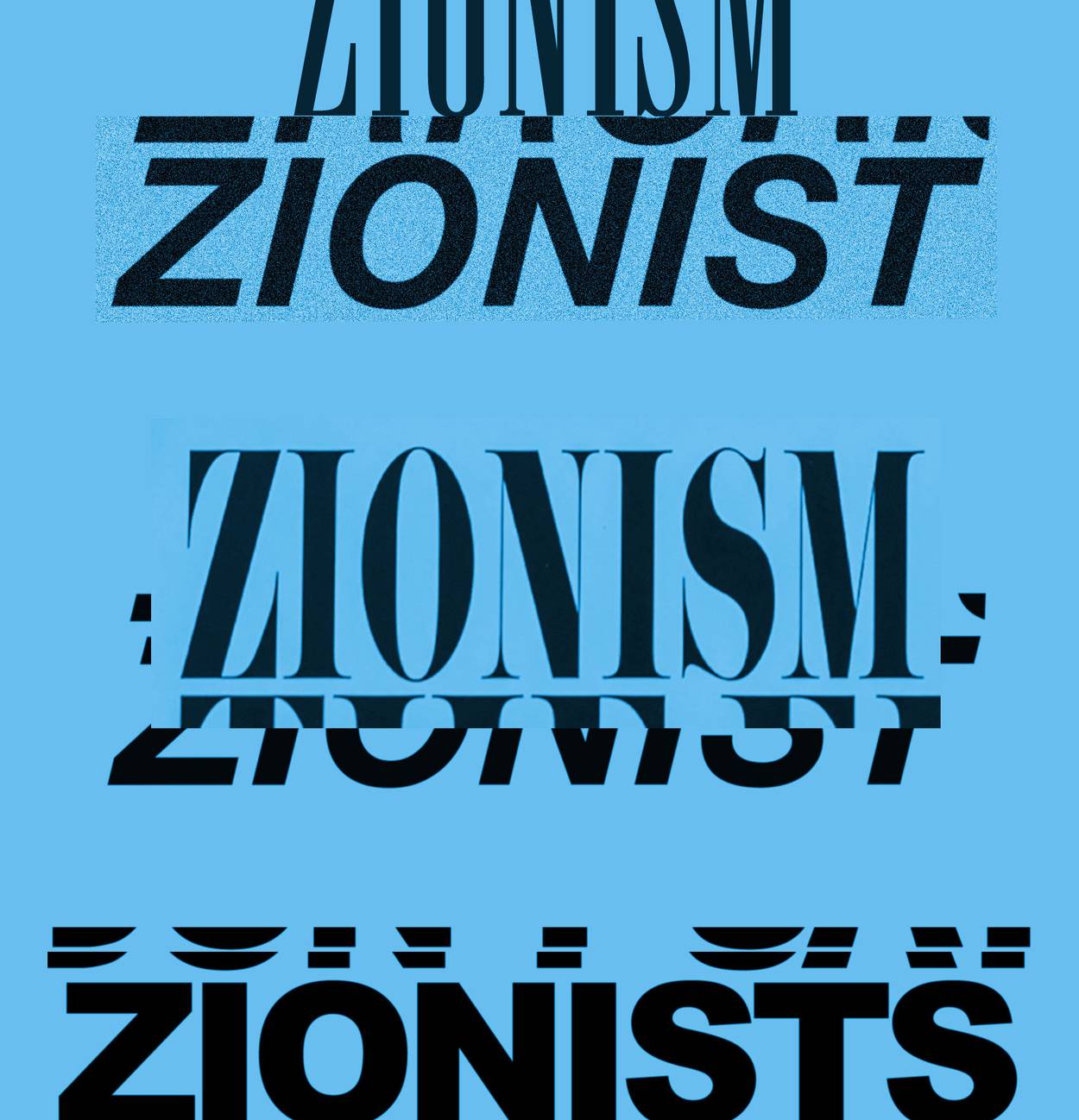
Tablet Magazine

As I write these words, my challah dough is in the mixer for 20 minutes before going into the fridge overnight.

Tomorrow, before Shabbat, when the time comes to braid and bake, I will break off a piece of dough, the size of an olive, wrap it up twice, and throw it away.

This is an esoteric tradition. A symbolic offering. A form of performative charity. A ridding of excess. A mini sacrifice. A gift. A casting off.

But we’re not there yet.

For now, mixer on hypnotic low, I’m puzzling over how to face the troubling situation at hand: Two writers I don’t know just sabotaged our scheduled panel at a literary festival in my hometown, on purported grounds that they refuse to share space with a “Zionist.”

(Me!)

How odd, to be a loathsome thing in the imaginations of people you’ve never met.

And … I can’t help but wonder if either of these people actually knows the definition of Zionism.

Let me help: Zionism is the belief that the State of Israel has the right to exist. Zionism is the belief that the Jewish people (literally aka “Israel”) has the right to self-determination, peace, and safety in our ancestral homeland. Zionism precludes no other peaceful nationalist ambitions or aspirations.

There are as many flavors and shades of Zionism as there are Jews alive on planet Earth. Zionism is nonbinary. Zionism is de-colonization. Zionism means, not to put too fine a point on it, that there is a place where people like me can (theoretically) exist free from the precise bullshit at hand.

Use of the word “Zionist” as a permissible pejorative is a tool of brainwashed propagandists to dehumanize the people of Israel, wherever we reside, and to blame “us” for the horrific ongoing violence in an achingly, tragically, nightmarishly endless regional conflict, the latest conflagrations of which have inflamed many a conspiracist imagination and inspired many a nihilistic trauma tourist.

This, it is apparently not needless to say, helps zero Palestinian civilians or Muslims or Christian Arabs or Bedouins or Druze or assimilated diaspora quasi-Jews or Western gentiles looking for cheap thrills in anarchist drag. It brings zero relief to anyone directly impacted by this intractable, gruesome conflict. Not in Gaza, not in the Galilee, not in the Negev, not in Judea or Samaria, not in East Jerusalem. Not in Lebanon, Syria, Yemen, or Iran.

It simply further entrenches a stale, appalling, hopeless status quo.

It does, however, allow a couple of writers who live in New York and Connecticut to play at a form of primal social-political-personal pseudo-identitarian catharsis (which I guess isn’t nothing!).

Oh, the short, half-life payoffs of misplaced nationalism: It’s like a drug, in how precious little it asks of you.

In the past year, our tribe (I wonder if it helps to categorize “us” thusly … in that no reasonable person could feel politically/culturally/personally entitled to spew bigotry toward, say, Native Americans) has witnessed a tsunami of historical erasure, misinformation, and confusion about Judaism in general and Israel in particular.

Most shocking has been the specter of “allies” in so many progressive movements—anti-racism, queer liberation, art, feminism, education, pronoun-preferences, equality, sex-positivity, diversity, size-inclusive slow fashion, witty tote bags—eagerly, carelessly parroting some of the laziest, most twisted antisemitic ideas and incitement known to human history.

People like me—which is to say “Zionists,” which is to say Jews with a basic understanding of, interest in, and emotional/intellectual/familial investment in communal care for lived Judaism and “other” Jews—have been screaming about this for almost a year, now.

(Because of, you know, that unspeakable thing that happened almost a year ago.)

The heart, as poet Mary Oliver wrote, breaks and breaks and lives by breaking.

Anyway, the literary festival.

Our panel was to have been called “Girls, Coming of Age.”

When I agreed to moderate it, months ago, I privately rolled my eyes. Sure, yeah, whatever: “Girls.” Whatever that’s supposed to mean, in whoever’s imagination, for whatever purposes of rote reduction, simplification, and/or condescension.

I and the other writers in question all happen to be middle-aged, but “Women, Having Come of Age” doesn’t have the same appeal, I guess. Nor, say, “People With Vaginas, Existing in Time.”

(Meanwhile, can you imagine a panel of middle-aged male novelists being grouped together under the banner of “Boys Will Be Boys”?)

Alas, we’ll have to save the exegesis of gender for another op-ed. Squabbles over genitalia, costume, behavior, eros, and role-playing suddenly seem so adorably quaint. Everything skews a bit different in wartime.

Back to my challah.

The following day, I braid the risen dough and discard that small piece, size of an olive. Subtext alert! Olives grow on branches on trees. Many such trees exist in the Holy Land. Many a mediocre meditation on the long, gruesome conflict between Arabs and Jews in said land feature rhapsodic asides about lost olive trees. The olive branch in the mouth of the dove after the flood is a promise of … you got this.

As I remove that little piece of dough, I make a conscientious effort to symbolically remove some of the ugliness of this situation—the idiotic boycott, the utter failure of the overseeing cultural institution to unequivocally call it out, the scab ripped off so much generational trauma and rage and grief and fear over the past year, the general and specific horrors of war—from my life, body, mind, heart, and soul, if only for this brief, passing moment in time.

And while the challah rises in the oven, I wonder: What if the anti-Zionists had been brave (or brazen) enough to show up and appear alongside me at that literary festival?

What if, despite imagining me to be their enemy, and the enemy, I imagine they imagine, of everything good and decent and right in the world, they had been able to maintain even a shred of curiosity?

How many ways might we have connected? Around our “female”-ness, parenthood, I like your earrings/thanks, where’d you get those boots/I like how you wrote this one line/how’s publishing been for you/what does your tattoo mean/oh I love that pizza place too.

Might I have managed to disarm them with a joke?

Might I have put them at ease with my aspirational calm, the tenor of my speaking voice, some intentional somatic sweetness?

Might they, then, have forgotten, for a fraction of a second, their absurd conviction that I am—or am magically all-inclusively representative of—their enemy?

Might there have been some way of offering them an explicit or implicit assurance that I do not, in fact, crave the blood of gentile children?

Why is it so existentially frightening to see the “other” as potentially human and worthy of space?

(Wrong, I imagine them saying! I love “others!” It’s just you nasty warmongering Zionist monsters I will not abide!)

A hero makes a friend of his enemy, says the peace activist Bassam Aramin in Colum McCann’s ambitious novel Apeirogon, which would be a wonderful selection for discussion at next year’s book festival, incidentally.

I so wish those misguided authors could have found the courage to show up to meet me, their Big Bad Zio Bitch.

In scant public statements about this debacle, both have thus far avoided any personal accountability. They’ve misrepresented the events leading to the cancellation of the panel, they’ve mischaracterized what I’ve written and posted since the war began, and they’ve set their Instagrams to private.

“They know not what they do,” a particularly famous Jew is purported to have said.

And lookie-look how this begins to devolve into a she-said/she-said/she-said show. You know: a “girl” fight! (We should at least sell tickets.)

But the last thing on earth anyone needs is more anger, more resentment, more fighting, more hatred, more blood, more violence, heads to roll.

Haven’t we had enough, yet, of anger, fear, suspicion, hatred, fighting, bloodshed?

Are more rolling heads really the answer? More purges!?

It’s the month of Elul, a time for opening our hearts to the work of personal restitution and reconciliation. (It’s also “Banned Books Week,” funnily enough.)

So, let’s take this shit-pile of a situation and spin it into something positive. Jewish alchemy! Fun.

Here’s a new and different opportunity. As long as we’re alive, it’s never too late. The great privilege of getting to try and try again.

I take my perfectly golden-brown challah out of the oven and wish to be able to share it with my “enemies.”

Who are they, underneath the stank of fear and confusion and miseducation and epigenetic trauma and algorithmic waylay and perhaps, I don’t know, maybe a smidge of ideological perversion?

What’s the worst that could happen? They don’t like my menu? They don’t like my traditions? They don’t like my decor? They lack manners? They are ungracious? The conversation is stilted? They talk smack on the way home?

Let’s grow up, people, and take on the scary necessity of dealing with ourselves and each other. We are the only ones who can do it. No one is coming to save us.

In order to actually “come of age” (instead of remaining forever petulant, cliquish, shallow, oppositional, imitative, anxious “girls”), we have to face our fears.

Aisha Gawad and Lisa Ko, please come join me at my Shabbes table, so we can break bread together, and talk. It’s the only way.


Elisa Albert is the author of three novels and a story collection. Her fiction and essays have appeared in n+1, the Guardian, The New York TImes, New York Magazine, Lilith, Bennington Review, Michigan Quarterly Review, and elsewhere. THE SNARLING GIRL, now out from Clash Books, represents a decade’s worth of personal essays and literary criticism. 


Zawartość publikowanych artykułów i materiałów nie reprezentuje poglądów ani opinii Reunion’68,
ani też webmastera Blogu Reunion’68, chyba ze jest to wyraźnie zaznaczone.
Twoje uwagi, linki, własne artykuły lub wiadomości prześlij na adres:
webmaster@reunion68.com


The media must stop presenting antisemitism as legitimate criticism – opinion

The media must stop presenting antisemitism as legitimate criticism – opinion

DAVID BEN-BASAT


The Palestinian ideology, which views the land on which Israel was established as occupied territory “from the river to the sea” aims for the Jewish state to cease to exist..

Washington, D.C., USA November 14, 2023: Pro-Israel supporters stand, draped in the Israeli flag, with arms around each other. / (photo credit: SHUTTERSTOCK)

Radical Islamic groups, alongside extreme right- and left-wing groups, which seemingly have nothing in common, have discovered a shared hatred for Jews and Israel. What once appeared to be legitimate criticism of Israel has turned into declared antisemitism that has escalated since the October 7 massacre perpetrated by Hamas in Israel.

The bloody attack and the hostile media coverage that followed it marked a significant rise in antisemitism today.

Antisemitism began to develop globally hundreds of years ago for various reasons. Scholars of antisemitism suggest that Muslims blamed Jews for not recognizing the mission of Mohammed; Christians blamed them for rejecting the teachings of Jesus even killing him.

The Muslim persecution of Jews did not begin with the establishment of Israel. The claim that Jews and Muslims lived in peace until the rise of Zionism is nothing more than a myth. Mohammed and his followers slaughtered Jews, viewing them as impure, calling them descendants of monkeys and pigs.

The notion, perpetuated by the international media and even within the Israeli Left, that the creation of a Palestinian state alongside Israel would resolve the Israeli-Palestinian conflict is utter nonsense. The Palestinian ideology, which views the land on which Israel was established as occupied territory “from the river to the sea” aims for the Jewish state to cease to exist.

This picture shows projectiles above Jerusalem, on October 1, 2024. Iran’s Revolutionary Guards said a missile attack under way against Israel on October 1 was in response to the killing of Hezbollah chief Hassan Nasrallah last week as well as that of the Hamas leader (credit: MENAHEM KAHANA / AFP)

The Islamic Republic of Iran – harking back to the Persian empire of old – seeks to destroy the Jews (and the Jewish state); and Palestinians, along with the antisemitic Turkish leader Tayyip Erdogan, share the same murderous ideology.

A history of antisemitism

Hatred and antisemitism toward Jews are not new phenomena. Beginning in the 11th century and during the Crusades to Jerusalem, the situation of Jews worsened, reaching its peak 200 years later with the medieval massacres of Jews who refused to convert to Christianity – and the persecution by the Spanish Inquisition of those who had converted.

Jews were accused of all the world’s troubles, from the Black Death in the Middle Ages, which wiped out over a third of Europe’s population, to the murder of children (known as “blood libels”), claimed Jews used the blood of Christian youngsters to make matzah for Passover. Today’s antisemitism mirrors the antisemitism of the past, the same one we thought had nearly disappeared after World War II.

The world that stood by while the Nazis murdered six million Jews is standing by once again. History is beginning to repeat itself.

Modern Jew hatred

TODAY’S ANTISEMITISM is fueled by the media under the guise of legitimate criticism of Israel. The British newspaper The Independent calls Israel “child killers,” while the BBC and SKY news networks in the United Kingdom rarely cover Hamas’s crimes and instead focus on one-sided and uninformed criticism of Israel. This is not journalism; it is ignorance and antisemitism. 

The term “child killers” is an old Christian phrase, rehashed by writers in the British press. The Norwegian antisemitic writer Jostein Gaarder also uses the term “child killers.” In his ignorance, Gaarder does not understand that a Muslim takeover of his country is only a matter of time.

Antisemitism distorts the minds of many journalists, who see Israel as a brutal occupier that treats Palestinians as the Nazis treated Jews. Unfortunately, this warped opinion is held by a significant percentage of Europeans.

Last month, Flemish columnist Herman Brusselmans accused Prime Minister Benjamin Netanyahu of child murder in his regular column in the Flemish publication HUMO in Belgium. 

Among other things, Brusselmans wrote, “I am so angry I want to shove a sharp knife into the throat of every Jew I encounter.” Thankfully, after reading his repugnant words, the European Jewish Association (EJA) appealed to Belgium’s Attorney General, demanding the arrest of the columnist for incitement to murder. The organization also contacted the magazine’s editorial team, demanding they suspend the writer immediately before further calls for the murder of Jews appeared in his columns.

Israel’s Ambassador to Belgium Idit Abum Ronsweig responded to the column: “In a country where Jews are attacked daily and 70% fear for their lives, how did this pass editorial review? Antisemitism and legitimization of violence should be a red line, even for the verbal outburst of an ‘intellectual’ in a leftist magazine.” She pointed out that, had similar statements been made against Muslims, there would have been a major outcry.

The Federation of Jewish Communities in the Czech Republic (FJC) reported 4,328 antisemitic incidents in 2023, compared to 2,277 in 2022, representing a 90% increase.

A new comprehensive survey reveals a significant and alarming rise in antisemitism toward Jewish teenagers in high schools worldwide, following the events of October 7. The findings show a global increase of 29.1% in the feeling of antisemitism among Jewish teenagers, with a sharp rise of 45.9% outside the United States. The survey, conducted by Mosaic Youth, a division of Mosaic United, a joint initiative of Israel’s Diaspora Affairs Ministry and Jewish philanthropists, paints a worrying picture of the reality faced by young Jews worldwide.

Nearly half of respondents experienced antisemitism personally, mainly in school settings. Particularly troubling is the fact that over two-thirds of Jewish youth identified classmates as the primary source of hostility. 

The survey also reveals a disturbing trend of antisemitism among school staff, with a quarter of respondents reporting antisemitic remarks from teachers and administrators. Furthermore, a significant percentage of students encountered antisemitic content in their educational material.

The consequences of this reality are evident in significant behavioral changes among Jewish students. Many have begun avoiding wearing Jewish symbols, hesitating to post Jewish or Israeli content on social media, and even feeling the need to hide their Jewish identity.

In meetings I hold in my consular capacity with diplomats at home and abroad, I am sometimes astonished by the ignorance and naivety of diplomats, respected representatives of nations, who do not understand the meaning of the phrase: “From the river to the sea, Palestine will be free.” They are surprised when I explain that this phrase means nothing less than the destruction of Israel.

As a media professional for decades, I believe that Israel has not fully understood the importance of a strong international public relations strategy and has not acted professionally enough to combat the disinformation and lies spread by our enemies. 

Once again, I urge Israel to recruit professional influencers and opinion leaders and adequately fund its public relations efforts.


The writer is the CEO of Radios 100FM, honorary consul general of Nauru, vice dean of the Consular Corps, president of the Israeli Radio Broadcasters Association, and vice president of Israel’s Ambassador Club.


Zawartość publikowanych artykułów i materiałów nie reprezentuje poglądów ani opinii Reunion’68,
ani też webmastera Blogu Reunion’68, chyba ze jest to wyraźnie zaznaczone.
Twoje uwagi, linki, własne artykuły lub wiadomości prześlij na adres:
webmaster@reunion68.com


Dlaczego Zachód jest zrozpaczony z powodu śmierci Hassana Nasrallaha?

Nasze elity naprawdę nie mają pojęcia, że w wojnie Izraela ze swoimi oprawcami zagrożona jest sama cywilizacja.


Dlaczego Zachód jest zrozpaczony z powodu śmierci Hassana Nasrallaha?

Brendan O’Neill
Tłumaczenie: Andrzej Koraszewski


Jedno słowo najlepiej oddaje nastrój na Zachodzie po zabiciu Hassana Nasrallaha przez Izrael: udręka. Gdziekolwiek nie spojrzysz, widzisz strach przed tym, co zrobił Izrael, i strach przed tym, co może to rozpętać. Niepokój sączy się z szpalt wszystkich gazet. Słychać go w drżącym głosie prezenterów wiadomości. Widzisz tę udrękę w gorączkowych ostrzeżeniach „antywojennych” rycerzy, głoszących, że Bliski Wschód stoi teraz na skraju apokalipsy. Słyszysz tę udrękę w przenikliwym potępieniu Izraela ze strony propagandystów z „Guardiana” piszących o „wojowniczej, niekontrolowanej sile”, która teraz eliminuje terrorystów „wbrew wyraźnym życzeniom Stanów Zjednoczonych”. Tak, jak to zarozumiałe państwo śmie sprzeciwiać się naszym panom w naszym neoimperium?

Najwyraźniej widać tę udrękę w gorączkowym zamartwianiu się „niebezpieczną eskalacją”. Eliminując głównego psa Hezbollahu, Izrael przypieczętował krwawy los regionu. „New York Times” cierpi z powodu tego „eskalacyjnego ataku na Hezbollah”. Jeremy Bowen z BBC pisze, że zabicie Nasrallaha wskazuje, że Bliski Wschód nie jest już „na krawędzi o wiele poważniejszej wojny” – „wpadł w nią bez reszty”. Ekspert z Middle East Institute w DC był bardzo przejęty. „Historia się odwróciła”, powiedział. Najwyraźniej ten „bezprecedensowy” atak, (pomysł, że jest czymś bezprecedensowym, aby atakować terrorystów, będzie nowością dla wielu narodów), jest krwawym dowodem na to, że „próg wojny totalnej został przekroczony”.

Nawet sojusznicy Izraela łapali za sole trzeźwiące po śmierci Nasrallaha. Tak, administracja Bidena przyjęła informację o jego śmierć z ulgą, ale było to przejściowe uczucie: nieśmiałe gratulacje, które maskowały paniczny niepokój o to, co będzie dalej. Jak podsumował to „New York Times”, Biden wydał „wyważone oświadczenie”, które „wyraziło zadowolenie”, ale następnie szybko ostrzegł wszystkie strony „aby deeskalowały trwające konflikty”. Izrael ma prawo oczekiwać od USA nieco większego uznania za eliminację  przywódcy grupy terrorystycznej, która współdziałała w organizacji  samobójczych zamachów bombowych w Bejrucie w 1983 r., w których zginęło 241 amerykańskich żołnierzy.

Jesteśmy teraz w naprawdę surrealistycznej sytuacji, w której uprzywilejowani mieszkańcy Zachodu wydają się zrozpaczeni śmiercią Nasrallaha, podczas gdy muzułmanie w Libanie, Syrii i Iranie tańczą z tej okazji. Dzieciaki niepewne swojej płci, z plikami pieniędzy w kieszeniach, na wymuskanych trawnikach Columbia University w Nowym Jorku mogą odczuwać żal lub przynajmniej niepokój po śmierci Nasrallaha. Ale feministki w Iranie, przeciwnicy Hezbollahu w Libanie i rodziny Syryjczyków, których Hezbollah pomógł zamordować, walcząc u boku Asada w wojnie domowej w Syrii, są uradowani. Z pewnością nic lepiej nie oddaje moralnego zagubienia przebudzonych na Zachodzie niż ich gorzkie łzy po śmierci islamistycznego tyrana, którego nienawiść do Żydów, mizoginia, homofobia i skrajny autorytaryzm uczyniły z niego wroga tak wielu muzułmanów na Bliskim Wschodzie, którzy tęsknią za tym, czym cieszą się ci rozpieszczeni mieszkańcy Zachodu: za wolnością.

Żal po stracie Nasrallaha naszych dworskich warstw opiniotwórczych jest niezwykle wymowny. Świadczy o zdumiewających podwójnych standardach, według których ocenia się Izrael. Można się zastanawiać, czy to historyczna ignorancja, czy po prostu bezczelna hipokryzja sprawia, że nadęta klasa aktywistów z USA i Wielkiej Brytanii może buntować się przeciwko „bezprecedensowemu” wyeliminowaniu przez Izrael terrorystycznego geniusza, mimo że ich własne narody robią to samo od dziesięcioleci. Od Osamy bin Ladena do Abu Bakra al-Baghdadiego, wielu terrorystów spotkało ponury, sprawiedliwy koniec w ostatnich latach. I nie przypominam sobie, by z tego powodu wybuchała jakaś wściekłość z pianą na ustach. Nie pamiętam rozdzierających zawodzeń „Co teraz?!”. To, że Izrael jest piętnowany za robienie rzeczy, które my robimy, że zabijanie terrorystów nagle staje się zbrodnią wojenną, gdy robią to Żydzi, jest dowodem na bigoterię, która czai się tuż pod powierzchnią „anty-syjonizmu”.

Jeszcze gorszy jest ukryty przekaz w tym całym zbiorowym lamencie nad atakiem Izraela na terrorystów, którzy chcą go zniszczyć. Mianowicie to, że lepiej byłoby zostawić Nasrallaha w spokoju. Że region byłby w lepszej sytuacji – do cholery, świat byłby w lepszej sytuacji – gdyby Nasrallah nie został zabity. Gorsze okropności wynikną ze zniszczenia Hezbollahu niż z jego dalszego istnienia – to aluzja i szept typowego zachodniego obserwatora, który martwi się o upadek Nasrallaha. „Zostawcie Hezbollah w spokoju” to ich niewypowiedziane wołanie. Łatwo to powiedzieć gojowi na wolnym od wojny Zachodzie. Śmiem twierdzić, że ci zadowoleni z siebie oszczercy narodu żydowskiego mieliby inne zdanie, gdyby sami cierpieli z powodu ostrzału rakietowego Hezbollahu, tak jak Izrael. Gdyby ich własne zielone społeczności były otoczone ze wszystkich stron przez armie bigotów zdeterminowanych, by je zniszczyć –  tak, jak chcą zniszczyć Izrael.

Pomyśl o tym: mamy aktywistę mieszkającego na Zachodzie – na naszych kampusach, na naszych ulicach, w większości redakcji – który otwarcie wzywa do rozbrojenia Izraela i pośrednio wzywa do nietykalności wrogów Izraela. Taki aktywista w jednej minucie agituje za zaprzestaniem sprzedaży broni państwu żydowskiemu, a w następnej nalega, że jest zbyt ryzykowne i lekkomyślne dla Izraela, eliminowanie przywódców Hezbollahu lub komórek Hamasu, więc prawdopodobnie powinien ich zostawić w spokoju. Zabierzcie broń Izraelowi i pozwólcie Hezbollahowi żyć, pozwólcie Hamasowi się przegrupować. Krótsza wersja: żadnych broni dla Żydów, ale broń dla nienawidzących Żydów. To nie jest aktywizm „antywojenny”. To jego dokładne przeciwieństwo. To przepis na rasistowską rzeź, na krwawe zniszczenie jedynego na świecie państwa żydowskiego. Rzadko kiedy złowroga natura tego, co uchodzi za „postępowy” aktywizm, była tak ostro ujawniana.

To, co zostało najbardziej naświetlone przez ten niepokój z powodu kresu Nasrallaha, to fakt, że wielu na Zachodzie nadal nie rozumie, jaka jest stawka w świecie po 7 października. Nie doceniają, jak poważny jest fakt, że Izrael jest celem brutalnych prześladowań i wymarzonej zagłady ze strony radykalnych islamistów, których wstręt do Żydów dorównuje jedynie ich wstrętowi do samego Zachodu. Nie potrafią dostrzec, że starcie między Izraelem a legionem jego histerycznych wrogów jest w swej istocie starciem między wartościami cywilizacji a wirującą fascynacją barbarzyństwem. Między państwem, które aspiruje do spełnienia obietnicy nowoczesności, a średniowiecznymi bojownikami, którzy są antysemitami, przeciwnikami feminizmu, wrogami gejów i wrogami oświecenia.

To właśnie badam w mojej nowej książce After the Pogrom: 7 October, Israel and the Crisis of Civilisation. Ponownie, w bezkompromisowych szczegółach, przyglądam się temu, jak wpływowi ludzie z Zachodu nie zdali moralnego testu ataku Hamasu na Izrael i skończyli na szukaniu wymówek dla bestii zamiast stanąć po stronie ich ofiar. I argumentuję za tym, aby stanąć po stronie Żydów przeciwko nienawiści do Żydów, po stronie Izraela przeciwko islamizmowi i po stronie cywilizacji przeciwko religijnemu fanatyzmowi. Kto by pomyślał, że takie poglądy pewnego dnia staną się kontrowersyjne? A jednak znaleźliśmy się w tym miejscu.


Brendan O’Neill znany brytyjski publicysta i komentator polityczny, wieloletni naczelny redaktor „Spiked” publikujący często w „The Spectator”. W młodości zapalony trockista, członek Rewolucyjnej Partii Komunistycznej i autor artykułów w „Living Marxism”. (Jak się wydaje, z tamtych poglądów została mu wiedza o tym, jak ideologia może odczłowieczać.)


Zawartość publikowanych artykułów i materiałów nie reprezentuje poglądów ani opinii Reunion’68,
ani też webmastera Blogu Reunion’68, chyba ze jest to wyraźnie zaznaczone.
Twoje uwagi, linki, własne artykuły lub wiadomości prześlij na adres:
webmaster@reunion68.com


Sinwar, Hamas, have no intention of reaching hostage deal with Israel – NYT

Sinwar, Hamas, have no intention of reaching hostage deal with Israel – NYT

JERUSALEM POST STAFF


Reports circulated by Israeli and global media had previously questioned whether the Hamas leader was still alive, though officials were unable to confirm this.

.
Illustrative image of Hamas leader Yahya Sinwar in front of an image depicting smoke rising after Israeli strikes in Khan Younis, Gaza. / (photo credit: Abed Rahim Khatib/Shutterstock, REUTERS/IBRAHEEM ABU MUSTAFA)

Hamas leader Yahya Sinwar reportedly seeks a wider regional war and has hardened his stance on a hostage deal, US officials told the New York Times on Saturday.

Sinwars’ attitude has “hardened in recent weeks,” US officials told NYT, and they believe that Hamas currently has no intention of reaching a hostage deal with Israel. 

These US officials said Hamas has not shown any engagement or desire to continue talks in recent weeks. 

According to reports, Sinwar believed that he would not survive the ongoing Israel-Hamas War, which has allegedly hindered talks to secure and finalize a hostage deal, NYT reported, citing US intelligence assessments. 

According to SInwar, a larger regional war that sees further pressure on Israel would force the IDF to limit operations in the Gaza Strip, the US officials said.

IDF tanks operate in the Gaza Strip. Photo published October 3, 2024. (credit: IDF SPOKESPERSON’S UNIT)

The NYT report also stated that the ongoing ground operations by Israel in Lebanon and Iran’s ballistic missile strike on Israel and cited the US officials as saying that the failure of Hezbollah or Iran to damage Israel is a sign of Sinwar’s miscalculation. 

The NYT reported that the US officials estimated Sinwar’s reported gambit was a miscalculation in light of the ongoing Israeli ground operations in Lebanon and the Iranian ballistic missile attack, which failed to inflict much damage on Israel.

US also seeks to hunt down Sinwar

As a result, US spy agencies have reportedly formed a targeting cell to study and hunt down Sinwar. The officials did not share what intelligence had been found but said that, in general, Sinwar has become less flexible in the negotiation process.

Earlier reports circulated by Israeli and global media questioned whether Sinwar is still alive, but officials have said that the rumors could not be confirmed, as much of the communication between Sinwar and Hamas has been reduced.

NYT stated that while Sinwar was hiding, he understood that the IDF was closing in on him.

The military came near his position in August, and Defense Minister Yoav Gallant said that IDF soldiers had found signs that Sinar spent time in tunnels beneath Rafah, near the tunnels where the six hostages were murdered in August. 


Zawartość publikowanych artykułów i materiałów nie reprezentuje poglądów ani opinii Reunion’68,
ani też webmastera Blogu Reunion’68, chyba ze jest to wyraźnie zaznaczone.
Twoje uwagi, linki, własne artykuły lub wiadomości prześlij na adres:
webmaster@reunion68.com


Pro-Hezbollah Protests Are a Threat to Australian Society

Pro-Hezbollah Protests Are a Threat to Australian Society

Justin Amler


Illustrative: Supporters of Hamas gather for a rally in Melbourne, Australia. Photo: Reuters/Joel Carrett

Last weekend, a large group of protestors in Melbourne and Sydney, waved Hezbollah flags and displayed photographs of assassinated Hezbollah terror chief, Hassan Nasrallah.

Hezbollah is a proscribed terrorist organization in Australia, so this kind of public support is illegal, yet this did not stop the protestors from turning out and chanting anti-Israel slogans through the streets of Australia’s biggest cities.

Unfortunately, Australia has regularly experienced this kind of open hatred.

Just one day after the October 7 Hamas massacre, a frenzied group of demonstrators gathered on the steps of the iconic Sydney Opera House, burning Israeli flags and chanting “f…k the Jews” and “Where’s the Jews?”

That violent display of hate should have been shut down immediately, but it wasn’t — marking the beginning of what would be a difficult year for Australia’s Jewish community, with weekly protests often descending into intimidation, violence, and antisemitism.

Law enforcement has kept order, but mostly seemed determined to avoid levying any actual charges against the perpetrators.

This hatred on the streets of Australia has not been helped by radical imams who have praised Hamas’ terror attacks and spouted hateful, antisemitic rhetoric.

After Nasrallah’s death, one mosque in Sydney issued a notice publicizing  a vigil to be held for him, called him a “righteous martyr.” This was followed by a hateful sermon calling for Israel’s defeat, which cited a notorious tradition accusing the Jews of rejecting Allah and having distorted the Torah.

Particularly disturbing in these demonstrations is the open support from members of The Greens political party, including its deputy leader, Mehreen Faruqi, who frequently accuses Israel of committing genocide. Faruqi, a regular at anti-Israel demonstrations since October 7, attended the pro-Hezbollah rally in Sydney and spoke to the crowd.

Another Greens Senator attended a pro-Hezbollah rally in Adelaide, the capital city in South Australia.

In response to the actions of the Greens, Foreign Minister Penny Wong condemned “any indication of support for a terrorist organisation such as Hizballah,” adding that “All of us — including every political leader –must stand together to reject terrorism and extremism.”

Home Affairs Minister Tony Burke also warned of potential visa cancellations for any non-citizens waving the Hezbollah flag.

Meanwhile, Opposition Home Affairs Senator James Paterson accused the government of displaying “equivocation and ambivalence in the face of an anti-Semitism crisis,” and warned that unless there were consequences, “the extremism we have seen on our streets today will continue to flourish.”

Opposition Leader Peter Dutton reiterated this, saying it was “completely unacceptable” that there haven’t been arrests yet or the cancelling of visas of people who “glorify” terrorist groups.

The Australian Federal Police have also confirmed that they have been asked to investigate at least six people from the pro-Hezbollah rallies in Melbourne and Sydney.

Despite its vast distance from Israel, Australia is experiencing, like many other countries, an explosive increase in antisemitism after the October 7 attacks. Jewish schools and other communal buildings have been forced to increase security measures that were already tight before October 7.

Indeed, there are many in the Jewish community — including Holocaust survivors — who are currently living in fear.

An online WhatsApp group of 600 Jewish creatives was “doxxed” by pro-Palestinian activists, causing many of them to be subjected to death threats and ongoing harassment, and others losing employment opportunities.

It is simply outrageous that in a multicultural tolerant country like Australia, which also has the largest per-capita number of Holocaust survivors outside of Israel, the glorification of terrorist leaders can be so brazenly displayed and tolerated.

It is imperative that governments, state and federal, and law enforcement crack down on this behavior, otherwise there is a risk to the cohesive fabric of Australian society.


Justin Amler is a policy analyst at the Australia/Israel & Jewish Affairs Council (AIJAC).


Zawartość publikowanych artykułów i materiałów nie reprezentuje poglądów ani opinii Reunion’68,
ani też webmastera Blogu Reunion’68, chyba ze jest to wyraźnie zaznaczone.
Twoje uwagi, linki, własne artykuły lub wiadomości prześlij na adres:
webmaster@reunion68.com
