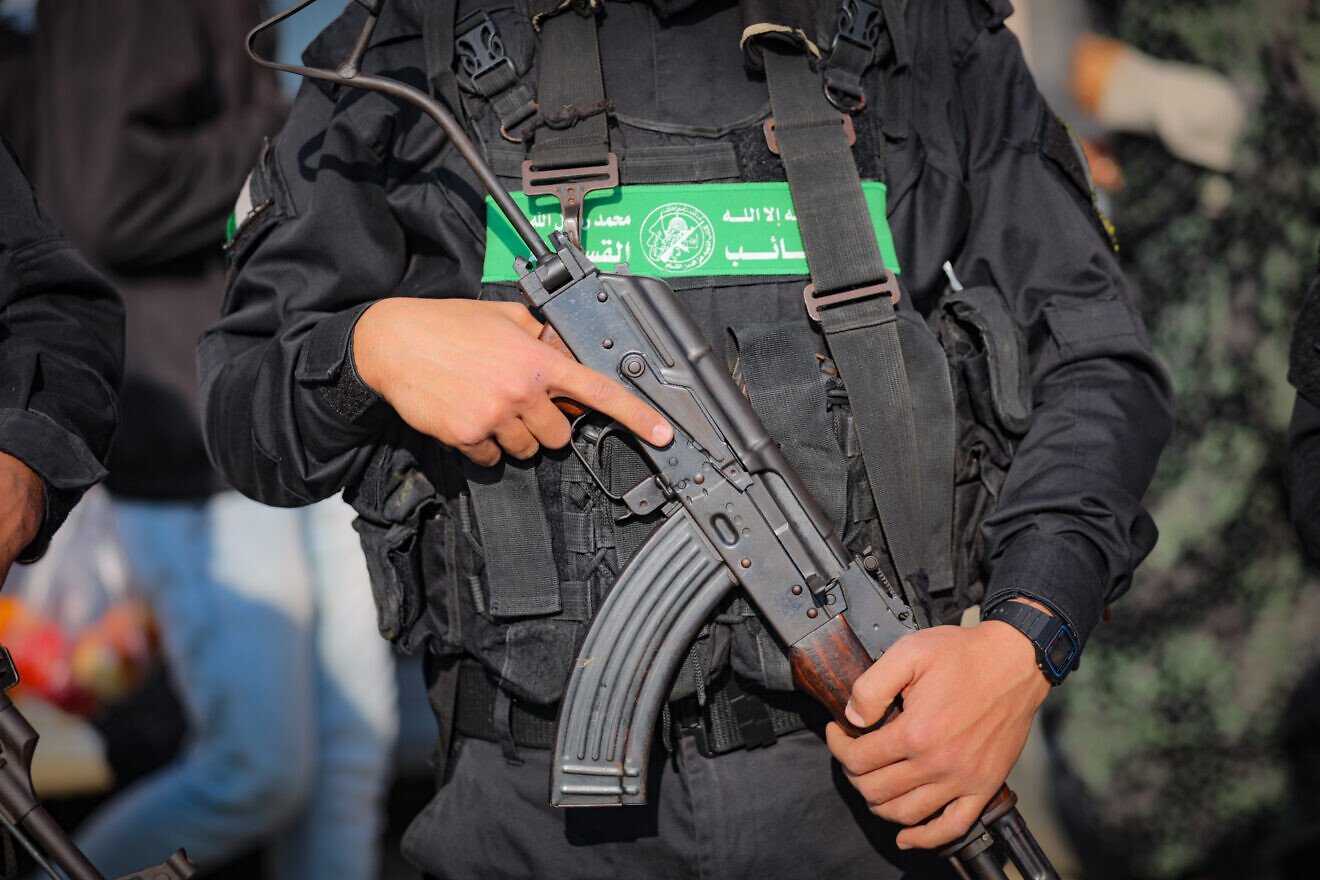

Archive | March 2025

Palestyńska tożsamość narodowa jest kłamstwem


Palestyńska tożsamość narodowa jest kłamstwem

Itamar Marcus Ephraim D. Tepler
/ Tłumaczenie: Małgorzata Koraszewska


Ze stałego strumienia kłamstw Autonomii Palestyńskiej, prawdopodobnie największą farsą jest jej twierdzenie, że jest narodem liczącym 6000 lat, w połączeniu z zaprzeczeniem istnienia tysięcy lat udokumentowanej historii Izraela. Pokazana powyżej karykatura, która niedawno pojawiła się na oficjalnej stronie Fatahu, wzmacnia to kłamstwo.

Chociaż Autonomia Palestyńska wie, że nie istnieje coś takiego jak historia Arabów Palestyńskich wcześniejsza niż ostatnie kilkadziesiąt lat, przywłaszcza sobie historię wielu grup etnicznych obecnych w Ziemi Izraela tysiące lat temu, nazywając je „Palestyńczykami”.

Ta propaganda jest stała, jest dziełem wszystkich przywódców AP, tak zwanych intelektualistów i postaci religijnych, i jest rozpowszechniona w całej kontrolowanej przez AP edukacji i mediach. Nagłówek powyższej karykatury nosi tytuł „Historia”, a podpis głosi:

„Naród palestyński ma długą historię kultury i był częścią starożytnych kultur, ponieważ jego ziemie charakteryzowały się różnorodnymi kulturami na przestrzeni pokoleń, od Kananejczyków po Fenicjan”.

[Falestinona, Komisja Informacji i Kultury Fatahu w Libanie, 19 lutego 2025 r.]

Karykatury takie jak ta powyżej są migawką tego, jak AP systematycznie pierze mózgi swojej ludności, by odmówić Izraelowi prawa do istnienia poprzez zniekształcanie lub zaprzeczanie historii. Ta edukacja stanowi sedno sposobu, w jaki AP edukuje dzieci, a jednocześnie jest konsekwentnie głoszona przez przywódców PA.

Przykładem tego rodzaju fałszywej edukacji AP/Fatahu jest pismo Fatahu dla dzieci:

„Palestyna należy do Palestyńczyków od tysięcy lat. Dlatego naród palestyński odrzucił tę rezolucję [ONZ], która przyznaje prawa do naszej ziemi i naszej ojczyzny cudzoziemcom, którzy przybyli ze wszystkich krańców ziemi, cudzoziemcom, którzy nie znali Palestyny i w niej nie mieszkali – ani oni, ani ich ojcowie i przodkowie. Ich kolor nie jest naszym kolorem, ich skóra nie jest naszą skórą, a ich zwyczaje różnią się od naszych zwyczajów. Nie mają nawet jednego koloru skóry ani jednego pochodzenia etnicznego – są dziwną i osobliwą mieszanką różnych ras”.

[Waed, numer 36, str. 2]

Fakty są takie, że Izrael/Judea doświadczyła inwazji i wygnań ze strony Imperium Asyryjskiego (722 p.n.e.) i Imperium Babilońskiego (586 p.n.e.); doświadczyła inwazji i powrotu z wygnania za czasów Imperium Perskiego (538 p.n.e.); okupacji przez Imperium Greckie (329 p.n.e.) i wygnania przez Imperium Rzymskie (70 n.e. i 135 n.e.), które również zmieniło nazwę ziemi na „Syria-Palestyna” w 135 n.e. Od tego czasu część Żydów pozostała  i przetrwała w Ziemi Izraela, część przetrwała na wygnaniu przez 2000 lat inwazji i okupacji ich kraju przez cudzoziemców, aż do ponownego ustanowienia Państwa Izrael w 1948 r.

Nic z tego nie ma znaczenia dla AP/Fatahu. Równocześnie z zaprzeczaniem starożytnej historii Izraela, bierze duże fragmenty historii żydowskiej i przepisuje je jako „historię palestyńską”:

„Kananejscy Arabowie zasiedlili ziemię Palestyny… Palestyna przeszła dziesiątki inwazji, a wiele ludów wkroczyło do niej, takich jak Babilończycy, Persowie, Samarytanie, Asyryjczycy, Hyksosi, Hetyci, faraonowie i Hebrajczycy… Sto lat temu najechali ją Brytyjczycy. Ich inwazja była najniebezpieczniejsza, ponieważ celowo przybyli, aby oddać naszą ziemię Żydom, których ze sobą przywieźli. Ostatecznie Palestyna znalazła się pod okupacją syjonistyczną, która trwa do dziś… Okupacja przestanie istnieć tak samo, jak to, co było przed nią. Jak powiedzieliśmy, Palestyna przeszła wiele inwazji, które jej pożądały. Wszyscy najeźdźcy zostali pokonani, a Palestyna powróciła, by być wolną i arabską”.

[Waed, numer 32, str. 5-6]

Ponieważ według Autonomii Palestyńskiej/Fatahu Palestyńczycy są potomkami Kananejczyków-Palestyńczyków sprzed 5000 lat, i ponieważ Autonomia Palestyńska twierdzi, że Żydzi nie mają historii na tej ziemi, Palestyńczycy mają „absolutne prawo odzyskać w pełni swoje prawa” [Waed, wydanie 26, strona 12], a zatem:

„Naród palestyński się nie podda; tak jak walczył w przeszłości, aby bronić swojej ziemi, wraca, aby walczyć, aby ją odzyskać i powrócić do niej… Naród palestyński odmówił poddania się… Jego mężczyźni i kobiety wyruszyli, aby szukać sposobów, aby zwrócić nam Palestynę”.

[Waed, numer 25, str. 4-5]

Te same bzdury głoszone są na najwyższych szczeblach kierownictwa Autonomii Palestyńskiej, niezależnie od tego, czy czyni to były premier Palestyny, czy główny doradca Mahmuda Abbasa:

Opublikowany tekst : „[Członek Centralnego Komitetu Fatahu i były premier Autonomii Palestyńskiej Muhammad] Sztajjeh podkreślił, że wszystkie izraelskie próby wymazania naszego palestyńskiego dziedzictwa, a przez to wymazania historii naszego ludu i naszej palestyńskiej sprawy narodowej, a także próby Izraela stworzenia fałszywej historii i nieistniejącego dziedzictwa, nie powiodą się, ponieważ będziemy kontynuować nasze niezachwiane przywiązanie do tego bogatego dziedzictwa, które przechodzi z pokolenia na pokolenie”.

[Komisja Informacji i Kultury Fatahu, strona na Facebooku, 29 listopada 2024 r.]

Doradca ds. religii i stosunków islamskich przewodniczącego Autonomii Palestyńskiej Mahmuda Abbasa, Mahmoud Al-Habbasz:  „Żyjemy na tej ziemi od ponad 6000 lat. Naród palestyński jest tym, który stworzył cywilizację i historię tej ziemi. To on zbudował wszystkie miasta na większości terytoriów Palestyny – Strefę Gazy, którą zbudowali Kananejczycy, i Jerozolimę, którą zbudowali Jebusyci Kananejczycy”.

[Mahmoud Al-Habbasz, kanał YouTube, 12 lutego 2025 r.]

Faktem jest, że żadna ilość karykatur ani edukacji opartej na zmyśleniach nie pomoże AP uciec od faktów. Palestyńczycy nie mają historii sprzed okresu współczesnego i nie mają żadnego związku z Kananejczykami ani Fenicjanami. Z drugiej strony, historia Żydów od tysięcy lat w Ziemi Izraela jest potwierdzona przez mnóstwo dowodów.


Itamar Marcus  – założyciel i dyrektor Palestinian Media Watch,

Ephraim D. Tepler – badacz i publicysta Palestinian Media Watch


Zawartość publikowanych artykułów i materiałów nie reprezentuje poglądów ani opinii Reunion’68,
ani też webmastera Blogu Reunion’68, chyba ze jest to wyraźnie zaznaczone.
Twoje uwagi, linki, własne artykuły lub wiadomości prześlij na adres:
webmaster@reunion68.com



Kahane Lives

Kahane Lives

Liel Leibovitz


The controversial firebrand rabbi is experiencing a revival—but for whose benefit?
.

Photo illustration: Tablet Magazine

Aspecter is haunting Judaism’s genteel corners these days: the specter of Meir Kahane.

Everywhere you turn, the rabbi and Israeli politician, who was assassinated by a jihadist in New York in 1990, is looming large.

“As Kahanism forces its way into mainstream discourse,” thundered one young progressive on social media, “it’s incumbent upon voices in the Jewish space to call it out and to pressure Jewish organizations to not pedestalize those who invoke his name with favor.” Another pundit, a rabbi and Jewish communal leader, warned in a fiery and widely shared post against “mainstreaming Kahanist maximalism.” On Instagram, a group of Jewish content creators wrote to express their “shock” at the “surge in Kahanist rhetoric.”

The list goes on. In the feverish imaginations of our self-appointed best and brightest, the ghost of Kahane now howls in the bones of Jews from Peoria to Petach Tikvah, threatening to turn even the most formerly reasonable Zionist into a bearded beastie all too keen on finding and lynching the first Arab who ambles by.

I’ve some very good news: the rumors of Kahane’s rebirth are greatly exaggerated. For the overwhelming majority of Jews, the late rabbi remains more or less what he had always been: a historical footnote, a charismatic and problematic leader who was right about some things and very, very wrong about a lot of others.

Kahane has once again become what he had always truly been: the left’s Frankenstein’s monster, a creature of their hubris and an instrument they can use to police everyone else.

Poll Jews anywhere about Kahane’s desire to abolish Israel’s electoral system and replace it with a theocracy, and you’ll find no more than a handful of takers. Ask who’s in favor of outlawing sexual relations between Jews and non-Jews, and you’ll see very few hands go up. And nearly no one, Baruch HaShem, walks around these days referring to secular Jews as Hellenizers and suggesting that, should the opportunity arise, slaughtering a handful of them would do the nation a bit of good. These vile delusions excite none but a gaggle of rabid lunatics, which, I’m happy to report, was the case even when Kahane himself was around to spew them.

But the late rabbi, like a broken clock that tells the right time precisely twice each day, was right about one thing. The Palestinians, he correctly observed, were a cluster of clans, not a nation with a shared history, a shared identity, and shared aspirations for an eventual peaceful coexistence with Israel. Their aim is the eradication of the Jewish state next door, which is why all attempts at replacing the rifle with the olive branch end in tragedy. To solve the problem, Kahane advised, one would need to separate the Palestinians from the Jews, with the former joining their brethren in any of the region’s many Arab states.

Considered with October 7 and its aftermath firmly in mind, there is nothing particularly jarring about this insistence on separation. As President Donald Trump argues, we need a new paradigm if we are to secure the safety and wellbeing of Israelis and Palestinians moving forward. Keep Hamas in power, or hand over the reins to the only slightly less genocidal PLO, and you’ll have another Oct. 7 (and its Israeli reply) next week, next month, next year. This is why the idea of forced relocation is gaining traction. The vast majority of those who support it see it not as an invitation to Kahanism and with it some spree of wanton killing and rampant racism, but as a difficult yet necessary solution designed to guarantee no more bloodshed.

None of this is very hard to understand. And yet, many are running around warning about the second coming of Kahane. Why? That’s a much more interesting—and much more urgent—question.

Consider, for a moment, the road traveled by many American Jews these past 15 months. One day, they were members in good standing of a virtuous, unimpeachable community of people who attended the finest schools, subscribed to the finest publications, and held the finest opinions. The next, they woke up not only to thousands of slaughtered innocents but also to the realization that the schools they attended were hotbeds of bigotry, not the free and unfettered exchange of ideas; that the publications they read were propaganda, telling always and only one story; that the opinions they held bore little resemblance to the gruesome reality unfurling before their very eyes.

Having had the opportunity myself, before Oct. 7, to challenge everything I once believed, I can report that the process of asking inconvenient questions can be daunting. Pursue it with neither fear nor favor, and you’ll end up a bit dazed, asking yourself if it’s really you saying all these things you’d once considered anathema. You’ll witness friends taking their leave and social circles contracting. And you’ll understand why that great Jewish playwright hit it right on the head when he stated that some people just can’t handle the truth.

It’s hard, painful work. Younger people in particular are sensing that the paradigms they’ve inherited (two-state solution, reeducation, innocent civilians, etc.) are, if not fundamentally flawed, then simply unworkable in reality. What these people like is seeing a voice and model that looks and sounds different from the tired and clearly ineffective shit they’ve been hearing from the American Jewish establishment their whole lives.

Instead of listening to these people, challenging paradigms and doing the hard work of conceptualizing new ones—and the even harder work of admitting where they went wrong—Jewish liberals, as they’re now apparently programmed to do, are missing an opportunity to offer any vision or inspiration. As with the current Democratic Party in general, the siren songs of condescension and hysteria and tone-policing are stronger than any other impulse. When social media influencer Lizzy Savetsky shared a video of Kahane with her nearly half a million followers, the group Zioness felt moved to enter the fray, calling Kahane “a monster” and labeling anyone tolerating his views—a group that presumably includes Savetsky, a former cast member of the Real Housewives of New York who has a fashion line making Hanukkah pajamas for toddlers—“a terror supporter.”

By summoning Kahane’s ghost, nice Jews brutally robbed by the post-Oct. 7 reality can tell themselves yet again that they are liberals in good standing, that their old ideas still apply, that they’re nothing like the bearded throngs who either never attended the University of Pennsylvania or who have no desire to reclaim it. Kahane becomes an ultimate ideological off-ramp: Instead of sobering up to the fact that no amount of squawking about reconciliation is going to bring peace, these good Jews can return to their previously scheduled programming, hop on their soap box, and full-throatedly defend progressive values against a bogeyman that they themselves mostly conjured.

Or, as the writer Karol Markowicz astutely observed: “Liberal Jews are back to their handwringing after some time of quiet after they realized their entire worldview was a dumpster fire.” The only real power liberalism is interested in these days, she concluded, is the power to get other liberals back in line.

And the ghost of Kahane is as fine an enforcer as there ever was. For one thing, the man has been dead for 35 years. For another, unlike Trump or Netanyahu, say, he has very few disciples genuinely committed to furthering his aims. Like the ghost of Hamlet’s father, he appears, in full military garb, merely to demand revenge and terrify all who observe him.

The threat of a Kahanist revival has been a godsend particularly for American political operatives eager to reshape Israeli politics in the image of the Democratic Party. Take Biden’s former ambassador to Israel Tom Nides, who two years ago took the uncommon step of using his office to intervene in Israel’s domestic political affairs. When criticized, Nides clapped back. “I really think that most Israelis do not want America to stay out of their business,” he quipped. His boss, of course, was all too keen to live up to the promise, treating Israeli citizens he had found politically undesirable to a series of stern and rarely used sanctions. And Democratic Party dark money groups—like the Tides Foundation, funded by Peter Buffett and other progressive billionaires—direct a fortune to Israeli NGOs dedicated to ousting Netanyahu and replacing him with a candidate more aligned with the American left. All of these examples have one thing in common: They were all explained away as part of a benevolent effort to save the soul of Israeli democracy and rescue the Jewish nation from the clutches of extremists who threaten to drag it to the gutter of racism and hate.

Now this mechanism is moving stateside, where the ghost of Kahane has been called in to enable people to avoid any responsibility for their own actions and beliefs. What is it that those ululating about Kahane’s resurgence propose we do with the savages next door? How do they believe we ought to handle a population that, by any metric at our disposal, can’t help but slaughter Jews? Leave Gazans in the rubble of their booby-trapped homes and in the care of Hamas for next two decades as the entire Gaza Strip is rebuilt—or not? Airlift Israel’s Jewish population to London, France or the Congo—where they are sure to be even more welcome than they are in the Jewish state? Institute an official pledge to ensure protective treatment for American Jews who remain stubbornly attached to the prestige of decaying Ivy League schools, in order to exempt them from association with evil Zionist Jews? Appoint Chuck Schumer king of Judea? Give nukes to Iran? I’m all ears.

But instead of proposing anything productive about Israelis or Palestinians, all we get from these folks is narcissistic obsession with their own identity. Are these questions hard? They are. It’s much easier to brush back one’s hair, look dreamily to the mid-distance, and proclaim that one will never—never!—support such monsters like Rabbi Meir Kahane.

But this won’t ever lead to the inception of urgently needed new paradigms, hard but necessary steps, or real and honest reckonings. All they’re good for is allowing people to tell themselves that no matter how far they’ve come since Oct. 7, 2023, they are not—and never, ever, ever will be—the worst thing one could ever turn into, which is a right-winger. Which couldn’t have come at a better time: Here’s the ghost of Kahane, being conjured to give those American and Israeli Jews who still want to find themselves welcomed in polite society an out—under duress, but still—to oppose Trump’s plan. Empty Gaza of Gazans? Why, that’s a Kahanist idea, and anyone who supports it is a Kahanist, or a racist, right-wing thug.

Ironically, in his lifetime, Kahane never even got far with the right, which dismissed him as an excitable and not particularly disciplined provocateur. Now, he has once again become what he had always truly been: the left’s Frankenstein’s monster, a creature of their hubris and an instrument they can use to police everyone else. And just like in that old classic, the real threat is never the oaf stumbling across the countryside and scaring the young and the feebleminded, but the arrogant and the educated who adhere to a moral code of their own making—the consequences, and the lives of humans half a world away, be damned.


Liel Leibovitz is editor-at-large for Tablet Magazine and the host of its weekly podcast Rootless and its daily Talmud podcast Take One.


Zawartość publikowanych artykułów i materiałów nie reprezentuje poglądów ani opinii Reunion’68,
ani też webmastera Blogu Reunion’68, chyba ze jest to wyraźnie zaznaczone.
Twoje uwagi, linki, własne artykuły lub wiadomości prześlij na adres:
webmaster@reunion68.com


Second Australian Nurse Charged Over Viral Video Threatening to Kill Israeli Patients

Second Australian Nurse Charged Over Viral Video Threatening to Kill Israeli Patients

Ailin Vilches Arguello


Members of the Jewish community and supporters gather for a protest rally against rising antisemitism at Martin Place in Sydney, Jan. 21, 2025. Photo: AAP Image/Steven Saphore via Reuters Connect

An Australian nurse working in a Sydney hospital has been arrested and charged after a viral video captured him making threats, stating he would refuse to treat Israeli patients and instead kill them.

This latest legal step comes as law enforcement works to combat a surge in antisemitic incidents across Australia, which the country’s spy chief has called his agency’s top priority.

After the Palestinian terrorist group Hamas’s Oct. 7, 2023, invasion of and massacre across southern Israel, several Jewish sites in Australia have been relentlessly targeted with vandalism and even arson, especially in the past few months. In response, a New South Wales (NSW) police task force, Strike Force Pearl, was established to address the wave of hate crimes and rising antisemitism.

On Tuesday night, 27-year-old Ahmed Rashid Nadir was arrested and charged with federal offenses, including using a carriage service to menace, harass, or cause offense, as well as possession of a prohibited drug, NSW Police said in a statement.

The arrest follows an incident at Bankstown-Lidcombe Hospital in Sydney, in which Nadir and his fellow nurse, Sarah Abu Lebdeh, were seen in an online video posing as doctors and making inflammatory statements during a night-shift discussion with Israeli influencer Max Veifer.

The footage, which circulated widely, showed Lebdeh stating she would refuse to treat an Israeli patient and instead kill them, while Nadir used a throat-slitting gesture and claimed to have already killed many.

“It’s Palestine’s country, not your country, you piece of s—t,” Lebdeh told Veifer.

“One day your time will come, and you will die the most disgusting death,” she added in a sentence riddled with obscenities.

Last week, 26-year-old Lebdeh was arrested and charged with similar federal offenses, including threatening violence against a group and using a carriage service to threaten, menace, and harass, with a conviction potentially leading to up to 22 years in prison.

After reviewing patient records, the hospital found no evidence that Lebdeh or Nadir had harmed patients.

NSW’s Health Minister Ryan Park confirmed that both nurses had been suspended and would be permanently barred from employment within the state’s health system.

According to the NSW Police statement, both Lebdeh and Nadir were released on bail and are set to appear in court on March 19. Lebdeh has been prohibited from leaving Australia and using social media while her case proceeds.

The incident is one of the latest in a surge of antisemitic acts across Australia since the beginning of the Israel-Hamas war in Gaza in October 2023, with Jewish institutions targeted in arson attacks and businesses defaced.

Law enforcement in Sydney and Melbourne, home to the majority of Australia’s Jewish population, is actively investigating hate crimes, including the recent discovery of a trailer containing explosives and a list of potential Jewish targets.

Since the formation of Strike Force Pearl, the task force to combat antisemitism, in December, NSW Police Commissioner Karen Webb reported that 15 people have been arrested, and 78 charges have been filed.

“I must commend the work Strike Force Pearl detectives are doing to investigate, charge, and put these individuals before the courts,” Webb said in a statement. “There is a tremendous amount of dedication and hard work going into all these investigations.”

Last month, dozens of Australia’s leading Muslim groups and individuals defended the two nurses, accusing their critics of “hypocrisy” and “double standards and moral manipulation” in an open letter.

“This statement is not about defending inappropriate remarks. It is about pushing back against the double standards and moral manipulation at play while the mass killing of our brothers and sisters in Gaza is met with silence, dismissal, or complicity,” the letter said.

In response to the ongoing spike in antisemitism, Australia passed a new slate of hate crime laws last month which would, among other measures, imprison those who make terror threats or perform Nazi salutes.

In a Senate committee hearing last week, Mike Burgess, the director-general of the Australian Security Intelligence Organization (ASIO), the country’s domestic intelligence agency, said that antisemitism is now the agency’s top priority.

“In terms of threats to life, [antisemitism is] my agency’s number one priority because of the weight of incidents we’re seeing play out in this country,” Burgess told the Senate. “Antisemitism and significant antisemitism acts are prominent in our investigation caseload at this point in time.”

In a recent 2025 threat assessment declassified by ASIO, Burgess warned that the surge in antisemitic attacks across Australia could escalate, as extremists are increasingly self-radicalizing and “choose their own adventure” toward potential terrorist activity.

“Threats transitioned from harassment and intimidation to specific targeting of Jewish communities, places of worship, and prominent figures,” he said. “I am concerned these attacks have not yet plateaued.”


Zawartość publikowanych artykułów i materiałów nie reprezentuje poglądów ani opinii Reunion’68,
ani też webmastera Blogu Reunion’68, chyba ze jest to wyraźnie zaznaczone.
Twoje uwagi, linki, własne artykuły lub wiadomości prześlij na adres:
webmaster@reunion68.com
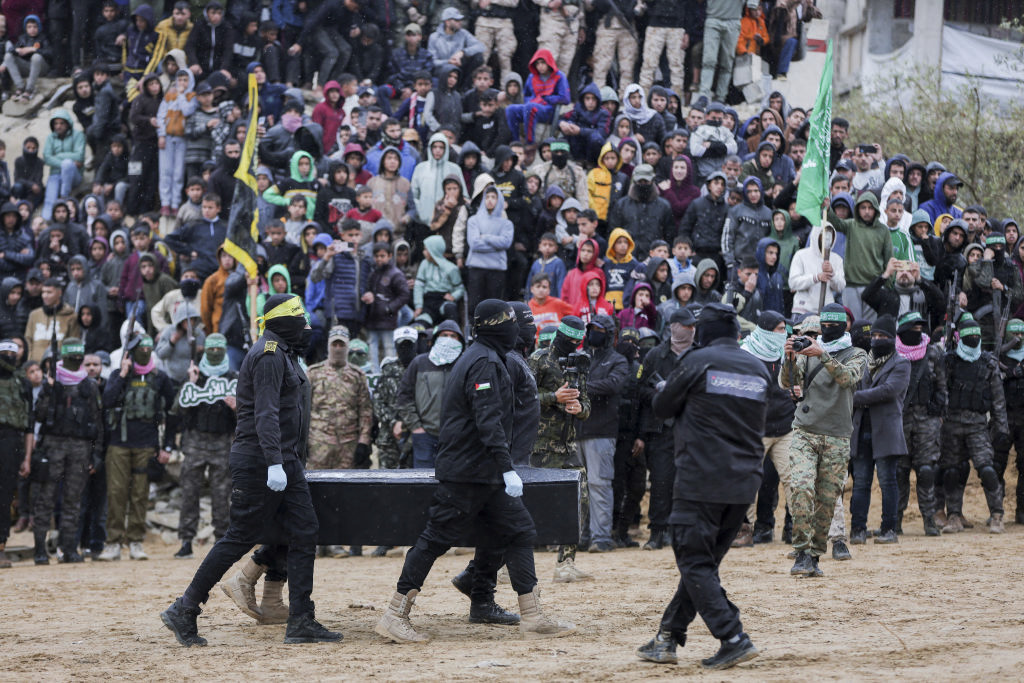

Masakra Hamasu z 7 października jest częścią dżihadu dla zniszczenia Izraela

Inwazja Hamasu na Izrael 7 października 2023 r. była częścią dżihadu Hamasu w celu zniszczenia Izraela i zastąpienia go państwem islamistycznym. Dżihad nie ma na celu uwolnienia więźniów ani usunięcia osiedli i punktów kontrolnych, ale wymordowanie Żydów i unicestwienie Izraela. Iran i Hamas nie przejmują się tym, że dziesiątki tysięcy Palestyńczyków straci życie, dopóki mają pozwolenie na prowadzenie dżihadu przeciwko Izraelowi. Każde porozumienie, które utrzyma Hamas u władzy, utoruje drogę islamistycznym mordercom, gwałcicielom i zabójcom dzieci do przeprowadzenia jeszcze większej liczby masakr na Izraelczykach. Na zdjęciu: terroryści z Hamasu paradują z trumną zawierającą szczątki zamordowanego przez nich izraelskiego zakładnika przed tłumem zwolenników w Chan Junus w Strefie Gazy 20 lutego 2025 r. (Zdjęcie: Instagram)


Masakra Hamasu z 7 października jest częścią dżihadu dla zniszczenia Izraela

Khaled Abu Toameh
Tłumaczenie: Małgorzata Koraszewska


Część ludzi w Izraelu domaga się, by premier Beniamin Netanjahu ustąpił i zgodził się na żądanie Hamasu zakończenia wojny w Strefie Gazy, tak jakby atak Hamasu na Izrael 7 października 2023 r. był po prostu kolejną rundą walk z tą wspieraną przez Iran palestyńską organizacją terrorystyczną.

Ci Izraelczycy nie potrafią zrozumieć, że masakra 7 października to tylko kolejny etap dżihadu (świętej wojny) islamistów przeciwko Izraelowi.

Hamas nie zaatakował Izraela 7 października 2023 r. tylko dlatego, że chciał uwolnić palestyńskich terrorystów z izraelskich więzień lub poprawić warunki życia Palestyńczyków pod jego rządami w Strefie Gazy. Atak, w wyniku którego zamordowano 1200 Izraelczyków i zraniono tysiące innych, a także porwano ponad 250 osób do Strefy Gazy, był częścią dżihadu Hamasu, którego celem jest zniszczenie Izraela i zastąpienie go państwem islamistycznym.

Dla Hamasu i innych organizacji islamistycznych konflikt z Izraelem nie dotyczy więźniów, osiedli ani punktów kontrolnych. Jest to konflikt dotyczący samego istnienia Izraela na Bliskim Wschodzie. Dżihad nie ma na celu uwolnienia więźniów ani usunięcia osiedli i punktów kontrolnych, ale mordowanie Żydów i unicestwienie Izraela.

Od czasu brutalnego przejęcia Strefy Gazy w 2007 r. Hamas nie zrobił nic, aby pomóc lokalnym mieszkańcom. Zamiast budować szpitale, szkoły i inwestować w gospodarkę, Hamas, z pomocą Iranu i Kataru, przeznaczył ogromne zasoby na produkcję broni, takiej jak rakiety i pociski, oraz na budowę ogromnej sieci tuneli w całej Strefie Gazy. W rezultacie Strefa Gazy szybko stała się jedną z największych baz dżihadu i terroryzmu na Bliskim Wschodzie.

Po masakrze 7 października Hamas wielokrotnie potwierdzał swoje zaangażowanie w dżihad przeciwko Izraelowi. 21 lutego 2025 r. Hamas oświadczył, że jego „determinacja i zdecydowanie do kontynuowania drogą dżihadu aż do wyzwolenia i zwycięstwa wzrosły”. Dla Hamasu „wyzwolenie” oznacza eliminację Izraela poprzez dżihad i „zbrojny opór” (terroryzm).

dokumencie opublikowanym wkrótce po ataku z 7 października Hamas otwarcie przyznaje, że sprzeciwia się obecności Żydów w Izraelu. Dokument szczerze przyznaje, że konflikt nie rozpoczął się w wyniku Holokaustu ani gdy Izrael ogłosił niepodległość w 1948 r., ani 7 października 2023 r., ale 105 lat temu, „wliczając 30 lat brytyjskiego kolonializmu i 75 lat okupacji syjonistycznej”. Dokument wyjaśnia dalej, że Hamas „jest palestyńskim islamskim ruchem wyzwolenia narodowego i oporu. Jego celem jest wyzwolenie Palestyny i stawienie czoła projektowi syjonistycznemu”.


Karta
 Hamasu z 1988 r. podkreśla znaczenie dżihadu jako głównego środka Islamskiego Ruchu Oporu (Hamasu) do osiągnięcia swoich celów: należy prowadzić bezkompromisowy dżihad przeciwko Izraelowi i trzeba sprzeciwiać się wszelkim porozumieniom uznającym jego prawo do istnienia. Dżihad jest osobistym obowiązkiem każdego muzułmanina. Hamas, zgodnie ze swoją Kartą, postrzega „problem Palestyny” jako religijno-polityczną kwestię muzułmańską, a konfrontację izraelsko-palestyńską jako konflikt między islamem a „niewiernymi” Żydami. „Palestyna” jest przedstawiana jako święta ziemia islamska, więc surowo zabrania się oddawania nawet jednego centymetra z niej, ponieważ nikt (w tym arabsko-muzułmańscy władcy) nie ma do tego uprawnień.

Co znamienne, w Karcie zacytowano Hassana al-Bannę, założyciela Bractwa Muzułmańskiego w Egipcie w 1928 r., który powiedział: „Izrael powstanie i będzie istniał, dopóki islam go nie obali, tak jak obalił to, co było wcześniej”. Hamas jest palestyńską gałęzią Bractwa Muzułmańskiego.

Prezydent USA Donald J. Trump dobrze by zrobił, gdyby uznał Bractwo Muzułmańskie, źródło wszystkich islamskich organizacji dżihadystycznych, za Zagraniczną Organizację Terrorystyczną. Taki akt utrudniłby dalsze działanie tym krajom, które promują i finansują terrorystów dżihadystów.


Artykuł 2
 Karty Hamasu stanowi:

„Ruch Oporu Islamskiego jest jednym ze skrzydeł Bractwa Muzułmańskiego w Palestynie. Ruch Bractwa Muzułmańskiego jest uniwersalną organizacją, która stanowi największy ruch islamski w czasach nowożytnych. Charakteryzuje się głębokim zrozumieniem, dokładnym pojmowaniem i całkowitym przyjęciem wszystkich islamskich koncepcji życia, kultury, wyznania, polityki, ekonomii, edukacji, społeczeństwa, sprawiedliwości i osądu, rozprzestrzeniania islamu, edukacji, sztuki, inflacji, nauki, wiedzy tajemnej i nawracania na islam”.

Od momentu założenia Hamas pozostał całkowicie wierny swojej Karcie. Hamas nigdy nie uznał prawa Izraela do istnienia; odrzucił wszystkie porozumienia pokojowe między Arabami a Izraelem, a co najważniejsze, nie tylko przeprowadził tysiące ataków terrorystycznych na Izrael, ale jego przywódcy przysięgli, że będą kontynuować ataki terrorystyczne „aż do unicestwienia Izraela”.

W zeszłym tygodniu pojawiła się informacja, że patron Hamasu, generał major Korpusu Strażników Rewolucji Islamskiej Iranu, Ebrahim Dżabbari, oświadczył, że irańska „Operacja Prawdziwa Obietnica 3 zostanie przeprowadzona we właściwym czasie, z precyzją i na skalę wystarczającą do zniszczenia Izraela i zrównania Tel Awiwu i Hajfy z ziemią”.

Masakra 7 października była tylko kolejnym etapem wysiłków grup islamistycznych zmierzających do wyeliminowania Izraela. Iran i Hamas nie przejmują się tym, że dziesiątki tysięcy Palestyńczyków straci życie, dopóki mają pozwolenie na prowadzenie dżihadu przeciwko Izraelowi.

To, co wydarzyło się 7 października, należy rozpatrywać w kontekście trwającego dżihadu Kataru, Iranu i Hamasu. Masakra 7 października była tylko kolejnym etapem wysiłków grup islamistycznych zmierzających do wyeliminowania Izraela. Po masakrach 7 października katarskie media rządowe konsekwentnie chwaliły masakry, a potem zapowiadały ich więcej.

Dwa tygodnie po ataku z 7 października przywódca Hamasu Chaled Maszaal przyznał, że jego grupa celowo poświęcała Palestyńczyków, aby osiągnąć cel w ramach dżihadu przeciwko Izraelowi: „Dobrze znamy konsekwencje naszej operacji z 7 października — powiedział . – Naród palestyński jest taki sam jak każdy inny naród. Żaden naród nie jest wyzwolony bez poświęceń”.

Każdy, kto wierzy, że Hamas porzuci dżihad w wyniku porozumienia o zawieszeniu broni, dopuszcza się skrajnego samooszustwa. Hamas nie wypełnił jeszcze swojej misji zniszczenia Izraela. Głównym celem Hamasu, zwłaszcza teraz, jest utrzymanie władzy po wojnie.

Grupa terrorystyczna w Gazie ponosi pełną odpowiedzialność za śmierć tysięcy Izraelczyków i Palestyńczyków. Każde porozumienie, które utrzyma Hamas u władzy, utoruje drogę islamistycznym mordercom, gwałcicielom i zabójcom dzieci do przeprowadzenia jeszcze większej liczby masakr na Izraelczykach.

Czas przypomnieć światu, co powiedział wysoki rangą funkcjonariusz Hamasu Ghazi Hamad po 7 października:

„Potop Al-Aksa [nazwa Hamasu na inwazję z 7 października] to dopiero pierwszy raz, a będzie drugi, trzeci i czwarty, ponieważ mamy determinację, siłę i możliwości walki… Izrael to kraj, dla którego nie ma miejsca na naszej ziemi. Musimy usunąć ten kraj”.

Niestety, nie ma alternatywy dla wykorzenienia Hamasu. W cywilizowanym świecie grupa terrorystyczna, która otwarcie dąży do ludobójczego zniszczenia, utraciła prawo do istnienia.


Khaled Abu Toameh – urodzony w 1963 r. w Tulkarem na Zachodnim Brzegu, arabski dziennikarz, któremu wielokrotnie grożono śmiercią. Publikował między innymi w “The Jerusalem Post”, “Wall Street Journal”, “Sunday Times”, “U.S. News”, “World Report”, “World Tribune”, “Daily Express” i palestyńskim dzienniku “Al-Fajr”. Od 1989 roku jest współpracownikiem i konsultantem NBC News.


Zawartość publikowanych artykułów i materiałów nie reprezentuje poglądów ani opinii Reunion’68,
ani też webmastera Blogu Reunion’68, chyba ze jest to wyraźnie zaznaczone.
Twoje uwagi, linki, własne artykuły lub wiadomości prześlij na adres:
webmaster@reunion68.com


With Trump’s backing, Hamas’s defeat is now possible

With Trump’s backing, Hamas’s defeat is now possible

Jonathan S. Tobin


Israel’s goals of eradicating the terrorists and freeing the hostages remain mutually exclusive. Washington’s green light for a cutoff of aid to Gaza, however, can change the equation.

A Hamas terrorist at the funeral of Hamas council member Ghazi Abu Tamaa, in Al-Hajj Musa Mosque in Khan Yunis in Gaza, Feb. 4, 2025. Photo by Ali Hassan/Flash90.

For the last year and a half, it has been a self-fulfilling prophecy. Those who have claimed that Hamas couldn’t be defeated were right—but only because the rules of engagement of the war that the terrorists launched on Oct. 7, 2023, were set up to ensure that it survived. Those rules may now be about to change. Or at least they will if the Jewish state takes advantage of two factors that could alter the balance of power between it and the genocidal terrorists it seeks to destroy.

The change in power in Washington and the shocking exploitation of the ceasefire deal on the part of Hamas that so outraged the Israeli public has given Prime Minister Benjamin Netanyahu an opportunity to reset that agreement in a way that could either free all the hostages or lead to Hamas’s demise. The question is: Does he have sufficient support from his own people to do it?

That’s the context for the announcement this past weekend that Israel was halting the entry of humanitarian goods and supplies into the Gaza Strip until Hamas agrees to the framework for a second-phase deal along the lines proposed by the Trump administration. The goal is to set up a negotiation that would achieve at least one of Israel’s two main war goals: freeing all of the remaining hostages taken by the Palestinians on Oct. 7 and eradicating Hamas.

The problem with those goals is that they are mutually exclusive.

Will Hamas be allowed to win?

The only way to get all the hostages back is by assenting to an accord that will mean full Israeli withdrawal from Gaza. In spite of the various plans being floated for what will happen in the Strip after fighting truly ends, that means Hamas will emerge from the war not only alive but still in control of its ruined fiefdom.

At the same time, the only way to completely defeat Hamas—something difficult but not impossible—involves a decision on the part of Jerusalem that its war effort cannot be held hostage along with the Israelis still held by the terrorists.

This is glaringly obvious, though not being acknowledged by Netanyahu or the Trump administration. Yet the aid cutoff is a sign that Israel’s government is finally starting to act as if it is not committed to fighting Hamas with one hand tied behind its back.

An incomplete victory

The Israel Defense Forces destroyed Hamas’s organized military formations, killed much of its leadership and demolished a sizeable portion of its infrastructure—both above ground and in the hundreds of miles of tunnels it had built in the coastal enclave. But when a ceasefire/hostage release deal halted the fighting in January, it was also clear that the Islamist group that had ruled Gaza as an independent Palestinian state in all but name since 2007 was far from eradicated.

The constant admonitions of the Biden administration demanding that Israel avoid civilian casualties in Gaza, even if it meant letting the terrorists escape, was one part of the problem. Those warnings couldn’t be entirely ignored because they were backed up by threats of halting the supply of vital arms shipments, as well as the slow-walking of deliveries of those shipments that were allowed to be sent to Israel.

The other was that even while it was fighting the Islamist group, in addition to its allies and collaborators, Israel was forced to do something unprecedented in the history of warfare: aiding the civilian population under the control of its enemies. Moreover, it did so while knowing that much of the food, fuel and other supplies being shipped into Gaza daily were winding up in the hands of the very same group that started the war with unspeakable atrocities on Oct. 7.

Despite being falsely accused of war crimes and even committing “genocide” in Gaza, the IDF conducted urban combat in a situation in which its foes deliberately tried to get its own people killed. They did this by fighting around and even underneath them in tunnels and bunkers under hospitals, schools, mosques and civilian homes. Even when taking into account that the casualty statistics supplied by Hamas were wild exaggerations, roughly half the number of those killed in Gaza included Hamas and combatants of other terrorist groups. More than that, when realizing that approximately 80% of fatalities were Hamas members or their families, it’s clear that the charges against the IDF were utter falsehoods.

A dangerous ceasefire

Nevertheless, the ability of Hamas to maintain its much-diminished numbers is the result of pressure exerted on Israel by a Biden administration that was primarily interested in ending the war at any cost, even if it meant that the terrorists emerged triumphant.

Just as important, the terms of the ceasefire/hostage deal that President Joe Biden’s foreign-policy team crafted with their duplicitous Qatari partners seemed to lead to that same outcome. And though President Donald Trump was opposed to Hamas’s continued existence and threatened to unleash “all Hell” on the region if all the hostages weren’t released by his inauguration on Jan. 20, his desire to have the shooting stop in time for his swearing-in led his Middle East envoy, Steve Witkoff, to accept those same terms as he pushed the deal over the goal line in the days before Trump 2.0 took power.

That agreement did lead to the release of 30 hostages. But even as Israelis and every decent person celebrated their return home, their condition and the humiliating ceremonies that Hamas staged for their release, including a celebration when the bodies of the Bibas children were handed over, has also transformed the situation.

Netanyahu is under enormous domestic pressure to try to ransom the remaining living hostages, which may number no more than two dozen. He has also been empowered by the outrage against Hamas to not accept the same terms for a second phase of the ceasefire that would simply drag out the same process. That would further empower the terrorists and encourage them to believe they can continue to hang on amid the ruins of a war they started.

The Trump factor

The aid stoppage represents a fundamental change in the way Israel is treating an enemy that makes no secret of its desire to destroy the Jewish state and commit the genocide of its population. It puts Hamas on notice that the gloves may soon be coming off in the war unless it stops playing for time.

That has only been made possible by Trump’s victory last November.

Europe and much of the world still act as if Israel is the only country in the world not allowed to fight to win a war forced on it. But unlike Biden, Trump isn’t worried about international opinion about Gaza. Nor is he constrained to avoid whole-hearted support of the war on Hamas by a faction of his party as Biden was by the left-wing base of the Democrats, where hostility to Israel has gone mainstream. Trump wants the hostages freed, but he’s also floated a plan for not just ousting the terrorists but resettling Gazans elsewhere and turning the Strip into a resort. If Israel chooses to resume the war—the only way to make that or any other postwar plan that is predicated on a non-Hamas government there—he won’t protest or continue advocating for the fantasy of a Palestinian state as Biden did. Indeed, it’s likely that Trump will be cheering on an Israeli offensive.

The next days and weeks will be something of a game of chicken as Hamas and Israel go right up to the brink of war, with both sides daring each other to take responsibility for blowing up the ceasefire talks. The question of which of them has more to lose from such an outcome is open for debate. Netanyahu can’t let Hamas survive, but he also can’t be seen as writing off the lives of any remaining living hostages. Hamas wants to hold onto the hostages because so long as they do, they think they are safe. But they also know an Israel unfettered by American pressure could mean their doom.

Netanyahu now has far more weapons to pressure Hamas than he did before January. By having a partner in Washington who doesn’t believe that Hamas is an “idea” that can’t be defeated but a terror group that can and should be eradicated, he can finally start waging war on it in a way to accomplish that goal.

Such a decision will bring down more opprobrium on Israel than before. And it will likely further fuel the surge of antisemitism spreading across the globe from those who believe that one Jewish state on the planet is one too many. But if anything is certain, it’s that Hamas won’t give up the remaining hostages unless it retains its power and arms. And that is something neither Israel nor the Trump administration should accept.

It remains to be seen if Netanyahu can resist the pressure on him to throw away the sacrifices made by Israel’s soldiers to secure the lives of the hostages. If he does, the primary reason won’t be an American ally that doesn’t think an evil terrorist organization should be allowed to get away with mass murder.


Jonathan S. Tobin is editor-in-chief of the Jewish News Syndicate, a senior contributor for The Federalist, a columnist for Newsweek and a contributor to many other publications. He covers the American political scene, foreign policy, the U.S.-Israel relationship, Middle East diplomacy, the Jewish world and the arts. He hosts the JNS “Think Twice” podcast, both the weekly video program and the “Jonathan Tobin Daily” program, which are available on all major audio platforms and YouTube. Previously, he was executive editor, then senior online editor and chief political blogger, for Commentary magazine. Before that, he was editor-in-chief of The Jewish Exponent in Philadelphia and editor of the Connecticut Jewish Ledger. He has won more than 60 awards for commentary, art criticism and other writing. He appears regularly on television, commenting on politics and foreign policy. Born in New York City, he studied history at Columbia University.


Zawartość publikowanych artykułów i materiałów nie reprezentuje poglądów ani opinii Reunion’68,
ani też webmastera Blogu Reunion’68, chyba ze jest to wyraźnie zaznaczone.
Twoje uwagi, linki, własne artykuły lub wiadomości prześlij na adres:
webmaster@reunion68.com