I’m a Jewish Zionist College Professor: My Colleagues and I Are Under Attack


I’m a Jewish Zionist College Professor: My Colleagues and I Are Under Attack

Samuel J. Abrams


The Sarah Lawrence campus. Photo: Wiki Commons.

“We’ve watched your joy in every small victory & your grief and rage when the NYPD breaks your bones & the bones of your friends … You give us hope. We’re so proud of you.”

These are not the words of radical student activists. They come from my own colleagues at Sarah Lawrence College, where I have taught for nearly two decades. They were posted publicly on the official Faculty & Staff for Justice in Palestine Instagram account. Professors celebrating broken bones. Educators glorifying violence. Teachers recruiting students not for scholarship, but for “resistance.”

This is the reality of American higher education in 2025. A powerful new report from the Anti-Defamation League (ADL) and the Academic Engagement Network (AEN) confirms what I’ve witnessed firsthand: activist faculty, not just students, are driving some of the worst antisemitism on our campuses.

While the public fixates on student protests — the encampments, the disrupted commencements, the viral confrontations — the real danger often lurks in faculty lounges and department meetings. According to the survey of 209 Jewish faculty members, more than 73 percent have personally witnessed antisemitic incidents from colleagues, administrators, or staff. These are not impressionable undergraduates, but the very people entrusted to model scholarly discourse and uphold the core principles of academic freedom.

The transformation of professors into activists is no longer subtle. At Sarah Lawrence, the Faculty & Staff for Justice in Palestine chapter routinely posts messages defending radical actions, including one justifying a call for intifada on the school’s free speech board: “Sarah Lawrence Faculty & Staff for Justice in Palestine standing with our students today in their defense of what the free speech board was designed for. Here’s hoping that in a time of so much cowardice & ignorance (the English translation of the word ‘intifada’! become a way to shut down political opinion) @sarahlawrencecollege can defend the courage & the knowledge of these students fighting for the new day.”

This isn’t education. It’s antisemitic intimidation masquerading as scholarship. Faculty are no longer celebrating intellectual achievement, but glorifying physical confrontation and ideological conformity. They aren’t opening minds; they are closing ranks.

The ADL and AEN report exposes just how widespread and organized this movement has become. Nearly half of queried faculty in the opt-in survey report the presence of Faculty for Justice in Palestine chapters on their campuses. Where these chapters exist, they are not academic societies but activist cells. Their work is not the pursuit of truth, but the advancement of a political program through intimidation and disruption. Since October 7, 2023, the network has expanded to over 130 chapters nationwide. The effect on Jewish faculty is profound: more than a third now hide their identity to survive professionally, while those who have experienced harassment are nearly eight times more likely to consider leaving academia entirely.

The report captures the human toll. One faculty member described how their department chair, openly pro-Hamas, turned the department into a literal encampment, plastered with “river to the sea” slogans. When a handful of Jewish faculty objected, the chair mobilized 50 people to attack them verbally, with one telling a Jewish colleague, “you have all the money and power.” These are not isolated incidents. They are symptomatic of a movement that has taken hold in far too many institutions.

Universities that move swiftly to punish microaggressions and mandate bias training suddenly discover complexity and nuance when Jews are targeted. Administrators who champion “safe spaces” tell Jewish faculty to be patient, to understand context, to accept that “anti-Zionism isn’t antisemitism” even as their Jewish colleagues flee campus for their own safety. This selective enforcement is more than hypocrisy; it is institutional complicity.

The numbers reflect the consequences. In 2024, reported campus antisemitic incidents rose by 84 percent, reaching 1,694 documented cases — nearly five every single day. Universities have become the epicenters of anti-Jewish hatred. While some schools, like Vanderbilt, have improved their response, most remain paralyzed or unwilling to confront entrenched activist cultures among their own faculty.

At stake is the meaning of academic freedom itself. Professors can and should debate Israeli policies or any other contentious topic. That is the essence of higher learning. But academic freedom does not mean turning classrooms into indoctrination camps or making colleagues fear for their safety.

When faculty celebrate students having their “bones broken” by police, when they organize campaigns to exclude Israeli scholars from conferences and journals, when they instruct students not to cite “Zionist authors” even in unrelated subjects, that is no longer scholarship. It is activism wearing academic robes.

The danger extends far beyond campus walls. Universities do not simply educate individuals; they shape the habits of an entire generation of leaders. Students trained to see dissent as betrayal and ideological conformity as virtue will carry those habits into newsrooms, courtrooms, boardrooms, and government offices. When faculty replace education with indoctrination, they corrupt not only the academy, but the democratic society it exists to serve.

I have lived this crisis personally. A colleague once physically assaulted me for refusing to condemn Israel. Administrators shrugged when I was boycotted for being openly Jewish and Zionist. Members of my own department have led teach-ins filled with hate and half-truths. These were not abstract debates about politics or foreign policy; they were direct attacks on my ability to teach and to exist openly as a Jew and Zionist on campus.

Across the country, countless faculty now hide who they are to survive in institutions that claim to value openness and diversity. Campuses have become minefields where a single word about Israel can end a career. The ADL and AEN data confirm what we are living: a crisis not merely of policies but of values. Universities must decide whether they are places of learning or places of ideological enforcement. They must decide whether they will protect all minorities or only those aligned with the prevailing activist culture.

I have spent my career defending the liberal arts ideal: that education means engaging with difficult ideas, not enforcing orthodox ones. But that tradition will not survive unless others join in this defense. Alumni can withhold donations until meaningful reforms are made. Legislators can insist on equal enforcement of anti-discrimination laws. Parents can choose schools that protect all students and faculty. Boards of Trustees can reclaim their oversight role and hold universities accountable to their core missions.

If we fail to act, we risk a future where universities complete their transformation into ideological factories — places where conformity is rewarded, dissent is punished, and entire groups of scholars are driven out. That is not only a loss for Jewish faculty or Jewish students. It is a catastrophe for the American democracy universities are supposed to strengthen.

When faculty abandon education for activism and administrators turn a blind eye, higher education ceases to serve its most basic purpose. The choice before us is stark: reform now, or watch as the very institutions tasked with preserving free thought become the engines of its destruction.

If our universities can no longer protect truth-seekers from mobs, they cannot protect democracy itself.


Samuel J. Abrams is a professor of politics at Sarah Lawrence College and a senior fellow at the American Enterprise Institute.


Zawartość publikowanych artykułów i materiałów nie reprezentuje poglądów ani opinii Reunion’68,
ani też webmastera Blogu Reunion’68, chyba ze jest to wyraźnie zaznaczone.
Twoje uwagi, linki, własne artykuły lub wiadomości prześlij na adres:
webmaster@reunion68.com
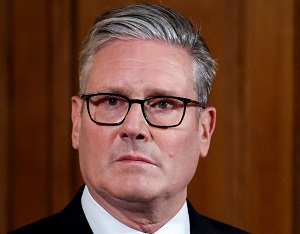

Keir Starmer rozzuchwalił wrogów ludzkości


Keir Starmer rozzuchwalił wrogów ludzkości

Brendan O’Neill


Jeśli chcesz mieć własne państwo — zabij kilku Żydów. Taki właśnie chory przekaz rozesłał w świat sir Keir Starmer. Twierdzi, że jego uznanie Państwa Palestyny, podczas gdy Hamas nadal przetrzymuje wygłodzonych Żydów w wilgotnych tunelach i marzy o unicestwieniu państwa żydowskiego, nie jest „nagrodą za terror”. Nikogo nie oszukuje — być może nawet samego siebie. Gdzieś w zakamarkach tego, co pozostało z jego moralnej wrażliwości, sam musi przeczuwać, że nadanie legitymacji „państwu” współrządzonemu przez neofaszystowską milicję to akt śmiertelnej tchórzliwości, który służy wyłącznie tym właśnie neofaszystom.

Starmer wygłosił swoje oświadczenie w sprawie Palestyny w stylu godnym nowego imperializmu. W błyszczącym, starannie wyprodukowanym nagraniu wideo ogłosił, że uznanie Palestyny to próba przeciwdziałania „narastającym okropnościom” w Gazie oraz „utrzymania przy życiu nadziei na pokój i rozwiązanie dwupaństwowe”. Ministerstwo Spraw Zagranicznych już zaktualizowało swoje mapy Izraela i Terytoriów Palestyńskich, by odzwierciedlały dekret premiera, zgodnie z którym Państwo Palestyna powinno istnieć. Czy ci ludzie naprawdę myślą, że wciąż mamy lata 20. XX wieku i że nadęci ministrowie z wystawnych londyńskich gabinetów mają „prawo” do przerysowywania map Bliskiego Wschodu wedle własnego uznania?

Najbardziej oburzające w tej całej pokazówce Starmera jest jego twierdzenie, że chodzi o „utrzymanie przy życiu” nadziei na pokój. To samo mówili przywódcy pozostałych państw, które wczoraj uznały Palestynę: Australii, Kanady i Portugalii. Ich imperialna arogancja ustępuje jedynie ich geopolitycznemu zaślepieniu. Sugestia, że sprzyjanie armii antysemitów, którzy zaledwie dwa lata temu dokonali największej od czasów nazistów masakry Żydów w ciągu jednego dnia, może przynieść pokój — to absurd. W rzeczywistości wzmacnia to wrogów ludzkości, średniowiecznych morderców z Hamasu i ich sojuszników z regresywnego projektu islamistycznego, wysyłając im jasny sygnał: rzeź popłaca. Masowe mordy przynoszą korzyści. Zgwałć Żydówkę — dostaniesz państwo.

Starmer co prawda skrytykował Hamas, nazywając go „brutalną organizacją terrorystyczną” i zapewnił, że nie może on odegrać żadnej roli w tym nowym Państwie Palestyńskim, które zachodni przywódcy chcieliby przywołać do życia za pomocą wzniosłych deklaracji. Może sobie mówić o Hamasie, co tylko chce. To niczego nie zmieni w obliczu bolesnej prawdy: obiektywnie rzecz biorąc, w realnym, materialnym sensie, właśnie przekazał zwycięstwo tej ludobójczej organizacji terrorystycznej, założonej w jednym tylko celu — by zniszczyć państwo żydowskie. W czasie bezwzględnej wojny między państwem żydowskim a milicją zabójców Żydów, podjął decyzję, która bezpośrednio podnosi morale tych ostatnich. Hańba to za mało powiedziane.

Sam Hamas to dostrzega. „Hamas ogłasza zwycięstwo po tym, jak Starmer wręcza ‘nagrodę za terroryzm’” — głosi dzisiejsza okładka Daily Mail. To odpowiedź na pełne satysfakcji komentarze Hamasu po wystąpieniu Starmera. Oświadczenie to jest „zwycięstwem praw Palestyńczyków i sprawiedliwości naszej sprawy” — stwierdzili terroryści. I dodali, że „wysyła ono jasny sygnał” do Izraela. Hamas określa uznanie Państwa Palestyny przez Zachód jako „jeden z owoców 7 października”. I taka właśnie będzie twoja spuścizna, sir Keirze: wręczyłeś „owoce” masowym mordercom Żydów. Spełniłeś jedno z marzeń ludzi, którzy zakatowali Shani Louk. Sprawiłeś, że faszyści się uśmiechnęli.

To naprawdę takie proste: jeśli podejmujesz działania, które izolują państwo żydowskie i cieszą jego morderczych wrogów, tracisz prawo do bycia traktowanym jako poważny przywódca — albo nawet jako człowiek moralny. Tu nie chodzi o to, czy ktoś uważa, że w przyszłości powinno istnieć państwo palestyńskie. Nie chodzi też o to, czy ktoś wierzy, że rozwiązanie dwupaństwowe wciąż ma rację bytu, czy może zostało pogrzebane przez faszystowski pogrom Hamasu. Ta debata będzie się toczyć nadal. Chodzi o to, że właśnie teraz trwa krwawa wojna między narodem żydowskim a jego wrogami — i to, co mówią i robią nasi przywódcy w tym momencie, ma znaczenie. Ma wpływ na sytuację na polu bitwy tam, i na przyszłość polityczną tutaj.

W swoim oświadczeniu Starmer nie tylko zadowolił Hamas, ale także zaatakował Izrael. Potępił „nieustające i narastające bombardowania Gazy” przez Izrael. Nazwał te działania „absolutnie nie do przyjęcia” i stwierdził, że „przerażają nas wszystkich”. Upokorzyć i wyśmiać sojusznika, gdy toczy on wojnę o przetrwanie z rasistowską milicją, która wtargnęła na jego terytorium i zamordowała jego obywateli — to nowy, haniebny poziom w brytyjskiej polityce zagranicznej. To chyba najbardziej moralnie upadła decyzja polityki zagranicznej, jaką podjął brytyjski premier od czasów Chamberlaina. Kraje świata już wiedzą: jeśli zostaniesz napadnięty i złupiony przez sześciotysięczną armię terrorystów, jeśli twoje kobiety zostaną zgwałcone, a twoi ludzie zamordowani — Brytania nie stanie po twojej stronie. Brytania cię zdradzi.

Uderzenie Starmera w Izrael i jednoczesne przypodobanie się Hamasowi to akt geopolitycznego samobójstwa. To szkodzi nie tylko naszym dawnym przyjaciołom w państwie żydowskim, ale także nam samym. Brutalny islamizm stanowi zagrożenie w całej Europie. Wszelkie działania, które łagodzą stanowisko wobec tych marzycieli o kalifacie — tych żołnierzy bigoterii, którzy pragną ukarać „niewiernych” — są katastrofą również dla Zachodu. Starmer odsłonił miękkie, tchórzliwe podbrzusze naszych pogubionych społeczeństw, nieświadomie zachęcając innych islamistów do poszukiwania podobnych „owoców” za pomocą przemocy. Afiszowanie się z gotowością do ustępstw w czasach głębokiego konfliktu moralnego i fizycznego to głupota o niewyobrażalnych skutkach.

A kogo właściwie Starmer reprezentuje, gdy ogłasza, że Palestyna powinna istnieć jako państwo? Z pewnością nie zwykłych Brytyjczyków. Nowy sondaż pokazuje, że niemal dziewięciu na dziesięciu Brytyjczyków sprzeciwia się uznaniu Palestyny bez warunków. Ludzie widzą, jak wielkie jest ryzyko i jak szalonym pomysłem jest przyznawanie państwowości armii terrorystów, zanim wypuści porwanych Żydów i złoży broń, którą chce unicestwić państwo żydowskie. Nie, Starmer ulega presji politycznej ze strony obsesyjnych zwolenników Palestyny z własnej partii i własnej klasy — tej części społeczeństwa w kefijach, która przekonała samą siebie, że Izrael to demoniczny byt. I to właśnie jest najbardziej niewybaczalne w jego polityce ustępstw: poświęcił nasze sojusze z jedynym państwem żydowskim na świecie w imię partykularnego interesu politycznego; nie w imię demokracji, lecz po to, by zadowolić hałaśliwą i bigoteryjną mniejszość ogarniętą irracjonalną izraelofobią.

Wciąż oblewamy moralny test 7 października. Nasze społeczeństwa nadal nie pojmują ogromu cywilizacyjnego starcia, które rozpoczęło się od tej historycznie okrutnej napaści na Żydów. Nasi przywódcy nadal się wahają, nadal próbują przypodobać się nienawistnikom Zachodu i żyją w iluzji, że można ich udobruchać politycznymi „owocami”. Izrael będzie dalej walczył z Hamasem niezależnie od tego, co powiedzą Starmer i reszta. To o nas — o świecie zachodnim — naprawdę się martwię.


Link do oryginału: https://www.spiked-online.com/2025/09/22/keir-starmer-has-emboldened-the-enemies-of-humanity/

Brendan O’Neill – brytyjski dziennikarz, publicysta magazynu „Spiked” , autor głośnej książki  A Heretic’s Manifesto: Essays on the Unsayable.


Zawartość publikowanych artykułów i materiałów nie reprezentuje poglądów ani opinii Reunion’68,
ani też webmastera Blogu Reunion’68, chyba ze jest to wyraźnie zaznaczone.
Twoje uwagi, linki, własne artykuły lub wiadomości prześlij na adres:
webmaster@reunion68.com


This entry was posted on 2025/09/24, in Ze Swiata.

Trump Hits Russia, Backs Israel in Wide-Ranging UN Speech


Trump Hits Russia, Backs Israel in Wide-Ranging UN Speech

Reuters and Algemeiner Staff


US President Donald Trump walks to address the 80th United Nations General Assembly at U.N. headquarters in New York City, U.S., September 23, 2025. Photo: REUTERS/Shannon STAPLETON

US President Donald Trump warned Russia on Tuesday that he is prepared to impose strong economic measures if it does not work toward ending the war in Ukraine, and rejected a global move toward recognition of a Palestinian state in a combative speech to the U.N. General Assembly.

In a wide-ranging foreign policy speech that included scathing criticism of the United Nations and European nations, Trump made the case for lower levels of global migration and said world leaders should abandon efforts to fight climate change, which he called “the greatest con job” in the world.

Taken as a whole, the 56-minute speech was a rebuke to the world body and a return to form for Trump, who had routinely bashed the U.N. during his first term as president. Leaders gave him polite applause when he exited the chamber.

Trump’s warning to Russia was his latest attempt to pressure Russian President Vladimir Putin, who has resisted the US president’s entreaties to pull back from the biggest war in Europe since World War two.

Trump said he wants US allies to impose the same measures on Russia he is proposing to apply pressure to Putin.

The US president has warned about the possibility of sanctions on Russia several times but has yet to follow through. Lately he has demanded Europe stop all Russian oil purchases before he will take action.

“In the event that Russia is not ready to make a deal to end the war, then the United States is fully prepared to impose a very strong round of powerful tariffs, which would stop the bloodshed, I believe, very quickly,” he said.

But for the measures to be effective, he said, “European nations, all of you gathered here, would have to join us in adopting the exact same measures.”

He did not detail the measures, but he has been considering a package that includes sanctions against countries that do business with Russia, like India and China. The main buyers of Russian oil in Europe are Hungary, Slovakia and Turkey.

Trump planned a meeting later in the day with Ukrainian President Volodymyr Zelensky, who has been pressing for more US support to resist Russian advances.

On the Israel-Palestinian conflict, Trump gave a thumbs down to efforts by world leaders to embrace a Palestinian state, a move that faces fierce resistance from Israel.

“The rewards would be too great for Hamas terrorists, for their atrocities,” he said, repeating his call for the return of hostages taken by the Palestinian militant group.

Trump said the United States wants a ceasefire-for-hostages deal that would see the return of all remaining hostages, alive and dead.

“We have to stop the war in Gaza immediately. We have to immediately negotiate peace,” he said.

He was to discuss the future of Gaza during afternoon talks with several Gulf leaders.

CRITICISM OF MIGRATION POLICIES

Trump argued that other world leaders should adopt his tough-on-migrants policies, touting his campaign to arrest and deport migrants in the United States illegally, a stance that many countries around the world have viewed skeptically.

He accused the U.N., without providing evidence, of supporting “uncontrolled migration.”

“Europe is in serious trouble. They’ve been invaded by a force of illegal aliens like nobody has ever seen before. Illegal aliens are pouring into Europe,” the president said.

“You need strong borders and traditional energy sources if you’re going to be great again,” he told the world leaders.

Trump, who has cast himself as a peacemaker in a bid to win the Nobel Peace Prize, complained that the United Nations did not support his efforts to end conflicts around the world.

He twinned his complaint with personal grievances about the U.N.’s infrastructure, saying he and first lady Melania Trump were briefly marooned on a U.N. escalator and that his teleprompter was not initially working.

“These are the two things I got from the United Nations – a bad escalator and a bad teleprompter,” Trump said, noting that Melania Trump nearly fell when the escalator stopped abruptly.

Since taking office again, Trump has upended US foreign policy, slashing foreign aid, imposing tariffs on friend and foe alike and cultivating warmer – if volatile – relations with Russia.

At the same time he has sought, so far with only limited success, to solve some of the world’s most intractable conflicts.

Trump is among some 150 heads of state or governments expected to address the chamber this week. He spoke eight months into a second term marked by severe aid cuts that have sparked humanitarian worries and have raised doubts about the U.N.’s future.

According to planning documents reviewed by Reuters, the Trump administration plans to call this week for sharply narrowing the right to asylum, seeking to undo the post-World War Two framework around humanitarian protection.

Trump’s more restrictive stance would include requiring asylum seekers to claim protection in the first country they enter, not a nation of their choosing, a State Department spokesperson said.


Zawartość publikowanych artykułów i materiałów nie reprezentuje poglądów ani opinii Reunion’68,
ani też webmastera Blogu Reunion’68, chyba ze jest to wyraźnie zaznaczone.
Twoje uwagi, linki, własne artykuły lub wiadomości prześlij na adres:
webmaster@reunion68.com

Danon: Palestinian state summit ‘theater’ that rewards Hamas


Danon: Palestinian state summit ‘theater’ that rewards Hamas

Mike Wagenheim


Israel’s envoy to the United Nations said countries recognizing Palestinian statehood mistakenly believe that “taking a very nice picture” amounts to actually bringing change.

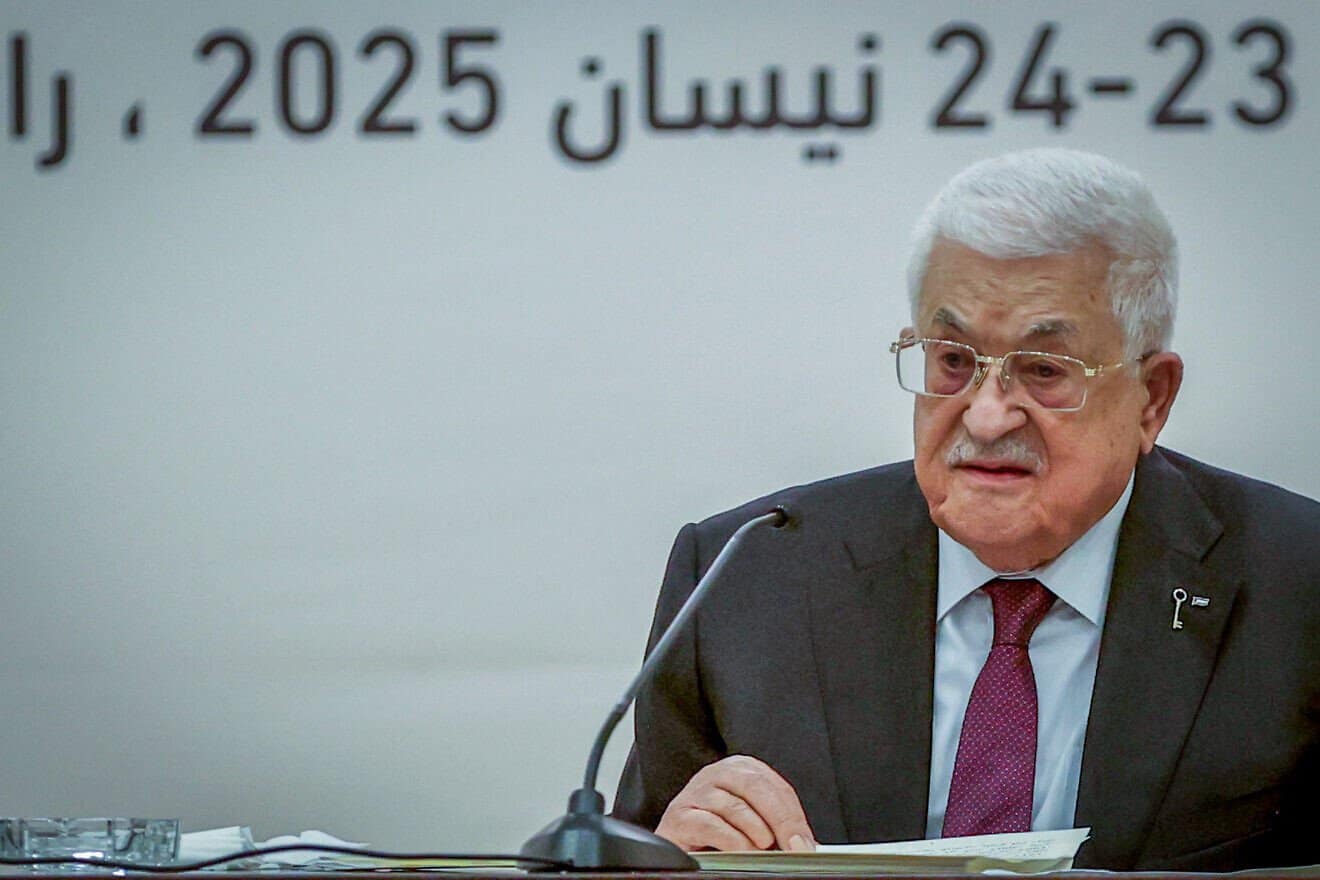
Palestinian Authority leader Mahmoud Abbas at the opening session of the Palestinian Central Council, Ramallah Wednesday, April 23, 2025. Photo by Flash90.

Moments before French President Emmanuel Macron declared that Paris’ recognition of a Palestinian state represented a “defeat of Hamas” and of those driven by “anti-Zionist obsessions,” Israel’s ambassador to the United Nations said Macron and other like-minded leaders had come to New York “to play the game.”

Macron made the announcement to open Monday’s Palestinian state summit, which saw recognition from countries including the United Kingdom, Canada, Australia and Portugal on Sunday, and from Belgium, Luxembourg, Malta and Monaco during the conference itself.

The decisions came amid strong opposition from the United States and Israel, with Washington and Jerusalem arguing that the recognition effectively rewards Hamas for its Oct. 7, 2023, massacre in southern Israel—a stance the Palestinian terror group has endorsed.

“It’s a show. It’s theater. They’re not going to change anything,” Danny Danon, Israel’s U.N. envoy, told JNS.

He said some countries “actually hinted that they will make demands before the recognition,” though in the end, only Belgium made its recognition conditional, stating it will take effect only when all hostages are freed and Hamas is no longer in power.

For his part, Macron noted a framework for a revived Palestinian Authority, largely drawn from an outcome declaration of a Palestinian state conference held in July. France has committed to opening an embassy to the Palestinians if the P.A. and Hamas meet certain conditions, but that does not affect the statehood recognition announced on Monday.

“As we speak, you have this celebration here,” Danon said of the summit. “And I made it very clear; this war will not end with hostages still in Gaza. The war will end when it brings all of them back home and Hamas is out of the game.”

Macron said on Monday that “the time has come” for the release of the 48 remaining captives and for the Israel-Hamas war to end, while acknowledging that the Oct. 7 invasion remains an “open wound for Israelis.”

While asserting that France will honor the memory of the Oct. 7 victims and combat antisemitism, Macron said, “We are just a few moments away from being no longer able to seize peace,” adding, “Some may say it’s too late, some may say it’s too early. But one thing is clear: we can no longer wait.”

France co-sponsored the event with Saudi Arabia, though Saudi Crown Prince Mohammed bin Salman did not attend.

Major U.S. allies, including Germany, Italy and Japan, all declined to recognize Palestinian statehood.

Danon told JNS that Israel engaged diplomatically with several countries considering recognition of Palestinian statehood, though he declined to name them.

“Some of them are not here today, and we are grateful for that. Some of them put some conditions to their statements,” Danon said. “But unfortunately, after two years, some countries feel they have to do something regarding the war. They cannot speak with Hamas. So, they feel that by coming here and making the declaration and taking a very nice picture in the UNGA hall, they’re actually making a change.” 

Palestinian leader Mahmoud Abbas addressed the summit via live video link after he and other members of the P.A. and Palestine Liberation Organization were denied U.S. visas.

Abbas, now in the 20th year of a four-year term, pledged to hold Palestinian elections within a year of a ceasefire. He has repeatedly postponed elections and promised reforms to his government.

The Palestinian Authority holds observer status at the United Nations, and no matter how many countries recognize Palestinian statehood, Washington can block full U.N. membership using its Security Council veto.

Danon said on Monday that Israeli Prime Minister Benjamin Netanyahu will discuss with U.S. President Donald Trump the possible repercussions for countries that recognized Palestinian statehood.

Trump is scheduled to host Netanyahu at the White House next Monday.


Zawartość publikowanych artykułów i materiałów nie reprezentuje poglądów ani opinii Reunion’68,
ani też webmastera Blogu Reunion’68, chyba ze jest to wyraźnie zaznaczone.
Twoje uwagi, linki, własne artykuły lub wiadomości prześlij na adres:
webmaster@reunion68.com


“Hamas już świętuje”. Izrael wściekły na decyzję Wielkiej Brytanii

ISRAEL-PALESTINIANS/GAZA (Fot. REUTERS/Ebrahim Hajjaj)


“Hamas już świętuje”. Izrael wściekły na decyzję Wielkiej Brytanii

Marta Urzędowska


Decyzja, którą ogłosił Keir Starmer, jest istotna: pokazuje, że Tel Awiw traci sojuszników.
Informacja, że Keir Starmer w niedzielę (21.09) ogłosił, że dla Londynu Palestyna to państwo, została podana w ostatnim tygodniu, choć

Konflikt rozpętali palestyńscy terroryści z Hamasu, którzy jesienią 2023 r. zaatakowali Izrael, zabijając 1,2 tys. osób, a 250 porywając do Gazy. W odpowiedzi izraelska armia od dwóch lat prowadzi w enklawie wojnę, w której zginęło 65 tys. Palestyńczyków, strefa została zrównana z ziemią, a dwa miliony jej mieszkańców przymiera głodem, bo Izraelczycy nie pozwalają dowodzić im wystarczającej ilości jedzenia.

Wielka Brytania uznaje państwowość Palestyny

Choć sytuacja humanitarna mieszkańców Strefy Gazy jest tragiczna od wielu miesięcy, a europejscy sojusznicy Izraela od dawna krytykują izraelskie władze za zabijanie palestyńskich cywilów i ograniczanie im pomocy humanitarnej, miarka przebrała się latem. W czasie, gdy świat czekał na rzekomo zbliżający się rozejm, izraelskie władze zapowiedziały, że zamiast zawieszenia broni należy oczekiwać wielkiego szturmu na miasto Gaza – największy ośrodek miejski enklawy, gdzie do niedawna mieszkało ok. miliona cywilów, głównie uchodźców z innych części strefy.

To po tej informacji Brytyjczycy, razem z Francuzami i Kanadyjczykami zapowiedzieli, że podczas kolejnej, wrześniowej sesji Zgromadzenia Ogólnego ONZ, oficjalnie uznają Palestynę za państwo. Ostatecznie izraelska ofensywa ruszyła w nocy 15 na 16 września.

Zapowiadając uznanie Palestyny, Starmer dał izraelskim sojusznikom czas i szansę na poprawę – obiecał, że wycofa się z decyzji, jeśli Izraelczycy zgodzą się na długotrwały rozejm, wpuszczą dostawy pomocy humanitarnej ONZ i przestaną anektować kolejne kawałki Zachodniego Brzegu.

Ponieważ Izrael nie spełnił żadnego z tych warunków, a do tego rozpoczął ofensywę w Gazie, dziś Brytyjczyk spełni swoją zapowiedź. Jednocześnie jego rząd podkreśla, że to nie nagroda dla Hamasu – jak twierdzi Izrael – i że terroryści z grupy nie powinni mieć żadnego udziału w przyszłym rządzeniu Gazą.

Londyn podkreśla też, że powodem uznania Palestyny jest nie tylko dramat mieszkańców Gazy, ale też sytuacja na drugim kawałku palestyńskich ziem, Zachodnim Brzegu Jordanu, gdzie Izrael rozbudowuje swoje osiedla, łamiąc tym samym prawo międzynarodowe, które nie pozwala na osadnictwo na terenach okupowanych.

Keir Starmer Fot. REUTERS/Leon Neal

David Lammy: Izrael nasilił ofensywę w Gazie i rozbudowuje osiedla na Zachodnim Brzegu

W Nowym Jorku Wielką Brytanię reprezentuje wicepremier David Lammy. – To ważne, by podkreślić, że uznanie palestyńskiego państwa jest konsekwencją poważnej ekspansji na Zachodnim Brzegu, a także przemocy ze strony osadników, którą obserwujemy – tłumaczył w sobotę (20.09).

Sytuacja humanitarna w Strefie Gazy jest rozpaczliwa i naciskamy Izrael, by skończył ze scenami niedożywienia i głodu, jakich jesteśmy świadkami, by otworzył więcej punktów pomocy

– wyliczał. – Bardzo niepokoi nas też obecna ofensywa w mieście Gaza – dodał.

Starmer, uznając palestyńskie państwo, naraża się Waszyngtonowi. Donald Trump od początku ostro krytykował plany europejskich sojuszników Izraela i podobnie jak izraelskie władze uważa, że to wspieranie Hamasu.

Amerykanie – podobnie jak do tej pory Brytyjczycy i Francuzi – stoją na stanowisku, że kwestia utworzenia palestyńskiego państwa, czyli rozwiązania konfliktu palestyńsko-izraelskiego przez współistnienie na tych terenach dwóch państw, to kwestia, którą wypracować mogą wyłącznie Izraelczycy i Palestyńczycy.

Tyle że dziś to fikcja – nie tylko od dekad nie ma negocjacji w sprawie powstania palestyńskiego państwa, ale jego utworzenie, na skutek izraelskiej ekspansji na terenach okupowanych, nie jest dziś fizycznie możliwe.

Rodziny izraelskich zakładników: “Nie uznawajcie Palestyny. Hamas już świętuje”

Choć Brytyjczycy to żaden wyjątek – Palestynę oficjalnie za państwo uznaje 147 ze 193 krajów ONZ – gest Londynu jest ważny, bo do tej pory na tej liście nie było najważniejszych europejskich państw i kluczowych sojuszników Izraela. Dlatego cios wizerunkowy w Izraelczyków jest duży.

Decyzja Brytyjczyków nie podoba się bliskim izraelskich zakładników nadal więzionym przez Hamas – w rękach terrorystów pozostaje ich ok. dwudziestki.

Wasza pożałowania godna decyzja o ogłoszeniu zamiaru uznania palestyńskiego państwa na Zgromadzeniu Ogólnym ONZ dramatycznie skomplikowała wysiłki, by uwolnić naszych bliskich

– napisali w apelu. “Hamas świętuje brytyjską decyzję jako swoje zwycięstwo, przez które już wycofał się z dealu rozejmowego, dlatego prosimy: nie róbcie tego, dopóki nasi ukochani nie wrócą do domu – dodają.

Premier Benjamin Netanjahu oświadczył w niedzielę, że utworzenie niepodległego państwa palestyńskiego zagraża interesom Izraela i stanowi „absurdalną nagrodę za terror” Hamasu. Zapowiedział, że w najbliższych dniach Izrael zareaguje na uznawanie Palestyny przez kolejne państwa świata.

W niedzielę w ślady Brytyjczyków poszły kolejni sojusznicy Izraela – Kanada i Australia. Lada dzień do tego grona dołączą Francja, Belgia i Malta.

Szefowa MSZ Autonomii Palestyńskiej Warsen Achabekjan powiedziała po działaniu Wielkiej Brytanii, Kanady i Australii, że uznanie państwowości Palestyny przez kolejne kraje, to nieodwracalny krok przybliżający utworzenie niepodległego i suwerennego państwa palestyńskiego. – To uznanie z pewnością nie ma charakteru symbolicznego. To praktyczny, namacalny i nieodwracalny krok, który muszą podjąć państwa, jeżeli zależy im na utrzymaniu rozwiązania dwupaństwowego – powiedziała Achabekjan dziennikarzom w Ramallah.

Status Palestyny. Państwo czy nie państwo?

Kanadyjski premier Mark Carney oświadczył w niedzielę na platformie X, że „Kanada uznaje państwo palestyńskie”. Chwilę później premier Australii Anthony Albanese poinformował o uznaniu państwowości Palestyny i że jest to częścią skoordynowanych wysiłków podejmowanych wspólnie z Kanadą i Wielką Brytanią.

Decyzja Wielkiej Brytanii i Francji oznacza, że Palestynę będzie uznawać już czerech stałych członków Rady Bezpieczeństwa ONZ – Chiny i Rosja uznały ją w latach 80.

Uznanie palestyńskiego państwa przez ważnych Europejczyków będzie miało duże znaczenie symboliczne, jednak żadnego praktycznego, bo Palestyna nadal nie będzie miała jasnego statusu. Z jednego strony nie ma międzynarodowo uznanych granic, stolicy ani armii. Jednocześnie większość świata uznaje ją za państwo, w ONZ ma status „stałego obserwatora” co oznacza, że uczestniczy w obradach, ale nie ma prawa głosu, ma też swoje misje dyplomatyczne na świecie. Palestyńscy sportowcy ścigają się w międzynarodowych zawodach, w tym – na Olimpiadzie.

Gorzej z faktycznym sprawowaniem państwowej władzy. Na Zachodnim Brzegu Jordanu teoretycznie rządzą palestyńskie władze, ale nie kontrolują całości terytorium poszatkowanego żydowskimi osiedlami, a tam, gdzie rządzą, mają niewiele do powiedzenia w kwestiach bezpieczeństwa. Z kolei w Gazie w tej chwili nie rządzi nikt, a większość pogrążonej w wojnie enklawy kontroluje Izrael, który sygnalizuje, że po wojnie może zaanektować całą strefę.


Redagował Michał Olszewski


Zawartość publikowanych artykułów i materiałów nie reprezentuje poglądów ani opinii Reunion’68,
ani też webmastera Blogu Reunion’68, chyba ze jest to wyraźnie zaznaczone.
Twoje uwagi, linki, własne artykuły lub wiadomości prześlij na adres:
webmaster@reunion68.com