
UK, Australia and Canada Recognize Palestinian State, Israel Condemns Decision


UK, Australia and Canada Recognize Palestinian State, Israel Condemns Decision

Reuters and Algemeiner Staff


Displaced Palestinians, fleeing northern Gaza due to an Israeli military operation, move southward, using a vehicle packed with personal belongings, after Israeli forces ordered residents of Gaza City to evacuate to the south, in the central Gaza Strip, September 21, 2025. Photo: REUTERS/Mahmoud Issa

Britain, Canada and Australia all recognized a Palestinian state on Sunday in a move borne out of frustration over the Gaza war and intended to promote a two-state solution, prompting a furious response from Israel.

The decision by three major Western nations, which have been traditional allies of Israel, aligned them with about 140 other countries also backing Palestinians’ aspiration to forge an independent homeland from the Israeli-occupied territories.

Britain’s decision carried particular symbolism given its major role in Israel’s creation as a modern nation in the aftermath of World War Two.

“Today, to revive the hope of peace for the Palestinians and Israelis, and a two-state solution, the United Kingdom formally recognizes the State of Palestine,” said Prime Minister Keir Starmer.

“The man-made humanitarian crisis in Gaza reaches new depths. The Israeli government’s relentless and increasing bombardment of Gaza, the offensive of recent weeks, the starvation and devastation are utterly intolerable.”

Other nations, including France, are expected to follow suit this week at the United Nations General Assembly in New York.

Israeli Prime Minister Benjamin Netanyahu condemned the move.

“I have a clear message to those leaders who recognize a Palestinian state after the horrific massacre of October 7: You are giving a huge reward to terrorism,” he said, referring to Palestinian terrorist group Hamas’ 2023 attack on Israel that triggered the nearly two-year war in Gaza.

“And I have another message for you: It will not happen. A Palestinian state will not be established west of the Jordan River.”

The Hamas-led attack on Israel killed 1,200 people and saw 251 others taken hostage.

PALESTINIANS WELCOME RECOGNITION

“It is a human duty of every respectful and free human being in the world to support Palestinians during the ordeal they are going through and Britain’s role now comes within this,” said Sharaf Al Tarda, a Palestinian resident of Hebron in the West Bank.

Hamas welcomed the move but said it must be accompanied by “practical measures” to end the war in Gaza and prevent Israel from annexing the West Bank.

Palestinian President Mahmoud Abbas said recognition would help pave the way for the “State of Palestine to live side by side with the State of Israel in security, peace, and good neighborliness”.

Starmer wrote to Abbas to confirm Britain’s decision, noting that London had backed a Jewish homeland in 1917 while also pledging to protect the rights of non-Jewish communities.

Western governments have been under pressure from many in their parties and populations angry at the ever-rising death toll in Gaza, images of starving children and their states’ inability to rein in Israel, even continuing to provide arms.

Londoners voiced mixed reactions on Sunday.

“A whole lot needs to happen and peace needs to come to that region,” said 56-year-old charity director Michael Angus. “This is the first step in actually acknowledging that those people have a right to have somewhere to call home.”

Announcing his country’s decision, Canadian Prime Minister Mark Carney said it would empower those seeking peaceful co-existence and the end of Hamas. “This in no way legitimizes terrorism, nor is it any reward for it,” he added.

The United States, Israel’s closest ally, did not comment immediately on the decision by three of its allies to recognize a Palestinian state, but President Donald Trump has previously made clear he opposes such a move.

Israeli Security Minister Itamar Ben-Gvir said he would propose that the cabinet apply sovereignty in the West Bank. That would represent de facto annexation of land seized in a 1967 war.

BRITAIN PLAYED A KEY HISTORIC ROLE

British troops captured Jerusalem from the Ottoman Empire in 1917, and in 1922 the League of Nations awarded Britain an international mandate to administer Palestine during the post-war deal-making that redrew the map of the Middle East.

Mandy Damari, the British mother of released British-Israeli hostage Emily Damari, told Reuters on Sunday that Starmer was “under a two-state delusion” given that the Gaza Strip’s government was still Hamas whose mission was to destroy Israel.

“He is rewarding Hamas for the 7th October barbaric and savage attack on Israel when the hostages are still not back, the war is not over and Hamas are still in power in Gaza.”

Husam Zomlot, head of the Palestinian Mission to the UK, watched on his phone as Starmer announced Britain’s recognition of a Palestinian state.

At the London headquarters of the mission, which may now be upgraded to an embassy, there were smiles and embraces.

“Today is a moment when the UK Prime Minister and the British government, on behalf of their people, stand and say: ‘We must correct history, we must right the wrongs,’” Zomlot said.


Zawartość publikowanych artykułów i materiałów nie reprezentuje poglądów ani opinii Reunion’68,
ani też webmastera Blogu Reunion’68, chyba ze jest to wyraźnie zaznaczone.
Twoje uwagi, linki, własne artykuły lub wiadomości prześlij na adres:
webmaster@reunion68.com


‘No other choice’: IDF pushes deeper into Gaza City


‘No other choice’: IDF pushes deeper into Gaza City

JNS Staff


According to the IDF, more than 550,000 civilians have so far evacuated Gaza City and moved south.

IDF tanks and troops operating in Gaza City, September 16, 2025. Credit: IDF.

The Israel Defense Forces is advancing into Gaza City, targeting Hamas’s main stronghold, with troops engaged in combat against terrorists both above and below ground, IDF Spokesperson Brig. Gen. Effie Defrin said on Sunday.

“Hamas has shown the world its true strategy: to exploit its own people and prolong this war,” said Defrin.

“Our forces are working day and night, turning over every stone, to bring our hostages home, dismantle Hamas’s terror networks, and secure a safer region for all,” he added.

Over the past week, Hamas had demonstrated its tactics by firing on a U.N. team, using stolen United Nations vehicles to obstruct the building of a new road for aid deliveries and robbing four UNICEF trucks at gunpoint, depriving thousands of infants of baby formula, said Defrin.

Hamas continues to block civilians from leaving combat zones, choosing to sacrifice Gaza’s residents rather than protecting them, he added.

The IDF has carried out a wide-scale operation to warn civilians and move them away from the fighting, using tools such as voice messages, leaflet drops, text messages and phone calls.

The military said it concurrently designated a humanitarian area in Khan Yunis and was working to expand related infrastructure in southern Gaza, including field hospitals, water pipelines, desalination facilities and the continued delivery of food, tents, medicine and medical equipment.

Defrin noted that tons of supplies were waiting at the Kerem Shalom crossing for collection by the United Nations and other international organizations, calling on them to deliver the aid directly to Gazans.

“Israel is ensuring civilians can keep out of harm’s way, enabling access to food, shelter and medicine,” said Defrin.

According to the IDF, more than 550,000 civilians have so far evacuated south from Gaza City, while the 162nd, 98th and 36th divisions have begun operating in Hamas strongholds.

“As the Jewish New Year arrives, forty-eight hostages remain in the grip of Hamas,” continued Defrin. “Their captivity is an unfinished chapter of this war—and we will not close it until they are home. We have no other choice.”


Zawartość publikowanych artykułów i materiałów nie reprezentuje poglądów ani opinii Reunion’68,
ani też webmastera Blogu Reunion’68, chyba ze jest to wyraźnie zaznaczone.
Twoje uwagi, linki, własne artykuły lub wiadomości prześlij na adres:
webmaster@reunion68.com

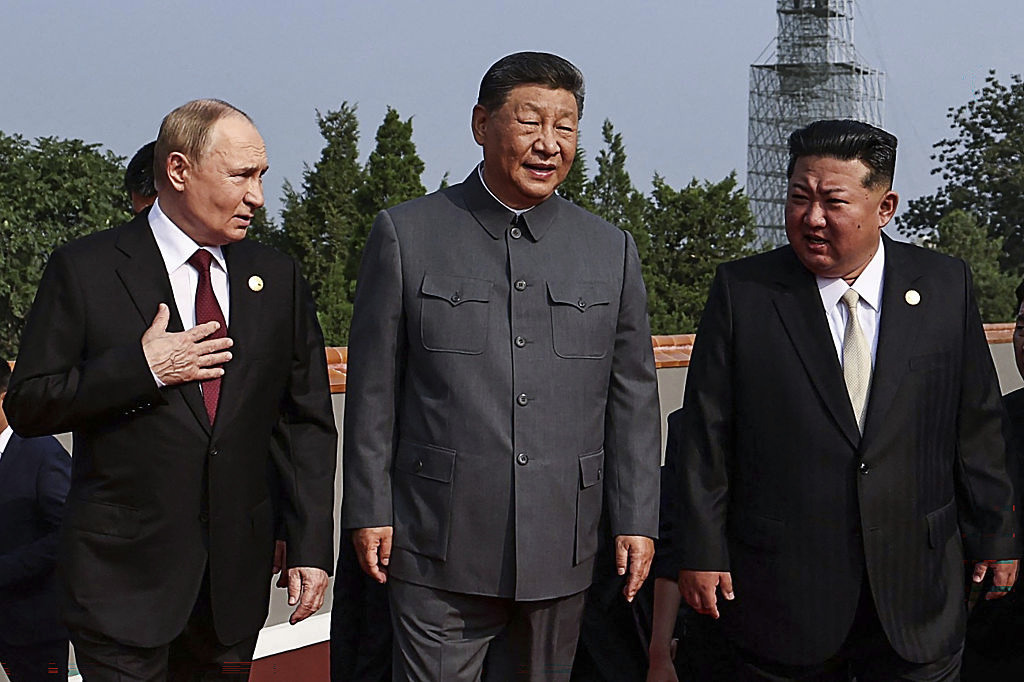
Autorytarny kwartet: Chiny, Rosja, Korea Północna i Iran — Nowy porządek świata w fazie narodzin?

Na zdjęciu: Putin, Xi i Kim biorą udział w paradzie 3 września 2025 r. (Zdjęcie: Alexander Kazakov/Pool/AFP via Getty Images)


Autorytarny kwartet: Chiny, Rosja, Korea Północna i Iran — Nowy porządek świata w fazie narodzin?

Majid Rafizadeh Tłumaczenie: Andrzej Koraszewski


To nie była zwykła parada rocznicowa; był to manifest intencji – deklaracja złożona przez koalicję państw, które odrzucają porządek kierowany przez Zachód i dążą do zastąpienia go autorytarną alternatywą.

Wspólne pojawienie się tych państw stanowiło jak dotąd najbliższe realnemu uformowaniu się nowego bloku – takiego, który może mieć ambicję zbudowania całkowicie nowego ładu światowego, opartego nie na demokracji, lecz na przymusie, cenzurze i sile.

Zignorowanie tych wydarzeń jako zwykłego spektaklu byłoby nieodpowiedzialne. Trwająca inwazja Rosji na Ukrainę to bezpośrednie wyzwanie dla stabilności Europy – wyzwanie, które Iran i Korea Północna wspierają materialnie. Chiny tymczasem rozszerzają swoją obecność militarną na Morzu Południowochińskim i przyspieszają przygotowania na ewentualną przyszłą konfrontację z Tajwanem. Razem te potęgi testują granice determinacji Zachodu. Bacznie obserwują również, czy Stany Zjednoczone, Europa i ich sojusznicy zareagują z siłą – czy raczej zawahają się i cofną.

Wygląda na to, że doskonale wiedzą, co robią i dlaczego to robią: by przekształcić świat w taki, w którym to ich autorytet będzie stanowił prawo, wolność zostanie zdławiona, a słabe, niezdecydowane demokracje zostaną rozmontowane – tak jak na to “zasługują”.

Świat wkroczył w moment wyboru: czy państwa Zachodu powstrzymają ten autorytarny kwartet jednością i siłą, czy też uciekną w złudzenie, że “dyplomacja” – czyli wystarczająco długie rozmowy – powstrzyma agresywne ambicje?

Spektakl, który niedawno rozegrał się w Pekinie, nie przypominał żadnej wcześniejszej parady wojskowej. Chiny, upamiętniając 80. rocznicę zakończenia II wojny światowej, zorganizowały najbardziej widowiskowy pokaz swojej siły militarnej, prezentując pociski hipersoniczne, zaawansowane drony, jednostki cyberwojenne oraz arsenał, który nie pozostawiał wątpliwości co do ambicji Pekinu, by być postrzeganym jako globalna potęga militarna.

Tym, co tak naprawdę zdefiniowało ten moment, nie był jednak przemarsz broni przez Plac Tiananmen, lecz rzadkie zgromadzenie przywódców, którzy stanęli ramię w ramię. Xi Jinping gościł Władimira Putina i Kim Dzong Una, a obecny był także prezydent reżimu irańskiego, Masud Pezeszkian – razem tworzyli tableau, które symbolizowało coś znacznie więcej niż wojskową tradycję. To nie była tylko parada rocznicowa – to była deklaracja intencji koalicji państw odrzucających porządek kierowany przez Zachód i dążących do jego zastąpienia autorytarną alternatywą.

Symbolika nie mogła być bardziej wymowna. Trzy państwa dysponujące bronią jądrową – Chiny, Rosja i Korea Północna – stanęły razem, a dołączył do nich Iran, który od dawna dąży do uzyskania zdolności nuklearnych. Wspólnie dali światu jasny przekaz: budują sojusz wystarczająco silny, by rzucić wyzwanie Stanom Zjednoczonym, Europie i ich sojusznikom. Każde z tych państw ma swoje własne motywacje – rosyjska wojna agresywna w Ukrainie, determinacja Chin, by powstrzymać wpływy USA w Azji, dążenie Korei Północnej do legitymizacji i zasobów, oraz ideologiczna misja reżimu irańskiego, by szerzyć islamskie rządy i autorytarną kontrolę na całym świecie. Razem tworzą obraz bloku, który może dążyć do zbudowania nowego ładu światowego – nie opartego na demokracji, lecz na przymusie, cenzurze i sile.

Czas i kontekst czyniły to wydarzenie jeszcze bardziej znaczącym. Parada nastąpiła tuż po szczycie Szanghajskiej Organizacji Współpracy w Tiencinie, gdzie ci sami przywódcy spotkali się, by promować swoją wizję świata. Zarówno tam, jak i w Pekinie, ich słowa i działania podkreślały spójny przekaz: międzynarodowy porządek kierowany przez Zachód ma już za sobą swoje czasy i musi ustąpić miejsca nowej erze, w której to siły autorytarne będą ustalać zasady. Xi Jinping wykorzystał swoją platformę, by ogłosić, że “wielkie odrodzenie narodu chińskiego jest niepowstrzymane” i że żaden “tyran” – ledwie zawoalowana aluzja do Stanów Zjednoczonych i ich sojuszników – nie zdoła tego zatrzymać. Retoryka ta, choć przypominała dekady wcześniejszych żalów, w kontekście potężnej demonstracji militarnej brzmiała raczej jak ogłoszenie strategii.

Dla Rosji parada była potrzebnym aktem solidarności w czasie, gdy wojna w Ukrainie wciąż trwa jako wyniszczająca i kosztowna kampania. Putin dumnie stał obok Xi i Kima, jakby chciał pokazać światu, że mimo sankcji, potępienia, ponad miliona zabitych w wojnie i nadwyrężonej gospodarki, Moskwa nie jest odizolowana. Korea Północna już dostarcza Rosji amunicję i ludzi, otwarcie ignorując nałożone na nią międzynarodowe restrykcje. W zamian Moskwa udziela Pjongjangowi wsparcia dyplomatycznego i daje możliwości obejścia izolacji gospodarczej. Chiny odgrywają kluczową rolę w tym trójkącie – kupując rosyjską ropę i pomagając Moskwie uzyskać dostęp do technologii i rynków, dając tym samym Rosji i Korei Północnej przestrzeń do manewru. Obecność Iranu dodała kolejny wymiar. Choć reżim w Teheranie nie posiada jeszcze broni jądrowej, otwarcie wspiera rosyjską wojnę w Ukrainie dostarczając drony i współpracując militarnie, a jego ideologia nadal koncentruje się na eksporcie islamistycznego autorytaryzmu na Bliski Wschód i dalej. Włączenie Iranu do pekińskiego spektaklu miało pokazać, że wyłaniający się sojusz nie dotyczy jedynie militarnego wsparcia – chodzi także o wspólnotę modeli autorytarnego zarządzania przeciw demokratycznym normom.

Przez dekady reżimy autorytarne takie jak Rosja, Chiny i Korea Północna dążyły do zabezpieczenia się indywidualnie; teraz wydają się świadomie zbliżać do siebie w sposób jawny i publiczny. Ich przywódcy prezentują swoją konfederację na wielkich wydarzeniach międzynarodowych. Maszerując razem, wysyłają sygnał, że są zdolni do stworzenia trwałego sojuszu, łączącego siłę militarną, współzależność ekonomiczną i spójność ideologiczną. Prezydent USA Donald Trump skomentował paradę złośliwie w mediach społecznościowych: “Przekażcie proszę moje najserdeczniejsze pozdrowienia Władimirowi Putinowi i Kim Dzong Unowi, gdy będziecie knuć przeciwko Stanom Zjednoczonym.” Jego słowa, choć ironiczne, oddają istotę tego, co wielu w Waszyngtonie mogło do tej pory wypierać: że ci przywódcy rzeczywiście spiskują, by osłabić Zachód, podkopać jego sojusze i stopniowo zbudować alternatywny system globalnych rządów.

Kluczowe pytanie brzmi dziś: czy ten rodzący się sojusz autorytarnych państw pozostanie symboliczny, czy przekształci się w skoordynowaną strategię o trwałym globalnym wpływie? Zignorowanie tych wydarzeń jako zwykłej inscenizacji byłoby nieodpowiedzialne. Rosyjska inwazja na Ukrainę to bezpośrednie wyzwanie dla stabilności Europy – wyzwanie, które Iran i Korea Północna aktywnie wspierają. Chiny tymczasem poszerzają swoje zdolności militarne na Morzu Południowochińskim i przyspieszają przygotowania do ewentualnej konfrontacji z Tajwanem. Razem te państwa testują granice determinacji Zachodu i uważnie obserwują, czy Stany Zjednoczone, Europa i ich sojusznicy odpowiedzą siłą – czy niezdecydowaniem.

Historia daje trzeźwą lekcję: ugłaskiwanie agresji autorytarnych reżimów rzadko powstrzymuje konflikty. Ostatnia odmowa Izraela, by ulec agresji Hamasu wspieranego przez Iran, pokazuje, co mogą osiągnąć siła i determinacja. Reżim w Teheranie błędnie założył, że strach i dyplomacja sparaliżują jego przeciwnika. Zamiast tego napotkał zdecydowany opór, który pokrzyżował jego plany i doprowadził do zniszczenia “bilionowych inwestycji” w instalacje do produkcji broni jądrowej.

Na szerszej scenie międzynarodowej, jeśli Zachód wybierze słabość lub niekończące się “rozmowy przy stole”, które nie przynoszą efektów, ośmieli to tych, którzy otwarcie dążą do podważenia globalnego porządku. Jeśli jednak Zachód przyjmie strategię “pokoju przez siłę” – narzucając surowe sankcje wtórne, odstraszanie militarne i wyraźnie zdefiniowane linie obrony – szanse na powstrzymanie tej autorytarnej osi znacząco wzrosną.

Chiny, Rosja, Korea Północna i Iran nie funkcjonują już jako odległe, niepowiązane siły o przypadkowo zbieżnych interesach. One się jednoczą, celebrują swoją jedność i przygotowują do testu siły obecnego systemu międzynarodowego. Wygląda na to, że doskonale wiedzą, co robią i dlaczego to robią: chcą przekształcić świat w taki, w którym to ich władza stanowi zasady, wolność zostaje zdławiona, a słabe, wahające się demokracje – rozmontowane.

Świat wszedł w godzinę wyboru: czy państwa Zachodu powstrzymają ten autorytarny kwartet jednością i siłą, czy też uciekną w złudzenia, że “dyplomacja” – wystarczająco długie rozmowy – może powstrzymać wojownicze ambicje?

Parada w Pekinie była ostrzeżeniem: wobec zdeterminowanych sił autorytarnych jedynie determinacja może wystarczyć.


Zawartość publikowanych artykułów i materiałów nie reprezentuje poglądów ani opinii Reunion’68,
ani też webmastera Blogu Reunion’68, chyba ze jest to wyraźnie zaznaczone.
Twoje uwagi, linki, własne artykuły lub wiadomości prześlij na adres:
webmaster@reunion68.com


IDF kills head of Hezbollah’s ‘Sinai Outpost’ in Lebanon


IDF kills head of Hezbollah’s ‘Sinai Outpost’ in Lebanon

JNS Staff


The Israeli military also targeted and killed a terrorist in Hezbollah’s elite Radwan Force.

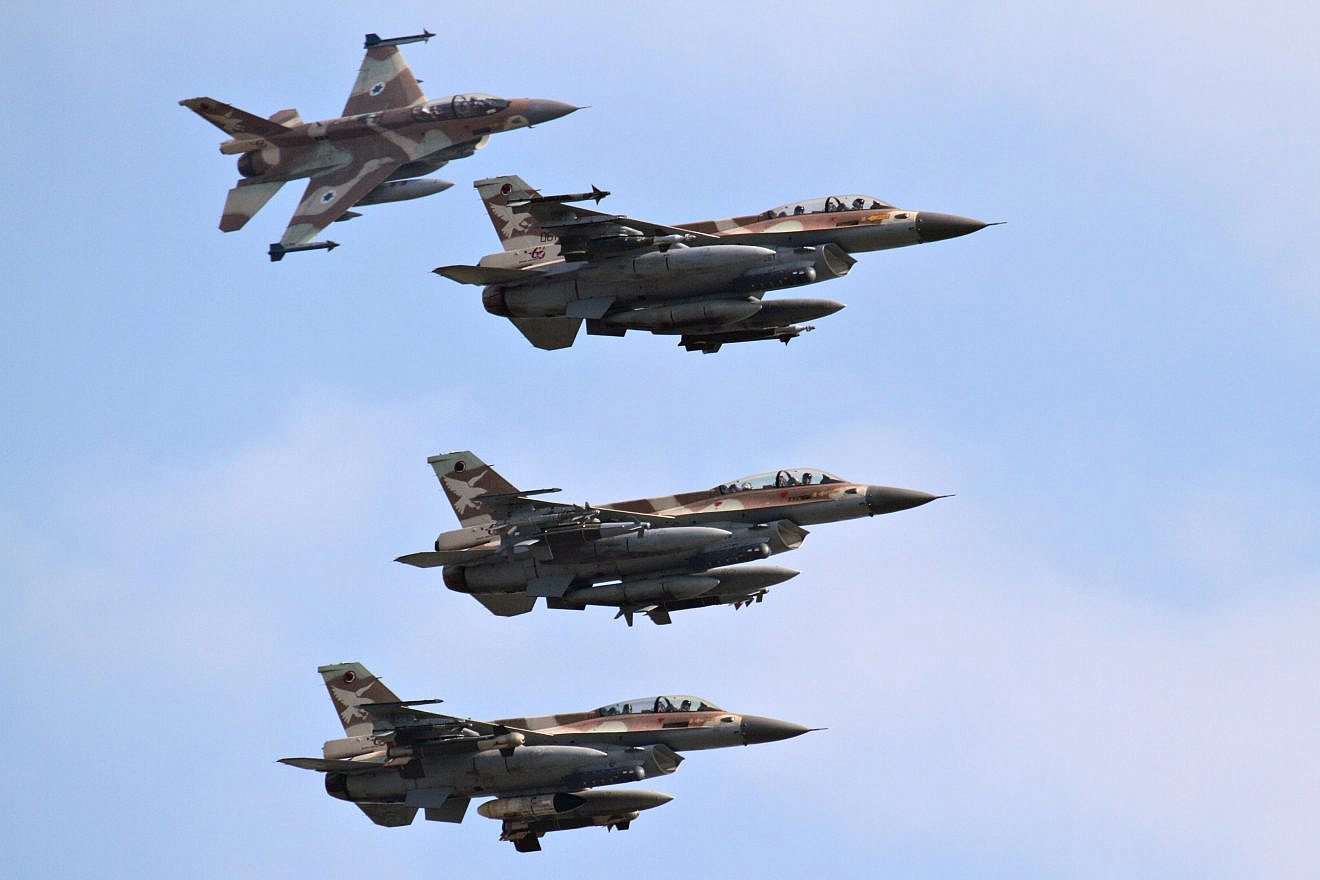
Israeli Air Force jets. Credit: Maj. Ofer via Wikimedia Commons.

The Israel Defense Forces said on Friday it carried out an airstrike in Southern Lebanon that killed Ammar Hayel Qutaybani, the commander of Hezbollah’s “Sinai Outpost.”

The military added that a separate strike in the Tebnine area of Southern Lebanon targeted and killed a terrorist in Hezbollah’s elite Radwan Force.

According to the IDF, both terrorists were involved in efforts to rebuild the Iranian-backed proxy’s terror infrastructure.

Overnight Thursday, the IDF also struck a vessel used by Hezbollah to gather intelligence on Israeli forces off the coast of Naqoura in Southern Lebanon.

“These activities constitute violations of the understandings between Israel and Lebanon,” the military said, referencing the Nov. 27, 2024, ceasefire agreement that ended more than a year of war between the IDF and Hezbollah.

“The IDF will continue to operate to remove any threat to the State of Israel,” added the statement.

Earlier on Thursday, the Israeli military launched a series of strikes against Hezbollah targets in Lebanon, after warning residents of buildings in Mays al-Jabal, Kfar Tebnit and Dibbin to evacuate for their safety.

The attacks targeted arms storage facilities used by the Radwan Force, which for years trained to seize Israeli communities under a plan known as the “Galilee Invasion.”

Also on Thursday, the IDF announced the elimination of a senior Hezbollah weapons dealer in Baalbek, northeast of Beirut, in Lebanon. Hussein Saifo Sharif directed terrorists in Syrian territory to plan attacks against Israel.

The situation in Lebanon remains volatile following the end of the truce with Beirut on Feb. 18. Hezbollah began launching missiles and drones at the Jewish state a day after the Hamas-led massacre on Oct. 7, 2023.

Although Jerusalem has withdrawn most of its ground forces since the war ended, it still controls five strategic positions in Southern Lebanon. Israeli officials have stated that the IDF will retain control of these areas until the Lebanese army demonstrates it can maintain security there.

Lebanese Foreign Minister Youssef Raggi said last week that the country’s armed forces will have fully disarmed Hezbollah in Southern Lebanon within three months.


Zawartość publikowanych artykułów i materiałów nie reprezentuje poglądów ani opinii Reunion’68,
ani też webmastera Blogu Reunion’68, chyba ze jest to wyraźnie zaznaczone.
Twoje uwagi, linki, własne artykuły lub wiadomości prześlij na adres:
webmaster@reunion68.com

France Set to Recognize Palestinian State Despite Majority of Citizens Opposing the Move, New Survey Shows


France Set to Recognize Palestinian State Despite Majority of Citizens Opposing the Move, New Survey Shows

Ailin Vilches Arguello


French President Emmanuel Macron at the Elysee Palace in Paris, France, Sept. 15, 2025. Photo: REUTERS/Benoit Tessier/Pool

More than 70 percent of the French people oppose President Emmanuel Macron’s plan to recognize a Palestinian state at the United Nations General Assembly next week, according to a new study that highlights strong public opposition to the contentious diplomatic move.

A survey conducted by the French Institute of Public Opinion (IFOP) on behalf of the Representative Council of Jewish Institutions of France (CRIF), the main representative body of French Jews, found that only 29 percent of French citizens support Macron’s initiative.

On Monday, France is expected to recognize a Palestinian state at the UN General Assembly in New York, with a handful of other Western countries — including the United Kingdom, Canada, and Australia — poised to follow suit.

However, the majority of the French people oppose the immediate recognition of a Palestinian state, with 71 percent rejecting any recognition before the release of all remaining Israeli hostages still held in Gaza and the surrender of Hamas, according to the newly released survey.

The study also examined how this diplomatic initiative and the ongoing war in Gaza have fueled the ongoing surge of antisemitism and anti-Israel sentiment across France.

Nearly 70 percent of the French people view antisemitic incidents as a serious threat, not only to French Jews but to the society as a whole, the survey found.

Meanwhile, according to the data, 19 percent of French citizens consider it acceptable to target Jews due to the conflict in Gaza, with the figure rising to 31 percent among those aged 18 to 24.

France has faced sharp criticism from Israeli and US officials who oppose recognizing a Palestinian state, warning that such a move would only reward terrorism, hinder Gaza ceasefire negotiations, and embolden Hamas, the Palestinian terrorist group that has ruled the enclave for nearly two decades.

Israel is reportedly considering multiple retaliatory measures in response to Macron’s move, including accelerating West Bank annexations, closing the French consulate in Jerusalem, and seizing French-owned sites in Israel, such as the Sanctuary of the Eleona — a Christian pilgrimage destination.

For his part, Macron has pushed back against criticism of France’s decision to recognize a Palestinian state, arguing that it is a necessary step to counter Hamas.

“The objective of Hamas has never been to make two states, and especially two states as we propose … they want to destroy Israel,” Macron said in an interview with Israeli broadcaster Channel 12. “The recognition of a Palestinian state is the best way to isolate Hamas.”

The French leader has argued that this move is the only way to bring peace and stability to the region, noting that the terrorist group has never supported a two-state solution to resolve the Israeli-Palestinian conflict and would likely oppose a Palestinian state since it would have no governing role.

“Hamas is just obsessed with destroying Israel,” Macron told US television network CBS in an interview. “But I recognize the legitimacy of so many Palestinian people who want a state … and we shouldn’t push them toward Hamas.”

However, the Palestinian terrorist group has repeatedly praised such plans to recognize a Palestinian state as “the fruits of Oct. 7,” citing the Hamas-led invasion of and massacre across southern Israel on Oct. 7, 2023, and its aftermath as the reason for increasing Western support.

France’s expected move has also sparked strong reactions across the country, amid an already tense and hostile climate.

CRIF has repeatedly denounced the recognition of a Palestinian state, calling it “a moral failing, a diplomatic error, and a political danger,” and warned that it would exacerbate antisemitism amid a surge in anti-Jewish hate crimes since the Oct. 7 atrocities.

Far-right leader Marine Le Pen has also condemned the initiative, accusing Macron of supporting it “purely for electoral reasons.”

Meanwhile, France’s left-wing opposition welcomed Macron’s decision, with Olivier Faure, leader of the Socialist Party, calling on mayors to raise the Palestinian flag over town halls on Monday.

However, Interior Minister Bruno Retailleau asked prefects, the government’s local representatives, not to follow through with such gestures, citing the principle of neutrality in public services and warning that violations would be referred to administrative courts.

“There are enough divisive issues in the country without importing the conflict in the Middle East,” the French diplomat wrote in a post on X.

Several French town halls have been forced to take down Palestinian flags following court rulings.


Zawartość publikowanych artykułów i materiałów nie reprezentuje poglądów ani opinii Reunion’68,
ani też webmastera Blogu Reunion’68, chyba ze jest to wyraźnie zaznaczone.
Twoje uwagi, linki, własne artykuły lub wiadomości prześlij na adres:
webmaster@reunion68.com