Achillesowa pięta inteligenta

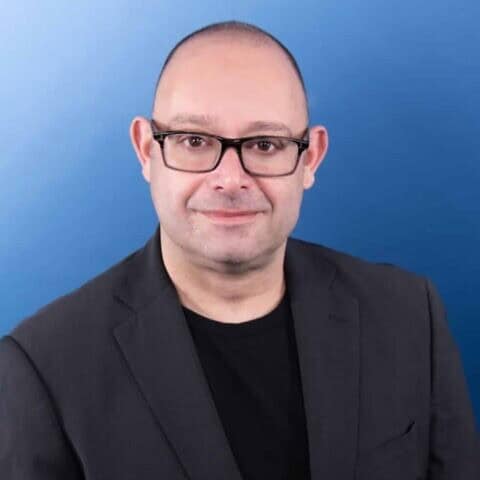
Turecka studentka, Turku Avci w Jerozolimie.


Achillesowa pięta inteligenta

Andrzej Koraszewski


Zacznijmy ab ovo, bo trzeba to i owo wyjaśnić całej ludzkości. Wiem, że nic nie wiem, czyli mądrych nie ma, a udający mądrych to oszuści, którzy najpierw oszukują samych siebie, a potem zarabiają na chleb oszukiwaniem innych.    

Wszyscy Kreteńczycy kłamią, powiedział pewien Kreteńczyk, z czego wynika, że on też skłamał, ale jeśli skłamał, to powiedział prawdę i mamy absurdalny paradoks Epimenidesa, oparty na błędzie niezbyt mądrych generalizacji. Skłonność do niezbyt mądrych generalizacji jest stałą cechą naszego gatunku. „Człowiek jest boski, bo wyciąga wnioski, lecz kłopot z tym taki, że wniosek często bywa byle jaki”, nauczał przed laty nietrzeźwy młody poeta, którego późniejszych losów nie znam, ale muszę przyznać, że towarzysko był czasem zabawny.  

Paul Finlayson napisał ciekawy tekst, który właściwie jest nieprzetłumaczalny, ze względu na jego poetyckość, mało czytelne aluzje i językowe zabawy. Rzecz traktuje o narkotyku nienawiści, o tym co myśleli lub mogli myśleć ludzie, którzy zaplanowali ludobójczą orgię mordowania Izraelczyków, poprzedzoną „marszami powrotu”, podczas których oszalałe z nienawiści tłumy paliły opony, wysyłały podpalające latawce, rzucały się na płoty graniczne, próbując osiągnąć męczeństwo i dostęp do 72 dziewic, a przynajmniej kalectwo uprawniające do renty na resztę życia. Zdjęcia z tych marszów przypominają obrazy Goi.

„Powietrze jest toksyczną mieszaniną substancji rakotwórczych, ziemia pokryta  dywanem popiołu, tłum tak oszalały, że masz wrażenie, że modli się, żeby Izraelczycy patrząc na ten zadymiony, pełen nienawiści chaos charczeli ‘Dość, wyjeżdżam do Portugalii’”.

Tak, to były ich „pokojowe protesty”. Mali chłopcy z procami, więksi z maskami na twarzach i koktajlami mołotowa, jeszcze inni wysyłający przez granicę podpalające latawce i balony lub rzucający się na graniczny płot z nożycami do przecinania drutu albo podbiegający do granicznego płotu z histerycznym, morderczym wrzaskiem „Allahu Akbar”.

„To wszystko jest religijnym teatrem dealerów Hamasu. Nie ma czasu na naprawę dróg ani na budowę kliniki. Rozlega się szaleńcze wycie z megafonów zainstalowanych w minaretach, to nie modlitwa, to jad.”

Większość mieszkańców Gazy doskonale wie, że Hamas to banda złodziei, którzy kradną pomoc, wykorzystując biedę mieszkańców, żeby dostać więcej. Pompowana od kołyski nienawiść do Żydów działa jednak mocniej niż fentanyl.

Zachodni dziennikarze niby są tego świadomi, „New York Times” pisze, że  mieszkańcy, przeklinając kradzieże Hamasu, nadal za wszystko obwiniają Izrael. Szkoły, jak czytamy w raportach Unii Europejskiej, uczą, że Żydzi powodują wszelkie nieszczęścia, od przerw w dostawach prądu po głód. Bajki w telewizji Al-Aksa gloryfikują „męczenników” zabijających syjonistów. To narkotyk tańszy niż crack, maskujący ukradzione miliardy, cement wlany w budowę tuneli i produkcję rakiet zamiast budowania mieszkań i dróg.  

Czepia się Finlayson pokolenia Z., młodych rozpieszczonych dobrobytem ignorantów, karmiących się krótkimi filmikami i pustymi sloganami, którzy w koszulkach z Che Guevarą uprawiają narcyzm jak seks.

„Historyczni analfabeci, moralnie rozleniwieni głupcy. Tragedia, która się nigdy nie skończy.”

Izraelska autorka pisze, że zagłada nie zaczęła się na ulicach, zaczęła się w salach wykładowych uniwersytetów, rewolucję kulturalną w Chinach uruchomiono mobilizując studentów, paryski maj 1968 był do bólu inteligencki.

Ręczne notatki z lektur robię na odwrocie wyciągniętych z kartonu starych wydruków. Przypadkiem spojrzałem na fragment tekstu pisanego dobrych dwadzieścia lat temu:

Żadne bogactwa, żadne surowce naturalne nie są dla społeczeństwa tak ważne jak dobre wykorzystanie potencjału intelektualnego, czyli inteligencji ludzi składających się na dane społeczeństwo. Tymczasem samo istnienie WARSTWY inteligenckiej to mechanizm blokujący dobre wykorzystanie owego potencjału. Inteligent to człowiek, który myśli, że myśli więcej niż myśli oraz, że jego myślenie całkowicie zaspakaja potrzebę myślenia innych.

Poproszono mnie o wygłoszenie wykładu pod tytułem „Kryzys czy kres inteligencji”. Odmówiłem. W kraju takim jak Polska pytanie, czy obserwujemy kres, czy tylko kryzys inteligencji jest wręcz zabawne, gdyż sam sposób postawienia tego pytania świadczy o tym, że wszyscy mamy umysły skażone inteligencką mentalnością. Czy można o kryzysie bądź upadku warstwy inteligenckiej rozprawiać rzeczowo, w oparciu o weryfikowalne  fakty? Wątpię. Można tylko powiedzieć, co się na ten temat myśli, a to właśnie żywioł owej inteligenckości. Inteligencja jako cecha ludzkiego umysłu, to zdolność uczenia się, zdolność kojarzenia faktów, ale kojarzyć można tylko fakty, które się zna, tymczasem inteligencja jako warstwa społeczna zajmuje się gloryfikacją autorytetów obywających się bez faktów. Człowieka, który zdobył nasze uznanie tym, że wyreżyserował bawiący nas film, pytamy jak urządzić państwo, autora książki o powstaniach, pytamy o ekologię lub o żywość organiczną. Pasowany na inteligenta nie cofa się przed udzielaniem odpowiedzi w sprawach, w których te odpowiedzi dyktuje mu powierzchowna wiedza i intuicja. Samą istotą „inteligencji” jest pogarda dla wszelkiej fachowości. Rozwój inteligencji dziecka wymaga ćwiczenia sceptycyzmu, szacunku dla faktów, szacunku dla nauki i to takiej, która opiera się na wielokrotnym sprawdzaniu każdej hipotezy. Straszliwa inteligencka mentalność, pewność, że się wie, pochwała ignorancji, stała gotowość dawania odpowiedzi na wszelkie pytania stała się plagą szeroko pojętej warstwy nauczycielskiej – wykładowców nauk społecznych, dziennikarzy, artystów.

Nie wiem, co było wcześniej ani później, bo część tej makulatury została już zużyta, a to co jest, nie daje się uporządkować, nie wiem zresztą czy warto. Zatrzymało mnie pytanie jak ta inteligencka mentalność sprzęgła się z ruchem postmodernizmu, z dziennikarskim aktywizmem, pochwałą narracji wypierającej poszukiwanie. Pokolenie Z to nie tylko efekt dobrobytu, technologicznego rozwoju, redukującego znaczenie słowa pisanego na rzecz obrazu, ale, a może przede wszystkim, produkt wychowania w duchu postprawdy, narkotyku emocji niszczących dociekliwość.

Achillesowa pięta inteligenta to odraza do rzemiosła, odraza do nudnej przyziemnej rzetelności. Reakcją inteligentów na Oświecenie był romantyzm, rzemiosło jest nudne, rewolucyjny romantyzm odrzuca teorię poznania opartą na empirii. Czucie i wiara prowadzi do przekonania, że dobro nie musi być wypracowane, może być stanowione dekretami. Narkotyk nienawiści budzi tęsknotę do niszczenia i ochotę tworzenia świata na nowo na fundamencie trupów.

Hamasowscy dealerzy nienawiści mieliby znacznie trudniejsze zadanie, gdyby nie wsparcie zachodnich profesorów i dziennikarzy. To system edukacji, tej uniwersyteckiej, przenikającej również do szkół i tej płynącej z mediów, zmienia kolejne pokolenie w bezmyślne stworzenia chłonące jad serwowany przez tych „nauczycieli”.

Kiedy patrzę na twarze młodych ludzi z Krakowa czy Poznania, którzy z dumą paradują w palestyńskich kefijach zastanawiam się, jak zareagowaliby na pytanie „skąd wiesz to , co wiesz”. Odpowiedź nie jest trudna, właściwie nie mieli ucieczki od tej „wiedzy”, dostawali ją w domu, w szkole, w kościele i w mediach.

Przypadek tureckiej studentki opowiada o trudności ucieczki od tych młodych ludzi z Krakowa i Poznania, z Chicago, Londynu i Barcelony. Pisze o niej izraelski dziennikarz Jehudis Litvak, (patrząc na jego nazwisko z jakiegoś powodu  mam przed oczyma obraz przedwojennego  Wilna). Litvak pisze o Turku Avci, tureckiej studentce wychowanej w  rodzinie muzułmańskiej, która dorastała słysząc, że „Żydzi są najpotężniejszymi ludźmi kontrolującymi cały świat”. Izraelczycy byli przedstawiani jako zarozumiali wyzyskiwacze, a Palestyńczycy idealizowani jako ofiary imperializmu. Przypadek zrządził, że poznała izraelskich turystów, których jacht był przycumowany obok jachtu jej rodziców. Namówili ją na dalsze studia w Izraelu.

Jak łatwo się domyśleć wszyscy byli przeciwni, ale Turku uparła się, chociaż nadal nie była pewna, co znajdzie po drugiej stronie barykady, bo przecież ostrzegano ją. Izrael, który znalazła był całkowitym przeciwieństwem obrazu, który na każdym kroku dostawała w Turcji.

Na uniwersytecie pełna integracja studentów różnych wyznań. Zagrożenie? Tak, ze strony palestyńskich terrorystów, którzy atakują każdego.

Wizyta w meczecie Al-Aksa ujawniła kolejne kłamstwo. Tureckie media twierdziły, że Żydzi zabronili muzułmanom wstępu na teren meczetu, ale Turku odkryła, że zarówno izraelscy żołnierze, jak i muzułmańscy strażnicy „upewnili się, że jestem muzułmanką, a potem mnie wpuścili”. Natomiast Żydom zabrania się wstępu do meczetu Al-Aksa i niektórych arabskich dzielnic.

Wydarzenia 7 października 2023 zaskoczyły ją w Izraelu, relacje w tureckich mediach rozwścieczyły ją, jak mówi „oni świętowali tę napaść”, dopiero kiedy Izrael przeszedł do obrony nagle byli przeciwko wojnie, zaczęli obronę nazywać ludobójstwem, teraz stali się pacyfistami.

Kompletnie wypaczony obraz świata skłonił ją do komentarzy w mediach społecznościowych i wtedy dowiedziała się, że popełniła zbrodnię wyrzeczenia się nienawiści. Straciła bliskich przyjaciół, ludzi, których znała od lat. „Jak możesz wspierać tych zabójców dzieci”, pisali ludzie, o których sądziła, że potrafią samodzielnie myśleć.    

Turku mówi, że musi zabrać głos nie tylko ze względu na Izrael, ale ze względu na własny kraj, gdzie idee barbarzyńskiego Hamasu są dziś bardziej popularne niż kiedykolwiek.  Ale publiczne wypowiadanie się przeciw świętym poglądom drogo kosztuje. Posypały się groźby śmierci, groźby zgwałcenia. Tak, gwałt wydaje się najbardziej oczywistą reakcją na bluźniercze obnażanie kłamstw wpojonych przez nauczycieli. Turecka studentka nie ma już możliwości powrotu do swojego kraju. Tam wszyscy są Palestyńczykami, więc byłoby to nazbyt niebezpieczne.     

Nie ma kryzysu inteligencji, ani tej, która pracuje na amerykańskich uniwersytetach, ani tej, która wzoruje się na wielkim świecie w Polsce. Prawda jest piętą achillesową tych inteligentów, więc chronią ją wszelkimi sposobami przed odsłonieciem i rosną w siłę. Kryzys im nie grozi.  


Zawartość publikowanych artykułów i materiałów nie reprezentuje poglądów ani opinii Reunion’68,
ani też webmastera Blogu Reunion’68, chyba ze jest to wyraźnie zaznaczone.
Twoje uwagi, linki, własne artykuły lub wiadomości prześlij na adres:
webmaster@reunion68.com

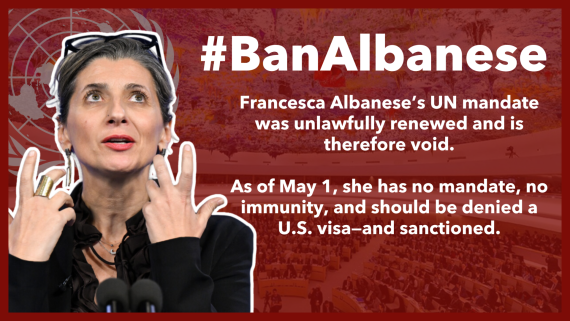

Battle to Defeat Hamas Apologist Francesca Albanese

Battle to Defeat Hamas Apologist Francesca Albanese

UN Watch


“Nothing to Hide”
How the UN and Francesca Albanese Engaged in a Concerted
Cover-Up to Conceal Her Funding by Pro-Hamas Lobby Groups


Download the PDF file .


Zawartość publikowanych artykułów i materiałów nie reprezentuje poglądów ani opinii Reunion’68,
ani też webmastera Blogu Reunion’68, chyba ze jest to wyraźnie zaznaczone.
Twoje uwagi, linki, własne artykuły lub wiadomości prześlij na adres:
webmaster@reunion68.com


US Offers Up to $10 Million for Information on Hezbollah’s Financial Networks in Latin America

US Offers Up to $10 Million for Information on Hezbollah’s Financial Networks in Latin America

Ailin Vilches Arguello


The aftermath of the bombing of the AMIA building in Buenos Aires on July 18, 1994. Photo: File.

The US State Department is offering rewards for information on Hezbollah’s financial networks in Latin America, with a particular focus on the Tri-Border Area — where Paraguay, Argentina, and Brazil intersect and illicit activity is known to thrive.

In a statement released Monday, the department’s Rewards for Justice program announced it is offering up to $10 million for information that disrupts “the financial mechanisms of the terrorist organization.”

The Iran-backed Lebanese terrorist group “generates about $1 billion annually from a combination of direct financial support from Iran, international businesses and investments, donor networks, corruption and money laundering activities,” the statement reads.

Among other activities, the US alleges that the terror group funds its operations through money laundering, drug trafficking, smuggling charcoal and oil, illegal diamond trading, document forgery, counterfeiting US dollars, and trafficking large amounts of cash, cigarettes, and luxury goods across the three countries, the US alleges.

According to the department’s spokesperson, Tammy Bruce, the US government is requesting information on businesses or investments linked to Hezbollah or its financial facilitators, front companies involved in procuring dual-use technology for the terrorist group, and criminal activities by Hezbollah members and supporters that help fund their operations.

Iran is the chief international backer of Hezbollah, as well as the Palestinian terrorist group Hamas and Yemen’s Houthi militants, providing these Islamist groups with weapons, funding, and training.

The US officially designated Hezbollah as a Foreign Terrorist Organization (FTO) in 1997 and later as a Specially Designated Global Terrorist (SDGT) group in 2001, while Iran was classified as a State Sponsor of Terrorism in 1984.

The Tri-Border Area in South America has long been regarded as a financial hub for Hezbollah operatives and continues to be a hotspot for organized crime across the region.

Argentina experienced the two deadliest terrorist attacks in the region — the 1992 bombing of the Israeli embassy and the 1994 attack on the Argentine-Israeli Mutual Association (AMIA) Jewish community center in Buenos Aires — both of which Argentine authorities attribute to Hezbollah, with support and direction from Iran.

In April, the lead prosecutor in the 1994 AMIA Jewish community center bombing case petitioned Argentina’s federal court to issue national and international arrest warrants for Iran’s Supreme Leader, Ayatollah Ali Khamenei, over his alleged involvement in the terrorist attack.

Sebastián Basso — who succeeded former prosecutor Alberto Nisman after his murder in 2015 — argued that Khamenei was directly involved in planning the 1994 AMIA bombing — the deadliest terrorist attack in Argentina’s history, in which 85 people were killed and more than 300 wounded.

In 2006, Nisman formally charged Iran for orchestrating the attack and the regime’s chief proxy, Hezbollah, for carrying it out. Nine years later, he accused former Argentine President Cristina Fernández de Kirchner of attempting to cover up the crime and block efforts to extradite the suspects behind the AMIA atrocity in return for Iranian oil.

The alleged cover-up was reportedly formalized through a Memorandum of Understanding signed in 2013 between Kirchner’s government and Iranian authorities, with the stated goal of cooperating to investigate the AMIA bombing.

Last year, Argentina’s second-highest court ruled that the 1994 attack in Buenos Aires was “organized, planned, financed, and executed under the direction of the authorities of the Islamic State of Iran, within the framework of Islamic Jihad.” The court also said that the bombing was carried out by Hezbollah terrorists responding to “a political and strategic design” by Tehran.

The court additionally ruled that Iran had been responsible for the 1992 truck bombing of the Israeli embassy in Buenos Aires, which killed 29 people.


Zawartość publikowanych artykułów i materiałów nie reprezentuje poglądów ani opinii Reunion’68,
ani też webmastera Blogu Reunion’68, chyba ze jest to wyraźnie zaznaczone.
Twoje uwagi, linki, własne artykuły lub wiadomości prześlij na adres:
webmaster@reunion68.com


The ‘nakba’ is not our problem

The ‘nakba’ is not our problem

Ben Cohen


There is no reason why Jews should be troubled by the neurosis it projects. Their defeat was our liberation, and we should rejoice in that fact.

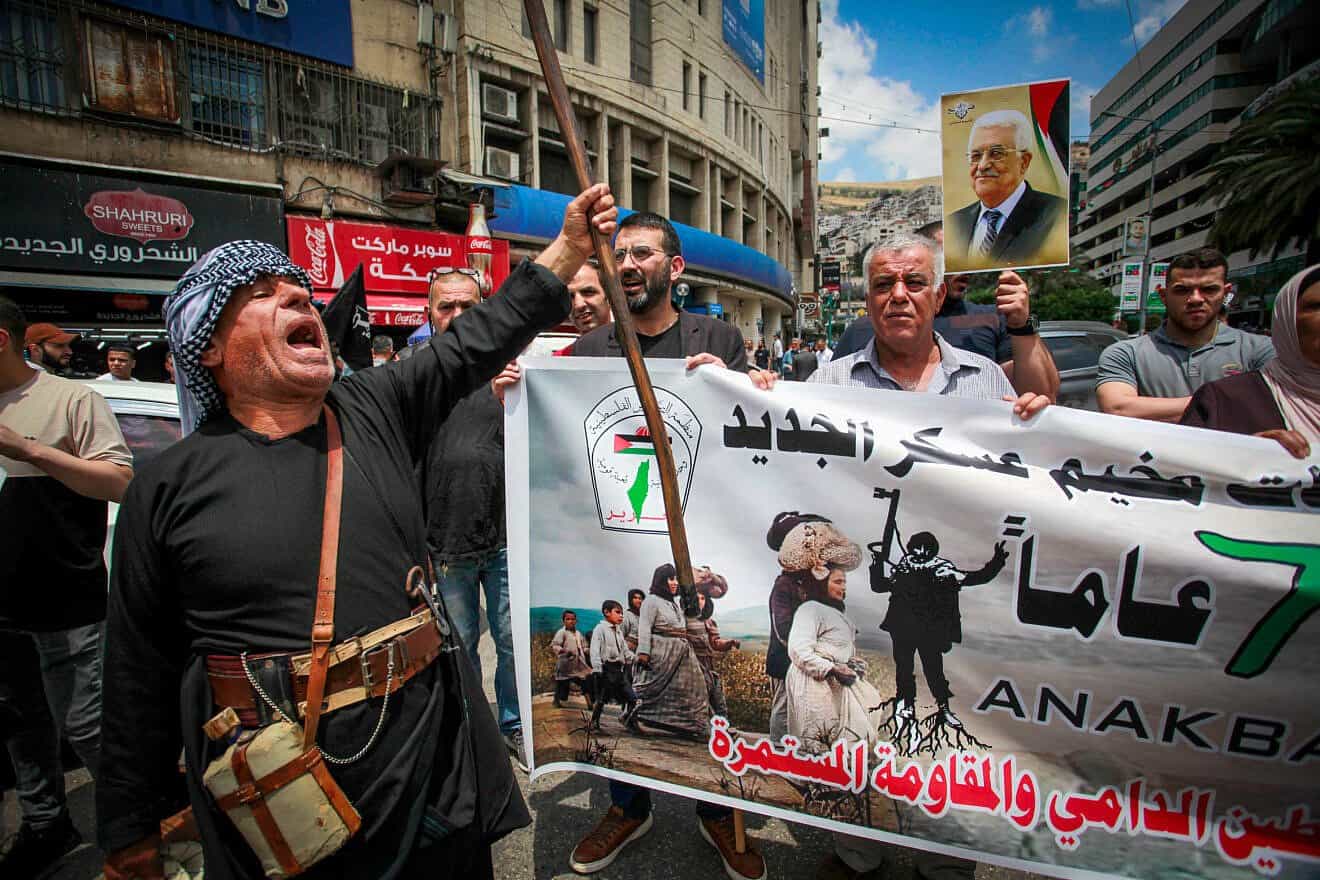
Palestinian protesters march during a rally marking the anniversary of the “nakba” in the West Bank city of Nablus, May 15, 2024. Photo by Nasser Ishtayeh/Flash90.

A smattering of Arabic words has entered the English language in recent years, the direct result of more than a century of conflict between the Zionist movement and Arab regimes determined to prevent the Jews from exercising self-determination in their historic homeland.

These words include fedayeen, which refers to the armed Palestinian factions; intifada, which denotes successive violent Palestinian uprisings against Israel; and naksa, which pertains to the defeat sustained by the Arab armies in their failed bid to destroy Israel during the June 1967 war.

At the top of this list, however, is nakba, the word in Arabic for “disaster” or “catastrophe.” The emergence of the Palestinian refugee question following Israel’s 1948-49 War of Independence is now widely described as “The Nakba,” and the term has become a stick wielded by anti-Zionists to beat Israel and, increasingly, Jews outside.

Last Thursday, a date which the U.N. General Assembly has named for an annual “Nakba Day,” workers at a cluster of Jewish-owned businesses in the English city of Manchester arrived at the building housing their offices to find that it had been badly vandalized overnight. The front of the building, located in a neighborhood with a significant Jewish community, was splattered with red paint. An external wall displayed the crudely painted words “Happy Nakba Day.”

The culprits were a group called Palestine Action, a pro-Hamas collective of activists whose sole mission is to intimidate the Jewish community in the United Kingdom in much the same way as Sir Oswald Mosley’s British Union of Fascists did back in the 1930s. Its equivalents in the United States are groups like Within Our Lifetime and Students for Justice in Palestine, who have shown themselves equally enthused when it comes to intimidating Jewish communities by conducting loud, sometimes violent, demonstrations outside synagogues and other communal facilities, all too frequently showering Jews with the kind of abuse that was once the preserve of neo-Nazis. These thugs, cosplaying with keffiyehs instead of swastika armbands, can reasonably be described as the neo-neo-Nazis.

The overarching point here is that ideological constructs like nakba play a key role in enabling the intimidation they practice. It allows them to diminish the historic victimhood of the Jews, born of centuries of stateless disempowerment, with dimwitted formulas equating the nakba with the Nazi Holocaust. It also enables them to camouflage hate speech and hate crimes as human-rights advocacy—a key reason why law enforcement, in the United States as well as in Canada, Australia and most of Europe, has been found sorely wanting when it comes to dealing with the surge of antisemitism globally.

Part of the response needs to be legislative. That means clamping down on both sides of the Atlantic on groups that glorify designated terrorist organizations by preventing them from fundraising; policing their access to social media; and restricting their demonstrations to static events in a specific location with a predetermined limit on attendees, rather than a march that anyone can join, along with an outright ban on any such events in the environs of Jewish community buildings.

These are not independent civil society organizations, as they pretend to be, but rather extensions of terrorist organizations like Hamas and—in the case of Samidoun, another group describing itself as a “solidarity” organization—the Popular Front for the Liberation of Palestine. If we cannot ban them outright, we need to contain them much more effectively. We can start by framing the issue as a national security challenge and worry less about their “freedom of speech.”

But this is also a fight that takes us into the realm of ideas and arguments. We need to stop thinking about the nakba as a Palestinian narrative of pain deserving of empathy by exposing it for what it is—another tool in the arsenal of groups whose goal is to bring about the elimination of Israel as a Jewish state.

When it was originally introduced in the late 1940s, the word nakba had nothing to do with the plight of the Palestinian refugees or their dubious claim to be the uninterrupted, indigenous inhabitants of a land seized by dispossessing foreign colonists. Popularized by the late Syrian writer Constantine Zureik in a 1948 book titled The Meaning of Disaster, the nakba described therein was, as the Israeli scholar Shany Mor has crisply pointed out, simply “the failure of the Arabs to defeat the Jews.”

Zureik was agonized by this defeat, calling it “one of the harshest of the trials and tribulations with which the Arabs have been inflicted throughout their long history.” His story is fundamentally a story of national humiliation and wounded pride. Yet there is absolutely no reason why Jews should be remotely troubled by the neurosis it projects. Their defeat was our victory and our liberation, and we should unreservedly rejoice in that fact.

The only aspect of the nakba that we should worry about is the impact it has on us as a community, as well as on the status of Israel as a sovereign member of the international society of states. As Mizrahi Jews know well (my own family among them), the nakba assembled in Zureik’s imagination really was a “catastrophe”— for us. Resoundingly defeated on the battlefield by the superior courage and tactical nous of the nascent Israeli Defense Forces, the Arabs compensated by turning on the defenseless Jews in their midst. From Libya to Iraq, ancient and established Jewish communities were the victims of a cowardly, spiteful policy of expropriation, mob violence and expulsion.

The inheritors of that policy are the various groups that compose the Palestinian solidarity movement today. Apoplectic at the realization that they have been unable to dislodge the “Zionists”—and knowing now that the main consequence of the Oct. 7, 2023 pogrom in Israel has been the destruction of Gaza—they, too, have turned on the Jews in their midst.

They have done so with one major advantage that the original neo-Nazis never had: sympathy and endorsement from academics, celebrities, politicians and even the United Nations. Indeed, the world body hosted a two-day seminar on “Ending the Nakba” at its New York headquarters at the same time that pro-Hamas fanatics were causing havoc just a few blocks downtown. Even so, we should take heart at the knowledge that nakba is not so much a symbol of resistance as it is defeat. Just as the rejectionists and eliminationists have lost previous wars through a combination of political stupidity, diplomatic ineptitude and military flimsiness, so, too, can they lose this one.


Ben Cohen is a senior analyst with the Foundation for the Defense of Democracies (FDD) and director of FDD’s rapid response outreach, specializing in global antisemitism, anti-Zionism and Middle East/European Union relations. A London-born journalist with 30 years of experience, he previously worked for BBC World and has contributed to Commentary, The Wall Street Journal, Tablet and Congressional Quarterly. He was a senior correspondent at The Algemeiner for more than a decade and is a weekly columnist for JNS. Cohen has reported from conflict zones worldwide and held leadership roles at the Anti-Defamation League and the American Jewish Committee. His books include Some of My Best Friends: A Journey Through 21st Century Antisemitism.


Zawartość publikowanych artykułów i materiałów nie reprezentuje poglądów ani opinii Reunion’68,
ani też webmastera Blogu Reunion’68, chyba ze jest to wyraźnie zaznaczone.
Twoje uwagi, linki, własne artykuły lub wiadomości prześlij na adres:
webmaster@reunion68.com

Universities Are Selling Out to Qatar, and Selling Off Their Integrity

Universities Are Selling Out to Qatar, and Selling Off Their Integrity

Mitchell Bard


The Al Jazeera Media Network logo is seen on its headquarters building in Doha, Qatar, June 8, 2017. Photo: REUTERS/Naseem Zeitoon

 If you ever doubted that universities care more about money than principles, look no further than their willingness to accept donations from Qatar.

For those unaware, Qatar is a hereditary autocracy that bans political parties, criminalizes dissent, censors the press and has a long record of human-rights abuses, including labor exploitation and human trafficking. Its state-run media network, Al Jazeera, is the principal media source of anti-Israel propaganda in the Middle East. Qatar has also long funded and hosted terrorist groups that are sworn enemies of the West, including the Muslim Brotherhood, Hamas, Al-Qaeda, the Taliban and ISIS.

“Qatar’s ideological alignment directly contradicts the values of Western nations that recognize these groups as terrorist organizations,” observed Michael Milshtein of the Moshe Dayan Center for Middle Eastern and African Studies. Yet that has not stopped American universities from cozying up to Qatar for cash.

Doha has poured nearly $6 billion into American universities since 1981, making it the largest Arab donor in US higher education. In just one year, between 2023 and 2024, it donated $527 million. Much of this money is funneled through the Qatar Foundation, chaired by Sheikha Moza bint Nasser, mother of the current emir and wife of the former one. In the words of its founders, the foundation exists to “realize their ambitions for the future of Qatar.”

“Qatar’s goal is not to promote antisemitic or pro-Palestinian messages,” Gulf expert Ariel Admoni says, “but antisemitism and pro-Palestinian sentiments are byproducts of policies convenient for them.”

He added that “in Western countries, particularly within educated circles, the pro-Palestinian struggle is perceived as a ‘convenient’ cause. Consequently, from the Qatari perspective, this portrayal positions them favorably on what they consider to be the right side of public opinion, especially among the youth.”

Qatar has made 1,143 donations to 63 American universities. In the US Department of Education (DoE) database, only 101—just 9%—disclose what the money was used for.

Cornell University is the biggest beneficiary, receiving more than $2.1 billion. In 2001, it launched the Weill Medical College in Qatar, with the emirate pledging $750 million in 11 years, including undisclosed “fees” to Cornell. According to a 2024 report from the Institute for the Study of Global Antisemitism and Policy (ISGAP), Cornell failed to report $1.4 billion of this funding (out of $3 billion in unreported contributions for campuses in Qatar).

More than $1.2 billion in Qatar funding previously attributed to Northwestern and Georgetown universities was also inexplicably deleted from the February 2024 DoE report.

Qatar also attempts to exert influence through donations to prestigious university centers. It has contributed, for example, to the James A. Baker III Institute for Public Policy at Rice University in Texas, which was also supported at one point by the Al Jazeera Media Network of Qatar. Diplomats can also get an education from Georgetown University in Qatar, initially called the Georgetown University School of Foreign Service in Qatar. The Qatar Foundation collaborated with the Institute for Global Law and Policy at Harvard Law School to establish a graduate law school at Hamad Bin Khalifa University in Doha. Harvard received a $1 million donation from Qatar in 2024, but no further details were provided.

Academic freedom suffers when oppressive regimes control the purse strings. Northwestern’s campus in Doha censored a Lebanese band with a gay lead singer. A professor was reportedly dismissed for expressing pro-Israel views. These are not isolated incidents; they are symptoms of a deeper rot. Money from autocratic regimes inevitably comes with strings, spoken or unspoken. When universities accept these funds, they assume those strings.

In a rare act of financial sacrifice, Texas A&M announced that it would close its program in Qatar after 21 years, just three years after renewing a 10-year contract. To that point, the DoE recorded seven contributions worth almost $105 million. According to The Washington Post, the previous contract was worth more than $750 million, so the decision was costly. The public reason given was regional instability and changing institutional priorities; however, some believed it was related to a report by ISGAP raising concerns about Qatari access to nuclear-energy research. The university claimed this was misinformation and had no bearing on the decision to leave Qatar.

The Department of Education under the first Trump administration warned that Qatar, along with China, Russia and Saudi Arabia, was “targeting their investments to project soft power, steal sensitive and proprietary research, and spread propaganda.” The hope was that the administration would take measures to prevent universities from taking Qatari cash, or at least demand transparency and accountability.

But what chance is there of that now that we know Trump is prepared to accept a $400 million airplane from the emirate that is seen by many as a bribe?

American universities are supposed to stand for truth, freedom and critical inquiry. Many, however, are willing to trade those values for petrodollars from a regime that criminalizes dissent, bankrolls terror and censors scholars. It’s not just a betrayal of academic integrity. It’s a betrayal of the very ideals that higher education is meant to uphold.


Zawartość publikowanych artykułów i materiałów nie reprezentuje poglądów ani opinii Reunion’68,
ani też webmastera Blogu Reunion’68, chyba ze jest to wyraźnie zaznaczone.
Twoje uwagi, linki, własne artykuły lub wiadomości prześlij na adres:
webmaster@reunion68.com