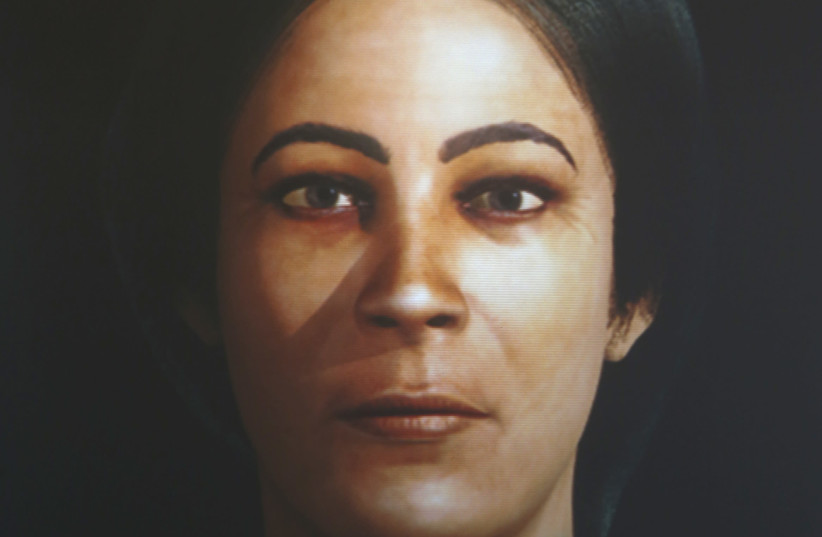
***OREN KESSLER**
Among the some 150 casualties was Hebrew-language literature giant Yosef Haim Brenner, who was buried with dozens of other slaughtered Jews in a common grave in Tel Aviv
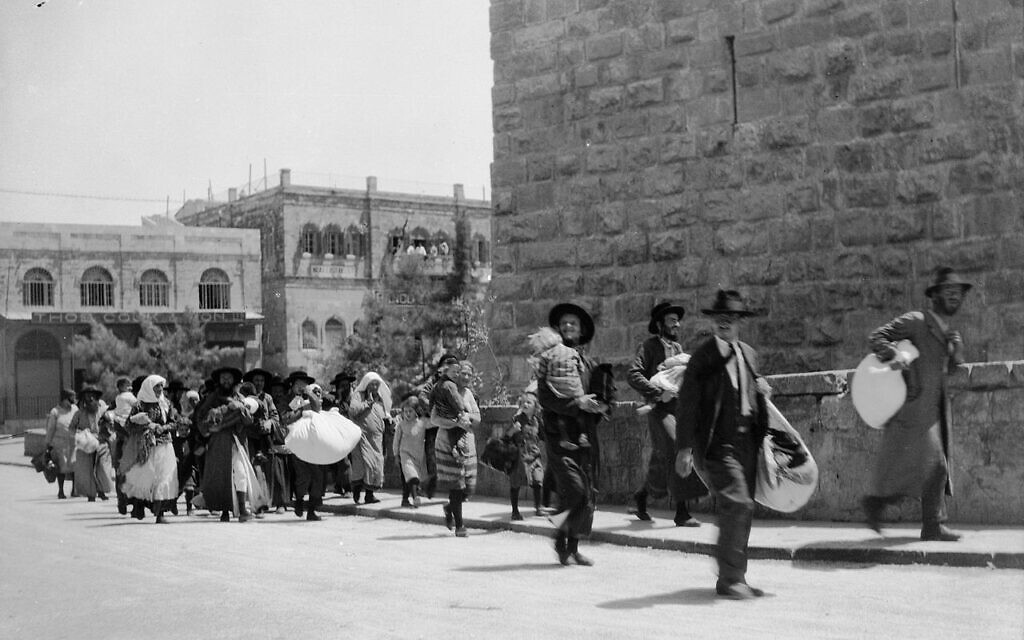 Illustrative: Jewish families flee Arab rioting in Jerusalem’s Old City in August 1929. (Public domain)
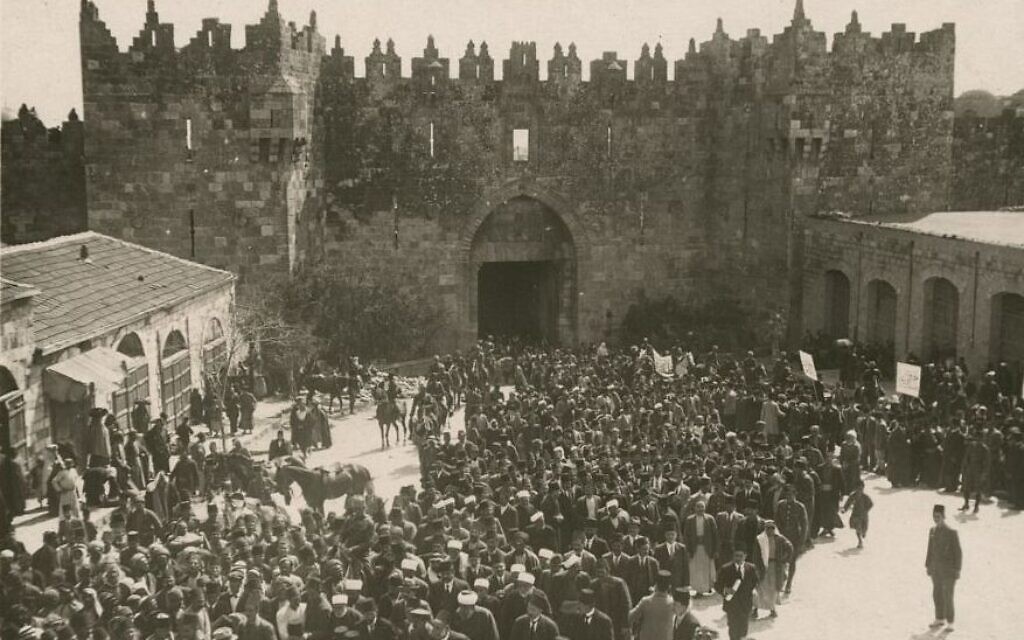 Palestinian Arabs gather at the Damascus Gate in Jerusalem, in an anti-Zionist demonstration on March 8, 1920, prior to the Nabi Musa holiday on which violent rioting took place. (Public domain)
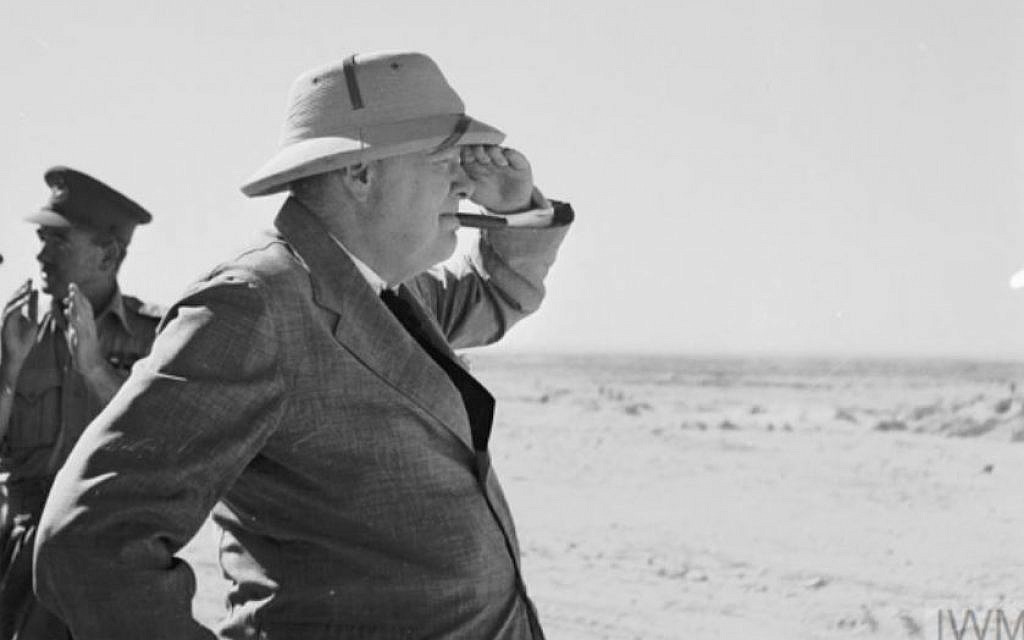 Illustrative: Then-British Home Secretary Winston Churchill on a visit to the British Mandate of Palestine in March 1921, nearly three decades before it became the Jewish state. (Churchill Museum)
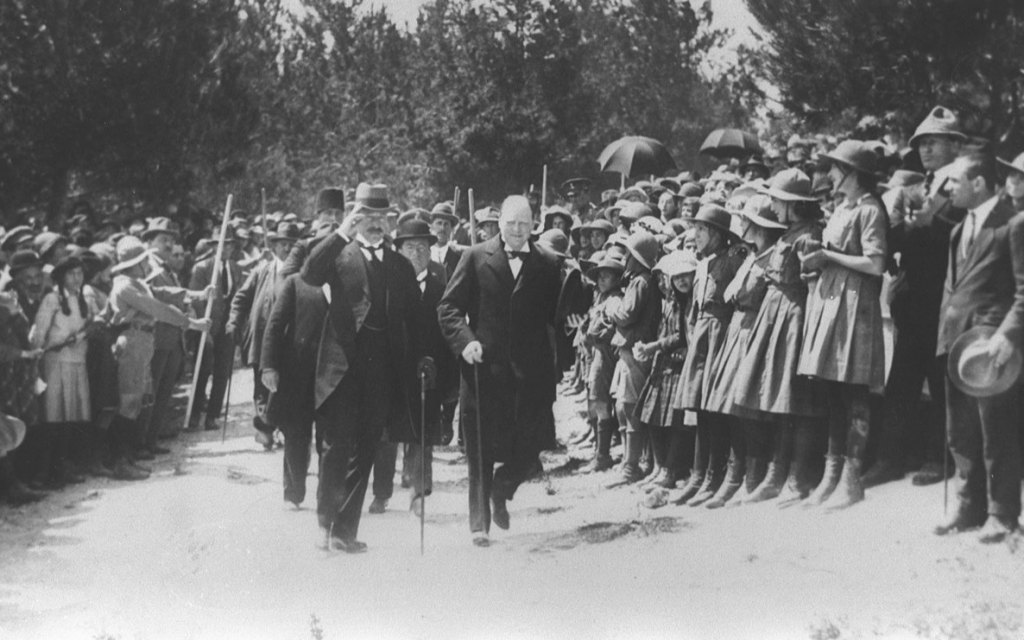 Then-British Home Secretary Winston Churchill with Sir Herbert Samuel during a visit to Jerusalem in March 1921. (Public domain)
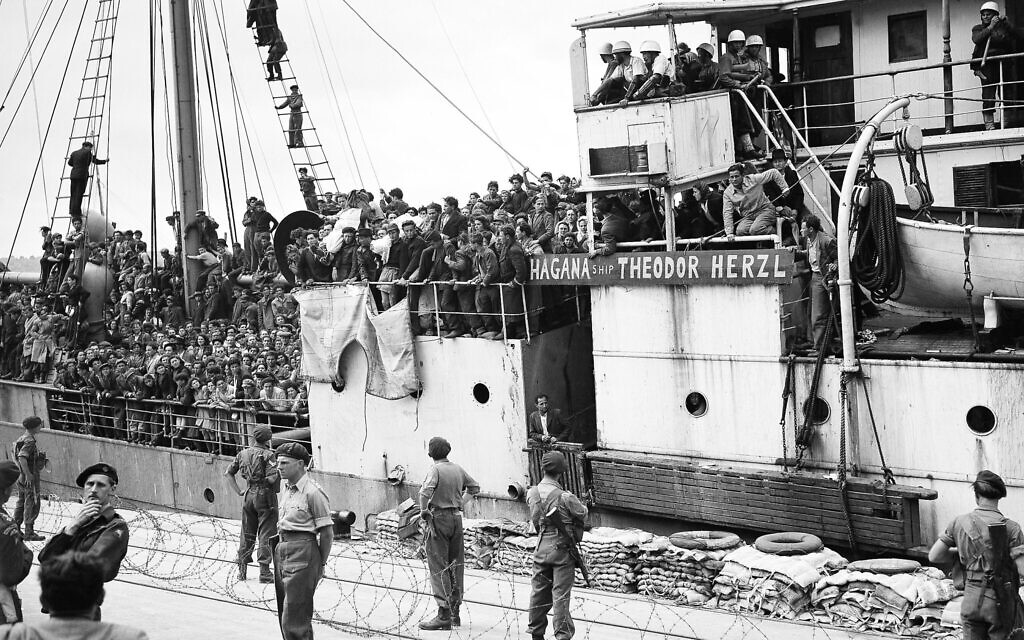 Jewish refugees, arriving in Haifa, Palestine on April 14, 1920, aboard the Theodore Herzl support on their shoulders the bodies, in white shrouds, two of their compatriots, whom refugees charge where slain when the Theodore Herzl was boarded by British personnel after unsuccessfully attempting to run the British blockade. (AP Photo/Tom Fitzsimmons)
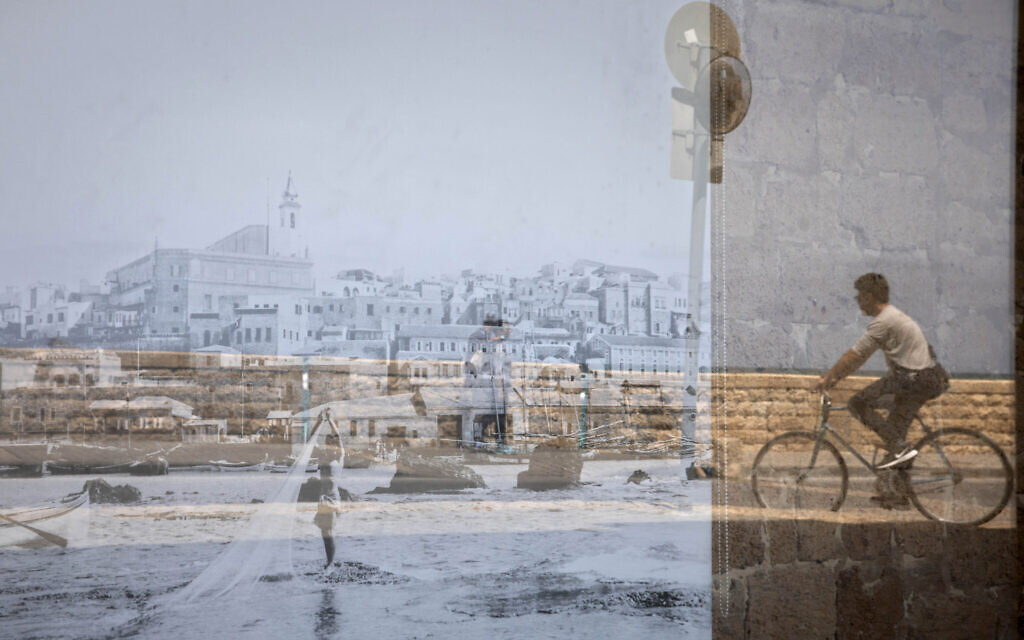 A man riding his bicycle is reflected on an old picture of Jaffa displayed in a window, in the Jaffa neighborhood of Tel Aviv, Israel, April 21, 2021. (AP Photo/Sebastian Scheiner)
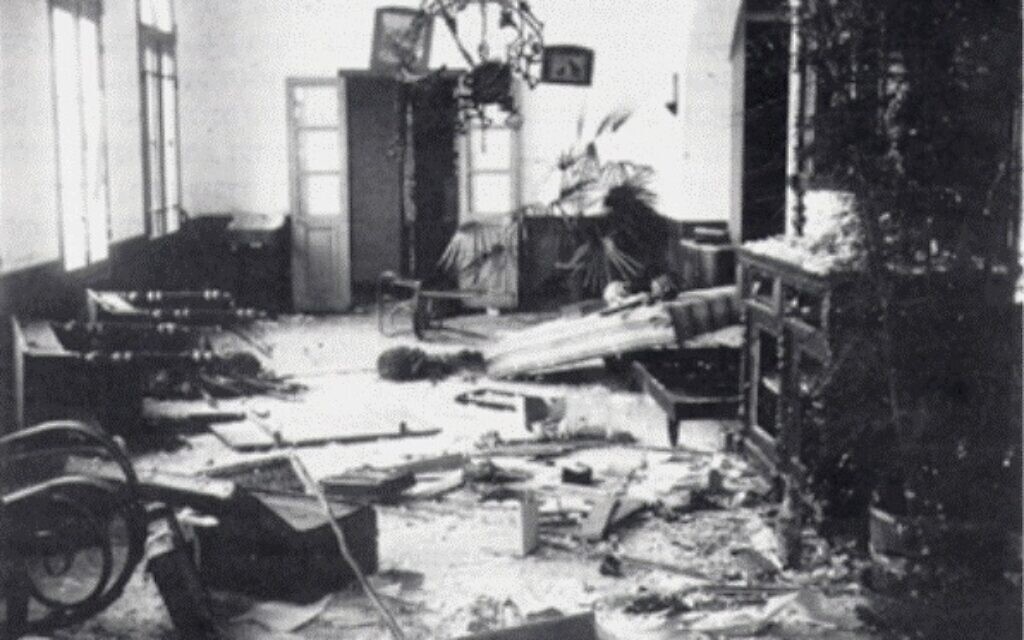 Damage to a home in the city of Hadera caused during the 1921 riots. (Public domain)
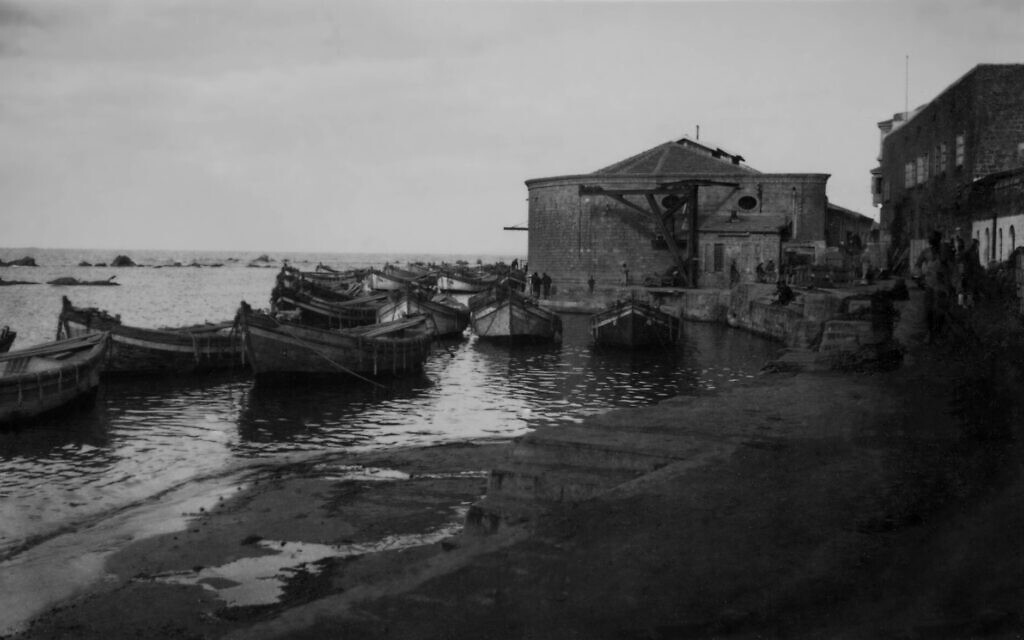 Jaffa Port, circa 1921-1926. (Courtesy of Nazarian Library, University of Haifa)
Israel last month marked its 73rd Independence Day, observed as always directly after its Memorial Day for fallen soldiers and victims of terrorism. The latter event carried a bittersweet distinction: For Israelis, the preceding year was by far the least bloody in their history — only three died in violent attacks — and the year before was second-calmest — with 11.
That these figures should be cause for celebration is an illustration of Israelis’ resignation to living in an environment with no parallel in the developed world — a reality that one of their preeminent novelists and peace activists calls, bleakly, death as a way of life.
For there is no education like experience, and in its nearly three quarters of a century of existence, this country has known three wars with multiple neighbors, two more in Lebanon, three in Gaza, two intifadas and innumerable individual hostile acts. But to make sense of the conflict today it is instructive to look further back still to the events of exactly a century ago, before there was a Jewish state or even a Palestine Mandate.
On May 1, 1921, in the interlude between Britain’s conquest of the land and the League of Nations’ ratification of its mandate, riots shook Palestine. It was the first time since the Crusades that civilians in the Holy Land had experienced what would later be termed, with grim sterility, a mass-fatality incident. And it was, for the Zionist movement, a turning point in its perception of the “Arab question” and its own relation to armed force and retribution.
The Balfour Declaration, the British conquest of the Land and the end of the Great War had produced euphoria in the Yishuv movement — that is, the Jews living in pre-state Israel — convincing it that dreams of sovereignty in Palestine were on the brink of fulfillment. But, as Israeli historian Benny Morris writes, the “massive violence of 1921 left an ineradicable impression on the Zionists, driving home the precariousness of their enterprise.”
The necessity of a strong defense — a conviction previously limited to a few diehards — now began trickling into mainstream Zionist thought.
“The Arab attacks of May forced a number of Yishuv leaders to ask — although only behind closed doors — whether the time had come to ‘call a spade a spade,’ i.e. to acknowledge that there did exist a genuine, widespread or intense Arab hostility,” adds another historian, Neil Caplan.
For the Yishuv, the May riots marked the first step in confronting what the Israeli scholar Anita Shapira calls “the terrifying prospect of a war without any end in sight.”
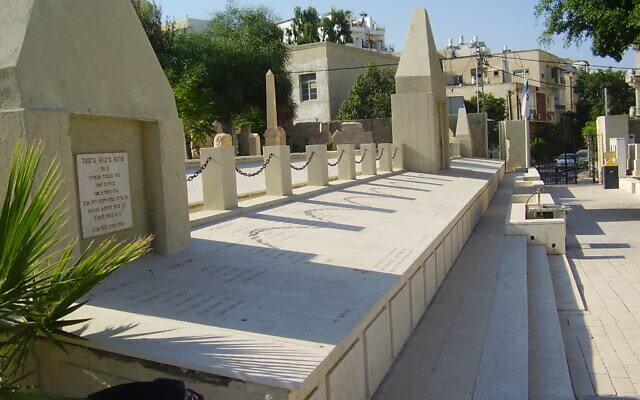 The mass grave of the Jewish victims of the riots of 1921. (Wikimedia commons/ CC-BY-2.5/ Dr. Avichai Teicher)
Enter Mr. Churchill
In February 1921, David Lloyd George — British prime minister during the Balfour Declaration and a committed Zionist — gave Winston Churchill a new job. A member of the wartime and postwar cabinets, Churchill was then known primarily as the man behind the disastrous amphibious attempt to choke off the Ottoman capital at Gallipoli. He would now be secretary of state for the colonies, the position most singly responsible for, among other things, Britain’s Palestine policy.
A month after his appointment Churchill visited Palestine for the first time. In Tel Aviv, he met mayor Meir Dizengoff at city hall on Rothschild Boulevard, and in Jerusalem he marked the groundbreaking ceremony for the Hebrew University.
Days later, he met leaders of Palestine’s Arab community at the British headquarters, Government House. Led by former Jerusalem mayor Musa Kazem al-Husseini, they read him a 39-page memorandum.
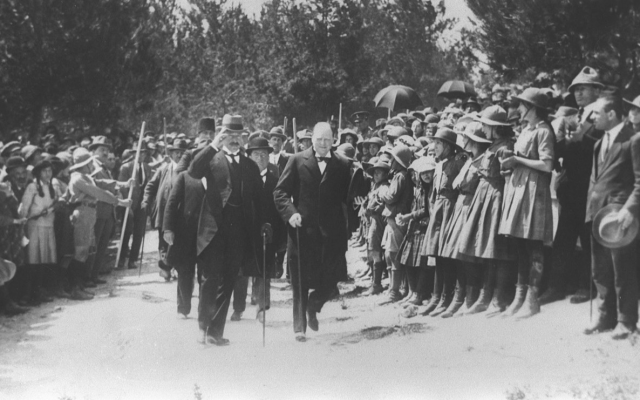 Then-British Home Secretary Winston Churchill with Sir Herbert Samuel during a visit to Jerusalem in March 1921. (Public domain)
Compared to the Zionists’ polished, well-organized and comparatively well-funded public-relations operation, the memo was an underwhelming effort. Typographical errors abounded, with the title page even misspelling “Palestine.”
Jews, it said, were “clannish and unneighborly,” active across the globe as “advocates of destruction” who amassed wealth while impoverishing their countries of residence. It recommended he read “the Jewish Peril,” better known as the “Protocols of the Elders of Zion.” The memo’s tone was threatening to the extent of self-sabotage. Yet viewed in hindsight, it was also prophetic.
“The Arab is noble and large-hearted, he is also vengeful and never forgets an ill deed. If England does not take up the cause of the Arabs, other Powers will,” it said. “If she does not listen, then perhaps Russia will take up their call one day, or perhaps even Germany.”
As for the Balfour Declaration, it “is a contract between England and a collection of history, imagination and ideals existing only in the brains of Zionists who are a company, a commission but not a Nation.”
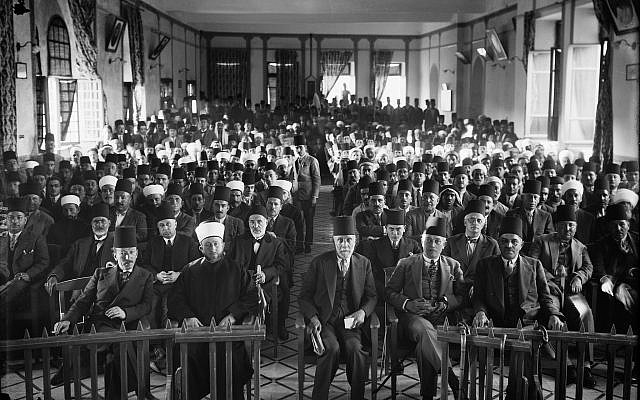 A Palestinian protest meeting against Jewish settlement of then-British Mandate Palestine. (Courtesy Ian Black)
The Jews were scattered across the earth, said the memo. “Religion and language are their only tie. But Hebrew is a dead language and might be discarded. How then could England conclude a treaty with a religion and register it in the League of Nations? … the Arabs have not been consulted, and will never consent,” it said.
If the Arabs’ message was calculated to galvanize Churchill, it badly misfired. He rebuffed their pleas, telling them:
“It is manifestly right that the Jews should have a National Home where some of them may be reunited. And where else could that be but in this land of Palestine, with which for more than 3,000 years they have been intimately and profoundly associated? We think it will be good for the world, good for the Jews and good for the British Empire. But we also think it will be good for the Arabs who dwell in Palestine.”
And yet if Churchill hoped his remarks would persuade the Arabs that resisting the Jewish national home was futile, he too had miscalculated. His fulsome defense of Zionism appears to have only inflamed them more.
May Day
The first of May 1921 was “May Day,” the international day of labor solidarity. Two processions were scheduled for the occasion, both planned by Jews. One was by Ahdut Ha’avoda (Labor Unity), a new party headed by David Ben-Gurion and Berl Katzenelson, in Tel Aviv. Their rally was authorized.
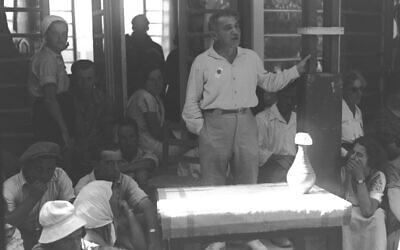 In 1937, Labor leader Berl Katzenelson addresses a youth rally at Ben Shemen. (Zoltan Kluger/GPO) / The other, in Jaffa, was by the far smaller Socialist Workers Party, which dreamed of a Soviet Union of Palestine and had distributed flyers in Yiddish and Arabic to that effect. Theirs was not.
The twin labor marches collided in Manshiya, a mixed Arab-Jewish quarter in Jaffa surrounding the Hassan Bek Mosque. Fists flew, and one female Marxist was knocked down and suffered a bad head wound.By then some Arab residents of Jaffa had assembled in Manshiya. They were perturbed by the rising frequency of immigrant boats docking at Jaffa Port in the few years since the British arrived and World War I ended, unloading some 20,000 Jews upon their shores. And they had come under the impression that most Jews were Bolsheviks, and that Bolsheviks opposed property, marriage and religion itself.
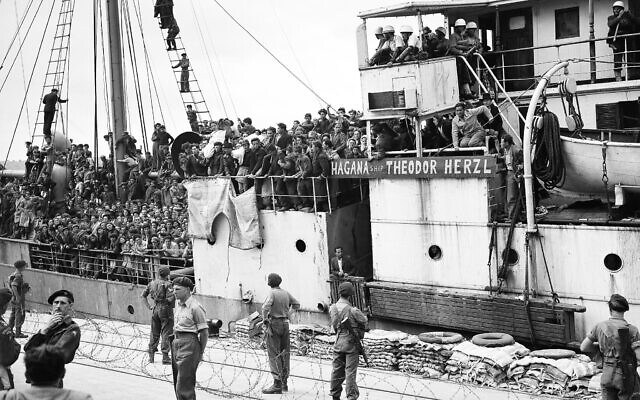 Jewish refugees, arriving in Haifa, Palestine on April 14, 1920, aboard the Theodore Herzl support on their shoulders the bodies, in white shrouds, two of their compatriots, whom refugees charge were slain when the Theodore Herzl was boarded by British personnel after unsuccessfully attempting to run the British blockade. (AP Photo/Tom Fitzsimmons)
Two members of the nascent Palestine Police — constables Cohen and Tawfiq Bey — worked stoutly to keep their respective communities apart. Then one of their British comrades fired in the air, and in the confusion it was unclear who had opened fire and at whom.
There were now several thousand people in Manshiya, where according to a subsequent commission of inquiry, “a general hunting of the Jews began.” Jews were assaulted — some fatally — in their homes and shops with blunt instruments, and afterward women, children and even the elderly came to loot. Three high-ranking Arab effendis including the mayor arrived to calm tempers but found Manshiya’s main street entirely pillaged. The dead and wounded were carried to Tel Aviv’s Herzliya Gymnasium, Palestine’s first Hebrew-language high school.
Meanwhile, another crowd gathered at the Jewish immigrant hostel in Jaffa’s Ajami neighborhood, where some 100 new arrivals were staying until they could find work. To the immigrants’ relief, a pair of Arab policemen arrived. But they too began shooting at the hostel and its main gate. A superior ordered them to stop, but then went home for lunch. The officers kept firing, the gate was opened, and the mob poured in.
Some men tried fleeing into the street and were beaten to death with sticks and wooden boards. Others were killed in the hostel courtyard. One Arab policeman attempted to rape several women; other Arab neighbors gave shelter to the desperate Jews. Several hours passed before a small contingent of British troops arrived from Lod and Jerusalem.
An Arabic account of the period describes the events in rather different terms. In the telling of the fighter-chronicler Subhi Yasin of Shefa-‘Amer (which the Jews called Shfaram), it was the Zionists who were the bellicose party. Their aggression was not physical but demographic and political: their unwavering determination to make Palestine their own.
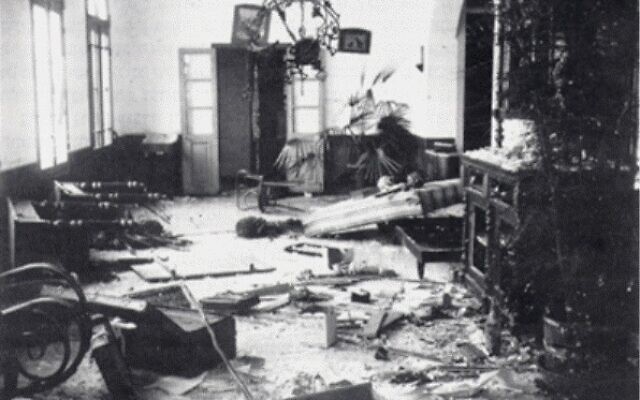 Damage to a home in the city of Hadera caused during the 1921 riots. (Courtesy of author)
“Anxiety reigned over the sad fate awaiting the land and people due to the British policy that would make Palestine into the Jewish national homeland, and in the brave Arab city of Jaffa a new revolt erupted on the 1st of May 1921. Arab freedom fighters set upon the Zionist immigrants’ center and killed several Jews… Dozens of Arab freedom fighters were martyred by the bullets of the British police… treacherous bullets fired to protect the Jewish aggressors,” Yasin wrote.
A year earlier had seen an attack in Jerusalem’s Old City on the Muslim festival of Nebi Musa, and against the one-armed warrior Joseph Trumpeldor and his comrades at Tel Hai in uppermost Galilee. However these strikes, while shocking to the Yishuv, had inflicted death tolls in the single digits — five and eight respectively.
Moreover, the earlier incidents had occurred under a temporary military administration left over from the war, which was considered both hostile to Zionism and ill-equipped to maintain law and order. The 1921 assault played out under a new, civil administration headed by Herbert Samuel, who as the first Jew in Britain’s Cabinet had been crucial in laying the groundwork for the Balfour Declaration four years prior.
Worse, this time it was on an utterly different order of magnitude. By day’s end, 27 Jews were dead and more than 100 were wounded. Moshe Shertok (later Sharett), a Zionist activist from Palestine then studying in London, wrote his siblings back home: “The catastrophe ” — the shoah, in Hebrew — “came abruptly.”
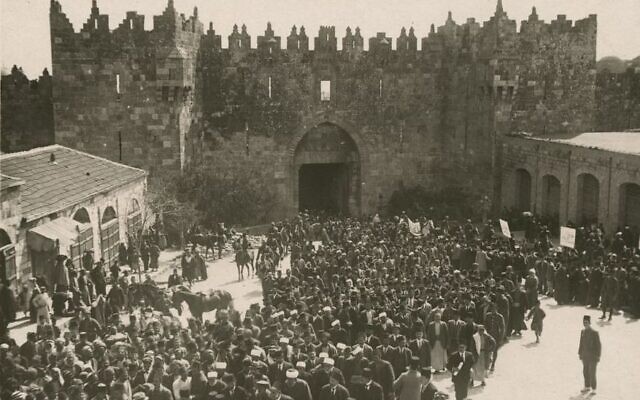 Palestinian Arabs gather at the Damascus Gate in Jerusalem, in an anti-Zionist demonstration on March 8, 1920, prior to the Nabi Musa holiday on which violent rioting took place. (Public domain)
The second day
In the Jaffa satellite village of Abu Kabir, Arabs were massing near the grand, faded 19th-century home that locals called the Red House. A family of recent immigrants from Russia had rented it from an effendi named Mantoura. They ran a dairy farm and sublet rooms on the upper floor. Four of the boarders at the time were writers; one was Yosef Haim Brenner.
Brenner, himself Russian-born, had been in Palestine over a decade and was among the pioneers of modern Hebrew literature. His work tussled with the same questions occupying so many Jews at the time: faith or doubt; separateness or universalism; sensuality or asceticism; Hebrew or Yiddish; Old World, New World or Old-New Land. He wore a shabby black wool coat and left his hair and beard long. He seemed an amalgam of a character in Hasidic legend and what the Russians called a yurodivi, a holy fool.
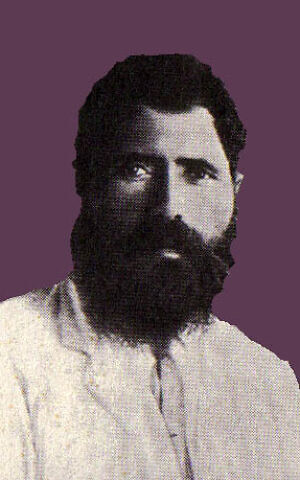 Author Yosef Haim Brenner, who was murdered in the 1921 Jaffa riots. (Public domain)
Brenner admired the Arabs’ rootedness in the land, but likened them to a dormant volcano. An ardent Zionist, he nonetheless feared Palestine could never provide the safe haven for Jews that the movement’s founders envisioned: “You want to provide refuge for an injured sparrow in a rooster’s coop?” he wrote.
“Tomorrow, perhaps, the Jewish hand writing these words will be stabbed, a ‘sheikh’ or ‘hajj’ will drive his dagger into it in full view of the English governor,” he had written shortly before, “and that Jewish hand will be unable to do anything… for it does not know how to hold a sword.”
The day after the Jaffa riots, Brenner and his fellow boarders determined the Red House was unsafe and left for Tel Aviv on foot. At the time, rumors were circulating that Jews had killed Arab children. The gossip was exaggerated but not without some basis: In Manshiya Jews were found beating a number of Arabs, including a woman and a boy.
Brenner’s group got as far as the nearby Sheikh Murad cemetery, where mourners were burying policeman Mahmoud Zeit’s son, killed the day before in unclear circumstances. A lynching ensued: Four of the Jews were killed with rods and hatchets; two others, including Brenner, by gunfire. His body was found the next day, face down and naked below the waist.
“A horrible murder,” investigators later wrote, describing him as a “Jewish author of some repute.” Brenner’s group and dozens of victims from Jaffa were buried in a common grave at Tel Aviv’s one and only cemetery.
The Haganah — the Jewish self-defense group founded just the year before — forbade acts of revenge, but not all its members were inclined to listen. History would record the May 1921 riots as not just the worst blow yet landed to the Zionist settlement enterprise, but the first time Jews from the Yishuv launched acts of revenge.
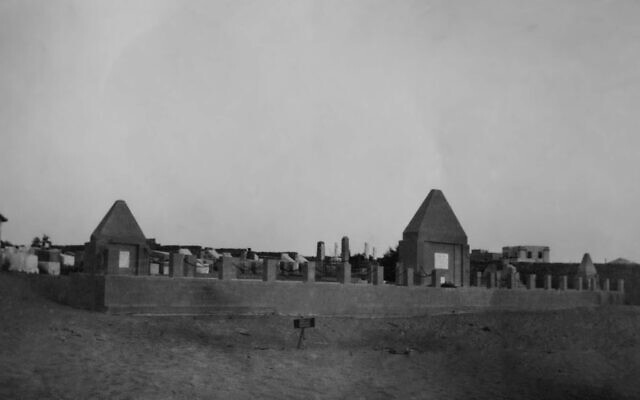 A monument to victims of the 1921 rioting in Tel Aviv. (Courtesy of Nazarian Library, University of Haifa)
A person identified in the Haganah archives only as “A.S.” recalled that on the riots’ second day, he called together eight volunteers, all armed with automatic weapons. He told them to break into Arab homes and destroy everything, sparing only small children. They achieved “good results,” he said.
History would record the May 1921 riots as the first time Jews from the Yishuv launched acts of revenge
A baker named Ibrahim Khalil al-Asmar said Jews entered his home, beat him with wooden sticks and pointed a revolver at him. In Yiddish he pleaded: “I have not been out; I have not done anything.” Eliyahu Golomb, father of the Haganah, confirmed that one of the group’s members had gone rogue and killed a hunchbacked Arab, with his children, in an orange grove. “The Jews are doing terrible things,” wrote a student at the Herzliya Gymnasium.
The official Haganah history book notes there was “a grain of truth” to allegations of Jews, including at least one policeman, shooting Arab civilians. The assailants were acquitted for lack of evidence, the book observes, “but the deeds themselves were done.”
The riots spread to other Jewish villages — Kfar Saba, Rehovot, Hadera — causing extensive damage but no casualties. On May 5, a massive contingent of Bedouin reported to be several thousand struck Petah Tikvah, killing four Jews, wounding a dozen more and requiring British air strikes to quell. A Jewish architect working for the British used his connections to “lend” the Haganah weapons from the Jaffa armory (the ruse was revealed just last year).
It was nearly a week before order was restored. At least 100 people were dead, almost equally split between Jews and Arabs, with some 150 Jews and 75 Arabs wounded. As far as could be discerned, the fallen Jews were all killed by Arabs. Of the Arabs killed, the majority succumbed to the bullets and bombs of British troops and police. How many, innocent or complicit, were slain by Jews will likely never be determined.
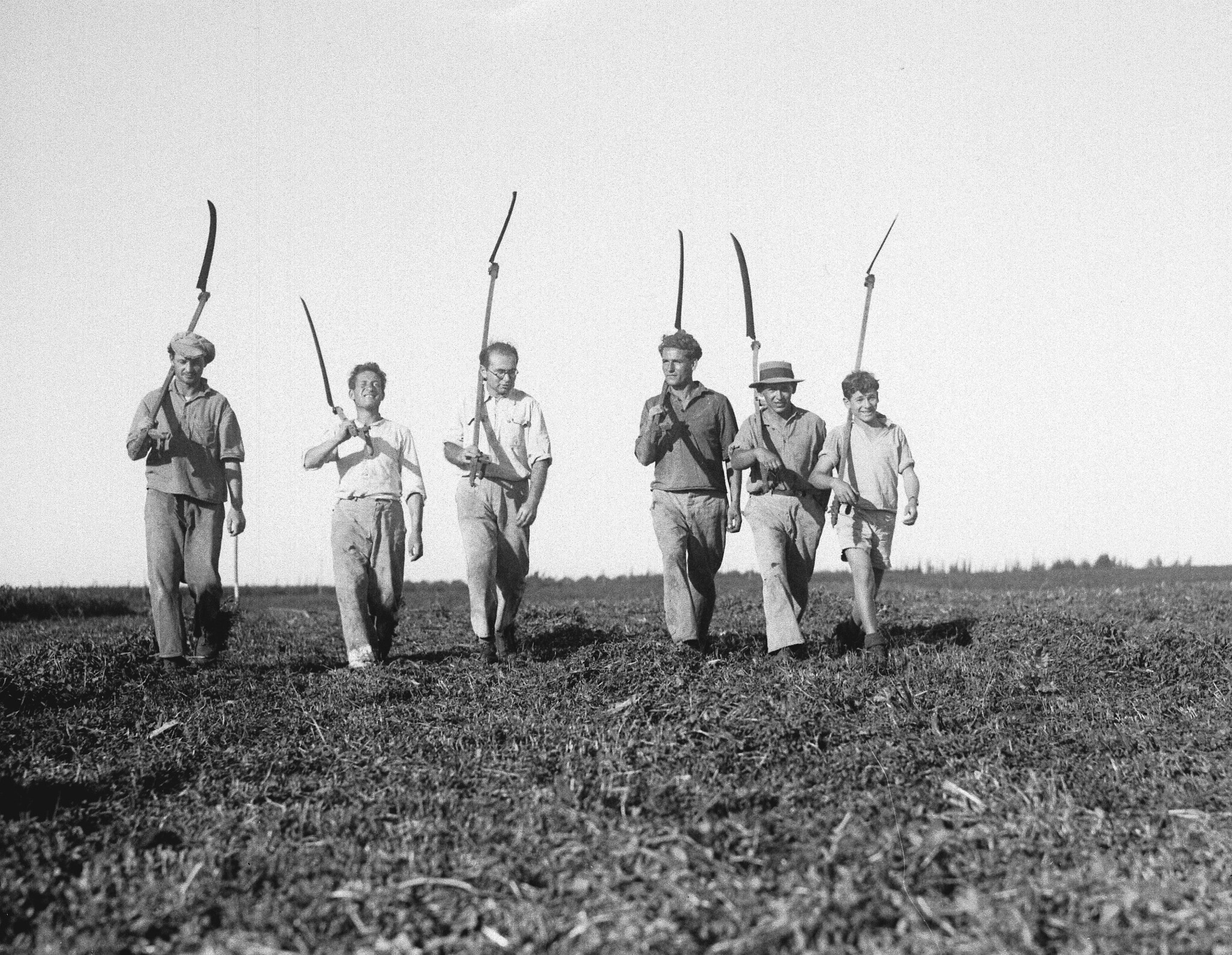
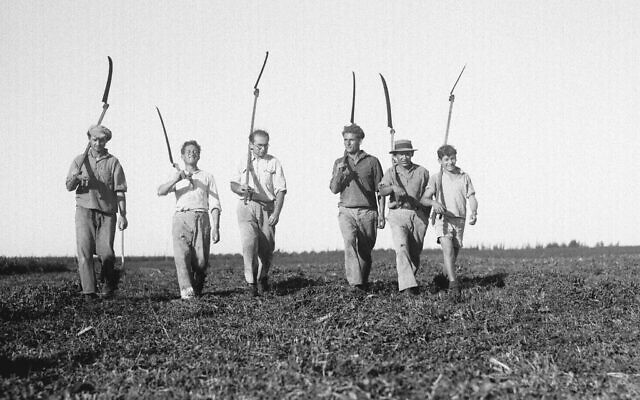 Farmers in 1937 on their way to cut fodder in the fields of Kibbutz Givat Brenner, named after Hebrew-language Yosef Haim Brenner who was killed in May 1921. (Zoltan Kluger/GPO)
Palliatives
The same day that order was restored, High Commissioner Samuel appointed a commission of inquiry headed by Thomas Haycraft, the jurist newly arrived from the island of Grenada to serve as the inaugural chief justice of Palestine’s supreme court.
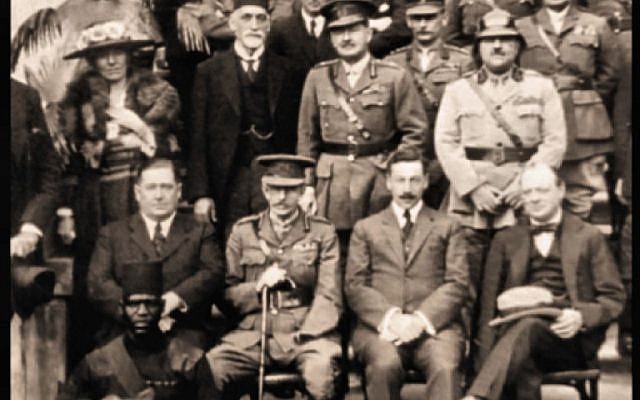 Photo taken at the Cairo Conference of 1921. Seated: from right: Winston Churchill, Herbert Samuel. Standing first row: from left: Gertrude Bell, Sir Sassoon Eskell, Field Marshal Edmund Allenby, Jafar Pasha al-Askari. (Wikimedia commons)
And just a day after that, Samuel named Hajj Amin al-Husseini, a relative of the former mayor, as mufti of Jerusalem. The younger Husseini had fled the country the year before amid allegations of inciting the Nebi Musa riots, but Samuel had subsequently pardoned him as a goodwill gesture. Now he was on track to be the most powerful man in Arab Palestine (within months Samuel created a Supreme Muslim Council, which Amin soon headed too), with consequences more profound than anyone at the time conceived.
Further palliative measures followed. To conciliate the Jews, a small number of arms were distributed to each Jewish community — a British wink at the technically illegal Haganah. To conciliate the Arabs, Samuel temporarily suspended immigration, and a handful of ships were forced to return to Europe with their despondent migrants. Ben-Gurion, on a fundraising trip to London when the riots broke out, would need to wait three months to return.
In a speech in Jerusalem a month after the riots, Samuel labored to calm nerves. The Jews, however, quickly realized that his words were aimed not at allaying their anxieties but the Arabs’. The high commissioner affirmed he would “never impose upon them a policy which the people had reason to think was contrary to their religious, their political, and their economic interests,” and in any case “the conditions of Palestine are such as do not permit anything in the nature of a mass immigration.”
The assurances failed to placate Arab fears.
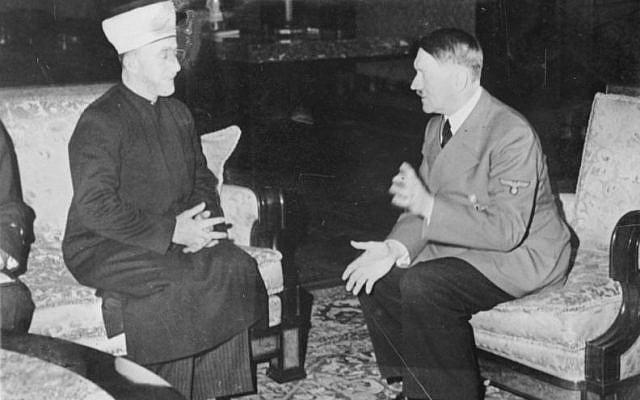 Hitler hosts Grand Mufti Haj Amin al-Husseini in 1941 in Germany. (Heinrich Hoffmann Collection/Wikipedia)
“The bloodshed which occurred in Jaffa and the Bolshevik principles which the Jewish immigrants are spreading in Palestine are but the natural result of the Balfour Declaration,” warned the Jerusalem newspaper Bayt al-Maqdis. “In this critical hour we once again appeal to the Government to retract that Declaration and that policy, before the situation worsens and the Government finds itself unable to quench the fires of disorder.”
We cannot patiently watch our homeland pass into others’ hands. Either us or the Zionists!
“We cannot patiently watch our homeland pass into others’ hands. Either us or the Zionists!” said members of the Palestine Arab Executive. “There is no room for both elements struggling together in the same area. The laws of nature require that one side be defeated… There is no escaping the fact that one of us must win.”
‘Much to revenge’
The Haycraft Commission worked for 10 weeks and heard nearly 300 witnesses. That autumn it issued its report. It attributed the instigation of the slaughter squarely to the Arabs, castigating their “savagery” and “brutality.” The Jews acted with equal ferocity, it contended, “but they had much to revenge [sic].”
After deploring the violence, the commission laid out its causes. Arab fury, it concluded, came from fears of Jewish demographic, economic and political domination. It said the Zionist leadership had failed to allay the Arabs’ fears — on the contrary, it had only magnified them — and recommended Britain clearly and publicly enunciate its plans for Palestine.
That enunciation came in the form of the 1922 White Paper, known to posterity as the Churchill White Paper but largely written by Samuel himself. It reaffirmed the Balfour Declaration’s vision of a Jewish national home in Palestine, but rejected any idea of creating a wholly Jewish Palestine, one “as Jewish as England is English.” Such a project would be impracticable, it said, and was not Britain’s aim. Crucially, it determined that immigration should continue, but only insofar as allowed by the country’s “economic capacity… to absorb new arrivals.”
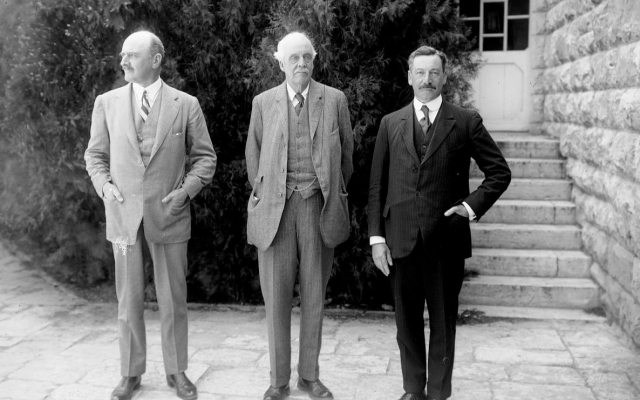 From left, Lords Edmund Allenby, Arthur Balfour and Sir Herbert Samuel, at Hebrew University in 1925. (Library of Congress)
The Zionists were irate, but for his part Churchill remained devoted as ever to their program. In parliament a month later, he chastised colleagues who would bin Balfour.
Yes, he acknowledged, there had been sporadic violence, but even a million pounds a year would not be too high a price for Britain’s “guardianship of this great historic land, and for keeping the word she has given before all the nations of the world.”
Palestine’s development was a boon to the British Empire as much as to the Arabs, he reiterated.
“I am told that the Arabs would have done it themselves. Who is going to believe that? Left to themselves, the Arabs of Palestine would not in a thousand years have taken effective steps towards the irrigation and electrification of Palestine. They would have been quite content to dwell — a handful of philosophic people — in the wasted sun-scorched plains, letting the waters of the Jordan continue to flow unbridled and unharnessed into the Dead Sea,” Churchill said.
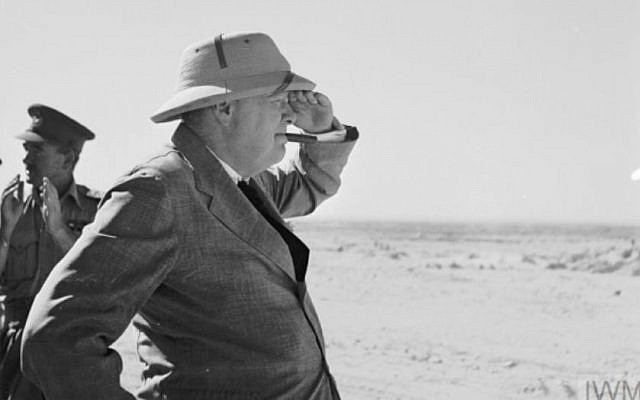 Illustrative: Then-British Home Secretary Winston Churchill on a visit to the British Mandate of Palestine in March 1921, nearly three decades before it became the Jewish state. (Churchill Museum)
Shortly after, Churchill again hosted Palestinian-Arab leaders in London. Again he rejected their demands for self-government and the abrogation of the national home.
“The British Government mean to carry out the Balfour Declaration. I have told you so again and again. I told you so at Jerusalem. I told you so at the House of Commons the other day. I tell you so now… We intend to bring more Jews in. We do not intend you be allowed to stop more from coming in,” Churchill said.
‘Calamity’
Publicly, Zionists leaders continued to insist the riots had been the work of a few criminals, or a handful of effendis anxious that their capacity to exploit Arab peasants was being imperiled. Certainly, they assured the British, there was no consolidated Palestinian-Arab national movement to speak of.
Ben-Gurion exemplified the predominant denial of the time. Throughout the 1920s, he continued to insist Arab opposition was a small-scale phenomenon, to be overcome by educating the Arab masses on the brotherhood of the working classes and the material benefits of Zionism.
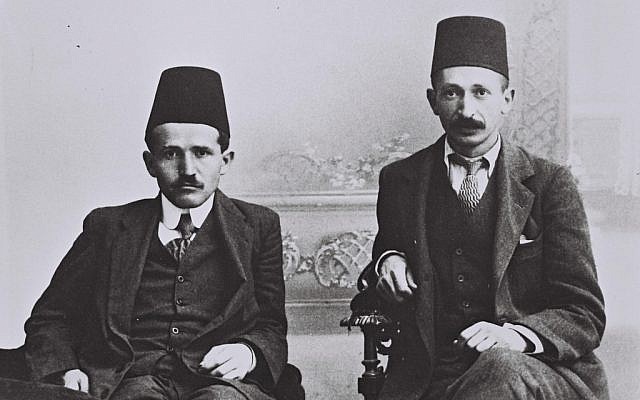 Illustrative: David Ben Gurion, left, and Yitzhak Ben Zvi, right, as law students in Turkey in 1912. (photo courtesy the GPO)
One Zionist leader in Palestine, Jacob Thon, dissented. Blaming the outburst on the effendis was fine as a tactic, he said, but “between ourselves, we should realize that we have to reckon with an Arab national movement. We ourselves — our own [actions] — are speeding the development of the Arab national movement.”
Another dissenter was a new immigrant from Germany, fast climbing the Zionist ranks, named Haim Arlosoroff. It was true, he wrote, that by European standards Palestine lacked a recognizable Arab national movement. Arab education was too undeveloped, its commerce too limited, its industry non-existent. The Arabs had too many squabbles: Effendi against peasant, Muslim against Christian, family against family. Religion moved the masses more than any notion of nationhood. Under such circumstances, he reckoned, no recognizable national movement existed, nor could it anytime soon.
Between ourselves, we should realize that we have to reckon with an Arab national movement
But denying something was afoot among Palestine’s Arabs was a grave mistake, “like a doctor who stands at the bedside of a patient wallowing in malarial fever and denies the existence of the disease because the patient’s blood does not resemble those he is used to seeing under his microscope,” Arlosoroff said.
Is there an incipient Arab movement in Palestine? “There is,” Arlosoroff concluded, bolding the text for emphasis, and dismissing its significance would bring “calamity.”
The aftermath
The relative calm that followed the 1921 riots allowed the national home to progress. In summer 1922 the League of Nations Council confirmed the draft of the Palestine Mandate, and a year later it came into effect. Fulfilling Zionist hopes and labors, the Mandate’s text enshrined the Balfour Declaration’s call facilitating the Jewish national home, while at the same time safeguarding Arab civic and religious — but not, explicitly, political — rights. Lord Balfour himself visited in 1925 to inaugurate the Hebrew University, and the Jews feted him with a gourmet picnic in Petah Tikvah in the same field where blood had run four years before.
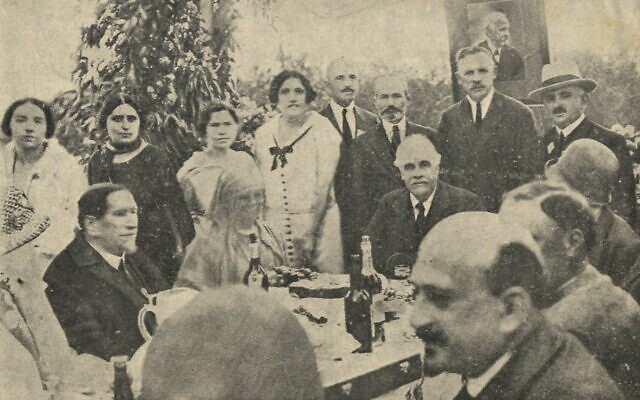 Lord Balfour, seated at head of table, banqueting in the spot where the riots had taken place in 1921. Chaim Weizmann, future first president of Israel, can be seen in the foreground. (Courtesy Weizmann Institute)
By decade’s end, the placidity had proven an illusion. The year 1929 brought massacres in Hebron and Safed that surpassed anything seen in 1921. And spring 1936 saw the eruption — once again, in Jaffa — of the Great Arab Revolt, Palestine’s first “intifada,” which flamed not for days but three years, leaving not dozens but more than 500 Jews dead, along with several hundred British personnel and several thousand Arabs.
A war for the ages
It is an intriguing counterfactual exercise to ponder how Zionist leaders of a century ago might react if they knew that in 2021, despite a handful of peace deals, the Arab-Jewish war rages on. For some, such as Herbert Samuel or the American head of Hebrew University Judah Magnes, the thought of potentially endless strife was too dreadful to contemplate and justified significantly rolling back Zionist ambitions — above all, on the pace of immigration — for the sake of peace. For others, it was an unnerving but unavoidable reality to be confronted without illusions.
Ben-Gurion’s own evolution on the question came around the late 1920s or early 1930s. By the mid-’30s he appears to have concluded that Jewish and Arab aspirations for Palestine were mutually exclusive, condemning both to a “war of life and death” unlikely to subside anytime soon.
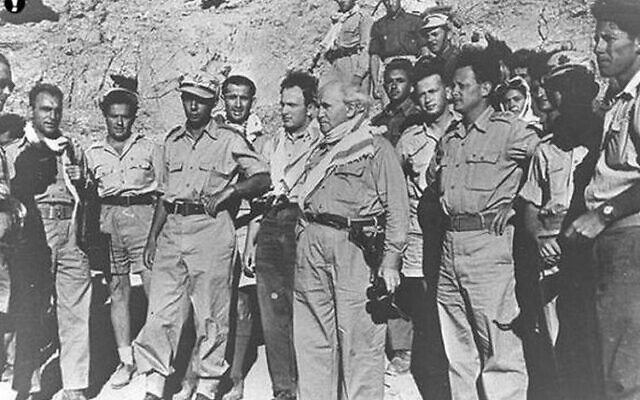 Illustrative; Prime Minister David Ben-Gurion, Southern Front Commander Yigal Allon (to his right) and Yitzhak Rabin (between them) pictured on the southern front during the 1948 War of Independence. (IDF / Wikipedia)
Shortly before the outbreak of the 1936 Arab Revolt, Ben-Gurion confided to Magnes that the difference between them was that the latter was prepared to sacrifice large-scale immigration for peace, while to him, for whom peace was also dear, the imperative of Zionism stood above all others. To the Arab intellectual George Antonius, he said, “If we have to choose between pogroms in Germany and Poland, and in Palestine, we prefer the pogroms here.”
And at the peak of the Arab Revolt, 10 years before Israel’s birth, Ben-Gurion gave a remarkably candid address to colleagues, one that surveyed the future with a mix of nearly fatalistic acceptance and determination.
The Arabs are not to blame if they do not want this country to stop being Arab… our enterprise is aimed at turning this land into a Jewish one
“Let us not delude ourselves: We are facing not terror but war. This is a national war the Arabs have declared upon us. Terror is just one of its means,” Ben-Gurion said.
“There are two peoples” in Palestine, Ben-Gurion said, drawing out the key words for weight. “The Arabs are not to blame if they do not want this country to stop being Arab… our enterprise is aimed at turning this land into a Jewish one.”
The Jews faced not an uprising of hundreds of armed men, nor even of thousands, but of the entire Arab people, he said. They should expect years of armed conflict; they should assume the struggle against them will grow fiercer.
“We have losses, bitter losses,” Ben-Gurion told them, “and they may continue for perhaps hundreds of years.”
Oren Kessler is a Tel Aviv-based writer and analyst, and the former deputy director for research at the Foundation for Defense of Democracies in Washington. His first book, “Fire Before Dawn: The First Palestinian Revolt and the Struggle for the Holy Land,” is forthcoming from Rowman & Littlefield.
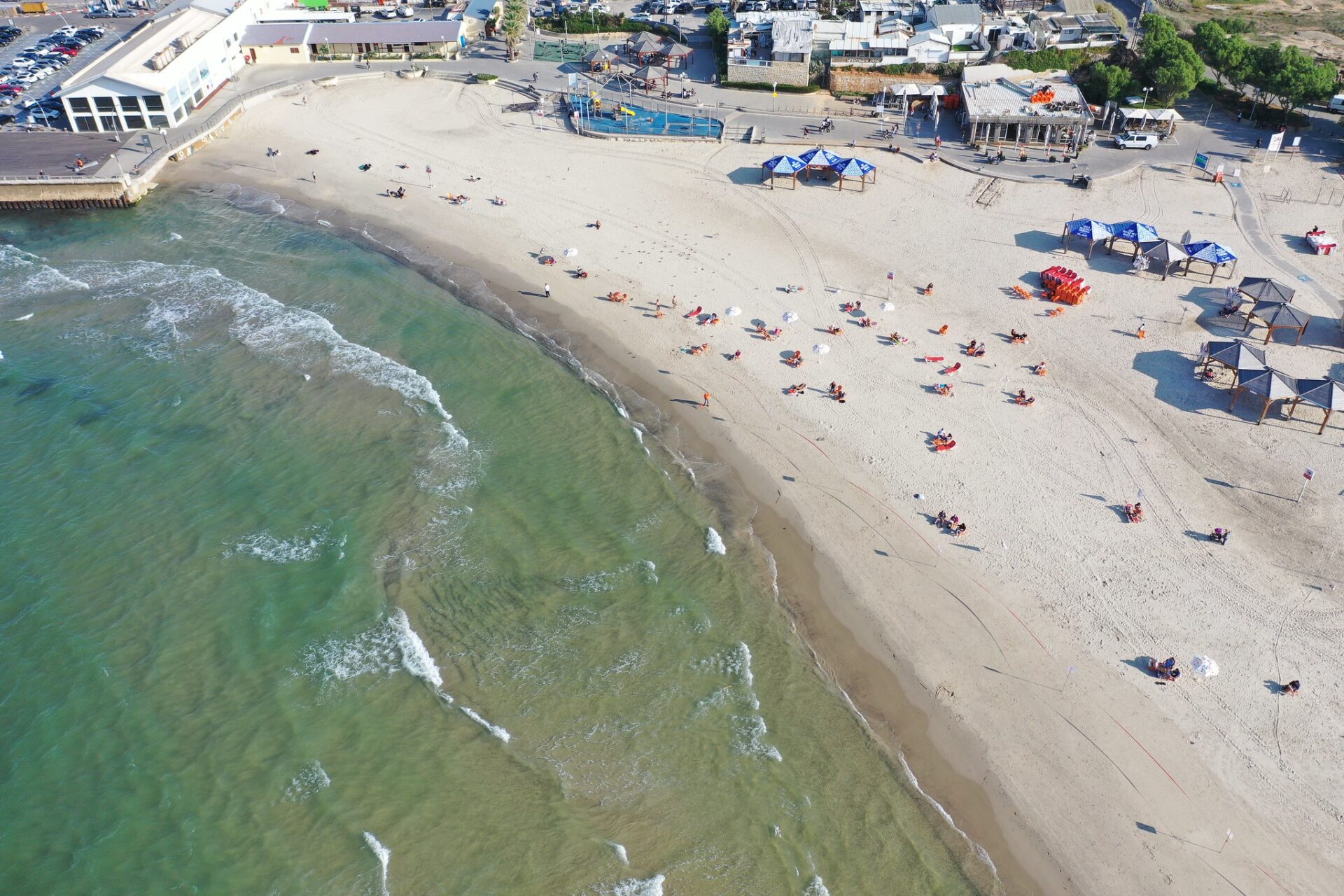
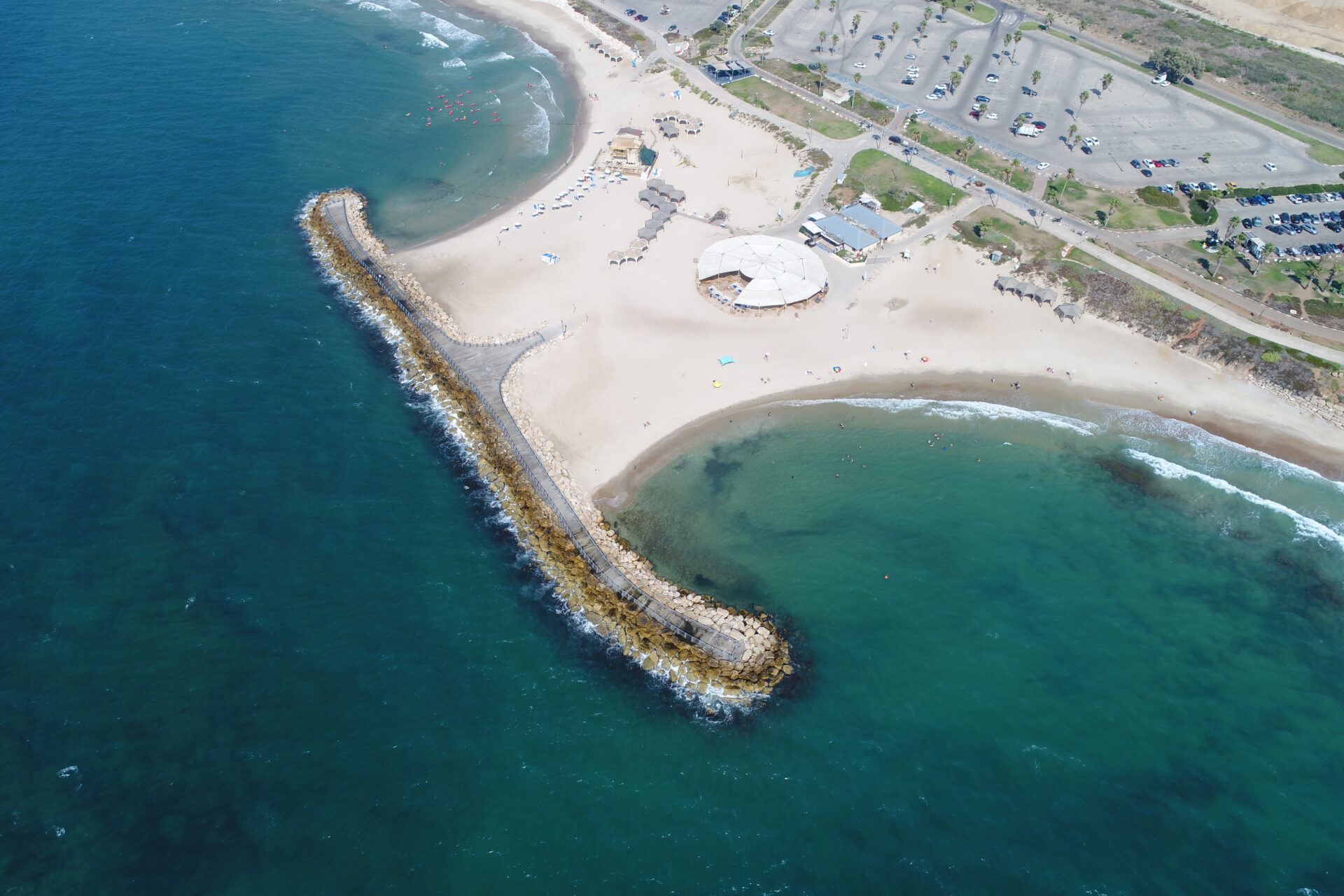
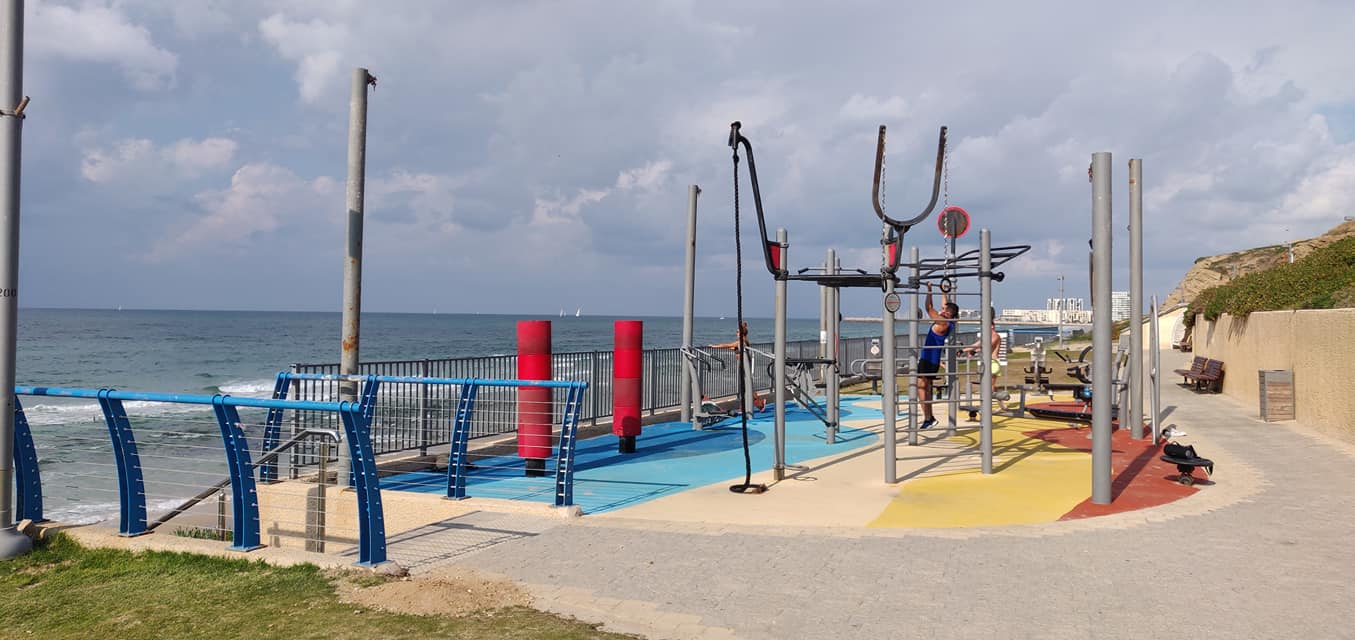
 The ultimate guide to Tel Aviv’s 12 beaches
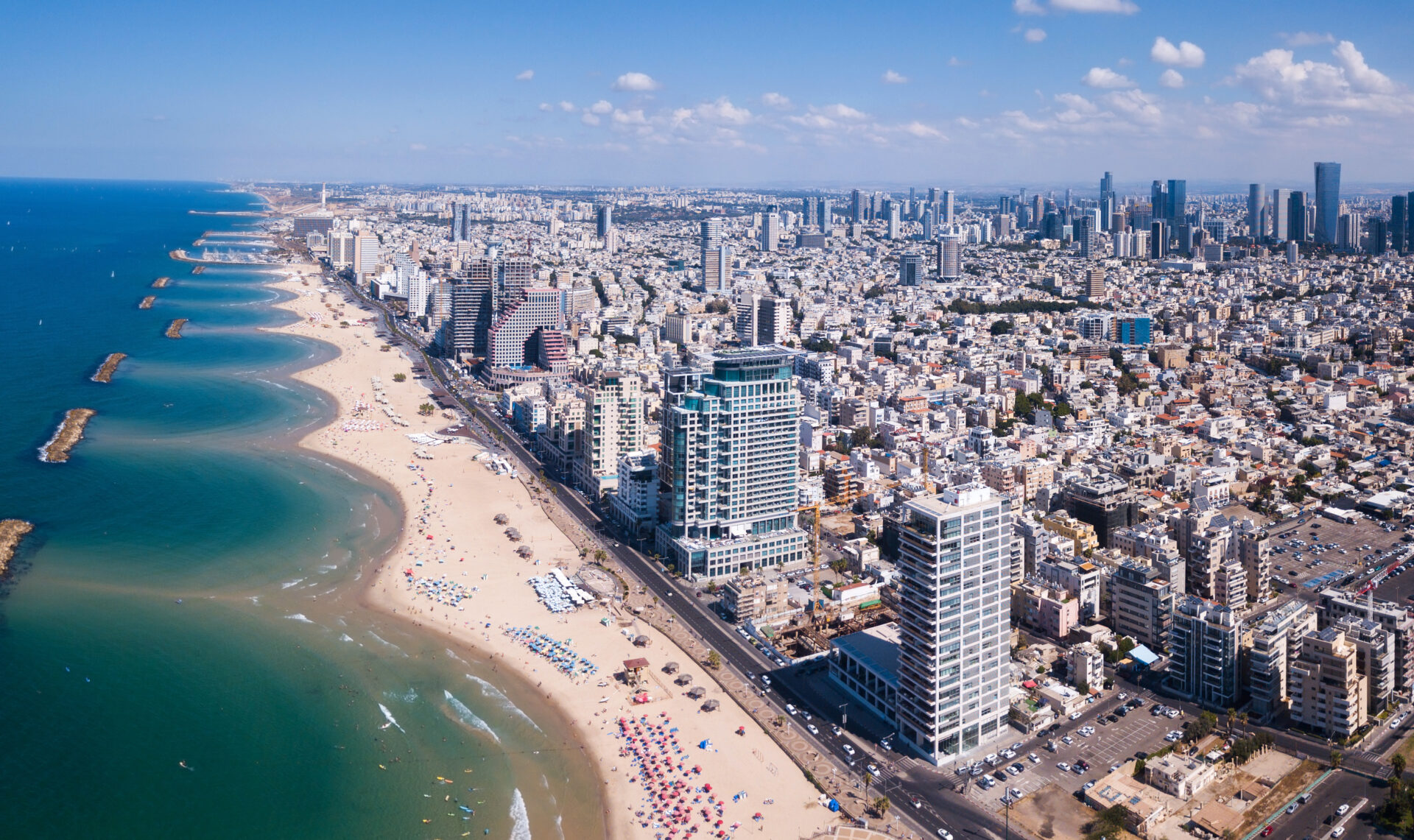 The long stretch of beautiful golden beaches off Tel Aviv. Photo by Shutterstock
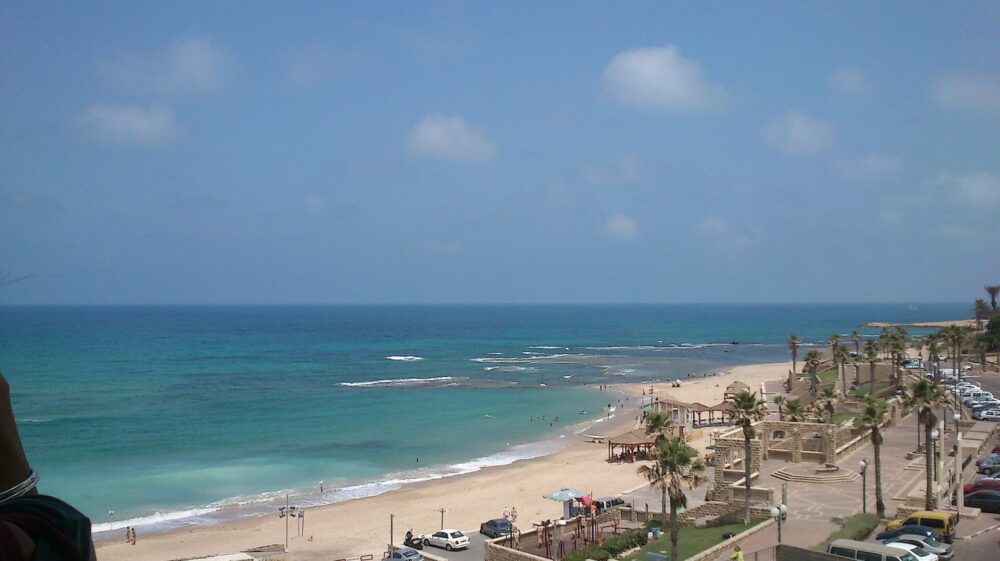 Givat Aliyah Beach (Ajami beach). Photo by Danny Saville, Creative Commons, Wikimedia Commons
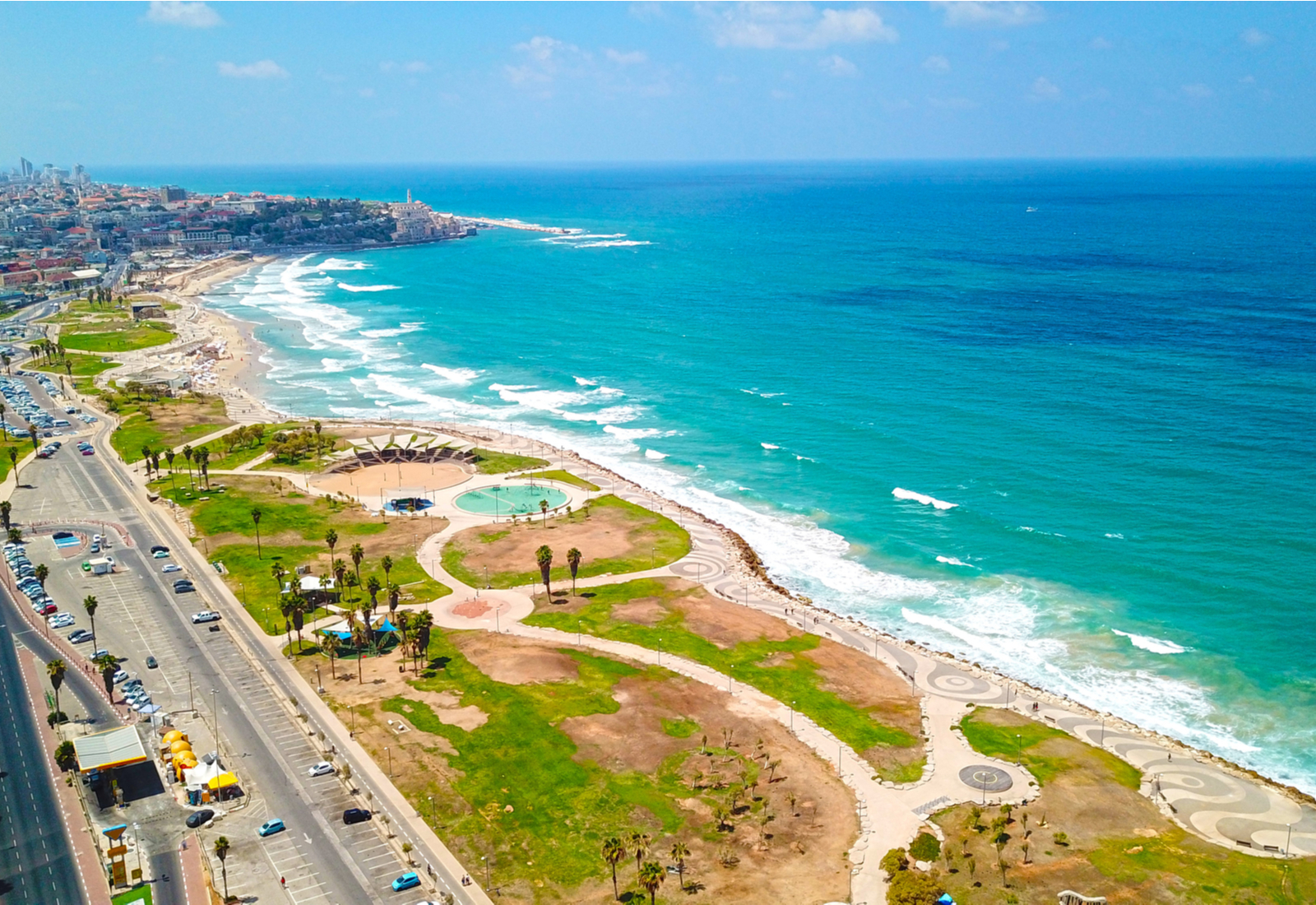 Charles Clore Park and beach. Photo by Yuval Cohen Drones via Shutterstock
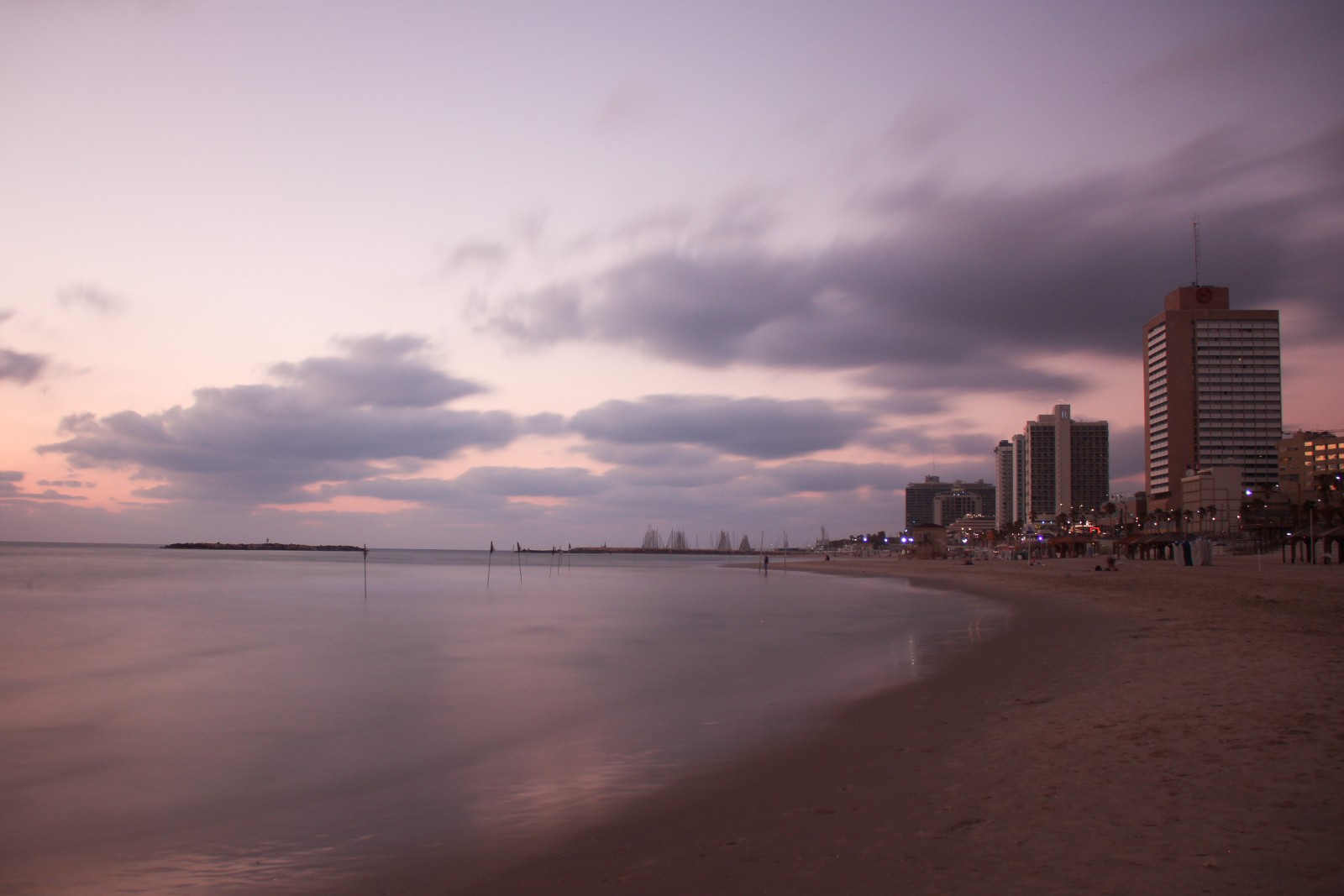 Sunset at Banana Beach, Tel Aviv. Photo by Matthew Hechter/Flash90
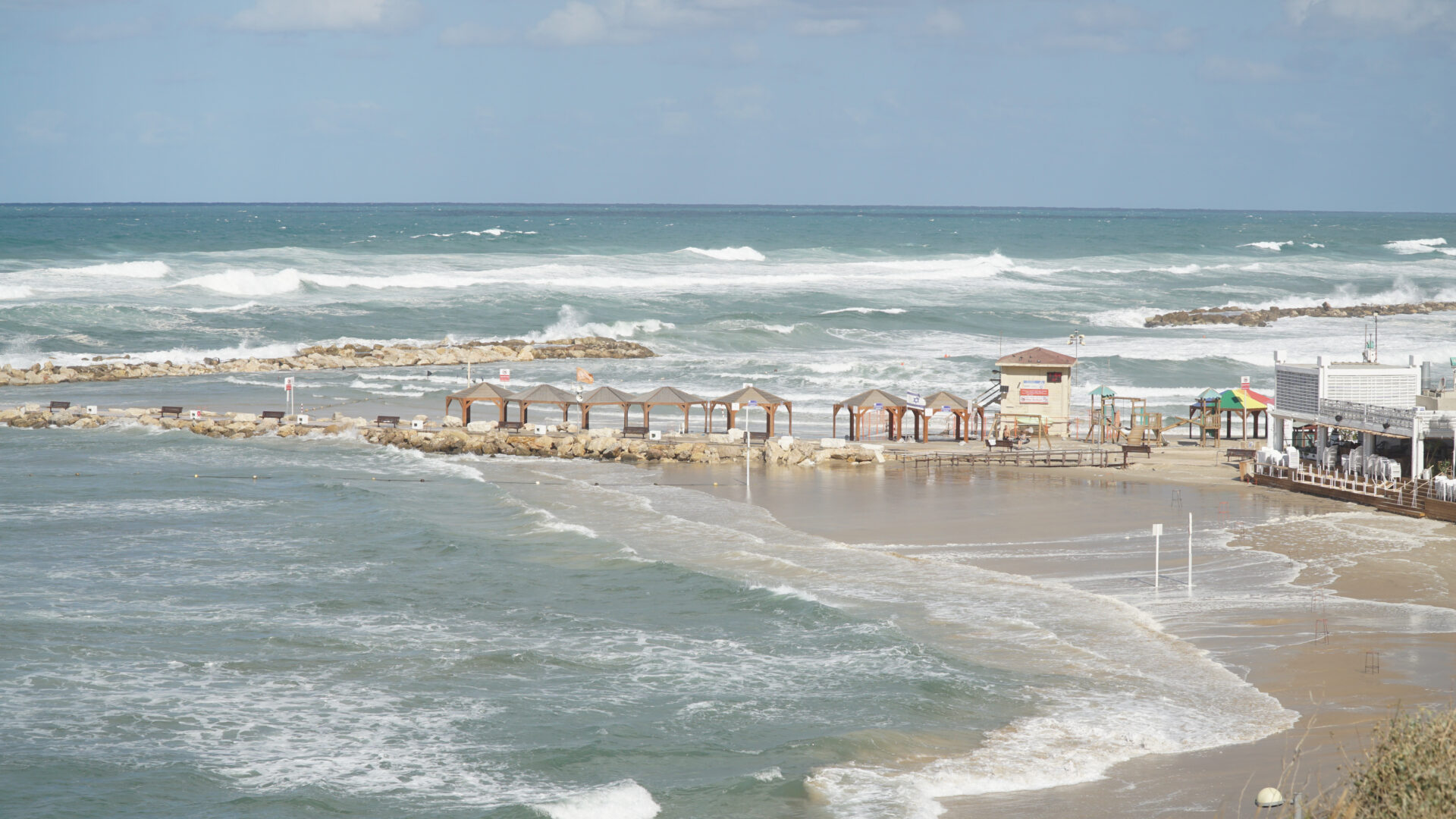 Waves in the ocean at the beach front of Jerusalem Beach in Tel Aviv, Israel. Photo by Shutterstock


 TV7 Israel News