Archives

Simon Cowell to Be New Judge on ‘The X Factor Israel’

Simon Cowell to Be New Judge on ‘The X Factor Israel’

Shiryn Ghermezian


Simon Cowell. Photo: Nicky Nelson / WENN.com.

British television personality and veteran music producer Simon Cowell will be a judge on the upcoming fourth season of Israel’s “The X Factor,” it was announced on Wednesday.

“Over the years we have discovered incredible talents from around the world through the ‘X Factor’ format. I can barely wait to see what the Israelis have to offer,” said the music mogul and creator of “The X Factor,” whose father was Jewish.

The new season will air on Reshet 13 and in a statement the network highlighted that “this is the first time Simon Cowell is coming to judge in a country outside of the US and Great Britain.”

“This is a huge achievement for Israeli TV,” it noted.

The network added that Cowell would help select his fellow judges for the new season of the show and a spokeswoman for Reshet 13 said filming was slated to begin in a few months, according to Variety.

“Cowell is one of the biggest and most influential music figures in the world,” said Reshet, “and his participation as a judge in the Israeli format provides an opportunity for international exposure for Israeli singers.”

The third season of “The X Factor Israel” was hosted by supermodel Bar Refaeli and aired on Channel 13 between October 2017 and January 2018.

Past judges have included rapper Subliminal, pop star Ivri Lider, R&B singer Shiri Maimon and singer-songwriter Moshe Peretz.

Cowell created the original version of “The X Factor” for the UK and served as a judge for its first seven seasons before leaving to launch the US version of the show, which is now produced in 56 territories around the world.

He was a judge on “The X Factor” in the US for three seasons between 2011-13.

The show did not air in the UK in 2020 for the first time in 16 years.

Cowell also created “Britain’s Got Talent.”

He was replaced as a judge on “America’s Got Talent” earlier this year as he recovered from back surgery following an electric bike accident.

He is also working on a new competition series for CBS called “50 States to Stardom,” Deadline revealed in October.


Zawartość publikowanych artykułów i materiałów nie reprezentuje poglądów ani opinii Reunion’68,
ani też webmastera Blogu Reunion’68, chyba ze jest to wyraźnie zaznaczone.
Twoje uwagi, linki, własne artykuły lub wiadomości prześlij na adres:
webmaster@reunion68.com


Sweet-toothed Canaanites imported exotic food to Israel 3,600-years ago

Sweet-toothed Canaanites imported exotic food to Israel 3,600-years ago

PHILIPPE BOHSTRÖM


Analysis of teeth of individuals who lived in Megiddo then show that the Canaanites imported exotic food from India and Southeast Asia.
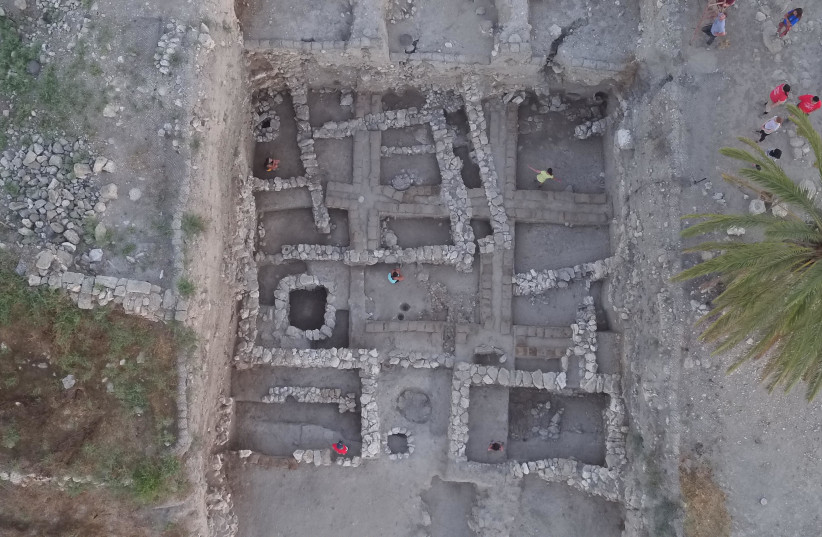
Excavations in Megiddo (Area K, where some of the investigated graves were discovered) /  (photo credit: MEGIDDO EXPEDITION)

Bronze Age cuisine in Israel included exotic foodstuffs, such as bananas, soybeans and turmeric, according to a new study published in the journal PNAS. It pushes back the evidence for these foods by centuries.

The conclusion is based on analysis of micro-remains and proteins preserved in the tooth tartar of individuals who lived in Megiddo and Tel Erani during the Bronze Age and the Iron Age.

“Human dental calculus is wonderful material, full of information about past food habits,” Prof. Philipp W. Stockhammer said. “By studying calculus from Bronze and Iron Age [remains] at the Levant, we are able to trace otherwise often invisible food and can get insights into individual nutrition.”

Fig. 1: Excavation of the burial ground at Tel Erani (IAA)

The study was carried out by an international team of experts from LMU Munich, Harvard University and the Max Planck Institute for the Science of Human History in Jena, Germany.

The authors show that in addition to Levantine plants, such as chickpeas, lentils, barley, wheat, grapes, figs and dates, the Canaanite inhabitants also ate bananas, soybeans, sesame, turmeric and other exotic spices – typical ingredients of Middle Eastern cuisine today (except for soybeans and bananas).

The research proves that Mediterranean cuisine was diverse and that exotic foods from Asia had arrived several centuries, and sometimes millennia, earlier than had been previously thought.

The origin of the fruits and plants was proven by detailed analysis of the remains of 18 individuals found in Megiddo and Tel Erani excavations, including plant remains and proteins that have remained preserved in human dental calculus over thousands of years.

The human mouth is full of bacteria that continually petrify and form calculus. Tiny food particles become entrapped and preserved in the growing calculus, and these remnants can be accessed for scientific research.

“This enables us to find traces of what a person ate,” Stockhammer said. “Anyone who does not practice good dental hygiene will still be telling us archaeologists what they have been eating thousands of years from now.”

Turmeric in Megiddo
Previously, researchers thought the Middle Eastern diet contained mostly bread. In fact, archaeologists excavating in Jericho found that the most abundant item in the destruction apart from pottery was grain. As a result, they concluded that Canaanites ate a lot of grain.

Bread was such an important part of the diet that in Hebrew, the expression to “eat a meal” literally meant to “eat bread.” Cereals used to make bread, such as wheat, barley, oats, spelt and millet, made up a large portion of the Bronze Age Canaanite diet. Researchers estimate that a person would consume some 200 kg. of cereals a year, providing about half of their needed calories.

The international team of archaeologists and experts was surprised to find that sesame had become a staple food in the Levant by the second millennium BCE.

Two additional protein findings were particularly remarkable. Turmeric and soy proteins were found in the dental calculus of one individual from Megiddo in the 16th-15th century BCE, while banana proteins were identified in another individual from Tel Erani 500 years later.

“The Megiddo individual who revealed evidence for soybeans and turmeric was buried in an elaborate family burial, stone built, meaning that he was probably a member of the city’s elite,” said Prof. Israel Finkelstein, who is co-director of the Megiddo excavation along with Dr. Mario M. Martin of Tel Aviv University.

In another recent study from Megiddo, evidence of vanilla was discovered in the elite tomb there.

“These foods were clearly something special and priced as such,” Martin said. “The evidence for far-distance trade is not altogether unexpected. It is certainly exciting to be able to prove the actual existence of these foodstuffs in the southern Levant.”

While the elites of Megiddo could afford luxury goods, such as turmeric, the individual from Tel Erani, where the banana proteins were identified, seemed to have belonged to the rural population.

“The Erani individual was only buried in one flask, a standard vessel, nothing special with regard to the archaeological context and no indication for elevated status,” Stockhammer said.

Other evidence, such as cinnamon, was verified several years ago and is found considerably later during the Iron Age, he said.

Nonetheless, all three foods are likely to have reached the Levant via South Asia. Bananas were originally domesticated in Southeast Asia, where they had been used since the fifth millennium BCE, arriving in West Africa 4,000 years later. But little is known about their intervening trade or use.

“Our analyses thus provide crucial information on the spread of the banana around the world,” Stockhammer said. “No archaeological or written evidence had previously suggested such an early spread into the Mediterranean region.”

The sudden appearance of bananas in West Africa just a few centuries later indicated that such a trade might have existed, he added.
“I find it spectacular that food was exchanged over long distances at such an early point in history,” Stockhammer said.

Milk, honey and bananas

Until now, there has been little evidence regarding these culinary descriptions painted in ancient sources. The variety of foods, such as grapes, pistachios, almonds, pomegranates and figs, found in Canaan during the Bronze Age is highlighted in the Bible (Genesis 43:11, Numbers 13:23) and in second-millennium textual sources from the Near East.

For instance, Assyrian cuneiform tablets record donkey caravans between the Mesopotamian city of Aššur and the Anatolian trade post of Kaneš in the 19th century BCE and in the 15th century BCE during the reign of Amenhotep IV, commonly referred to as Akhenaten.

The flow of exotic goods, such as ivory, ostrich eggshells, ebony and frankincense, flourished, as indicated by clay tablets from el-Amarna, Egypt, priceless letters that contain correspondence from the city kings of Canaan to the foreign office of the Pharaoh, which throw light on the conditions in Canaan in the 14th century BCE.

Among the most well-known of these accounts is an expedition initiated by Egypt’s Queen Hatshepsut to the land of Punt (probably located in the Horn of Africa region) in the 15th century BCE. In addition, seals, stone weights, lapis lazuli and carnelian jewelry weights provide evidence for long-distance trade between the Near East and the Indian subcontinent.

“In fact, we can now grasp the impact of globalization during the second millennium BCE on East Mediterranean cuisine,” Stockhammer said. “Mediterranean cuisine was characterized by intercultural exchange from an early stage,”

The extent to which spices, oils and fruits were imported is not yet known. But there is much to indicate that trade was taking place.
There is other evidence of exotic spices in the Eastern Mediterranean. For example, Pharaoh Ramses II was buried with peppercorns from India in 1213 BCE. They were found in his nose.


Zawartość publikowanych artykułów i materiałów nie reprezentuje poglądów ani opinii Reunion’68,
ani też webmastera Blogu Reunion’68, chyba ze jest to wyraźnie zaznaczone.
Twoje uwagi, linki, własne artykuły lub wiadomości prześlij na adres:
webmaster@reunion68.com


News From Israel- Dec 31, 2020

News From Israel- Dec 31, 2020

ILTV Israel News


Israel health minister says the Moderna vaccine will arrive in the country by march, at the latest
–
Victoria’s Secret Bath and Body Works
–
ILTV bids farewell to 2020 with our favorite and most popular stories of the last 12 months


Zawartość publikowanych artykułów i materiałów nie reprezentuje poglądów ani opinii Reunion’68,
ani też webmastera Blogu Reunion’68, chyba ze jest to wyraźnie zaznaczone.
Twoje uwagi, linki, własne artykuły lub wiadomości prześlij na adres:
webmaster@reunion68.com


Treating enlarged prostate without surgery or drugs

Treating enlarged prostate without surgery or drugs

Brian Blum


Butterfly Medical’s device, so far approved in Europe, is inserted in a quick outpatient procedure to allow free flow of urine.

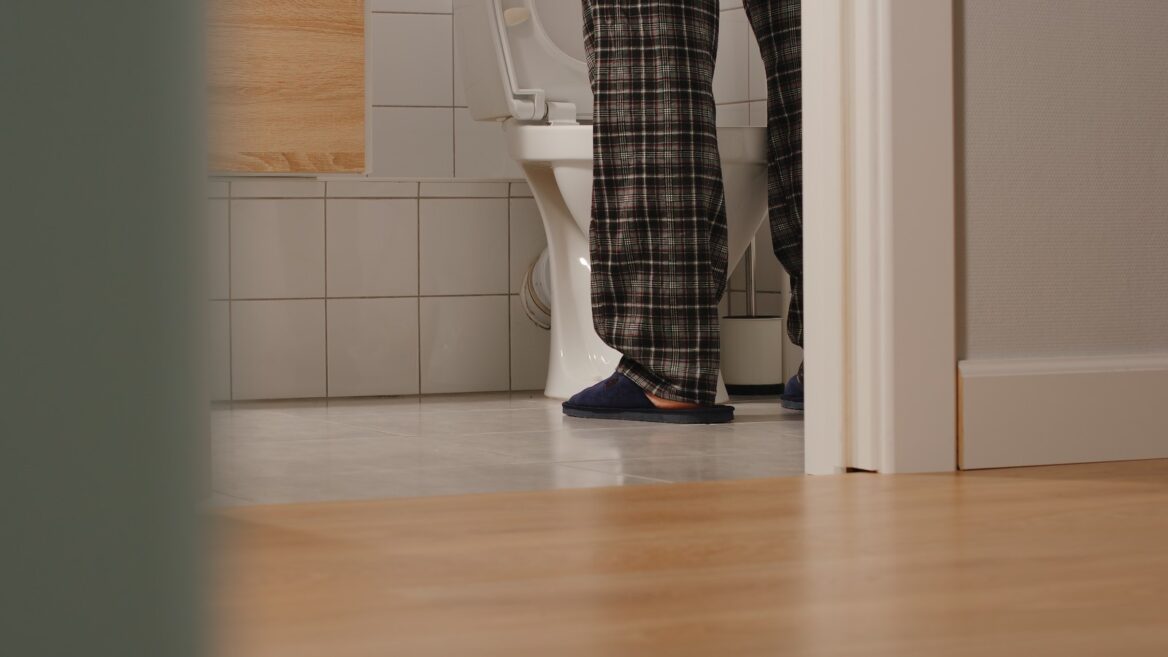
BPH causes urination difficulties for millions of men. Illustrative photo via Shutterstock.com

Half of men over age 51 — and 90 percent of men over 80 — suffer from non-cancerous benign prostatic hyperplasia (BPH). That means they have trouble urinating because of an enlarged prostate.

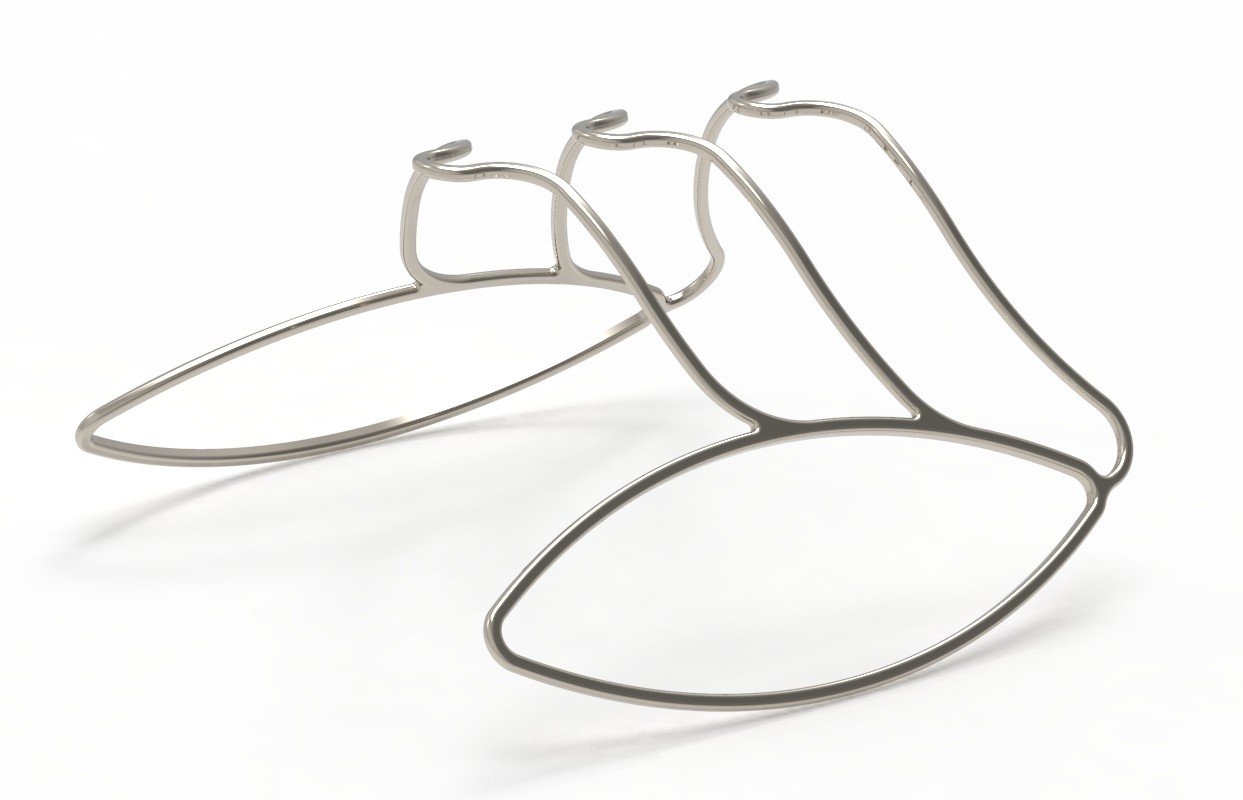
Butterfly Medical has developed an innovative metal coil, shaped roughly like a butterfly, to stop BPH symptoms without drugs or surgery.

Any urologist can insert the device in an outpatient procedure in less than 10 minutes.

For the 30 million men around the world with BPH, Butterfly is a potential gamechanger.

Pharmaceutical and surgical alternatives such as TURP (transurethral resection of the prostate) – as well as ablative technologies such as laser, steam and radio frequency energy to shrink prostate tissue — all can have serious side effects, including erectile dysfunction.

“Plus, if you do surgery, it’s a one-way street,” Idan Geva, Butterfly Medical’s CEO, tells ISRAEL21c.

Butterfly’s approach is reversible. If it doesn’t work, whether after two weeks or two years, the device can be removed the same way that it went in – using a flexible cystoscope inserted into the urethra under local anesthesia.

Go with the flow

Butterfly’s device pushes out the lateral lobes of the overgrown or sagging prostate so that urine can flow easily from the bladder to the urethra.

This is somewhat like the stents placed into arteries to open blood-flow blockages. Geva says stent-like attempts to address BPH over the years have failed because “a stent wouldn’t conform to the anatomy of the prostatic urethra” and furthermore would get covered by calcium deposits from the urine flowing through it.

Butterfly’s implant is made of a metal called nitinol. Geva says nitinol is flexible at cold temperatures, which is how it can be inserted. It then expands and becomes hard at body temperature.

The Butterfly Medical device for treating BPH. Photo: courtesy

The device appears deceptively simple, almost like a bent paperclip. In fact, it took several years of R&D to perfect.

Part of the complexity is that there are no animal models on which to test BPH problems. “The endpoint of our trials is a questionnaire where we talk to patients,” Geva adds. “Animals can’t tell you if they feel better.”

Prostates can grow anywhere from 30 grams to 100 grams – and in rare cases by as much as 200 to 300 grams. Therefore, Butterfly is making its device in five different sizes.

In extreme cases, an enlarged prostate will block the flow of urine entirely. In most others, it makes urination difficult and/or causes a feeling of urgency that sends men to the bathroom in the middle of the night.

CE Mark of approval

The market Butterfly is addressing is growing like, well, an enlarged prostate and is one of the most prevalent diseases in aging men.

Butterfly aims to improve upon the first and, to date, only approved non-surgical, non-pharmaceutical approach to BPH.

In 2013, NeoTract’s UroLift system received FDA approval. UroLift also is a medical device inserted into the prostatic urethra but kept in place with anchoring needles. Medical device giant Teleflex acquired NeoTract in 2017 for $1.1 billion. Teleflex says about 200,000 patients have been outfitted with the device so far.

“We thought we can achieve similar dilation but in a simpler, more efficient manner,” Geva explains.

Butterfly still has a few hurdles to jump over on its way to catch UroLift. While the Butterfly device has already received European Union CE approval, it’s only for its first-generation device, which addresses small prostate enlargement of 30-40 grams.

The company is now applying for approval of its latest device and conducting clinical tests in Israel. Butterfly has been following 49 patients in trials over the past two years and reports that the effect appears to be lasting, Geva says.

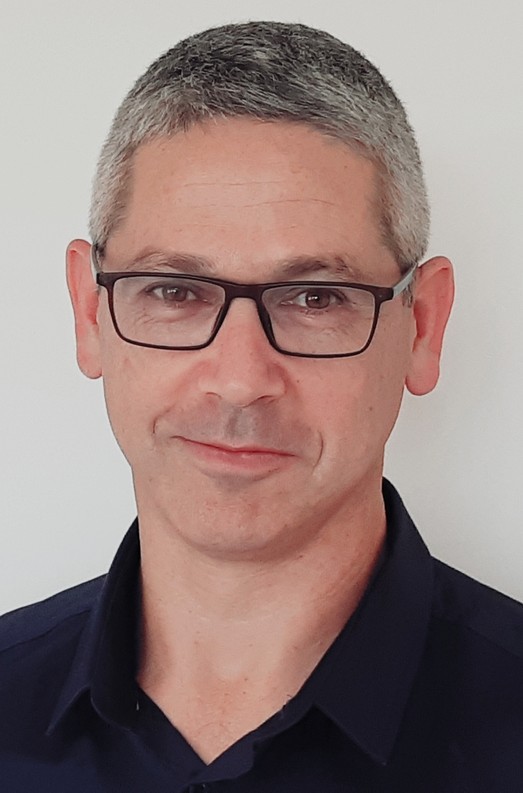
Butterfly Medical CEO Idan Geva. Photo: courtesy

The company raised $2 million at the end of 2019 and another $7 million in Series B funding in October 2020, the latter with the aim of opening U.S. trials by early 2021 to receive FDA approval.

New Rhein Healthcare Investors, a boutique investment firm that normally specializes in pharmaceutical products, invested $5 million of the latest round. Butterfly has also received funding from the Israel Innovation Authority.

The six-person company grew out of Shimon Eckhouse’s Alon Medtech Ventures incubator in Yokneam, where Butterfly still has its headquarters.

Eckhouse, who has founded or invested in more than 20 medical technology companies, is Butterfly Medical’s chairman. Geva worked formerly for Abbott Laboratories, one of the leading producers of medical stents. He received his MBA from the University of California-Berkeley.

Butterfly’s two co-founders come from the medical-device space: Yehuda Bachar, a mechanical engineer and serial entrepreneur who serves as Butterfly’s VP of R&D, and urologist Dr. Adrian Paz, the company’s chief marketing officer.

Butterfly has plans to spread its wings to address additional medical issues affecting the prostate. “There’s a lot of room for progress,” Geva says.


Zawartość publikowanych artykułów i materiałów nie reprezentuje poglądów ani opinii Reunion’68,
ani też webmastera Blogu Reunion’68, chyba ze jest to wyraźnie zaznaczone.
Twoje uwagi, linki, własne artykuły lub wiadomości prześlij na adres:
webmaster@reunion68.com


News Israel- Dec 29, 2020

News Israel- Dec 29, 2020

ILTV Israel News


#Israel hits a new landmark milestone in the fight against the #coronavirus.
–
New parties and political partnerships take form ahead of 4th elections in March.
–
A new Israeli discovery looks to completely reshape the world of #sustainable agriculture.


Zawartość publikowanych artykułów i materiałów nie reprezentuje poglądów ani opinii Reunion’68,
ani też webmastera Blogu Reunion’68, chyba ze jest to wyraźnie zaznaczone.
Twoje uwagi, linki, własne artykuły lub wiadomości prześlij na adres:
webmaster@reunion68.com