Archive | 2026/03/26

Palestyńczycy: nadal zdeterminowani, by sprzymierzać się z wrogami Zachodu

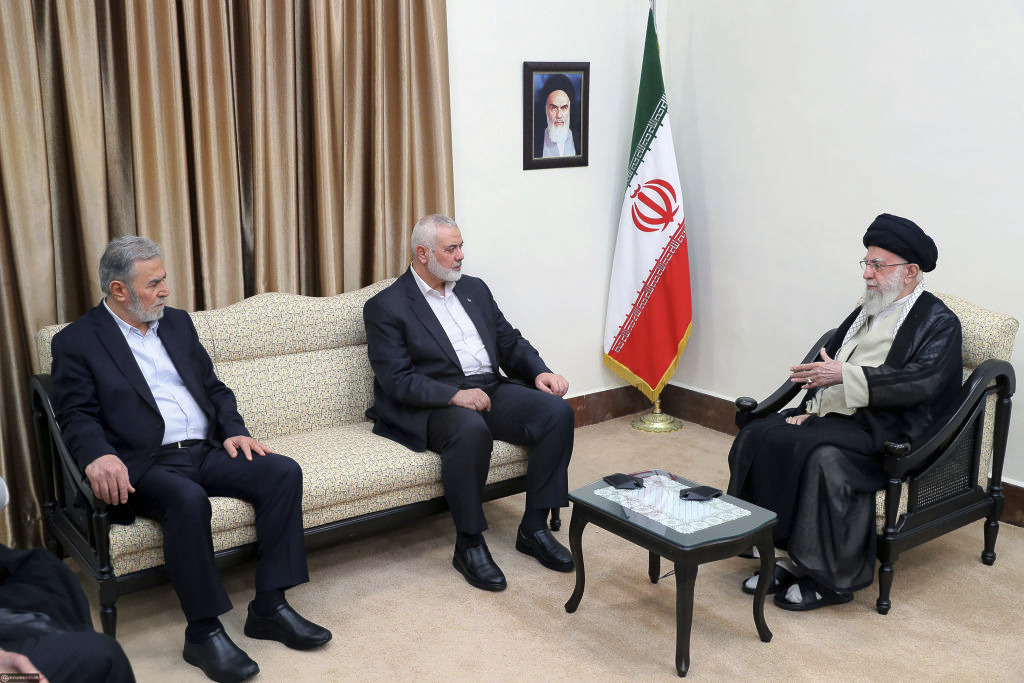
Na zdjęciu: nieżyjący już Najwyższy Przywódca Iranu ajatollah Ali Chamenei (z prawej) spotyka się ze nieżyjącym już Ismailem Haniyehem (w środku), szefem biura politycznego Hamasu, i Ziyadem an-Nachalahem, sekretarzem generalnym Palestyńskiego Islamskiego Dżihadu, 30 lipca 2024 roku. (Zdjęcie: Biuro Prasowe Najwyższego Przywódcy Iranu za pośrednictwem Getty Images)

Palestyńczycy: nadal zdeterminowani, by sprzymierzać się z wrogami Zachodu

Khaled Abu Toameh
Tłumaczenie: Andrzej Koraszewski


Palestyńskie deklaracje poparcia dla irańskiego reżimu należy postrzegać jako bezpośrednie zagrożenie nie tylko dla Izraela, lecz także dla USA. Na zdjęciu: nieżyjący już najwyższy przywódca Iranu ajatollah Ali Chamenei zapowiada uzbrojenie Zachodniego Brzegu. (Znaczną część tej zapowiedzi zdołał wykonać przed odejściem ze stanowiska.)

Krótko po rozpoczęciu nalotów na Iran 28 lutego kilka palestyńskich ugrupowań, w tym Hamas i Palestyński Islamski Dżihad (PIJ), wydało ostre potępienia Izraela i USA oraz wyraziło poparcie dla irańskiego reżimu. Wezwały także Arabów i muzułmanów do zjednoczenia się przeciwko Izraelowi i Stanom Zjednoczonym.

Palestyńskie poparcie dla irańskiego reżimu nie było zaskoczeniem. Przez dziesięciolecia reżim w Teheranie zapewniał znaczące wsparcie finansowe i militarne zarówno Hamasowi, jak i PIJ. To wsparcie stanowi fundament irańskiej strategii “Osi Oporu”, której celem jest projekcja wpływów regionalnych w celu przeciwdziałania interesom Izraela i USA na Bliskim Wschodzie.

W przeszłości Palestyńczycy poparli inwazję irackiego dyktatora Saddama Husajna na Kuwejt w 1990 r.

W 2003 r. Palestyńczycy wyszli na ulice, by wyrazić poparcie dla Saddama Husajna przeciwko amerykańskiej inwazji. Niektórzy z nich skandowali: “Drogi Saddamie, zbombarduj Tel Awiw”. Wielu Palestyńczyków opowiadało się również po stronie wspieranej przez Iran organizacji terrorystycznej Hezbollah w poprzednich rundach walk z Izraelem.

W konsekwencji Palestyńczycy utracili poparcie kilku państw arabskich, w tym tych, które wcześniej udzielały im pomocy finansowej, zwłaszcza Arabii Saudyjskiej i Kuwejtu.

Od tego czasu, według różnych doniesień, Iran przekazuje palestyńskim organizacjom terrorystycznym do 100 mln dolarów rocznie, z czego większość trafia do Hamasu. Dokumenty przejęte przez Siły Obronne Izraela (IDF) w 2024 r. ujawniły, że Iran przekazał około 154 mln dolarów zbrojnemu skrzydłu Hamasu w latach 2014–2020. Irański reżim zapewnił ponadto Hamasowi wiedzę techniczną umożliwiającą lokalną produkcję rakiet w Strefie Gazy. Członkowie zbrojnego skrzydła Hamasu, Brygad al-Kassam, przeszli również specjalistyczne szkolenia w Iranie z zakresu obsługi bezzałogowych statków powietrznych oraz sabotażu celów wojskowych.

Bez wsparcia Iranu Hamas nie byłby w stanie przeprowadzić 7 października 2023 r. inwazji na Izrael oraz zamordować, torturować, okaleczać, gwałcić i uprowadzić setek Izraelczyków oraz cudzoziemców.

PIJ jest również w znacznym stopniu uzależniony od Iranu, otrzymując około 70 mln dolarów rocznie, a także broń, szkolenia techniczne i wsparcie logistyczne ze strony irańskiego Korpusu Strażników Rewolucji Islamskiej (IRGC).

Sprzymierzając się z irańskim reżimem, palestyńskie organizacje terrorystyczne sprowadziły śmierć i zniszczenie na własny naród w Strefie Gazy, zwłaszcza po inwazji na Izrael w 2023 r. Grupy te nie dbają jednak o dobro i bezpieczeństwo swoich ludzi i są gotowe poświęcić tysiące Palestyńczyków w ramach dżihadu (świętej wojny) mającego na celu zniszczenie Izraela.

Zlikwidowany najwyższy przywódca Iranu Ali Chamenei nigdy nie ukrywał swoich poglądów na temat Izraela i USA. Jeszcze w ubiegłym roku nazwał Izrael “rakowym guzem” i określił USA mianem wspólnika jego zbrodni. Podobnie jak jego palestyńscy pełnomocnicy, Chamenei był zawsze gotów poświęcić jak największą liczbę Palestyńczyków w ramach dżihadu przeciwko Izraelowi i USA. Rok wcześniej powiedział ówczesnemu przywódcy Hamasu Ismailowi Haniji:

“Boska obietnica wyeliminowania syjonistycznego bytu [Izraela] zostanie spełniona i ujrzymy dzień, w którym Palestyna powstanie od rzeki do morza”.

W ciągu kilku godzin od rozpoczęcia obecnej izraelsko-amerykańskiej ofensywy przeciwko Iranowi Hamas oświadczył:

“Islamski Ruch Oporu (Hamas) w najostrzejszych słowach potępia amerykańsko-syjonistyczną agresję przeciwko Islamskiej Republice Iranu i podkreśla, że ta amerykańsko-syjonistyczna agresja stanowi bezpośrednie uderzenie w cały region oraz zamach na jego bezpieczeństwo, stabilność i suwerenność.

Potwierdzając naszą solidarność z Islamską Republiką Iranu w obliczu agresji, wzywamy naród arabski i islamski do zjednoczenia się i okazania solidarności w celu udaremnienia tej agresji oraz jej celów…”

Wysoki rangą przedstawiciel Hamasu Bassem Naim, który prowadzi wygodne życie w Katarze, twierdził, że atak na Iran był “podyktowany wyłącznie dostosowaniem się do celów strategicznych i ekspansjonistycznej agendy syjonistycznego bytu, kierowanego przez [premiera Izraela] Benjamina Netanjahu”.

Według PIJ:

“Jawna amerykańsko-izraelska agresja rozpoczęta przez administrację prezydenta Donalda Trumpa i rząd zbrodniarza wojennego Benjamina Netanjahu przeciwko Islamskiej Republice Iranu stanowi niebezpieczną eskalację zagrażającą naszemu regionowi oraz narodom naszej arabskiej i islamskiej wspólnoty. Jest to kontynuacja agresywnego podejścia mającego na celu przerysowanie map regionu na korzyść syjonistycznego bytu, likwidację sprawy palestyńskiej oraz złamanie woli wolnych narodów. Odważny naród irański ma prawo do obrony. Narody naszej arabskiej i islamskiej wspólnoty oraz synowie naszego narodu palestyńskiego są wzywani do zwarcia szeregów i ujednolicenia stanowisk w celu przeciwstawienia się temu agresywnemu planowi, który jest wymierzony we wszystkich”.

Ludowy Front Wyzwolenia Palestyny (PFLP), frakcja OWP (na której czele stoi prezydent Autonomii Palestyńskiej Mahmud Abbas), wezwał “siły wyzwoleńcze i miłujących wolność ludzi na całym świecie do ogłoszenia solidarności z Iranem i eskalacji masowych protestów w różnych miejscach”.

Palestyńska grupa zwana “Ruchem Fatah Intifady” oświadczyła:

“Ogłaszamy naszą pełną solidarność z Islamską Republiką Iranu, reprezentowaną przez jej mądre przywództwo, armię, ruch oporu oraz bratni naród. Islamska Republika ma prawo odpowiedzieć i bronić się. Administracja amerykańska jest największym wrogiem postępu narodów naszego regionu i naszej wspólnoty”.

Te palestyńskie oświadczenia należy postrzegać jako bezpośrednie zagrożenie nie tylko dla Izraela, lecz także dla USA. 

Niestety Palestyńczycy nie wyciągnęli wniosków z samobójczych decyzji, które podejmowali w przeszłości, gdy decydowali się sprzymierzać z wrogami Izraela i Stanów Zjednoczonych.

Palestyńskie organizacje terrorystyczne, które nadal kontrolują Strefę Gazy, z Hamasem na czele, wydają się zdeterminowane, by kontynuować swój dżihad przeciwko Izraelowi, pomimo śmierci i zniszczeń, jakie sprowadzają na Palestyńczyków.

“Rada Pokoju” prezydenta USA Donalda Trumpa nigdy nie będzie w stanie zapewnić bezpieczeństwa i stabilności na Bliskim Wschodzie, dopóki ugrupowania te będą utrzymywać cywilną i wojskową obecność w Strefie Gazy. Palestyńczycy po raz kolejny pokazali, że nie wahają się stawać po stronie wrogów Izraela i USA.

Usunięcie irańskich mułłów od władzy nie wystarczy. Izraelsko-amerykańska operacja wojskowa powinna zostać rozszerzona o pełnomocników irańskiego reżimu.


Khaled Abu Toameh jest wielokrotnie nagradzanym dziennikarzem mieszkającym w Jerozolimie.


Zawartość publikowanych artykułów i materiałów nie reprezentuje poglądów ani opinii Reunion’68,
ani też webmastera Blogu Reunion’68, chyba ze jest to wyraźnie zaznaczone.
Twoje uwagi, linki, własne artykuły lub wiadomości prześlij na adres:
webmaster@reunion68.com


Israel needs to understand that victory must come both on front line and courtroom – editorial


Israel needs to understand that victory must come both on front line and courtroom – editorial

JPOST EDITORIAL

A coalition of groups come together behind banners to march from Westminster to the US embassy holding signs and flags during the ‘Stop The War’ rally against the strikes on Iran in London, England, March 7, 2026 / (photo credit: Martin Pope/Getty Images)

From the opening hours of the war with Iran on February 28, the fighting spread far beyond launch sites, air defenses, and nuclear facilities. Reuters reported that the campaign began with joint US-Israeli strikes and quickly drew Iranian missile fire at Israeli population centers. On Saturday night alone, Iranian missiles hit Arad and Dimona, wounding scores of civilians, including children.

At the same time, a legal and political campaign was already taking shape around the war. NGO Monitor’s March 8 report cataloged statements from international NGOs and Israel-based advocacy groups that framed the conflict as unlawful aggression while, in its account, giving scant attention to Iran’s nuclear violations, its arming of Hezbollah, Hamas, and the Houthis, and its missile attacks on Israeli civilians.

The examples are not abstract. NGO Monitor quoted B’Tselem as warning on February 28 that Israel would use the Iran campaign to expand “ethnic cleansing” in the West Bank and intensify its “genocidal assault” in Gaza. It cited Breaking the Silence urging the public not to let the bombing of Iran distract from Gaza and the West Bank. It cited Human Rights Watch statements accusing Israel and the US of unlawful attacks and possible war crimes.

Reuters then reported on March 16 that the chair of a UN fact-finding mission told the Human Rights Council that an Israeli strike on Evin prison amounted to a war crime, while Israel said the target was being used for intelligence operations against it.

Israel has also seen how wartime decisions are pushed into rapid legal review at home. Reuters and The Jerusalem Post reported in late February that 17 NGOs and the Association of International Development Agencies petitioned the High Court of Justice against new Israeli rules requiring organizations operating in Gaza and the West Bank to provide staff details. The court issued a temporary injunction while it considered the case.

Emergency workers gather in the early hours of March 22, 2026 at the site of an Iranian missile strike hours earlier in Arad, Israel. Dozens were wounded in the strike, which Israel’s air-defence system failed to intercept. (credit: Erik Marmor/Getty Images)

Lawfare is a strategic arena

Whatever one thinks of that petition, it showed how policy made during war can be rerouted almost immediately into judicial and diplomatic pressure.

The Post believes Israel should preserve dissent, judicial review, and a free civic sphere even during war.

Those are strengths of a democracy at war. They are also openings that hostile actors and aligned advocacy networks can use.

That is the point Israel has resisted stating plainly. Lawfare is a strategic arena. A report drafted in Tel Aviv, London, or New York can travel quickly into a UN chamber, an international legal filing, a sanctions campaign, or a media narrative that hardens before the battlefield picture is even clear.

Israel’s enemies do not operate under similar constraints. Hezbollah does not answer to Israel’s High Court. Hamas does not submit its targeting choices for judicial scrutiny. Iran does not revise doctrine because an NGO issues a press release. Israel does because it is a democracy.

A serious country can acknowledge that reality without trying to silence criticism. Every petition is not sabotage.

Every NGO report is not malicious. Israel benefits from scrutiny, and honest criticism has often improved public policy. Still, a state at war has every right to ask when oversight remains oversight and when it begins functioning, deliberately or otherwise, as part of an external pressure system that narrows its freedom to act.

The Iran war sharpened that distinction. The same period that produced fresh Iranian strikes on Israeli towns also produced international legal rhetoric that moved with remarkable speed toward charges of aggression and war crimes. That pattern deserves public and governmental attention. It deserves more than ritual praise for democracy followed by strategic passivity.

The Post supports stronger disclosure rules for foreign governmental funding, fuller transparency around advocacy networks operating during wartime, and a careful examination of whether some groups are serving as domestic watchdogs, international litigators, or both. Israel should approach that work with precision and restraint. It should refrain from using harsh methods and engaging in political scheming. It should also stop behaving as though legal and diplomatic warfare sit outside the conflict.

Israel needs a democracy that understands the war it is fighting. Military strength remains essential. So do legal and political self-defense. If a country achieves victory in the air but fails in the courtroom, the UN, and the court of public opinion, it will realize too late that these fronts are interconnected.


Zawartość publikowanych artykułów i materiałów nie reprezentuje poglądów ani opinii Reunion’68,
ani też webmastera Blogu Reunion’68, chyba ze jest to wyraźnie zaznaczone.
Twoje uwagi, linki, własne artykuły lub wiadomości prześlij na adres:
webmaster@reunion68.com


Israel’s National Security Council Warns Israelis Abroad Not to Attend Passover Events in Open, Public Spaces


Israel’s National Security Council Warns Israelis Abroad Not to Attend Passover Events in Open, Public Spaces

Shiryn Ghermezian


El Al planes are seen on the tarmac at Ben-Gurion International airport, near Tel Aviv, Israel, March 10, 2020. Photo: Reuters / Ronen Zvulun.

Israel’s National Security Council (NSC) has “strongly recommended” that Israelis traveling abroad avoid public Passover events, following its assessment that the ongoing war with Iran increases the risk of them being targeted in terrorist attacks around the world orchestrated by the Iranian regime.

The NSC issued the warning on Wednesday, one week before the Jewish holiday of Passover is set to begin, explaining that the Islamic Republic will increase efforts to carry out terrorist attacks against Israeli and Jewish targets abroad.

“Throughout Passover (as well as other spring holidays and commemorative days such as Shavuot, Memorial Day, and Independence Day) there are large gatherings of Israelis abroad. These constitute potential targets for terrorists, both organized and lone-wolf attackers,” the NSC said in a statement. “In light of the above, and based on the current situational assessment, the NSC calls on Israelis abroad to exercise increased precautionary measures in any country worldwide. We strongly recommend not attending Passover events that are unsecured or held in open, public spaces.”

“In recent weeks, several terrorist attacks, led by Iran and its proxies as well as lone-wolf attackers acting under Iranian inspiration, have been carried out or thwarted,” the NSC added. “Several attacks and attempted attacks have targeted synagogues and Jewish sites (explosives in synagogues in Belgium and the Netherlands, and an attempted attack on a synagogue in the United States).”

Regarding countries bordering Iran — including Azerbaijan, Georgia, Turkey, the United Arab Emirates and Gulf states — the NSC advised that Israelis should not participate in holiday events, including holiday meals, at venues identified with Israelis or Jews, “due to concerns that these will be targets for kinetic attacks by Iranian elements.”

A separate advisory on the same topic was published on March 5.

Last week, the NCS urged Israelis in the United Arab Emirates to exercise extreme caution as Iran continued its campaign of drone and missile attacks across the country and broader Gulf region, warning that their safety could be directly at risk.

Jews and Israelis living in the UAE were advised to avoid public events, synagogues, Israeli-linked businesses, and unnecessary gatherings, including at airports, unless holding a valid flight ticket.

In Wednesday’s statement, the NSC also advised Israelis abroad to take “increased precautions” in Asia, especially in Thailand and the Philippines, and said it strongly recommended Israelis not to stay in the region of the Sinai Peninsula, except if they are traveling to and from Taba Airport in Egypt.

Israeli authorities also urged citizens to enter and exit Israel through Ben Gurion Airport. Those choosing to travel through Egypt or Jordan are advised only to use Taba Airport or Aqaba Airport in Jordan, “and avoid staying in these countries longer than your flight requires.” The NSC additionally recommended that Israelis try to avoid connecting flights in countries classified as Level 4 (high threat).


Zawartość publikowanych artykułów i materiałów nie reprezentuje poglądów ani opinii Reunion’68,
ani też webmastera Blogu Reunion’68, chyba ze jest to wyraźnie zaznaczone.
Twoje uwagi, linki, własne artykuły lub wiadomości prześlij na adres:
webmaster@reunion68.com