Antysemityzm i potęga wielkiego kłamstwa

W lutym 1349 r. ponad 2000 Żydów ze Strasburga zostało publicznie spalonych żywcem podczas prześladowań z powodu Czarnej Śmierci. Żydów oskarżono o rozprzestrzenianie zarazy poprzez zatruwanie studni. Od niepamiętnych czasów antysemici promowali takie potworne oszczerstwa przeciwko Żydom, judaizmowi i państwu żydowskiemu.


Antysemityzm i potęga wielkiego kłamstwa

Jeff Jacoby
Tłumaczenie: Małgorzata Koraszewska


Siódmego października zeszłego roku był najkrwawszym dniem przemocy wobec Żydów od zakończenia Holokaustu. Był to również początek najbardziej jadowitego wybuchu antysemityzmu na Zachodzie od II wojny światowej. Jako ilustrację można wymienić tylko jedną statystykę: w ciągu pierwszych trzech dni po makabrycznym pogromie Hamasu, internetowe wezwania do przemocy wobec Żydów wzrosły o 1200 procent, według Antisemitism Cyber Security Monitoring System. Orgiastyczny rozlew krwi żydowskiej wpędził antysemitów w szał nienawiści, który do tej chwili nie osłabł.

Rok temu można było wierzyć, że tabu dotyczące otwartej nienawiści do Żydów wciąż obowiązywało. Chociaż wybuchy antysemickiej zjadliwości zdarzały się w ostatnich latach z coraz większą i alarmującą częstotliwością i  — i pochodziły zarówno z lewej jak i z prawej strony — wydawały się wyjątkiem od powszechnie egzekwowanej reguły. Już tak nie jest. Nawet w Ameryce antysemityzm staje się głównym nurtem, szczególnie wśród młodych. Postholokaustowe wytchnienie dobiegło końca. Antysemityzm powrócił ze zdwojoną siłą, bezczelny i pewny siebie.

Przez tysiąclecia nienawiść do Żydów przybierała przewidywalne wzorce, z których żaden nie był bardziej fundamentalny niż „wielkie kłamstwo”. Antysemici — niezależnie od tego, czy nienawidzą narodu żydowskiego, religii żydowskiej czy państwa żydowskiego — wyrażali swoją nienawiść nie tylko poprzez wyolbrzymianie negatywnych stereotypów, zaprzeczanie niewygodnym prawdom lub powielanie bigoteryjnych obelg. Wielokrotnie promowali również kłamstwa tak potworne i okrutne, tak bezczelnie i agresywnie nieprawdziwe, że ich całkowita nieprawdopodobność daje im iluzję prawdy.

„W wielkim kłamstwie zawsze jest pewna siła wiarygodności” — napisał Adolf Hitler w „Mein Kampf”. Wielu ludzi „mówi małe kłamstwa w małych sprawach” — zauważył, ale „nigdy nie przyszłoby im do głowy, aby wymyślać kolosalne nieprawdy i nie uwierzyliby, że inni mogliby mieć czelność tak haniebnie zniekształcać prawdę”. To jest paradoks i moc wielkiego kłamstwa, zwłaszcza gdy jest powtarzane wystarczająco często: nawet rozsądne umysły stopniowo przyjmują je jako fakt. W końcu, jak podświadomie zakładają, dlaczego urzędnicy państwowi, prasa lub elity społeczne wygłaszałyby tak szokujące i skandaliczne twierdzenia, gdyby nie były prawdziwe?

Hitler rozpoczął wojnę z Żydami od wielkiego kłamstwa, że Niemcy zostały pokonane w I wojnie światowej, ponieważ zostały „ugodzone w plecy” przez żydowskich zdrajców. W rzeczywistości niemieccy Żydzi byli nadzwyczaj lojalni wobec ojczyzny — ponad 100 tysięcy służyło w armii niemieckiej podczas I wojny światowej, a 12 tysięcy zginęło w bitwach. Później pojawiło się jeszcze bardziej niewypowiedziane kłamstwo: groteskowe twierdzenie, że Żydzi byli rasowymi podludźmi, którzy bezcześcili czystość aryjskiej krwi. Dzisiaj wydaje się niewiarygodne, że obywatele Niemiec, najbardziej wyrafinowanego i kulturalnego narodu w Europie, mogli uwierzyć w tak szalone kłamstwa. Ale dziesiątki milionów Niemców w nie uwierzyło. A kiedy naziści przystąpili do ostracyzmu, a następnie eksterminacji europejskich Żydów, działo się to przy gorliwym wsparciu i udziale niezliczonych obywateli niemieckich.

Historia Żydów jest pełna takich śmiercionośnych kłamstw.

Począwszy od XII wieku, Żydzi byli oskarżani o porywanie i mordowanie chrześcijańskich dzieci, aby wykorzystać ich krew do wypieku macy paschalnej. Na mocy tych „oszczerstw o rytuale krwi”, wciąż na nowo przywoływanych w średniowiecznej Europie (i do dziś powtarzanych w świecie muzułmańskim), niezliczeni Żydzi byli więzieni, wypędzani lub mordowani. Oskarżenie to nie było po prostu fałszywe, było to całkowite odwrócenie prawdy. W kulturze żydowskiej spożywanie krwi jest zabronione; w rzeczywistości jest to jeden z pierwszych zakazów w Biblii hebrajskiej. Niezbędnym krokiem w przygotowywaniu koszernego mięsa jest dokładne wypłukanie go z krwi. Mimo to, w to szalone wielkie kłamstwo uwierzyła ogromna liczba Europejczyków.

Podobnie było z wielkim kłamstwem, rozprzestrzenionym podczas niszczycielskiej Czarnej Śmierci w XIV wieku, że Żydzi spowodowali zarazę, zatruwając studnie i źródła. Zamierzali, jak powiedziano, „zabić i zniszczyć całe chrześcijaństwo i mieć władzę nad całym światem”. Oskarżenie było absurdalne, także dlatego, że Żydzi umierali na zarazę, tak jak wszyscy inni. Jednak kłamstwo było tak skuteczne, a antysemicki głód wiary w żydowską winę tak żarliwy, że doprowadziło do złapania i spalenia żywcem tysięcy Żydów.

Z epoki na epokę, wielkie kłamstwa opowiadane o Żydach mutują. Na początku XX wieku Żydzi zostali oskarżeni w niesławnych Protokołach mędrców Syjonu o spisek mający na celu kontrolowanie świata. Po 11 września zostali oskarżeni o planowanie ataków terrorystycznych. Louis Farrakhan od lat wmawia swoim wyznawcom z Narodu Islamu oszczerstwo, że Żydzi są winni „horrorowi transatlantyckiego handlu niewolnikami, niewolnictwu na plantacjach [i] prawom Jima Crowa”. Kwitnący przemysł kłamstw zaprzecza, że kiedykolwiek miał miejsce Holokaust, twierdząc, że najbardziej kompleksowo udokumentowane ludobójstwo w historii jest żydowską fikcją. Wszystkie te kłamstwa są tak szalone, są tak oczywistym odwróceniem rzeczywistości, że żaden zdrowy na umyśle człowiek nie powinien w nie uwierzyć.

A jednak we wszystkie z nich wierzono i nadal wierzy w nie bardzo wielu ludzi, w tym ludzie znani i wpływowi.

W erze nowożytnej najbardziej zabójcze antysemickie wielkie kłamstwa to te, które rozprzestrzeniano na temat Izraela. Państwo żydowskie jest oczerniane od dziesięcioleci jako zbudowane na rasizmie i praktykujące apartheid. Izrael jest oczerniany jako kolonialny intruz bez żadnego uzasadnionego prawa do istnienia. Długo po tym, jak całkowicie wycofał się z Gazy, jest rutynowo potępiany jako „okupant”.

Człowiek w jarmułce z napisem „Silniejszy niż nienawiść” przed synagogą Drzewo Życia w Pittsburghu, gdzie w 2018 roku doszło do masakry 11 Żydów.

Przez dziesięciolecia, kiedykolwiek Izrael był zmuszony walczyć w swojej obronie, antysemici wściekali się, że morduje cywilów z bezmyślnym lekceważeniem przyzwoitości i prawa międzynarodowego. W ciągu roku od 7 października kłamstwa te zostały doprowadzone do fantastycznych skrajności — że Izrael celowo bombarduje szpitale, że świadomie wywołuje głód, a nawet, w zaktualizowanej imitacji negacji Holokaustu, że sfingował masakrę z 7 października w celach propagandowych i spreparował dowody masowych gwałtów i tortur seksualnych.

Największym z tych wielkich kłamstw jest, że Izrael dopuszcza się ludobójstwa na Palestyńczykach. Po raz kolejny, nie jest to po prostu fałsz, ale całkowite odwrócenie rzeczywistości. To Hamas rozpętał ludobójczą przemoc przeciwko Izraelowi 7 października, Hamas, którego przywódcy publicznie przysięgają przeprowadzić „rzeź, eksterminację i zagładę” Żydów, Hamas, którego strategia wyraźnie polega na maksymalizacji liczby ofiar wśród Palestyńczyków. Wiara, że Izrael — który zawsze robił wszystko, aby uniknąć ofiar wśród ludności cywilnej — w rzeczywistości próbuje dokonać eksterminacji narodu palestyńskiego, jest mniej więcej tak logiczna, jak wiara, że Żydzi rozprzestrzeniali Czarną Śmierć, zatruwając wodę pitną.

Ale jeśli chodzi o Żydów, ludzie — nawet wykształceni i wyrafinowani — zawsze byli skłonni uwierzyć w najbardziej potworne wielkie kłamstwa. A horror 7 października, zamiast sprawić, że takie kłamstwa jawiły się jako bardziej szalone niż kiedykolwiek, sprawił, że jeszcze więcej ludzi je przyjęło.


Jeff Jacoby – amerykański prawnik i wieloletni publicysta „Boston Globe”.


Zawartość publikowanych artykułów i materiałów nie reprezentuje poglądów ani opinii Reunion’68,
ani też webmastera Blogu Reunion’68, chyba ze jest to wyraźnie zaznaczone.
Twoje uwagi, linki, własne artykuły lub wiadomości prześlij na adres:
webmaster@reunion68.com



The real lessons of Oct. 7 must not be ignored

The real lessons of Oct. 7 must not be ignored

Jonathan S. Tobin


There’s more to it than the failure to stop a surprise attack. Myths about the Palestinians, two states and hopes for an illusory peace need to be discarded.

.
A public bomb shelter where Israelis were murdered at the Oct. 7 massacre one year ago, on a road near the Israeli-Gaza border in southern Israel, Sept. 19, 2024. Photo by Chaim Goldberg/Flash90.

The first anniversary of the Oct. 7 Hamas massacres in southern Israel adds yet another sacred date to a calendar already filled with those devoted to mourning tragedies in Jewish history. But the fresh pain from this most recent instance of Jewish suffering is due to more than the fact that it happened only 12 months ago. The war against Islamist terrorists that began that date is ongoing with hostilities against Hamas in the Gaza Strip and Hezbollah in Lebanon. And more than 100 of the hostages taken on Oct. 7 are still unaccounted for or continue to be held captive by Palestinian terrorists.

The main purpose of the memorial ceremonies and commemorations will be to mourn those lost amid that orgy of mass murder, rape, torture, kidnapping and wanton destruction by Hamas operatives and ordinary Palestinians who joined in the mayhem. Still, there’s little doubt that a lot of what will be said and written about the anniversary will be about the lessons that should be learned from what happened that day and the war that followed it.

In Israel, much of the commentary will focus, as it has in the previous 365 days, on pinning responsibility for the massive failure on the part of Israel’s military, intelligence and political establishments that allowed the catastrophe to unfold. At the top of the list of those who will be held responsible will be Prime Minister Benjamin Netanyahu on whose watch the disaster happened.

Others deserve to be in the dock with him, including the entire leadership of the Israel Defense Force as well as that of the intelligence agencies. Their complacency and blind belief in the “conzeptzia” that Hamas couldn’t and wouldn’t successfully attack Israel in force explained why the vaunted IDF was asleep on that Simchat Torah morning.

A widely shared complacency

Sadly, the complacency about Hamas was shared by most of Israel’s leading politicians, including those opposed to Netanyahu like former IDF Chief of Staff Benny Gantz, and former prime ministers Yair Lapid and Naftali Bennett, all of whom hope to replace Netanyahu at the next election. The truth is that no one except those considered on the “far right” rejected the notion that Hamas could be contained in Gaza and, if necessary, paid off in funds from terror- and Iran-supporting Qatar in order to keep the border quiet.

This is an issue that deserves not just discussion but a full-blown governmental investigation, although, like everything else that happens in Israel, the politicization of any such effort is more than likely. The debate about Oct. 7 should not be just another version of the one Israelis have been having for the last decade about Netanyahu’s seemingly endless tenure in office. Whether that is the way it plays out or not, other more important questions should be addressed.

The post-mortems about the Oct. 7 disaster shouldn’t be limited to how and why Hamas was able to breach the border so easily, setting in motion a day of horror that was the worst instance of mass slaughter of Jews since the Holocaust.

Both in Israel and in the Diaspora, the discussion about what happened must also include broader misconceptions that not only helped bring about this epic disaster but that might conceivably allow it to be repeated in the future. That’s especially true in the United States, where public discussion of the war on Hamas continues to center on myths that should have been rejected long ago.

The ‘solution’ was tried and failed

Belief in the idea of a two-state solution to the conflict evaporated in Israel in the wake of the collapse of the 1993 Oslo Accords with the outbreak of the Second Intifada in 2000, which brought nearly five years of suicide bombings into every realm of Israeli civilian life. The two-state concept was once embraced by a majority of Israelis amid the euphoria that ensued when those accords were signed on the White House Lawn in September 1993. But the once-dominant Israeli parties on the left were destroyed when the Palestinians—then led by the arch-terrorist Yasser Arafat, head of the PLO—proved they regarded them as merely a stepping stone to the destruction of the Jewish state.

That point was made even clearer after 2005 when then-Prime Minister Ariel Sharon withdrew every Israeli settlement, settler and soldier from Gaza in a vain effort to “disengage” from the Palestinians. Some on the left, especially in the United States and Europe, cling to the lie that Gaza was nevertheless still “occupied” by Israel or an “open-air prison.” The Strip might have been transformed—with the help of the billions in Western foreign aid—into a Palestinian Singapore; instead, it was taken over by Hamas in 2007, which turned it into a terrorist fortress.

More to the point, it was, for those 16 years until Oct. 7, an independent Palestinian state in all but name. As such, it was an experiment that demonstrated what a two-state solution that encompassed the far larger and more strategic Judea and Samaria (the “West Bank”) would mean.

Among those most resistant to this basic fact were those who wound up failing on Oct. 7. In the years following the Hamas takeover, I took part in dozens of public debates with a liberal colleague, former Forward editor J.J. Goldberg, about the two-state solution and related issues. When I would point out that most Israelis regarded the idea of repeating Sharon’s Gaza experiment in Judea and Samaria as not so much ill-advised but madness, he would invariably respond that his sources in Israel’s intelligence community disagreed. They were sure, he said, that the various efforts at “mowing the grass”—a term that referred to Israel’s periodic efforts to degrade Hamas’s military capabilities with offensive operations in 2009, 2012, 2014, 2019 and 2021, demonstrated that even a terrorist-controlled Palestinian state was no real threat to Israel.

The events of Oct. 7 proved just how wrong they were.

Yet none of this seems to have penetrated the consciousness of the American foreign-policy establishment and, in particular, those like Vice President Kamala Harris, who tout advocacy for a two-state solution as part of what she thinks ought to be the world’s response to Oct. 7.

While there are individual Palestinians who may believe in the idea of peace with Israel, they are isolated and overwhelmingly outnumbered by supporters of Hamas, Palestinian Islamic Jihad and the so-called “moderates” of the Fatah party (whose nearly 89-year-old leader Mahmoud Abbas serves as the head of the Palestinian Authority). They have all made it clear over and over again in their organizational charters, statements and rejection of every effort at a compromise peace plan over the decades that they deny the legitimacy of a Jewish state, no matter where its borders might be drawn.

The only relevant debate

To Israelis and those elsewhere who have been paying attention to Palestinian rejectionism, this is nothing new. Post-Oct. 7, belief in the myth that the conflict can be solved by partitioning the country beggars the imagination. The point of the mass terror attack wasn’t to end the “occupation” of a coastal enclave that had been evacuated by Israelis 18 years earlier or to push for a withdrawal from Judea and Samaria. It represented a Palestinian desire to turn back the clock to 1947 or even 1917 and destroy the State of Israel, even within the borders that existed before 1967.

The widespread support among Palestinians for this effort (and for the atrocities that ensued) lays bare the futility and the insanity of any attempt to force Israel to make territorial retreats to accommodate yet another attempt at a Palestinian state. Palestinian political culture is solely predicated on the premise that Zionism and a Jewish state are incompatible with the minimum demands of their national identity.

This is something that ought to be clear to all Americans by now. Oct. 7 should have ended the debate about two states and the peace process for the foreseeable future. That is frustrating and hard to grasp for Americans who believe compromise is always possible or for Jews who are hard-wired to believe in millenarian solutions even when the facts on the ground argue otherwise. At the moment, the only debate about Israel that is relevant is the one that the pro-Hamas mobs that took over America’s streets and college campuses since Oct. 7 have been wanting to have: whether one Jewish state on the planet is one too many.

Calling out the antisemites

That is a position many on the American left have increasingly adopted. Indeed, it is the reason why anti-Israel protesters chant “from the river to the sea” and “globalize the intifada.” The whole point of woke ideology, such as critical race theory and intersectionality, as it applies to the Middle East, is to delegitimize Israel as a “settler/colonial” state. Seen from that perspective, nothing it does in its defense—even against the most barbarous opponents, like Hamas and Hezbollah—can be falsely characterized as “genocide” since there is virtually nothing Israel could do to defend itself that could be justified in their eyes. And it’s why the same people dismiss the atrocities of Oct. 7 (which, like Holocaust deniers, they simultaneously justify and minimize).

And so, it is incumbent on Israelis and friends of Israel elsewhere to stop bickering over peace plans or pretending that Israel should be “saved from itself,” as former President Barack Obama believed it should.

In the absence of a complete transformation of Palestinian society that is nowhere in sight, any advocacy for a Palestinian state in the post-Oct. 7 world from those who claim to support Israel is a unique form of delusionary thinking.

The only logical way to defend Israel going forward must begin by recognizing this truth and stop treating those who wish to deny Israel the same rights granted to every other nation in the world as if their opinions were reasonable and well-intentioned. We must not hesitate to label those who seek to “flood” cities like New York with protests glorifying the Oct. 7 massacres as justified “resistance” and call them out for being antisemites and proponents of foreign terror groups.

After Oct. 7, we must no longer treat those who oppose Israel’s existence as if there was some distinction between their position and that of classic Jew-hatred. The brutal truth is that whether or not they root their stand in what they call “anti-racism” or even if they claim to be Jewish, those who wish to eradicate the only Jewish state on the planet are, at best, the “useful idiots” of the Oct. 7 murderers, rapists and kidnappers. At worst, they are their active supporters.

As much as Israelis can and must sort out the crucial questions about who bears the lion’s share of the blame for the success of Hamas’s brutal surprise attack, there are more important lessons to be learned from this episode than just another repeat of the same questions that were asked after the 1973 Yom Kippur War, which began with a similar failure. Doing so will be extremely hard for liberal Americans who believe in the two-state myth as if it were a religious doctrine handed down from Mount Sinai. But if we fail to learn them, then they will set the stage for more such tragedies, just as much as if the IDF chose to repeat its pre-Oct. 7 complacency.


Jonathan S. Tobin is editor-in-chief of JNS (Jewish News Syndicate). Follow him @jonathans_tobin.


Zawartość publikowanych artykułów i materiałów nie reprezentuje poglądów ani opinii Reunion’68,
ani też webmastera Blogu Reunion’68, chyba ze jest to wyraźnie zaznaczone.
Twoje uwagi, linki, własne artykuły lub wiadomości prześlij na adres:
webmaster@reunion68.com


After a Year of War, Wounded Israeli Reservists Face Long Road to Recovery

After a Year of War, Wounded Israeli Reservists Face Long Road to Recovery

Reuters and Algemeiner Staff


Aaron Bours, 34, an Israeli reservist and marketing manager who was severely wounded fighting in Gaza, participates in physical therapy as he recovers at Sheba Medical Centre in Ramat Gan, Israel September 23, 2024. Photo: REUTERS/Amir Cohen

Ten months after he was shot in the leg by a sniper in Gaza, Israeli reservist Aaron Bours is walking on crutches and hoping to make a full recovery from the wound he sustained trying to rescue his officer in an ambush.

“There were bullets all around me,” Bours said.

Three hours after he was shot, he was in surgery at Sheba Medical center near Tel Aviv where doctors were able to save his leg. Long months of intense rehabilitation followed.

Some 300,000 reservists were called up at the beginning of the war and many have served for months on multiple tours. Their experience, and the experience of the families they left, will color attitudes in Israel for years to come.

As of September, more than 10,000 wounded soldiers have been treated by the Rehabilitation Department of the Ministry of Defense since the Hamas-led attack on Israel on Oct. 7 that triggered Israel’s invasion of the Gaza Strip.

More than two thirds of those treated have been reservists who returned to their military units from civilian life.

Just over a third are dealing with limb injuries, with the rest dealing with a variety of internal and spinal injuries, as well as eye, ear and head wounds that underscore the intense combat in the ruins of Gaza.

Israel Dudkiewicz, the doctor who runs the rehabilitation center at Sheba Medical Center, said the hospital understood on Oct. 7 that they would need to expand to receive an influx of wounded patients. With around a quarter of its staff called as reserves themselves, the hospital added beds and opened three new wings to treat the injured.

“I can’t say it wasn’t challenging,” said Dudkiewicz. “But in the end we were able to provide service.”

But the impact of serious injuries on reservists, who will return to civilian life when the fighting is over, will be felt for many years.

Yosi Sochr, 34, was severely wounded when an explosive device was detonated remotely. Doctors are still not sure if he will ever regain full use of his left arm and shoulder, which were hit by a piece of shrapnel.

So far he can move his hand but not the rest of his arm.

“It was hard,” said the reservist in the hospital bed next to his wife. “I’m not a 20-year-old kid. I have a whole world around me – when I just disappear, it’s felt.”


Zawartość publikowanych artykułów i materiałów nie reprezentuje poglądów ani opinii Reunion’68,
ani też webmastera Blogu Reunion’68, chyba ze jest to wyraźnie zaznaczone.
Twoje uwagi, linki, własne artykuły lub wiadomości prześlij na adres:
webmaster@reunion68.com


Ameryka oskarża przywódców Hamasu o zbrodnie. Netanjahu: Nie zabiorę żołnierzy z Gazy

Izrael. Plakat przedstawiający zakładników uprowadzonych przez Hamas 7 października 2023 r. (Fot. REUTERS/Florion Goga)


Ameryka oskarża przywódców Hamasu o zbrodnie. Netanjahu: Nie zabiorę żołnierzy z Gazy

Marta Urzędowska


Departament Stanu USA oskarżył szefów Hamasu o najgorsze zbrodnie. Jednocześnie Amerykanie próbują pomóc osiągnąć rozejm w Gazie, na co nie chcą się zgodzić władze Izraela.

– Od dekad finansują i kierują kampanią mordowania amerykańskich obywateli i narażania bezpieczeństwa Stanów Zjednoczonych – mówił w środę prokurator generalny USA Merrick Garland, tłumacząc, dlaczego Ameryka wystosowała akt oskarżenia wobec kilku najważniejszych terrorystów Hamasu. – To ludzie, którzy kierują wysiłkami Hamasu, by zniszczyć państwo Izrael i od dekad mordują izraelskich cywilów, by ten cel zrealizować – dodał.

Garland przypomniał, że 7 października, podczas ataku Hamasu na Izrael, palestyńscy terroryści „mordowali całe rodziny w najbardziej krwawej masakrze Żydów od Holocaustu”. – Zabijali osoby starsze i najmłodsze dzieci. Uczynili broń z przemocy seksualnej wobec kobiet – w tym z gwałtów i okaleczania narządów płciowych – wyliczał.

Amerykańskie oskarżenie czysto symboliczne. Niektórzy z oskarżonych nie żyją

Jak informuje CBS News, zarzuty pod adresem Hamasu sformułowano już w lutym br., ale dotąd ich nie ujawniano.

Najważniejszy oskarżony to Jahja Sinwar, obecny szef Hamasu, który najpewniej ukrywa się w tunelach pod Gazą. Pozostali to były przywódca politbiura grupy Ismail Hanija, zastępca szefa zbrojnego skrzydła Hamasu Marwan Issa, nadzorujący hamasowców poza Gazą i Zachodnim Brzegiem Jordanu Chalid Maszaal, i dwóch pomniejszych liderów – Muhammad Dejf i Ali Baraka. Hanija, Issa i Dejf w ostatnich miesiącach zginęli.

Na liście zbrodni, jakie Departament Stanu zarzuca hamasowcom, znalazły się m.in. mordowanie dziesiątek obywateli USA, spiskowanie w celu finansowania terroryzmu i korzystanie z broni masowego rażenia. W Ameryce za te przestępstwa grozi dożywocie lub kara śmierci.

Stawianie zarzutów ważnym terrorystom odbywa się w czasie, gdy w Strefie Gazy trwa wojna rozpętana atakiem Hamasu na Izrael z 7 października ub. roku. Palestyńscy terroryści zabili wtedy 1,2 tys. osób, a 250 porwali do Gazy. Ponad sto z nich nadal pozostaje w ich rękach, choć ok. 40 najpewniej nie żyje.

W odpowiedzi na atak izraelska armia rozpoczęła w enklawie operację zbrojną, w której do tej pory zginęło – według wyliczeń Hamasu – ponad 40 tys. osób.

Oskarżenia formułowane dziś przez Waszyngton dotyczą nie tylko październikowego ataku, w którym zginęło co najmniej 43 amerykańskich obywateli, ale też wcześniejszych, prowadzonych dekadami operacji palestyńskich terrorystów. Zarzuty są jednak wyłącznie symboliczne, bo Amerykanie nie zamierzają ścigać hamasowców.

Terroryści opublikowali nagranie z zakładnikami

Powodem, dlaczego Amerykanie akurat teraz informują o oskarżeniach, może być ostatnia wyjątkowo głośna zbrodnia Hamasu. Tydzień temu, gdy izraelscy żołnierze namierzyli miejsce przetrzymywania szóstki izraelskich zakładników i byli blisko ich uwolnienia, terroryści z premedytacją ich zastrzelili. Wśród ofiar był Amerykanin, 23-letni Hersh Goldberg-Polin.

Amerykański prokurator odniósł się do jego śmierci, ogłaszając zarzuty. – Prowadzimy śledztwo w sprawie zamordowania Hersha i wszystkich innych brutalnych zabójstw Amerykanów. Traktujemy je jako akty terroryzmu – przekonywał. Wcześniej zabicie Goldberga-Polina potępił Joe Biden, przyznając, że jego śmierć jest „tak samo tragiczna, jak godna potępienia”. – Hamas odpowie za te zbrodnie – powiedział amerykański przywódca.

Informacja o śmierci zakładników, którzy przetrwali jedenaście miesięcy niewoli i zginęli tuż przed uwolnieniem, wyjątkowo wstrząsnęła Izraelczykami, którzy żądają dealu z Hamasem i sprowadzenia porwanych do domu. W ostatnią niedzielę w kraju zorganizowano potężne protesty, w poniedziałek największy związek zawodowy ogłosił kilkugodzinny strajk generalny.

Dziś, kiedy sytuacja w Izraelu nieco się uspokoiła, terroryści postanowili dolać oliwy do ognia – opublikowali nagranie, na którym widać dwie spośród sześciu zabitych osób, choć nie jest jasne kiedy powstało. 

Netanjahu: Nie zabierzemy żołnierzy z Gazy

Amerykanie nie tylko oskarżają terrorystów, ale próbują też pomóc Izraelczykom się z nimi dogadać. W ostatnich dniach ogłosili, że najwyższy czas „sfinalizować” porozumienie dotyczące rozejmu. – W najbliższych dniach będziemy rozmawiać z negocjatorami z Egiptu i Kataru i naciskać na ostateczne porozumienie – poinformował rzecznik Departamentu Stanu Matthew Miller.

Łatwo nie będzie, bo strony nie mogą się porozumieć w kwestii wycofania izraelskich wojsk z Gazy. Hamas chce, by z enklawy wyszli po wojnie wszyscy żołnierze. Izraelskie władze odpowiadają, że to wykluczone i że zostawią część oddziałów na południu enklawy, w ważnym korytarzu buforowym przy granicy z Egiptem.

Sojusznicy, w tym Amerykanie i Brytyjczycy, naciskają na Izraelczyków, by odpuścili w imię rozejmu, który ma doprowadzić do przerwania walk i uwolnienia izraelskich zakładników, a z czasem także do końca wojny.

Na razie Izrael się sprzeciwia. W środę premier Benjamin Netanjahu powtórzył, że Izrael musi zachować kontrolę nad strefą buforową. Że to niezbędny element, by osiągnąć najważniejszy cel wojny — zniszczenie Hamasu — i niedopuszczenie, by kiedykolwiek powtórzył się atak na Izrael. – Gaza musi być zdemilitaryzowana, a to może się wydarzyć tylko, jeśli ta strefa pozostanie pod naszą pełną kontrolą. Chyba że macie kogoś, kto nas zastąpi i będzie w stanie zapobiec nowym atakom. Jakoś nie widzę nikogo takiego, więc na razie musimy tam zostać – przekonywał na konferencji prasowej.

Netanjahu powtórzył, że nie przekona go nawet dramat zakładników i ich bliskich. – Rozumiem koszmar, jaki przechodzą te rodziny, ale zadaniem liderów nie jest jedynie dzielić ich emocje, ale też podejmować odpowiednie decyzje – stwierdził premier. Odmówił odpowiedzi na pytania kiedy wojna ma szansę się skończyć. – Potrwa tak długo, jak trzeba, żebyśmy wygrali. Myślę, że jesteśmy coraz bliżej zwycięstwa.


Red. Ludmiła Anannikova


Zawartość publikowanych artykułów i materiałów nie reprezentuje poglądów ani opinii Reunion’68,
ani też webmastera Blogu Reunion’68, chyba ze jest to wyraźnie zaznaczone.
Twoje uwagi, linki, własne artykuły lub wiadomości prześlij na adres:
webmaster@reunion68.com


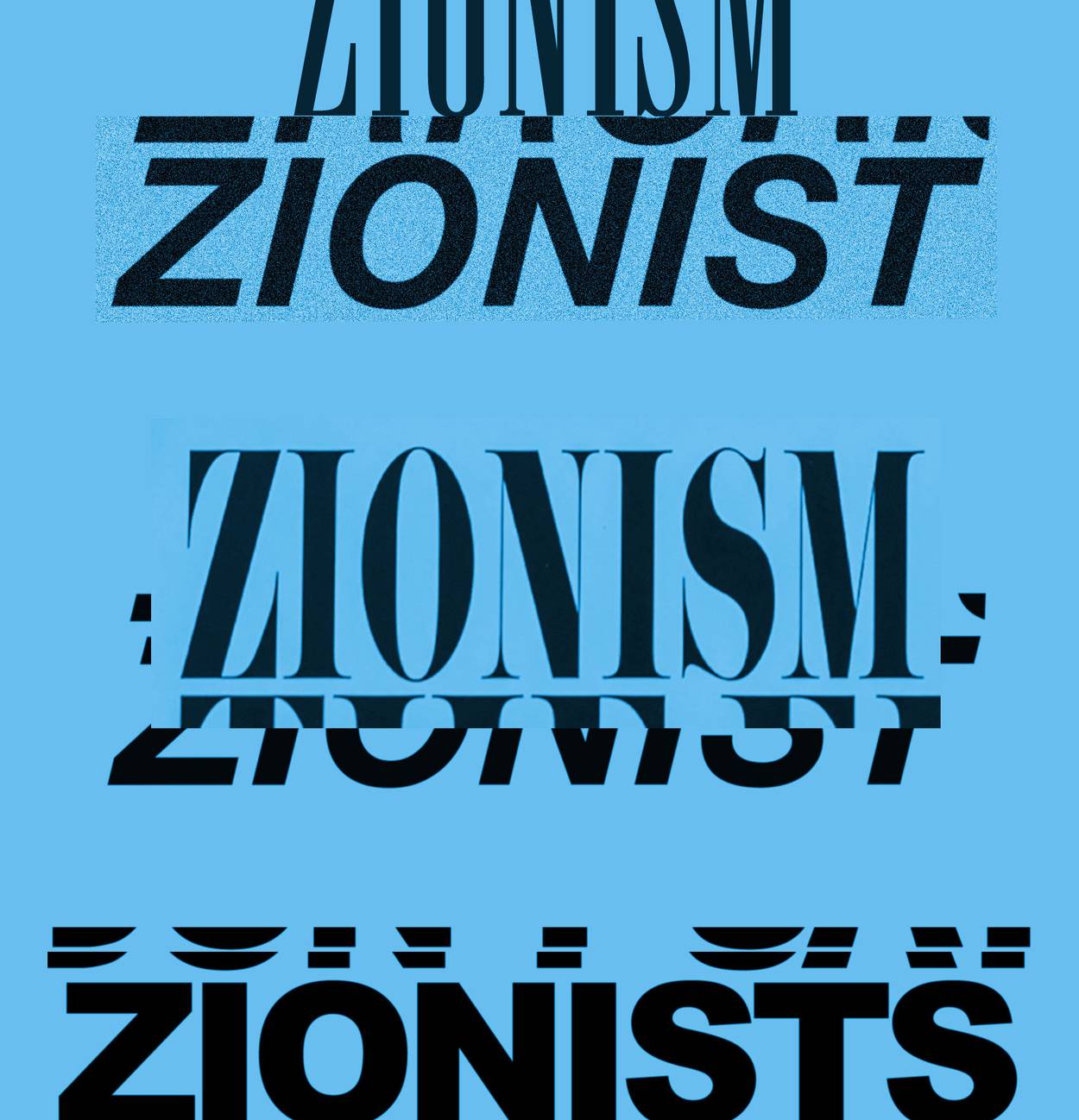
An Invitation to the Anti-Zionists

An Invitation to the Anti-Zionists


Elisa Albert


You refused to sit on a literary panel with me. I invite you to my Shabbes table instead, so we can actually talk to each other and face our fears.

Tablet Magazine

As I write these words, my challah dough is in the mixer for 20 minutes before going into the fridge overnight.

Tomorrow, before Shabbat, when the time comes to braid and bake, I will break off a piece of dough, the size of an olive, wrap it up twice, and throw it away.

This is an esoteric tradition. A symbolic offering. A form of performative charity. A ridding of excess. A mini sacrifice. A gift. A casting off.

But we’re not there yet.

For now, mixer on hypnotic low, I’m puzzling over how to face the troubling situation at hand: Two writers I don’t know just sabotaged our scheduled panel at a literary festival in my hometown, on purported grounds that they refuse to share space with a “Zionist.”

(Me!)

How odd, to be a loathsome thing in the imaginations of people you’ve never met.

And … I can’t help but wonder if either of these people actually knows the definition of Zionism.

Let me help: Zionism is the belief that the State of Israel has the right to exist. Zionism is the belief that the Jewish people (literally aka “Israel”) has the right to self-determination, peace, and safety in our ancestral homeland. Zionism precludes no other peaceful nationalist ambitions or aspirations.

There are as many flavors and shades of Zionism as there are Jews alive on planet Earth. Zionism is nonbinary. Zionism is de-colonization. Zionism means, not to put too fine a point on it, that there is a place where people like me can (theoretically) exist free from the precise bullshit at hand.

Use of the word “Zionist” as a permissible pejorative is a tool of brainwashed propagandists to dehumanize the people of Israel, wherever we reside, and to blame “us” for the horrific ongoing violence in an achingly, tragically, nightmarishly endless regional conflict, the latest conflagrations of which have inflamed many a conspiracist imagination and inspired many a nihilistic trauma tourist.

This, it is apparently not needless to say, helps zero Palestinian civilians or Muslims or Christian Arabs or Bedouins or Druze or assimilated diaspora quasi-Jews or Western gentiles looking for cheap thrills in anarchist drag. It brings zero relief to anyone directly impacted by this intractable, gruesome conflict. Not in Gaza, not in the Galilee, not in the Negev, not in Judea or Samaria, not in East Jerusalem. Not in Lebanon, Syria, Yemen, or Iran.

It simply further entrenches a stale, appalling, hopeless status quo.

It does, however, allow a couple of writers who live in New York and Connecticut to play at a form of primal social-political-personal pseudo-identitarian catharsis (which I guess isn’t nothing!).

Oh, the short, half-life payoffs of misplaced nationalism: It’s like a drug, in how precious little it asks of you.

In the past year, our tribe (I wonder if it helps to categorize “us” thusly … in that no reasonable person could feel politically/culturally/personally entitled to spew bigotry toward, say, Native Americans) has witnessed a tsunami of historical erasure, misinformation, and confusion about Judaism in general and Israel in particular.

Most shocking has been the specter of “allies” in so many progressive movements—anti-racism, queer liberation, art, feminism, education, pronoun-preferences, equality, sex-positivity, diversity, size-inclusive slow fashion, witty tote bags—eagerly, carelessly parroting some of the laziest, most twisted antisemitic ideas and incitement known to human history.

People like me—which is to say “Zionists,” which is to say Jews with a basic understanding of, interest in, and emotional/intellectual/familial investment in communal care for lived Judaism and “other” Jews—have been screaming about this for almost a year, now.

(Because of, you know, that unspeakable thing that happened almost a year ago.)

The heart, as poet Mary Oliver wrote, breaks and breaks and lives by breaking.

Anyway, the literary festival.

Our panel was to have been called “Girls, Coming of Age.”

When I agreed to moderate it, months ago, I privately rolled my eyes. Sure, yeah, whatever: “Girls.” Whatever that’s supposed to mean, in whoever’s imagination, for whatever purposes of rote reduction, simplification, and/or condescension.

I and the other writers in question all happen to be middle-aged, but “Women, Having Come of Age” doesn’t have the same appeal, I guess. Nor, say, “People With Vaginas, Existing in Time.”

(Meanwhile, can you imagine a panel of middle-aged male novelists being grouped together under the banner of “Boys Will Be Boys”?)

Alas, we’ll have to save the exegesis of gender for another op-ed. Squabbles over genitalia, costume, behavior, eros, and role-playing suddenly seem so adorably quaint. Everything skews a bit different in wartime.

Back to my challah.

The following day, I braid the risen dough and discard that small piece, size of an olive. Subtext alert! Olives grow on branches on trees. Many such trees exist in the Holy Land. Many a mediocre meditation on the long, gruesome conflict between Arabs and Jews in said land feature rhapsodic asides about lost olive trees. The olive branch in the mouth of the dove after the flood is a promise of … you got this.

As I remove that little piece of dough, I make a conscientious effort to symbolically remove some of the ugliness of this situation—the idiotic boycott, the utter failure of the overseeing cultural institution to unequivocally call it out, the scab ripped off so much generational trauma and rage and grief and fear over the past year, the general and specific horrors of war—from my life, body, mind, heart, and soul, if only for this brief, passing moment in time.

And while the challah rises in the oven, I wonder: What if the anti-Zionists had been brave (or brazen) enough to show up and appear alongside me at that literary festival?

What if, despite imagining me to be their enemy, and the enemy, I imagine they imagine, of everything good and decent and right in the world, they had been able to maintain even a shred of curiosity?

How many ways might we have connected? Around our “female”-ness, parenthood, I like your earrings/thanks, where’d you get those boots/I like how you wrote this one line/how’s publishing been for you/what does your tattoo mean/oh I love that pizza place too.

Might I have managed to disarm them with a joke?

Might I have put them at ease with my aspirational calm, the tenor of my speaking voice, some intentional somatic sweetness?

Might they, then, have forgotten, for a fraction of a second, their absurd conviction that I am—or am magically all-inclusively representative of—their enemy?

Might there have been some way of offering them an explicit or implicit assurance that I do not, in fact, crave the blood of gentile children?

Why is it so existentially frightening to see the “other” as potentially human and worthy of space?

(Wrong, I imagine them saying! I love “others!” It’s just you nasty warmongering Zionist monsters I will not abide!)

A hero makes a friend of his enemy, says the peace activist Bassam Aramin in Colum McCann’s ambitious novel Apeirogon, which would be a wonderful selection for discussion at next year’s book festival, incidentally.

I so wish those misguided authors could have found the courage to show up to meet me, their Big Bad Zio Bitch.

In scant public statements about this debacle, both have thus far avoided any personal accountability. They’ve misrepresented the events leading to the cancellation of the panel, they’ve mischaracterized what I’ve written and posted since the war began, and they’ve set their Instagrams to private.

“They know not what they do,” a particularly famous Jew is purported to have said.

And lookie-look how this begins to devolve into a she-said/she-said/she-said show. You know: a “girl” fight! (We should at least sell tickets.)

But the last thing on earth anyone needs is more anger, more resentment, more fighting, more hatred, more blood, more violence, heads to roll.

Haven’t we had enough, yet, of anger, fear, suspicion, hatred, fighting, bloodshed?

Are more rolling heads really the answer? More purges!?

It’s the month of Elul, a time for opening our hearts to the work of personal restitution and reconciliation. (It’s also “Banned Books Week,” funnily enough.)

So, let’s take this shit-pile of a situation and spin it into something positive. Jewish alchemy! Fun.

Here’s a new and different opportunity. As long as we’re alive, it’s never too late. The great privilege of getting to try and try again.

I take my perfectly golden-brown challah out of the oven and wish to be able to share it with my “enemies.”

Who are they, underneath the stank of fear and confusion and miseducation and epigenetic trauma and algorithmic waylay and perhaps, I don’t know, maybe a smidge of ideological perversion?

What’s the worst that could happen? They don’t like my menu? They don’t like my traditions? They don’t like my decor? They lack manners? They are ungracious? The conversation is stilted? They talk smack on the way home?

Let’s grow up, people, and take on the scary necessity of dealing with ourselves and each other. We are the only ones who can do it. No one is coming to save us.

In order to actually “come of age” (instead of remaining forever petulant, cliquish, shallow, oppositional, imitative, anxious “girls”), we have to face our fears.

Aisha Gawad and Lisa Ko, please come join me at my Shabbes table, so we can break bread together, and talk. It’s the only way.


Elisa Albert is the author of three novels and a story collection. Her fiction and essays have appeared in n+1, the Guardian, The New York TImes, New York Magazine, Lilith, Bennington Review, Michigan Quarterly Review, and elsewhere. THE SNARLING GIRL, now out from Clash Books, represents a decade’s worth of personal essays and literary criticism. 


Zawartość publikowanych artykułów i materiałów nie reprezentuje poglądów ani opinii Reunion’68,
ani też webmastera Blogu Reunion’68, chyba ze jest to wyraźnie zaznaczone.
Twoje uwagi, linki, własne artykuły lub wiadomości prześlij na adres:
webmaster@reunion68.com