Archives

A Warning From London Following Mamdani’s Election Victory in New York


A Warning From London Following Mamdani’s Election Victory in New York

Jonathan Sacerdoti


New York City mayor-elect Zohran Mamdani holds a press conference at the Unisphere in the Queens borough of New York City, US, Nov. 5, 2025. Photo: REUTERS/Kylie Cooper

The election of Zohran Mamdani as mayor of New York City marks a turning point in US urban politics, and its reverberations are already being felt well beyond the five boroughs.

To many on the American left, Mamdani represents hope: a democratic socialist, the son of immigrants, a man who speaks of fairness, affordability, and restoring dignity to those pushed to the margins of urban life. But to many others, especially within Jewish communities, his rise is deeply alarming.

From London, a city that has lived with a Muslim mayor for nearly a decade, the moment feels familiar. It also feels fraught.

It is worth stating at the outset that Sadiq Khan, for all the criticism he has faced, did not enter office with the same background of inflammatory or extremist statements as Mamdani. His political record was grounded in more mainstream Labour politics, and while he became a symbol of Britain’s multicultural ambitions, his own rhetoric rarely courted controversy of the kind now surrounding Mamdani.

As a life-long citizen of London, it is not clear even to me how responsible our mayor is for the alarming levels of antisemitism infecting our streets these days, nor how much of that responsibility is down to his Muslim identity. It shouldn’t matter what religion a mayor is, unless their religion influences their decisions in a way which runs counter to the wider society’s values and culture. But therein lies the problem — to trace the causes of almost intangible but very real cultural shifts and social tensions is virtually impossible in the moment.

Mamdani’s path to City Hall is undeniably historic. At 34, he is the youngest mayor in more than a century and the first Muslim to lead New York. His campaign energized hundreds of thousands — young voters, working-class immigrants, and a progressive base long disillusioned with establishment politics. His victory speech was filled with the language of empowerment: “This city belongs to you,” he told supporters, naming Yemeni bodega owners, Senegalese taxi drivers, and Mexican grandmothers among the architects of his movement.

Yet this language of inclusion exists alongside a record that many see as exclusionary, particularly toward Jews and supporters of Israel. Mamdani is a vocal supporter of the boycott, divestment, and sanctions (BDS) movement, which ultimately seeks to eliminate the world’s lone Jewish state. He has said Israeli Prime Minister Benjamin Netanyahu should be arrested in New York under an ICC warrant, refused to repudiate the slogan “globalize the intifada,” and once stated at a Democratic Socialists of America conference that “we don’t need an investigation to know that the NYPD [New York Police Department] is racist, anti-queer, and a major threat to public safety.” Jewish groups, moderate Democrats, and survivors of repressive regimes are right to be concerned.

The anxiety is not merely ideological. In the aftermath of the Hamas-led Oct. 7, 2023, Palestinian terrorist attacks on Israel, antisemitic incidents surged across the West, including in New York and London. In that atmosphere, Mamdani’s framing of the Israeli-Palestinian conflict in starkly anti-Israel terms, with no serious reckoning with the brutality of Hamas, struck many as morally evasive at best and hostile at worst. His critics question his judgment, and they are not wrong to do so.

In the UK, we have lived through some of these debates with Khan. London’s mayor is a Muslim of South Asian heritage, and Mamdani, though born in Uganda, is of Indian heritage through both parents. Khan speaks in the register of cosmopolitan liberalism. His supporters celebrate his ascent as proof of Britain’s openness. His critics, especially outside London, view his leadership as symbolic of a city that has drifted away from national cultural norms. Though no credible evidence links Khan’s policies to religious ideology, the perception of an unspoken alignment with Islamist grievances has persisted among some critics.

This perception has been shaped by moments that transcend formal policy. Public Ramadan displays in central London, including large-scale installations inaugurated by Khan, have been celebrated as signs of inclusivity, but many argue that Christian festivals have not received similar visibility. In late 2024, a halal-finance advertising campaign run across London’s transport system, ultimately regulated by Khan, featured provocative imagery and religious overtones, prompting accusations that public space was being used to promote a particular faith’s commercial ecosystem.

The truth is people might be less concerned about religious adverts from other faiths which they perceive as less aggressively set on conquest and conversion — an uncomfortable but worthwhile thought to keep in mind. London along with other major UK cities has also seen numerous intimidating street protests where Muslim men have worshipped in the street, paraded terrorist flags, and even burnt a car whilst holding a Quran aloft on top of a police van (in Leeds last week).

This current climate matters. And these perceptions, however incomplete or distorted, matter. They cannot simply be dismissed as racist or xenophobic, and doing so is counterproductive. The fear many Jews feel in New York today is not an invention either. It is not merely a media creation. It is based on real experiences, real statements, and a broader climate in which antisemitism is often recast as political critique. But nor should these concerns be weaponized with reckless rhetoric. We have seen in Britain how public discourse can descend into paranoia when criticism is expressed in conspiratorial or racially charged terms. If critics of Mamdani wish to be heard, they must be precise, restrained, and grounded. Otherwise, they will be shouted down by the very people they hope to persuade.

Khan himself has sometimes contributed to the perception of grievance politics. In April 2024, he apologized to Britain’s Chief Rabbi for implying that criticism of his position on Gaza was influenced by his Muslim-sounding name. He admitted that he felt held to a different standard due to his faith, but accepted that his comment was unfair. There is a broad unease about how religion, ethnicity, and political critique intersect in public life, and pretending otherwise will not help allay people’s fears.

What happens next in New York is impossible to predict. As in London, the city’s institutional constraints, budgetary realities, and legal frameworks will limit how much any mayor can reshape it. But politics is not just about budgets or buses. It is about the values a city embodies, the identities it elevates, and the signals it sends to its people. In electing Mamdani, New Yorkers have made a powerful statement. Whether that statement fosters solidarity or division will depend on how he governs, and how his critics respond.

London may offer some lessons, but it is not a template. The United States and the United Kingdom differ in their histories, their social structures, and their ideological battle lines. Still, both countries are wrestling with similar questions: What happens when the politics of social justice collide with the politics of ethnic identity? Can a city led by a figure deeply polarizing to one community still represent the whole?

We do not yet know how this story will unfold. But we should pay close attention. New York is not just another city. It is, in many ways, the stage on which the future of liberal democracy will be tested. And its new mayor stands at the very center of that test.


Jonathan Sacerdoti, a writer and broadcaster, is now a contributor to The Algemeiner.


Zawartość publikowanych artykułów i materiałów nie reprezentuje poglądów ani opinii Reunion’68,
ani też webmastera Blogu Reunion’68, chyba ze jest to wyraźnie zaznaczone.
Twoje uwagi, linki, własne artykuły lub wiadomości prześlij na adres:
webmaster@reunion68.com



Historia jednej fotografii z Bazy Zdjęć PAP: 40 lat temu zakończono produkcję motocykli w Polsce

Wytwórnia Sprzętu Komunikacyjnego w Świdniku, motocykl WSK, 1979 r. Fot. PAP/Zbigniew Jaśkiewicz


Historia jednej fotografii z Bazy Zdjęć PAP: 40 lat temu zakończono produkcję motocykli w Polsce

Tomasz Szczerbicki (PAP)


31 października 1985 r. w Świdniku zmontowano ostatni motocykl WSK 125 M06 B3, był to zarazem ostatni polski motocykl z produkcji seryjnej.

W 1954 r. Warszawska Fabryka Motocykli przekazała Wytwórni Sprzętu Komunikacyjnego w Świdniku dokumentację produkcyjną nowego modelu – WFM 125 M06. Rok później bramy świdnickiej fabryki opuścił pierwszy WSK 125. Motocykle WSK były produktem ubocznym fabryki, specjalizowała się ona w produkcji samolotów i śmigłowców, głównie dla wojska. Jednak dzięki produkcji sprzętu lotniczego, która zapewniała fabryce stabilność finansową, modele motocykli mogły być modernizowane, możliwe było także wytwarzanie małych serii motocykli sportowych.

Na prezentowanej fotografii, wykonanej przez Zbigniewa Jaśkiewicza w 1979 r. w Wytwórni Sprzętu Komunikacyjnego w Świdniku, widać jedną z końcowych faz produkcji motocykla WSK 125 M06 B3.

Podstawowymi motocyklami WSK były modele z silnikami o pojemności 125 centymetrów sześciennych. W 1960 r. przez rok wytwarzano WSK 150, a w 1972 r. rozpoczęto produkcję kilku modeli WSK z silnikami 175 centymetrów sześciennych. Dość szybko świdnicka WSK wyrosła na największego producenta motocykli w Polsce. Oferowała wprawdzie motocykle o niskiej jakości, ale za to tanie i łatwo dostępne. Szybko stały się one bardzo popularne na wsiach. Ukuto nawet żartobliwe rozwinięcie skrótu WSK jako Wiejski Sprzęt Kaskaderski.

Fabryka starała się też zachęcić do swoich produktów bardziej wymagających mieszkańców miast, w tym celu reklamowała motocykle WSK jako pojazdy do turystyki i rekreacji. Dobrą reklamą dla tych pojazdów była piosenka „W – jak wiosna” z 1966 r. śpiewana przez Danutę Rinn i Bogdana Czyżewskiego. Piosenka zaczynała się zwrotką: „Wybrałam już sobie chłopaka na medal, z nim jestem po słowie, nikomu go nie dam, przystojny, niegłupi, szeroki gest ma, na wiosnę mi kupił WSK”. Po każdej zwrotce następował dynamiczny refren: „W jak wiosna, S jak Stach, K jak kocham Stacha wiosną, WSK, o, WSK. W tej maszynie wszystko gra, to podoba się dziewczynie, WSK, o, WSK”.

Motocykle WSK eksportowano m.in. do Sudanu, Arabii Saudyjskiej, Kambodży, Turcji, Pakistanu, Iranu, Iraku, Afganistanu i Kuby. Pojawiały się one również na drogach w państwach bloku wschodniego. W Świdniku zaczęto też myśleć o eksporcie polskich motocykli do krajów dewizowych. Jednym z elementów promocji tej idei było wsparcie Marka Michela, studenta z Krakowa, który w 1974 r. na otrzymanym od fabryki seryjnym motocyklu WSK 125 objechał świat dokoła w 115 dni, pokonując 39 950 kilometrów. Za sprawą Michela motocykl WSK przejechał po drogach każdego kontynentu, ale z powodów ekonomicznych i logistycznych nie zdecydowano się na rozwój eksportu.

W latach 70. i 80. motocykle zaczęły spadać w rankingu marzeń Polaków. Owszem, używano ich do celów komunikacyjnych, ale bez emocji. Polaków rozpalały wtedy samochody osobowe Polski Fiat i Syrena. WSK były nadal popularne na wsiach, głównie za sprawą niskiej ceny i prostej obsługi.

Schyłek produkcji motocykli w Polsce następował powoli. W 1965 r. zakończono wytwarzanie motocykli WFM, Junak i skuterów Osa. Pięć lat później bramy fabryki w Kielcach opuścił ostatni motocykl SHL. 31 października 1985 r. zakończono wytwarzanie motocykli WSK, co było zarazem końcem produkcji motocykli w Polsce.

W ciągu 30 lat produkcji motocykli WSK (1955-1985) bramy świdnickiej fabryki opuściło nieco ponad 2 mln tych pojazdów. Od 17 lat w Świdniku organizowane są zloty motocykli WSK. W sierpniu 2025 r. na tegoroczną edycję tego wydarzenia przyjechało kilka tysięcy motocykli.

Archiwum fotograficzne Polskiej Agencji Prasowej liczy kilkadziesiąt milionów zdjęć i wciąż wzbogaca się o nowe kolekcje. Jego zasoby sięgają lat 20. XX wieku. Stanowi ważną część dziedzictwa narodowego. Zatrzymane w kadrach obrazy rejestrują każdy aspekt życia społecznego, politycznego, gospodarczego, kulturalnego i religijnego na przestrzeni ostatnich 100 lat.

Profesjonalna digitalizacja zasobów fotograficznych PAP umożliwia szeroki do nich dostęp przez stronę PAP (https://fotobaza.pap.pl/). Nad prawidłową identyfikacją oraz szczegółowym opisem zdjęć pracuje zespół specjalistów, przeglądając materiały źródłowe w czytelniach i archiwach. Klienci są na bieżąco informowani o nowych zdjęciach w Bazie Fotograficznej PAP.

Zainteresowała cię ta historia? Zapisz się na newsletter PAP Fotobox (https://rejestracja.pap.com.pl/fotobox) i co miesiąc odkrywaj m.in. archiwalne kadry dotyczące postaci, miejsc i wydarzeń.


Zawartość publikowanych artykułów i materiałów nie reprezentuje poglądów ani opinii Reunion’68,
ani też webmastera Blogu Reunion’68, chyba ze jest to wyraźnie zaznaczone.
Twoje uwagi, linki, własne artykuły lub wiadomości prześlij na adres:
webmaster@reunion68.com

What made a Mamdani win possible? Demography and normalizing antisemitism


What made a Mamdani win possible? Demography and normalizing antisemitism

Jonathan S. Tobin


The media and a Democratic Party that moved the Overton Window to treat the call for Jewish genocide as an idea worthy of debate helped elect a Marxist mayor of New York.

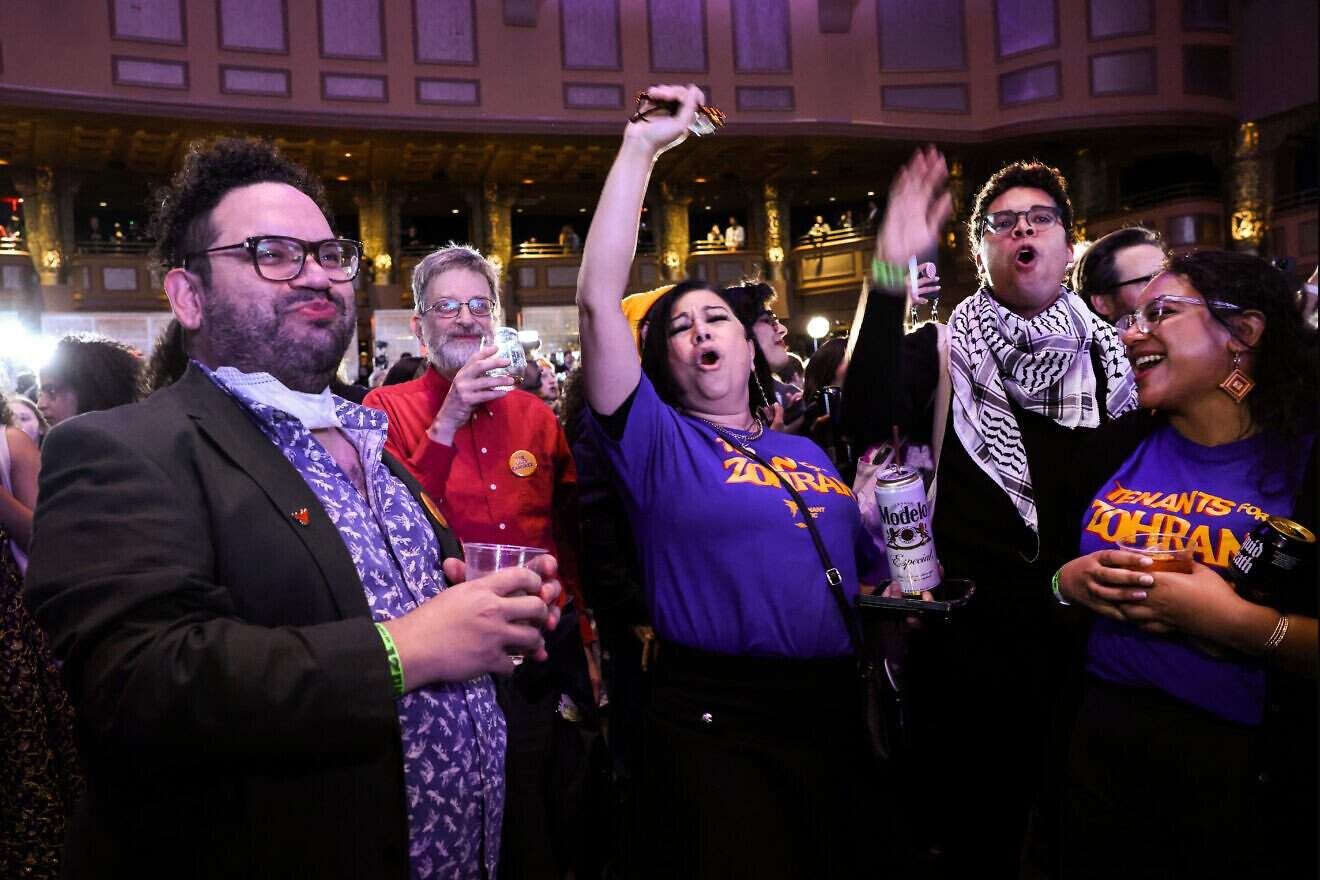
Supporters at the Brooklyn Paramount n the Brooklyn borough of New York City celebrate after Democratic Socialist Zohran Mamdani, a New York state assemblyman, is announced the winner in the city’s mayoral race on Nov. 4, 2025. Photo by Spencer Platt/Getty Images.

In the end, the last four and a half months of arguments and desperate appeals meant nothing. 

The New York City mayoral race was essentially decided on June 24, when New York state assemblyman Zohran Mamdani decisively won the Democratic Party primary over second-place finisher Andrew Cuomo, the former governor of New York. All efforts to stop Mamdani from winning in November went essentially for naught. In deep-blue New York City, with the support of the Democratic Party and almost all of the nation’s liberal mainstream media outlets, coupled with the poor alternatives on the ballot, the chances of preventing him from winning the general election were always negligible.

There were good reasons to worry about the consequences of electing not only a Democratic Socialist who will bring a laundry list of Marxist patent nostrums to City Hall, but someone whose political career has been defined by his obsession with opposing Israel and the Jewish people. In the end, though, the main obstacles to the campaign to mobilize the city’s moderate voters and Jews to do everything they could to defeat him were not so much the reluctance of many to vote for Cuomo or Republican candidate Curtis Sliwa.

The liberal ecosphere

The real problem is the qualities that should have rendered Mamdani an implausible choice in the eyes of a majority of voters—and therefore unelectable—were no longer seen as disqualifying. Being a Marxist and a supporter of anti-Jewish positions should have relegated Mamdani to the margins of the political spectrum. But among Gotham’s Democrats, that’s no longer true.

In the current liberal political ecosphere, the mayor-elect’s ideology and record had been normalized in the past decade.

In the not-so-distant past, someone like Mamdani would have never stood a chance. But in 2025, a man who had trafficked in blood libels about Israel and the Jews being responsible for New York City cops targeting African-Americans or endorsed chants calling for Jewish genocide and the destruction of Israel (“From the river to the sea”), in addition to terrorism against Jews everywhere (“globalize the intifada”), was not merely acceptable but acclaimed as a breath of fresh air.

The long march of progressives through American institutions over the past decades, during which they have made toxic ideas like critical race theory, intersectionality and settler-colonialism a new orthodoxy, has taken its toll on society. Along with their imposition of the woke catechism of diversity, equity and inclusion that exacerbates racial divisions and labels Jews and Israel as “white” oppressors, their conquest of not merely academia, but much of the nation’s political and cultural establishments prepared the way for accepting Mamdani.

American political liberals of the past century would never have accepted for a minute the idea that a Mamdani could represent them or their party. But if The New York Times is already routinely publishing antisemitic articles calling for Israel’s destruction and falsely labeling it as an “apartheid” state and guilty of “genocide,” it’s obvious that the Overton Window of acceptable discourse has moved to make Jew-hatred kosher in the public square. Why, then, would one expect an electorate dominated by contemporary political liberals to treat a mayoral candidate who did the same as out of bounds?

In the face of that fact, nothing the anti-Mamdani coalition could do could put the genie of antisemitism back into the bottle.

A changed New York

There’s also the plain fact that the electorate of New York City has changed dramatically in the last generation.

The New York that elected Republican Rudy Giuliani twice to the mayoralty in 1993 and 1997—a choice that signaled a remarkable revival of the city both in terms of its economy and livability—and then elected moderate Independent Michael Bloomberg, who is Jewish, in 2001, 2005 and 2009, simply doesn’t exist anymore.

In the last quarter-century, much of the city’s working-class population, including white ethnics and others who shared their values, has left New York for the suburbs or for sunnier, better-governed places such as Florida. That shift was accelerated by the decline set off by the left-wing policies of Bill de Blasio, followed by the incompetence and corruption of Eric Adams, which sent the city into a tailspin.

The increase of Muslim voters, especially those from South Asia and the Middle East, where discriminatory attitudes toward Jews, such as those that Mamdani has exemplified, are normative, has become a major part of that change. They gave him an edge that may have offset any outrage about him from the majority of the still-significant Jewish population in the five boroughs, even as a leftist minority of Jews who have lost touch with any sense of Jewish peoplehood embraced him.

Still, the particular set of circumstances that led to this result came about due to a combination of factors.

Dismal opposition

The first of these is that Mamdani was fortunate in his opponents.

Cuomo was his most plausible alternative; however, convincing people to unite behind a man with a record of thuggish authoritarian rule as governor, costly COVID-19 pandemic blunders, and who was chased out of office in disgrace by charges of sexual harassment and bullying was always a heavy lift.

Sliwa, the founder and leader of the Guardian Angels, was a gadfly candidate of a minority party that commands the support of a fraction of the city’s voters, whom few outside his devoted friends and followers could envision as mayor.

Could they have joined forces with incumbent Mayor Eric Adams to create a fusion ticket that would have defeated Mamdani?

Perhaps that might have been possible if they had done so immediately after the June primary. Yet delusions about what would happen in the general election, as well as egos and hard feelings between them, prevented it. That was unfortunate since it was clear from the start that no one but the former governor had a chance of catching Mamdani. Even if they had, it might not have altered the outcome since Mamdani appears to have won a narrow majority rather than a plurality.

Ironically, the withdrawal from the race of Adams, who chose to run for re-election as an Independent rather than as a Democrat after being saved from corruption charges by President Donald Trump, and his subsequent endorsement of Cuomo, who also switched to run as an Independent after losing in June, may have actually helped Mamdani. Without an African-American or other minority opponent in the field, Mamdani apparently did far better in the general election among blacks and Hispanics than he did in the primary.

Mamdani also benefited from being the most anti-Trump candidate in a city where the president is deeply unpopular.

Ignorant and indoctrinated youth

It’s also true that for a lot of voters, the 34-year-old was a fresh face running against two older men who have been public figures in New York for decades. Young voters liked his Marxist promises of lower rents, cheaper groceries and free bus rides, even if they are unachievable in the largest and overall most expensive city in the country. Apparently, every generation needs to learn the lesson for themselves that socialism doesn’t work. But that is even truer for those who get their information about the world from TikTok and other social media. They may well have also been indoctrinated into believing woke myths about the world by an American education system that is in desperate need of the sort of reform that Trump is attempting to enact with his efforts to rid higher education of DEI and antisemitism.

Still, there’s no getting around the fact that New Yorkers have now elected an individual whose entire public career has been largely driven by his opposition to the existence of the State of Israel and the belief that supporting those who seek its destruction is the key to a better world.

This will mean, as he has promised, the implementation of policies targeting Israel and Jews in ways that will be deeply consequential for Jewish New Yorkers. How will this impact their lives?

His election-night promise to oppose antisemitism, which has surged to unprecedented levels in the two years since the Hamas-led Palestinian Arab attacks in Israel on Oct. 7, 2023, is nothing more than gaslighting, as it was accompanied by his claim that he will also fight the mythical menace of Islamophobia. Since almost everything that is defined as “Islamophobic” is nothing more than drawing attention to the Jew-hatred that is normative among American Muslims and Arab-Americans, his pledge to defend Jews is meaningless.

In Mamdani’s New York, no Jew should think that they can count on the city to protect them. And that is on top of the fact that his pro-criminal policies and hostility to police will make the city less safe for everyone.

Mamdani’s triumph and the support that he’s getting from the country’s liberal establishment will also make the already uphill struggle of moderate and pro-Israel Democrats to keep their party from heading even further to the left even more difficult. At a moment when Democrats are primarily motivated by their hatred for Trump, normalizing Mamdani may seem natural, and perhaps, even inevitable. While that may ultimately harm Democrats in future national elections, there’s no avoiding the fact that it will fuel the increased normalization of Jew-hatred throughout the party, as well as the liberal cultural and media worlds that the left dominates.

A tragic day

Whatever the ultimate political consequences for Democrats, Mamdani’s victory must be marked as a tragic day in the history of American Jewry. Not in living memory has someone who harbors such hostility to this religious minority won high public office in the United States while at the same time being treated by mainstream media as a national political star.

It is the culmination of a process by which vile lies about Israel and the Jews became acceptable public discourse rather than the sort of thing that was confined to the fever swamps of the far left and far right. Conservatives are at least struggling to fend off the efforts of Jew-haters like former Fox News host Tucker Carlson and even more hateful figures on that end of the spectrum to establish themselves and their ideas as legitimate on the right. Liberals, however, have effectively surrendered their party to Mamdani and other woke progressives like Rep. Alexandria Ocasio-Cortez (D-N.Y.) and the rest of the antisemitic, progressive “Squad” in Congress.

The result is not just a tragedy for New York Jews, but a milestone in which the efforts of all decent Americans to marginalize antisemites became that much more difficult.


Jonathan S. Tobin is editor-in-chief of the Jewish News Syndicate, a senior contributor for The Federalist, a columnist for Newsweek and a contributor to many other publications. He covers the American political scene, foreign policy, the U.S.-Israel relationship, Middle East diplomacy, the Jewish world and the arts. He hosts the JNS “Think Twice” podcast, both the weekly video program and the “Jonathan Tobin Daily” program, which are available on all major audio platforms and YouTube. Previously, he was executive editor, then senior online editor and chief political blogger, for Commentary magazine. Before that, he was editor-in-chief of The Jewish Exponent in Philadelphia and editor of the Connecticut Jewish Ledger. He has won more than 60 awards for commentary, art criticism and other writing. He appears regularly on television, commenting on politics and foreign policy. Born in New York City, he studied history at Columbia University.


Zawartość publikowanych artykułów i materiałów nie reprezentuje poglądów ani opinii Reunion’68,
ani też webmastera Blogu Reunion’68, chyba ze jest to wyraźnie zaznaczone.
Twoje uwagi, linki, własne artykuły lub wiadomości prześlij na adres:
webmaster@reunion68.com

Canadian Jewish Groups Demand Toronto Mayor Apologize, Resign for ‘Genocide in Gaza’ Comments


Canadian Jewish Groups Demand Toronto Mayor Apologize, Resign for ‘Genocide in Gaza’ Comments

Shiryn Ghermezian


Toronto Mayor Olivia Chow speaks to reporters in Toronto, March 8, 2025. Photo: Christopher Katsarov/The Canadian Press via ZUMA Press via Reuters Connect

Several Canadian Jewish organizations are calling for Toronto Mayor Olivia Chow to apologize and even resign for publicly calling Israel’s war against Hamas terrorists in the Gaza Strip a “genocide” during an event on Saturday night.

Chow was speaking at a fundraising gala for the National Council of Canadian Muslims (NCCM) at the Pearson Convention Center when she said, “The genocide in Gaza impacts us all,” as seen in videos from the event that were shared on social media.

“A common bond to shared humanity is tested, and I will speak out when children anywhere are feeling the pain and violence and hunger,” she added to applause from the audience. The mayor also compared the suffering Palestinian children face in Gaza to her mother’s experience of being “a child in a warzone” in China when Japan invaded during World War II.

The Canadian Antisemitism Education Foundation said Chow should immediately resign after having “the audacity to compare” Israel’s war against a terrorist organization in Gaza to Japan’s invasion of China, and following her “inexcusable” false claims about a genocide.

“The only Gaza genocide was the massacre perpetrated by Hamas and its allies against Israelis on Oct. 7, 2023. Somehow, we doubt that’s what the mayor was referencing,” said the foundation. It added that the mayor’s genocide claim is not only “false and defamatory” to Israel and its people but also “a calculated insult to the almost 200,000 Jews in the Greater Toronto Area who support Israel, and it exposes the Jewish community to material risk of violence.”

The Center for Israel and Jewish Affairs (CIJA) sent a letter to Chow about her “reckless, divisive, and dangerous” comments, and said in a separate statement on X that “such language distorts fact and law, and it legitimizes the hostility and intimidation that Jewish Torontonians are already facing in record numbers.”

Antisemitic hate crimes have spiked in Canada, especially the Toronto area, over the past two years amid the Gaza war, following Hamas’s invasion of and massacre across southern Israel on Oct. 7, 2023.

“By echoing that narrative, Mayor Chow lends support to those spreading malicious libels and undermines public confidence in your commitment to the safety, dignity, and inclusion of all Torontonians,” CIJA added. “The Jewish community expects the mayor to make this right by addressing the harm caused and taking immediate action to restore trust and ensure our safety.”

The Canada-Israel Friendship Association accused Chow of promoting “an antisemitic blood libel” by accusing Israel of committing a genocide in Gaza during its war targeting Hamas terrorists who orchestrated the deadly massacre in southern Israel on Oct. 7, 2023.

Amir Epstein, executive director of the Canadian Jewish civil rights group the Tafsik Organization, called Chow’s comments “disgraceful, reckless and dangerously irresponsible.” Her “genocide in Gaza” remarks were “a slap in the face to Jews in Toronto, across Canada, and around the world — an unforgivable betrayal and a disgraceful distortion of reality,” the statement continued.

“Effective immediately, Mayor Chow is not welcome at any Tafsik Organization events, commemorations, or meetings. Her conduct has failed Toronto, and we reject her presence and participation in our community spaces,” Epstein noted. “We call for Mayor Olivia Chow to be formally excommunicated and permanently rejected by the Jewish community and all Jewish organizations. Providing her a stage … risks legitimizing antisemitism and anti-Zionism, and undermines community safety and integrity.”

B’nai Brith Canada has written to Toronto’s Integrity Commissioner Paul Muldoon, asking him to open an investigation to see if Chow violated the city’s Code of Conduct, which states that elected officials must “ensure that their work environment is free from discrimination and harassment.”

“Making such inaccurate and misleading statements, while representing all Torontonians, sends a harmful and divisive message,” said B’nai Brith Canada. “Toronto deserves leaders who treat every community with respect and act with impartiality. At a time when the mayor should be working to mend divisions and ease tensions, she has instead chosen to inflame them … When a mayor presents a legally disputed claim as fact, it crosses the line from leadership to bias.”


Zawartość publikowanych artykułów i materiałów nie reprezentuje poglądów ani opinii Reunion’68,
ani też webmastera Blogu Reunion’68, chyba ze jest to wyraźnie zaznaczone.
Twoje uwagi, linki, własne artykuły lub wiadomości prześlij na adres:
webmaster@reunion68.com


Seth Mandel rozprawia się z antysemickimi oszczerstwami

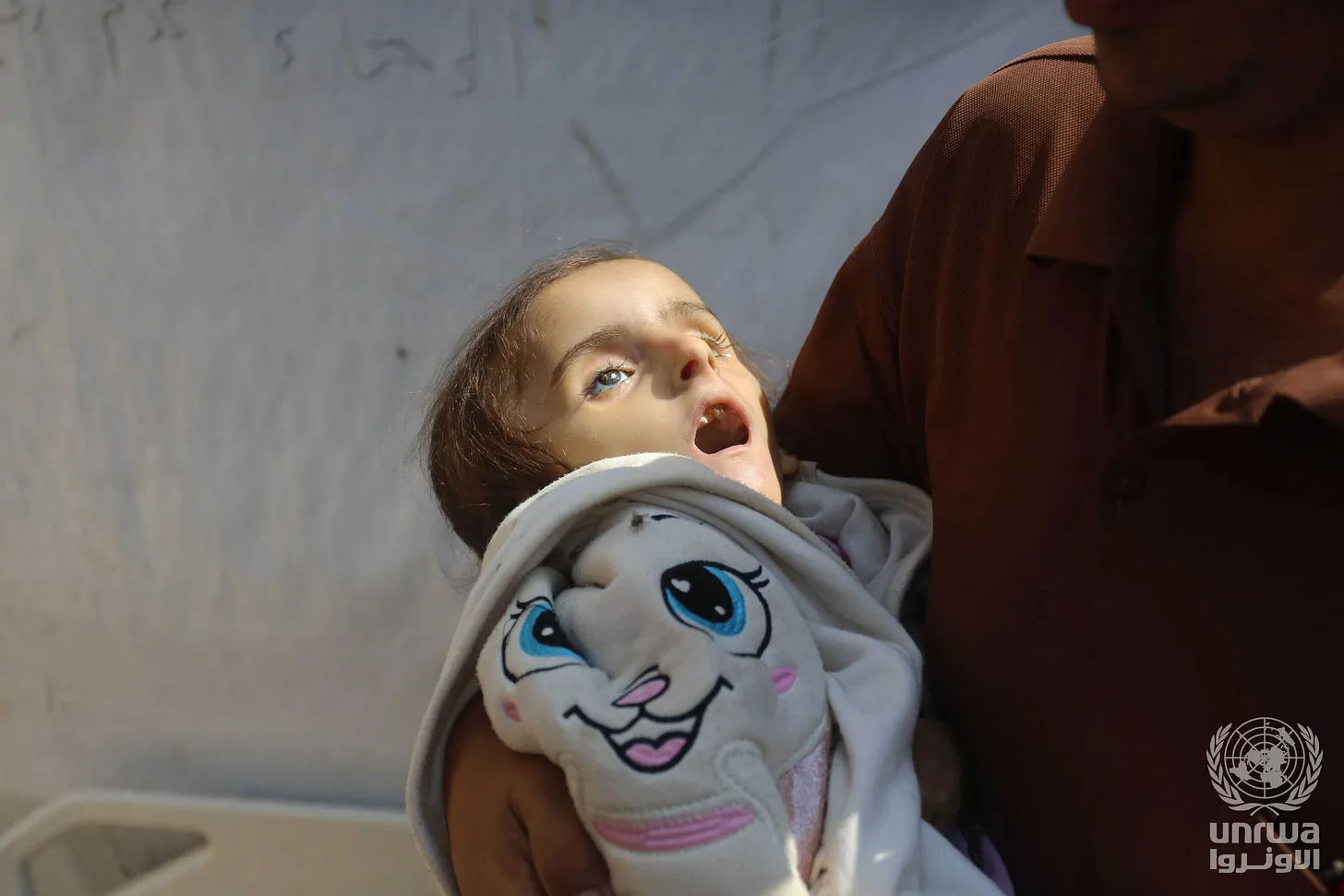
Czteroletnia palestyńska dziewczynka, która jak twierdzi Wikipedia zmarła w sierpniu 2024 roku w Gazie „z powodu niedożywidenia”.


Seth Mandel rozprawia się z antysemickimi oszczerstwami

Jerry A. Coyne


Commentary to czasopismo żydowskie i konserwatywne – i jeśli ktoś chce z tego powodu z góry odrzucić ten artykuł, niech tak zrobi, ale byłoby to po prostu nierozsądne. Poniższy, krótki tekst obala oszczerstwa, jakoby Izrael nie tylko dopuścił się ludobójstwa w Gazie (dla mnie już samo wysunięcie takiego zarzutu jest wyznacznikiem antysemityzmu), ale również celowo doprowadził do głodzenia tamtejszej ludności. (Choć dodam, że 11-dniowe wstrzymanie dostaw żywności przez Izrael było moim zdaniem błędem.)

Jednak te fałszywe oskarżenia – zestawione z faktem, że „progresywiści” całkowicie ignorują prawdziwe ludobójstwo w Sudanie – wiele mówią o motywacjach ludzi mających mocne opinie na temat tego konfliktu. Nie jestem zwolennikiem „a co z tym, czy tamtym”, ale liczba ofiar śmiertelnych w Sudanie przekroczyła już 150 tysięcy, a udokumentowane zostały liczne okrucieństwa – w tym ostatni atak sił antyrządowych na szpital położniczy, w wyniku którego zginęło niemal 500 pacjentów, bezlitośnie zabitych. Czy powodem, dla którego „progresywiści” ignorują tę sudańską wojnę, może być fakt, że większość ofiar to muzułmanie?

W każdym razie, autor i redaktor Commentary Seth Mandel – którego uważam za rzetelnego komentatora – w nowym artykule demaskuje antysemityzm.


Kilka głównych tez Mandela (moje podsumowanie):

  1. ONZ nie chce, by wojna się skończyła.
    Organizacja, która ma jasno prohamasowskie stanowisko i wspiera UNRWA – agencję naszpikowaną członkami Hamasu – nie chce pokoju, bo zawieszenie broni umożliwia prowadzenie śledztw dotyczących liczby ofiar i współudziału UNRWA, co wcześniej mogło być pomijane, gdy całość informacji pochodziła od Hamasu.
  2. Nie było żadnego izraelskiego ludobójstwa – i to jest oczywiste dla każdego, kto ma choć trochę rozumu.
    Oczywiście mogły zdarzyć się przypadki celowego zabicia osób cywilnych przez IDF, ale generalnie ofiary cywilne były „produktem ubocznym” działań przeciw Hamasowi. Pytanie do ględzących o ludobójstwie progresistów: jeśli Izrael naprawdę chciałby zgładzić wszystkich mieszkańców Gazy, dlaczego wysłał tam żołnierzy, narażając ich życie, zamiast po prostu zrównać Gazę z ziemią bombami? Zginęło ponad 1100 izraelskich żołnierzy – to znacznie więcej niż liczba odbitych zakładników.
  3. Brakuje wiarygodnych dowodów na istnienie głodu, klęski głodu lub masowego umierania z głodu z winy Izraela.
    Podczas konfliktu często słyszeliśmy o „masowym głodzie”, ale ofiary śmiertelne spowodowane głodem były bardzo nieliczne i w większości dotyczyły osób z wcześniejszymi problemami zdrowotnymi.

Fragmenty z tekstu Mandela:

„Nikt nie ma większego problemu z zaakceptowaniem możliwości pokoju niż Organizacja Narodów Zjednoczonych.”

Podczas gdy mieszkańcy Gazy kończą szkoły, otwierają kawiarnie i publikują zdjęcia z pełnymi talerzami potraw z kurczaka, jedna z agencji ONZ wciąż bije na alarm o „ostrym niedożywieniu” – mimo że przejścia graniczne są otwarte, a pomoc płynie szerokim strumieniem. Koordynator pomocy ONZ Tom Fletcher, autor kłamstwa o „14 tysiącach martwych dzieci w ciągu najbliższych 48 godzin” – jednej z najniebezpieczniejszych i najbardziej brzemiennych w skutki mistyfikacji tej wojny – spotyka się z rządem Irlandii, który osiągnął niespotykany dotąd poziom politycznego absurdu. Tymczasem Międzynarodowy Trybunał Sprawiedliwości – czyli udająca sąd światowy instytucja ONZ – wydaje nowe żądania wobec Izraela, domagając się większej swobody działania w Gazie dla powiązanych z Hamasem pracowników ONZ.

Wszystko to jest już bez znaczenia – sytuacja na miejscu wyprzedziła narrację. Palestyńskie media społecznościowe to obecnie najgorszy koszmar ONZ: uśmiechnięci Gazańczycy z pełnymi brzuchami. Jak powiedzieli kiedyś John Lennon i Yoko Ono: „Wojna się skończy, jeśli tylko będziesz tego chciał”. Problem w tym, że ONZ tego nie chce.

Na szczęście, nikogo nie obchodzi, czego chce ONZ. Ale warto zastanowić się, dlaczego tak bardzo boli ją koniec wojny i poprawiające się warunki życia Palestyńczyków.

Jednym z powodów jest to, że zakończenie działań zbrojnych pozwala na rozpoczęcie rzetelnych analiz statystycznych. A te jasno pokazują, że agencje powiązane z ONZ i ich organizacje partnerskie dopuściły się ogromnych nadużyć, które zdewastowały wiarygodność znacznej części zachodnich instytucji akademickich i „humanitarnych”.

A co z „głodem”? Oto kilka tweetów ukazujących skalę przesady (IPC to Zintegrowana Klasyfikacja Fazy Bezpieczeństwa Żywnościowego):

@Aizenberg:

Nawet te 461 zgonów z powodu „głodu” w Gazie dotyczyło głównie, jeśli nie wyłącznie, osób z chorobami przewlekłymi. Nie zmarli oni z powodu dosłownego braku żywności. Dla porównania, w USA w 2023 roku odnotowano 23 000 zgonów z powodu niedożywienia – prawie wszystkie z nich były spowodowane chorobami przewlekłymi.

@Aizenberg:

Obalenie mitu o głodzie w Gazie: W USA liczba śmierci z powodu niedożywienia 2023-23 000, w skali rocznej 6,8 na 100 tysięcy. Gaza liczba śmierci z powodu niedożywienia od 7 października 2023 – 313. W skali rocznej 7,9 na 100 tysięcy. Amerykańskie przypadki śmierci z powodu niedożywienia to zaledwie o14 procent mniej niż w objętej wojną Gazie podczas rzekomego głodu.

Oczywiście nie jestem obojętny wobec żadnej śmierci – każda z tych ofiar była czyimś ukochanym dzieckiem i każda śmierć jest tragedią. Ale chcę tylko pokazać, że twierdzenia o „masowym głodzeniu przez Izrael” były zawsze przesadzone – niemal całkowicie fałszywe. A jeśli nie chcesz, by Gazańczycy umierali tylko po to, by pasowali do twojej narracji, powinieneś się z tego cieszyć.

Jak pisał Mandel:

Zacznijmy od żywności. Salo Aizenberg – który zasługuje chyba na medal za żmudne zbieranie prawdziwych statystyk tej wojny – zwrócił uwagę, że popierane przez ONZ IPC ogłosiło w sierpniu, że w Gazie panuje głód. Teraz możemy porównać prognozy z rzeczywistością.

Według deklaracji o głodzie, między sierpniem a zawieszeniem broni powinno było umrzeć 10 143 osoby. Korzystając nawet z danych Hamasu – które przecież raczej zawyżają liczbę ofiar – faktyczna liczba zgonów z głodu wyniosła 192.

To oznacza, że IPC pomyliło się o około 10 tysięcy zgonów. Ich wiarygodność można dziś porównać do wyczynów Candace Owens.


Nie było głodu. To nie opinia, tylko fakt. Nie było nawet sytuacji zbliżonej do głodu. To nie było nawet „o włos”.

To, nawiasem mówiąc, dobra wiadomość. Choć świat antyizraelski liczył na masową klęskę głodu, my – którzy nie jesteśmy potworami – cieszymy się, że tak się nie stało. Zwróćcie uwagę, kto dziś temu zaprzecza i kto okazuje zawód.

Co z zarzutem ludobójstwa?Gdy kurz opada, widzimy, że stosunek ofiar cywilnych do bojowników wynosi ok. 1,5:1 – to wyjątkowo niski wynik jak na wojnę miejską, w której Hamas świadomie wykorzystywał ludność cywilną jako żywe tarcze. To najniższy znany stosunek w porównywalnych konfliktach i dowód na to, że IDF rzeczywiście starało się unikać ofiar cywilnych.

I tu sedno sprawy: oskarżenia o „ludobójstwo”. Choć były one obalane raz za razem w trakcie wojny – do tego stopnia, że każdy, kto nadal je głosi, sam eliminuje się z poważnej debaty o wojnie i pokoju – teraz, po zawieszeniu broni, możemy pracować na stabilnych danych.

Aizenberg zauważył we wrześniu, że przy wykorzystaniu statystyk Hamasu i odjęciu naturalnych zgonów oraz ofiar palestyńskiego ostrzału, całkowita liczba cywilnych ofiar śmiertelnych wynosi ok. 33 000. Liczba zabitych bojowników szacowana jest na ok. 25 000.

Każda z tych 33 tysięcy śmierci to tragedia i efekt brutalnej strategii Hamasu opartej na używaniu cywili jako osłony. Ale ten wynik oznacza, że na jednego zabitego bojownika przypada mniej niż 1,5 ofiary cywilnej – to niemal niespotykana troska o życie cywilów ze strony armii izraelskiej.

To nie interpretacja przypadkowego filmiku z mediów społecznościowych – to twarde fakty.

Zakończenie Mandela:ONZ i inne organizacje „humanitarne” czy „praw człowieka” potrzebowały tej wojny, by trwała w nieskończoność – po to, by odwlec nieuniknioną publiczną ocenę ich działań. Pokój jest dla nich zły z biznesowego punktu widzenia.

Na koniec – oskarżenia o „ludobójstwo” i „celowe głodzenie” mogą teraz trafić do katalogu historycznych, potwornych form antyjudaizmu. Podobnie jak Żydzi nie mają obowiązku odpowiadać na zarzut, że są „synami małp i świń”, tak samo nie powinni zniżać się do polemizowania z fałszywymi oskarżeniami o „ludobójstwo”, których jedynym celem jest podżeganie do przemocy wobec Żydów i relatywizowanie zbrodni Holokaustu.

Dobra wiadomość jest taka, że (odpukać) większość zabijania ustała – i że możemy liczyć na pokój także na uniwersytetach, teraz gdy Hamas poniósł porażkę. Ale nie łudźmy się, że antysemityzm odszedł w przeszłość. Ci, którzy bili w bębny i skandowali „Od rzeki aż po morze”, przegrali większość tego, o co protestowali – ale niechęć wobec Izraela i Żydów pozostała.


Link do oryginału: https://whyevolutionistrue.com/2025/11/02/from-commentary-now-that-the-fighting-in-gaza-seems-to-be-over-seth-mandel-calls-out-the-antisemitic-libels/

Why Evolution Is True, 2 listopada2025


Jerry A. Coyne

Emerytowany profesor na wydziale ekologii i ewolucji University of Chicago, jego książka “Why Evolution is True” (Polskie wydanie: “Ewolucja jest faktem”, Prószyński i Ska, 2009r.) została przełożona na kilkanaście języków, a przez Richarda Dawkinsa jest oceniana jako najlepsza książka o ewolucji.  Jerry Coyne jest jednym z najlepszych na świecie specjalistów od specjacji, rozdzielania się gatunków. Jest również jednym ze znanych “nowych ateistów” i autorem (wydanej również po polsku przez wydawnictwo “Stapis”) książki “Faith vs Fakt”. Jest wielkim miłośnikiem kotów i osobistym przyjacielem redaktor naczelnej.


Zawartość publikowanych artykułów i materiałów nie reprezentuje poglądów ani opinii Reunion’68,
ani też webmastera Blogu Reunion’68, chyba ze jest to wyraźnie zaznaczone.
Twoje uwagi, linki, własne artykuły lub wiadomości prześlij na adres:
webmaster@reunion68.com