AGNIESZKA KOLAKOWSKA

Agnieszka Kołakowska (ur. 1960) – polska filozof i filolog klasyczny, tłumaczka i publicystka.
Córka filozofa Leszka Kołakowskiego i psychiatry Tamary z domu Dynenson.
Książki
Wojny kultur i inne wojny (2010), ISBN 978-83-926118-8-2
Artykuły
Brygady politycznej poprawności, Rzeczpospolita, 2000.01.29
Globalne oszustwo, Rzeczpospolita, 0-11-2009
Nagrody:
Nagroda im. Andrzeja Kijowskiego – 2012
Leszek Kołakowski
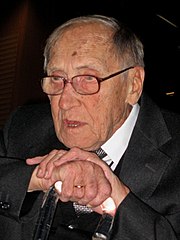 Leszek Kołakowski (ur. 23 października 1927 w Radomiu, zm. 17 lipca 2009 w Oksfordzie[1]) – filozof zajmujący się głównie historią filozofii, historią idei oraz filozofią religii, eseista, publicysta i prozaik. Kawaler Orderu Orła Białego. Ojciec Agnieszki Kołakowskiej.
Prace filozoficzne
Pierwszym tekstem Kołakowskiego skonfiskowanym przez cenzurę, a zarazem pierwszym, który zaczął funkcjonować poza oficjalnym systemem, był napisany w 1956 dla „Po Prostu” manifest „Czym jest socjalizm”.
W 1958 Kołakowski opublikował monografię Jednostka i nieskończoność. Wolność i antynomie wolności w filozofii Spinozy, w której posługiwał się już warsztatem nie tylko historyka filozofii, ale również historyka idei. Filozofii XVII wieku pozostawał wierny w kolejnych swoich pracach. W 1965 opublikował głośne studium Świadomość religijna i więź kościelna, uznawane z jednej strony za aluzyjną krytykę realnego socjalizmu w historycznym kostiumie, a z drugiej strony za wnikliwą analizę przemian religijności w XVII wieku. Kołakowski zarysowywał napięcie między indywidualną religijnością a wymaganiami wspólnotowego kościoła w ruchach protestanckich. Odczytywano to jako sprzeczność między jednostkowym zaangażowaniem intelektualisty a autorytarną rzeczywistością systemu.
W latach 1968–1976 napisał trzytomową pracę Główne nurty marksizmu. Powstanie, rozwój, rozkład, gdzie w sposób przekrojowy opisał rozwój tej doktryny, obalając wiele mitów i półprawd obecnych w dyskusjach na ten temat w krajach za żelazną kurtyną. Od 1966 jego zainteresowania zaczęły ewoluować w stronę filozofii kultury i etyki. W latach 1967–1975 napisał m.in.: Kulturę i fetysze, Obecność mitu, Husserl i poszukiwanie pewności.
Pod koniec życia głównym przedmiotem jego zainteresowań filozoficznych była historia filozofii, zwłaszcza od XVIII w., w tym doktryny liberalizmu, a także filozofia kultury oraz religii[12].
Oprócz tekstów filozoficznych spod pióra Kołakowskiego wyszły również utwory o charakterze literackim, choć również poruszające tematykę filozoficzną. Przykładem może być zbiór utworów 13 bajek z królestwa Lailonii dla dużych i małych, w oparciu o który zrealizowano cykl filmów animowanych Czternaście bajek z Królestwa Lailonii Leszka Kołakowskiego. Podobny charakter mają także takie utwory literackie jak Rozmowy z Diabłem i Cztery bajki o identyczności). W przypowiastkach i bajkach Kołakowski w przystępnej i atrakcyjnej literacko formie analizuje zagadnienia i paradoksy filozoficzne lub przedstawia dyskusje pomiędzy różnymi szkołami i doktrynami.
W 1996 nagrał dla Telewizji Polskiej 30 miniwykładów poświęconych ważnym zagadnieniom filozofii kultury (m.in. władzy, tolerancji, zdradzie, równości, sławie, kłamstwu), wydane następnie w formie książkowej jako Mini wykłady o maxi sprawach. W 2004 rozpoczął telewizyjne wykłady z serii O co nas pytają wielcy filozofowie.
Cultural conservative but no extremist: Jaroslaw Kaczynski
(Katarzyna Czerwińska / Kancelaria Senatu CC BY-SA 2.0)
 By all accounts, things are rotten in the state of Poland. A fascist dictatorship has been installed — a bit like the one in Hungary, apparently, but worse. Ostensibly, democratic elections were held. But that is just a smokescreen. There has been a coup. By or against whom is unclear, but democracy, freedom of the press and civil liberties are definitely threatened. Poland is on the road to ruin, and liable to take the whole of the EU down with it. The European Commission is worried.
One might be forgiven for thinking that this alarming news appeared in headlines eight years ago, when the bunch that has just been ousted — Civic Platform (PO) — came to power and purged the media, sacking anyone not to their liking and replacing them with their own cronies. Or when those cronies proceeded to use the public media as a vehicle for virulent and relentless propaganda against the current bunch, Law and Justice (PiS). Or at just about any time during those eight years, which saw a long string of scandals including — besides fraud, embezzlement and misuse of funds on a massive scale — the illegal wiretapping of journalists and police raids on editorial offices. Or when it emerged that newspapers loyal to PO were subsidised under the table through government advertising. Or just before the elections, when PO, in a manoeuvre of dubious legality, forced through five of its people onto the Constitutional Tribunal.
Not a peep out of the European Commission then. But then that was a (supposedly) left-wing government, so that was all right. And this is (allegedly) a right-wing government. Hence the current hysteria.
Except that PiS is actually about as right-wing as Bernie Sanders. Well, perhaps I exaggerate slightly. But it’s certainly not right-wing fiscally or economically. This is not small-government and low-taxes conservatism; rolling back the State is not on the agenda. The conservatism is social, cultural and moral, and comes with a strong emphasis on national sovereignty. In the Polish context this means upholding tradition and family values, a tiny smidgeon of Euroscepticism, the refusal to submit to bullying by the EU and Germany in particular, an acknowledgement of our Judaeo-Christian heritage and the conviction that Christianity must be restored to its proper place in the public sphere, where the Church must play a role. You might call them culturally conservative old-style socialists. But whatever label you stick on them, none of this warrants investigation by the European Commission, let alone cries to topple the governent.
The Left’s denunciation of anything with a whiff of conservatism about it as “extreme Right” and therefore evil by definition is not surprising. But the hysteria about PiS is more than just a temper tantrum on the part of the bien-pensant Left. The “hate speech” (a favourite accusation to fling at their opponents as they shower them with abuse) is breathtaking; some of it should be classed as incitement to criminal violence. Well-known journalists from that organ of the Polish left-wing chattering classes, Gazeta Wyborcza, have turned up at demonstrations to enourage revolt and assure people that their newspaper would continue the fight this government. A prominent journalist on that paper also incited soldiers to defy orders coming from the current minister of defence. So much for journalistic impartiality. But it’s worth observing that it’s a curious sort of fascist dictatorship that allows demonstrations and public vilification. It’s also noteworthy that the propaganda machine lumbered into gear well before PiS had had a chance to do anything; indeed, the shrieks of indignation began well before the elections.
At stake are the vested interests of people who have just lost their power and privileges: the left-wing elites who have been in alliance with PO in what was more of an oligarchy than a democracy. They do a nice line in cries of “fascism!” at any expression of dissent from their views, any divergence from the politically correct, but above all any threat to their monopoly on what should pass for enlightened opinion. They also do a nice line in stamping out genuine pluralism wherever they can. Now they have lost the power and privileges they considered theirs by right, as well as the political stranglehold on the media and public institutions which they have had for the past eight years, and they are howling in outrage. For some the fear of criminal proceedings — for fraud, misuse of funds, abuse of public office and a host of other offences — is an additional stimulus.
So what has PiS actually done since it came to power? And does any of it justify claims of fascism? It has replaced a few people in the extremely politicised public media, which was unavoidable if it was to be able to govern unhampered by a constant stream of vicious propaganda (imagine the BBC’s left-wing bias multiplied tenfold). It has replaced five PO judges on the Constitutional Tribunal, bringing the number of PO loyalists on it down to nine; it’s hard to see how this is somehow less “democratic” than having 14 of them doing PO’s bidding (as some of them quite blatantly did).
Being burdened with a ministry of culture, the government has plans to develop programmes and competitions encouraging traditional values, in the hope that the three national theatres, at least, might be persuaded to put on a few Polish and European classics, representative of the values it would like to uphold rather than works which attack those values. It doesn’t seem entirely outrageous to think that this might be a good thing; it would certainly come as something of a relief. The government definitely has no plans to sack the current directors of these theatres (apart from anything else, it has no legal means of doing so), nor does it intend to impose anything on them; but the opposition has been disseminating propaganda that this is precisely what is intended, and stoking up protest. PiS will encourage new works to mark Poland’s 100 years of independence. There will be a new museum of Polish history. It will also ensure a fairer distribution of subsidies for literary journals, which under PO had gone overwhelmingly to left-wing publications — hardly surprising, since the editors of some of those journals, or their friends, sat on the committees awarding the subsidies.
The country was in effect governed by a clique which for the past eight years held the media, the judiciary and the arts in its grasp. The media and the judiciary were independent only in name, something a party calling itself Law and Justice must try to remedy. The aim is to clean up corruption and restore some balance. To which the response that naturally suggests itself is: well, they would say that, wouldn’t they? But the hope is that these people will be disinterested and a bit more impartial. It isn’t an ill-founded hope. And they are doing no more, indeed considerably less, than the previous government — a government whose salient feature was its spectacular corruption — did when it came to power eight years ago.
It is unbelievable that the idiocies being propagated about democracy and civil liberties being under threat are being taken seriously in the West. The fact that the EU threated sanctions shows how far-reaching is the influence of the Polish Left, led by Gazeta Wyborcza, which has been vilifying PiS for years as “fascist” and is now spreading the propaganda we see parroted in the Western press.
But besides the fabrications of people who have lost their privileges and their impunity and stand to lose even more, there is some genuine disquiet both at home and abroad; there are doubts that are reasonable and fears that are to some extent justified. PiS’s smidgeon of Euroscepticism clearly doesn’t extend to supporting Britain in its negotiations with the EU at the cost of limiting British welfare benefits for Polish citizens, and party chairman Jaroslaw Kaczynski’s intransigence on this point seems excessive. It would indeed be discriminatory if EU law on this point were suspended just for Poles; but it’s hard to see how drawing benefits in Britain before one has lived there for a reasonable amount of time, not to mention sending British child benefits home, could be considered a “right”, for Poles or anyone else. But apparently an agreement has been reached that is deemed “satisfactory”.
Then there is the economy. PiS plans, as far as I know, to stick to its election promise of lowering the retirement age. It also plans to pay 500 zlotys a month — about £100, a huge sum for Poles — in benefits for every child after the first. It isn’t entirely outrageous to try to do something to counter the Polish demographic slump (although there is no indication that throwing money at people will persuade them to have more children), but these seem lunatic proposals, with a whiff of populism about them. (PO is now promising 500 zlotys for every child when it regains power, because it’s just so unfair to leave out the first-born — this from a party which in office cut in-work benefits and social security to the bone. But it is PiS that is denunced as populist.) Still, having loony economic policies hardly makes you fascist. It might be salutary to remind ourselves that countries which have the likes of Jeremy Corbyn, Donald Trump or Bernie Sanders as elected politicians or running for office with a good chance of success are hardly in a position to call anyone names.
Then there’s the question of refugees and immigration. On this there does not yet seem to be a firm policy, which is not surprising, as no one else in Europe has one either. Yes, PiS is reluctant to accept a flood of refugees; but so is everyone else, except Angela Merkel. It has no infrastructure to deal with them and it is worried about the infiltration of IS terrorists. So is everyone else. It fears the spread of radical Islam; so does everyone else. Nevertheless, it has, like everyone else, accepted some refugees and will accept more. How all this will end, in Poland and everywhere else, as migrants continue to come to the EU, is anyone’s guess. There is no discernible reason why Poland should be singled out as a selfish, fascist state for being a little worried about it. In any case, the refugees dumped on Poland mostly try to escape to Germany, the promised land of better benefits. As for immigration from closer to home, particularly from Ukraine, by now there are probably more than a million Ukrainian immigrants in Poland (the figures for last year were given as anything from half a million to a million).
PO was hated for its arrogance and contempt, its cliquishness and corruption, its willingness to be dictated to by the EU and its servility towards Russia (before the annexation of Crimea, when PO suddenly changed its tune) and Germany. The people who voted it out of office did so in the hope that the cronyism and the corruption would end. They wanted to feel proud of being Polish instead of being made to feel that it was something to be ashamed of; they were sick of “patriotism” being treated as a dirty word. They wanted some transparency in government and they wanted the affirmation of their country’s sovereignty. They will certainly get the latter; it remains to be seen how much they get of the former. But if the Law and Justice government criminalises homosexuality and premarital sex, introduces censorship, confiscates private property, imprisons the opposition, bans demonstrations, and starts planning pogroms, I promise I’ll be the first to let you know.
 Co przynieść ze sobą na czytanie Megilat Ester?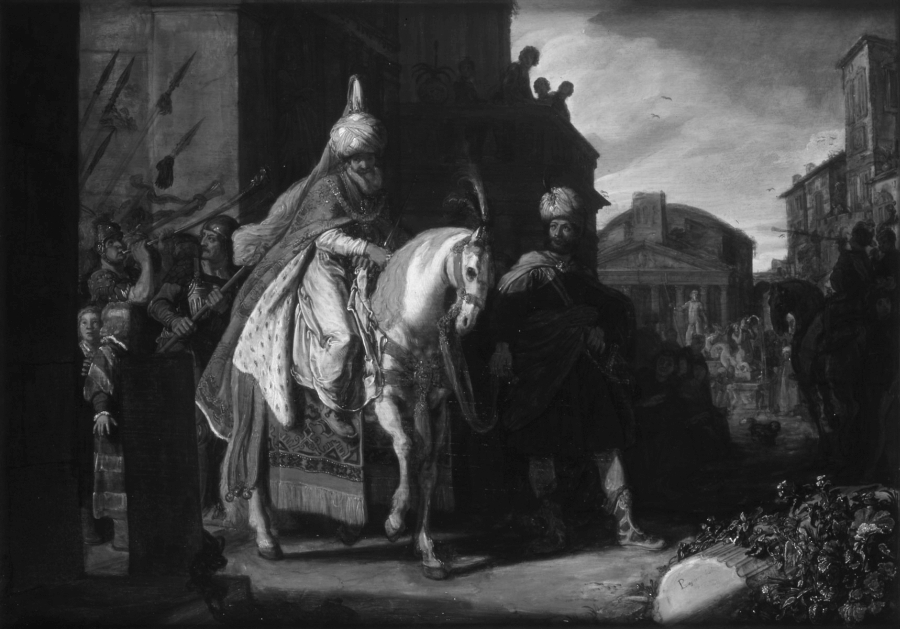
 Miszloach manot są również częścią tej jedności. Kiedy wysyłamy dwa rodzaje jedzenia swoim przyjaciołom, w zasadzie dzielimy z nimi swój posiłek i gdy wszyscy podzielą się w ten sposób ze swoimi bliskimi, jemy niejako jeden wspólny posiłek.