Archive | May 2017

A TRIBUTE TO MY LATE, GREAT BAR MITZVAH TEACHER

CJN - Canada’s largest Jewish newspaperA TRIBUTE TO MY LATE, GREAT BAR MITZVAH TEACHER

Murray Teitel


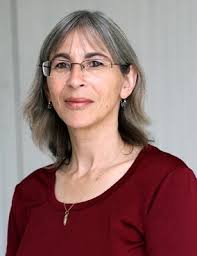
Philip Zucker, left, with grandson Jeremy Kellerstein in 1988. MARTIN KELLERSTEIN PHOTO

My relationship with Philip Zucker began 54 years ago, when my parents hired him to teach me all of parshat Tetzaveh and the special Maftir and Haftorah for Shabbat Zachor as part of my bar mitzvah preparations. Despite his death on Feb. 18, that relationship continues.

Zucker was born in the Polish town of Serock, not far from Warsaw, on Nov. 11, 1918. His mother gave her father the task of registering the birth, but he did not get around to it until January of the following year. Because Zucker’s parents would have been in trouble for not registering his birth within 30 days, his grandfather indicated that Zucker had been born in 1919. Consequently, when World War II broke out years later, Zucker was not yet of conscription age. He likely avoided being killed fighting a hopeless battle against either the Russians or the Nazis.

In September 1939, the Germans entered Serock, rounded up Zucker and his father, along with all the other Jewish men, and marched them toward Germany. But before arriving, the Germans realized they had made a mistake. Pursuant to the Molotov-Ribbentrop Pact, Serock actually belonged to Russia. And so the Jews were marched east to the new Russian border. Instead of perishing in a death camp in Germany, Zucker survived in a labour camp in Russia.

He arrived with his wife and first child in Toronto in 1949 and found two jobs: sewing coats on a piecework basis in a factory owned by his wife’s cousin, and as a ba’al koreh (Torah reader), first at the Shaw Street shul, and later at Shaarei Shomayim, where he also starting working as a bar mitzvah teacher, preparing young boys to become men.

In 1962, Jack Burke, the Hebrew vice-principal for grades 7 to 9 at the Associated Hebrew Day School, made him the recommended bar mitzvah teacher for students who did not otherwise have one. Zucker was able to give up working at the shmatte factory. On his last day of work, his wife’s cousin told him, “You were never good at this. You always did a perfect job when you could have gotten by with less and made more money.”

Zucker was stubborn and uncompromising when it came to the ethical standards he set for himself. For him, reading from the Torah wasn’t a simple matter of singing the notes. He lived the words, and he demanded perfection. If the Torah spelled a word with the letter vet instead of bet, it was for a reason. If the note indicated was a geirshayim, it was not – could not – be mistaken for an azla geireish.

Our learning sessions were slotted for Saturday nights, and so, as soon as Shabbat was out, I would take the bus to his house at 55 Burnside Dr., where I would sit at his kitchen table facing west, with him to my left facing north. He was the most gentle and patient of teachers. When I made a mistake, his right hand would touch my left wrist and he’d wait for me to figure out my mistake. He never looked at the tikkun (the book I was studying from to learn the layning). He didn’t need to.

Many years later – I think he was 96 at the time – I paid a visit to my old bar mitzvah teacher, When I asked him how he was, he responded, “Not so good. My memory’s declining.”

“That’s not true,” I said. “And I’ll prove it you.”

I sat down at his table, on which, as always, were his magnifying glass and the Epstein Chumash he favoured. I asked Zucker to sit down too. By chance, he once again sat to my left, facing north.

“Now I’m going to start reading,” I said, “When I stop, you will recite to the end of the Torah, from your memory alone.”

I had read about five words when, just as he did so many years before at 55 Burnside, his right hand touched my left wrist. I had made a mistake. He was not looking at the book. And still he caught it.

Zucker viewed his life as having been determined by goral, a Hebrew concept situated somewhere on the vast continuum between pure chance and divine providence.

He lived his life according to the Torah precept of humility. In over five decades of knowing the man, I had never heard him say anything even remotely boastful. So it was with hesitation that he explained to me that when the great Jewish thinkers would come to speak in Serock, his father would take him along to listen. Walking home, he told me, he would recite back to his father every single word they had heard, using the proper inflections and speaking style. But he could no longer do that sort of thing. That was his failing memory.

One cannot leave one’s intellect as a legacy to others. Zucker’s legacy is that of a silent mentor who guided others by the example of his life, without even knowing he was doing so. Years ago, I met one of his sons-in-law and began telling him about the esteem in which I held Zucker. “I know,” he said. “When my sons have an ethical problem, they ask themselves one question. ‘What would Zaide do?’”

There can be no higher tribute.


Murray Teitel is a Toronto barrister and freelance journalist. He was also one of Philip Zucker’s approximately 2,000 students.


twoje uwagi, linki, wlasne artykuly, lub wiadomosci przeslij do: webmaster@reunion68.com



TEMPLE MOUNT – The True Story!

TEMPLE MOUNT – The True Story!

Pierre Rehov


We are at war with the UN, UNESCO and the world who want to create a reality where the Temple Mount has NO connection to the Jewish people. Producing a film about Temple Mount is the best way to spread the Truth!LET US, TOGETHER, MAKE A DOCUMENTARY PROVING HOW BIASED THE UN AND UNESCO ARE WHEN IT COMES TO ISRAEL! In the words of Michael Margolies of the New York Press “If you’re tired of the New York Times-NPR Slant on Israel, here’s good news: documentary filmmaker Pierre Rehov has been challenging prevailing myths since 2001. With ten films already to his credit and another on the way, this serious, never boring, and above all else courageous documentarian is starting to make some serious waves”

Click here to support the production of this important film!

Your contribution will go towards completing the documentary explain the integral facts about the Temple Mount. This will establish the truth, once and for all and make it a point of historical reference. It will serve to educate the ignorant and those swayed by the politicised news reports.

We need funds at different levels:

To create the documentary film on the Temple Mount
To successfully produce and finish the film
To upload the film on social media ( Youtube, Vimeo, Dailymotion, Facebook etc… )
To renounce seeing any royalties in the future ( which represents a loss of $15,000 a year )
To promote the uploads through the same systems (buying clicks, uploading banners… )
Massive online publicity
We need $45,000 for this feat to be achieved and successfully executed. Our plan is ready and the production unit are all on standby to start on it. All we need is the donation. This is not our first, we have done similar ones in the past with massive success record. You can see the testimonial section or our site for this ( www.MiddleEastStudio.com).

Boost this video for $10 to reach up to 1000 people


twoje uwagi, linki, wlasne artykuly, lub wiadomosci przeslij do: webmaster@reunion68.com



Strajk głodowy głodnego władzy i spragnionego krwi

Strajk głodowy głodnego władzy i spragnionego krwi

Lijat Collins
Tłumaczenie: Małgorzata Koraszewska


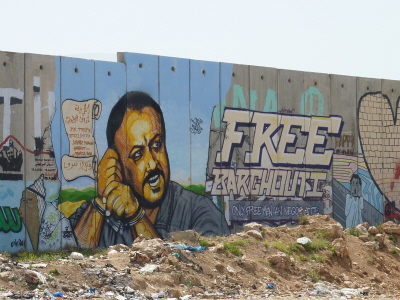
Graffiti pokazujące uwięzionego przywódcę Fatahu, Marwana Barghoutiego, odsiadującego obecnie pięć wyroków dożywocia za terroryzm, na części muru bezpieczeństwa po stronie Autonomii Palestyńskiej.

Kierowany przez terrorystę Marwana Barghoutiego, bardzo nagłośniony strajk głodowy więźniów palestyńskich w więzieniach izraelskich, dowodzi czegoś, co powinno być oczywiste, szczególnie teraz, kiedy przygotowujemy się na Dzień Pamięci O Holocauście. Przyrównywanie Izraelczyków do nazistów jest nie tylko moralnie ohydne, ale nie mogłoby być dalsze od prawdy.

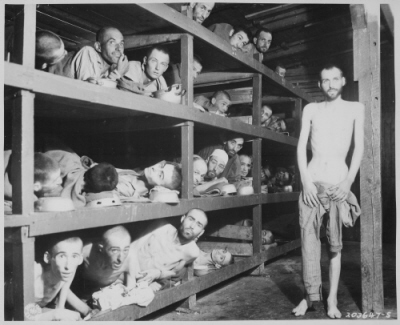
Żydzi w nazistowskich obozach koncentracyjnych nie prowadzili strajków głodowych, żeby żądać lepszych warunków; oni umierali z głodu. Żydzi nie odmawiali uznania niemieckiego systemu sprawiedliwości; reżim nazistowski odmawiał uznania Żydów – jako obywateli, a właściwie jako ludzi. Żydowscy intelektualiści nie mieli szans na pogłębianie swojej edukacji; byli niewolnikami dopóki ich nie zabito. Nie mieli wizyt rodzin i wizyt małżeńskich. Żydzi byli łapani – często z pomocą lokalnej policji, (niezależnie od tego, co mówi kandydatka na prezydenta, Marine Le Pen) i wysyłani do obozów koncentracyjnych za zbrodnię urodzenia się Żydami.

Więźniowie żydowscy w Buchenwaldzie

Więźniowie palestyńscy, starający się o sympatię międzynarodową, popełnili przestępstwa od planowania i dokonywania masowych zamachów terrorystycznych do obrzucania koktajlami Mołotowa samochodów w nadziei, że żydowscy kierowcy i ich rodziny zginą w płomieniach.

Palestyńscy więźniowie pochodzą ze społeczeństwa, które przydziela “męczeństwu” najwyższy szacunek, ale nie są oni świętymi. I niezależnie od tego, jak wielu skazanych uwalnia się jako „posunięcie budujące zaufanie”, jakiekolwiek państwo zbudują w przyszłości, nie będzie to mniejsza, bliskowschodnia wersja Australii. Jest bardziej prawdopodobne, że będzie dręczone wojną domową w stylu syryjskim, kiedy zderzą się lojalności klanowe.

Więzienie izraelskie to nie piknik, ale nie jest to także czyściec, jak udaje Barghouti.

Podczas podobnego strajku głodowego (również z Barghoutim na czele) pięć lat temu, pamiętam incydent, kiedy służyłam w bazie Izraelskiej Armii Obronnej na Wzgórzach Golan. Policja z miejscowego posterunku poprosiła mnie, bym pomogła jako tłumaczka, kiedy przesłuchiwali szkockiego wolontariusza, aresztowanego za kradzież w kibucu, w którym się zatrzymał.

Nadal pamiętam nieco komiczny efekt równoczesnego tłumaczenia najsilniejszego akcentu z Glasgow, jaki kiedykolwiek słyszałam i obserwowania twarzy izraelskich policjantów skonsternowanych faktem, że imię podejrzanego brzmiało Hugh, a słowa “who” [kto] i “hu”, co znaczy “on” po hebrajsku, często pojawiały się podczas przesłuchania. [„Hugh”, „who” i „hu” wymawia się tak samo. MK]

Hugh nie mógł znieść żywności na posterunku. Była Pascha i włamywacz (przyznał się do winy) najwyraźniej uważał jednak macę za okrutną i niezwykłą karę i błagał mnie o interwencję, by móc dostać trochę “prawdziwego chleba”.

Nietrudno wyobrazić sobie możliwe nagłówki na przykład w “New York Times”, gdyby młody Palestyńczyk był zatrzymany pod zarzutem terroryzmu – a następnie zmuszony do narzuconej przez Żydów diety, podczas gdy policja próbowała wydostać od niego zeznania o popełnionych czynach, nie zaś drobny złodziejaszek, który nadużył gościnności kibucu, gdzie drzwi zamyka się rzadko.

W końcu, w tym tygodniu “New York Times” nie tylko dał Barghoutiemu prestiżową platformę dla jego twierdzeń, że torturowano go przed uwięzieniem, ale nie wspomniano nawet, że ten przywódca Tanzim, jednego z “militarnych” skrzydeł Fatahu, odsiaduje pięć wyroków dożywocia za zorganizowanie zamachów terrorystycznych, które pozbawiły życia czterech Izraelczyków i mnicha greckiego, pomyłkowo wziętego za Żyda.

Amerykańska gazeta przedstawiła go tylko jako “palestyńskiego przywódcę i parlamentarzystę”.

Po gniewnych reakcjach na to wygodne pominięcie – premier Benjamin Netanjahu porównał to do mówienia o Baszarze Assadzie tylko jako o “doktorze” – Liz Spayd, redaktorka tej gazety, opublikowała wyjaśnienie.

Nawiasem mówiąc, Barghouti także ma tytuł „doktora”: zrobił w izraelskim więzieniu doktorat z nauk politycznych na uniwersytecie egipskim. Kilka doniesień wspomina o jego apetycie na literaturę polityczną, włącznie z biografią Margaret Thatcher (chociaż jeszcze nie odkryłam, co sądzi o bezkompromisowej postawie Żelaznej Damy, która pozwoliła na zagłodzenie się na śmierć więźniów IRA podczas strajku głodowego).

Ten uwięziony przywódca Fatahu jest także bohaterem filmu. Misja Palestyńska w Wielkiej Brytanii planowała pokaz filmu „Marwan” w londyńskim Mayfair Hotel wieczorem 23 kwietnia (kiedy Izraelczycy zaczynają obchody Dnia Pamięci o Holocauście): filmu o życiu i walce Marwana Barghoutiego.

Impreza ta – poinformował Palestinian Media Watch – zorganizowania przez Fateh Movement-UK i General Union of Palestinian Communities in Europe, została odwołana po tym, jak hotel otrzymał skargi. Organizatorzy twierdzą, że film pokazuje “wiele twarzy [Marwana], od bojownika oporu do orędownika rozwiązania w postaci dwóch państw i pokazuje, jak jego osobista historia jest symboliczna dla walki ludu palestyńskiego o wolność i niepodległość”.

W tym przypadku był wystarczający nacisk publiczny tych, którzy znają prawdziwą naturę i ohydne oblicze Barghoutiego, ale nawet w dzisiejszej, wstrząsanej terrorem Europie, są tacy, którzy z łatwością połykają ckliwą opowieść o Barghoutim. Łatwiej jest przełknąć terroryzm, kiedy można obwiniać za niego Izrael niż widzieć w Izraelu ofiarę. Żądania więźniów palestyńskich są najlepszym świadectwem faktu, że warunki, w jakich są trzymani, są dalekie od tragicznych: żądają dostępu do większej liczby stacji telewizyjnych w języku arabskim, dalszej edukacji, ułatwień dla wizyt rodzin z Zachodniego Brzegu i Gazy (które Czerwony Krzyż obciął z jednej wizyty co dwa tygodnie do jednej wizyty miesięcznie) i telefonów publicznych, by mogli być w kontakcie ze swoimi rodzinami.

Większość tych przywilejów została odebrana w 2011 r. w próbie nacisku na ich przywódców, kiedy Gilad Schalit był trzymany incommunicado w Gazie. Warto pamiętać, że w Gazie nadal są trzej obywatele izraelscy (i ciała dwóch żołnierzy IDF), choć trzymani są oni najprawdopodobniej przez Hamas, nie przez Fatah.

Zanim zaczniesz rozczulać się nad więźniami, których Barghouti, jak twierdzi, reprezentuje, pomyśl o jego ofiarach i ich rodzinach. Ten człowiek, organizujący strajki głodowe, jest głodny władzy, jak również spragniony krwi. Wielu obserwatorów sądzi, że jego najnowsze posunięcie dotyczy mniej warunków, w jakich znajdują się jego współwięźniowie, a bardziej jego apetytów politycznych. Z popularnością zwiększoną przez odsiadywanie kary więziennej często reklamuje się go jako możliwego następcę 82-letniego przywódcy Autonomii Palestyńskiej, Mahmouda Abbasa. Jego zwolennicy określają go jako „umiarkowanego”, widocznie myląc umiarkowanie z jego pragmatyzmem i zręcznością polityczną.

Pewne rzeczy nigdy się nie zmieniają. W 2005 r. były szef izraelskiej Służby Więziennej, Jaakow Ganot, powiedział ówczesnemu reporterowi, a obecnemu redaktorowi naczelnemu “Jerusalem Post”, Jaakowowi Katzowi, że Barhgouti prowadzi ze swojej celi kampanię polityczną, w czym pomagają mu jego adwokaci. To właśnie Ganot pomógł doprowadzić do zakończenia strajku głodowego tysięcy więźniów palestyńskich poprzedniego roku, pokazując Barghoutiego, który po kryjomu zajadał się w swojej celi.

Strajk głodowy jest uważany za coś szlachetnego, taki chleb z masłem protestów obywatelskich. Trudno z tym także walczyć, każda reakcja automatycznie wydaje się przemocą i dostarcza dodatkowego pokarmu aparatowi palestyńskiej propagandy.

Jak sformułował to sam Barghouti w swoim artykule na łamach “New York Times”: “Strajk głodowy jest najbardziej pokojową dostępną formą oporu. Jest bolesny tylko dla tych, którzy w nim uczestniczą i ich bliskich, w nadziei, że ich puste żołądki i ich poświęcenie pomoże ich przesłaniu rozbrzmiewać poza ich ciemnymi celami”.

Jednak, kiedy “New York Times” i inni udzielają Barghoutiemu platformy do perorowania, nie słyszymy burczenia ich pustych brzuchów, ale przeżuwanie skazanego terrorysty i mordercy, spragnionego uwagi świata. Niezależnie od tego, jak bardzo upiększa się Barghoutiego, jego ręce nadal są splamione krwią.


Liat Collins
Urodzona w Wielkiej Brytanii, osiadła w Izraelu w 1979 roku i hebrajskiego uczyła się już w mundurze IDF, studiowała sinologię i stosunki międzynarodowe. Pracuje w redakcji “Jerusalem Post” od 1988 roku. Obecnie kieruje The International Jerusalem Post.


twoje uwagi, linki, wlasne artykuly, lub wiadomosci przeslij do: webmaster@reunion68.com


The dead live long

The dead live long

Lily Galili


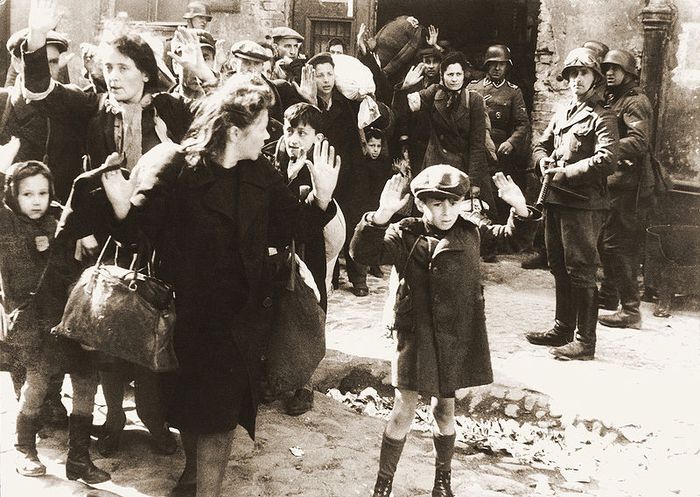
A Jew is arrested by German soldiers in April 1943 after the uprising of the Warsaw ghetto during WWII
AFP/File

“The dead live long,” says 88-year-old Ziuta Hartman in a new documentary retelling a relatively unknown chapter of the story of the Warsaw Ghetto uprising. This heroic, but brief moment in Jewish history is of monumental importance, and the date it started was selected by the nascent State of Israel as the date on which the country would mark Holocaust Memorial Day, with a focus on the legacy to remember. But the question of who is to be remembered, remains.

Hartman’s cynical remark about the living dead came after she found out, shortly before her death, that for her whole life she had been registered as dead in the archives of the first Holocaust Museum in Kibbutz Lohamei Hagetaot (“Ghetto fighters”), established by the survivors of the uprising. The reason – Hartman, who was very much alive, belonged to the wrong political underground movement of Jewish fighters in the ghetto.

This was due to the deep divide between the two ideological groups in Poland – the left-affiliated youth movements, and the right-wingers who they viewed as fascists. Not even common faith in the ghetto and the looming danger of extermination were strong enough to bring those two together. Not for over 70 years.

The known narrative is partial. It glorifies the bravery of the Jewish Combat Organization, led by the legendary Mordechai Anielewicz and his friends, but completely omits the role of the other organization, the Jewish Military Union. Their role in the uprising was underplayed in favor of the socialist Jewish Combat group.

An image from the Warsaw Ghetto / Wikipedia Creative Commons

It is a known fact that survivors and winners write history. More of the leftist Jewish Combat survived and came as heroes to the then-new State of Israel, which was established by leaders with a socialist orientation. They were in charge of the narrative and gatekeepers at the doors of the pantheon of collective memory. The others were denied entry. Even after Professor Moshe Arens, former Minister of Defense from the Likud Party, published a book depicting the role of the other, more militant movement.

He had a good source for the book: the daily diary of Jorgen Stroop, the SS commander delegated by Himmler to put down the ghetto uprising. He knew. So did Polish historians. In Israel though, politics trumped all.

It took the makers of the movie, Simon Schechter and Yuval Haimovitch –Zusser seven years to complete their documentary because no foundation was willing to support it.

“The leaders of the Jewish Combat were willing to cooperate in the ghetto with communists, anti-Semites and anti-Zionists; just not with Beitar [the revisionist youth movement] who they defined as fascists,” says Arens, speaking to i24NEWS on the eve of Holocaust Memorial Day. He still sounds bitter and angry talking about this distortion of this chapter in history of the Holocaust which is painful to many. And then he quotes George Orwell saying, “he who controls the past, controls the future.” It is not only about the narrative. When the Holocaust becomes a political tool, control of the past is more important than ever.

The underlying assumption that the Holocaust is the unifying factor in an otherwise torn Israeli society, is no longer true. Maybe it never was, but nobody dared talk about it. The sanctity of the Holocaust kept it away from domestic controversy, safely locked under the tight lid of common narrative.

In the age of post-truth, when these narratives disintegrate, an updated version of the Holocaust is being written in Israel. Some myths are undermined, and many options are on the table.

Popular wisdom says that the victims of the Holocaust were European Jews, meaning Jews of Ashkenazi origin. That is not what Sephardi Jews, mainly from North African countries have known for decades. They were also victims of the Nazis. History was on their side of the truth, but nobody listened. For years, Sephardi Jews – first and second generation – felt that Ashkenazi Jews appropriated Holocaust, with all its important symbolic and minor financial benefits.

Some prominent Sephardi voices bitterly reiterated this, saying: “their holocaust” in reference to Ashkenazi Jews. Theirs, i.e. that of Sephardi Jews, was “the forgotten Holocaust.

”Yet “From Benghazi to Bergen-Belsen” is not just a book recently published by Israeli author, Yossi Sucary, depicting the painful fate and extermination of Libyan Jews. It was their fate. Decades earlier, when they tried to claim their part in that tragedy, the Ashkenazi establishment responded saying they were hoping for a free ride by exploiting the Holocaust, and brushed them off.

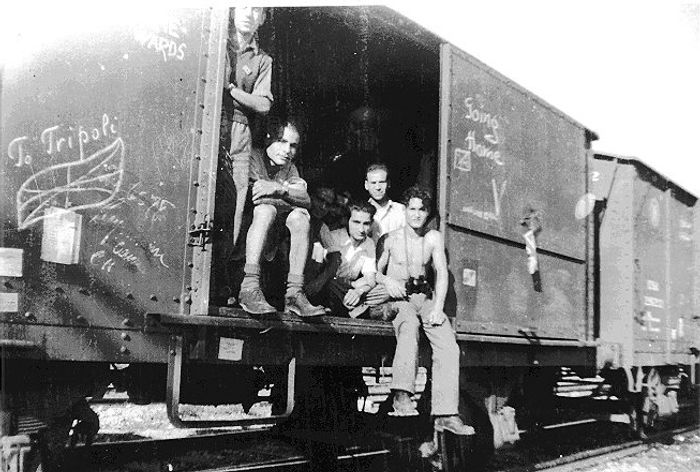
A photo taken in 1945 showing Holocaust survivors returning to Libya from Concentration Camp Bergen-Belsen
Yad Vashem

It took 70 years for this historic distortion to be recognized and rectified by Israeli government. The unrecognized victims are now entitled to modest benefits (that seem to never reach all survivors), and the story of North African and Iraqi Holocaust is to be taught in all schools.

In a country where all sectors compete with each other over victimhood, the recognition means more than just making justice. It carves a new place for the incomers in the Israeli ethos.

But others choose to stay away from it. In an interview with a religious radio station, Aryeh Deri, the leader of the Sephardi orthodox party, recently said that the date chosen by the secular state to mark Holocaust Day, “does not compel us, the orthodox.” He did not mean that they don’t care – he just chose to stay out of the common circle of grief.

This is 2017’s version of Holocaust Memorial Day. In between, 12,000 survivors die every year, most in painful poverty and alone. The memory of the Holocaust is abused by politicians for political gain and often presented as the raison d’etre for the existence of the state. “I want to love this country for its sun and fruits and the Hebrew language,” says Holocaust historian Professor Hanna Yablonka. “I don’t need to love it as an alternative to Holocaust.

[ Haaretz Or Kashti Jul 21, 2010  The Education Ministry has removed Prof. Hanna Yablonka of Ben-Gurion University of the Negev from her post as chair of the experts committee on the subject of history. Yablonka had voiced criticism in recent months of ministry policy on how history is taught in schools. ]

”The third and fourth generations will inherit the burden of redefining the commemoration of the Holocaust. One thing is for sure – it will be different.Lily Galili is a feature writer, analyst of Israeli society and expert on immigration from the former Soviet Union. She is the co-author of “The Million that Changed the Middle East.”


Haaretz:   Lily Galili is a Haaretz correspondent, analyst on Israeli society and an expert on immigration from the former Soviet Union, and its political, cultural and social impact on Israeli society.

Galili joined Haaretz in 1982 as a media correspondent. During the first Lebanon war, when she was the first woman reporter to enter Lebanon, Galili gained vast experience in covering both military and civil protest groups, a field of expertise that reflects all changes in Israeli social and political development. Over the years. she has extensively covered the Israeli-Palestinian conflict, with a focus on personal stories, and the Arab citizens of Israel.

Galili is a Nieman Fellow from Harvard and a graduate of the Hebrew University in Jerusalem, with a Master’s Degree in communicaton.
She is currently working on a book on the 20 years of mass immigration to Israel from the former Soviet Union.


twoje uwagi, linki, wlasne artykuly, lub wiadomosci przeslij do: webmaster@reunion68.com


7 incredible new things the world can thank Israel for

7 incredible new things the world can thank Israel for

Andrew Tobin


Israeli actress Gal Gadot at a screening for the film “Keeping Up With The Joneses” at The London Hotel in West Hollywood, Calif., Oct. 20, 2016. (Araya Diaz/WireImage/Getty Images)

TEL AVIV (JTA) – To build a Jewish state in the Middle East, Israelis had to be innovators.

Some of what they’ve come up with has been used mostly by their fellow citizens — think Hebrew slang, Bamba snacks and the Iron Dome missile defense system — at least so far.

But many other Israeli creations have changed the world: drip irrigation, the USB flash drive and actress Natalie Portman, among them.

Ahead of Yom Haatzmaut — Israel’s Independence Day, to be celebrated on May 2 — here are some incredible things Israel gave the world this year, its 69th year of independence.

A weed inhaler

Syqe Medical’s cannabis inhaler (Courtesy of Syqe Medical)

Puff, puff, pass the inhaler.

In November, the Israeli pharmaceutical giant Teva announced it would begin marketing a medical cannabis inhaler in Israel that delivers precise doses of the drug. Rambam Hospital in Haifa had already been using the device for more than a year, making it the first medical center in the world to prescribe cannabis as a standard medical treatment.

Perry Davidson, the founder and CEO of Syqe Medical, which developed the inhaler, said his company plans eventually to offer it around the world.

“Israel is clearly just the start,” he told Bloomberg. “We expect to be approved for use in other countries in due course. The U.S., as the biggest medical cannabis market, is an obvious target.”

The inhaler is far from Israel’s first marijuana-related innovation. In 1964, Raphael Mechoulan, a chemist at the Hebrew University of Jerusalem, discovered tetrahydrocannabinol, or THC, the main psychoactive constituent of cannabis. He went on to identify the endocannabinoid system upon which cannabinoids act on the body.

Last summer, the government approved a plan by Health Minister Yaakov Litzman to relax some requirements for obtaining medical cannabis. And in March, it decriminalized recreational marijuana use.

A binge-worthy series on the Israeli-Palestinian conflict

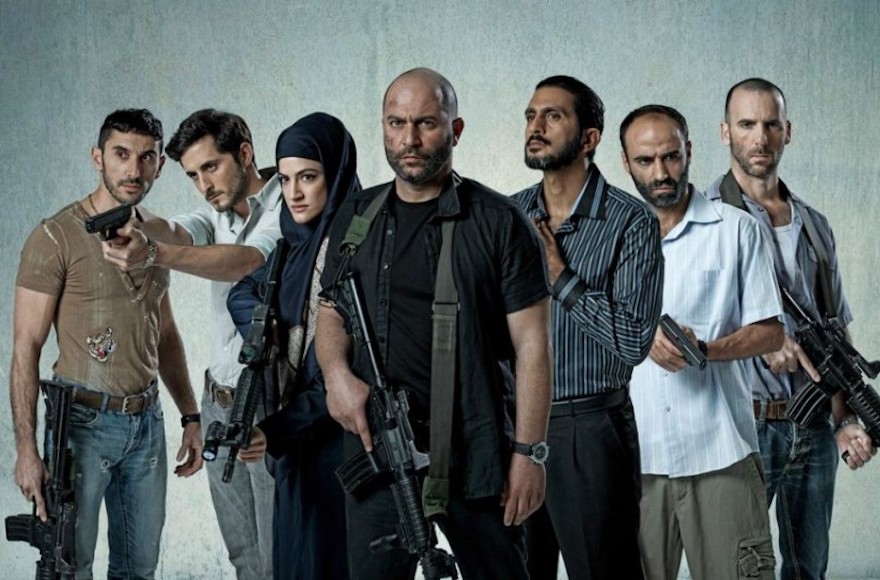
The cast of “Fauda” (Ohad Romano)

read more: 7 incredible new things…


twoje uwagi, linki, wlasne artykuly, lub wiadomosci przeslij do: webmaster@reunion68.com