Archive | May 2017

50 lat temu wygnano z Polski Żydów. Wokół marca’68

Polin Obcy w domu.
Wokół marca ’68


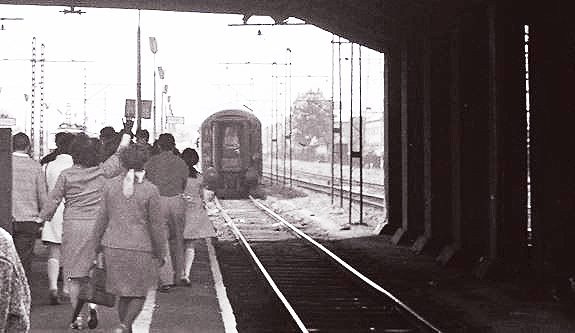
W roku 2018 przypada 50. rocznica wydarzeń Marca ’68. Muzeum Historii Żydów Polskich POLIN planuje opowiedzieć o Marcu ’68 i jego następstwach poprzez narracyjno-historyczną wystawę, przywracając pamięć o przyczynach i skutkach antysemickiej kampanii. Wystawa zostanie otwarta 8 marca 2018 roku.

Zagadnienie Marca ‘68 będzie tłem do prezentacji nieznanych historii i losów polskich Żydów po opuszczeniu Polski, a także punktem wyjścia do Państwa udziału w naszym przedsięwzięciu.

Rozpoczynamy społeczną akcję zbierania pamiątek historycznych i opowieści świadków tamtych wydarzeń.
Zachęcamy do podzielenia się z nami przedmiotami oraz opowieściami związanymi bezpośrednio z nimi. Szczególne znaczenie mają dla nas przedmioty związane bezpośrednio z wydarzeniami marcowymi, takie jak listy, fotografie, pamiętniki, dokumenty związane z wyjazdem, utratą pracy, emigracją, przedmioty codziennego użytku zabrane w drogę lub zostawione przyjaciołom w Polsce.

Podarowane muzeum pamiątki staną się ważnym elementem planowanej wystawy, budując część instalacji zatytułowanej „Archiwum Marca”. Aby powstało, jedna ze ścian górnej sali wystaw czasowych naszego Muzeum zamieni się w ogromną gablotę, do której zwiedzający będą mogli na bieżąco dokładać obiekty oryginalne związane z wydarzeniami Marca ’68. Część z nich chcemy zebrać jeszcze przed wystawą, część uzupełni gablotę już w trakcie trwania ekspozycji. W ten sposób stworzymy swoisty epilog wystawy, miejsce na refleksję nad różnymi aspektami doświadczenia Marca, nad emocjami, które się z nim wiążą. Narracja historyczna, która doprowadzi widza do „Archiwum Marca” dotyczyć będzie przyczyn i przebiegu kampanii antysemickiej i samego procesu wyjazdów. Opowiemy również o nowym życiu poza Polską tych, którzy wyjechali, jak i o tych, którzy podjęli trudną decyzję o pozostaniu w Polsce.

Podarowane przez Państwa przedmioty będą mogły wejść w skład kolekcji Muzeum Historii Żydów Polskich. Przyjęte jako dary, zostaną należycie zabezpieczone w warunkach pozwalających na zachowanie ich dla przyszłych pokoleń, ale jednocześnie udostępnienie ich dla badaczy, w internetowej Centralnej Bazie Judaików czy na kolejnych wystawach.

Wierzymy, że w przestrzeniach wystawienniczych Państwa historie i zwykłe przedmioty, niegdyś pamiątki osobiste, staną się dziś muzealiami.
Liczymy na Państwa odzew i chęć współtworzenia partycypacyjnej wystawy w Muzeum Historii Żydów Polskich.

Zachęcamy do kontaktu z pracownikami Działu Zbiorów odpowiedzialnymi za zbieranie pamiątek, telefonicznie lub e-mailowo:
Aleksandra Przeździecka-Kujałowicz ( 22 37 93 715, aprzezdziecka@polin.pl)
i
Przemysław Kaniecki (22 47 10 326, pkaniecki@polin.pl)
lub z kuratorkami wystawy,
Natalią Romik i Justyną Koszarską-Szulc ( jkoszarska@polin.pl, 22-379-37-18).


Drodzy Reunczycy. Pracownicy Muzeum Polin otrzymuja informacjie i materially od wielu osob. Aby moc oszacowac materialy, czy tez wyslac ewentualne podziekowania musza dokladnie wiedzic – jak informacja o 50’tej rocznicy “marca’68” do Was trafila. Niezapomnijcie wiec przy korespondencji, czy wizycie w Muzeum Polin zaznaczyc, ze jestescie czlonkami Reunion’68 !!!


twoje uwagi, linki, wlasne artykuly, lub wiadomosci przeslij do: webmaster@reunion68.com


Jewish Culture Festival 2017 – 2nd – 7th of June 2017

Jewish Culture Festival 2017 – 2nd – 7th of June 2017

 We are proud to invite you to the Jewish Culture Festival of the Jewish Community in Copenhagen. In 2017, we are organizing the 7th anniversary of the Jewish Culture Festival in Denmark. During the past six years, the festival has developed from a local event to an event outside the walls.

The program for the 7th Jewish Culture Festival is still in the making. The full programme will be published in the spring, but until then you can follow the upcoming events here, and on our Facebook page. The festival will take place from Friday, 2nd June until Wednesday, June 7. During this week, our audience will experience exciting concerts, lectures and debates.

Den 7. Jødiske Kulturfestival er i fuld gang med at blive planlagt. Vi vil løbende præsentere årets begivenheder her på siden og på facebook. Festivalen vil i år finde sted fra fredag den 2. juni til onsdag den 7. juni. Publikum kan som altid glæde sig til nogle dage fyldt med spændende koncerter, foredrag og debatter.

De sidste 6 års festivaler har været en kæmpesucces med stort antal besøgende. Det skyldes, at den jødiske kulturfestival præsenterer et unikt billede af et jødisk samfund med et væld af kulturtilbud på det højeste plan. Et samlet tilbud, som ellers er svært at opleve andre steder. Festivalen har udviklet sig til at være på størrelse med store europæiske jødiske kulturfestivaler, selvom den jødiske befolkning i Danmark er meget lille. Festivalen henvender sig til alle, der interesserer sig for jødisk kultur, men også til dem, der ikke har megen kendskab til den.


twoje uwagi, linki, wlasne artykuly, lub wiadomosci przeslij do: webmaster@reunion68.com


Izrael będzie się domagał zwrotu żydowskiej własności zagrabionej w czasie wojny

Izrael będzie się domagał zwrotu żydowskiej własności zagrabionej w czasie wojny

ADMIN


Polska, Rumunia, Węgry, Chorwacja i Litwa – te europejskie kraje znalazły się w centrum nowego planu przywrócenia własności skradzionej europejskim Żydom w czasie II wojny światowej i w okresie komunizmu. Plan został opracowany przez Ministerstwo Równości Społecznej, MSZ oraz Światową Organizację Restytucji Żydowskiej (WJRO).

Szczegóły nowego projektu podano w czwartek w Jerozolimie. Obejmuje on lokalizowanie, dokumentowanie i oznaczanie na mapach przejętego mienia. Celem jest ustanowienie wspólnych grup roboczych między reprezentantami Izraela, WJRO i krajami europejskimi. Mają one doprowadzić do zmiany prawa w poszczególnych krajach, tak, aby umożliwić odzyskiwanie zagrabionego mienia.

Prezydent Reuwen Riwlin, w którego rezydencji odbyło się spotkanie dotyczące planu, powiedział, że „jest w zwyczaju mówić, że zbrodnia nie popłaca. Dla wielu ludzi zbrodnia Holokaustu okazała się opłacalna. Nie możemy na to pozwolić”.


Five EU States at Center of New Israeli Effort to Restore Jewish Property Stolen in Holocaust
read more: http://www.haaretz.com/israel-news/.premium-1.787396

Ofer Aderet

read more: HAARETZ


twoje uwagi, linki, wlasne artykuly, lub wiadomosci przeslij do: webmaster@reunion68.com


New documentary digs up controversy as Polish Jewish cemetery restored

New documentary digs up controversy as Polish Jewish cemetery restored

RENEE GHERT-ZAND


In ‘Scandal in Ivansk,’ opening May 9, a Canadian-Israeli filmmaker charts the maelstrom surrounding Poles’ relationship to the word ‘collaborators’ in a new nationalist era

Many years ago, David Blumenfeld read a testimony from one of the sole survivors of his grandfather’s shtetl, Ivansk (Iwaniska), near Kielce in south-central Poland.

The survivor, Yitzhak Goldstein, recalled how the day before the Nazis deported the village’s remaining Jews in October 1942, they gathered in the local Jewish cemetery to bury the community’s Torah scrolls.
“The whole shtetl participated. Each one saw themselves as though they were at their own funeral. The rabbi turned to us — the young ones — and swore on our behalf: All of those who survived the war should dig out the Torah scrolls and tell the world what the German nation, with the help of a large part of the Polish population, did to us,” Goldstein wrote.

Blumenfeld, a Jerusalem-based photographer and filmmaker was intrigued. Then when he learned a decade ago that members of an organization of descendants of Jews from Ivansk planned to restore the village’s Jewish cemetery, he decided to grab his camera and go film what would happen.

David Blumenfeld (Courtesy)

Blumenfeld, who was born in Toronto and lived in Canada and the United States before settling in Israel in 2000, thought he would essentially be documenting family history, creating something to hand down to his three children about where their great-grandfather Max Carl Blumenfeld came from.

However, as the cemetery work began and Blumenfeld recorded reactions of the local residents, he realized this would actually be a much more complex film dealing with explosive issues in contemporary Polish society about memory, responsibility and victimhood.

Over the course of the decade of the film’s making, the Poles, whose national narrative had been one of victimhood and suffering under the Germans and later the Soviets, began to confront the fact the some among them had not been only victims or innocent bystanders, but also perpetrators of atrocities against local Jews during the Holocaust. Then came a nationalist backlash claiming that such historical claims were mere anti-Polish propaganda.

In the film, “Scandal in Ivansk,” Blumenfeld, 49, does discover what happened to the Torah scrolls buried by the Jewish community on the eve of its destruction. But more crucially, he digs up differing perspectives on history — especially when the rededication of the Jewish cemetery unexpectedly becomes a national headline-grabbing scandal.

It wasn’t the 2006 cemetery restoration per se that was the problem. By that point, Poles were relatively used to neglected Jewish graveyards being cleaned up, and desecrated headstones being returned to their proper place by activists like young photographer Lukasz Baksik, who is seen in the film expertly negotiating with an elderly Ivansk resident who expects payment in exchange for a headstone fragment has stashed his basement.

Jewish gravestone sits in Iwaniska, Poland resident’s yard in ‘Scandal in Ivansk’ (Blumenfeld Pictures)

read more: New documentary digs up controversy as Polish Jewish cemetery restored


twoje uwagi, linki, wlasne artykuly, lub wiadomosci przeslij do: webmaster@reunion68.com


Gaza buffer zone not enough

Egyptian president: Gaza buffer zone not enough

Roi Kais


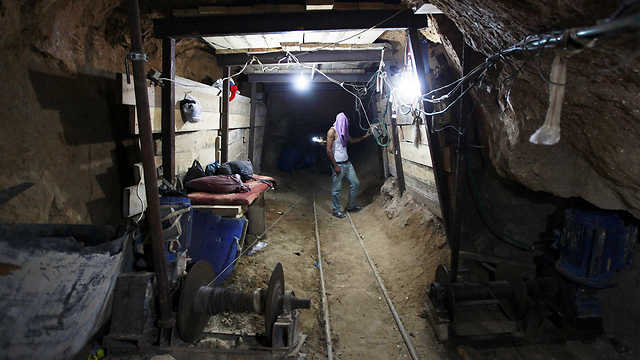
Abdel Fattah al-Sisi tells a conference of Egyptian youth that despite the army’s efforts, tunnels and terrorism from Gaza in the Sinai present an ongoing problem; ‘We found tunnels that are three kilometers long and 35 meters deep. These are tunnels that can transport vehicles and not just people.’

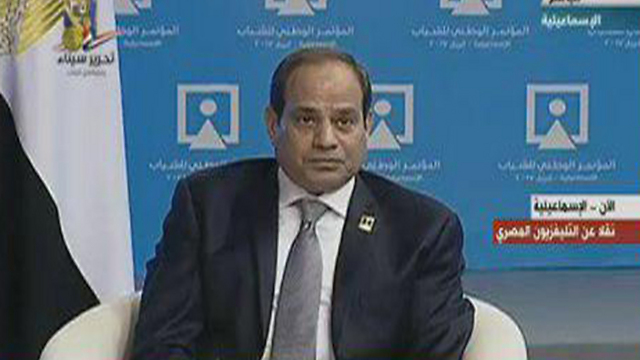
Egyptian President Abdel Fattah al-Sisi said on Tuesday that the one-kilometer buffer zone defense project on the Gaza border is not enough to prevent smuggling.
“We found tunnels that are three kilometers long and 35 meters deep. These are tunnels that can transport vehicles and not just people,” al-Sisi said at a youth conference in Ismailia.

Smuggling tunnel uncovered in Rafah (Photo: AP)

The Egyptian president arrived at the conference for the third time in his attempt to talk to the younger generation and shed light on Egypt’s struggle against smuggling tunnels from Gaza to Sinai.

Al-Sisi also pointed out that despite the Egyptian army’s efforts, the problem is still ongoing and authorities “require more cooperation” from residents.

The Egyptian president further promised to pay compensation to Egyptian Rafah residents who were evacuated as a result construction on the security buffer zone, which resulted in many losing their homes.

El-Sisi

Another interesting issue to which al-Sisi was asked during the conference was his candidacy for the Egyptian presidential elections scheduled for 2018.
In recent months, there have been reports of initiatives to extend his term without elections, but the president attempted to squash rumors, saying, “I call upon the citizens of Egypt to participate en masse in the next presidential elections. If Egyptians don’t want me, I will not remain in office for one second. In this situation, may God give Egyptians the best and most appropriate (leader).”


twoje uwagi, linki, wlasne artykuly, lub wiadomosci przeslij do: webmaster@reunion68.com