
Archive | 2014/11/19

PFLP Terror Group Linked to Jerusalem Synagogue Atrocity

The Iranian Connection? PFLP Terror Group Linked to Jerusalem Synagogue Atrocity Backed by Tehran
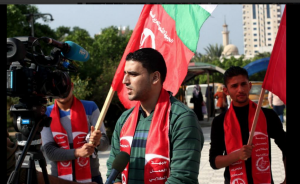

PFLP supporters celebrate the Har Nof terrorist attack. Photo: Twitter

The Popular Front for the Liberation of Palestine (PFLP,) the Palestinian terrorist group widely believed to have carried out today’s terrorist attack on a synagogue in Jerusalem’s Har Nof neighborhood in which four people were killed, has seen its star fade since its heyday during the 196os and 70s, when the organization was notorious for airline hijackings and other atrocities. But signs are emerging that Iran is reviving the group’s flagging fortunes.

Eclipsed by the Fatah faction of Palestinian Authority President Mahmoud Abbas, as well as by Islamist organizations like Hamas and Islamic Jihad, the PFLP has been relatively quiet over the last two decades. Political support for the group among Palestinians has dropped correspondingly; a 2013 poll by AWRAD, a Palestinian NGO, registered 3 percent support for the PFLP in the event of an election, as against 39.4 percent for Fatah and 16.1 percent for Hamas.

Last year, however, the PFLP apparently found a new sponsor in the form of Iran. According to Middle East website Al Monitor, the Islamist regime in Tehran “has resumed its financial and military support” of the Marxist PFLP “in order to strengthen its alliance with the ‘Palestinian resistance forces’ and not limit itself to only supporting Islamist movements such as Hamas and Islamic Jihad.”

According to Al Monitor, a source who spoke on the condition of anonymity said that “several meetings were held between the PFLP leadership abroad and Iranian officials in Beirut, Damascus and Tehran under the auspices of Lebanese Hezbollah terrorist organization. Those meetings resulted in reviving direct support to the PFLP.”

“Following the resumption of Iranian support, there will soon be a dramatic increase in the strength of the PFLP’s military wing, the Abu Ali Mustafa Brigades, after the internal reorganization of the group is completed,” the source told Al Monitor.

The Abu Ali Mustafa Brigades – named after Abu Ali Mustafa, a former Secretary-General of the PFLP, who was killed in an Israeli military operation in Ramallah in 2001 – acknowledged its involvement in this morning’s attack without claiming outright responsibility. The terror group declared in a statement that it “praised” and “commended” the “heroic operation carried out this morning by our fellow comrades in PFLP, martyrs Ghassan and Odai Abu Jamal.” (The two Abu Jamal terrorists, who were shot dead by Israeli police, have been identified as cousins.)

The statement made no distinction between “Zionists” and “Jews.” “We commend any act aiming at uprooting Jewish occupation which is desecrating our homeland. This operation, like many other heroic ones, comes as a natural response to the crimes perpetrated by the Israeli occupation and as a form of popular resistance,” it said.

A spokesman for the Abu Ali Mustafa Brigades named “Abu Jamal” had briefly addressed in the earlier Al Monitor report the extent of Iranian backing for the group.

“We have received and continue to receive military training for our personnel in Damascus and Beirut at the hands of Hezbollah trainers, and maybe also from Iran, but I have no information on any other type of support,” Abu Jamal said.

Dr. Matthew Levitt, director of The Washington Institute for Near East Policy’s Stein Program on Counterterrorism and Intelligence, told The Algemeiner in an email that it’s “unclear how much Iran has been supporting PFLP, but Iran operates on a pay for performance basis, so as they’ve picked up pace, we think the relationship has improved.”

A briefing authored by Levitt in March observed that opposition among Palestinians to peace talks with Israel had boosted rejectionist groups. “As the tempo of negotiations between the main parties picks up speed, more radical actors have reemerged to violently oppose the process, from Palestinian Islamic Jihad (PIJ) and the Popular Resistance Committees, to Salafi jihadist groups, to Marxist factions such as the Popular Front for the Liberation of Palestine (PFLP),” Levitt wrote.

Strikingly, today’s assault in Jerusalem comes just 6 days before the November 24 deadline for a final agreement over Iran’s nuclear program. A similar deadline in July was overshadowed by Israel’s decision to invade Gaza in response to Hamas rocket attacks.

As for the PFLP, prior to today’s attack, the group was still making news for its terrorist outrages of several decades ago. Last week, a Canadian court ruled in favor of extraditing academic Hassan Diab to France because of his alleged role in the October 3, 1980, bombing of a synagogue in Paris which took the lives of four people – Diab is said to have been active in the PFLP. Also this month, a jury in Detroit found Rasmieh Odeh, a 67 year-old Palestinian immigrant, guilty of not disclosing, when she applied for U.S. citizenship, that she had been convicted for terrorist actions in Israel in 1969 that were linked to the PFLP.

Designated as a terrorist organization by the European Union, the U.S. and Canada, the PFLP has, in recent years, carried out only a handful of terrorist attacks, in marked contrast to Hamas and Fatah-affiliated groups. Among the PFLP’s more recent outrages were the assassination of Israeli Tourism Minister Rehavam Ze’evi in 2001 and a 2004 suicide bombing in Tel Aviv’s Carmel Market in which three people were killed.


twoje uwagi, linki, wlasne artykuly, lub wiadomosci przeslij do: webmaster@reunion68.com



CNN apologizes for mistake in Jerusalem terror attack coverage

CNN apologizes for mistake in Jerusalem terror attack coverage


Jerusalem terror attack

CNN’s initial report on terror attack‏. (photo credit:screenshot)

CNN ran a headline stating that four Israelis and two Palestinians were killed in the attack, failing to note that the two Palestinians were the terrorists.

CNN apologized Tuesday night for mistakes in its coverage of the earlier terror attack on a synagogue in Jerusalem.

CNN ran a ticker that read, “4 Israelis, 2 Palestinians dead in Jerusalem,” failing to note that the two Palestinians were the terrorists.

Later, CNN apologized for the headline, writing: “As CNN updated its reporting on the terrorist attack on the synagogue in Jerusalem earlier today, our coverage did not immediately reflect the fact that the two Palestinians killed were the attackers. We erred and regret the mistake.”

However, in a separate reporting gaffe, CNN superimposed their preliminary coverage of the terror attack with the headline: “Deadly attack on Jerusalem mosque.”

CNN

The Foreign Ministry issued a directive to its delegations around the world calling on them to immediately protest to media outlets distorting reports about the attack.

The directive followed a number of examples of what the ministry said was poor reporting, including the CNN ticker and a headline in the French daily Le Monde that read “Six killed in Jerusalem,” giving a distorted picture of what happened by lumping the perpetrators with the victims.

Following a protest from the embassy in Paris, Le Monde changed the headline to read that four Israelis and “two Palestinian attackers” were killed.

Foreign Ministry spokesman Emmanuel Nachshon said that from Israel’s perspective, “tendentious reports and lies are meant to distort the reality, to defame Israel and in practice (if not always by intent) give a back-wind to terror.”


twoje uwagi, linki, wlasne artykuly, lub wiadomosci przeslij do: webmaster@reunion68.com



Mikołaj Grynberg: W tym miejscu pękło

Mikołaj Grynberg: W tym miejscu pękło

Katarzyna Kubisiowska


Mikołaj Grynberg

W najnowszym numerze „Tygodnika Powszechnego” Katarzyna Kubisiowska rozmawia z Mikołaj Grynbergiem, autorem właśnie wydanej książki „Oskarżam Auschwitz”. „Kiedy te straszne historie zaczęły do mnie docierać, pomyślałem, że każdy dorosły człowiek musi w którymś momencie trafić do obozu” – mówi Grynberg.

Ka­ta­rzy­na Ku­bi­siow­ska:  Mi­ko­łaj, czy Ty je­steś szczę­śli­wym czło­wie­kiem?

Mi­ko­łaj Gryn­berg: Szczę­ścia­rzem je­stem, to na pewno: mogę zaj­mo­wać się tym czym chcę, mam żonę, dzie­ci, tatę, mia­łem mamę i dziad­ków. Co nie zna­czy, że czę­sto się uśmie­cham.

Kie­dyś uśmie­cha­łeś się czę­ściej?

Kie­dyś byłem bła­znem, wy­głu­pia­łem się, a wszy­scy wokół się śmia­li, to było ab­so­lut­nie na­tu­ral­ne.

Smu­tek po­ja­wił się po śmier­ci mamy?

Wtedy roz­sy­pał mi się świat i przez lata cięż­ko go było po­zbie­rać. Mama zgi­nę­ła w wy­pad­ku sa­mo­cho­do­wym w roku 2002. Do jej śmier­ci dużo prze­by­wa­li­śmy razem, ga­da­li­śmy, by­li­śmy za­przy­jaź­nie­ni. W su­te­re­nie na Żo­li­bo­rzu wy­naj­mo­wa­li­śmy pra­cow­nię, mama przy­cho­dzi­ła tam ry­so­wać i szyć, zaj­mo­wa­ła się pro­jek­to­wa­niem ubrań.

Po jej śmier­ci Mi­ko­łaj Ło­ziń­ski spre­zen­to­wał mi ne­ga­tyw z jej por­tre­tem. Je­cha­li kie­dyś razem po­cią­giem, Mi­ko­łaj zro­bił mamie zdję­cie. Za­czą­łem robić od­bit­ki i cią­gle coś było nie tak, mama nie wy­glą­da­ła na nich jak żywa. Za­wie­si­łem całą pra­cow­nię zdję­cia­mi, jak w fil­mie o ja­kimś czu­bie i przez rok tam nie przy­cho­dzi­łem. Potem ją zli­kwi­do­wa­łem.

A potem jeź­dzi­łeś po całym świe­cie i fo­to­gra­fo­wa­łeś ko­bie­ty. Z tego zro­dził się album „Dużo ko­biet”.

Do­pie­ro wtedy uro­dzi­łem się jako autor. Wresz­cie po­czu­łem, że mam coś do po­wie­dze­nia. Wcze­śnie byłem fo­to­gra­fem re­kla­mo­wym i za­ra­bia­łem kupę kasy. Kiedy za­czą­łem robić swoje rzezy, na­tych­miast dra­stycz­nie zbied­nia­łem. Ale czu­łem się au­to­rem.

Rok przed śmier­cią mama mó­wi­ła mi, że się mar­twi, że nie robię tego co bym chciał. Gdy umar­ła za­pa­dłem się. Ale to on spo­wo­do­wał, że do­ko­pa­łem się do rze­czy przed­tem prze­ze mnie igno­ro­wa­nych, które były czę­ścią pej­za­żu ro­dzin­ne­go.

Cho­dzi o hi­sto­rie z prze­szło­ści?

Ta mojej mamy nie na­le­ża­ła do spek­ta­ku­lar­nych. Jej ro­dzi­ce zo­sta­li de­por­to­wa­ni z Fran­cji – dzia­dek w 1942 r. za udział w ruchu oporu i bycie Żydem, a bab­cia – rok póź­niej za to samo. Oby­dwo­je tra­fi­li do Au­schwitz. Moją trzy­let­nią mamę po­cząt­ko­wo przy­gar­nę­ła kon­sjerż­ka, potem opie­ko­wa­li się nią roz­ma­ici opo­zy­cjo­ni­ści, w końcu tra­fi­ła do róż­nych fran­cu­skich domów dziec­ka. Była też w jed­nym pro­wa­dzo­nym przez wnuka Ka­ro­la Mark­sa.

Babci udało się przejść marsz śmier­ci. Dzia­dek 8 maja 45 roku w Ber­gen Bel­sen zmarł na tyfus.

To tylko fragment wywiadu. Całość w najnowszym numerze „Tygodnika Powszechnego”.


twoje uwagi, linki, wlasne artykuly, lub wiadomosci przeslij do: webmaster@reunion68.com


Kazanie dla Obamy

Kazanie dla Obamy

Malgorzata Koraszewska


Zbliża się data 24 listopada 2014, data spełnienia przez Teheran warunków porozumienia z Zachodem. Prezydent Obama wysłał ciepły list do Najwyższego Przywódcy, zachęcając go do wspólnej walki z ISIS. List nie został jednak przyjęty życzliwie. (Więcej filmów i tekstów na podobne tematy znajdziesz na stronie Listy z naszego Sadu )


twoje uwagi, linki, wlasne artykuly, lub wiadomosci przeslij do: webmaster@reunion68.com



Babi Yar Holocaust memorial defaced with swastikas

Babi Yar Holocaust memorial defaced with swastikas


Babi Yar Holocaust memorial

Swastic graffiti on Babi Yar Holocaust memorial Photo By: COURTESY ANNA LENCHOVSKA

For second time in two months, site in Kiev desecrated with graffiti.

KIEV – The Holocaust memorial at Babi Yar in Kiev was discovered defaced by graffiti swastikas on Monday, the second time in less than two months that the site has been desecrated.

Anna Lenchovska, executive director of the Congress of Ethnic Communities of Ukraine, discovered the Nazi symbol spray-painted on two stones flanking the memorial’s giant menorah when leading a tour of schoolchildren at the site, where more than 33,000 Jews were murdered during the Holocaust.

“I was with a group of school youngsters. I approached and said that it is very often vandalized and then I saw it myself. I think almost every year it happens, unfortunately.”

Babi Yar had previously been desecrated in September, only days before Ukrainian President Petro Poroshenko paid a state visit to the site, declaring that “Ukraine will never allow recovery of fascism, persecution along ethnic, language, religious or other lines.”

Russia has consistently leveled accusations of anti-Semitism against the Ukrainian government, claims which both officials and Jewish leaders deny.

An attempted firebombing of a Kiev synagogue prior to Rosh Hashana and a series of anti-Semitic incidents, including the stabbing of a Kollel student last year, raised fears of increased anti-Jewish attitudes, but the subsequent electoral failures of the far Right have largely mitigated the concerns of members of the Jewish community, many Ukrainian Jews have said.

Local Jewish leaders like Josef Zissels of the Va’ad of Ukraine have compared their country favorably to Western European countries like Belgium and France, where attacks against Jewish targets and street harassment are much more common.

“Ukraine lacks… important factors, which define the current significant manifestations of anti-Semitism in Western Europe,” such as a large Muslim immigrant population and “the anti-Israeli rhetoric that has been fashionable in the last dozen years among the left wing intellectuals,” Zissels has written.


twoje uwagi, linki, wlasne artykuly, lub wiadomosci przeslij do: webmaster@reunion68.com