Archive | 2017/02/02

Deborah Lipstadt: Obawiam się, że rewizjoniści Holocaustu wkrótce powrócą

Deborah Lipstadt: Obawiam się, że rewizjoniści Holocaustu wkrótce powrócą

Małgorzata Steciak


Prof. Deborah Lipstadt<span> (fot. materiały prasowe)Prof. Deborah Lipstadt (fot. materiały prasowe)

Kiedy słyszę, że Donald Trump jest jak Hitler, myślę: ”To nie jest takie proste” – mówi nam Deborah Lipstadt, oskarżona o zniesławienie przez człowieka, który zanegował Holocaust. Rozmawiamy z nią nie tylko o sądowej batalii o prawdę o Zagładzie, ale i postprawdzie oraz rosnącej w siłę prawicy.

W 1998 roku David Irving, publicysta, autor książek historycznych, jeden z czołowych rewizjonistów Holocaustu, pozwał amerykańską historyk Deborah Lipstadt i jej wydawcę Penguin Books o zniesławienie. Lipstadt w swojej książce “Denying the Holocaust: The Growing Assault on Truth and Memory” oskarżyła Irvinga o szerzenie kłamstw na temat Zagłady Żydów. Prawie 20 lat po tamtych wydarzeniach wchodzi do kin film “Kłamstwo” Micka Jacksona z Rachel Weisz i Timothym Spallem, który przybliża kulisy sądowej batalii o prawdę na temat Holocaustu.

Małgorzata Steciak: Skąd bierze się w człowieku potrzeba wypierania prawdy?

Deborah Lipstadt: – Istnieje coś takiego jak koncepcja teorii spiskowych, przekonanie, że oficjalna wersja wydarzeń to wyłącznie przykrywka dla wielkiego spisku, który jest trzymany przed światem w tajemnicy. Antysemityzm jest jedną z najsłynniejszych teorii spiskowych. To forma uprzedzenia, podobnie jak rasizm, ale jej źródło nie leży w przekonaniu, że Żydzi są słabsi albo gorsi, tylko że są potężni i niebezpieczni. Ludzie są niewyobrażalnie podatni na tego typu bzdury, szczególnie w Stanach Zjednoczonych.

Rewizjonizm Holocaustu powstał w oparciu o taki mechanizm?

– Rewizjonizm Holocuastu jest teorią spiskową. To antysemityzm, któremu nazistowska ideologia dała kształt i sens. Jest niebezpiecznym połączeniem uprzedzeń i wiary w nazistowskie teorie o czystości rasy z przekonaniem, że Żydzi są w istocie potężni i podstępni. I to oni wyrządzili Niemcom niewyobrażalną krzywdę, zrzucając na nich winę za zbrodnie, których ci nie popełnili. Trzecia Rzesza nie była wcale taka zła, a właściwie to może naziści byli całkiem kulturalnymi, miłymi ludźmi?

Jeżeli ktoś ma tak spaczone spojrzenie na rzeczywistość, nie przekonają go nawet tysiące stron niezbitych dowodów. On będzie wiedział lepiej.

Pani do walki z Davidem Irvingiem, jednym z czołowych negacjonistów, została niejako zmuszona. W “Kłamstwie” w jednej ze scen Irving wdziera się na pani wykład i obiecuje tysiąc dolarów nagrody za namacalny dowód, że Holocaust miał naprawdę miejsce. Jak walczyć z takimi populistami?

– To było dla mnie największe wyzwanie. Kompletnie nie wiedziałam, jak się zachować. Jak dyskutować z antysemitą, rasistą, homofobem? Jak zmierzyć się z kimś, kto bezczelnie kłamie? Zwracając uwagę na negacjonistę, robisz mu niepotrzebną reklamę. Walcząc z nim, kwestionując jego słowa, dodajesz jego argumentom mocy, sprawiasz, że stają się przedmiotem akademickiej dyskusji. Z drugiej strony, jeśli zdecydujesz się na zignorowanie kłamcy, mimowolnie doprowadzasz do sytuacji, w której mówienie nieprawdy uchodzi komuś na sucho.

Prof. Deborah Lipstadt (z prawej) i wcielająca się w jej rolę w filmie ''Kłamstwo'' Rachel Weisz (fot. materiały prasowe)Prof. Deborah Lipstadt (z prawej) i wcielająca się w jej rolę w filmie ”Kłamstwo” Rachel Weisz (fot. materiały prasowe)”

Co pani czuła, kiedy Irving pozwał panią o zniesławienie?

– Kiedy spotkałam się z moim prawnikiem Anthonym Juliusem w jego biurze jeszcze przed procesem, powiedziałam mu, że chcę zniszczyć tego człowieka. Byłam tak wściekła. A on powiedział mi wtedy: “Deborah, to nie jest takie ważne”. Nie mogłam tego zrozumieć. Pytałam: “Anthony, pracujesz nad tą sprawą za darmo, poświęcasz jej swój czas i energię, jak możesz mówić, że to nie jest ważne?”. A wtedy on powiedział coś, co mi utkwiło w pamięci na całe życie: “Pomyśl o walce z Davidem Irvingiem jak o wdepnięciu w gó*no na ulicy. Ta kleista, śmierdząca maź nie ma większego znaczenia, chyba że nie zmyjesz jej z butów od razu, wniesiesz ją do domu i pobrudzisz sobie nowy dywan w salonie. Kiedy w twoim domu są ślady gó*na, masz problem. Musisz wyczyścić podłogę, oddać dywan do pralni albo go wyrzucić. To jest nieprzyjemny i czasochłonny proces. Można go uniknąć, jeśli wytrzesz gó*no z butów, zanim wejdziesz do domu”. Te słowa towarzyszyły mi podczas całego procesu.

To prawda, że zachęcano panią, by rozwiązać tę sprawę poza sądem? Pójść na ugodę?

– Namawiała mnie do tego grupa brytyjskich Żydów – w Wielkiej Brytanii toczył się proces. Oni mieli swoje powody. Byli przestraszeni. Brytyjska społeczność żydowska jest bardzo mała i stara się nie wchodzić nikomu w drogę. Oni nie kłócą się, nie wywyższają. Idą na nie zawsze wygodne kompromisy, by zaskarbić sobie czyjąś przychylność albo po prostu mieć święty spokój. Bali się, że Irving zyska zainteresowanie mediów i dzięki procesowi wypromuje się. Przekonywali mnie, że nie jest tego wart, że nawet jeśli przegra, zdobędzie to, na czym mu zależy, czyli rozgłos.

Do ugody namawiali mnie też moi koledzy po fachu, wybitni historycy, którzy uważali, że proces jest po prostu stratą czasu. Twierdzili, że wszyscy wiedzą, że Irving jest kłamcą i należy go zignorować. Ja jednak nie mogłam sobie na to pozwolić.

Davida Irvinga w ''Kłamstwie'' zagrał Timothy Spall (fot. materiały prasowe)Davida Irvinga w ”Kłamstwie” zagrał Timothy Spall (fot. materiały prasowe)

czytaj dalej tu: Obawiam się, że rewizjoniści…


twoje uwagi, linki, wlasne artykuly, lub wiadomosci przeslij do: webmaster@reunion68.com



British PM slams Muslim countries for banning entry by Israelis

British PM slams Muslim countries for banning entry by Israelis

Yoel Domb


British PM Theresa May denounced the ‘discriminatory’ prohibition instituted by 16 Muslim countries against the entry of Israelis.

Theresa MayTheresa May

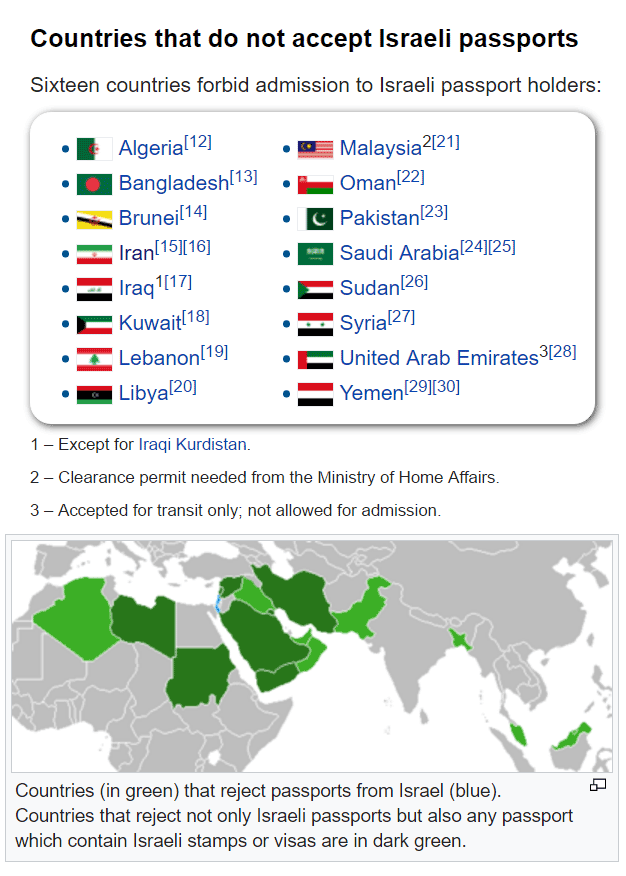
Donald Trump’s controversial ban on the entry to the US of citizens of seven Muslim countries has also drawn attention to a less known prohibition instituted by 16 Muslim countries against the entry of Israeli citizens into their territory. The issue reached the British parliament on Wednesday, where British Prime Minister Theresa May denounced the discrimination against Israelis and called on Opposition Leader Jeremy Corbyn to join her in denouncing the discrimination.

At a Prime Minister’s Questions session in the House of Commons Wednesday, May was asked about the issue by Conservative MP Theresa Villiers.

May answered that “it is absolutely right that this house should be aware of the discrimination and the ban that exists around the world…particularly for those who are Israeli citizens.”

“We are consistent with our approach. We don’t agree with that approach [of banning entry to countries by citizens] and it’s not an approach that we will be taking. And I wait for the day when the right honorable gentleman opposite actually stands up and condemns it, too.”

Corbyn has been accused in the past of anti-Semitic statements, such as when he appeared to compare Israel to the Islamic State in a speech against anti-Semitism within the Labor party.

The list of nations that bar entry to Israeli nationals include six of the seven countries targeted by Trump’s action.

Photos showing the list — including Algeria, Bangladesh, Brunei, Iran, Iraq, Kuwait, Lebanon, Libya, Malaysia, Oman, Pakistan, Saudi Arabia, Sudan, Syria, United Arab Emirates and Yemen — have gone viral on Facebook in recent days.


twoje uwagi, linki, wlasne artykuly, lub wiadomosci przeslij do: webmaster@reunion68.com



Oscar-Nominated Film Peddles Anti-Jewish, Anti-Israel Narrative

Oscar-Nominated Film Peddles Anti-Jewish, Anti-Israel Narrative

Gilad Skolnick


The red carpet at the Oscars. Photo: Wiki Commons.The red carpet at the Oscars. Photo: Wiki Commons.

“Ave Maria” is a film that was nominated for Best Foreign Short at the 2016 Oscars. It is a fictional comedy, directed by Israeli-born Basil Khalil; and it is marred by a not-too-subtle disdain for Judaism.

Although filmed in Israel with Israeli actors, it was submitted as a “Palestinian” film. In the film, a Jewish family invades a Catholic convent. The ensuing culture clash is creative, with the occasional dose of dark humor. But many of Khalil’s ideas are sidetracked by his dislike for Jewish Israelis.

Minutes into the film, viewers are treated to the Jewish visitors causing the nuns to break their vow of silence, destroying a Christian statue, and later even violating their own religious beliefs. Both Khalil and Daniel Yáñez Khalil, who co-wrote the script, either are ignorant of Jewish religious practice or seek to use the film as an opportunity to denigrate Judaism.

The film begins with a car, driven by Jews, destroying a Mary Magdalene figure outside the convent. The Jewish family then loudly knocks on the convent’s door — in stark contrast to the silent surroundings at the convent — and demands help.

It is here that “Ave Maria” takes absurdity to a new level. Moshe, an observant Jew, refuses to use a cell phone to call a taxi because it is Shabbat. When a nun refuses to make the call for him, he quickly changes his mind and makes the call. His strict observance of Judaism seems to instantly vanish into thin air because he does not want his family to be inconvenienced by spending a night at the covenant. But now he demands a Jewish cab driver, not an Arab one, suggesting bigotry.

In reality, of course, an observant Jew would refuse allowing another Jewish person to break the laws of the Sabbath in order to drive him, unless a life was at risk.

Moshe then changes his mind, and says he will not take a taxi because it is too expensive, even though it is clear that he believes that both his safety and the safety of his family are at risk. Thus, yet another classic anti-Jewish stereotype of miserliness.

The climax of the film is a comedic scene in which the nuns help fix an old car with the help of the Jewish visitors. As the Jewish family is about to drive off, they worry that Israeli guards they may encounter will shoot them because the car looks like a stereotypical “Arab” vehicle. So, to fool the guards, the Jews borrow a statue of Jesus, which they prop up on the roof of the car. The irony here is that it is Jewish civilians who have the most to fear in the West Bank, as they have been targeted repeatedly by Palestinian terrorists on roads in that territory.

The juxtaposition of the convent in the wilderness, the silent nuns and the loud Israelis could have been a great recipe for a comedy. Indeed, addressing Arab and Jewish differences in Israel through comedy has been done successfully by others such as Sayed Kashua, an Arab-Israeli writer who has not been shy about criticizing Israel. Yet, unlike Khalil, Kashua always makes some effort to keep things even handed, with his Arab characters often taking on equally absurd roles and behaviors.

“Ave Maria” blends together ignorance, bigoted anti-Israel sentiment and classic elements of antisemitism. In Khalil’s world, Jews destroy sacred Christian objects and ignore their own religious laws due to being racist, cheap and selfish. The film lacks the slightest attempts at even-handedness nor does it delve into any depth. It is clear what Khalil’s intentions are: to demonize religious Jewish Israelis.

The author is the director of campus programming at the Committee for Accuracy in Middle East Reporting in America.


twoje uwagi, linki, wlasne artykuly, lub wiadomosci przeslij do: webmaster@reunion68.com