Archive | 2025/11/20

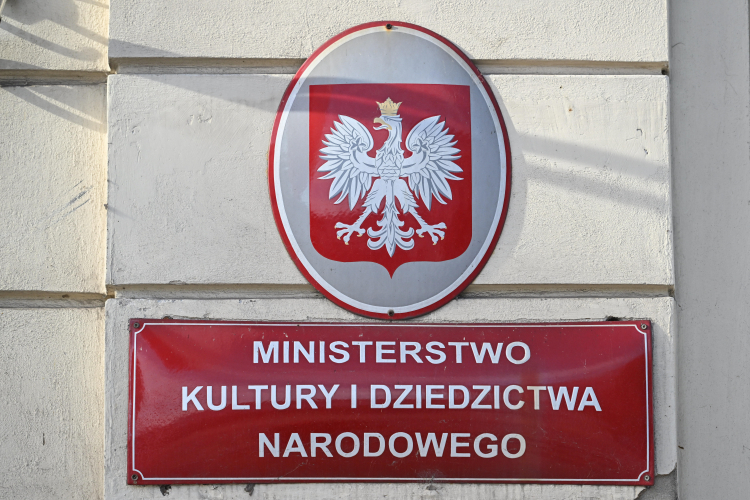
MKiDN ws. licytacji w Niemczech: wystąpimy o zwrot obiektów, które powinny wrócić do Polski

Fot. PAP/Radek Pietruszka


MKiDN ws. licytacji w Niemczech: wystąpimy o zwrot obiektów, które powinny wrócić do Polski

ksi/ dki/ mow/ sza/ zzp/ amac/


MKiDN poinformowało PAP, że wystąpi o zwrot wszystkich obiektów wystawionych na licytację w niemieckim domu aukcyjnym, a które powinny wrócić do Polski. Własnością Skarbu Państwa są te, które były wyposażeniem lub częścią dokumentacji obozu oraz te, które zostały z kraju wywiezione nielegalnie – wyjaśniono.

Niemiecki dom aukcyjny anulował licytację pamiątek i dokumentów po więźniach niemieckich nazistowskich obozów koncentracyjnych w Auschwitz i Majdanku oraz ofiar zbrodni katyńskiej dokonanej przez sowietów. Zareagowały MSZ i MKiDN; działań domagał się też Pałac Prezydencki. Aukcja liczącej 623 artefakty prywatnej kolekcji „System terroru część II 1933-1945” miała się odbyć w poniedziałek w Domu Aukcyjnym Felzmann w Neuss. W wyniku reakcji polskich władz licytacja została anulowana.

„Podjęliśmy błędną decyzję, ubolewamy, jeśli zraniliśmy osoby dotknięte nazistowskim terrorem lub ich bliskich” – przekazał w poniedziałek w komunikacie prasowym Dom Aukcyjny Felzmann.

Dom aukcyjny spod Duesseldorfu wyjaśnił, że zdecydował się na odwołanie aukcji po krytyce, jaka na niego spadła. „Jesteśmy świadomi, że przy ocenie zgłoszenia przedmiotów do licytacji podjęliśmy błędną decyzję i ubolewamy, jeśli tym samym zraniliśmy uczucia osób dotkniętych nazistowskim terrorem lub ich bliskich” – przekazał.

Według oświadczenia dokumenty i przedmioty zostały przekazane na aukcję częściowo przez potomków ofiar. Część pochodziła natomiast z prywatnej kolekcji. „Zgodnie z naszą wiedzą wszystkie przedmioty z tej kolekcji zostały nabyte na otwartym rynku w sposób uczciwy” – napisali przedstawiciele domu aukcyjnego.

Jak dodali, „decyzja, by oddać te artykuły do sprzedaży, nie została przez nas podjęta”. „Uważamy jednak, również po prawnej analizie, że nie jest to nieuczciwe, jeśli ludzie decydują się na sprzedaż” – zaznaczyli.

Poproszony przez PAP o odniesienie się do sprawy odwołanej licytacji pamiątek ofiar drugiej wojny światowej urząd prezydenta RFN Franka-Waltera Steinmeiera ograniczył się do stwierdzenia, że aukcja została odwołana. – Prezydent federalny nie wypowiada się na ten temat – przekazał PAP w poniedziałek rzecznik prezydenta Alessandro Peduto.

MKiDN w przesłanym PAP w poniedziałek stanowisku podkreśliło, że było w stałym kontakcie z Ministerstwem Spraw Zagranicznych. Jak napisano, „tak bulwersująca sprawa wymaga szybkich reakcji i skuteczności, możliwych jedynie w ramach międzyresortowej koordynacji działań”.

„Resort kultury wystosował pismo do ambasadora Polski w Berlinie – pana Jana Tombińskiego – z prośbą o natychmiastowe podjęcie wszelkich działań zmierzających do wstrzymania aukcji. W piśmie tym informowaliśmy ambasadora, że ministerstwo natychmiast podejmie działania, które pozwolą wyjaśnić proweniencję tych obiektów, jednak najważniejszym zadaniem w tej chwili jest niedopuszczenie do ich sprzedaży. Współpraca resortu kultury z MSZ oraz interwencja ambasadora w porozumieniu z właściwymi instytucjami na miejscu doprowadziły do anulowania aukcji” – przypomniano.

Zaznaczono, że MKiDN pozostaje w stałym kontakcie z ambasadorem, który pozyskuje od domu aukcyjnego szczegółowe informacje o wystawionych obiektach.

„Na podstawie tych informacji ministerstwo ustali ich pochodzenie i tożsamość. Wystąpimy o zwrot wszystkich obiektów, które powinny wrócić do Polski. Własnością Skarbu Państwa są te obiekty, które były wyposażeniem lub częścią dokumentacji obozu oraz te, które zostały z kraju wywiezione nielegalnie. Wszystkie świadectwa i dokumenty wystawione przez Dom Aukcyjny Felzmann zostaną zbadane indywidualnie – zaznaczono.

Oceniono, że „w tak oburzających przypadkach bardzo ważna jest szybka reakcja instytucji, społeczności i władz krajowych i międzynarodowych”. „Ważne, żeby tę sytuację wykorzystać do dyskusji o szczególnym charakterze świadectw wojennych oraz moralnym wymiarze handlu tymi świadectwami” – dodano.

Do sprawy odniósł się ambasador Niemiec Miguel Berger, pisząc na X, że „z zadowoleniem przyjmuje odwołanie tej aukcji”. „Nigdy nie powinna była się ona odbyć. Nie wolno handlować dokumentami i przedmiotami osobistymi ofiar nazizmu” – dodał. Jednak w pierwszej wersji wpisu, Berger zamiast o „dokumentach i przedmiotach osobistych” napisał, że “nie należy handlować pamiątkami”.

Między innymi do tych słów odniósł się w poniedziałek podczas konferencji prasowej b. wiceszef MSZ i pełnomocnik rządu PiS ds. odszkodowań za straty wojenne, europoseł Arkadiusz Mularczyk. – Polska musi aktywnie walczyć o prawdę, musi aktywnie domagać się sprawiedliwości w relacjach z Niemcami. W przeciwnym przypadku jesteśmy świadkami sytuacji, w której dzieci, wnukowie, niemieckich zbrodniarzy (…) sprzedają na aukcjach w internecie zrabowane rzeczy z naszego kraju – podkreślił Mularczyk.

– Albo ta kwestia będzie uregulowana i rząd obecny podejmie działania, albo będziemy świadkami rewizji historycznej przez Niemców. (…) Wzywamy (ambasadora Niemiec – PAP) do tego, żeby sam podał się do dymisji lub żeby minister spraw zagranicznych Radosław Sikorski uznał, że jego dalsza misja w Polsce jest niecelowa – zaznaczył europoseł.

Jak poinformowała gazeta „Frankfurter Allgemeine Zeitung”, na liście obiektów przeznaczonych do sprzedaży znajdował się m.in.: list więźnia z Auschwitz „o bardzo niskim numerze” do adresata w Krakowie. Cena wywoławcza – 500 euro. Diagnozę lekarską z obozu koncentracyjnego Dachau dotyczącą przymusowej sterylizacji więźnia wyceniono na 400 euro. Karta z kartoteki Gestapo z informacją o egzekucji żydowskiego więźnia w getcie Mackheim w lipcu 1942 r. ma cenę wywoławczą 350 euro. W katalogu znajduje się też antyżydowski plakat propagandowy oraz gwiazda Dawida z obozu Buchenwald, a także list z akwarelą namalowaną przez Bronisława Czecha, polskiego narciarza i trzykrotnego olimpijczyka zamordowanego w Auschwitz.

Katalog zawierał także ponad 20 materiałów dotyczących więźniów obozu koncentracyjnego na Majdanku – poinformowała PAP rzeczniczka Państwowego Muzeum na Majdanku Agnieszka Kowalczyk-Nowak. Z kolei Urząd do Spraw Kombatantów i Osób Represjonowanych (UdSKiOR) przekazał, że Dom Aukcyjny Felzmann miał wystawić na sprzedaż także pamiątki związane z ofiarami zbrodni katyńskiej, a wśród nich znalazły się m.in. telegram jeńca Umińskiego z obozu w Starobielsku oraz koperta listu jeńca Jana Leszczyńskiego z obozu w Ostaszkowie.

W odpowiedzi na pytanie „FAZ”, Dom Aukcyjny oświadczył, że prywatni kolekcjonerzy prowadzą intensywne badania i przyczyniają się do pogłębiania wiedzy historycznej. Ich działalność służy zachowaniu pamięci, a nie handlowaniu cierpieniem. Redakcja gazety przypomniała, że pierwsza część prywatnej kolekcji została sprzedana sześć lat temu. Kupcy dokumentów znajdują się między innymi w Ameryce. (PAP)


Zawartość publikowanych artykułów i materiałów nie reprezentuje poglądów ani opinii Reunion’68,
ani też webmastera Blogu Reunion’68, chyba ze jest to wyraźnie zaznaczone.
Twoje uwagi, linki, własne artykuły lub wiadomości prześlij na adres:
webmaster@reunion68.com



In Gaza, It’s Déjà vu All Over Again


In Gaza, It’s Déjà vu All Over Again

Shoshana Bryen


A Red Cross vehicle, escorted by a van driven by a Hamas terrorist, moves in an area within the so-called “yellow line” to which Israeli troops withdrew under the ceasefire, as Hamas says it continues to search for the bodies of deceased hostages seized during the Oct. 7, 2023, attack on Israel, in Gaza City, Nov. 12, 2025. Photo: REUTERS/Dawoud Abu Alk

Eleven years ago, the 2014 Hamas rocket war against Israel ended in a ceasefire.

In the ensuing years, Israel and the United States should have learned something about “ceasefires” as opposed to “peace.” President Donald Trump’s ceasefire plan, however, has the flaw that every single such plan has had (in the territories and in Lebanon): the failure of anti-terror forces to control territory and enforce the rules. In the absence of that, Hamas has reemerged and is rearming in Gaza.

As I wrote in 2014: 

The Hamas rockets have, for the time being, stopped; the current cease-fire is holding. The tunnel threat, a strategic one most Israelis had not understood until several days into the war, has been alleviated; many Hamas rocket manufacturing facilities have been destroyed; a substantial percentage of the Hamas arsenal has been used up; and Hamas achieved none of its strategic goals — not large-scale Israeli casualties or physical destruction, an airport, a seaport, or the opening of border crossings. Israeli children have returned to school and, after a brief dip, the Israeli economy is expected to grow for the year.

Those were the days of “mowing the grass.” Eliminating the visible threats.

As I asked at the time:

To the extent that the Israeli public wanted the destruction or elimination of Hamas, or an end to the rocket threat, it was doomed by its unreasonable expectations. Americans suffer similarly. Having understood the Islamic State [IS] as a threat not only in Syria and Iraq, but also to our interests and potentially to our own country, they want it gone. The question for the American government, as it is for the Israeli government, is: “How do you defeat an armed ideological movement with a territorial base if you are unwilling to fight in that territorial base?”

President Barack Obama spoke of “degrading, dismantling, and destroying” ISIS. He never said how — and neither has President Trump.

Try this:

Control of territory and the ability to subject one’s enemies to enforceable rules is the only known mechanism for ending, rather than managing, a war. Despite the Western propensity for “peace processes” and negotiations, it is hard (impossible?) to find a historical example of one side simply agreeing to give up its mission, arms, ideology, or interests without a forcing mechanism — military defeat.

We don’t like to talk about “winners” and “losers,” preferring to “split the difference” or find a “win-win” formula. But “peace” itself was defined by Machiavelli as “the conditions imposed by the winners on the losers of the last war.” There are different iterations of “peace,” depending on whether the winners institute good or bad conditions. There can be a cold peace, a warm peace, or the peace of the dead. The peace that followed WWI contained the seeds of WWII; the peace after WWII produced the German economic miracle.

Even when wars aren’t “won,” control of territory and enforceable rules can make the difference between long-term success and failure – the US military has been in South Korea since the 1953 Armistice, allowing a democratic, technologically advanced society to emerge despite the continuing threat from the impoverished, heavily armed, and dangerous North. The withdrawal of American forces from South Vietnam within months of the armistice there allowed North Vietnam to capture territory and impose a communist government on a single Vietnamese entity. Although NATO faced Russia across the Fulda Gap, there is no denying that the Allied presence also enforced anti-Nazi rules in West Germany.

October 7, 2023, brought about a change in Israeli military thinking. A ceasefire is no longer enough. Hamas, in Israel’s view, has to be disarmed and ripped out of the territory in a verifiable and enforceable manner. The IDF is making plans to reassert itself across the yellow line. The US appears more interested in bringing Turkish troops into Gaza, a move rejected not only by Israel but, oddly, by Egypt. Qatari troops are no better. Both are Muslim Brotherhood partners of Hamas.

As I wrote:

The enemies of Israel and the West are similar. Ideological similarities aside, both are vicious and absolutist, and neither plays by Western rules regarding women, children, religious diversity or war crimes. Both rely on the relative gentility of their adversaries — Israel and the West — to protect them from ultimate defeat. Thus far, theirs is the correct bet.

Or at least it was.

The difficulty now will be bringing the US and Israel to the meeting point. President Trump was there. He called for, “Hell to rain down on Hamas.” But now he appears to have changed his mind. Talk, negotiate, promise, offer, talk some more. This simply provides time for Hamas to rearm and reassert itself among the people of Gaza. And Hamas is using the time.

The US and its allies have to acknowledge the original flaw in the plan — both in 2014 and 2025. Without a military presence determined to uproot and destroy Hamas in whatever manner the military deems necessary, “peace plans” and “ceasefires” are simply wishes and, with due respect to Yogi Berra, “Déjà vu all over again.”


Shoshana Bryen is Senior Director of the Jewish Policy Center and Editor of inFOCUS Quarterly magazine.


Zawartość publikowanych artykułów i materiałów nie reprezentuje poglądów ani opinii Reunion’68,
ani też webmastera Blogu Reunion’68, chyba ze jest to wyraźnie zaznaczone.
Twoje uwagi, linki, własne artykuły lub wiadomości prześlij na adres:
webmaster@reunion68.com

Trump presses Riyadh to normalize ties with Israel: report


Trump presses Riyadh to normalize ties with Israel: report

JNS Staff


The U.S. president told Mohammed bin Salman he wants progress on a deal ahead of the crown prince’s visit to the White House

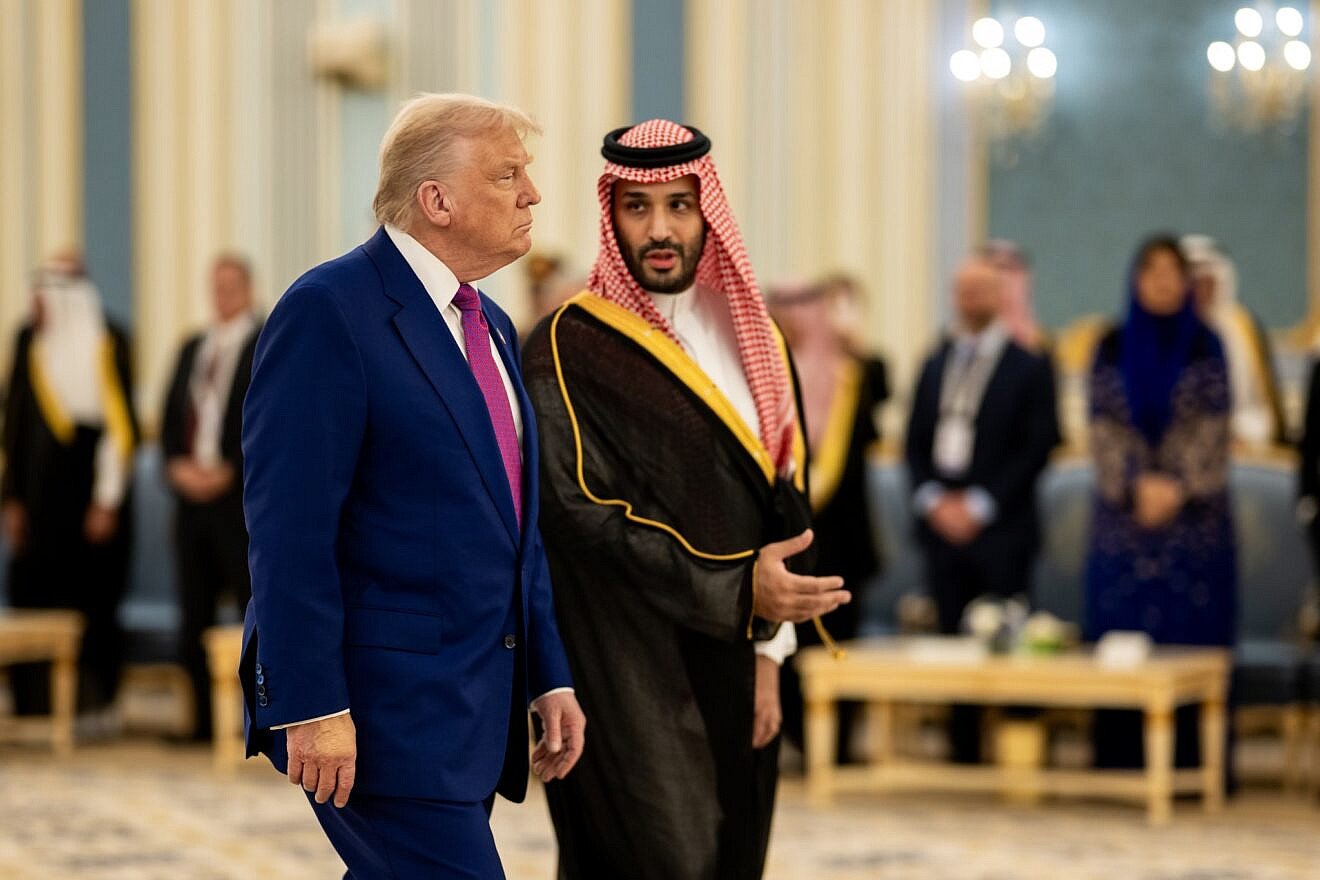
U.S. President Donald Trump and Saudi Crown Prince Mohammed bin Salman Al Saud, also known as MBS, at the Royal Court Palace in Riyadh, Saudi Arabia, May 13, 2025. Photo by Daniel Torok/White House.

U.S. President Donald Trump told Saudi Crown Prince Mohammed bin Salman that he expects the kingdom to normalize ties with Jerusalem now that Washington brokered a ceasefire in Gaza, Axios reported on Thursday.

The conversation took place over the phone last month, following the Gaza peace summit that was held in Sharm El Sheikh, Egypt, on Oct. 13, two U.S. officials were cited as saying under condition of anonymity.

Prince Mohammed is scheduled to meet with Trump in the White House on Tuesday, and the normalization issue is expected to be raised in the talks.

Trump is also expected to pledge a defense pact with the Saudis, although not for a full-fledged treaty, the report continued.

“Our message to the Saudis is: ‘We did all the things you asked for. Now, there are things President Trump wants, like normalization with Israel. So how are you guys going to move now in this direction?’” Axios quoted a senior U.S. official as saying.

However, the issue of a Palestinian state remains a large obstacle to formal relations between Israel and Saudi Arabia.

The Saudis are reportedly demanding an “irreversible path” toward statehood that would be part of a normalization deal, which the government in Jerusalem strongly opposes.

According to the report, the Trump administration views the Gaza ceasefire and potential Palestinian Authority reforms as creating conditions for “a credible pathway to Palestinian self-determination and statehood, which we recognize as the aspiration of the Palestinian people.”

Trump’s advisers are urging Israeli Prime Minister Benjamin Netanyahu to “look at the bigger picture” of a peace deal with Riyadh, attainable by going through with Trump’s peace plan.

On Saturday evening, Culture and Sports Minister Miki Zohar tweeted in Hebrew that normalization with Saudi is “Israel’s top national interest and will change the future of the Middle East for generations to come.”

He added that a deal must uphold “the principles vital to Israel without recognizing a Palestinian state that would endanger our security.
“Israel as a security superpower operating together with the Gulf powers—that is the great nightmare of Israel’s enemies,” Zohar wrote.

Earlier this month, the Israel Hayom newspaper reported that Israel and Saudi Arabia were expected to begin direct negotiations to lay the groundwork for establishing normalization, with mediation and support from the United States.

The talks were to involve Trump adviser and son-in-law Jared Kushner, Israeli Strategic Affairs Minister Ron Dermer and a small Israeli team, Saudi Ambassador to Washington Reema bint Bandar Al Saud and Prince Mohammed’s close advisers.

Dermer resigned from his position as minister on Nov. 11, effective Nov. 13, but he will remain involved in efforts to expand the Abraham Accords, and he will operate as a special envoy for Netanyahu.


Zawartość publikowanych artykułów i materiałów nie reprezentuje poglądów ani opinii Reunion’68,
ani też webmastera Blogu Reunion’68, chyba ze jest to wyraźnie zaznaczone.
Twoje uwagi, linki, własne artykuły lub wiadomości prześlij na adres:
webmaster@reunion68.com