Archive | December 2025

Coś dziwnego dzieje się z Żydami na całym świecie

Nowi imigranci przybywający do Izraela na lotnisko Ben Guriona (zdjęcie: Nefesh B’Nefesh/Facebook)


Coś dziwnego dzieje się z Żydami na całym świecie

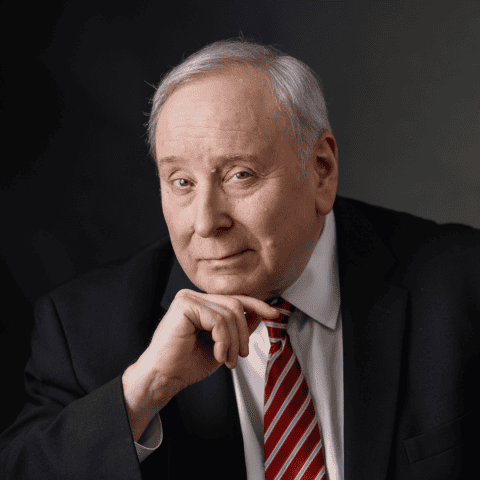
Nachum Kaplan


Żydowska imigracja do Izraela i izraelska emigracja z niego są w istocie dowodem na to, że syjonizm odniósł ogromny sukces


Żyjemy w dziwnych czasach.

Żydzi w diasporze na Zachodzie zastanawiają się, czy nie powinni dokonać aliji (czyli wyemigrować do Izraela), podczas gdy rosnąca liczba Izraelczyków twierdzi, że chciałaby z Izraela wyjechać. To fascynujące zestawienie pokazuje, że Izraelczycy nie zdają sobie sprawy z tego, jak bardzo nienawiść do Żydów została na nowo znormalizowana na Zachodzie — ani nie doceniają w pełni, jak świetlaną przyszłość ma Izrael.

Nietrudno zrozumieć, dlaczego wielu Izraelczyków czuje niezadowolenie. Wychodzą właśnie z dwuletniego okresu wojny, przedłużającego się kryzysu zakładników, trwających ataków terrorystycznych, konstytucyjnego chaosu i dysfunkcyjnego rządu. W 2024 roku Izrael opuściło 82 700 osób, podczas gdy przybyło 55 280.

Paradoksalnie, jest w tym coś budującego. To znak, że syjonizm się powiódł. Izrael stał się na tyle „normalny”, że jego obywatele doświadczają tych samych drobnomieszczańskich niepokojów co wszyscy inni — włącznie z odwieczną fantazją o tym, że „gdzie indziej jest lepiej”. Był czas, kiedy wielu Żydów postrzegało Izrael jako jedyne realne schronienie.

Dane potwierdzają tę normalność. W badaniu Instytutu Demokracji Izraela z 2023 roku około 37% Izraelczyków przyznało, że rozważa emigrację — liczba szokująca, dopóki nie zauważy się, że w demokracjach zachodnich między 30% a 35% obywateli rutynowo deklaruje chęć emigracji. W Kanadzie to 27%, w Wielkiej Brytanii — 31%. A przecież to kraje, do których ludzie zazwyczaj chcą się przenosić. To, że Izraelczycy chcą wyjeżdżać za granicę, nie jest dowodem na upadek kraju, lecz sygnałem, że Izrael wkroczył w codzienną rzeczywistość życia klasy średniej rodem z OECD.

A jednak trend ten pokazuje, że Izraelczycy mają skostniały, wręcz wyblakły obraz Zachodu — co można zrozumieć, biorąc pod uwagę, jak szybko wiele jego części zeszło na psy. I to na psy bezpańskie. Antysemityzm osiąga rekordowe poziomy na całym Zachodzie, rządy wydają się niezdolne lub niechętne, by mu przeciwdziałać, przemoc i dyskryminacja znów stają się elementem społecznej tkanki, a Żydzi coraz silniej czują, że ich kraje ich zdradziły.

W Stanach Zjednoczonych statystyki FBI za 2024 rok wykazały 361-procentowy wzrost incydentów antyżydowskich w ciągu roku. W Wielkiej Brytanii organizacja Community Security Trust odnotowała najwyższą liczbę przypadków antysemityzmu od początku prowadzenia statystyk — ponad 4100 w 2023 roku. We Francji wzrost wyniósł 300%. W Niemczech zanotowano najwyższy poziom od 25 lat. To nie są wybryki statystyczne — to cywilizacyjna regresja.

Podzielam te obawy i uważam, że Żydzi — zwłaszcza młodzi, przed którymi jeszcze całe życie — powinni wyrabiać sobie izraelskie paszporty, choćby jako polisę ubezpieczeniową.

Zachód nie jest już tym moralnie uspokojonym miejscem, które wyłoniło się po II wojnie światowej, z ogólnym konsensusem co do tego, co jest dobre, a co złe. Stał się postmodernistyczną dystopią, w której lewicowi ideolodzy uznają kategorie moralne za „społeczne konstrukty”, islamskich imigrantów przyjmuje się, jakby ich średniowieczna nienawiść była jakimś wzbogaceniem kulturowym, a nieprzyjemna skrajna prawica odkurza swoje mundury i pucuje oficerskie buty.

Trudno pojąć, dlaczego Izraelczycy mieliby chcieć się przeprowadzać do takich miejsc, gdyby zdawali sobie sprawę z głębokości tego upadku i tego, jak niewiele się robi, by go powstrzymać. Brakuje im też wyczucia — podobnie jak zbyt wielu liberalnym Żydom na Zachodzie — że sytuacja może się dramatycznie pogorszyć. Nienawiść do Żydów nie musi osiągnąć poziomu Holokaustu, żeby była bardzo niebezpieczna.

W codziennej walce o przetrwanie, obciążeni żalem i traumą, wielu Izraelczyków traci z oczu fakt, że przyszłość państwa żydowskiego rysuje się wyjątkowo obiecująco. Prasa — zagraniczna i izraelska — rzadko to relacjonuje, bo konsekwentnie wrzuca wiadomości z Izraela do szuflady „strefa konfliktu”, zamiast spojrzeć panoramicznie. Poza tym obowiązuje stare dziennikarskie powiedzenie: „jeśli krwawi, to się sprzedaje”.

Zapomnijmy na chwilę o kwestii palestyńskiej — jeśli tylko media pozwolą na takie „herezje”. Konflikt trwa już sto lat, a Izrael mimo to się rozwija. I ten konflikt nie zostanie zlikwidowany w najbliższym czasie, bo wymagałoby to radykalnej przemiany politycznej i kulturowej po stronie palestyńskiej — takiej, która zakładałaby gotowość życia obok Żydów, a nie zamiast nich.

Na innych frontach jednak istnieje mnóstwo powodów do optymizmu. Podczas gdy Iran zmaga się z katastrofalną suszą, a cały Bliski Wschód jest wyjątkowo podatny na skutki zmian klimatu, Izrael wyprzedza resztę regionu. Przez dekady nastroje społeczne w Izraelu wahały się w zależności od poziomu wody w Jeziorze Tyberiadzkim. Tymczasem w tym miesiącu po raz pierwszy zaczęto pompować do niego wodę z odsalarni — uniezależniając kraj od kaprysów pogody. Izrael produkuje dziś ponad 80% wody pitnej metodą odsalania — to najwyższy odsetek wśród krajów rozwiniętych.

W połączeniu z wiodącymi technologiami irygacyjnymi pozwoli to uczynić ogromne obszary kraju rolniczymi. Negew może w ciągu 30 lat przypominać żyzne doliny. Regionalne i globalne kryzysy klimatyczne staną się szansą eksportową. Izrael już teraz zarabia 2,7 miliarda dolarów rocznie na eksporcie technologii wodnych — kwota ta może potroić się do 2050 roku.

Izrael stoi również u progu renesansu demograficznego, jakiego nie zazna Europa czy Azja — starzejące się kontynenty, gdzie można zainwestować co najwyżej w przemysł chodzików dla staruszków. Nawet pomijając wysoką dzietność wśród ultraortodoksów, świeccy Izraelczycy rozmnażają się powyżej poziomu zastępowalności pokoleń. Całkowity współczynnik dzietności w Izraelu w 2023 roku wyniósł 3,0 — najwyższy wśród krajów OECD, gdzie średnia to zaledwie 1,5. Świeccy Żydzi w Izraelu mają średnio 2,2 dziecka — znacznie powyżej europejskiej mediany wynoszącej 1,3. Do 2050 roku populacja Izraela może wzrosnąć z obecnych 9,8 do 15 milionów.

Jak głosi stare powiedzenie: „demografia to przeznaczenie”.

Utrzymanie tak wysokiej dzietności w kraju rozwiniętym to ewenement. Być może wynika to z faktu, że judaizm u swych podstaw jest cywilizacją afirmującą życie — a nie nihilistyczną.

Konsekwencje są głębokie. Młoda populacja zapewni Izraelowi ogromną premię produktywności. Wpływ aliji zależeć będzie od wieku i kwalifikacji przybyszów, ale ostatni imigranci są zazwyczaj dobrze wykształceni, wielojęzyczni i elastyczni ekonomicznie.

Izraelski boom demograficzny zapewni też armii dużą pulę obywateli w wieku poborowym — co jest kluczowe, zważywszy że także sąsiedzi Izraela, w tym Palestyńczycy, mają wysoką dzietność.

Młoda populacja ma również kluczowe znaczenie dla rozwijającego się sektora technologicznego, który wykazał się imponującą odpornością w ciągu ostatnich dwóch lat — podobnie jak dynamicznie rosnący przemysł zbrojeniowy.

W 2023 i 2024 roku izraelskie firmy technologiczne pozyskały ponad 11 miliardów dolarów kapitału wysokiego ryzyka, mimo wojny, zapowiedzi sankcji i globalnej stagnacji. Międzynarodowe giganty jak NVIDIA, Microsoft, Amazon i Intel rozszerzyły działalność badawczo-rozwojową w Izraelu. Sam Intel zainwestował 25 miliardów dolarów w nową fabrykę — to największa inwestycja w historii kraju. Kapitał międzynarodowy nie kieruje się sentymentami — stawia na izraelską pomysłowość.

Co więcej, izraelski przemysł obronny będzie nadal tworzył miejsca pracy i przynosił znaczne dochody z eksportu. W 2024 roku eksport broni osiągnął rekordowy poziom 14,8 miliarda dolarów. Potrzebne działania rządu na rzecz uniezależnienia się od zagranicznych dostaw broni uczynią kraj bardziej bezpiecznym. Krótkie wojny wygrywa się taktyką, wywiadem i technologią — długie wojny wygrywa się zdolnością przemysłową. A Izrael właśnie ją buduje.

Choć polityczne spory o przyszłość Gazy będą się toczyć bez końca, trwałość Porozumień Abrahamowych w czasie wojny w Strefie Gazy sugeruje, że regionalna integracja to długofalowy trend, którego nie da się łatwo odwrócić. Dwustronny handel ze Zjednoczonymi Emiratami Arabskimi skoczył od zera do ponad 3,2 miliarda dolarów rocznie w ciągu dwóch lat. Wymiana handlowa z Marokiem się potroiła.

I nie chodzi tylko o pieniądze. Izrael buduje szpital na swoim terytorium, który ma leczyć jordańskich pacjentów onkologicznych w ramach wspólnej strefy przemysłowej Jordan Gateway — miejsca, gdzie Izraelczycy i Jordańczycy będą mogli pracować po obu stronach granicy. Takie przedsięwzięcia pokazują, jak pragmatyczna współpraca może podnieść poziom życia i dobrobyt całego regionu.

Strategiczne otoczenie Izraela zawsze będzie niebezpieczne. To mały kraj w złym sąsiedztwie — wśród zbirów i teokratów — i zawsze będzie musiał mierzyć się z Katarem, Iranem, ich milicjami i innymi fanatykami. Takie są realia małego państwa narodowego w drapieżnym świecie. Tajwan nie czuje się bezpieczny w obliczu Chin. Europa Wschodnia nie czuje się bezpieczna wobec Rosji. Fraza „pokój na Bliskim Wschodzie” to sentymentalna bzdura, którą wielu ludzi Zachodu powtarza jak zaklęcie. Historia się nie kończy — wielka gra musi być stale toczona i wygrywana.

Izrael jest dobrze przygotowany, by ją prowadzić — nawet jeśli niektórzy jego obywatele obecnie tego nie dostrzegają. Gdy wiele państw Zachodu się rozpada, Izrael konsoliduje swoją siłę. Wielu Izraelczyków wciąż marzy o Berlinie, Toronto, Melbourne czy Miami — ale te marzenia coraz bardziej trącą anachronizmem. Wielu Żydów w diasporze, po raz pierwszy od dekad, zaczyna intuicyjnie rozumieć, że przyszłość leży w Izraelu.


Link do oryginału: https://www.futureofjewish.com/p/something-strange-is-happening-to?utm_source=post-email-title&;publication_id=844794&post_id=182570082&utm_campaign=email-post-title&isFreemail=false&r=36uf0r&triedRedirect=true&utm_medium=email

Future of Jewish, 26 grudnia 2025


Zawartość publikowanych artykułów i materiałów nie reprezentuje poglądów ani opinii Reunion’68,
ani też webmastera Blogu Reunion’68, chyba ze jest to wyraźnie zaznaczone.
Twoje uwagi, linki, własne artykuły lub wiadomości prześlij na adres:
webmaster@reunion68.com


Despite warning signs, the US-Israel alliance is still solid


Despite warning signs, the US-Israel alliance is still solid

Jonathan S. Tobin


With antisemitism surging on both the left and the right, the future remains uncertain. But the Trump-Netanyahu meeting is a reminder that the Jewish state is winning—and not alone.

U.S. President Donald Trump and Israeli Prime Minister Benjamin Netanyahu walk inside after Netanyahu arrived at Trump’s Mar-a-Lago residence in Palm Beach, Fla., on Dec. 29, 2025. Photo by Jim Watson/AFP via Getty Images.

Optimism about Jewish life is in short supply these days. All over the globe, antisemitism is surging. In the United States, the political left has largely been captured by anti-Zionist and antisemitic ideologues. On the right, where support for Israel had seemed to be nearly unanimous not long ago, Jew-hatred and hostility to the Jewish state are also rising. And in Israel itself, the list of problems afflicting the country is long, with no solutions in sight.

After the last two millennia of persecution and suffering, pessimism regarding the present and future is second-nature to most Jews. And if you’re looking for reasons to feel down about the state of the world and that of the Jewish people, there’s no shortage of grounds for arguments about the prospects of a catastrophe in the long or even short term.

Amid the doom and gloom of Jewish commentary at the end of 2025, however, it’s important to place all that in perspective. The meetings held in Florida this week between U.S. President Donald Trump and other members of his administration with Israeli Prime Minister Benjamin Netanyahu are a reminder that not only is the world not about to end, but that there is reason for optimism.

Trump embraces Israel

The president’s support for Netanyahu, his threats aimed at Hamas and Iran, and the general tone of the summit should be a tonic for both Israelis and those Americans who value the U.S.-Israel alliance.

To pretend that there aren’t problems would be foolish; plenty of obstacles will need to be faced in the coming year.

But an accurate evaluation of the current situation doesn’t justify pessimism. The relationship between the two nations remains close and forward-thinking. More than that, as the calendar year comes to a close, there’s no avoiding the fact that during the last 12 months, the forces seeking Israel’s destruction in the Middle East and elsewhere can definitively be described as the losers. Israel and the Jewish people—though besieged and the targets of an international campaign of delegitimization and demonization—remain stronger than at any other point in memory.

That’s not the tone of most of the coverage of Israel and its ties with its sole superpower ally. For months, the constant drumbeat of stories being sounded has attempted to make the case that Trump and Netanyahu are on a certain collision course about the next steps with respect to conflicts in Gaza, Lebanon, Syria and Iran. The notion that Trump is angry or impatient with the Israeli leader is conventional wisdom among Washington correspondents in mainstream media, for both secular and even liberal Jewish and Israeli outlets.

Israel-bashers’ wishful thinking

Some of this is clearly the product of anti-Israel or anti-Netanyahu bias among liberal journalists, who are always predicting that Washington’s patience with Jerusalem is about to run out. It’s also the product of leaks within the Trump administration from a far from inconsiderable faction of staffers who seem to be more in tune with the anti-Israel and anti-Jewish opinions of former Fox News host Tucker Carlson than with the president. Stories like the Vanity Fair profile of White House chief of staff Susie Wiles make it clear that some of those in the administration seem to share the negative view of Israel that predominates among their left-wing antagonists. Even some in Trump’s inner circle (a group that may well include Vice President JD Vance) think the president’s continued strong backing for Israeli efforts to defeat Hamas, Hezbollah and other Iranian terror proxies is a misreading of public opinion.

There is good reason to worry about whether the vice president would continue Trump’s pro-Israel policies or be as tough on antisemitism should he be elected to the country’s top job. And it’s likely that any of the most plausible Democratic candidates in 2028, including the alleged moderates like California Gov. Gavin Newsom or even Pennsylvania Gov. Josh Shapiro, would also be as influenced by their party’s anti-Israel base along the same lines Vance is by his friend Carlson and the growing cache of political antisemites on the right.

But for now, claims that the alliance is about to crack up are not only wrong. They’re obviously a product of wishful thinking on the part of journalists who buy into the intersectional left’s mischaracterization of Israel as a “settler-colonialist” and “apartheid” state that ought not to exist. Or they continue to push the false narrative that Netanyahu and Trump are both “authoritarian” leaders who want to destroy democracy in their respective nations.

Trump’s statements about what would happen to Hamas if it didn’t disarm—as it agreed to do in the October ceasefire-hostage release deal brokered by the president—give the lie to the expectation among Israel-bashers that he was going to allow the terrorists to fully rearm and hold onto power. The same is true of his comments about the prospect of Tehran rebuilding its missile and nuclear programs; Trump has expressed a willingness to support or join in another campaign of Israeli strikes on Iran.

By now, the terrorists in the Gaza Strip (and their leaders dwelling in safety in Qatar), and their funders and sponsors in Iran, should have learned to take the threats of the U.S. president seriously.

Still, it’s just as important for those who care about Israel to take a dispassionate look at the strategic situation and acknowledge that the Jewish state is in a much stronger position than it was in December 2024 and even on Oct. 6, 2023, before the Hamas-led Palestinian attacks on southern Israeli communities.

The results of the two-year war against Hamas in Gaza were not as conclusive as they could have been. The Biden administration’s determination not to let Israel fully prosecute the conflict against genocidal terrorists gave Hamas a lifeline that allowed it to survive. So did Trump’s desire to play the peacemaker and to free the remaining 20 living Israeli hostages. That gave the terrorists leverage they used to get terms in the ceasefire agreement to pause the fighting that they have been ruthlessly exploiting to reinforce their grip on the portion of the Strip they still hold.

Nevertheless, there is also no doubt that Hamas is far weaker now than when it started the war, with no immediate prospect of becoming as dangerous as it was back in October 2023. And as both Trump and Netanyahu have made clear, the Islamist group’s belief that they can continue to stall when it comes to fulfilling their promise to disarm and give up power without consequences is mistaken.

Iran’s defeats

To look beyond Gaza is also to see a Middle East in which Israel’s main antagonist—Iran—has suffered defeat after defeat since its leaders set in motion a multifront war against the Jewish state.

Israel’s 12-day campaign against Iran in mid-June—which the U.S. eventually joined—did enormous damage to its military, in addition to significantly setting back its nuclear program. The assumption that it is a threshold nuclear power no longer holds true.

On top of that, its Hezbollah auxiliaries in Lebanon suffered a humiliating and catastrophic defeat as a result of Israel’s 2024 campaign against them. That also led to the collapse of the Bashar Assad regime in Syria. The hopes of hegemony over the Middle East that the Tehran government dreamed of are gone. So, too, is the land bridge to the Mediterranean—composed of its allies in Iraq, Syria and Lebanon—with which they sought to encircle Israel.

Still, Israel faces serious challenges in Gaza with the painful likelihood that fighting against Hamas will have to resume sometime during the next year. And the battle against Iran’s missile and nuclear threats isn’t over either.

But Trump’s stand also undermines the belief that the cracks in the pro-Israel consensus among Republicans that have become especially evident in recent months will doom the U.S.-Israel alliance. It’s true that the chattering classes, antisemitic right-wing podcasters like Carlson and similarly minded left-wing journalists, academics and politicians like New York City mayor-elect Zohran Mamdani and members of the left-wing congressional “Squad” may hate Israel and all it stands for. The diminished support for the Jewish state among young people, whether on the right or left, who have been indoctrinated by woke educators is much lower than middle age or older Americans is also a problem.

But here’s what’s also true: The naysayers about Israel are not taking into account the fact that Israel’s startup, First World economy has remained solid and steady, despite the enormous hit it took from two years of war. The Israeli people are divided politically, but there’s no reason to believe they won’t be ready to do what is necessary to finish off Hamas or to further degrade the Iranian threat.

Israel is not alone

Will U.S.-Israel relations be as strong as they are now in one, two, three or four years? Maybe not. But the prophets of doom that were predicting the collapse of the alliance or worse in the wake of Oct. 7 and the surge of antisemitism that arose after that were wrong. The same has been true of most of those who prognosticate about Israel’s prospects over the last 77 years. 

To acknowledge Israel’s strength or the preservation of the bond between it and the majority of Americans is not to deny the problems or that the growth of antisemitism on both ends of the political spectrum is not deeply troubling. Trump’s successors may not be friendly to the Jewish state, but to face those problems requires a sober assessment of more than just the reasons for pessimism.

It may be in the Jewish DNA to cry out in despair about the persistence of antisemitism, and the way it fuels the ongoing war against Israel and the Jewish people. Yet countless generations of Jews who endured persecution, hardships and even attempts at their genocide have only dreamed of a situation as positive for Jewish life as the one that exists today despite all the sorrow that contemporary Jewry has endured since Oct. 7. This should encourage those now alive not merely to cheer up, but to have faith that Israel and the Jewish people will continue to live and thrive. That will require the continued heroism of the Israeli people, bolstered by Diaspora Jewry, to have the courage to stand up for their rights and bear witness against hatred and bigotry, wherever it is to be found.

So, as we head into 2026 and all the unresolved questions that a new year always brings with it, it’s time for Jews to look ahead and take heart. Thanks to Trump and many other people of goodwill, the Jews and their state are not alone or fated for destruction.


Jonathan S. Tobin is editor-in-chief of the Jewish News Syndicate, a senior contributor for The Federalist, a columnist for Newsweek and a contributor to many other publications. He covers the American political scene, foreign policy, the U.S.-Israel relationship, Middle East diplomacy, the Jewish world and the arts. He hosts the JNS “Think Twice” podcast, both the weekly video program and the “Jonathan Tobin Daily” program, which are available on all major audio platforms and YouTube. Previously, he was executive editor, then senior online editor and chief political blogger, for Commentary magazine. Before that, he was editor-in-chief of The Jewish Exponent in Philadelphia and editor of the Connecticut Jewish Ledger. He has won more than 60 awards for commentary, art criticism and other writing. He appears regularly on television, commenting on politics and foreign policy. Born in New York City, he studied history at Columbia University.


Zawartość publikowanych artykułów i materiałów nie reprezentuje poglądów ani opinii Reunion’68,
ani też webmastera Blogu Reunion’68, chyba ze jest to wyraźnie zaznaczone.
Twoje uwagi, linki, własne artykuły lub wiadomości prześlij na adres:
webmaster@reunion68.com


The Story of Joseph: True Strength Is Shown in Restraint, Not Using Power Over Others


The Story of Joseph: True Strength Is Shown in Restraint, Not Using Power Over Others

Pini Dunner


A Torah scroll. Photo: RabbiSacks.org.

You may be surprised to hear that the first novel ever written, The Tale of Genji, wasn’t European, or even Western, but Japanese. It was composed more than a thousand years ago by a quirky lady in the imperial court of Japan, Murasaki Shikibu, a woman with an uncanny eye for human weakness and emotional nuance. 

I’ve been reading it recently, in preparation for an upcoming visit to Japan, and it is surprisingly modern in its portrayal of the characters. I had been bracing myself for stiffly described royal shenanigans and melodramatic intrigue, but that isn’t what this book is at all. 

The Tale of Genji is highly readable, portraying the life of a minor royal, Genji, who, despite being deliberately sidelined in the imperial succession, wields enormous behind-the-scenes influence: socially, politically, and emotionally. His presence opens doors, his favor reshapes lives, and his disapproval can quietly undo people. In time, he rises to become Honorary Retired Emperor (Daijō Tennō), but long before that, his power is almost unrivaled.

Imperial Japan of the early Middle Ages was a world where status determined everything, and a careless word or fleeting encounter could alter a life in the most unexpected ways. More importantly, the most powerful figures were not always the emperor or his heirs, but court notables like Genji, who ran the court’s affairs like chess grandmasters.

One of the most unsettling relationships in the book is Genji’s long and complicated bond with Lady Murasaki, whom he first encounters as a child and later raises within his household. He oversees her education, shapes her tastes, and becomes the unquestioned center of her emotional universe. 

Genji is keenly aware that the imbalance in their relationship grants him enormous power over Lady Murasaki’s inner life, and at crucial moments, he restrains himself, hesitating to dictate her future or to press his authority in ways that would leave her entirely without agency. 

These pauses really matter. They do not erase the asymmetry of the relationship, nor do they free Lady Murasaki from dependence, but they do limit the harm that his overwhelming dominance might otherwise inflict on the course of her life.

A similar pattern appears later in the novel, when Genji reaches the height of his political influence and effectively controls the machinery of court life. His patronage determines appointments, and his presence subtly distorts the balance of power around him. Increasingly conscious of this, Genji begins to withdraw from the center of political life. 

The retreat is gradual and motivated by many factors, but it is both deliberate and voluntary. By stepping back, he reduces the extent to which his personal influence dominates the system. Court rivalries do not disappear, but they lose both their urgency and spite, and the political order becomes less tightly centered on a single figure. Genji comes to understand that power, when held in check, is less corrosive than when it is relentlessly exercised.

The reason Genji is such a compelling figure is that he never feels like a literary device or a moral symbol. Clearly modeled on a court patrician of the era in which the book was written — perhaps a composite of several historical figures whose names are now lost — he emerges as a fully dimensional human being: gifted, cultured, and often admirable, but also inconsistent, self-indulgent, and prone to misjudgment. 

What is attractive about Genji is not his moral perfection, but his relatability. He understands, sometimes with painful clarity, that his actions ripple outward, shaping lives long after the moment has passed. He reflects, hesitates, withdraws, and more than occasionally restrains himself — not because he must, but because he senses the weight of what he does.

And what makes reading The Tale of Genji particularly intriguing is how familiar the narrative feels to anyone steeped in the narratives of the Hebrew Bible. Time and again, we encounter the same dynamic: a figure of immense influence operating just below the throne, shaping outcomes while remaining formally subordinate to the king. 

Examples from the Hebrew Bible, such as Joseph in Egypt, David navigating the court of Saul, the volatile triangle of Haman, Esther, and Mordechai under Achashverosh, and Daniel in the courts of Nebuchadnezzar, Belshazzar, and Darius, illustrate this theme. In each case, real power is not ultimately exercised by the crowned monarch but by those who understand how proximity to authority can quietly determine the fate of nations and individuals alike.

And particularly as we read the closing portions of Bereishit, the parallels between Genji and Joseph become increasingly striking. Like Genji, Joseph operates at the heart of a royal court, navigating the palace of Pharaoh and controlling the affairs of Egypt while carefully shaping the outcome of his relationship with those most vulnerable to his power  —  his brothers. 

Joseph is not the formal ruler of the realm, but he is the man who effectively runs it. His control over Egypt  —  and over the fate of everyone in his orbit  —  is absolute. What distinguishes Joseph is his acute awareness of that power. He does not stumble into influence or discover its consequences by accident. From the outset, he understands that every move he makes will affect the lives of others. 

And so, even as he deliberately orchestrates events and manipulates circumstances to bring about the outcome he seeks, he remains strikingly intentional and sensitive about how that power is exercised  —  determined that his extraordinary authority should never cross the line into abuse.

The Malbim in his commentary on Parshat Vayigash notes that Joseph’s first instinct at the climactic moment he reveals his identity to his brothers is not to announce who he is in the presence of others. He sends everyone out of the room, stripping himself — very deliberately — of the public trappings of power. The revelation is not staged as a triumph or as a vindictive reckoning, but as an intimate act of repair. 

By removing the court, Joseph ensures that his brothers are not confronted like criminals in a spectacle of humiliation, but as family members standing before a long-lost brother who has forgiven them. It is a breathtaking act of moral self-restraint: the conscious refusal to allow power to turn vulnerability into disgrace. 

In his commentary, Rav Hirsch repeatedly emphasizes that Joseph never confused political authority with moral authority. He may govern Egypt, but he refuses to govern his brothers’ souls through fear or domination.

It is against this backdrop that Genji’s restraint feels so familiar. He, too, seems to sense the danger of unchecked influence, which is why he attempts — imperfectly and often too late — to step back when power threatens to overwhelm the dignity of those whose lives he affects. 

The difference, however, is telling: where Genji only gradually discovers the moral cost of dominance, Joseph instinctively anticipates it, acting decisively to ensure that his authority becomes a tool for repair rather than a weapon that harms.

Power always reveals more than it conceals. The question is not whether we will ever find ourselves in positions of influence, but how alert we are to what that influence can do to others. The Tale of Genji shows how easily power can drift into damage, even in the hands of a reflective and sensitive person. 

Joseph shows us something rarer and far more demanding: the discipline to anticipate that danger, and to restrain oneself before any harm is done. 

In telling the story of Joseph’s behavior toward his brothers, the Torah teaches that the measure of a person is never found in outcomes alone, but in how carefully human dignity — and one’s own integrity — are preserved as we pursue them. Remember: true strength is shown through restraint, not domination.


The author is a rabbi in Beverly Hills, California. 


Zawartość publikowanych artykułów i materiałów nie reprezentuje poglądów ani opinii Reunion’68,
ani też webmastera Blogu Reunion’68, chyba ze jest to wyraźnie zaznaczone.
Twoje uwagi, linki, własne artykuły lub wiadomości prześlij na adres:
webmaster@reunion68.com


Kto krzyczy, a kto rządz


Kto krzyczy, a kto rządzi

Anna Grabowska


Grudzień nie przyniósł ciszy. Przyniósł za to zmianę formy, powiedziałabym z przekąsem – na “baśniową”. Ulice Europy nie są już wypełnione takim tłumem, jak jeszcze kilka miesięcy temu, kiedy masowe demonstracje były codziennym rytuałem, a politycy liczyli kroki pod presją ulicy. Ale to nie znaczy, że protesty zniknęły. One zmalały, rozproszyły się, stały się punktowe i coraz częściej przeniosły się w miejsca symboliczne: pod kościoły, katedry, ratusze. W przestrzeń, gdzie łatwo grać na emocjach, gdzie jedno hasło wystarczy, by wywołać moralne wzruszenie albo oburzenie. I właśnie tam, także w Stanach Zjednoczonych, pojawiają się transparenty głoszące, że Jezus Chrystus był Palestyńczykiem. To zdanie samo w sobie mówi bardzo dużo o stanie debaty. Nie jest to pomyłka ani brak wiedzy. To jest świadome przepisanie historii, próba wyrwania Jezusa z jego żydowskiego świata i użycia go jako narzędzia w bieżącym konflikcie politycznym. Kiedy nawet historia chrześcijaństwa staje się rekwizytem propagandy, wiadomo, że nie chodzi już o fakty, tylko o emocje i symbole.

Bo ta wojna przeniosła się przede wszystkim do języka. Do dyskursu. Do tego, jak się o niej mówi, jak się ją opisuje, jak się ją sprzedaje w mediach i w Internecie. We Francji widzę to szczególnie wyraźnie w wypowiedziach części polityków lewicy (LFI). To, co potrafią pisać w mediach społecznościowych i mówić w publicznych wystąpieniach, często przekracza granice zwykłej krytyki. To nie jest już spór o politykę rządu Izraela. To jest stały strumień oskarżeń, sugestii i insynuacji, które żyją własnym życiem. Padają słowa o intencjach, systemowym złu, celowych działaniach, bez dowodów, bez precyzji, i tradycyjnie bez odpowiedzialności. A potem to krąży w sieci, powielane tysiące razy, aż przestaje być opinią, a zaczyna funkcjonować jako fakt, o którym “wszyscy wiedzą”.

Ten język ma realne konsekwencje. Bardzo szybko przestaje dotyczyć państwa czy instytucji, a zaczyna uderzać w Żydów jako ludzi. W osoby prywatne. W studentów, wykładowców, artystów, dziennikarzy, zwykłych użytkowników Internetu. Wystarczy żydowskie nazwisko, gwiazda Dawida w profilu, izraelska flaga albo zwykła odmowa powtarzania obowiązującej narracji. Hejt nie dotyczy tylko “instytucji”. Dotyczy ludzi. Komentarze, nagonki, wykluczenia z wydarzeń, presja środowiskowa, bojkoty personalne – to wszystko stało się codziennością w sferze internetowej i coraz częściej także poza nią. I dzieje się przy milczącym przyzwoleniu tych, którzy jeszcze niedawno deklarowali walkę z mową nienawiści.

Równolegle wojna toczy się w obrazach. Media społecznościowe zalewają filmiki i zdjęcia, które mają poruszać do łez: kobiety brodzące w wodzie, dzieci rzekomo stojące po pas w śniegu w Gazie, opowieści o mrozie i „zimowej apokalipsie”. Tyle że Gaza leży w strefie klimatu śródziemnomorskiego. W grudniu temperatury wynoszą tam około osiemnastu stopni. Bywają deszcze, chłodne noce, ale nie ma śniegu i nie ma mrozów. To są fakty elementarne. Te obrazy nie są błędem. Są narzędziem. Mają wywołać szok i wyłączyć myślenie. Algorytmy nie sprawdzają prognozy pogody. Algorytmy premiują emocje.

A teraz spójrzmy na to, co dzieje się poza ekranem.

Hamas nie zniknął. Hamas wykorzystuje czas rozejmu do odbudowy władzy. W Gazie wraca jego aparat państwowy: policja Hamasu znów patroluje ulice, działają sądy, ministerstwo spraw wewnętrznych publikuje komunikaty, administracja reguluje handel i dystrybucję pomocy. To nie jest chaos. To jest porządkowanie przestrzeni władzy.

Pod ziemią trwa odbudowa skrzydła zbrojnego. Naprawiane są tunele, reorganizowane struktury dowodzenia, wyznaczani nowi dowódcy, rekrutowani nowi ludzie – coraz młodsi. Kluczową postacią tego procesu był Raad Saad, odpowiedzialny za regenerację wojskowych zdolności Hamasu. Został zabity w trakcie tej działalności. To nie był epizod. To był dowód, że odbudowa była realna i zaawansowana. Po nim rolę tę przejmuje Mohammed Odeh, dotychczasowy szef wywiadu wojskowego Hamasu. W kierownictwie Gazy pojawia się też nazwisko Izz al-Din Haddada, a politycznym łącznikiem z zagranicą pozostaje Khalil al-Hayya.

Równolegle Hamas przygotowuje zmianę przywództwa. Po śmierci Yahyi Sinwara trwa proces wyboru nowego szefa biura politycznego, który faktycznie kieruje całą organizacją. Najczęściej wymienia się dwa nazwiska: Khalila al-Hayyę i Khaleda Mashala. Ten drugi bywa przedstawiany jako „bardziej polityczny”, „bardziej pragmatyczny”. To złudzenie. Niezależnie od nazwiska nie ma mowy o rozbrojeniu, uznaniu Izraela ani porzuceniu przemocy. To jest zmiana twarzy, nie zmiana celu.

W tle trwają też działania w Judei i Samarii. Strzelanina przy punkcie kontrolnym Hashmonaim. Dzień wcześniej śmiertelny atak w Dolinie Jezreel. Sprawca, Ahmad Abu al-Roub z Qabatiya, przebywał w Izraelu nielegalnie; zatrzymano osoby z jego zaplecza logistycznego. To pokazuje ciągłość konfliktu. On nie „zamraża się” tylko dlatego, że w Europie zmienia się temat dnia.

I wreszcie pomoc humanitarna. Wbrew obiegowym hasłom pomoc do Gazy płynie. Przez Kerem Shalom, Rafah, Zikim, innymi korytarzami. Setki ciężarówek dziennie. Każda kontrolowana, skanowana, czasem opóźniana. To nie jest „totalna blokada”. Jednocześnie Gaza otrzymuje ogromne środki finansowe – setki milionów euro rocznie, miliardy od początku konfliktu, także z Unii Europejskiej i systemu ONZ. Problem polega na czymś innym: skoro Hamas jest realną władzą na miejscu, to kontroluje wtórny obieg tej pomocy. Kto dostaje, kto rozdziela, kto na tym buduje lojalność. Gaza nigdy nie była systemem jednokorytarzowym. Obok oficjalnych przejść istnieje sieć tuneli i nieformalnych kanałów. To jest mechanika władzy, nie teoria spiskowa.

Na tym tle szczególnie rażące są komunikaty Lekarzy bez Granic. Organizacji, która w nazwie ma „granice”, a w praktyce prowadzi kampanię niemal wyłącznie skoncentrowaną na Gazie. Apele, zbiórki, alarmy – na Facebooku, Twitterze, Instagramie – wciąż w jednym kierunku. Tymczasem Sudan, Jemen, Nigeria, kraje Afryki, gdzie ludzie naprawdę umierają masowo z głodu, nie zajmują porównywalnego miejsca w zachodniej wyobraźni. Nie dlatego, że tam nie ma tragedii. Ale dlatego, że nie ma prostego moralnego spektaklu. Nie ma jednego wygodnego winnego. Nie ma Izraela.

To jest selektywna empatia. I ona niszczy wiarygodność nawet najlepszych intencji.

I teraz punkt zasadniczy.

Kiedy politycy lewicy wygłaszają moralne tyrady, kiedy w Internecie linczuje się Żydów, kiedy organizacje humanitarne trąbią na jednostronny alarm, kiedy media żyją obrazkiem – Hamas nie krzyczy. Hamas liczy. Odbudowuje policję, sądy, administrację, tunele, dowództwo. Zmienia nazwiska, nie ideologię. Zmienia twarze, nie cele.

To jest zasadnicza asymetria tej wojny: jedni krzyczą, drudzy rządzą. Jedni produkują emocje, drudzy produkują władzę. Jedni żyją w świecie obrazków, drudzy w świecie struktur.

Największym zwycięstwem Hamasu nie są rakiety. Nie są tunele. Największym zwycięstwem Hamasu jest to, że Zachód zgodził się nie patrzeć na fakty, tylko na narracje. Że oddał język tym, którzy krzyczą najgłośniej. Że zaakceptował sytuację, w której Żyd znów musi tłumaczyć się z cudzych zbrodni, a przemoc znajduje usprawiedliwienie w „kontekście”.

Historia nie rozlicza intencji.

Historia rozlicza skutki.

A skutki są takie, że kiedy jedni krzyczą, Hamas rządzi.


Źródła:

https://www.ynetnews.com/article/byjwmdpm11x

https://www.ynetnews.com/article/byctvgtmbe

https://www.ynetnews.com/article/hy600ydnxwx

https://x.com/i/status/2002151705400783361

Anna Grabowska – urodzona i mieszkająca we Francji wspaniała syjonistka z solidnymi polskimi i żydowskimi korzeniami. Autorka udzieliła pozwolenia na publikację niektórych wpisów z jej Facebooka w „Listach z naszego sadu”.


Zawartość publikowanych artykułów i materiałów nie reprezentuje poglądów ani opinii Reunion’68,
ani też webmastera Blogu Reunion’68, chyba ze jest to wyraźnie zaznaczone.
Twoje uwagi, linki, własne artykuły lub wiadomości prześlij na adres:
webmaster@reunion68.com