Archive | 2025/12/06

Oszałamiająca hipokryzja BBC w sprawie antysemityzmu

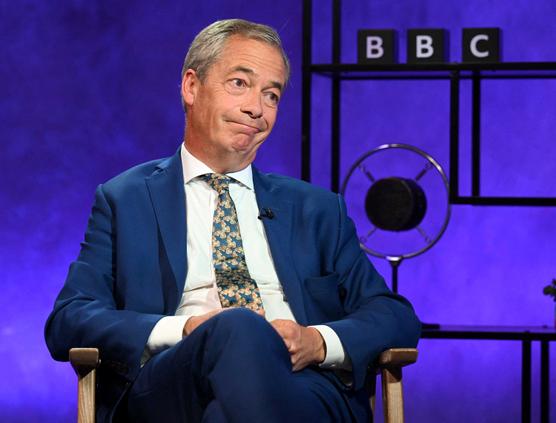
Nigel Farage


Oszałamiająca hipokryzja BBC w sprawie antysemityzmu

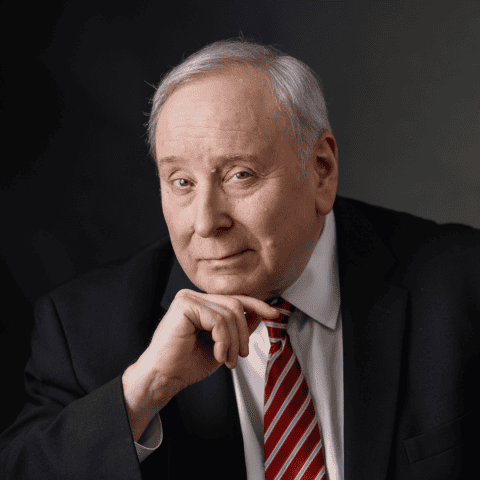
Brendan O’Neill


BBC współpracuje z dziennikarzami, którzy dosłownie mówią „Żydzi do gazu”, a mimo to uważa, że może pouczać Nigela Farage’a? Serio?

Nareszcie, w głównym wydaniu wiadomości BBC o 22:00, poruszono temat plagi antysemityzmu w Wielkiej Brytanii. Na czym się skupiono? Na tych sobotnich orgiach izraelofobii, podczas których zamożni lewicowcy i szaleni islamiści tłumnie domagają się zniszczenia państwa żydowskiego? Na ohydnym nowym trendzie organizowania „pro-palestyńskich” protestów pod synagogami? Na haniebnym zakazie wstępu dla izraelskich Żydów na mecz piłki nożnej w Birmingham – zakazie, który, jak się okazuje, oparto na całej serii „fałszywych twierdzeń”? Nie – BBC postanowiła skupić się na tym, co 13-letni chłopiec być może powiedział, a być może nie powiedział, na szkolnym podwórku pięćdziesiąt lat temu.

Tak, BBC wreszcie zauważyła, że antysemityzm to problem – ale tylko wtedy, gdy chodzi o rzekomy antysemityzm w elitarnej szkole, do której uczęszczał Nigel Farage, w literalnym roku 1977. Zapomnijcie o uczniach Jewish Free School w Londynie, którym już dwa lata temu pozwolono zdejmować marynarki w drodze do szkoły i z powrotem, by nie rzucać się w oczy ulicznym antysemitom. Nieważna 16-letnia Żydówka ze wschodniego Londynu, która trafiła do szpitala po tym, jak rzucono w nią szklaną butelką w zeszłym roku. Nie liczy się żydowski chłopiec pobity i któremu grożono nożem w brutalnym „rasistowskim ataku” w londyńskim metrze zaledwie sześć miesięcy temu. Nie – jedyny uczeń, którym BBC się interesuje, to 61-letni dziś mężczyzna oskarżony o wypowiedzenie antysemickich słów pół wieku temu.

Entuzjastyczne podchwycenie przez BBC historii o „rasistowskich latach szkolnych Farage’a” to jedno z najbardziej cynicznych i obłudnych działań tej rozgłóśni w ostatnim czasie. A to naprawdę coś znaczy. Gdy tylko Guardian opublikował swoje – liczne – doniesienia o rzekomych rasistowskich wybrykach Farage’a w Dulwich College, BBC już przygotowywała obszerny materiał do głównych wiadomości. Czy Farage wypowiadał antysemickie treści w szkole? – zastanawiał się prezenter z zatroskaną miną. Nie wiemy. Ale wiecie co wiemy? Że jeszcze w 2024 roku BBC korzystała z usług reportera na Bliskim Wschodzie, który powiedział Żydom: „Spalimy was tak jak Hitler”.

Serio – za kogo oni się mają? Obcujesz z neofaszystą wspierającym Hamas, śniącym o podpalaniu Żydów, a potem z oburzeniem reagujesz na niesprawdzone zarzuty dotyczące trzynastolatka z epoki sprzed Thatcher? Niektórzy dawni koledzy Farage’a twierdzą, że wypowiadał okropne rzeczy. Jeden z nich, Żyd, pamięta, jak miał powiedzieć: „Hitler miał rację” i „gazujcie ich”. To rzeczywiście potworne słowa. Ale trzy szybkie uwagi. Po pierwsze, nie mamy dowodu, że Farage to powiedział. Po drugie, miał wtedy 13 lat. Po trzecie – BBC współpracuje dziś z ludźmi, którzy mówią dokładnie to samo. Ten sam współpracownik BBC mówił: „Rozstrzelajcie Żydów – to wszystko załatwia”. Nie w 1977, tylko w 2022 roku.

Czy ja zwariowałem? W jakim moralnym wszechświecie BBC ma prawo pouczać kogokolwiek o antysemityzmie – tym bardziej chłopca z zamierzchłych lat 70.? To przecież ta sama stacja publiczna, która tak chętnie powielała kłamstwa Hamasu o państwie żydowskim, że w ciągu ostatnich dwóch lat była zmuszana do korekty średnio dwóch materiałów o Gazie tygodniowo. To ta sama korporacja, którą 208 jej własnych pracowników i współpracowników oskarżyło o „systemowe problemy z antysemityzmem i stronniczością”. To ten sam medialny gigant, który transmitował występ Boba Vylana na Glastonbury, podczas którego skandował: „Śmierć, śmierć IDF” – slogan, który dziś skanduje każdy wykształcony faszysta w kefiji. To ta sama BBC, na której antenie arabski dziennikarz chwalący Hitlera wystąpił 244 razy, a inny, który nazywał Żydów „diabłami” – 522 razy. A teraz BBC uważa, że może moralizować o rzekomym rasizmie przy  stojaku na rowery sprzed pół wieku? Trudno o lepszy przykład przysłowiowej belki i drzazgi.

Ale nie tylko BBC. Guardian także nie ma moralnego prawa oskarżać kogokolwiek o antysemityzm. Być oskarżonym o nienawiść wobec Żydów przez Guardian to jak zostać nazwanym grubym przez Giant Haystacksa. To ta sama gazeta, w której dwóch rysowników zostało upomnianych za antysemityzm. Jeden – Steve Bell – został zwolniony po tym, jak w październiku 2023 roku przedstawił Benjamina Netanjahu wycinającego z własnego brzucha „funt ciała” w kształcie Gazy. Motyw „funta ciała” w XXI wieku! Drugi – Martin Rowson – dostał reprymendę po rysunku Richarda Sharpa, żydowskiego byłego przewodniczącego BBC, z groteskowo przerysowanymi rysami twarzy, skrzynką pełną złotych monet i pacynką przedstawiającą premiera Rishiego Sunaka. Żydzi kochają pieniądze i kontrolują politykę, tak? Ten rysunek „wpisuje się w tradycję antysemicką”, jak stwierdziła jedna z organizacji żydowskich. Kiedy to było? Nie w 1977 – w 2023.

Jestem głęboko przekonany, że to właśnie BBC i Guardian, ze swoimi bredniami o jedynym żydowskim państwie na świecie i z przymykaniem oka na współczesny antysemityzm, przyczyniły się do rozwoju obecnego kryzysu nienawiści wobec Żydów. To, że teraz pozwalają sobie na moralizowanie o rzekomych antysemickich komentarzach wypowiedzianych na szkolnym podwórku 50 lat temu, to coś zdumiewającego. To świadectwo ich moralnej ślepoty i próżności. Są tak przekonani o swojej etycznej doskonałości, że myślą, iż mogą jednego dnia obrażać Żydów, a następnego płakać nad rzekomym obrażaniem Żydów przez dziecko w latach 70. Otóż nie – nie mogą. I warto im przypomnieć, że BBC dziś współpracuje z ludźmi, którzy mówią „Żydzi do gazu”.

Absurd afery wokół Farage’a doskonale podsumowuje interwencja Owena Jonesa. Ten główny brytyjski nienawistnik Izraela nagrał kolejny rozhisteryzowany filmik na YouTube o tym, jak Farage został „PRZYTŁOCZONY” przez ten skandal (to jego wielkie litery). Czy to ten sam Owen Jones, który w młodości z zapałem edytował hasła na Wikipedii dotyczące Izraela, pisząc m.in., że „koncepcja żydowskiej etniczności to kłamstwo”? Co za ohyda. Jones później się z tego wycofał, twierdząc, że był „zupełnie niedoinformowany”. Miał wtedy 19 lat. Osoby, które to później przypomniały, nazwał „obsesyjnymi” i „wściekłymi”. W porządku. A jak nazwać ludzi, którzy dziś grzebią w tym, co trzynastolatek rzekomo powiedział 50 lat temu? W przeciwieństwie do sprawy Farage’a, mamy dowody na to, co napisał Jones – i nie był wtedy w szkole, tylko na  Oxford University.

Rzadko kiedy mieliśmy tak klarowny obraz obłudy i samozadowolenia mieszczańskich mediów. Wielka Brytania została w ostatnich dwóch latach dotknięta falą antysemityzmu. Atakowano uczniów, oblegano synagogi. Tłumy wpływowych osób, owładniętych osobliwą nienawiścią wobec jedynego żydowskiego państwa, maszerowały ulicami, nazywając Żydów „nazistami”. W takiej sytuacji skupianie się na rzekomych słowach wypowiedzianych w Dulwich College w latach 70. to nie tylko absurd – to brutalne, niewybaczalne odwracanie uwagi od realnego problemu nienawiści wobec Żydów we współczesnej Wielkiej Brytanii. Guardian i BBC nie mówią dziś o antysemityzmie dlatego, że zależy im na Żydach, tylko dlatego, że boją się klasy pracującej i możliwości, że ludzie będą głosować na Reform UK. Nie chodzi im o koniec nienawiści rasowej – chodzi im o koniec populizmu. 


Link do oryginału: https://www.spiked-online.com/2025/11/30/the-bbcs-staggering-hypocrisy-on-anti-semitism/

Brendan O’Neill – brytyjski dziennikarz, publicysta magazynu „Spiked” , autor głośnej książki  A Heretic’s Manifesto: Essays on the Unsayable.


Zawartość publikowanych artykułów i materiałów nie reprezentuje poglądów ani opinii Reunion’68,
ani też webmastera Blogu Reunion’68, chyba ze jest to wyraźnie zaznaczone.
Twoje uwagi, linki, własne artykuły lub wiadomości prześlij na adres:
webmaster@reunion68.com

How to regulate synagogue protests? Marginalize anti-Israel blood libels


How to regulate synagogue protests? Marginalize anti-Israel blood libels

Jonathan S. Tobin


If Jewish houses of worship are now as controversial as abortion clinics, then antisemitism has reached a tipping point that requires a stronger response than mere buffer zones.

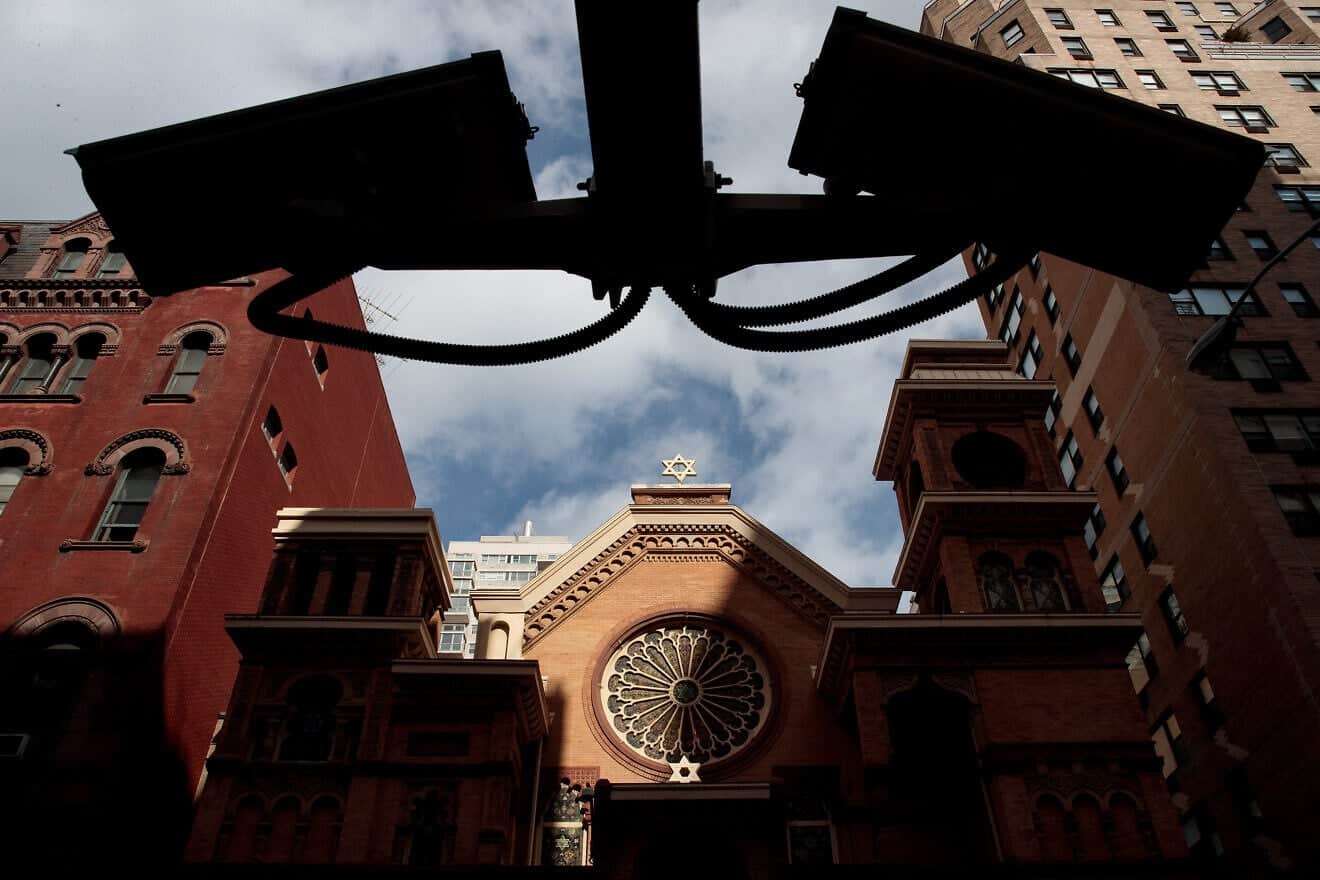
Security cameras hang across the street from the Park East Synagogue in New York City, which has been a target of antisemitic activity, and of late, anti-Israel protesters, , March 3, 2017. Photo by Drew Angerer/Getty Images.

When faced with a problem, the political class always knows what to do: They pass a law that, while not always useless, is usually more about dealing with appearances than substance.

That’s the best way to understand legislation proposed in the New York state legislature to regulate the protests outside of synagogues, which are the latest manifestation of the surge of antisemitism that has made itself felt across the nation since the Hamas-led Palestinian Arab attacks in southern Israel on Oct. 7, 2023.

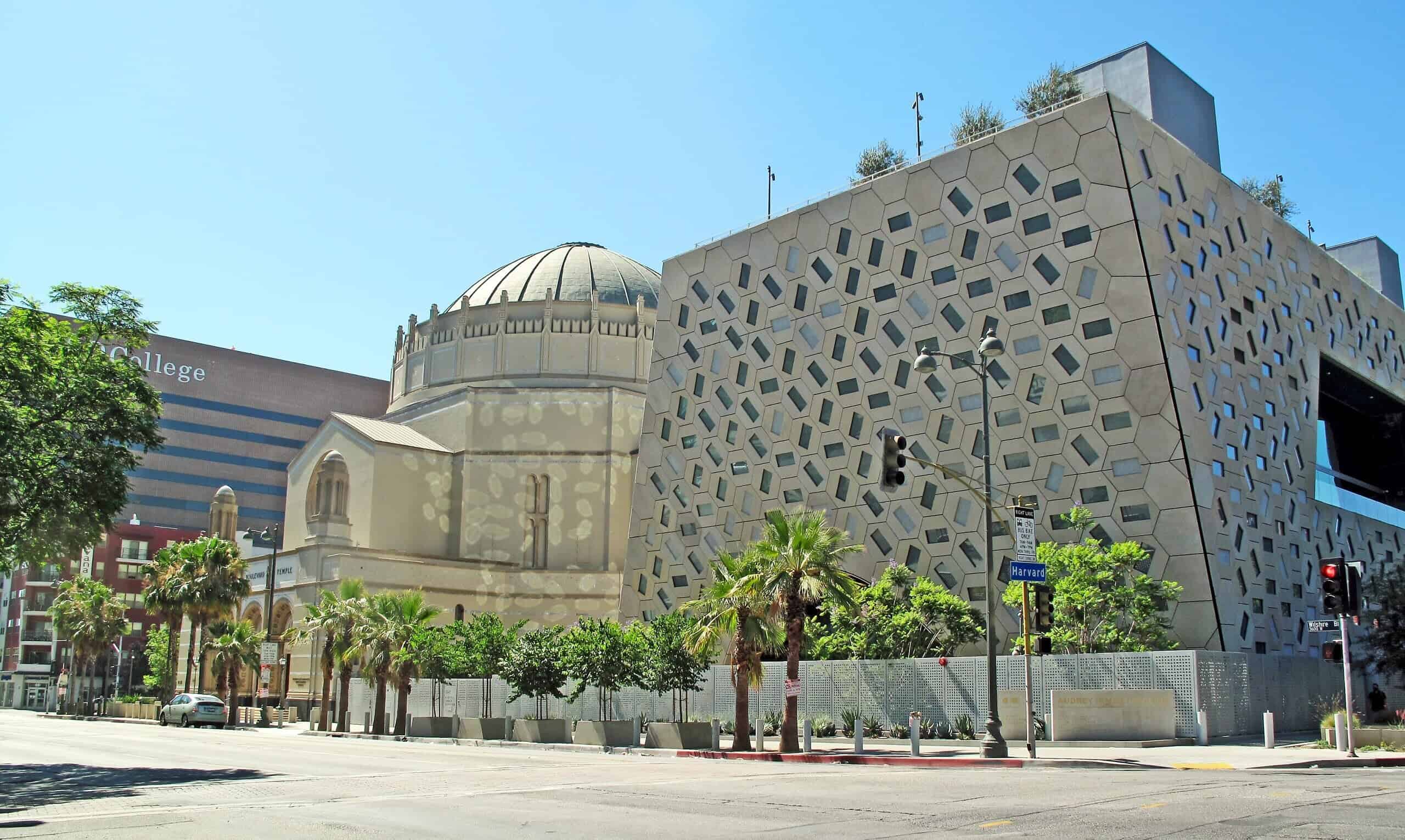
The bill, which seeks to create a 25-foot buffer zone around houses of worship within which protesters may not enter, is the most tangible response yet to what happened last month when raging pro-Hamas demonstrators laid siege to Park East Synagogue on Manhattan’s usually quiet Upper East Side because of a Nefesh B’Nefesh program held there with information on how to go about moving to Israel. But after this week’s equally shocking assault on individuals entering a pro-Israel event at the Wilshire Boulevard Temple in Los Angeles’s Koreatown neighborhood, we may expect similar attempts to use the law to protect Jewish congregations across the country.

The impulse behind such efforts may be laudable, and the law may ease the plight of Jews who find themselves being accosted by antisemitic mobs in such circumstances. Nevertheless, the problem can’t be fixed simply by a state regulation.

Wilshire Boulevard Temple and Irmas Pavilion, June 2022. Credit: Downtowngal via Wikimedia Commons.

Justifying harassing Jews

What needs to be recognized is that if synagogues are now as controversial and as much a focus of aggressive protest as abortion clinics once were, it’s no longer possible to pretend that Jew-hatred in the United States hasn’t reached a tipping point.

The analogy isn’t arbitrary.

The New York bill is, in fact, an attempt to amend existing legislation that creates buffer zones around abortion clinics to make it possible for medical personnel and patients to enter and exit without harassment from pro-life protesters. Politicians aim to do the same when it comes to houses of worship.

But those appalled by what happened at both Park East and Wilshire Boulevard need to recognize that a law in place essentially to force police officers to do what they failed to do in those instances isn’t the real problem. Yes, it may be necessary to make it harder for protesters to achieve their goal—which, as one of the leaders of the mob at Park East made clear, is to make Jews “scared” and intimidate them into no longer hosting anything connected to the Jewish state. But even if the task of these anti-Zionists is made more difficult—as the buffer zones around abortion clinics similarly impeded aggressive pro-lifers— the issue is the way that mainstream media and much of America’s political class have essentially legitimized the reason why these thugs are turning out to harass Jews in the first place.

After Oct. 7, the proverbial Overton Window of acceptable discourse has been moved to accommodate the pro-Hamas crowds. Not too long ago, support for the cause of destroying the one Jewish state on the planet was considered a sure sign not merely of hatred and bigotry, but of the sort of extremism that ought to be confined to the fever swamps of the far left or far right. These days, advocacy for such a genocidal goal is seen as a legitimate political and societal discussion.

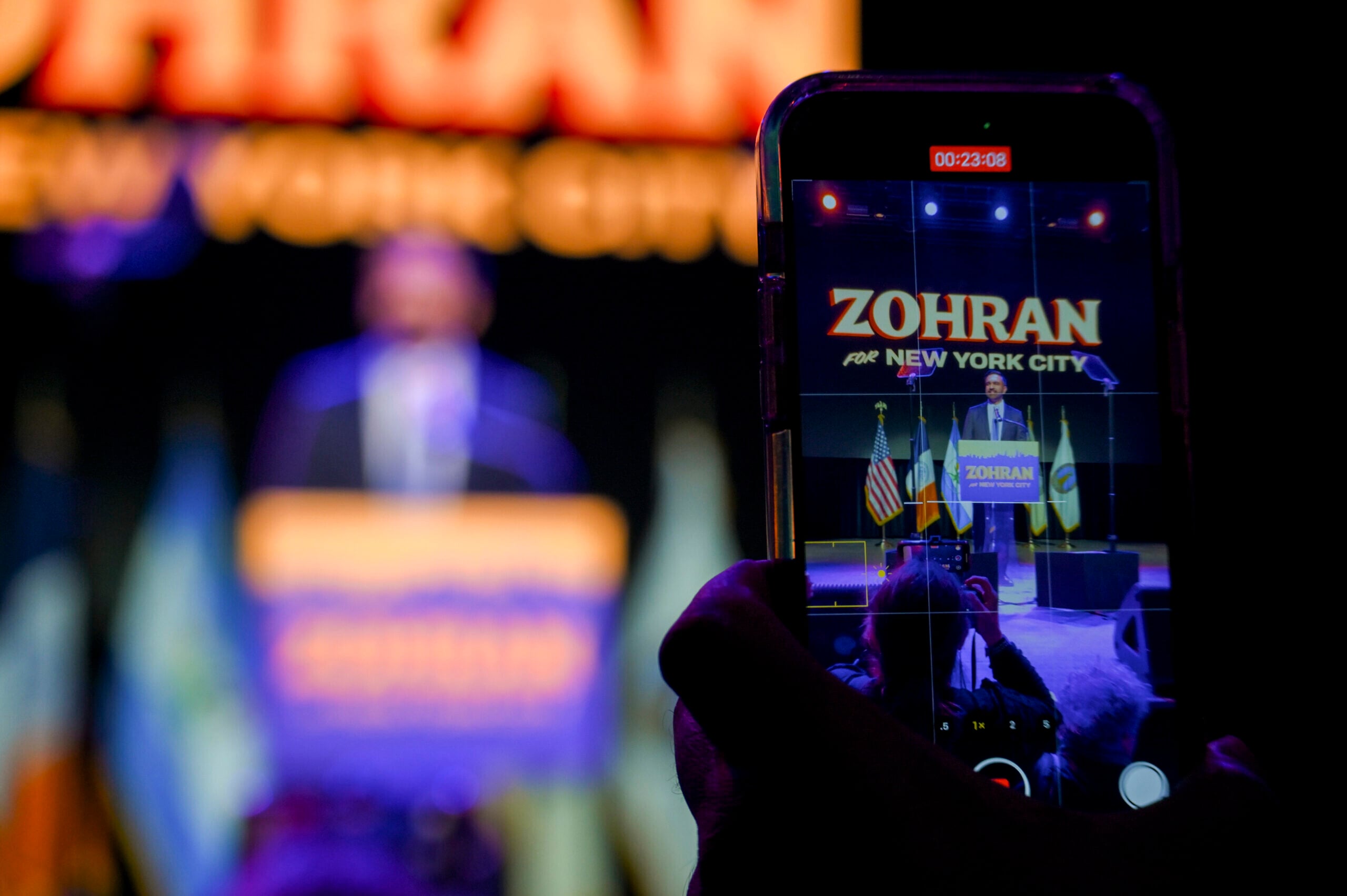
This was best illustrated by mayor-elect Zohran Mamdani’s reaction to the Park East incident, when he stated that he opposed demonstrations outside synagogues that aim to intimidate people but still chided the congregation, saying that “these sacred spaces should not be used to promote activities in violation of international law.”

The reference was to the event being held there that night by the 20-plus-year-old Nefesh B’Nefesh group that promotes immigration to Israel. Doing so is actually protected by international law. Later, his stand was justified in a piece published by the left-wing Forward newspaper. It said the argument behind Mamdani’s comment was an assertion based on the issue that since some Jews who make aliyah wind up in the heart of the ancient Jewish homeland in Jerusalem, or in Judea and Samaria (which Israel-bashers think ought to be Judenrein), and are therefore “settlers,” the shul was essentially facilitating the creation of international criminals.

That’s an outrageous smear. But similar justifications were presented on behalf of the thugs who sought to disrupt the Los Angeles event because it was organized by the Israeli Consulate to discuss security strategies with a focus on AI innovations and included the Elbit Systems firm. Elbit is an Israeli technology company that is under fire because of its role in developing tools used by the Israel Defense Forces to defend the country from terrorism.

The ‘genocide’ blood libel

The problem isn’t what Elbit or the IDF does. It’s the fact that the bizarre red-green alliance of leftists and Islamists that oppose Israel’s existence defines such efforts to protect Jews from the horrors of Oct. 7-style terrorist attacks—incorporating rape, torture, murder and kidnappings—as not merely illegitimate but “genocide.”

That’s why the focus on the narrow issue of impeding the ability of threatening mobs—who chant slogans about wiping out the Jews and their state to inspire fear in everyday citizens—by making synagogues no-go zones misses the point why these outrages are happening. What those who are concerned by these incidents need to address is the way such vile arguments about “genocide,” which are nothing more than modern blood libels about the Jews, have been legitimized by educators, union members, journalists and politicians who would never be seen shouting a rude remark or getting into a shoving match with a person entering a synagogue.

What those who want to respond to these incidents should be doing is not merely denouncing the vulgarians—who are, to no small extent, succeeding in scaring American Jews—for going overboard in expressing their hostility to Israel. Rather, they should stop treating the claims about “genocide” and famine in Gaza and “apartheid” inside the Jewish state as reasonable assertions any more worthy of debate than the claims of latter-day Nazis like “groyper” leader Nick Fuentes about the Jews controlling banks, the weather and the world.

The ability of Hamas to get respectable liberal publications like The New York Times and outlets like CNN or MSNBC (now known as MS NOW) to legitimize their lies about Israeli actions has been an astonishing success. A generation of young people who get all their news from TikTok and other social-media feeds is an ideal audience for these falsehoods. They’ve been convinced to believe that the exaggerated casualty figures—in which all the Palestinian dead in the fighting with Israel, including terrorists, are counted as women and children—are accurate. And they either don’t know about or don’t believe the truth about the Palestinian atrocities committed on Oct. 7 or just think the Israeli victims had it coming. They’ve been conditioned by their educational experiences and what they read or hear from opinion leaders to think that Jews have no rights. They have been taught to believe that Jews are “white” oppressors, no different from the bad guys in the Jim Crow South or apartheid-era South Africa, rather than a mix of citizens from all parts of the world, including Middle Eastern countries that kicked them out long ago.

There are consequences when the Times treats advocacy for the “genocide” blood libel as a defensible opinion. The same is true when Democratic and Republican politicians listen to claims that the Jews are purposefully seeking to wipe out an entire people, rather than being the intended victims of Palestinian attempts at Jewish genocide. Their failure to push back against such outrageous falsehoods sends a message to the entire country that transcends any effort to regulate the most unruly protesters.

New York City mayor-elect Zohran Mamdani speaks on Election Night during a campaign rally in Brooklyn, N.Y., after winning the race, Nov. 4, 2025. Photo by Liri Agami/Flash90.

Normalizing Mamdani

The willingness to normalize Mamdani is the most obvious symptom of what has gone on.

That a person for whom the destruction of the one Jewish state on the planet is the driving force of a burgeoning political career—he is, after all, 34, and the mayoralty will be his first significant political position—and the organizing principle of his advocacy is an appalling turn of events. But rather than treat him as a pariah, as the chattering classes would behave if someone like Fuentes or David Duke, leader of the Ku Klux Klan, were elected to any office, he’s been feted and fussed over by leaders on both sides of the aisle. That not only includes leading Democrats, but President Donald Trump and Vice President JD Vance.

While they aren’t wrong to praise his skill as a manipulator of the media, treating his antisemitic beliefs as merely a curious eccentricity or merely a questionable aspect of his appeal to young voters is to normalize such abhorrent views. Instead, they are treating anyone who dares to call him out as an “enemy of the Jewish people”—as Benjamin Tisch, the brother of New York City Police Commissioner Jessica Tisch, rightly did—as the problem. That Commissioner Tisch publicly apologized for her brother’s accurate comment undermines the notion that she will be an effective check on the mayor-elect’s excesses. It also sends Mamdani, his Jew-hating advisers and members of the pro-Hamas mobs besieging synagogues, the message that they are legitimate actors.

The question isn’t, as the sponsors of the New York synagogue buffer zone legislation said, how they can protect the free-speech rights of protesters without making the lives of synagogue-goers hell. Rather, it is how leading liberal opinion leaders, including many left-wing Jews who never miss an opportunity to bash the Israeli government or to bolster arguments that strip Jews of rights that no one would deny to any other people, now fail to treat antisemitism as a disqualifying character flaw. More than that, such sentiments should deem them unfit for office or a position of influence in academia or journalism.

We should welcome efforts to protect synagogue-goers. But what we should really be pushing back against is a cultural climate in which Israel and the expression of normative Jewish beliefs are now considered illegitimate. As long as that is true of mainstream American public discourse, the safety of worshippers or any other action of an identifiable Jew will always be in question.


Jonathan S. Tobin is editor-in-chief of the Jewish News Syndicate, a senior contributor for The Federalist, a columnist for Newsweek and a contributor to many other publications. He covers the American political scene, foreign policy, the U.S.-Israel relationship, Middle East diplomacy, the Jewish world and the arts. He hosts the JNS “Think Twice” podcast, both the weekly video program and the “Jonathan Tobin Daily” program, which are available on all major audio platforms and YouTube. Previously, he was executive editor, then senior online editor and chief political blogger, for Commentary magazine. Before that, he was editor-in-chief of The Jewish Exponent in Philadelphia and editor of the Connecticut Jewish Ledger. He has won more than 60 awards for commentary, art criticism and other writing. He appears regularly on television, commenting on politics and foreign policy. Born in New York City, he studied history at Columbia University.


Zawartość publikowanych artykułów i materiałów nie reprezentuje poglądów ani opinii Reunion’68,
ani też webmastera Blogu Reunion’68, chyba ze jest to wyraźnie zaznaczone.
Twoje uwagi, linki, własne artykuły lub wiadomości prześlij na adres:
webmaster@reunion68.com


Hamas Braces for Israeli Operations Abroad, Continued Clan Opposition in Gaza


Hamas Braces for Israeli Operations Abroad, Continued Clan Opposition in Gaza

Ailin Vilches Arguello


Palestinian Hamas terrorists stand guard at a site as Hamas says it continues to search for the bodies of deceased hostages, in Beit Lahiya in the northern Gaza Strip, Dec. 3, 2025. Photo: REUTERS/Stringer

Hamas is increasingly preparing for what it sees as an imminent Israeli attempt to assassinate senior leaders abroad, urging members to tighten personal security as the group simultaneously works to consolidate its weakened position in Gaza and reassert control over the enclave.

According to the Arabic newspaper Asharq Al-Awsat, Hamas officials reported rising concern over additional Israeli strikes on the Palestinian terrorist group’s top echelon abroad in the wake of last week’s killing of Hezbollah commander Haitham Tabtabai and September’s operation in Qatar targeting Hamas’s senior leadership.

Despite US “reassurance messages” to several parties — including mediators in Turkey, Qatar, and Egypt — that further strikes on senior Hamas members abroad would not be repeated, the group’s leadership says it “does not trust Israel.”

“There are expectations of a new assassination attempt with the Israeli government’s efforts to obstruct the second phase of the ceasefire agreement and its claim that the movement has no intention of advancing toward a deal,” the Palestinian terrorist group said.  

Hamas members reportedly received new instructions requiring all fixed meetings at a single location to be canceled, with leaders instead holding irregular gatherings at rotating sites.

Meanwhile, the head of an armed Palestinian faction opposing Hamas in Gaza died on Thursday while mediating an internal dispute between families and groups within the militia, dealing a setback to Israeli efforts to support Gazan clans against the ruling Islamist group.

Yasser Abu Shabab, a Bedouin tribal leader based in Israeli-held Rafah in southern Gaza, had led one of the most prominent of several small anti-Hamas groups that emerged in the enclave during the war that began more than two years ago.

Following the incident, Hamas said in a statement that the fate of anyone who “betrayed their people and homeland and agreed to be an instrument in the hands of the occupation [Israel]” was inevitable, accusing Abu Shabab of “criminal acts” that amounted to a “flagrant deviation from national and social consensus.”

Abu Shabab’s death would be a boost to Hamas, which has branded him a collaborator and ordered its fighters to kill or capture him.

“The occupation that could not protect its own agents will be unable to protect any of its collaborators, and anyone who undermines the security of their people and serves their enemy is destined to fall into the dustbin of history, losing all respect and standing in society,” the terrorist group said in its statement. 

Gaza’s Popular Forces confirmed that its leader died of a gunshot wound as he intervened in a family quarrel, and dismissed as “misleading” reports that Hamas was behind Abu Shabab’s killing.

Ghassan al-Dahini, who could assume leadership of the group following the incident, pledged to continue Abu Shabab’s project and resist Hamas by establishing an alternative to the terrorist group’s rule.

“With God’s help, and following my brother Yasser’s plan, we will return as we were — more determined and stronger,” al-Dahini said in a statement, according to Hebrew media. “We will keep fighting with every last ounce of strength until every final terrorist is gone.” 

“Today, Hamas will see its true face — the one the world should have recognized long ago. We will restore hope to all Palestinians, to all free people, to the oppressed, and to everyone who believes in peace,” he continued. 

Rafah has been the scene of some of the worst violence during the ceasefire, with residents reporting gunbattles on Wednesday that left four Israeli soldiers wounded. On Thursday, the Israeli military said its forces killed about 40 Hamas fighters trapped in tunnels beneath the city.

Shortly after the US-backed ceasefire to halt fighting in Gaza took effect in October, Hamas moved to reassert control over the war-torn enclave and consolidate its weakened position by targeting Palestinians who it labeled as “lawbreakers and collaborators with Israel.”

Since then, Hamas’s brutal crackdown has escalated dramatically, sparking widespread clashes and violence as the group moves to seize weapons and eliminate any opposition.

Social media videos widely circulated online show Hamas members brutally beating Palestinians and carrying out public executions of alleged collaborators and rival militia members.


Zawartość publikowanych artykułów i materiałów nie reprezentuje poglądów ani opinii Reunion’68,
ani też webmastera Blogu Reunion’68, chyba ze jest to wyraźnie zaznaczone.
Twoje uwagi, linki, własne artykuły lub wiadomości prześlij na adres:
webmaster@reunion68.com