
Archive | January 2026

Antysemityzm i jego ulubiony Żyd


Antysemityzm i jego ulubiony Żyd

Lucy
@lucytabrizi

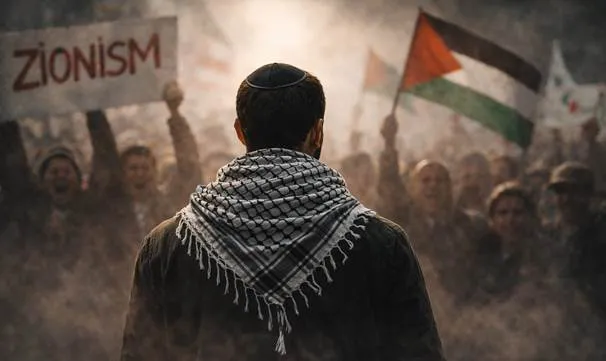
Od nazistowskich Niemiec po TikToka, „dobry Żyd” to najskuteczniejsze narzędzie, jakim kiedykolwiek posługiwali się antysemici.

Uwaga: To nie jest esej o Żydach progresywnych czy liberalnych jako takich. Chodzi tu o konkretną figurę, która stała się nieodzownym elementem współczesnego ruchu antysyjonistycznego: Żyda antysyjonistę — tak zwanego „dobrego Żyda”, który wypowiada się „jako Żyd”, nie po to, by skomplikować narrację tłumu, lecz by ją pobłogosławić.

To nie niezgoda wobec polityki Izraela definiuje tę postać. Tym, co ją wyróżnia, jest gotowość do przepisania historii, tożsamości i wspólnoty żydowskiej w taki sposób, by istnienie Żydów stało się dwuznaczne moralnie.

Tacy ludzie służą ruchowi antysyjonistycznemu jako preferowana tarcza obronna przed zarzutem antysemityzmu. „Jak to może być nienawiść wobec Żydów”, głosi logika, „skoro sami Żydzi tak mówią?”

Żydowski antysyjonizm często wynika z tragicznego przekonania — że możliwe jest uzyskanie immunitetu, że wystarczy odpowiednio głośno i publicznie potępić własny naród, by zapewnić sobie bezpieczeństwo. Historia nie dostarcza żadnych dowodów na poparcie tego przekonania. Szczególnie pouczający przykład pochodzi z nazistowskich Niemiec. W pierwszych latach reżimu niewielka grupa silnie zasymilowanych Żydów otwarcie popierała Adolfa Hitlera, bagatelizując doniesienia o prześladowaniach i potępiając syjonizm jako zagrożenie dla integracji Żydów. Lojalność ich nie ocaliła. W 1935 roku naziści rozwiązali organizację i aresztowali jej lidera. Reżimowi, jak się okazało, nie były potrzebne rozróżnienia między „dobrymi Żydami” a resztą.

Funkcja ta została następnie przejęta bezpośrednio przez państwo. W okresie poprzedzającym Igrzyska Olimpijskie w Berlinie w 1936 roku, narastała międzynarodowa presja, by zbojkotować zawody z powodu traktowania Żydów w Niemczech. Wybrano jedną żydowską zawodniczkę, Helenę Mayer, do reprezentacji Niemiec — miała zasygnalizować, że z Żydami wszystko jest w porządku. Mayer zdobyła srebro i na podium wykonała nazistowski salut. Obraz ten obiegł świat. Poskutkowało. Bojkot się rozmył.

Tymczasem niemieccy Żydzi nadal byli pozbawiani praw i środków do życia, zanim zostali wywiezieni, deportowani i zamordowani. „Dobry Żyd” spełnił swoją rolę.

Ten sam mechanizm działał w Związku Radzieckim. Już od pierwszych lat reżimu tworzono jawnie żydowskie komórki komunistyczne, które miały za zadanie likwidację życia religijnego, kulturalnego i wspólnotowego Żydów — od wewnątrz. Ich żydowska tożsamość była kluczowa: państwa nie można było oskarżyć o antysemityzm, skoro to sami Żydzi zamykali synagogi, likwidowali instytucje wspólnotowe i aresztowali liderów syjonistycznych.

Na początku lat 50. ta logika osiągnęła punkt kulminacyjny. Za rządów Józefa Stalina przygotowano plan masowej deportacji Żydów radzieckich do obozów pracy, mający zostać uzasadniony publicznymi listami podpisanymi przez Żydów potępiających „syjonizm” i wzywających państwo do działania przeciw „zdradzieckim” Żydom-syjonistom. Plan przerwała jedynie śmierć Stalina.

A jednak ten schemat nie ograniczał się do nazistowskiej Europy ani do stalinowskiej Rosji. W Egipcie za rządów prezydenta Gamala Abdela Nassera Żydzi byli zmuszani do publicznego wyrzekania się syjonizmu jako warunku bezpieczeństwa — tylko po to, by i tak zostali wypędzeni. W komunistycznej Polsce oficjalnie „antysyjonistyczna” czystka objęła żydowskich członków partii i intelektualistów. W Iraku jeden z najbardziej prominentnych antysyjonistycznych Żydów został powieszony po pokazowym procesie, w którym i tak oskarżono go o… syjonizm.

Różne ideologie, ten sam rezultat: Żydzi, którzy wierzyli, że lojalność, asymilacja lub publiczne odrzucenie żydowskiej wspólnoty ich ochronią, odkrywali tę samą prawdę. Antysemityzm nie nagradza uległości; on ją pochłania. Kategoria „dobrego Żyda” nigdy nie przetrwała zderzenia z realną władzą.

Wielu współczesnych Żydów antysyjonistów wierzy, że przeciwstawia się indoktrynacji, że wyzwoliło się z dziedziczonych mitów. Może tak. Ale fakt, że ktoś został raz oszukany, nie daje mu dożywotniego immunitetu na ponowne oszustwo.

To, co często umyka uwadze, to społeczna pozycja, z której ta pewność siebie się wyłania. Większość Żydów antysyjonistów w diasporze nie działa pod przymusem. Są chronieni przez liberalne demokracje, odizolowani geograficznie, a ich poczucie bezpieczeństwa opiera się na przekonaniu, że żydowska podatność na prześladowania to już tylko historyczna ciekawostka. Właśnie to odizolowanie sprawia, że mogą traktować żydowską wspólnotę jako coś opcjonalnego, a żydowską samoobronę jako kwestię do negocjacji. Odcięci od cywilizacyjnej pamięci, z której wyrósł syjonizm, łatwo mylą komfort z oświeceniem. Brak zagrożenia mylą z wnikliwością.

Współczesny antysyjonizm nie zrodził się organicznie z refleksji moralnej. To spadek po ideologicznej kampanii, która zastąpiła słowo „Żyd” słowem „syjonista” — pozostawiając wszystkie oskarżenia bez zmian. Język spisków, dominacji, winy krwi i moralnego zepsucia został jedynie zaktualizowany. Przeciwstawianie się syjonizmowi nie oznacza zatem wyjścia poza historię. To nieświadome wejście w jedną z jej najbardziej wydeptanych kolein.

Uderzającą cechą żydowskiego antysyjonizmu jest upór, by traktować żydowską tożsamość wyłącznie jako religię — system wierzeń czy etykę — a nie jako naród czy wspólnotę. To wymaga wymazania fundamentów żydowskiej cywilizacji. Prawo, język, kalendarz, modlitwa i zbiorowa pamięć są nierozerwalnie związane z Ziemią Izraela. Żydzi od tysięcy lat opisują siebie jako naród, lud, plemię.

Próba oddzielenia judaizmu od syjonizmu nie jest więc powrotem do autentycznej tradycji, lecz jej zaprzeczeniem. Przywiązanie Żydów do Ziemi Izraela jest jednym z najstarszych nieprzerwanych wątków w historii — wyraźnie obecnym przynajmniej od powrotu z niewoli babilońskiej w 536 r. p.n.e. i obecnym w każdej warstwie życia żydowskiego od tego czasu. Antysyjoniści żydowscy traktują Izrael jako współczesny polityczny „dodatek”.

Tymczasem badania niezmiennie pokazują, że około 90% Żydów w diasporze identyfikuje się z syjonizmem w podstawowym sensie: popiera istnienie żydowskiego państwa na żydowskiej ziemi. To przytłaczające poparcie jest tym, co ruchy antysyjonistyczne starają się zamaskować. Bo trudno twierdzić, że nie jest się antyżydowskim, jeśli sprzeciwia się podstawowemu wyrazowi politycznej tożsamości zdecydowanej większości Żydów.

A jednak ruchy antysyjonistyczne nadal wynoszą na piedestał antysyjonistów żydowskich jako moralne osłony przed zarzutami antysemityzmu. W tym celu opierają się na marginesie — najbardziej rzucającym się w oczy przykładem jest Neturei Karta¹ — i przedstawiają go jako autorytet moralny. Nazywa się to często solidarnością, ale nią nie jest. To tokenizm: wynoszenie mniejszościowego głosu nie za to, co wie lub ryzykuje, lecz za to, jaką daje taryfę ulgową.

W tym momencie często pojawia się pytanie: Czym to się różni od nagłaśniania dysydentów z Gazy?

Różnica tkwi w ryzyku, reprezentacji i konsekwencjach.

Wynoszenie głosów żydowskich, które bagatelizują lub usprawiedliwiają antysemityzm, naraża innych Żydów. Wznoszenie głosów sprzeciwu w Gazie ma odwrotny skutek. Żyd w Nowym Jorku, potępiając syjonizm, niewiele ryzykuje — może co najwyżej odsunąć cel dalej w czasie. Często spotyka się z oklaskami, zaproszeniami na wystąpienia i pochwałami na protestach, gdzie żydowska historia jest swobodnie przepisywana. Palestyńczyk w Gazie, który krytykuje Hamas, ryzykuje więzieniem, torturami lub śmiercią, i czyni to wbrew poglądom, które są rzeczywiście popularne, brutalnie egzekwowane i wspierane zbrojnie.

Ta sama logika tokenizacji tłumaczy wynoszenie na piedestał takich grup jak Jewish Council of Australia czy Jewish Voice for Peace (która być może w ogóle nie jest żydowska) — organizacji, które mimo skrajnie marginalnej pozycji w żydowskim życiu publicznym, otrzymują nieproporcjonalnie dużo uwagi ze strony mediów i instytucji. Wartość Jewish Voice for Peace nie tkwi w jej liczebności ani wiarygodności, lecz w funkcji, jaką pełni: zapewnia „żydowską” markę, pod którą wrogość wobec żydowskiego samostanowienia może działać bez podejrzeń i zewnętrznej kontroli.

Ta marka jest tak cenna, że podstawowe pytania o reprezentatywność, odpowiedzialność czy choćby autorstwo uznawane są za niegrzeczne. Część infrastruktury cyfrowej Jewish Voice for Peace została powiązana z administratorami działającymi poza Stanami Zjednoczonymi, w tym w Libanie² — szczegółem, który wywołałby natychmiastowe oburzenie, gdyby dotyczył jakiejkolwiek innej grupy mniejszościowej poza Żydami.

Organizacja wielokrotnie promowała lub gloryfikowała osoby odpowiedzialne za masową przemoc wobec żydowskich cywilów. Wśród nich jest Ghassan Kanafani, który wziął odpowiedzialność za masakrę na lotnisku Lod w 1972 roku, w której zamordowano 26 cywilów. Gloryfikacja terroryzmu najwyraźniej łatwiej przechodzi niezauważona, gdy opatrzona jest żydowską pieczęcią aprobaty.

Podobnie hasło „Globalize the intifada!”, obecnie otwarcie przyjmowane w środowiskach powiązanych z Jewish Voice for Peace, nie odnosi się do abstrakcyjnego protestu, lecz do konkretnej kampanii samobójczych zamachów bombowych, wymierzonej bezpośrednio w izraelskich cywilów w autobusach, restauracjach, szkołach, na targowiskach i w centrach handlowych. Oklaskiwać to hasło, a jednocześnie potępiać przemoc z użyciem broni w amerykańskich szkołach — to czysta hipokryzja moralna.

Ale tak właśnie działa tokenizacja. Poprzez wynoszenie na piedestał marginalnych żydowskich głosów, ruchy wrogie żydowskiemu życiu i samostanowieniu uzyskują pozory żydowskiego poparcia, jednocześnie odrzucając poglądy większości Żydów jako wypaczone, zmanipulowane lub moralnie nieprawomocne.

Przemoc spływa w dół. Sprzeciw nie jest poddawany debacie, lecz atakowany, zawstydzany i uciszany. „Dobry Żyd” nie łagodzi wrogości — on ją sankcjonuje. Wrogość wobec Żydów, przeformułowana jako wrogość wobec „syjonistów”, zyskuje pozór moralnej słuszności. To nie jest postępowe; to najstarszy schemat w żydowskiej historii. I opiera się na logice moralnej stosowanej wyłącznie wobec Żydów. Żaden inny lud rdzennego pochodzenia nie słyszy, że długa nieobecność na ziemi przodków przekreśla do niej więź. Żaden inny naród nie słyszy, że sama walka o przetrwanie jest aktem niesprawiedliwości. Tylko Żydzi poddawani są tej logice — a antysyjonistyczny Żyd zostaje zaproszony do jej potwierdzenia.

Antysyjonista żydowski często posługuje się językiem uniwersalizmu — antykolonializmu, feminizmu, antyrasizmu, praw człowieka — ale te zaangażowania rozpadają się, gdy w grę wchodzą Żydzi. Potępia się kolonializm — z wyjątkiem kolonializmu arabskiego. Broni się feminizmu — z wyjątkiem przypadków, gdy przemoc wobec kobiet pochodzi od sił islamistycznych. Walczy się z faszyzmem — z wyjątkiem sytuacji, gdy retoryka faszystowska kierowana jest wobec Żydów. „Land Back” (zwrot ziemi) to świętość — chyba że chodzi o ziemię żydowską. To nie drobne niespójności; to sygnały ideologiczne, ujawniające nie spójną etykę, lecz hierarchię: kto może być ofiarą, a kto nie ma prawa przetrwać.

„Okupacja” zajmuje szczególne miejsce w myśleniu Żydów antysyjonistów. Traktuje się ją nie jako skutek wojny, lecz jako grzech pierworodny. Jeśli ją zakończymy — przyjdzie pokój. Jeśli ją zakończymy — przywrócimy porządek moralny. To przekonanie daje ukojenie, bo umiejscawia całą odpowiedzialność po stronie Żydów. Jeśli wina leży po naszej stronie, to możemy ją naprawić. Jeśli cierpienie trwa — musi być zasłużone.

A jednak każda znacząca próba zmniejszenia żydowskiej podatności na przemoc w regionie — autonomia, wycofanie, podział, kompromis — spotykała się nie z pojednaniem, lecz z eskalacją przemocy. To nie okupacja zrodziła konflikt. To konflikt doprowadził do okupacji. Uznanie tego wymaga zmierzenia się z dużo trudniejszą prawdą: że wrogość wobec żydowskiej obecności w regionie nie wynikała z granic ani z osiedli, lecz z samej żydowskiej autonomii.

W swojej istocie żydowski antysyjonizm domaga się czegoś niezwykłego — by Żydzi w sposób unikalny wyrzekli się nie tylko państwa, ale także swojej historycznej pamięci, tożsamości zbiorowej i prawa do samoobrony — w zamian za obietnicę moralnej aprobaty ze strony kultur, które nigdy ich nie chroniły.

Wspieranie praw człowieka Palestyńczyków nie wymaga fałszowania historii Żydów. Moralna jasność nie wymaga samounicestwienia. I żadna cywilizacja nie przetrwa, ucząc swoje dzieci, że ich istnienie jest problemem moralnym.

Antysyjonista żydowski nie jest buntownikiem przeciw władzy. To najnowsza odsłona prastarej nadziei: że jeśli Żydzi się siebie wyrzekną, świat w końcu ich pokocha.

Ta nadzieja zawsze kończyła się katastrofą.


Źródła:

1 Benny Morris, 1948: A History of the First Arab–Israeli War (Yale University Press, 2008); Efraim Karsh, Palestine Betrayed (Yale University Press, 2010).

2 George L. Mosse, German Jews Beyond Judaism (Indiana University Press, 1985); Robert Gellately, Backing Hitler (Oxford University Press, 2001).

3 United States Holocaust Memorial Museum, “Helene Mayer”; Olympic Studies Centre archives on the 1936 Berlin Games.

4 Yuri Slezkine, The Jewish Century (Princeton University Press, 2004); Encyclopedia Judaica, “Yevsektsiya.”

5 Jonathan Brent and Vladimir Naumov, Stalin’s Last Crime (HarperCollins, 2003); Simon Sebag Montefiore, Stalin: The Court of the Red Tsar (Vintage, 2004).

6 Joel Beinin, The Dispersion of Egyptian Jewry (University of California Press, 1998); Jan T. Gross, Fear (Random House, 2006); Edwin Black, The Farhud (Dialog Press, 2010).

7 Shaye J. D. Cohen, The Beginnings of Jewishness (University of California Press, 1999); Yosef Hayim Yerushalmi, Zakhor (University of Washington Press, 1982).

8 Pew Research Center, Jewish Americans in 2020; American Jewish Committee survey data on Jewish attachment to Israel.

9 NGO Monitor, reports on Jewish Voice for Peace digital infrastructure and affiliations; Canary Mission, documentation on JVP online administration and network overlaps.


Link do oryginału:

Notes From The Ruins
The Return of the “Good Jew”
Recently, I came across a post by a self-described “progressive Jew,” whose bio announced that he was “choosing love.” The post presented the Nakba as a premeditated act of ethnic cleansing by Jews, a familiar morality tale in which Jewish trauma becomes motive and Arab violence disappears. The 1948 war itself…
Read more

Notes From the Ruins, 25 stycznia 2026


Zawartość publikowanych artykułów i materiałów nie reprezentuje poglądów ani opinii Reunion’68,
ani też webmastera Blogu Reunion’68, chyba ze jest to wyraźnie zaznaczone.
Twoje uwagi, linki, własne artykuły lub wiadomości prześlij na adres:
webmaster@reunion68.com

Stop chasing after the Saudis to join the Abraham Accords


Stop chasing after the Saudis to join the Abraham Accords

Jonathan S. Tobin


Now that they’ve stopped worrying about an Iranian bomb, Riyadh is making clear that it will never recognize the State of Israel. It was never going to be worth the price anyway.

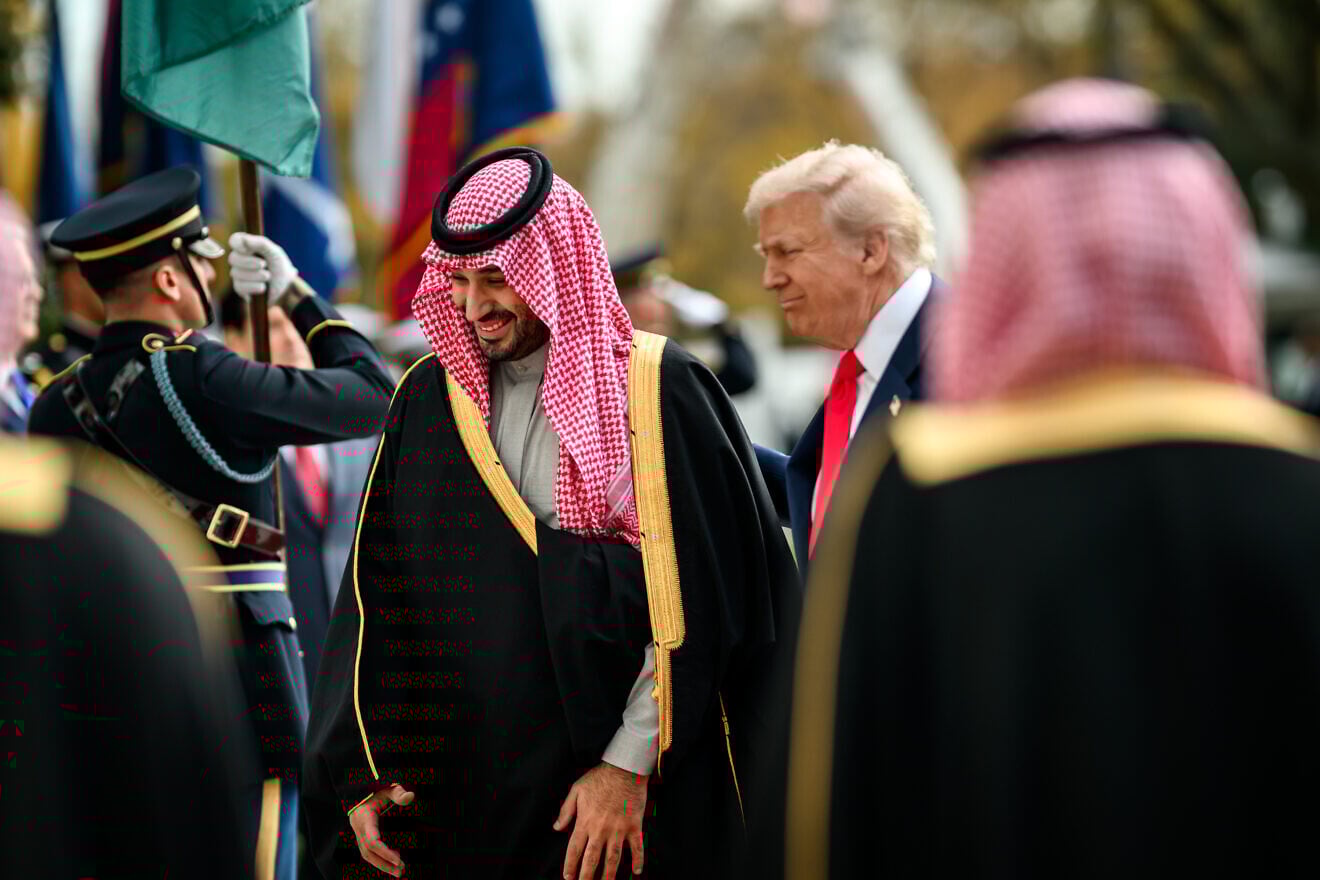
U.S. President Donald Trump welcomes Crown Prince and Prime Minister Mohammed bin Salman Al Saud of Saudi Arabia at the South Portico of the White House, Nov. 18, 2025. Credit: Daniel Torok/White House.

The 12-day air campaign against Iran that was carried out by Israel last June, and then eventually joined by the United States, changed the strategic equation in the Middle East. But as much as that is an enormous benefit to both Jerusalem and Washington, there was one consequence to this victory that will discourage many observers of the region.

The tacit alliance between Israel and Saudi Arabia against a common enemy in Tehran was the basis for the success of the first Trump administration’s ability to make the Abraham Accords a reality in 2020. It also raised the possibility of the entire Arab and Muslim world coming to terms with the permanence of Israel, as well as the possibility that the guardian of Islamic holy places in Mecca and Medina might embrace formal recognition of Israel.

The end of a threat

But after a week of war, the threat of Iran building a nuclear bomb in the near future no longer hangs over the Saudis. The crippling of Tehran’s nuclear facilities—and stripping it of its air defense and much of its missile arsenal—proved an enormous victory for Israel and America. It largely removed the prospect of an existential Iranian nuclear threat that had been hanging over the Jewish state for the last 20 years.

But it has now removed Riyadh’s prime motivation for its tilt toward Jerusalem.

That trend began when the Saudis were largely abandoned by an Obama administration that was committed to appeasement of Iran, rather than confronting or containing it. In response, they turned to the Jewish state to counter what appeared to be a threat to the existence of their government. If that threat is largely removed, then why should they normalize relations with Israel?

As insider reports have increasingly made clear, Saudi Crown Prince Mohammed bin Salman, the de facto ruler of the country, has decided to alter his country’s course. Instead of continuing to move closer to Jerusalem and, as so many in the United States and Israel hoped and even expected, joining the Abraham Accords themselves, the Saudis seem to be eyeing a different sort of regional realignment, in which they will now link up with other Islamist countries like Qatar and Turkey. They have even reportedly been advocating for the United States not to attack Iran so as to help the protest movement succeed in overthrowing the Islamist theocrats that have despotically ruled since the Iranian Revolution in 1979. They’ve also refused to let Washington use their territory for potential attacks on Iran.

On top of that, the Saudis are also moving away from their efforts to erase antisemitism from their education system and public discourse, as they had been doing as late as 2024. Instead, the regime’s state-run media has again turned to spewing out anti-Israel venom, in addition to the sort of open hatred of Jews that was routine before Riyadh’s turn to Israel and the West. Among other monitors of the situation, the Anti-Defamation League is sounding the alarm about prominent Saudi voices—closely tied to the royal family and the government—promoting antisemitic conspiracy theories and trashing the Abraham Accords.

This is very disappointing for both Washington and Jerusalem. President Donald Trump has invested a lot of effort in trying to undo the damage to U.S.-Saudi relations done by the Obama and Biden administrations, which both sought to downgrade relations with Israel and Saudi Arabia in order to effect a rapprochement with Iran. It’s equally frustrating for Israeli Prime Minister Benjamin Netanyahu, who saw the expansion of the Abraham Accords to include the Saudis as his prime foreign-policy objective.

A beguiling prospect

To be fair, the idea of an Israeli embassy in Riyadh—and the Saudis following the lead of the United Arab Emirates in becoming an open friend of Israel and a friendly place for Jewish visitors—was a beguiling prospect. It made sense for the Saudis to go down this road from a strategic point of view. And it also dovetailed with MBS’s hopes of modernizing Saudi society, and even more importantly, its finances, to openly engage with the Start-Up Nation, the most economically dynamic in the region.

It’s time to admit that while it would have been nice, it was probably always a fantasy.

Even before the war that began as a result of the Hamas-led Palestinian Arab terror attacks on Israel on Oct. 7, 2023, which put a freeze on any efforts to expand the accords, there was good reason for skepticism about the Saudis ever fully embracing normalization. As I wrote in 2022, for a government whose identity has always been bound up with its alliance with the extreme Wahabi sect of Islam, recognition of Israel was always going to be a stretch. For all of his desire to get his nation into the 21st century and shake its reliance on oil income, MBS knew that good relations with the Jewish state are still extremely unpopular inside his country and elsewhere on the Arab street.

Israeli diplomats like to speak of the difference between cold and hostile public comments toward the Jewish state uttered by their Arab and Muslim counterparts and warmer private ones. However, the reason—with the possible exception of the UAE—that contrast still exists is the fact that hatred for Zionism and vicious antisemitism is the rule in the region, regardless of whether a war is going on. The leaders of moderate Arab nations know that letting a Palestinian national movement that cannot move beyond its dreams of Israel’s destruction hold them hostage to those fantasies is a mistake. But while the authoritarian rulers of these states do, as a general rule, ignore public sentiment, even a stable regime such as that in Riyadh knows that such governments are not invulnerable to threats of being toppled.

They were never serious

Moreover, for all of the optimism about the inevitability of their transforming their under-the-table good relations with Israel into one of open recognition, it’s not clear that it was ever a possibility. Even when it was being formally discussed after the Biden administration belatedly began pushing for their joining the Abraham Accords (though Biden’s team hated using the name because it was Trump’s signature foreign-policy achievement), the terms the Saudis asked for demonstrated that they weren’t really serious about it. The price they demanded in exchange for normalization included a formal defense pact with the United States and Washington gifting them a nuclear program—two things that were never going to happen under any circumstances.

The Saudis knew this, and by asking for the moon in this manner, they were sending a signal to much of the world, including many Americans and Israelis who ought to have known better.

Nor would it have been worth it for Israel to acquiesce to the principal demand made of them: the creation of a Palestinian state.

That has been a key element of the price tag the Saudis put on their joining the accords. That sounded right to an American foreign-policy establishment that continued to believe that a two-state solution was the only way to end the conflict. Of course, as Palestinians have made clear, over and over again, they have no interest in the idea if it means they’ll have to commit themselves to living in peace with a Jewish state, no matter where its borders are drawn.

After the Second Intifada (2000-2005), and then Oct. 7, the once broad Israeli support for the concept has evaporated. Even most left-wing Israelis know that the Palestinians aren’t interested in peace. Acquiescing to demands for Palestinian statehood would have meant repeating the same catastrophic blunder made by the late Ariel Sharon when he withdrew from the Gaza Strip in the summer of 2005, thus setting in motion the events that allowed Hamas to seize control of the coastal enclave and eventually to be able to commit the atrocities in southern Israel on Oct. 7. Doing so in the far larger and more strategic areas of Judea and Samaria (the “West Bank”) would have endangered the very existence of the state.

It’s equally true that the Saudis have no real desire to help create another failed Arab state that would, in all likelihood, be a perfect target to be taken over by Islamists—in this case, Hamas. Yet even before the Palestinians won general Arab and Muslim sympathy by launching a war on Oct. 7 with an orgy of mass murder, rape, torture, kidnapping and wanton destruction, the Saudis were only using the statehood issue to help deflect pressure to join the Abraham Accords.

That should serve as a reminder to Israelis and Americans not to be too disappointed by the Saudis’ decision to attempt to reclaim their status as the leader of Islamist rejectionist forces in the region, a stance that, in recent years, they surrendered to Qatar.

Would it ever have been worthwhile for Israel to have made such a grave sacrifice of its security concerns in exchange for Saudi recognition?

For Israelis, having the Saudis embrace them fully and openly as partners would have signaled the end of the Muslim world’s refusal to accept the Jewish state’s permanent place in the region. But setting up a situation where the Palestinian Authority would likely have been toppled by Hamas would have been suicidal. The scenario in which Hamas assumes control of the territories is a guarantee of nothing but another and even more bloody round of war.

As much as it’s nice to dream of a world where the region could truly be transformed into a “new Middle East,” such as the one that the late Shimon Peres dreamed of when he agreed to the 1993 Oslo Accords, 33 years later, Israelis still don’t live in such a world.

That’s why it is far better to keep such fantasies out of efforts to ensure that the Saudis remain outside of coalitions bent on Israel’s destruction. The Riyadh regime may still hope to develop its economy and needs to modernize its society to achieve that; however, it is never going to be entirely divorced from the Wahabi extremism that put their family in control of the Arabian Peninsula in the first place.

Riyadh can’t change

And so, Americans and Israelis should stop chasing after the vain hope of getting the desert kingdom to behave as if it is anything other than the Islamist regime that it has always been and likely always will be. The Saudis will always act in their own best interests, and if that lines up with a more Israel-friendly policy, then they’ll do that. And being realists and still desirous of friendly relations with the United States, there will be limits on how far they will go in terms of open hostility to Israel. But they can neither be persuaded nor bribed to give up their basic character.

It’s long past time for Washington and Jerusalem to acknowledge this fact and stop trying to pretend that Saudi Arabia is anything other than what it is. It may not be at war with Israel and may even prefer for it to, along with the United States, continue to act to deter Islamist forces that are hostile to Riyadh, even if they are no longer worried about Iran. But it’s never going to be a real friend or ally of a Jewish state.


Jonathan S. Tobin is editor-in-chief of the Jewish News Syndicate, a senior contributor for The Federalist, a columnist for Newsweek and a contributor to many other publications. He covers the American political scene, foreign policy, the U.S.-Israel relationship, Middle East diplomacy, the Jewish world and the arts. He hosts the JNS “Think Twice” podcast, both the weekly video program and the “Jonathan Tobin Daily” program, which are available on all major audio platforms and YouTube. Previously, he was executive editor, then senior online editor and chief political blogger, for Commentary magazine. Before that, he was editor-in-chief of The Jewish Exponent in Philadelphia and editor of the Connecticut Jewish Ledger. He has won more than 60 awards for commentary, art criticism and other writing. He appears regularly on television, commenting on politics and foreign policy. Born in New York City, he studied history at Columbia University.


Zawartość publikowanych artykułów i materiałów nie reprezentuje poglądów ani opinii Reunion’68,
ani też webmastera Blogu Reunion’68, chyba ze jest to wyraźnie zaznaczone.
Twoje uwagi, linki, własne artykuły lub wiadomości prześlij na adres:
webmaster@reunion68.com


Jewish Americans Shouldn’t Be Shocked by Scott Wiener’s Genocide Lie


Jewish Americans Shouldn’t Be Shocked by Scott Wiener’s Genocide Lie

Irit Tratt


California State Sen. Scott Wiener. Photo: Screenshot

At first glance, California State Sen. and Democratic candidate for US Congress Scott Wiener is representative of what many consider a genuine American Jewish success story: a Jewish boy from New Jersey whose childhood memories were shaped by parents who helped build a local Conservative synagogue.

Wiener possesses the boy-next-door charm and familiarity of a Jewish American who came of age in the 1980s and early 1990s, was academically gifted, and later graduated from Harvard Law School.

The budding lawmaker soon found his footing in politics and eventually rose to become a state senator in the nation’s most populous state.

The youthful-looking Wiener, who calls himself “one of the strongest LGBTQ civil rights champions in the nation,” also co-chairs the California Legislative Jewish Caucus.

The one critical wrinkle to Wiener’s path to Jewish political prominence is that the 55-year-old politician recently promoted the disgusting blood libel that Israel is committing genocide in Gaza.

After enduring jeers from left-wing attendees at last week’s candidate debate featuring Wiener and two other Democrats vying to succeed retiring Congresswoman Nancy Pelosi (D-CA), Wiener pivoted from his initial refusal to characterize Israel’s actions as genocide and made the decision, days later, to turn against the Jewish state in a 90-second cringe-inducing video unveiled Sunday on the social media platform X.

For those following evolving attitudes toward Israel within liberal Jewish spaces, where Zionism is increasingly disassociated from Judaism, Wiener’s comments condemning Israel are perhaps the least shocking development in the progressive Democrat’s political career.

Jewish communities across America have spent decades nurturing ideological identities that focused on cultivating loyal liberals rather than strong Jews.

Moreover, when support for Israel is passed down from one generation to the next, with little explanation of the moral, legal, and historical rights undergirding the Jewish people’s right for self-determination, Zionism is treated as another dispensable political movement.

It’s a phenomenon that leaves people like Wiener susceptible to the anti-Israel animus entrapping a rising cohort of Jewish Democrats. It’s why anti-Zionists like New York City Mayor Zohran Mamdani will be quick to denounce a swastika plastered at a Jewish school in Brooklyn but grant a pass to violent pro-Hamas mobs descending on New York City synagogues that aim to disrupt Israel-related events.

Absent a firm framework explaining why it is a Jewish imperative to advance a pro-Israel narrative, the strategy to widen the wedge between Zionism and one’s Jewish identity will yield more Jews like Wiener who cave to the whims of keffiyeh-wearing voters.

Wiener is not alone.

In New York, 25-year-old Jewish progressive Cameron Kasky was, until this week, running for Congress in the state’s 12th district and recently returned from a Palestinian-led trip to Israel.

In a nod to his deep hatred of the Jewish state, Kasky, who grew up in South Florida attending Hebrew School, lists “Stop Funding Genocide” as his first policy priority on his website.

It was only 10 years ago when such overt antisemitic positions would have earned a candidate a place on the political sidelines.

Since then, the landscape has changed dramatically. A Washington Post Jewish Americans poll conducted in September revealed that the distorted views espoused by Israel’s detractors in the diaspora align with a significant portion of American Jewry.

In the study, 61 percent of American Jews responded that they believe Israel is committing war crimes against Palestinians in Gaza, with nearly 40 percent accusing the Jewish state of “genocide.”

The troubling spike in anti-Israel attitudes among American Jews became more conspicuous over the last several years, as social justice movements surrounding climate change, the women’s march movement, and George Floyd gave Jews who harbor little interest in following the traditional tenets of Judaism an avenue through which to wield their cultural Judaism.

In an effort to keep sanctuaries full and congregants satisfied, non-orthodox institutions coalesced around cultural issues that accelerated a liberal and increasingly secularized world order.

Ammiel Hirsch, senior rabbi of Manhattan’s Stephen Wise Free Synagogue, has repeatedly demanded that Jewish leaders meet the “historical demands of our time” and is among several leaders calling for a course correction within the Reform movement.

Still, since Wiener has now planted himself on the side of the Democrats’ anti-Israel faction, the Jewish organizations Wiener was so eager to frequent as a guest speaker in the past released a joint statement that was charitable in their repudiation of the candidate’s use of the term “genocide.”

The truth is that Wiener has long fashioned himself a progressive who rarely shies from admonishing Israel.

His regurgitation of the genocide lie reflects less of a shift and more of a sharpening of previous statements where he publicly charged Israel’s government with deliberately starving Palestinians.

Wiener also has a history of treating Hamas and Israel as “moral equivalents” and has gone on record saying that he will not accept donations from the American Israel Public Affairs Committee (AIPAC).

Put simply, it was obvious long ago that Wiener would not emerge as the Democrats’ next John Fetterman, a US senator from Pennsylvania who, amid criticism from his own party, has remained a steadfast supporter of Israel.

The seeds of Wiener’s disgraceful break with the Jewish state were planted long ago.

Raised with a scant appreciation or understanding on the importance of a Jewish homeland, the state senator fell under a secularized umbrella of “universal human rights.”

Sadly, his views on Israel are symbolic of what constitutes the path to political success in today’s Jewish Democratic Party orbit.


Irit Tratt is a writer, an American and pro-Israel advocate. Follow her on X @Irit_Tratt.


Zawartość publikowanych artykułów i materiałów nie reprezentuje poglądów ani opinii Reunion’68,
ani też webmastera Blogu Reunion’68, chyba ze jest to wyraźnie zaznaczone.
Twoje uwagi, linki, własne artykuły lub wiadomości prześlij na adres:
webmaster@reunion68.com


Największym pomnikiem Holokaustu jest Izrael.


Największym pomnikiem Holokaustu jest Izrael.

Joshua Hoffman


Czas ucieka.

Szacuje się, że obecnie żyje już tylko około 196 600 ocalałych z Holokaustu. Za kilka lat niemal połowa z nich odejdzie.

Okno, w którym możemy jeszcze usłyszeć ich głosy, uścisnąć ich dłonie, spojrzeć im w oczy — szybko się zamyka. Wkrótce pamięć o Holokauście całkowicie przejdzie do sfery historii. Ale nasz obowiązek upamiętniania ofiar, zarówno tych, które zginęły, jak i tych, które przetrwały, nie kończy się wraz z ich życiem.

Aby prawdziwie uczcić ofiary Holokaustu — szczególnie w Międzynarodowy Dzień Pamięci o Holokauście — samo wspomnienie nie wystarczy. Współczucie nie wystarczy. Nawet edukacja nie wystarczy.

Największym aktem pamięci, jaki możemy im ofiarować — odpowiedzią nie tylko na ich cierpienie, ale i na historyczny stan rzeczy, który to cierpienie umożliwił — jest przyjęcie tego, co mogło wszystko zmienić: żydowskiej siły, żydowskiej tożsamości narodowej, żydowskiego prawa do samostanowienia, syjonizmu.

Tak, syjonizmu. Nie obelgi, nie oszczerstwa, nie karykatury, które zbyt wielu na świecie zaakceptowało, ale syjonizmu w jego najczystszej postaci: przekonania, że Naród Żydowski, jak każdy inny naród, ma prawo do samostanowienia w swojej ojczyźnie.

Holokaust nie był wyłącznie zbrodnią niewyobrażalnego okrucieństwa. Był zbrodnią możliwą z powodu bezpaństwowości Żydów. Z powodu ich bezsilności. Z powodu sytuacji, w której Żydzi byli rozproszeni, niechronieni i zdani na łaskę innych — łaskę, która zawiodła ich w komorach gazowych, lasach, gettach i dołach śmierci. „Nigdy więcej” to nie modlitwa, kazanie, naklejka na zderzaku ani hashtag. To bezkompromisowa polityka. A tą polityką jest współczesne Państwo Izrael.

Dla Żydów Izrael nie jest po prostu kolejnym krajem; to odpowiedź. To największy projekt dekolonizacyjny, jaki kiedykolwiek widział świat: lud tubylczy — wygnany, rozproszony i prześladowany przez tysiąclecia — powraca do domu i odzyskuje suwerenność. Podczas gdy znaczna część Zachodu łamie sobie głowę nad prawami ludów rdzennych, Izrael jest ich żywym wcieleniem. Podczas gdy aktywiści skandują hasła o wyzwoleniu, współcześni Izraelici urzeczywistnili je w całej pełni.

Nie czcimy ofiar Holokaustu poprzez rozbijanie żydowskiej tożsamości na denominacje i podziały, lecz przez potwierdzenie żydowskiej wspólnotowości. Nazistowskie Niemcy, ich kolaboranci i sympatycy nie pytali swoich ofiar, czy zapalają świece szabatowe, czy wierzą w Boga albo czy popierają syjonizm. Zabijano ich jako Żydów. A zatem i my musimy żyć jako Żydzi — zjednoczeni w tożsamości, wspólni w przeznaczeniu, suwerenni we własnej ojczyźnie.

Obsesja na punkcie denominacyjnych etykietek — reformowani, konserwatywni, rekonstrukcjoniści, ortodoksyjni „na pół etatu”, tradycyjni, ale niereligijni — w tym kontekście to forma drobnomieszczaństwa. Duchowy luksus bezpieczeństwa.

Gdy życie żydowskie jest bezpieczne, spieramy się o liturgię i halachę. Ale gdy życie żydowskie jest zagrożone, nic z tego nie ma znaczenia. W Auschwitz nie było oddzielnych grup modlitewnych. W getcie warszawskim nikt nie pytał, z jakim seminarium rabinicznym się utożsamiasz, zanim zapędzono cię do bydlęcego wagonu. Getta, doły, komory gazowe — zburzyły iluzję podziałów. Świat widział jedną kategorię: Żyda.

I my również musimy odzyskać tę jasność widzenia — nie dlatego, że religijna praktyka i duchowość nie mają znaczenia. (Mają.) Nie dlatego, że wiara nie ma znaczenia. (Ma.) Ale dlatego, że wspólnota narodowa ma równie wielkie, jeśli nie większe znaczenie.

W gruncie rzeczy wspólnota narodowa poprzedza wszystko inne. Żyd, który nie chodzi do synagogi, nadal należy do Am Israel. Żyd, który nie pości w Jom Kipur, nadal nosi etykietę, której świat mu nie pozwala zapomnieć. A Żyd w Tel Awiwie, nawet jeśli nigdy nie postawił stopy w jesziwie, ma większe znaczenie dla żydowskiej ciągłości niż komitet rabinów spierających się o rytuały w Manhattanie.

Nie ma „Izraela reformowanego”, „Izraela konserwatywnego” czy „Izraela ortodoksyjnego”. Jest tylko Medinat Jisrael — suwerenne państwo Narodu Żydowskiego. I istnieje ono nie z powodu teologicznego konsensusu, lecz z historycznej konieczności. To odpowiedź na Hitlera, na pogromy, na wygnanie.

To samo dotyczy polityki. Nie ocalimy przyszłości Narodu Żydowskiego, udając, że wszyscy głosujemy tak samo — lub że powinniśmy. Zarówno w Izraelu, jak i w diasporze Żydzi reprezentują pełne spektrum polityczne. Są żydowscy progresywiści i konserwatyści, Żydzi machający tęczowymi flagami i Żydzi noszący czarne kapelusze, Żydzi maszerujący za klimatem i Żydzi broniący osiedli w Judei i Samarii. To nie jest słabość — to dowód na to, że jesteśmy narodem, nie partią.

Domaganie się politycznej jednolitości w imię żydowskiej tożsamości oznacza całkowite niezrozumienie żydowskiej tożsamości. Świat żydowski nigdy nie był monokulturą. Zawsze się spieraliśmy. Zawsze się różniliśmy. Sam Talmud jest księgą sporów. Ale tym, co nas utrzymało przy życiu, była głębsza prawda pod powierzchnią tych sporów: że pomimo wszelkich podziałów jesteśmy jednym narodem. Am echad b’lev echad — jednym ludem, jednym sercem.

Nie musimy rozcieńczać naszej polityki, by trzymać się razem. Musimy jedynie pamiętać, że nasze wspólne przetrwanie — i pamięć o tych, którzy nie przetrwali — ma większe znaczenie niż jakikolwiek polityczny spór.

Tak więc — spierajmy się o reformę sądownictwa. Spierajmy się o osiedla. O relacje diaspory z Izraelem. O Netanjahu. Ale róbmy to w rodzinie. Nie odchodząc od stołu. Z pokorą tych, którzy wiedzą, że gdyby żyli w 1939 roku, świat nie interesowałby się tym, na kogo głosowali.

Aby naprawdę uczcić ofiary Holokaustu, musimy wznieść się ponad nasze wąskie definicje plemienia, wyznania i partii. Musimy żyć zgodnie z lekcją, jaką przyniosła ich śmierć: że to, co nas łączy, musi być ważniejsze niż to, co nas dzieli. Jeśli to zdołamy — jeśli potwierdzimy pierwszeństwo wspólnoty nad polityką, narodu nad niuansami — nie tylko zapamiętamy ofiary. Ocalimy ich sens.

Jeśli w imię ofiar Holokaustu uczynimy z żydowskiej tożsamości bufet, w którym każdy wybiera, co chce, i nazywa to autentycznością — zdradzimy jedność, którą już dawno narzuciła nam historia. Właściwa odpowiedź na sześć milionów zamordowanych to nie więcej etykietek. To mniej. A może tylko jedna: Żyd.

Aby zbudować przyszłość godną tych, którzy zginęli, musimy przestać kłócić się o to, kto jest „wystarczająco żydowski” albo czyje żydostwo jest „bardziej autentyczne”. Potrzebujemy mniej brandingu, więcej przynależności. Mniej kłótni, więcej budowania. Stawka jest zbyt wysoka, pamięć zbyt święta, odpowiedzialność zbyt wielka.

Żydowska wspólnota narodowa nie jest opcją — to obowiązek. To dar opłacony krwią. A jeśli o tym zapomnimy — jeśli przedłożymy nasze plemienne spory nad nasze przetrwanie — zawiedziemy ofiary Holokaustu nie tylko w pamięci, lecz również w znaczeniu.

Aby je uczcić, nie możemy przepraszać za to, że przeżyliśmy. Nie możemy się umniejszać, by przypodobać się światu, który patrzył, jak płoniemy. Nie możemy powierzać naszego bezpieczeństwa, kultury ani istnienia dobrej woli narodów, które zbyt często nie okazywały ani dobrej woli, ani pamięci.

Musimy wychowywać dzieci, które mówią po hebrajsku, znają swoją historię, wiedzą, że bezpieczeństwo Żydów nie podlega negocjacjom, uczą się, że niezachwiana żydowska duma to jedyna odpowiedź na antysemityzm we wszystkich jego formach — i rozumieją, że — jak trafnie powiedział słynny ocalały z Holokaustu Elie Wiesel — „nie można być Żydem bez Izraela”.

Musimy bronić i wspierać izraelskich żołnierzy przed fałszywymi etykietkami „ciemiężców” i „kolonizatorów”, bo to oni są strażnikami żydowskiej ciągłości. Musimy mówić prawdę o naszej przeszłości, by zabezpieczyć naszą przyszłość. Nie tylko dla siebie, ale dla tych, którzy nie dostali tej szansy.

.

A nade wszystko — by uczcić ofiary Holokaustu — nie możemy nigdy przepraszać za Izrael ani za syjonizm. Nie teraz. Nigdy. Ani w czasie pokoju, ani w czasie wojny. Ani gdy lecą rakiety, ani gdy ulice są spokojne. Ani gdy świat patrzy, ani gdy udaje, że nie widzi.

Syjonizm nie jest zbrodnią, za którą trzeba się tłumaczyć. To sprawiedliwość, która zbyt długo była odwlekana i wreszcie została wymierzona. To nie kolonializm, to odwrócenie kolonializmu. To nie ekstremizm, to prosta konstatacja, że Żydzi zasługują na to, co inni uznają za oczywiste: dom, armię, flagę, przyszłość.

Naród Żydowski nie jest nikomu winien wyjaśniania swojego istnienia. Nie jesteśmy winni tłumom internetowym czy ulicznym. Nie musimy uzasadniać naszej ojczyzny nieskazitelnym zachowaniem ani negocjować naszej suwerenności pod warunkiem globalnej aprobaty. Legitymizacja Izraela nie została nam podarowana przez ONZ. Została zdobyta: walką, krwią i powrotem.

Pamięć o Holokauście bez żydowskiej siły to tylko turystyka tragedii. Jeśli świat chce pamiętać o martwych Żydach, a jednocześnie krytykuje żywych za to, że się bronią — to nie jest pamięć, to moralna perwersja. Lekcja Holokaustu nie brzmiała: „bądźmy milsi dla mniejszości”. Brzmiała: Nigdy nie pozwól nikomu innemu decydować o naszym przetrwaniu. Za żadną cenę.

Gdy więc mówią nam, że musimy być „antysyjonistami”, by zostać przyjętymi — musimy odmówić. Gdy żądają, by dopuszczać tylko „dobrych Żydów” — musimy odmówić. Gdy nalegają, by żydowska tożsamość była akceptowana tylko wtedy, gdy żydowska siła zostanie odrzucona — musimy wyprostować się jeszcze bardziej. Bo jedyną rzeczą groźniejszą od żydowskiej siły jest żydowska bezsilność.

A jeśli mamy uczcić pamięć o sześciu milionach zamordowanych za to, że nie mieli państwa — naszym zadaniem nie jest być skruszonymi spadkobiercami tej pamięci, lecz bezkompromisowymi strażnikami jej lekcji. Nie pochylamy głów ze wstydu za to, że mamy państwo. Unosimy głowy z dumą, że przeżyliśmy na tyle długo, by je zbudować.

Syjonizm nie jest naszym wstydem. Jest naszą zemstą — na tych, którzy chcieli nas wymazać, i im się nie udało. Na świecie, który zamknął drzwi, a teraz musi pukać do naszych. Na ciszy roku 1942, której odpowiedzią są syreny roku 1948.

Największym pomnikiem Holokaustu nie jest tablica. Jest paszport. Izraelski. Trzymany przez żydowskie dziecko, urodzone w żydowskiej ziemi, pod żydowskim niebem, które nigdy nie zazna, co to znaczy być bezpaństwowcem.
To w ten sposób czcimy ofiary: nie przeprosinami, lecz trwałością.

Nadejdzie dzień, gdy ostatni ocalały z Holokaustu wyda ostatni oddech. W tym dniu święta pałeczka zostanie przekazana w całości nam.
Nie bądźmy biernymi żałobnikami. Bądźmy budowniczymi. Bądźmy obrońcami. Bądźmy nieprzejednanymi Żydami i Syjonistami.


Future of Jewish
The greatest memorial for the Holocaust is Israel.
Future of Jewish is the ultimate newsletter by and for people passionate about Judaism and Israel. Subscribe to better understand and become smarter about the Jewish world…
Read more

Zawartość publikowanych artykułów i materiałów nie reprezentuje poglądów ani opinii Reunion’68,
ani też webmastera Blogu Reunion’68, chyba ze jest to wyraźnie zaznaczone.
Twoje uwagi, linki, własne artykuły lub wiadomości prześlij na adres:
webmaster@reunion68.com


Suspect in car-ramming at Chabad headquarters faces multiple hate-crime charges


Suspect in car-ramming at Chabad headquarters faces multiple hate-crime charges

Mike Wagenheim, JNS Staff


“The attacks are only intensifying in New York, and the response requires more than a statement,” the Israeli consul general in New York stated.

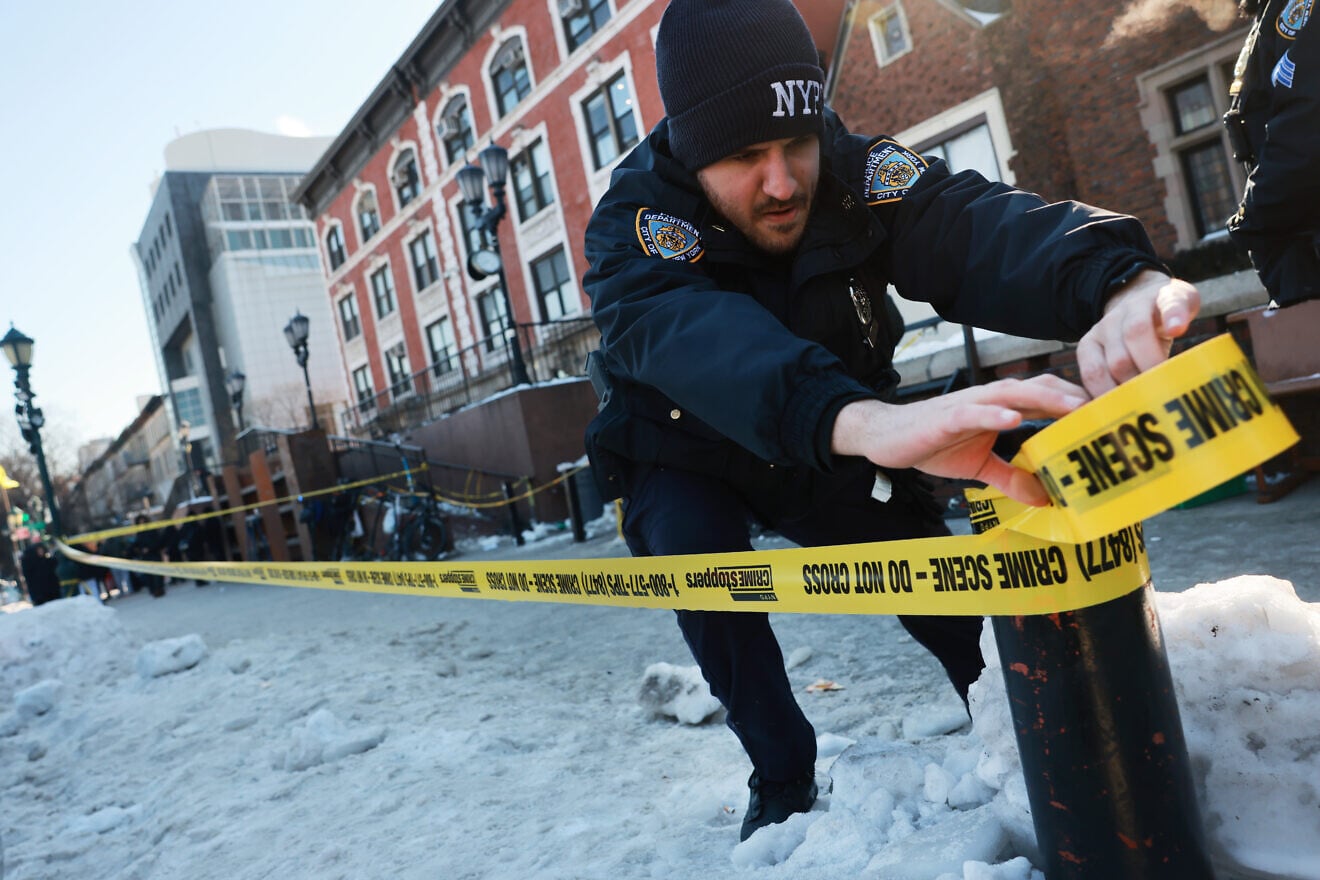
Police put up crime scene tape as members of the Chassidic Jewish community gather outside of the Chabad Lubavitch world headquarters, where a man was arrested Wednesday evening after repeatedly crashing his car into a door of the building, Jan. 29, 2026 Credit: Spencer Platt/Getty Images.

Dan Sohail, 36, is suspected of driving a car five times into the doors to a synagogue at Chabad-Lubavitch world headquarters in the Crown Heights neighborhood of Brooklyn, N.Y., on Wednesday evening, Joseph Kenny, chief of detectives at the New York City Police Department, said at a press conference.

The suspect, of Carteret, N.J., “had recently connected with the Lubavitch community,” and removed blockades from the same site the prior day, Kenney said.

“This incident is being investigated as a hate crime, and the NYPD’s hate crime task force took the lead on this case,” Kenny said. “We are collaborating with our state and federal partners.”

He added that Sohail has been charged with “attempted assault one and two as a hate crime, reckless endangerment two as a hate crime, criminal mischief two and three as a hate crime and aggravated harassment as a hate crime.”

The suspect claimed he lost control of the car because he was wearing clunky boots, the chief of detectives said. “It’s a hate crime based on his attack on the synagogue,” Kenny said, noting that the suspect knew it was a synagogue.

Ofir Akunis, Israeli consul general in New York, stated that “this is the new reality in New York for Jews.”

“We are seeing one antisemitic attack followed by the next on houses of worship, targeting Jews simply because they are Jewish,” he stated. “The attacks are only intensifying in New York, and the response requires more than a statement. We warned that changing the definition of antisemitism and lifting the ban on boycott initiatives against Israel could lead to an increase in attacks, and regrettably, that is what is happening.”

Zohran Mamdani, mayor of New York City, axed all of his predecessors’ recent executive orders, including those designed to protect Jews in the city, within hours of taking over control of City Hall. Mamdani, who has said he would have the Israeli prime minister arrested in New York, has also said that he is interested in divesting the city with the largest Jewish population outside of the Jewish state from Israel Bonds.

“This attack is part of a growing wave of antisemitic incidents driven by an organized, long-running campaign to dehumanize Jews and delegitimize the existence of the Jewish state,” Akunis stated. “Toxic and violent rhetoric is a central component of this propaganda. Antisemitism must be confronted decisively.”

‘A living, breathing thing’

Video footage that has emerged appears to show the suspect removing barricades and telling bystanders to move before he began ramming his vehicle into the entrance doors to Chabad’s global headquarters in Brooklyn.

The suspect was at the location weeks prior, reportedly claiming that he was Jewish, and young students were said to have offered him religious services.

The NYPD said that no one was injured in the attack and that the driver was arrested without incident. The department told JNS that it responded at about 8:45 p.m. to 770 Eastern Parkway, where officers saw a gray Honda sedan, which “collided into entrance doors at the bottom of a sloped driveway in front of 770 Eastern Parkway.”

Wednesday, the 10th of Shevat, is one of the most important days of the calendar for Chabad, with tens of thousands from around the world converging on the site to mark the 75th anniversary of the Lubavitcher Rebbe assuming the leadership role in 1951.

New York Gov. Kathy Hochul and Mamdani were among those who issued comments on Wednesday night. The governor said that “for the second day in a row, Jewish New Yorkers were the targets of antisemitic violence” and that “an attack against the Jewish community is an attack against all New Yorkers.”

The mayor, who has released several statements decrying antisemitism that has not related to anti-Zionism, said that the ramming at Chabad “is deeply alarming, especially given the deep meaning and history of the institution to so many in New York and around the world.”

“Any threat to a Jewish institution or place of worship must be taken seriously,” added the mayor, who is reportedly considering two people, who are said to be anti-Chassidic, to run the city office to combat Jew-hatred. “Antisemitism has no place in our city, and violence or intimidation against Jewish New Yorkers is unacceptable.”

Dan Mannarino, of PIX11 News, asked Mamdani about the incident on Thursday.

“I was there on the scene last night at 770 Chabad world headquarters, and it was a horrifying incident where a man repeatedly and intentionally crashed his car into the building,” the mayor said. “I am so thankful that no one was hurt, and we know that this is a building that has immense meaning to so many Jewish New Yorkers and those across the world.”

The mayor said that the attack “took place on the yahrzeit of Rabbi Schneerson and the leadership of Rabbi Menachem Mendel Schneerson, and this is just a day after the day when we remember the victims of the Holocaust.”

“We know that antisemitism is not simply something of the past to be learned about. It is a living, breathing thing that we have to combat every day,” he told PIX11.

‘A deeply disturbing act of violence’

Asked, in light of the New York City Council’s scheduled announcement of a task force to fight Jew-hatred, when he would name a leader to the mayoral office to combat antisemitism, Mamdani said that “we are actually in our final interviews for that position.”

“That is going to be a key position that delivers on our commitment to root out antisemitism across the five boroughs and make this a city where Jewish New Yorkers are not just safe but frankly celebrated and cherished,” the mayor said.

“Sometime next week?” Mannarino asked.

“We’re working on the timeline, but it is in the final stages,” Mamdani said.

The Orthodox Union stated that it stands “with the Chabad community and is thankful to the Almighty that there were no injuries in the disturbing car-ramming incident outside 770 Eastern Parkway, a place that holds deep meaning for many Jews around the world.”

“This incident is the latest reminder of the sacred responsibility of those in positions of authority to prioritize the safety and security of the Jewish community, especially during this time of unprecedented threats,” the OU said.

Yaacov Behrman, a Chabad spokesman, stated that the driver had trespassed previously at a Chabad house in New Jersey. CBS News reported that Sohail told people at the Chabad that he was homeless and wanted to convert to Judaism. Counselors called to the scene reportedly recommended that he seek mental health counseling.

Additional media reports suggested that Sohail was denied access to a yeshiva in the Garden State.

Motti Seligson, a spokesman for the Chabad movement, stated that the site where the ramming took place is “perhaps the most replicated building in the world because of the light, joy, Torah and a confident Judaism that emanates from it to all corners of the world.”

Both New York senators weighed in.

Senate Minority Leader Chuck Schumer (D-N.Y.) said that “770 is not simply a religious institution. It’s an important spiritual home for the Chabad Jewish community, and this antisemitic attack against it is deeply disturbing.”

“This blatant act of antisemitism is not only an attack on this one building but an attack on Jewish people across New York and the world,” stated Sen. Kirsten Gillibrand (D-N.Y.). “Chabad headquarters is a faith home for so many, and this is a deeply disturbing act of violence.” 

Harmeet Dhillon, U.S. assistant attorney general for civil rights, said that she initiated a civil-rights investigation of the incident.


Zawartość publikowanych artykułów i materiałów nie reprezentuje poglądów ani opinii Reunion’68,
ani też webmastera Blogu Reunion’68, chyba ze jest to wyraźnie zaznaczone.
Twoje uwagi, linki, własne artykuły lub wiadomości prześlij na adres:
webmaster@reunion68.com