Archive | 2026/01/16

Miłość lewicy/progresywnych do irańskich ajatollahów


Miłość lewicy/progresywnych do irańskich ajatollahów

Paul Finlayson


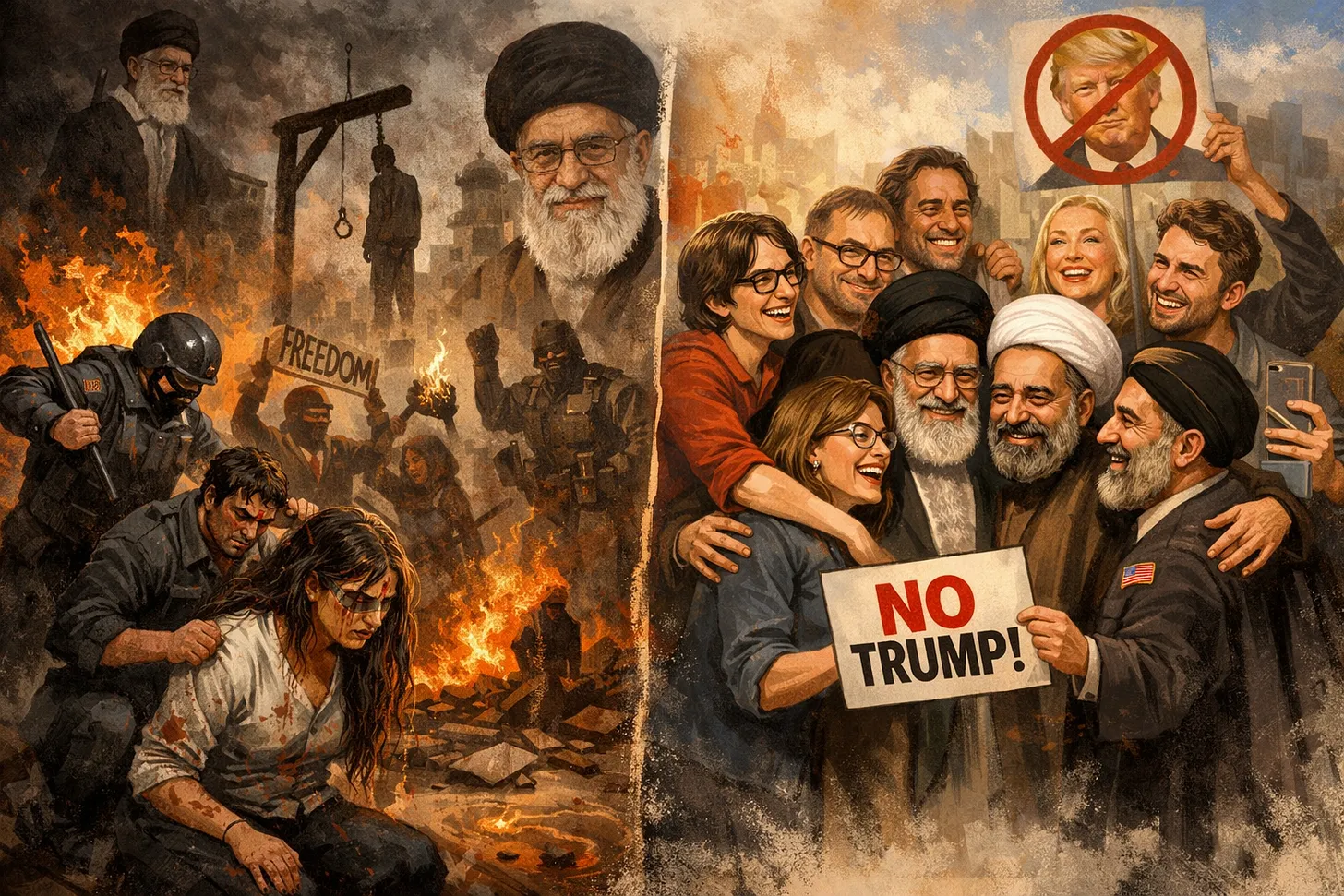
W zachodniej polityce progresywnej istnieje osobliwa tendencja do doszukiwania się ofiar tam, gdzie ich nie ma. To nie przypadek, lecz instynkt — i obecnie przejawia się w pełni w pobłażliwym traktowaniu Islamskiej Republiki Iranu.

To reżim, który co roku wykonuje setki egzekucji swoich obywateli, więzi tysiące za słowa, ubiór czy sprzeciw, i strzela do protestujących na ulicach, gdy kończy mu się cierpliwość. Ta przemoc nie jest incydentalna — jest systemowa. W ostatnich dniach protesty wywołane załamaniem gospodarczym rozprzestrzeniły się poza Teheran, obejmując prowincjonalne regiony Iranu, w tym zamieszkane przez mniejszości, od dawna zaniedbywane przez klerykalne państwo. Już co najmniej siedem osób zginęło.

To największe protesty od 2022 roku, napędzane nie tylko inflacją, gwałtownym spadkiem wartości riala i jego przyspieszającą deprecjacją, ale także hasłami bezpośrednio wymierzonymi w teokrację. Niedobory chleba są iskrą — czterdzieści pięć lat represji to paliwo.

Iran należy do światowej czołówki pod względem liczby egzekucji w przeliczeniu na mieszkańca. Klerykalne rodziny gromadzą ogromne majątki, podczas gdy zwykli Irańczycy ustawiają się w kolejkach po chleb, leki i wizy wyjazdowe. Wstępne sygnały prezydenta Masouda Pezeshkiana o „dialogu” giną w huku pałek i strzałów — jak zawsze, gdy reżim czuje, że traci kontrolę. Nikt temu nie zaprzecza. To wszystko jest udokumentowane, nagrane i opisane — kiedy w ogóle jest relacjonowane. To, co się dzieje, nie jest po prostu kolejną falą protestów ekonomicznych, lecz dobrze znanym irańskim schematem: finansowy upadek obnaża moralne bankructwo, a reżim odpowiada nie reformą, lecz przemocą.

A jednak w zachodnich stolicach i miasteczkach akademickich reżim został starannie opakowany na nowo — jako niezrozumiana ofiara „zachodniej agresji”. Nie naród irański — kobiety zrywające hidżaby, studenci skandujący przeciwko Najwyższemu Przywódcy, robotnicy strajkujący mimo pewności aresztu — lecz sam reżim. „Iran” traktowany jest tak, jakby był tożsamy z jego władcami, podczas gdy ludzie bici, więzieni i mordowani są wymazywani z obrazu.

Widziałem tę przewrotność na własne oczy, gdy mój własny związek zawodowy, CUPE, ogłosił akcję, którą określił jako „proirańską”. Niezależnie od intencji, język tej deklaracji idealnie współgrał z interesami ajatollahów, a nie ich ofiar. To była solidarność bez dysydentów, współczucie bez refleksji i polityka uprawiana wyłącznie na poziomie sloganów.

Błąd moralny nie jest tu subtelny. Oburzenie dawkuje się według ideologii, a tyrania zostaje przebaczona, o ile tylko obraża właściwych wrogów. Nie naród irański. Reżim.

To nie jest pomyłka. To odruch.

Iranem rządzi dziś gerontokratyczna kasta kleryków, która przez 45 lat tłumiła sprzeciw, kontrolowała kobiece ciała, wieszała homoseksualistów, eksportowała terror za pomocą proxy i doprowadziła kraj do moralnego i ekonomicznego upadku. Tysiące Irańczyków siedzi w więzieniach za słowa. Setki zostały zabite od czasu rozpoczęcia powstania „Kobieta, Życie, Wolność”, zapoczątkowanego śmiercią młodej kobiety, która nie dość starannie nosiła hidżab — Mahsy Amini. To nie są sporne fakty. To życiorys reżimu.

A jednak w Londynie, Toronto, Nowym Jorku czy Paryżu odbywają się wiece progresywnej lewicy, potępiające „zachodnią agresję wobec Iranu”, ostrzegające przed eskalacją i żądające zniesienia sankcji — przy jednoczesnym zdumiewającym przemilczeniu. Slogany mówią wszystko: „Ręce precz od Iranu”, „Przestańcie bombardować Iran”. Rzadko „Precz z ajatollahami”. Rzadko „Wolność dla Irańczyków”.

To rozróżnienie nie jest semantyczne. Jest moralne.

Sprzeciw wobec wojny to uzasadnione stanowisko. Pobłażanie tyranii — już nie. To, czego jesteśmy świadkami, to najstarszy i najbardziej kompromitujący nawyk lewicy: mylenie antyzachodniości z powagą moralną. Jeśli reżim definiuje się jako przeciwnik Ameryki lub Izraela, otrzymuje warunkowe rozgrzeszenie moralne — bez względu na to, jak barbarzyńskie są jego rządy.

To ta sama choroba intelektualna, która kiedyś romantyzowała Castro, usprawiedliwiała Mao, racjonalizowała Pol Pota, a dziś — bez cienia ironii — broni Hamasu. Wróg mojego wroga staje się moim przyjacielem, nawet jeśli ten „przyjaciel” rządzi pejczem, szubienicą i celą więzienną.

Ostatnie niepokoje w Iranie obnażyły tę patologię z brutalną jasnością. Irańsko-brytyjski komentator Mahyar Tousi trafnie zauważył, że znaczna część zachodnich mediów błędnie przedstawia obecne niepokoje jako serię odosobnionych „protestów ekonomicznych”. To unikanie prawdy. Upadek riala mógł być iskrą, ale grona gniewu dojrzewają od dekad. To, co się dzieje, to ogólnonarodowy bunt przeciwko samej Islamskiej Republice.

Protestujący skandują hasła przeciwko Najwyższemu Przywódcy Alemu Chameneiemu. Zrywają symbole reżimu. Nie krzyczą „Śmierć Ameryce”. Krzyczą „Śmierć dyktatorowi”.


Link do oryginału: https://substack.com/home/post/p-183302653

Freedom to Offend, 7 stycznia 2026


Zawartość publikowanych artykułów i materiałów nie reprezentuje poglądów ani opinii Reunion’68,
ani też webmastera Blogu Reunion’68, chyba ze jest to wyraźnie zaznaczone.
Twoje uwagi, linki, własne artykuły lub wiadomości prześlij na adres:
webmaster@reunion68.com


Chikli urges Australia to confront radical Islam


Chikli urges Australia to confront radical Islam

JNS Staff


In a letter to Cabinet minister Tony Burke, Israel’s Diaspora affairs minister offered assistance in training security personnel.

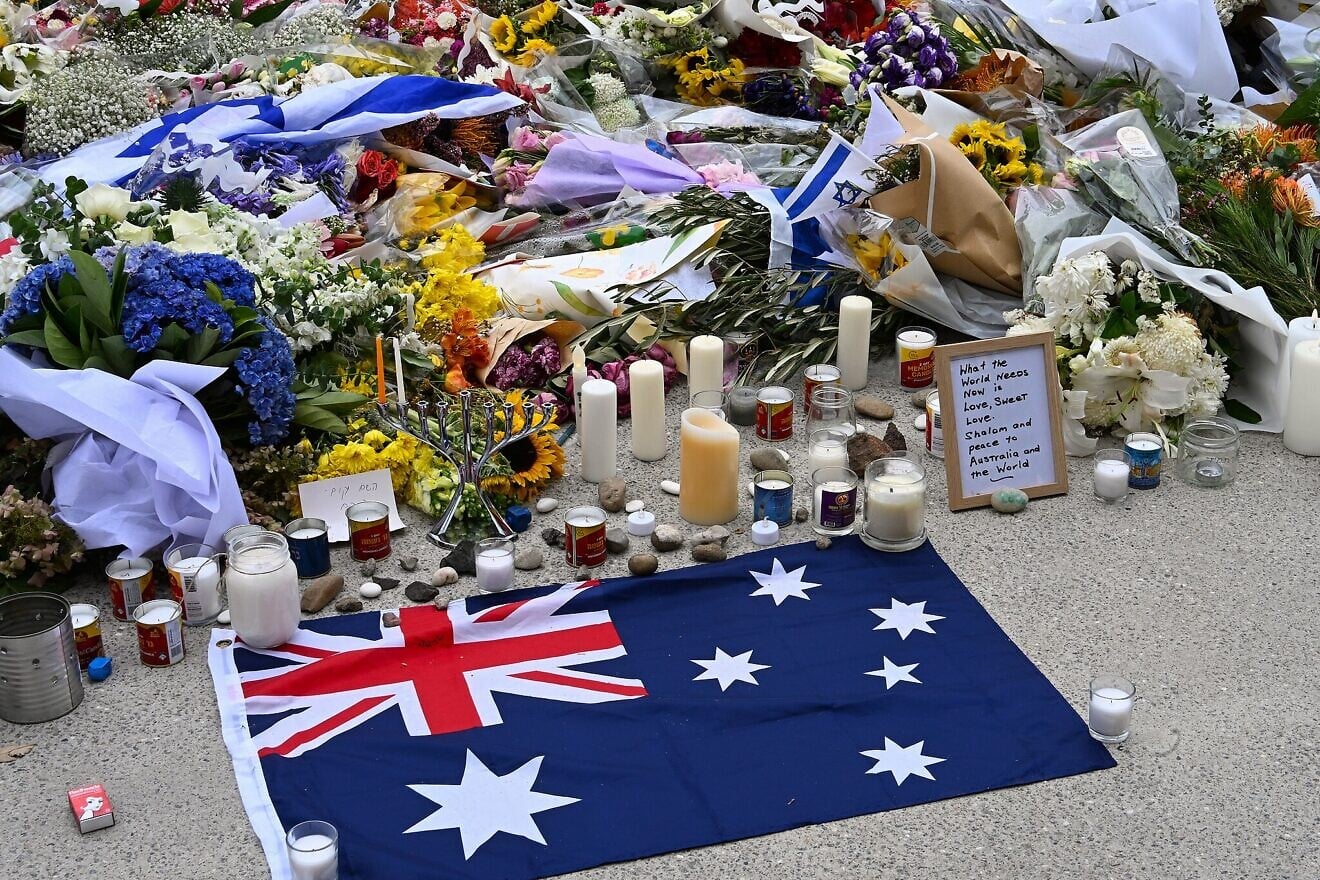
A tribute at Bondi Pavilion for the victims of the Dec. 14 terrorist attack during a Chanukah celebration at Bondi Beach in Sydney, Dec. 16, 2025. Credit: Sardaka via Wikimedia Commons.

Amichai Chikli, Israel’s minister of Diaspora affairs and combating antisemitism, has written a sharply worded letter to Australian Cabinet Minister Tony Burke, warning that Canberra’s failure to explicitly name radical Islam as the ideological driver behind the recent Bondi Beach terrorist attack is undermining efforts to confront the threat.

Burke serves in several post simultaneously, including as minister for home affairs, minister for immigration, citizenship and multicultural affairs, and minister for cyber security.

In the Dec. 31 letter sent following his visit to Australia after the deadly attack on the first night of Chanukah, Chikli said the Jewish community expects decisive action from the Australian government and offered Israeli assistance in training security personnel.

“The Jewish community expects the Australian government to ensure its safety, just as it does for every Australian citizen,” Chikli wrote. 

The Israeli minister traveled to Australia in the immediate aftermath of the Bondi Beach attack to stand in solidarity with the Jewish community. During his visit, he attended funerals of some of the 15 slain, visited some of the 39 wounded in hospitals and met with grieving families and community leaders. He also brought an Israeli delegation of trauma and resilience experts to provide professional support.

Chikli was hosted at a solidarity event at Chabad Bondi by the Australian Jewish Association, alongside former Australian Prime Ministers Tony Abbott and Scott Morrison.

In his letter, Chikli stressed that rhetoric surrounding Israel and the Palestinians has real-world consequences.

“When crowds are permitted to chant slogans such as ‘from the river to the sea’ and ‘globalise the intifada,’ the consequences should not be dismissed as abstract or rhetorical,” he wrote. “The attack at Bondi Beach was precisely that—a globalization of the intifada, with deadly devastating consequences.”

Chikli argued that while gun control measures are important, they do not address the root cause of the violence.

“Guns do not act independently—it is the perpetrators, driven by a dangerous and violent ideology, who must be directly confronted,” he wrote, identifying radical Islamist extremism as the core threat facing the Jewish community and Australian society at large.

Referring to Burke’s previous correspondence to him, Chikli said that broadly condemning extremism and antisemitism without naming radical Islam as the driving ideology behind the attack weakens the response. He added that the failure of Australian Prime Minister Anthony Albanese and Foreign Minister Penny Wong to clearly identify the source of the violence “undermines the ability to confront it.”

“The first step in fighting terrorism and antisemitism is precise diagnosis —not merely focusing on the weapons used, but on the extremist ideology responsible for the violence,” Chikli wrote.

The minister emphasized Israel’s readiness to assist Australia, citing the Jewish state’s extensive experience in combating terrorism and antisemitism.

“Israel stands ready and willing to assist Australia at this critical juncture,” he said, offering to host and train senior police officers and security personnel in Israel and share best practices in counter-terrorism.

“I look forward to meaningful cooperation on this vital issue,” Chikli concluded.


Zawartość publikowanych artykułów i materiałów nie reprezentuje poglądów ani opinii Reunion’68,
ani też webmastera Blogu Reunion’68, chyba ze jest to wyraźnie zaznaczone.
Twoje uwagi, linki, własne artykuły lub wiadomości prześlij na adres:
webmaster@reunion68.com


Argentine Doctor Suspended After Threatening to Cut Jewish Throats


Argentine Doctor Suspended After Threatening to Cut Jewish Throats

David Swindle


Dr. Miqueas Martinez Secchi. Photo: Screenshot

A doctor in Argentina has been suspended from his job at a hospital in Buenos Aires after posting antisemitic messages on social media that included explicit calls for violence against Jews.

The suspension of Miqueas Martinez Secchi, a resident physician specializing in intensive care at José de San Martín Hospital in La Plata, marks yet another example of rising antisemitism in health-care settings across the West.

“Instead of performing circumcision, their carotid artery and main artery should be cut from side to side,” Secchi wrote in one post.

The medical professional’s antisemitic online activity was exposed by journalist and commentator Dani Lerer, who posted the graphic messages on the social media platform X.

The posts prompted widespread outrage, leading Secchi to delete his social media account — but not before other users were able to save screenshots.

Buenos Aires Province Health Minister Nicolás Kreplak released a statement responding to the incident.

“Any aggressive message or one showing a lack of respect for human life is incompatible with health care practice and particularly with medicine. They are fundamental values of training as a health professional,” he posted on X. “Health is one of the essential assets of society, and it is indispensable to be firm against any act of discrimination and racism. As is public knowledge.”

Kreplak then referenced Secchi and noted he is under investigation.

“Due to this message, consistent with other previous behaviors that now acquire relevance, the resident doctor at Hospital San Martín de La Plata who made those public statements is suspended and in an administrative and judicial investigation process, in order to conduct an evaluation under an ethical, technical, and professional committee that will determine whether it is appropriate or not for them to resume their training process,” the minister said.

The incident in Argentina continues an alarming pattern of rampant antisemitism in health care across the Western world which has left Jewish communities feeling unsafe and marginalized.

In November, for example, a Jewish columnist from Amsterdam said she was denied medical care by a nurse who refused to remove a pro-Palestinian pin shaped like a fist.

Elsewhere in the Netherlands, local police opened an investigation into Batisma Chayat Sa’id, a nurse who allegedly stated she would administer lethal injections to Israeli patients.

In Italy, two medical workers filmed themselves at their workplace discarding medicine produced by the Israeli company Teva Pharmaceuticals in protest of the Jewish state and the war in Gaza.

In Belgium, a local hospital suspended a physician after discovering antisemitic content on his social media, including a cartoon showing babies being decapitated by the tip of a Star of David and an AI-generated image depicting Hasidic Jews as vampires poised to devour a sleeping baby.

The same doctor came under fire after he recently diagnosed a nine-year-old patient by listing “Jewish (Israeli)” as one of her medical problems on his report.

Several such incidents have occurred in the United Kingdom, where British Prime Minister Keir Starmer unveiled a new plan in October to address what he described as “just too many examples, clear examples, of antisemitism that have not been dealt with adequately or effectively” in the country’s National Health Service (NHS).

One notable case drawing attention involved Dr. Rahmeh Aladwan, a trainee trauma and orthopedic surgeon, who police arrested on Oct. 21, charging her with four offenses related to malicious communications and inciting racial hatred. In November, she was suspended from practicing medicine in the UK over social media posts denigrating Jews and celebrating Hamas’s terrorism.

That same month, UK Health Secretary Wes Streeting called it “chilling” that some members of the Jewish community fear discrimination within the NHS, amid reports of widespread antisemitism in Britain’s health-care system.

Incidents in the UK included a Jewish family fearing their London doctor’s antisemitism influenced their disabled son’s treatment. The North London hospital suspended the physician who was under investigation for publicly claiming that all Jews have “feelings of supremacy” and downplaying antisemitism.

In Australia, two nurses filmed themselves bragging online about refusing to treat Israelis, making throat-slitting gestures, and boasting of killing Jews. Both lost their licenses and now face criminal charges.

A US-born Jewish woman who moved from Israel to Australia six years ago told The Algemeiner last year that she no longer feels safe in hospitals given the atmosphere of heightened antisemitism.

“In the past year alone, my little boy has witnessed many hostile protests where ‘anti-Zionists’ have actually come into the Jewish community without permits to intimidate us. Time and time again, instead of [authorities] dispersing and arresting anyone in the crowd for screaming racial slurs and threats, Jews are asked to evacuate and told if they don’t run away, they are inciting violence,” the woman said.

“Now they actually brag online about killing Israeli patients,” she continued, referring to the case in Australia. “I don’t know how safe I would feel giving birth at that hospital.”


Zawartość publikowanych artykułów i materiałów nie reprezentuje poglądów ani opinii Reunion’68,
ani też webmastera Blogu Reunion’68, chyba ze jest to wyraźnie zaznaczone.
Twoje uwagi, linki, własne artykuły lub wiadomości prześlij na adres:
webmaster@reunion68.com