
Archive | 2025/12/19

Jak nauczyliśmy się obarczać Izrael winą za zbrodnie jego wrogów


Jak nauczyliśmy się obarczać Izrael winą za zbrodnie jego wrogów

Lucy Tabrizi


Wielkie wymazanie Hamasu i moralna ślepota, którą powoduje

Spędzam więcej czasu, niż zdrowy rozsądek nakazuje, przesiadując w przestrzeniach mediów społecznościowych propalestyńskich aktywistów albo wdając się w potyczki w sekcjach komentarzy. Częściowo to kwestia badań. Głównie jednak dlatego, że nie da się surfować przez pięć sekund, by nie natknąć się na przekonanie, że Palestyna to wielka sprawa moralna naszych czasów, a Izrael to winowajca absolutnie każdego przestępstwa i katastrofy. Im głośniej rozbrzmiewa oskarżenie, tym mniej osób dostrzega realne zagrożenia zbliżające się do nas — a może właśnie o to od początku chodziło.

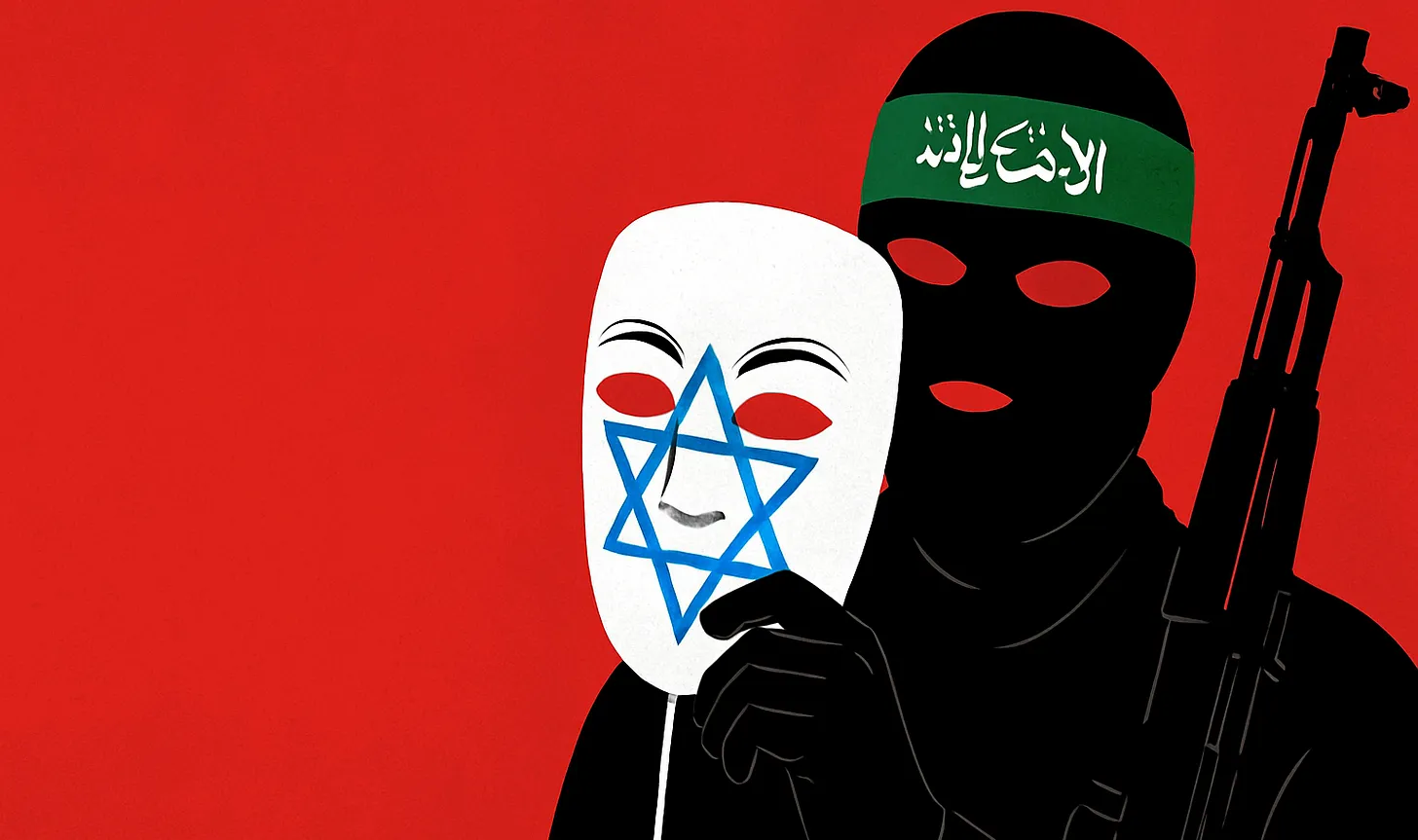
Raz po raz uderza mnie w tych rozmowach o Izraelu, niemal całkowite zniknięcie Hamasu z moralnego uniwersum, które zamieszkują owi aktywiści. Ich światopogląd opiera się na jednej zasadzie: Palestyńczycy są wiecznymi ofiarami, a Izrael to jedyny podmiot posiadający sprawczość. Hamas nie funkcjonuje tu jako realna organizacja — staje się rekwizytem narracyjnym, pozbawionym intencji i odpowiedzialności, tak by cały ciężar moralny można było przenieść na Izrael.

W tej niezmiennej narracji Hamas nigdy nie używa szpitali jako centrów przesłuchań — to Izrael je bombarduje cywilne instytucje. Hamas nigdy nie ukrywa się za dziećmi — to Izrael je zabija. Hamas nigdy nie kradnie pomocy humanitarnej — to Izrael głodzi Gazę.

Izrael może i powinien być krytykowany jak każde inne państwo, ale to, co obserwujemy, to nie krytyka, lecz odruchowe przerzucanie winy — niezależnie od tego, kto faktycznie popełnił dane czyny. Kilka ostatnich doniesień ukazuje ten schemat z niepokojącą wyrazistością. Associated Press doniosło, że kobiety w Gazie były zmuszane do świadczenia usług seksualnych w zamian za pomoc humanitarną — system ten był kontrolowany przez urzędników Hamasu zarządzających siecią dystrybucji¹. Jednak już po kilku godzinach w sieci zaczęły krążyć nagrania obwiniające o to Izrael. Hamas zniknął z narracji jak odruchowo wymazany, a Izrael przyjął na siebie oburzenie, które powinno spaść na sprawców. Następnie pojawiła się kolejna informacja: Hamas ukrywał ogromne zapasy mleka dla niemowląt² — mimo to „New York Times”, magazyn „TIME” i ONZ oskarżały Izrael o głodzenie dzieci, nie wspominając niemal o grupie terrorystycznej³.

Ten zabieg dezinformacyjny działał tak skutecznie w czasie wojny, że Hamas przestał się nawet kryć. Otwarcie przejmowali ciężarówki z pomocą humanitarną w biały dzień, podczas gdy świat karcił Izrael za „blokowanie pomocy”. Jedli wystawne posiłki w zaopatrzonych tunelach, podczas gdy tłumy na Zachodzie utrzymywały, że Izrael głodzi Gazę. Demonstrowali bunkry pełne zapasów, których zwykli mieszkańcy Gazy nigdy nie widzieli — wiedząc, że wolny świat jest po ich stronie.

Obecnie pojawiają się dowody na to, jak celowo odwracano uwagę. Wewnętrzne dokumenty Hamasu potwierdzają, że system humanitarny w Gazie nigdy nie był niezależny od struktur tej grupy⁴. Organizacje pozarządowe nie były niezależne — działały w ramach równoległego systemu, zaprojektowanego do kontrolowania pomocy i przerzucania winy na Izrael. Rządy Zachodu traktowały raporty NGO jako obiektywne, mimo że w strukturach tych organizacji zasiadali mianowani przez Hamas łącznicy. Zanim te fakty ujrzały światło dzienne, narracja zdążyła już stać się powszechną opinią. Warunki zostały zaprojektowane, NGO opisały skutki, a świat wyciągnął dokładnie takie wnioski, jakich od niego oczekiwano.

Powinniśmy byli wiedzieć lepiej. Jesteśmy wykształconym społeczeństwem z natychmiastowym dostępem do historii, a jednak, gdy antysemityzm znów pojawia się w przestrzeni publicznej, zdrowy rozsądek bywa pierwszą ofiarą. Obecnie jego brak utrudnia oddychanie. Gdyby Izrael rzeczywiście chciał zabijać cywilów bez rozróżnienia, Gaza byłaby już pusta. Około 97% mieszkańców Gazy przeżyło wojnę toczoną w jednym z najbardziej zmilitaryzowanych środowisk cywilnych na ziemi⁵. To powinno być wystarczającym kontrargumentem. Ale dowody nic nie znaczą, gdy światopogląd moralny opiera się na archetypach — jednej grupie przypisuje się wszystkie grzechy świata, podczas gdy jej wrogowie zostają z nich całkowicie oczyszczeni.

To przypomina dynamikę narcystycznej współzależności i parentyfikacji w toksycznych relacjach: jeden z partnerów staje się wiecznym dorosłym, odpowiedzialnym za wszystko, a drugi wiecznym dzieckiem, odpowiedzialnym za nic. Jeden niesie cały ciężar moralny; drugi jest zwolniony z odpowiedzialności. Przenieśmy tę psychologię na skalę społeczną, a otrzymamy współczesny aktywizm antyizraelski.

Żyjemy w czasach, gdy tożsamość polityczna przeważa nad rozumowaniem moralnym. Palestyńczycy postrzegani są wyłącznie jako ofiary — a w tej logice ofiary nie mogą być jednocześnie sprawcami. Hamas znika, bo uznanie jego sprawczości zburzyłoby moralną konstrukcję całej narracji. Izrael staje się jedynym aktorem moralnym w tej opowieści — odpowiedzialnym nie tylko za własne działania, lecz także za czyny Hamasu, Islamskiego Dżihadu, Hezbollahu, a nawet ISIS.

To klasyczne „rozszczepienie” w skali społecznej: Palestyńczycy muszą być niewinni, Izrael musi być zły, a wszystko, co komplikuje ten binarny obraz, zostaje odrzucone. Izrael staje się idealnym złoczyńcą w kulturze, która nie toleruje już moralnych niuansów: zbyt kompetentny, by być ofiarą; zbyt zachodni, by być tubylczy; zbyt żydowski, by mógł zostać wybaczony.

Historia pokazuje, co dzieje się, gdy społeczeństwa obsesyjnie skupiają się na Żydach, ignorując siły, które faktycznie je niszczą. Najgorsze upadki Europy zaczynały się wtedy, gdy strach i frustrację kierowano przeciwko Żydom, podczas gdy prawdziwe zagrożenia rosły bez przeszkód. Dziś ta obsesja przeniosła się z żydowskich wspólnot na jedyne żydowskie państwo. Antysemityzm nie zagraża tylko Żydom — oślepia całe społeczeństwa na realne niebezpieczeństwa, które je podmywają.

Niektóre z tych sił otwarcie mówią o swoich celach. Ruchy takie jak Bractwo Muzułmańskie od dawna artykułują strategie podważania zachodnich społeczeństw od środka⁶, a państwa takie jak Rosja otwarcie stosują wojnę informacyjną, by osłabiać demokracje liberalne. Ale te działania giną w szumie rytualnej obsesji na punkcie Izraela.

Praca René Girarda o mechanizmach kozła ofiarnego tłumaczy to doskonale.

Kiedy społeczeństwo ogarnia chaos, niestabilność lub poczucie winy, podświadomie jednoczy się, projektując swoje lęki na jedną grupę. Ta grupa staje się odpowiedzialna za wszystko. Każdy konflikt i niesprawiedliwość sprowadza się do niej.

Dziś tym kozłem ofiarnym jest Izrael — i wszyscy, którzy są z nim kojarzeni.

To brzemię jest irracjonalne i niemożliwe do uniesienia — a jednak powraca co stulecie, bez względu na to, jak bardzo uważamy się za oświeconych. W tym moralnym świecie Żydzi nie są celem nienawiści, lecz jej źródłem. Każdy atak to rzekoma mistyfikacja. Każde okrucieństwo — prowokacja. Zło może pochodzić tylko z jednego miejsca. I jak na zawołanie, pojawia się garstka antysyjonistycznych Żydów, bezpiecznie osadzonych w zachodnim komforcie, by dostarczyć moralne alibi. Ich oddalenie od niebezpieczeństwa staje się tarczą ochronną dla wszystkich innych.

Tutaj ujawnia się kolejna psychologiczna dynamika: podwójne związanie — klasyczna struktura „jeśli wygrasz, to i tak przegrasz”, opisana przez Gregory’ego Batesona. Izrael funkcjonuje w systemie, w którym każde jego działanie — powściągliwość czy siła, sukces czy porażka, przetrwanie czy strata — jest dowodem winy.

Każdy komentarz, choćby lekko przychylny Izraelowi, spotyka się z tym samym gniewem. Kiedy izraelska reprezentantka zajęła drugie miejsce na Eurowizji, ogłoszono to dowodem syjonistycznego spisku. Gdyby była niżej, byłby to dowód, że świat nienawidzi Izraela. Gdy wnioski są z góry ustalone, każdy wynik — wysoki, niski, a nawet samodzielne myślenie — zostaje wykorzystany do podtrzymania tej samej narracji. To wszystko jest aż nazbyt przewidywalne.

Dziś syjoniści zdają się być odpowiedzialni za wszystko. Zastrzelono Charliego Kirka? To Mossad. Szaleniec z bronią publikuje neonazistowskie manifesty? Fałszywa flaga syjonistów. Klęska żywiołowa? Pewnie Izrael. Antysyjoniści mają ręce pełne roboty.

AIPAC przedstawiany jest jako cień za kulisami Waszyngtonu, choć to Katar prowadzi jedną z najbardziej agresywnych i hojnie finansowanych kampanii wpływu w USA⁷. Pompuje miliony w uniwersytety, think-tanki i media — na skalę, której żadna żydowska organizacja nie jest w stanie dorównać.

Nigdzie ta odwrócona logika nie jest bardziej widoczna niż w oskarżeniach o kontrolę mediów. Izrael przedstawiany jest jako manipulator zachodnich informacji, podczas gdy najbardziej wpływowym imperium medialnym kształtującym globalną narrację o tym konflikcie jest katarska Al Jazeera — państwowa stacja, która posiada więcej akredytacji prasowych w amerykańskim Kongresie niż „New York Times”. Al Jazeera nadaje jedno przesłanie dla zachodnich liberałów, a inne dla islamistów w regionie — otwarcie działając jako narzędzie katarskiej polityki zagranicznej. Mitologia „żydowskiej kontroli” trwa tylko dlatego, że mało kto zadaje sobie trud, by spojrzeć, kto naprawdę pociąga za sznurki.

To najstarszy mechanizm obronny, jaki zna psychologia: projekcja. Agresor wypiera własną przemoc, przypisując ją ofierze. Antysemici atakują Żydów, po czym twierdzą, że to Żydzi zaatakowali samych siebie — natychmiast przedstawiają się jako ofiary syjonistycznego ucisku, gdy tylko ktoś ich skrytykuje. Psychologicznie łatwiej jest oskarżyć ofiarę niż skonfrontować się z brutalnością własnej strony.

Te mechanizmy zbiegają się w jednym światopoglądzie, w którym Żydzi — i każdy kojarzony z Izraelem — ponoszą pełną odpowiedzialność moralną, podczas gdy reszta świata zostaje przedstawiona jako pasywna, bezradna i pozbawiona sprawczości.

Psycholodzy nazywają to asymetrycznym przypisywaniem sprawczości: pełna sprawczość zostaje przypisana tym, którzy są postrzegani jako potężni, a żadna — tym, którzy są postrzegani jako słabi. Polityka tożsamości tylko pogłębia ten efekt. Reżimy takie jak Gwardia Rewolucyjna Iranu czy państwa takie jak Chiny ledwo rejestrują się w zachodniej wyobraźni moralnej. Gracze jawnie wrodzy Zachodowi są przedstawiani jako ofiary, podczas gdy Izrael — demokratyczny sojusznik — staje się wyznaczonym ciemiężcą, na którego projektowane są zachodnie poczucie winy i lęki.

Z perspektywy zachodniego komfortu, oderwanej od kontekstu regionalnego, wojna w Gazie wydaje się wyjątkowo potworna. Tylko jeśli zignorujemy o wiele krwawsze konflikty w sąsiedztwie Izraela — w Jemenie, Syrii czy Sudanie — gdzie śmierć cywilów na znacznie większą skalę ledwo przebija się do cyklu wiadomości. Nikt nie wychodzi masowo na ulice, gdy muzułmanie mordują muzułmanów. Cierpienie liczy się tylko wtedy, gdy można je przypisać Izraelowi, a w razie potrzeby — Ameryce.

Społeczeństwo, które nie potrafi prawidłowo rozpoznać zagrożeń, nie przetrwa ich.

Dlatego dziś dochodzi do sytuacji, w której napastnik może wypisać antysemickie hasła na karabinie⁸ przed strzelaniną, a Internet i tak twierdzi, że to syjoniści je tam dopisali. Dlatego strzały oddane przed Muzeum Żydowskim w Waszyngtonie są natychmiast odrzucane jako „ustawka Izraela”. Dlatego sieci konspiracji twierdzą, że 7 października Izrael sam zainicjował masakrę, stosując „Dyrektywę Hannibala”, by rzekomo zamordować własnych obywateli. To nie wyjątki — to struktura.

Po Holokauście otwarta nienawiść do Żydów stała się nie do przyjęcia w towarzystwie, ale impuls nigdy nie zniknął. Obchodzenie tego problemu było proste: oddzielić syjonizm od judaizmu z nazwy, a następnie przerobić każdy stary przesąd antyżydowski i przypisać go „syjonistom”.

Nawet oskarżenia historyczne podlegają temu samemu mechanizmowi. Izrael potępiany jest jako projekt kolonialny, mimo że najdłużej trwającym imperium w regionie było 1300-letnie imperium arabsko-muzułmańskie, zbudowane na podbojach, przymusowych konwersjach i niewolnictwie. Ta historia zostaje zgrabnie pominięta, a Żydzi obsadzani są w roli architektów supremacji rasowej. To oskarżenie nie opisuje historii żydowskiej — opisuje historię oskarżycieli.

ISIS publikuje mapy globalnego kalifatu. Iran chwali się „szyickim półksiężycem” od Teheranu po Morze Śródziemne. Turcja flirtuje z granicami neoosmańskimi. A jednak jedyną mapą, która konsekwentnie wywołuje globalną furię, jest mapa Izraela — kraju, który wielokrotnie oferował podział ziemi i oddawał terytoria. Prawdziwe imperia są ignorowane, podczas gdy wyimaginowane imperium żydowskie traktowane jest jak największe zagrożenie dla świata.

Społeczeństwo, które czyni z niewielkiej mniejszości kozła ofiarnego za chaos świata, toruje drogę do ciemności. Zagrożenie nie dotyczy wyłącznie Żydów — dotyczy każdej cywilizacji, która porzuca rzeczywistość na rzecz mitu.

Bo gdy raz zdecydujesz, że jeden maleńki naród jest źródłem całego zła, nigdy nie dostrzeżesz prawdziwego zła, które nadchodzi.


Przypisy:

1 Associated Press, “Women in Gaza say they were pressured to exchange sexual favors for aid from local officials,” AP News, Feb 2025.

2 i24NEWS. Hamas hid tons of baby formula to damage Israel with starvation claims. Published Dec 2025.

3 The New York Times, “Starvation Looms in Gaza as Aid Fails to Reach Civilians,” Dec 2023. TIME Magazine, “Gaza’s Children Are Starving,” Jan 2024. UNRWA/UN OCHA humanitarian reports from 2023–2024 claiming famine conditions.

4 Intelligence dossiers released by the Israeli Security Agency (Shin Bet), Dec 2024–Feb 2025, detailing Hamas infiltration of NGO logistics and aid-distribution networks.

5 Based on UN and Gaza Health Ministry population statistics (approx. 2.2M pre-war; estimated casualty figures representing roughly 3% of the population).

6 ISGAP’s 2025 analysis describes the Muslim Brotherhood’s decades-long strategic plan to embed influence in Western society, using democratic freedoms to shape institutions and discourse. ISGAP

7 U.S. Foreign Agents Registration Act (FARA) filings list more than 30 Qatar-registered foreign agents and over 80 contracted firms since 2016; estimated expenditure exceeding USD $250 million.

8 “Minneapolis school shooter posted antisemitic videos before attack,” The Jewish Chronicle, August 28, 2025.

Link do oryginału: https://lucytabrizi.substack.com/p/how-we-learned-to-blame-israel-for

Notes From the Ruins, 13 grudnia 2025


Zawartość publikowanych artykułów i materiałów nie reprezentuje poglądów ani opinii Reunion’68,
ani też webmastera Blogu Reunion’68, chyba ze jest to wyraźnie zaznaczone.
Twoje uwagi, linki, własne artykuły lub wiadomości prześlij na adres:
webmaster@reunion68.com

Norman Podhoretz’s intellectual journey and the fate of American Jewry


Norman Podhoretz’s intellectual journey and the fate of American Jewry

Jonathan S. Tobin


The “Commentary” editor’s career epitomized both the success of 20th- century Jews and an awakening to the peril posed by the moral collapse of political liberalism.

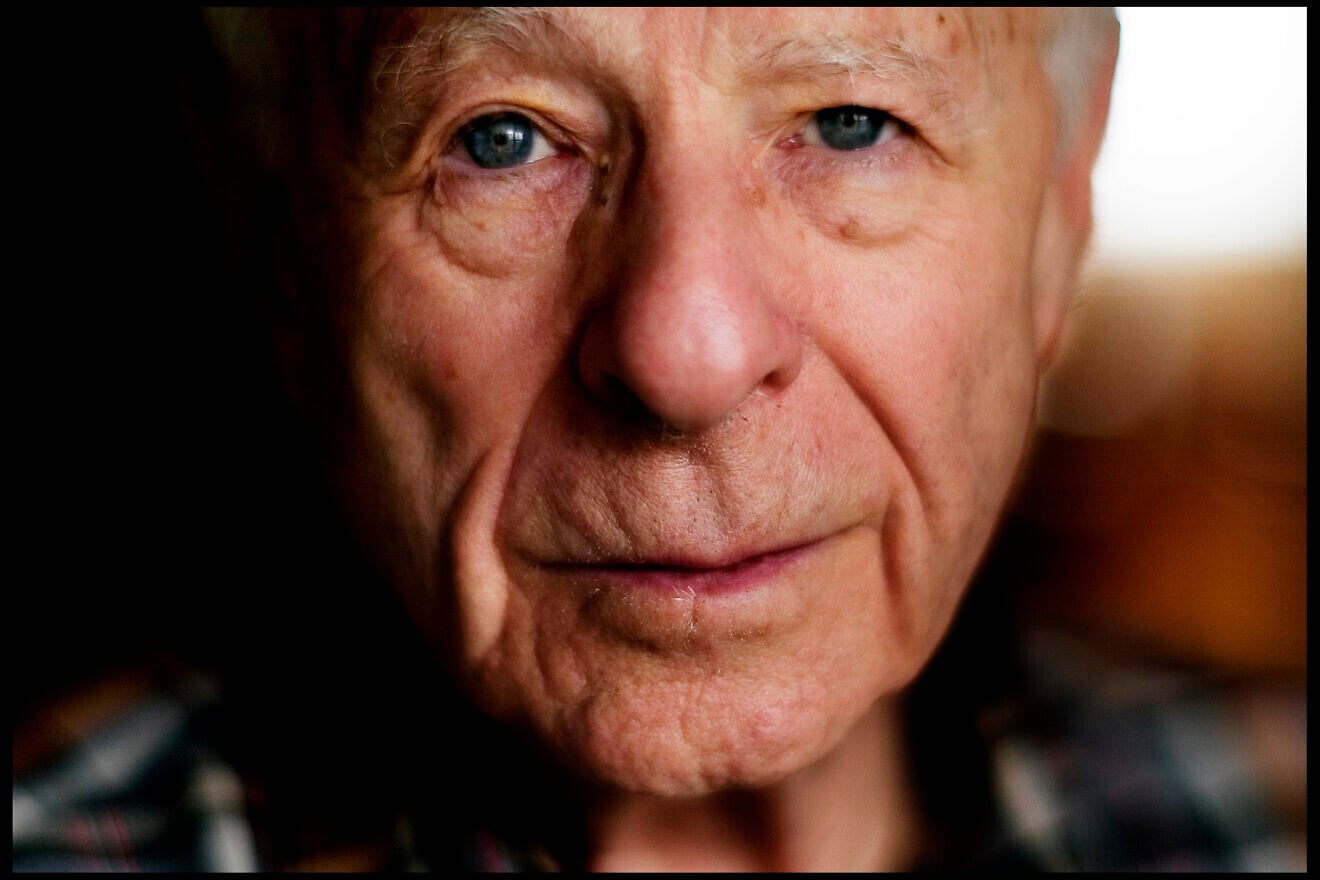
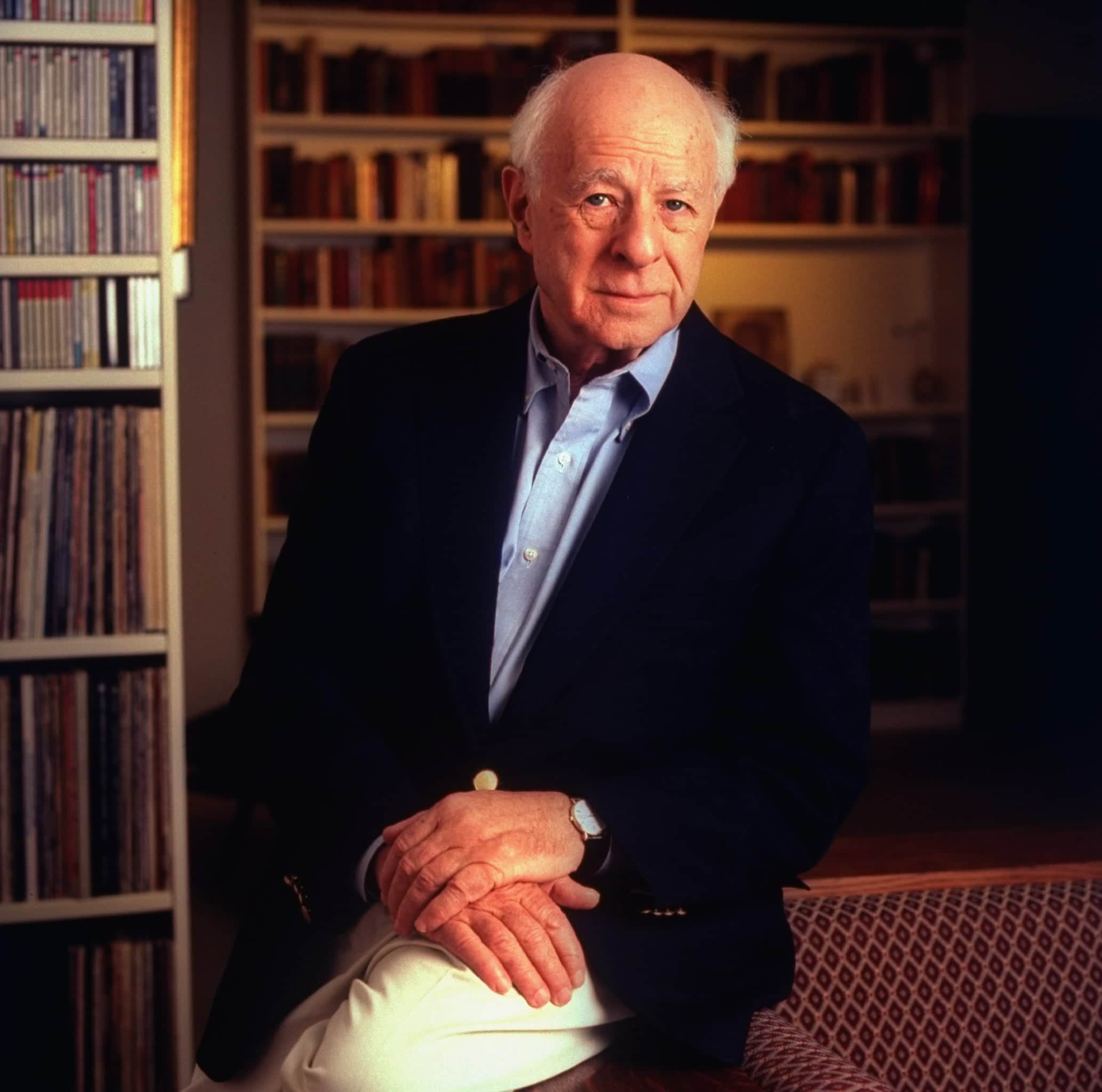
American neoconservative theorist and writer Norman Podhoretz at home in New York City. Photo by David Howells/Corbis via Getty Images.

There are those who insist that no one person, let alone a journal of opinion, can be said to have changed the world. Yet this was true of Norman Podhoretz and Commentary magazineThe man and his magazine helped win the Cold War, while awakening Americans to the moral bankruptcy of modern political liberalism and the threat it posed to the two countries that he loved: America and Israel.

The longtime editor of Commentary, who died on Dec. 15 at the age of 95, was more than a seminal figure among Jewish intellectuals of his era. He was that rare man of letters whose work transcended the worlds of literature, Jewish life and journalism in which he labored for many decades. To take a deep dive into his many essays, the 12 books he authored—not to mention the volumes of issues of the monthly magazine he edited from 1960 to 1995—is to take a journey through the history of the last century.

Still relevant today

The remarkable thing about so much of Norman Podhoretz’s writing is how relevant it is to contemporary political battles. That’s especially true for this work concerning the defense of America and the Jewish people, causes to which he remained devoted throughout his life. In this way, even though the volume of his writing diminished in the last decade and a half of his life, the body of work he created remains fresh and vital to the struggles he engaged in so ardently.

Take, for example, one piece he wrote for the New York Post in May 1986 (prior to that newspaper’s archive being digitized), a clipping of which fell out of one of his books in my personal library when I opened it while preparing to write about him. Titled “Anti-Semitism in the ‘Nation,’” it discussed that left-wing magazine’s decision to publish an openly antisemitic essay by author Gore Vidal in which he referred to Jews as “Israeli fifth columnists,” nothing more than guests in the United States who should shut up about “the politics of the host country.”

That marked, as Podhoretz rightly noted, “an ominous new stage in our public discourse.” Only 40 years after the Holocaust, antisemitism had “begun creeping back” into the national discussion “under the guise of anti-Zionism” and “criticism” of the Israeli government. But what was really going on was that people like Vidal, who were “eaten up with ferocious anti-Jewish feelings” were trying to “get away with putting all the old lies about the Jewish people back into circulation.”

Podhoretz was prescient in this, as he was on most things. Nearly 40 years later, his takedown of Vidal and The Nation also apply to the now fashionable antisemites on the left like New York City mayor-elect Zohran Mamdani, as well as the ones on the right with large followings like former Fox News host Tucker Carlson, both of whom also traffic in the same hateful tropes of dual loyalty and buying influence that they claim is only opposition to the State of Israel.

This is just one example of the arguments that characterized the arc of his career.

A lot of ‘ex-friends’

A brilliant prose-stylist, literary critic and influential editor, he was also well-known as a controversialist who never shied away from conflict with allies or foes. As a consequence, he lost a lot of friends among the luminaries of the world of letters who dominated the culture and society. He chronicled this in books like Breaking RanksThe Bloody Crossroads: Where Literature and Politics Meet and Ex-Friends. Like many American Jews, Podhoretz started out on the left but eventually abandoned it. He began a journey to the right when he realized that the political liberalism of the 1960s and ’70s, second nature to most Jews, was increasingly incompatible with the defense of the West against totalitarian communism and the battle against antisemitism.

That was something for which the New York literary set—inclusion in which was very important to him as a young man—never forgave him. Nor could they abide his willingness to unsparingly expose their hypocrisy, grasping ambition and raw lust for status, power and inclusion among the elites of fashionable society that he made clear in his groundbreaking 1967 memoir Making It.

For a 37-year-old writer and editor to write such a book at all was itself an act of chutzpah. But its memorable first line—“One of the longest journeys in the world is the journey from Brooklyn to Manhattan”—and what followed not only provided important insights about the struggle for acceptance for the generation of children of Jewish immigrants to America. It heralded the arrival of a literary pugilist who was prepared to tell the truth about the high and mighty, and who would also chart a path toward a new way of looking at public policy and society.

In the course of making his way from an impoverished childhood in Brooklyn to the dazzling salons of Manhattan and all it represented, Podhoretz also gained a perspective that most of his peers lacked. His path took him from life at Columbia University as a scholarship student, where he was mentored by some of the great minds of the era, to Cambridge University in England. But as he later wrote, it was during his two years of Army service, in which he encountered the people and the culture outside of New York, that he began to understand the greatness of America and its people. And it was that love for his country that animated his refusal to go along with cultural trends that denigrated it.

Norman Podhoretz at his home. in New York City Photo by James Keyser/Getty Images.

Understanding neoconservatism

Podhoretz was one of the leading lights of what came to be called “neoconservatism.” That is a term that in the last two decades came to be associated with advocacy for the failed American wars in Afghanistan and Iraq, and the futile attempt to export democracy to Islamic societies that wanted no part of it.

But its meaning—when it first began to be applied in the 1970s to people like the Commentary editor, and his friend and colleague Irving Kristol—bespoke the willingness of a generation of writers and academics who had grown up on the political left to rethink the assumptions of the political liberalism that had dominated American life since the Great Depression.

It involved critiques of the welfare state and its impact on the poor, as well as the consequences of an all-powerful government and administrative state that was increasingly unaccountable to voters. It also involved a spirited defense of American society against the formidable challenge it was undergoing from the so-called “New Left” and the counterculture that had rapidly become the new establishment, which brooked no dissent.

This liberal deconstruction of the foundation of the traditions of Western civilization would eventually lead to the creation of new toxic myths rooted in Marxism and misguided ideas about race that would seek to tear down America. Even 50 years ago, the rot was apparent to those who cared to see it. As Kristol noted, “a neoconservative is a liberal who has been mugged by reality.”

In response, Podhoretz and Commentary mounted a defense of the sort of bourgeois values that centered on the importance of family and patriotism, which elites looked down upon. This same necessary rethinking of where liberalism had led also applied to foreign policy.

In the 1970s, America was reeling from the disaster of Vietnam and suffering from a “credibility crisis” to which both the Lyndon Johnson and Richard Nixon presidencies had contributed. It was also awash in a post-1960s despair about the ability of the West to resist the growing Soviet menace to the free world.

Here again, Commentary helped point the way by championing a vigorous defense of the need to combat communism when fashionable opinion increasingly took the cynical and defeatist view that the two sides in that long conflict were morally equivalent. Podhoretz and his wife Midge Decter, also an accomplished and important writer, were founding members of the Committee for the Present Danger, a group whose members included a number who would serve in the Ronald Reagan administration (including Reagan himself) that sought to raise awareness of the threat from an “evil empire” that liberals were not willing to confront let alone ready to defeat. Decter died on May 9, 2022, at the age of 94.

While some other conservatives (by the end of the Cold War, the notion of a separate group of neoconservatives was more a function of antisemites trying to anathematize what they incorrectly believed were solely Jewish thought leaders than a meaningful distinction) treated the fall of the Berlin Wall as signaling the end of history, Podhoretz readily understood that the next challenge for the West from radical Islam, and its adherents and apologists, would be just as dangerous and perhaps even more difficult to overcome.

Standing up for Israel

And it was in this context that his full-throated defense of the State of Israel must be understood. His opposition to efforts to weaken it or to appease its existential enemies, even via false hopes for peace that were raised by the 1993 Oslo Accords that Podhoretz courageously opposed, again led the establishment to decry yet another example of his unwillingness to bend to conventional wisdom. Where others, especially among the credentialed liberal elites, stood in judgment on an embattled Israel, critiqued its efforts at self-defense and sought to force upon it suicidal concessions to implacable enemies, he pointed to the stakes in this struggle, both for Israelis and Americans.

America’s efforts to transform Afghanistan and Iraq were forlorn hopes sunk by the solid grip of Islamic beliefs that are clearly antithetical to Western democracy. Podhoretz, however, wasn’t wrong to focus on what he saw as an existential threat (detailed in his 2007 book World War IV: The Long Struggle Against Islamo-Fascism), something that has only become clear to less cogent thinkers in the two years since the Hamas-led Palestinian Arab attacks on Israel on Oct. 7, 2023. The global surge in Jew-hatred that has swept over America, especially at campuses like Columbia and now manifesting itself in a long list of terrorist attacks against Jewish targets, illustrates that Podhoretz was again ahead of the curve when it came to understanding what was important.

It must be recognized that the man was a prophet who was largely rejected by those he cared most about. American Jews, for whom political liberalism came to replace traditional Jewish faith. They remained stubbornly wedded to the political left and erstwhile minority allies, who were increasingly willing to treat them and the security of a besieged Israel as unworthy of their concern. They remained stuck in the ideas of the early 20th century, in which they embraced the left and distrusted both new religious allies on the right, and the America that was not a product of the two coasts and elite opinion. He would memorably dissect this problem in his 2009 book, Why Are Jews Liberals? It remains the most important work on the topic.

Even his early writings, such as his controversial essay “My Negro Problem—and Ours,” published in Commentary in 1963, spoke of growing up in a divided neighborhood where the races were at odds with each other. It speaks eloquently to America’s current post-Black Lives Matter problems with its advocacy for a color-blind society, as opposed to efforts by leftists to make such divisions permanent.

The American Jewish experience

Podhoretz’s life was a microcosm of the American Jewish experience in which a child of immigrants raised in poverty ascended to the heights of influence in the worlds of literature and politics. In 2004, President George W. Bush awarded him the Presidential Medal of Freedom—the nation’s highest civilian honor.

The real proof of Podhoretz’s greatness, however, rests in the way his magazine and his writing helped lead the way forward at a moment in history when the forces of totalitarianism seemed to have the wind at their backs. It emerged at a time when the country’s intellectual establishment had essentially disarmed itself in the name of morally bankrupt liberalism.

Just as important, his example fostered a new generation of American thinkers and writers who recognize those threats and who are willing to engage in the intellectual battles needed to defend the West and Israel, as well as to bear witness against antisemitism. Among them are his son John, who followed in his footsteps as editor of Commentary; his daughter, my friend and valued colleague JNS senior contributing editor Ruthie Blum; myself; and many others. Whatever we may achieve as we continue to take up the struggle for this righteous cause that he passed on to us is only because we stand on the shoulders of a giant.

May his memory be for a blessing.


Jonathan S. Tobin is editor-in-chief of the Jewish News Syndicate, a senior contributor for The Federalist, a columnist for Newsweek and a contributor to many other publications. He covers the American political scene, foreign policy, the U.S.-Israel relationship, Middle East diplomacy, the Jewish world and the arts. He hosts the JNS “Think Twice” podcast, both the weekly video program and the “Jonathan Tobin Daily” program, which are available on all major audio platforms and YouTube. Previously, he was executive editor, then senior online editor and chief political blogger, for Commentary magazine. Before that, he was editor-in-chief of The Jewish Exponent in Philadelphia and editor of the Connecticut Jewish Ledger. He has won more than 60 awards for commentary, art criticism and other writing. He appears regularly on television, commenting on politics and foreign policy. Born in New York City, he studied history at Columbia University.


Zawartość publikowanych artykułów i materiałów nie reprezentuje poglądów ani opinii Reunion’68,
ani też webmastera Blogu Reunion’68, chyba ze jest to wyraźnie zaznaczone.
Twoje uwagi, linki, własne artykuły lub wiadomości prześlij na adres:
webmaster@reunion68.com

Nanny Sentenced in France for Poisoning Jewish Family as US Ambassador Slams French Gov’t Over Rising Antisemitism


Nanny Sentenced in France for Poisoning Jewish Family as US Ambassador Slams French Gov’t Over Rising Antisemitism

Ailin Vilches Arguello


Sign reading “+1000% of Antisemitic Acts: These Are Not Just Numbers” during a march against antisemitism, in Lyon, France, June 25, 2024. Photo: Romain Costaseca / Hans Lucas via Reuters Connect

An Algerian woman residing illegally in France was sentenced on Thursday to less than three years in prison for poisoning the food of the Jewish family that employed her as a nanny, but was acquitted of antisemitism-aggravated charges — a ruling that has come amid renewed criticism of the French government’s response to rising antisemitic incidents.

The 42-year-old nanny, who has worked as a live-in caregiver for a family with three children aged two, five, and seven since November 2023, was sentenced at the criminal court in Nanterre, just west of Paris, to two and a half years in prison for “administering a harmful substance that caused incapacitation for more than eight days,” French media reported.

However, the court declined to uphold antisemitism charges against the nanny, accused of poisoning the family by contaminating their food and drinks with toxic substances, noting that her incriminating statements were made several weeks after the incident and recorded by a police officer without a lawyer present.

Solange Marle, the nanny’s lawyer, praised the court’s ruling as “satisfactory.”

“Antisemitism was not at all the motive behind this act. In this case, justice was applied independently, free from political or media influence,” she told French media.

For their part, the family’s lawyers described the ruling as “incomprehensible,” insisting that “justice has not been served.”

They said the court failed to consider the full range of converging evidence — including the children’s testimony, statements from third parties, the nanny’s social media posts, and religious objects vandalized in the house — which, they claimed, showed the antisemitic motive behind the poisoning.

The nanny, who has been living in France in violation of a deportation order issued in February 2024, was also convicted of using a forged document — a Belgian national identity card — and barred from entering France for five years.

First reported by Le Parisien, the shocking incident occurred in January last year, just two months after the caregiver was hired, when the mother discovered cleaning products in the wine she drank and suffered severe eye pain from using makeup remover contaminated with a toxic substance, prompting her to call the police.

After a series of forensic tests, investigators detected polyethylene glycol — a chemical commonly used in industrial and pharmaceutical products — along with other toxic substances in the food consumed by the family and their three children. 

According to court documents, these chemicals were described as “harmful, even corrosive, and capable of causing serious injuries to the digestive tract.”

Even though the nanny initially denied the charges against her, she later confessed to police that she had poured a soapy lotion into the family’s food as a warning because “they were disrespecting her.”

“They have money and power, so I should never have worked for a Jewish woman — it only brought me trouble,” the nanny told the police. “I knew I could hurt them, but not enough to kill them.”

According to her lawyer, the nanny later withdrew her confession, arguing that it offered no proof of an antisemitic motive and emphasizing that jealousy and a perceived financial grievance were the main factors behind the attack.

The court’s ruling comes as international scrutiny of the French government continues to grow over the rising tide of antisemitism in the country, with US and Israeli officials calling on French authorities to take stronger action to safeguard the local Jewish community.

This week, US Ambassador Charles Kushner slammed the French government once again, accusing it of ignoring the surge in antisemitic incidents and warning that “antisemitism has long scarred French life.”

“The majority of Jews in France live in fear and they feel totally abandoned by their government,” Kushner told Time France in an interview. “France has lost its way.”

“There are so many incidents that we have kept track of and that happened in this country, and the government does absolutely nothing,” he continued. “I wouldn’t feel welcomed here if I was scared to walk around with a yarmulke on my head, or scared to put a mezuzah on my door.”

Earlier this year, the French Foreign Ministry summoned Kushner after he accused Paris of failing to act decisively against the rising antisemitism targeting France’s Jewish community.

In a letter to French President Emmanuel Macron, Kushner had voiced his “deep concern over the dramatic rise of antisemitism in France” and criticized the French government for its “lack of sufficient action” to confront it.

However, French authorities rejected such claims as “unacceptable” and warned that Kushner’s letter violated international law.


Zawartość publikowanych artykułów i materiałów nie reprezentuje poglądów ani opinii Reunion’68,
ani też webmastera Blogu Reunion’68, chyba ze jest to wyraźnie zaznaczone.
Twoje uwagi, linki, własne artykuły lub wiadomości prześlij na adres:
webmaster@reunion68.com
