Archive | 2025/12/16

Co działa? Amerykański nowy realizm bez złudzeń

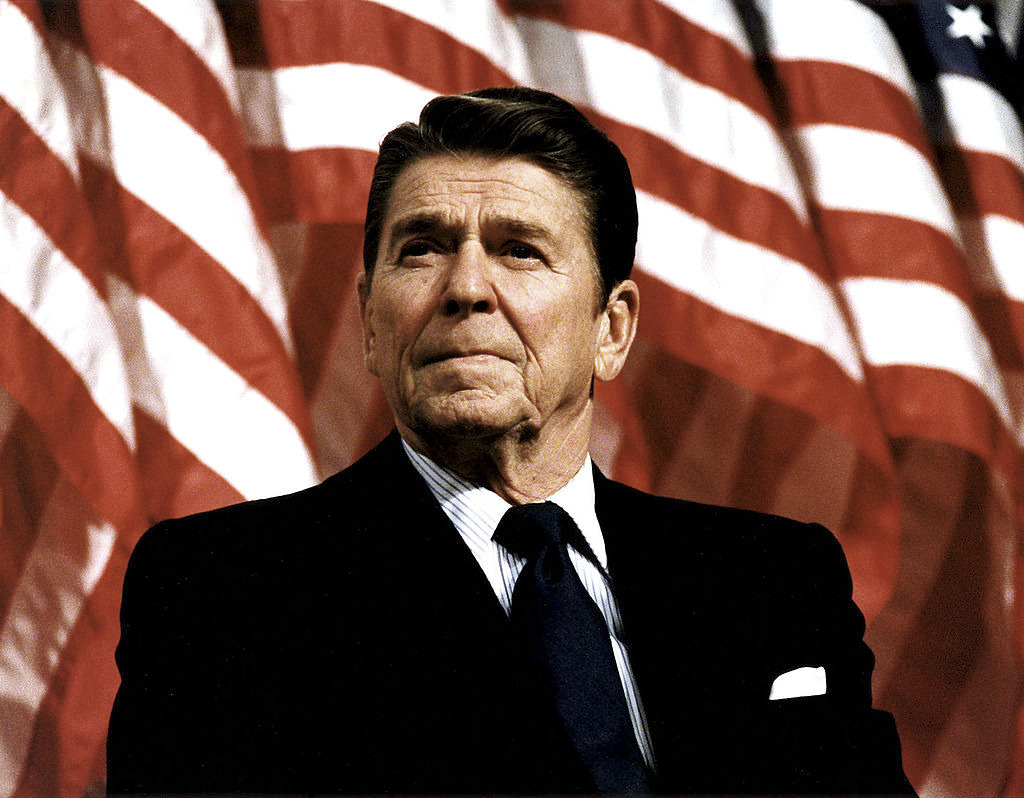
Na zdjęciu: Ronald Reagan, 8 lutego 1982 r. (Zdjęcie: Michael Evans/The White House/Getty Images)

Co działa? Amerykański nowy realizm bez złudzeń

Pierre Rehov
Tłumaczenie: Andrzej Koraszewski


Kiedy prezydent Ronald Reagan przywrócił do życia hasło “światło świata na wzgórzu”, nie była to chwytliwa metafora, lecz etyka rządzenia: Stany Zjednoczone miały odstraszać zło poprzez pewność siebie, dobrobyt i moralną klarowność. Jego przesłanie łączyło optymizm z siłą – niższe podatki i deregulacja miały pobudzić wzrost, odbudowa armii miała przywrócić odstraszanie, a pewna siebie obrona cywilizacji Zachodu niosła wyraźny komunikat.

To połączenie wartości i efektów dało Partii Republikańskiej kompas moralny. Reagan nazwał to “pokojem przez siłę”. Logika była prosta: wiarygodna siła powstrzymuje drapieżników, a wolne gospodarki wygrywają z centralnie sterowanymi. Ta doktryna – potwierdzona upadkiem bloku sowieckiego – wyznaczyła wysokie standardy dla nowego realizmu.

Po zakończeniu zimnej wojny spoiwo tej polityki zaczęło się jednak kruszyć. Bez egzystencjalnego zagrożenia, elity w Waszyngtonie zaczęły dryfować w kierunku misjonarskiego impulsu: USA miały teraz nie tylko odstraszać zagrożenia, ale także przekształcać odległe społeczeństwa – rzekomo w interesie bezpieczeństwa, tak ich, jak i naszego.

W Iraku błyskawiczna wojna przerodziła się w źle przeprowadzoną, wyniszczającą okupację, która pochłonęła życie, środki finansowe i strategiczne zaufanie. W efekcie moralna siła Ameryki przerodziła się w lukę w wiarygodności, która ośmieliła przeciwników i zaszkodziła opinii USA na świecie.

Libia stanowiła ponadpartyjną powtórkę tego samego błędu: interwencja bez realistycznego planu i przygotowania na nieprzewidziane skutki. Rezultat – państwo upadłe – do dziś destabilizujące Afrykę Północną i Europę.

Podczas gdy establishment zajmujący się polityką zagraniczną goniąc za kolejnymi misjami poza granicami kraju, zaniedbywał obowiązki na własnym podwórku. Zakłady przemysłowe były zamykane, uzależnienia narastały, a chaos na granicy się pogłębiał. Znaczna część mieszkańców Środkowej Ameryki doszła do wniosku, że rząd USA – choć być może kieruje się szlachetnymi ideami – ignoruje realne szkody. Obie partie polityczne, niegdyś biegle posługujące się językiem codziennej ekonomii i dumy narodowej, coraz częściej wygłaszały deklaracje jak na seminariach akademickich, a nie jak instytucje zmierzające do konkretnych rezultatów – takich jak na przykład sprawnie działająca edukacja obywateli czy “przystępna opieka zdrowotna”, która rzeczywiście byłaby przystępna.

W tę pustkę wkroczył przedsiębiorca spoza układów, mówiący o tym, co konkretne: granice, miejsca pracy, suwerenność, globalny szacunek. Odrzucił iluzje, że sama obecność lub słowa wystarczą.

W przypadku Chin nowe, twardsze podejście rządu do rzeczywistości zakończyło dekady życzeniowego myślenia, że sama współpraca gospodarcza zliberalizuje komunistyczne państwo‑partię. Nakładając cła i nagłaśniając kradzież technologii, podatność łańcuchów dostaw oraz zagrożenia dla bezpieczeństwa narodowego wynikające z przekazania miejsc pracy wrogowi, zmusił do ponownego przemyślenia, jak wiele wrogich działań można tolerować.

Komunistyczne Chiny ogłosiły w 1990 roku “wojnę ludową” – czyli wojnę totalną – przeciwko USA. Dziś nawet krytycy polityki rządu przyznają, że odpieranie tego agresora, który otwarcie zapowiedział zamiar wyparcia Stanów Zjednoczonych z pozycji światowego supermocarstwa, zaczęło się od jego zerwania ze starą ortodoksją, zgodnie z którą “rywalizacja” miała doprowadzić Chiny do stania się otwartym, demokratycznym społeczeństwem.

Na Bliskim Wschodzie przywrócono odstraszanie: kalifat ISIS został zniszczony, zabicie irańskiego terrorysty Kasema Solejmaniego odnowiło czerwone linie, a Porozumienia Abrahama udowodniły, że normalizacja arabsko-izraelska jest możliwa bez ustępstw wobec grup odrzucających pokój. Kombinacja stosowania siły, kiedy jest to konieczne oraz dyplomacji kiedy jest to przydatne, przywróciła możliwość osiągania konkretnych korzyści stabilizacyjnych.

Krytycy nazywali to podejście “transakcyjnym” – może lepiej powiedzieć: odpowiedzialnym.

Patrzenie na “to, co działa” wymaga od przywódców dopasowania środków do celów i oceniania polityk na podstawie ich efektów. W tym ujęciu moralne pozy nie są cnotą – są próżnością. Naród, który obiecuje ocalić świat, nie potrafiąc ochronić własnych społeczności, nie jest moralny – jest co najwyżej bezmyślny, a w najgorszym razie katastrofalnie destrukcyjny, co widać w dużej części Europy.

Poprzednie administracje USA szukały ugody, by uniknąć “eskalacji” (patrz: tutututu i tu). Obecni decydenci potrafią być szorstcy – a nawet obcesowi – ale mimo to przywrócili uwagę do jedynego istotnego pytania: czy dana polityka rzeczywiście przynosi korzyści Amerykanom, Europejczykom lub komukolwiek, kto może być oszukiwany?

To, co wygląda na “moralną słuszność”, często pogłębia problem: wszystko zależy od tego, kto decyduje, co jest “moralne”. Wielu zdaje się traktować politykę zagraniczną jako “sygnalizowanie cnót”: deklaracje, hasztagi i ambitne ramy, które rozpadają się przy zderzeniu z rzeczywistością. Konsensus multilateralny – jak w przypadku “zmian klimatu” – bywa mylony z legitymacją, a granice państwowe traktowane są jak powód do wstydu, zamiast jako zobowiązanie do ochrony obywateli w imię bezpieczeństwa narodowego. To nie jest współczucie; to znów próżność – abdykacja przebrana za empatię.

Pragmatyczny, pozbawiony sentymentalizmu realizm nie jest cyniczny: zakłada, że obrona państwa wymaga egzekwowalnych granic, wiarygodnego odstraszania i wzrostu wynagrodzeń. Najpewniejszym sposobem na ochronę kraju jest utrzymywanie go na tyle silnym, by odstraszał drapieżców, i na tyle zamożnym, by budził podziw i chęć naśladowania. Reagan to rozumiał; obecny rząd przywrócił tę samą politykę w jeszcze trudniejszym środowisku międzynarodowym. Obaj odrzucili złudzenie, że same słowa mogą strzec porządku świata.

W sensie gospodarczym siła oznacza powiązanie polityki handlowej z narodową samowystarczalnością. Pandemia obnażyła bezsens przenoszenia kluczowych branż za granicę – od przemysłu farmaceutycznego po półprzewodniki. Realizm oparty na faktach mierzy skuteczność handlu zdolnością ludzi do kupowania towarów – zwłaszcza dobrobytem klasy pracującej i średniej – a nie zbiorczymi wykresami, które maskują regionalne upadki. Jeśli polityka pustoszy miasta, to odbiera ludziom możliwość życia tam w bezpieczeństwie i komforcie.

W kwestii imigracji zdrowe, suwerenne państwo odróżnia legalny, mile widziany wjazd od nielegalnego – czasem dokonywanego przez osoby, które nie podzielają wartości kraju-gospodarza, są przestępcami lub otwarcie dążą do jego zniszczenia. Zdrowe, suwerenne państwo szanuje obywateli przestrzegających prawa, umożliwiając ludziom życie we wspólnocie, i chroni najsłabszych przed oprawcami. Choć niechroniona granica może brzmieć jak wyraz humanitaryzmu, bywa postrzegana jako zaproszenie do nadużyć. Amerykańskie wezwania do egzekwowania prawa – mury, technologie, polityka “pozostań w Meksyku”, kontrole wewnętrzne – powinny być oceniane przez pryzmat skutków: mniej zgonów, mniej fentanylu, bezpieczniejsze ulice.

W dużej części społeczeństwa nienależącego do nurtu progresywnego – często określanego jako “skrajna prawica”, choć każdy zapewne uważa się za “centrum” – rodzice domagają się wpływu na szkoły, a społeczności – porządku zamiast chaosu. To nie są “rozpraszające wojny kulturowe”; to warunki wstępne dla samorządności. Naród, który nie potrafi zadbać o historyczną prawdę w klasach szkolnych – na przykład w kwestii tego, czy Holocaust naprawdę miał miejsce, albo czy doszło do wydarzeń z 7 października 2023 r. – będzie miał poważne trudności z pełnieniem jakiegokolwiek przywództwa na świecie.

Na arenie międzynarodowej, jeśli jesteś poważny, musisz dokonywać wyborów. Stany Zjednoczone stoją w obliczu równoczesnych wyzwań: agresji Chin, ekspansji Rosji i sieci terrorystycznych Iranu. Nie da się im sprostać “hasłami”. Potrzeba stabilnych, ogromnych wydatków obronnych; dominacji energetycznej – przede wszystkim przez rozwój energii z fuzji jądrowej, w której Chiny obecnie przodują.Potrzebne są także bezpieczne łańcuchy dostaw i dyplomacja, która nagradza sojuszników i odstrasza wrogów. To nie izolacjonizm; to bezpieczeństwo narodowe.

Politycznym wspólnym mianownikiem jest więc dopasowanie środków do celów, retoryki do rzeczywistości i “moralności” do korzystnych, mierzalnych rezultatów. Reagan położył kres stagflacji i zimnej wojnie; prezydent Donald J. Trump zlikwidował kalifat ISIS i zakwestionował nieudolny, samozadowolony konsensus w sprawie Chin i “otwartych granic”. Obaj spotkali się z krytyką, która błędnie interpretowała ich działania jako okrutne. Obaj udowodnili, że cel bez siły to fantazja, a siła bez celu to marnotrawstwo.

Istnieją, oczywiście, zagrożenia. Populizm może dryfować w stronę resentymentu. Niektórzy politycy, w przewrotny sposób, zdają się blokować rozwój własnych wyborców – być może po to, by trzymać ich w stanie zależności od obietnic, które zawsze są “tuż przed nimi”; być może po to, by nie dopuścić do sukcesów innej partii, które obnażyłyby ich własne braki. Remedium stanowi Konstytucja – system kontroli i równowagi, federalizm oddający władzę poszczególnym stanom oraz debata publiczna, która wiąże liderów z rzeczywistymi wynikami. Wszystkie partie polityczne, które nie są zainteresowane wyłącznie zdobyciem władzy dla niej samej, powinny skierować energię społeczną na konkretne cele: uczciwe wybory, których nie trzeba będzie kwestionować; wzmocnienie pozycji rodziców; zapewnienie porządku publicznego i rozwój gospodarki, która – przy zapewnieniu siatki bezpieczeństwa dla osób niezdolnych do pracy – nagradza pracę i wspiera trwałość rodzin.

Żądania kierowane pod adresem NATO dotyczące podziału ciężarów finansowych doprowadziły do wzrostu wydatków obronnych w Europie. Przeniesienie ambasady USA w Izraelu do Jerozolimy przełamało dyplomatyczne tabu i zapowiedziało Porozumienia Abrahama. Polityka energetyczna wspierająca krajową produkcję obniżyła ceny i ograniczyła wpływy Rosji i innych petro-dyktatur. To nie są popisy dla oklasków – to wymierne osiągnięcia.

Mandat dla wszystkich partii politycznych w USA jest poważny: utrzymanie pokoju przez wiarygodne przypomnienie wrogom, że cena agresji będzie zbyt wysoka; ożywienie przemysłu i gospodarki poprzez nagradzanie produkcji i pozwolenie ludziom na zatrzymanie większej części własnych zarobków; zabezpieczenie granic – albo poprzez egzekwowanie istniejącego prawa imigracyjnego, albo przez domaganie się jego zmiany w Kongresie – oraz budowanie pewności siebie bez popadania w arogancję. W ten sposób zachowuje się republikę.

Patriotyzm to odpowiedzialność wobec współobywateli. Współczucie to nie otwarte granice; to legalny system chroniący słabych przed narkotykowymi kartelami i terrorystami. Przywództwo międzynarodowe to cicha wiarygodność – zdobyta wtedy, gdy przeciwnicy się wahają, a sojusznicy inwestują. To realistyczne cnoty, które były pielęgnowane przez niektóre poprzednie administracje, a obecna – mimo ostrych krawędzi – przywróciła je do życia.

W końcu amerykański kompas moralny nie zmienia się z modą. Zakotwiczony jest w trwałych wartościach: nienaruszalności jednostki, rządach prawa, wolności słowa i ochronie obywateli przed nadużyciami – także ze strony rządu. Wyzwaniem dla amerykańskich partii politycznych jest przełożenie tych zasad na styl życia, z którego rodziny mogą korzystać, a który przeciwnicy będą szanować.


Pierre Rehov, absolwent prawa na Uniwersytecie Paris-Assas, jest francuskim reporterem, powieściopisarzem i reżyserem filmów dokumentalnych. Jest autorem sześciu powieści, w tym Beyond Red Lines, The Third Testament oraz Red Eden, przetłumaczonych z języka francuskiego. Jego najnowszy esej poświęcony skutkom masakry z 7 października – 7 octobre – La riposte – stał się bestsellerem we Francji.
Jako dokumentalista wyreżyserował i wyprodukował 17 filmów, z których wiele powstało w warunkach wysokiego ryzyka na Bliskim Wschodzie i koncentruje się na tematyce terroryzmu, stronniczości mediów oraz prześladowania chrześcijan. Jego najnowszy film dokumentalny Pogrom(s) ukazuje historyczny kontekst antysemityzmu w cywilizacji muzułmańskiej jako główną siłę napędową masakry z 7 października.


Zawartość publikowanych artykułów i materiałów nie reprezentuje poglądów ani opinii Reunion’68,
ani też webmastera Blogu Reunion’68, chyba ze jest to wyraźnie zaznaczone.
Twoje uwagi, linki, własne artykuły lub wiadomości prześlij na adres:
webmaster@reunion68.com

A painful reminder of the true meaning of Chanukah


A painful reminder of the true meaning of Chanukah

Jonathan S. Tobin


The Bondi Beach massacre is the result of incitement rooted in demonization of Israel. The only response must be a defiant refusal to let the antisemites and their enablers prevail.

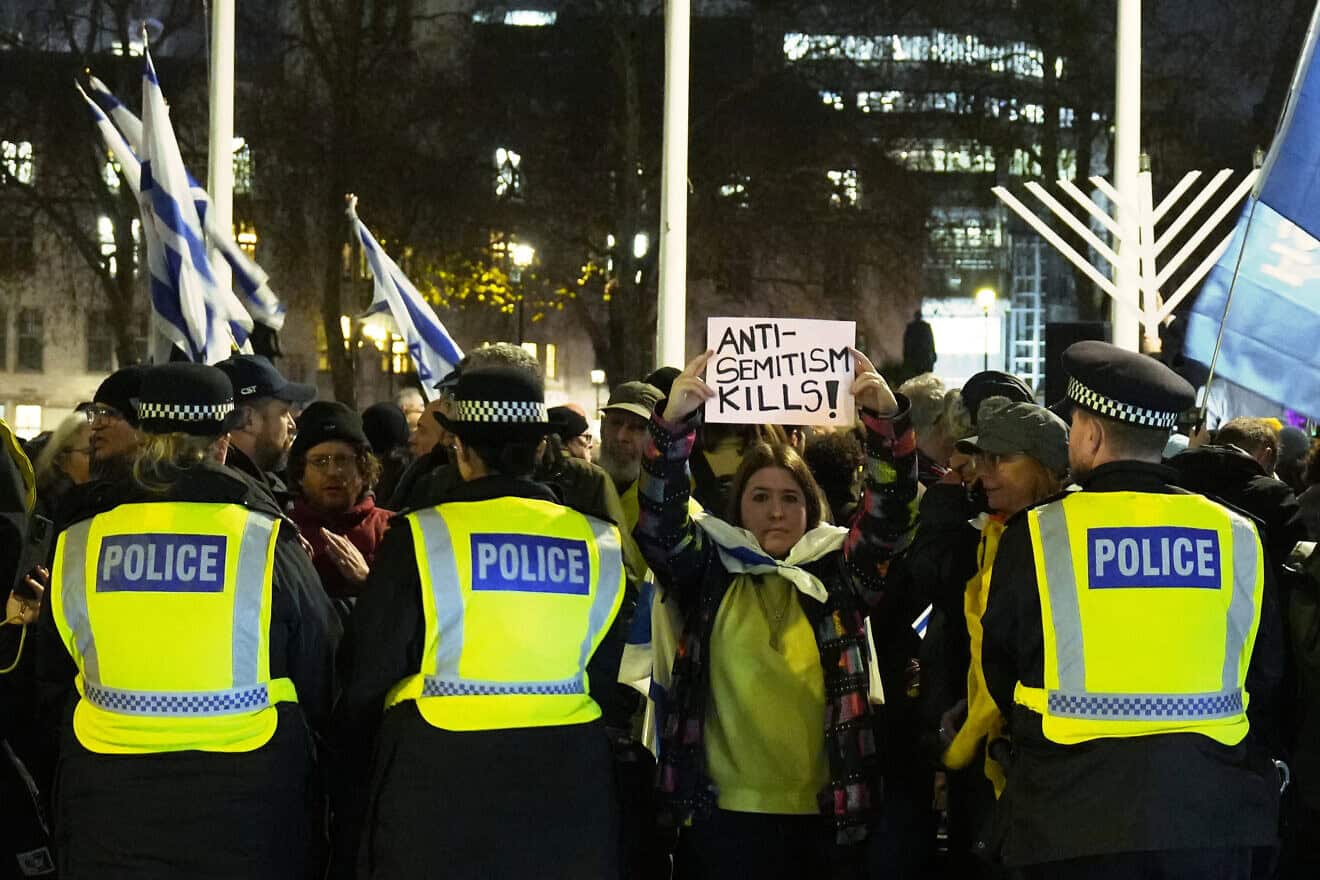
British and other Jews in the United Kingdom take part in a Chanukah menorah-lighting, organized by the Campaign Against Antisemitism and Chabad Lubavitch in Parliament Square in central London, the day after a mass shooting at an event in Australia on the first night of the holiday that left 15 dead and dozens wounded, Dec. 15, 2025. Photo by Carlos Jasso/AFP via Getty Images.

In a sense, it would be nice if celebrations of the Chanukah holiday could reflect the mindset of attempts by those who control Western popular culture to water it down in order to blend in with the Christmas cheer of the end-of-year holiday season. But right now, that’s even more tone-deaf to the reality of Jewish life than it is in more peaceful times.

After the Bondi Beach massacre of 15 people at a Chanukah event, it’s not really possible to pretend that the meaning of the “Festival of Lights” is anything other than what it has always been: a commemoration of one episode in the ongoing struggle to survive the attempts of antisemites to extinguish the existence of the Jewish people.

It’s also disappointing that the leaders of a country that welcomed so many Holocaust survivors after World War II folded to Palestinian peer pressure and dropped their guard, effectively allowing such a horrific incident to happen in the first place.

The cost of antisemitic incitement

The bloodshed in Australia—among whose victims were an 87-year-old Holocaust survivor, a 10-year-old girl and a Chabad rabbi—was much like the terrorist attacks against Jewish targets in Manchester, England, in September; Boulder, Colo., in June; Washington, D.C., in May; and Harrisburg, Pa., in April. The same is true of the pogrom last November against Israeli soccer fans in Amsterdam, in addition to many other instances of violence and intimidation aimed at Jews. They are all the tragic result of antisemitic incitement rooted in the demonization of Israel and the Jewish people, which has become routine since the Hamas-led Palestinian Arab attacks on Israel on Oct. 7, 2023.

And that is why the anodyne expressions of sympathy about the slaughter in Bondi Beach from the government of Australia, in addition to politicians, journalists and others around the globe who have participated in the efforts to falsely label Israel’s war of self-defense against these terrorists as “genocide,” ring hollow. Their crocodile tears about the victims are an insincere attempt to distance the tragedy from advocacy that has normalized the sort of discourse about Jews that inevitably leads to violence.

Attempts to separate the mainstreaming of blood libels about Israel committing “genocide” in Gaza or advocacy for the destruction of the one Jewish state on the planet from these attacks on Jews aren’t merely wrongheaded. They are utterly disingenuous and give a pass to the effort to make Jew-hatred acceptable among those who think of themselves as decent people, rather than bigoted haters.

The spreading of these falsehoods about Israel’s war against terrorist groups who seek the genocide of the Jewish people is often couched in the language of human rights, concern for suffering Palestinians or represented as merely “criticism” of Israel’s government. In addition to being a distortion of reality, this has helped to create a belief among a broad audience—principally young people, who get their news from TikTok and other social-media platforms where algorithms prioritize Hamas propaganda—that Israelis and Jews are a class of human beings who are “white” oppressors of helpless victims.

In this way, Jews—the most persecuted minority group in history and a small people clinging to life in an equally small state—are now thought of as villains. To those who swallow this false dialectic, the Jewish people are deserving of neither rights nor sympathy, even when they are subjected to the sort of orgy of mass murder, burning, torture, rape and kidnapping that occurred on Oct. 7.

And it’s how tragedies like Bondi Beach and all the other attacks on Jews, including the ongoing campaign of intimidation on college campuses, become possible, if not normalized.

That a reminder of this brutal reality of Jewish life in the 21st century should come at Chanukah seems particularly cruel. But as much as we mourn those killed and pray for the swift recovery of the wounded, the holiday is an apt time to remember the cost of hatred and the necessity for Jews to defend themselves and their one state.

Not a blue-tinseled Christmas

Many secular Jews treat Chanukah as just a blue-tinsel version of the “goodwill to all” that animates the highly commercialized yet pleasurable December festivities. It allows those living in Western nations to be full participants in the end-of-year holiday spirit that homogenizes all religious observances into fodder for Hallmark movies (of which, there are now some Jewish ones on the TV channel, too). But while incorporating the gift-giving into what was traditionally a low-key festival does no harm, it tends to erase what Jews are actually commemorating when they light the candles.

Chanukah has nothing to do with that.

It is a remembrance of a bloody war waged 2,190 years ago to resist an attempt by the rulers of the land of Israel at that time to extirpate Judaism and Jewish identity. The rebellion led by Mattathias and his five sons, known to history as the Maccabees, did so to preserve their people and faith against the powerful cultural forces of Hellenism that were dominant in the Mediterranean world. Arrayed against them were, in addition to the Syrian-based Seleucid Greeks, many Jews who preferred to assimilate into that non-Jewish world and trade their peoplehood for the pleasures and advantages of the Hellenist world.

The struggle took many years and involved a bitter conflict that was as much a civil war against the Hellenist Jews as it was a battle against foreign oppressors who had defiled the Jewish temple in Jerusalem. It was eventually won by the Jews with not a little help from the dominant world power of the day—Rome—which would prove in the following centuries to be an equally great danger to Jewish life.

That’s not the stuff of Yuletide cheer, let alone holiday romances.

Jewish religious tradition downgraded the holiday that the Hasmonean dynasty created to remember their victory in large measure because the descendants of the Maccabees eventually became tyrannical rulers of the land of Israel and every bit as assimilated as those they defeated. The story of the miraculous oil that lasted for eight days in the redeemed Temple overwhelmed, if not altogether replaced, the freedom-fighter narrative in an effort to put the emphasis on Divine intervention.

A fight for freedom

Yet the message of Chanukah remains one that incorporates both faith and the need for the Jews to act rather than to wait passively for rescue and deliverance. It may have been Benjamin Franklin’s 1732 Poor Richard’s Almanac that popularized the aphorism: “The Lord helps those who help themselves.” But nothing better illustrates the truth of that phrase than the Maccabees’ fight for freedom. The same is true of the modern Zionist movement. Building on the essential importance of the land of Israel in Judaism and Jewish identity, Zionism allowed the Jews to once again become actors on the world stage in their own right and no longer dependent on the kindness of strangers for life and liberty.

Jews and non-Jews alike can acknowledge that the Maccabean revolt was an expression of the will to self-determination and political liberty that all peoples share. But it’s a reminder that preserving Jewish life in a world where universalist (and often coercive and destructive) views seek to extinguish and marginalize minority faiths requires the making of hard choices.

The post-Oct. 7 surge of antisemitism across the globe is shocking to those who would prefer to observe a Judaism in which a watered-down faith is emphasized over the particularist aspects of Jewish life. The essence of Jewish identity throughout history, however, has always been a refusal to bow down to the idols of popular culture. In the time of the Maccabean revolt, it was the powerful pull of Hellenism. Today, it is the secular faith of woke progressivism. And as has always been the case for Jew-haters, the determination of Jews to persevere and thrive, despite the challenges arrayed against them, is seen as a provocation that invites demonization and violence.

Hate among the angry mobs may be disguised as concern for Palestinians. Yet once you strip away the myths and lies from a cause inextricably tied to a belief that the Jews, alone of all the peoples in the world, are undeserving of a homeland, sovereignty, security and the right to self-defense, it becomes clear that it is nothing but a new version of the old virus of antisemitism.

The miracle of Jewish resistance and survival

Today, as was true then, Jews must be prepared to defend Jewish life, both in the State of Israel and elsewhere. That Jews must live in a world where holiday celebrations, as well as religious services, must include rigorous security is sad, but the story of Chanukah teaches us that this is nothing new.

Most importantly, we cannot be daunted by this challenge into succumbing to despair or to surrender to the forces arrayed against us. Rather, we must be inspired by the heroic victories of the past, as well as by the courage of the contemporary Maccabees who serve in the Israel Defense Forces. As difficult as it may be to contemplate the suffering of Jewish victims of this wave of animosity, we must also remember that it is fueled by antisemitic rage at the success of Israel, which, contrary to the narrative on TikTok, is not merely surviving in the face of delegitimization, but becoming stronger and more secure than ever.

The true miracle of Chanukah is a reminder that it takes extraordinary efforts and the faith of ordinary Jews to keep the flame of Jewish civilization lit in every generation. Doing so today requires Jews, both young and old, to find the courage to embrace a sense of peoplehood that is waning in the face of assimilation and pressure from those who denigrate Jewish identity, as well as to stand up for Israel and Zionism.

We cannot abandon the field to those who have taken up the cause that the Syrian Greeks once championed—whether they are Marxist progressives, Islamists or right-wing Jew-haters. As we light the candles this year, we remember the victims in Australia and the necessity not to let their murderers, as well as the Oct. 7 criminals and those deluded souls who cheer them on, prevail. Anything else is betraying the true meaning of the holiday.


Jonathan S. Tobin is editor-in-chief of the Jewish News Syndicate, a senior contributor for The Federalist, a columnist for Newsweek and a contributor to many other publications. He covers the American political scene, foreign policy, the U.S.-Israel relationship, Middle East diplomacy, the Jewish world and the arts. He hosts the JNS “Think Twice” podcast, both the weekly video program and the “Jonathan Tobin Daily” program, which are available on all major audio platforms and YouTube. Previously, he was executive editor, then senior online editor and chief political blogger, for Commentary magazine. Before that, he was editor-in-chief of The Jewish Exponent in Philadelphia and editor of the Connecticut Jewish Ledger. He has won more than 60 awards for commentary, art criticism and other writing. He appears regularly on television, commenting on politics and foreign policy. Born in New York City, he studied history at Columbia University.


Zawartość publikowanych artykułów i materiałów nie reprezentuje poglądów ani opinii Reunion’68,
ani też webmastera Blogu Reunion’68, chyba ze jest to wyraźnie zaznaczone.
Twoje uwagi, linki, własne artykuły lub wiadomości prześlij na adres:
webmaster@reunion68.com


Israel, Australia Probe Iran’s Suspected Role in Sydney Attack as Tehran Issues Conflicting Statements


Israel, Australia Probe Iran’s Suspected Role in Sydney Attack as Tehran Issues Conflicting Statements

Ailin Vilches Arguello


Police officers stand guard following the attack on a Jewish holiday celebration at Sydney’s Bondi Beach, in Sydney, Australia, Dec. 15, 2025. Photo: REUTERS/Flavio Brancaleone

Israeli and Australian authorities have launched an investigation into whether Iran was behind the deadly attack on a Hanukkah celebration at Sydney’s Bondi Beach on Sunday that killed 15 people who attended the Jewish gathering and wounded at least 40 others.

As Australian authorities continued their probe into the weekend massacre at Bondi Beach in southeastern New South Wales, new evidence revealed that the deadly shooting was planned to include explosive devices that were successfully defused.

According to the British outlet The Telegraph, Israeli officials believe Iran orchestrated the attack, probing potential links to the regime’s terrorist proxies.

“We believe Iran is behind the attack. We are also investigating a connection with Hezbollah, Hamas, and a Pakistani terrorist organization,” an Israeli official told the paper, listing some of the Islamist groups backed by Tehran.

Israel had previously warned Australia about Iranian plots amid rising threats against Jews and Israelis abroad, and Israeli officials are now investigating whether Iran was the mastermind behind the mass shooting targeting Sydney’s Jewish community, Israeli media reported.

“In recent months, Iran has increased its activity to orchestrate attacks against Israeli and Jewish targets around the world,” a senior Israeli security official told Israel Hayom.

“There is no doubt that the direction and infrastructure for the [Bondi Beach] attack originated in Tehran,” he continued. 

Israeli officials have accused the Australian government of ignoring earlier warnings and intelligence from this year that flagged potential terrorist attacks and rising threats, saying authorities failed to take sufficient action to protect the local Jewish community and prevent a massacre before what transpired in Sydney over the weekend.

Israeli Prime Minister Benjamin Netanyahu accused Australian Prime Minister Anthony Albanese of pouring “fuel on the antisemitic fire” and ignoring Israeli warnings, as tensions rise over Canberra’s anti-Israel stance and its failure to address a sharp rise in antisemitic attacks.

The Australian government’s policies, particularly its recognition of a Palestinian state in September, “pour fuel on the antisemitic fire, reward Hamas terror, embolden those who menace Australian Jews, and encourage the Jew hatred now stalking your streets,” the Israeli leader said. 

“Antisemitism is a cancer. It spreads when leaders stay silent. You must replace weakness with action,” he continued. 

Albanese rejected such accusations, saying his priority was to unite the nation and prevent terrorists from sowing division or turning Australians against each other.

“Now more than ever, we must support the Jewish community during this incredibly difficult time — not just those grieving the loss of loved ones and friends, but all members of the Jewish community throughout Australia,” Albanese said. 

According to Australian news outlet ABC, Naveed Akram, one of the terrorists allegedly behind the Sydney attack, was previously on the radar of the Australian Security Intelligence Organization (ASIO), which had been monitoring him for six years due to his links with an Islamic State (ISIS) cell in the country.

Amid already tense relations with Iran, Australia has not dismissed the possibility of Iranian involvement in the attack, with authorities reportedly working alongside Israeli intelligence agencies in their investigation.

Iranian Foreign Ministry spokesperson Esmaeil Baghaei publicly condemned the “violent attack” in Sydney, though his statement was vague and made no mention of antisemitism, the local Jewish community, or any specific target.

“Terror violence and mass killing shall be condemned, wherever they’re committed,” he said in a post on X.

However, Iranian state and semi-official media pushed a starkly different narrative, spreading conspiracy theories that framed the attack as a plot orchestrated by Israel. Other outlets expressed support for the attack, even praising it, claiming that the rabbi who was killed during the massacre, Eli Schlanger, was a “staunch advocate of genocide in Gaza.”

The Iranian news agency Mehr openly called “the Zionist regime” the main suspect, portraying the attack as a “false flag” operation allegedly designed to serve Israeli interests.

Tensions between Australia and Iran have escalated sharply this year, after Canberra severed diplomatic relations with Tehran and expelled the Iranian ambassador in August, citing the regime’s role in threats and terrorist attacks against the local Jewish community.

The government identified the Islamist regime in Tehran as the mastermind behind at least two major antisemitic arson attacks in Australia, saying it was likely responsible for additional incidents.

In November, Australia officially designated Iran’s Islamic Revolutionary Guard Corps as a state-sponsored terrorist organization.


Zawartość publikowanych artykułów i materiałów nie reprezentuje poglądów ani opinii Reunion’68,
ani też webmastera Blogu Reunion’68, chyba ze jest to wyraźnie zaznaczone.
Twoje uwagi, linki, własne artykuły lub wiadomości prześlij na adres:
webmaster@reunion68.com