Archive | 2025/12/12

Ukraina: Złudna wizja pokoju

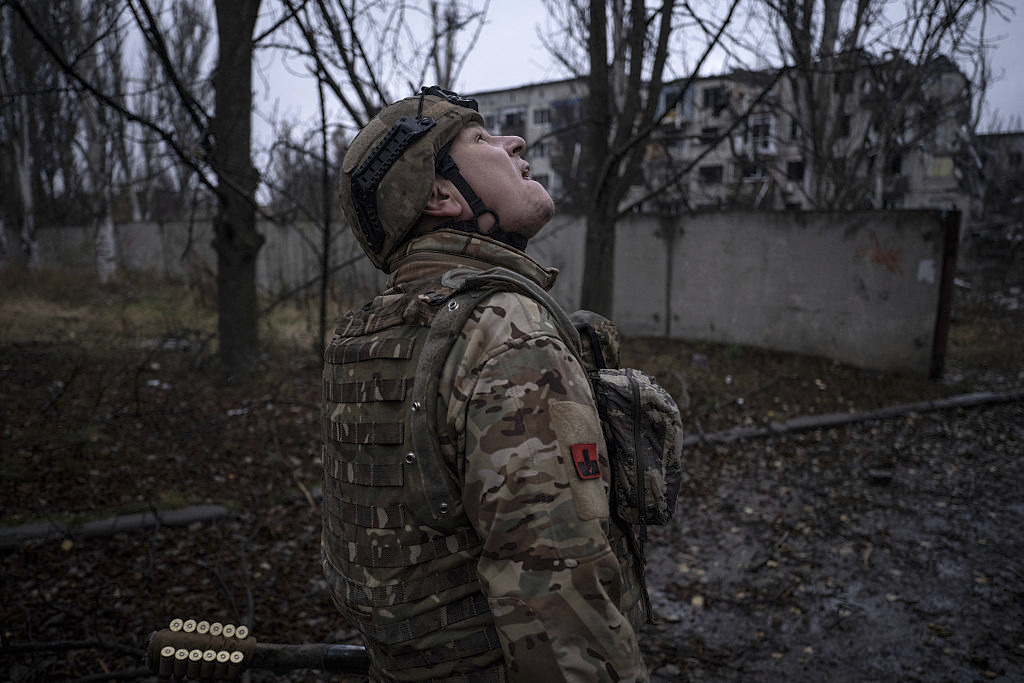
Na zdjęciu: Ukraiński żołnierz sprawdza niebo w poszukiwaniu rosyjskich dronów nad linią frontu w Kostyantyniwce w obwodzie donieckim, 12 listopada 2025 r. (Zdjęcie: Iryna Rybakova/93. Samodzielna Brygada Zmechanizowana/AFP via Getty Images)

Ukraina: Złudna wizja pokoju

Amir Taheri
Tłumaczenie: Andrzej Koraszewski


Jak długo może potrwać wojna na Ukrainie?

To pytanie było przedmiotem dyskusji i debat podczas niedawnego spotkania w Paryżu, w którym uczestniczyli historycy i eksperci ds. strategii z różnych środowisk. Prawdziwa odpowiedź, której nie udzielono na tym spotkaniu, była w istocie kolejnym pytaniem: jak długi jest kawałek sznurka?

Obecna faza rozpoczęła się w lutym 2022 roku, kiedy to doszło do tego, co wyglądało na próbę aneksji całej Ukrainy przez Rosję. Było to jednak tylko następstwo wcześniejszej inwazji i okupacji Krymu w 2014 roku. Tamten epizod był z kolei kontynuacją operacji polityczno-wojskowej sprzed dwóch lat, której celem było zainstalowanie prorosyjskiego prezydenta na Ukrainie oraz wysłanie rosyjskich wojsk do Sewastopola, by zmusić Kijów do podpisania długoterminowej umowy dzierżawy bazy lotniczo-morskiej dla Rosji.

A to wszystko to jedynie najnowsza historia.

Ukraina przechodzi przez swoje próby i cierpienia zgodnie z wzorcem znanym z długiej historii europejskiej, naznaczonej konfliktami zbrojnymi, takimi jak wojna stuletnia czy wojna trzydziestoletnia. Na kontynencie rozdartym przez podziały religijne, sekciarskie, rasowe i dynastyczne wojna była regułą, a pokój wyjątkiem. Dopiero w XX wieku Europa zaczęła marzyć o wojnach stosunkowo krótkich.

Obecnie wszystko wskazuje na to, że wojna na Ukrainie może potrwać jeszcze wiele lat. Została już wpisana w ogólny schemat globalnej polityki – w tym sensie, że wszyscy bezpośrednio lub pośrednio zaangażowani zdołali zminimalizować straty dla własnych interesów, jednocześnie maksymalizując zyski, jakie mogą z niej czerpać. Mimo poważnych strat ludzkich i materialnych, główni uczestnicy konfliktu – Rosja i Ukraina – wydają się być dalecy od przekroczenia progu bólu, który zmusiłby którąkolwiek ze stron do wywieszenia białej flagi.

Rosja nie może wygrać tej wojny, ponieważ prezydent Władimir Putin nie jest mentalnie gotowy, by przejść na wyższy poziom zaangażowania i wysłać na front całą armię.

Trzymając się głównie wojny powietrznej, z masowym użyciem dronów, rosyjscy generałowie nie są w stanie zapewnić klasycznych trzech “C” wojny: – podbić, oczyścić, kontrolować. Nawet na 25 procentach terytorium Ukrainy, które Rosja już zajęła, żadnego z tych trzech celów nie osiągnięto w pełni.

Podobny los spotkał rosyjską “specjalną operację wojskową” w Syrii.

Tam również lata bombardowań zamieniły wiele syryjskich miast w gruzy, zabijając dziesiątki tysięcy cywilów, nie przynosząc jednak Putinowi nawet cienia zwycięstwa.

Jednocześnie Rosja nie może sobie pozwolić na przegranie tej wojny. Taka porażka mogłaby oznaczać koniec Putina i putinizmu.

Nie ma też większych szans, by Ukrainie niespodziewanie pomógł jakiś “zbawca”, który pozwoliłby Rosji wyjść z konfliktu z minimalną utratą twarzy, tak jak zrobił to Ahmad al-Sharaa w Syrii.

Pomimo wielokrotnie powtarzanych zapewnień prezydenta Wołodymyra Zełenskiego, Ukraina również nie znajduje się w pozycji, by pokonać Rosję albo odbić utracone terytoria.

Wszystko to razem sprawia, że można mówić o “prędkości przelotowej” tej dziwnej wojny, która – jak się wydaje – odpowiada wszystkim zainteresowanym. Stany Zjednoczone potwierdzają swoją pozycję jako jedynej “niezastąpionej potęgi”, zdolnej do zmiany zasad gry, kiedy i gdzie tylko zechce.

Chiny korzystają z rosyjskiej ropy i gazu po zaniżonych cenach, jednocześnie rozszerzając swoje wpływy w Azji Centralnej, korzystając z nieobecności historycznego rosyjskiego rywala.

Europejczycy również wykorzystują wojnę jako pretekst do rozpoczęcia masowej rozbudowy potencjału militarnego, podczas gdy Rosja dalej krwawi – zarówno dosłownie, jak i w przenośni. Jednym z sygnałów, że Unia Europejska może zakładać długotrwałość wojny, był list intencyjny podpisany w tym tygodniu przez Francję w sprawie dostarczenia Ukrainie 100 myśliwców Rafale. Ponieważ produkcja tych samolotów oraz szkolenie ukraińskich pilotów zajmie co najmniej trzy lata, jasne jest, że Paryż zakłada kontynuację wojny przynajmniej do 2029 roku.

Mimo ponurego obrazu, jaki się wyłania, rozmowy o pokoju – lub przynajmniej zakończeniu wojny – wcale nie zniknęły z agendy.

Według niektórych zazwyczaj wiarygodnych źródeł, USA – po odrzuceniu pomysłu spotkania prezydenta Donalda J. Trumpa z Putinem w Budapeszcie – pracują nad ramowym planem rozmów mających na celu wstrzymanie wojny. Co dokładnie kryje się za tym sformułowaniem, nie jest jasne.

Jeśli jednak uznać istnienie “metody Trumpa”, widocznej w kilku ostatnich przypadkach wygaszania konfliktów zbrojnych, to Stany Zjednoczone mogą dążyć do rozwiązania pośredniego między zawieszeniem broni – z definicji krótkotrwałym i ograniczonym czasowo – a pełnym, trwałym pokojem, który może okazać się trudny do osiągnięcia.

Takie “rozwiązanie” mogłoby zostać zaprezentowane jako rozejm – termin mający wystarczający ciężar historyczny i dyplomatyczny, by pozwolić stronom zachować twarz, zamrozić sytuację na froncie i dać czas na negocjacje w sprawie trwałego rozwiązania, bez presji konkretnego terminu.

Są przesłanki, by sądzić, że prezydent Turcji Recep Tayyip Erdoğan może odegrać rolę wstępnego mediatora w tym procesie. Najnowsze rozmowy Zełenskiego z Erdoğanem zdają się to potwierdzać, podobnie jak sygnały z Moskwy, gdzie Putin nie wprost, ale z wyraźną intencją, przyjął turecką inicjatywę – choćby tylko po to, by nie wyglądało, że ulega Trumpowi.

Wszystko to jednak może okazać się kolejną złudną wizją pokoju. Niemniej, USA mają co najmniej dwie istotne karty, które mogą zagrać, by doprowadzić do zmiany sytuacji.

Pierwszą jest dostarczenie Ukrainie pocisków manewrujących Tomahawk – informacja ta pojawiała się i znikała w serwisach informacyjnych niczym uśmiech kota z Cheshire.

Decyzja o wprowadzeniu pocisków Tomahawk mogłaby mieć podobny wpływ na przebieg wojny, co przekazanie rakiet Stinger mudżahedinom w Afganistanie w latach 80. Dzięki zasięgowi sięgającemu 2500 kilometrów, rakiety Tomahawk mogłyby zagrozić niemal całej “użytecznej” części Rosji, w tym Moskwie i Petersburgowi. (Z Kijowa do Moskwy jest zaledwie 762 kilometry.)

Drugą kartą, którą Trump mógłby zagrać, jest zignorowanie pięcioletniego przedłużenia układu o ograniczeniu zbrojeń strategicznych (SALT), przedłużonego przez prezydenta Joe Bidena – układu, który zakończył wyścig zbrojeń między USA a ZSRR, ratując ZSRR a potem Rosję przed dyplomatyczną kompromitacją i gospodarczą zapaścią.

W obecnym, niestabilnym stanie rosyjskiej gospodarki, nowy, intensywny wyścig zbrojeń mógłby być dla Putina ekstremalnie kosztowny, jeśli nie wręcz samobójczy.

Amerykańska propozycja rozejmu, czyli swego rodzaju “rybiego ogona” zamykającego obecny etap walk, mogłaby również skusić Putina z innego powodu: jego starego marzenia o rozdzieleniu Stanów Zjednoczonych i Unii Europejskiej – nawet w kwestii tak kluczowej jak bezpieczeństwo europejskie.

Ułuda? Być może. Ale taka, której nie należy całkowicie odrzucać.


Zawartość publikowanych artykułów i materiałów nie reprezentuje poglądów ani opinii Reunion’68,
ani też webmastera Blogu Reunion’68, chyba ze jest to wyraźnie zaznaczone.
Twoje uwagi, linki, własne artykuły lub wiadomości prześlij na adres:
webmaster@reunion68.com



Hamas Expands European Reach, Posing ‘High Likelihood’ of Terror Attack in Next Six Months, Intel Report Warns


Hamas Expands European Reach, Posing ‘High Likelihood’ of Terror Attack in Next Six Months, Intel Report Warns

Ailin Vilches Arguello


Palestinian Hamas terrorists stand guard at a site as Hamas says it continues to search for the bodies of deceased hostages, in Beit Lahiya in the northern Gaza Strip, Dec. 3, 2025. Photo: REUTERS/Stringer

Hamas operatives have pushed far beyond Gaza, embedding themselves across Europe — and now posing a growing threat inside the United Kingdom, where covert arms caches and active attack plots have put intelligence services on high alert, according to a new report. 

Even though Hamas has traditionally focused its operations in Israel, Gaza, and the West Bank, the Palestinian terrorist group has been steadily cultivating foreign attack capabilities — a trend highlighted in a new report obtained by The Daily Mirror, which warns of a looming threat of Hamas-led attacks in Europe.

Intelligence assessments indicate that the terrorist group, backed for years by Iran, Qatar, and Turkey, has been gradually expanding its presence in Europe through a network of charities, NGOs, and criminal gangs, with Israeli diplomatic missions, Israel-linked businesses, and Jewish religious sites among its top targets.

The report also notes that the group has not only stockpiled weapons such as AK-47s and ammunition but is increasingly turning to drone warfare, bolstered by backing from Lebanon and Iran and supported by Eastern European crime networks that help it acquire advanced weaponry.

“The Oct. 7, 2023, assault fundamentally altered Israel’s threat perceptions, but also reshaped Hamas’s calculations,” the report says, referring to the Hamas-led invasion of and massacre across southern Israel. 

“Following catastrophic damage to its infrastructure in Gaza and significant leadership attrition, the group’s remaining command nodes particularly those in Lebanon began activating contingency plans long under development,” it continues. 

“The organization’s leadership now appears more willing to accept the strategic risks of external operations. If Hamas sustains further attrition, external operations may grow in relative importance within the group’s strategy,” the intelligence report adds. 

According to the United Kingdom’s domestic counter-intelligence and security agency, MI5, and the Joint Terrorism Analysis Center, the current threat level of a terror attack in the UK is assessed to be “substantial.”

Over the next six months, the report warns, there is a “high likelihood of continued attempts at external operations, particularly in Europe, as Hamas seeks to demonstrate resilience.”

This assessment comes amid multiple intelligence findings showing that Hamas has expanded its terrorist operations beyond the Middle East, leveraging a long-established network of weapons caches, criminal alliances, and covert infrastructure quietly built across Europe over the years.

In October, West Point’s Combating Terrorism Center released a study detailing how Hamas leaders in Lebanon have directed operatives to establish “foreign operator” cells across Europe, collaborating with organized crime networks to acquire weapons and target Jewish communities abroad.

For example, a failed Hamas plot involved an alleged operative in Germany traveling to Lebanon to “receive orders from the Qassam Brigades [Hamas’s military wing] to set up an arms depot for Hamas in Bulgaria,” part of a broader, multi-year effort to cache weapons across Europe. 

German authorities foiled the plan, detaining four Hamas members in late 2023 on suspicion of planning attacks.

Earlier this year, the four suspects went on trial in Berlin in what prosecutors described as Germany’s first-ever case against members of the Palestinian terrorist group.

During the investigation, German authorities also found evidence on a defendant’s USB device showing that the Hamas operatives were planning attacks on specific sites in Germany, including the Israeli embassy in Berlin.

Similar weapons depots were established in Denmark, Poland, and other European countries, with Hamas members repeatedly trying to retrieve them to support their operations and plan potential attacks.


Zawartość publikowanych artykułów i materiałów nie reprezentuje poglądów ani opinii Reunion’68,
ani też webmastera Blogu Reunion’68, chyba ze jest to wyraźnie zaznaczone.
Twoje uwagi, linki, własne artykuły lub wiadomości prześlij na adres:
webmaster@reunion68.com


‘Paucity’ of Columbia courses that aren’t anti-Israel, Ivy’s task force says


‘Paucity’ of Columbia courses that aren’t anti-Israel, Ivy’s task force says

JNS Staff


The school’s Task Force on Antisemitism published its final report, which, among other things, said the American Association of University Professors appears to discriminate against Israel.

Columbia University subway station. Credit: Charlotte May/Pexels.

Columbia University’s Task Force on Antisemitism released its final report on Tuesday, drawing praise from Claire Shipman, acting president of the Ivy League school, for what she said was a “series of rigorous and thoughtful analyses and recommendations that cover a very difficult and painful period in the history of this university.”

“While we know there is more work to do, we’re very grateful to be in a new and much better place today,” she stated. “For that, we owe a debt of gratitude to many, with the co-chairs and members of our Task Force on Antisemitism at the very top of that list.”

Although Shipman’s statement didn’t mention the words “Israel” or “Israeli,” illegitimate criticism of the Jewish state and of Israelis was a central part of the 70-page report, which stated that “many Jewish and Israeli students reported that if they want to study the Middle East at Columbia, there currently are not enough options that don’t treat Zionism and Israel as fundamentally illegitimate.”

“The paucity of such course offerings should be corrected,” the task force stated. “At the same time, as a best practice, we urge instructors to apply the same sensitivity to discussions of Israel that they would to topics that are of high personal sensitivity to students who have other strong primary identities.”

The panel added that the school “lacks full-time tenure line faculty expertise in Middle East history, politics, political economy and policy that is not explicitly anti-Zionist.” It advised the school to “address this imbalance through the establishment of new chairs at a senior level in Middle East history, politics, political economy and policy.”

The report, which devoted significant space to describing academic freedom and detailing its history, decried a recent decision by the American Association of University Professors, one of the most important and powerful academic groups.

The task force stated that boycotts of professors, students, researchers and scholars from other countries “are not consistent with academic freedom,” which “entails openness to scholars and students from other countries.”

“This issue is especially concerning to the antisemitism task force, because the only significant academic boycott movement of the 21st century has been aimed at the only Jewish state, proposing to restrict the research, teaching and studying opportunities available to a cohort whose members are overwhelmingly Jewish,” it said.

The task force noted that there has been a “consistent demand” at the school to boycott Columbia’s partnership with Tel Aviv University, which the panel said “would be a clear violation of the spirit of academic freedom.”

“Until last year, the AAUP consistently and categorically opposed academic boycotts. In August 2024, the AAUP changed its position, declaring ‘academic boycotts are not in themselves violations of academic freedom; rather, they can be considered legitimate tactical responses to conditions that are fundamentally incompatible with the mission of higher education,’” the report stated. “Although it wasn’t mentioned by name, Israel and its universities were clearly the object of this new policy.”

“We don’t see how this is not a limitation on the academic freedom of Israelis and anyone interested in interacting with them,” the report stated. “It entails permitting political views to enter what was conceived of as a separate, politically protected realm—something the AAUP has long steadfastly opposed in other circumstances.”

Free speech

The panel said that one of its main points was that Columbia ought to “protect freedom of expression to the maximum extent possible while also complying with antidiscrimination laws.”

There ought to be neither censorship nor discrimination at the school, according to the task force. “In balancing these goals, we would err in the direction of protecting free expression, even when it makes members of our community uncomfortable,” it said. “Importantly, however the university decides to strike this balance, it must do so consistently for all protected classes.”

That means that Columbia must be consistent, and “protections afforded to black, Latino, Asian, Arab, female, LGBTQ+ and disabled members of our community must apply equally to other protected classes, including Jewish and Israeli students,” it said.

The task force added that disrupting classes is a “serious violation” of Columbia rules. It said the most egregious violation of academic freedom was when anti-Israel protesters disrupted a class about the Jewish state taught by an Israeli.

Columbia students also shouldn’t have to face “fraught discussions of issues relating to their membership in a protected class” when those issues aren’t related to the course, “such as discussions of abortion in calculus or of correlations between race and incarceration in astronomy,” the panel said.

It stated that free speech means that any government or group can be criticized. It named the “policies of the Israeli government,” the “policies of Hamas” and “the United Nations” as three examples.

“Unfortunately, we heard from many Jewish and Israeli students that their instructors offered critical comments about Israel in classes with subjects far removed from Israel and the Middle East,” the report stated. 

The task force recommended that the university condemn offensive speech rather than limiting it, and it said that when it comes to faculty use of social media or “other outside activities” that it is “wary of empowering administrators to decide what is in and out of bounds.”

‘No orthodoxies’

Per the report, the more than 200 Israeli students at Columbia “is thought to be a greater number than any other Ivy League university.”

“Anyone who is teaching a class at Columbia should be aware that comments about Israel can be highly impactful to students, including Jewish students who are not Israeli,” it stated.

It added that “there should be no orthodoxies at Columbia—not just about Israel—but about race, gender, criminal justice, affirmative action, climate policy, international law, income inequality and any other subjects where the expression of some views may offend members of our community.”

The report stated that there have been “ill-informed statements” in classes that have accompanied “harsh condemnation of Israel.”

“One student told us the instructor in such a class told students that Theodor Herzl, the founder of modern Zionism, was an antisemite, and Jews of Eastern European origin are not really Jewish,” the report stated. “These are, at best, tendentious statements that are highly contested in the academic literature but were not presented to students that way. The readings in the class generally did not reflect the full range of academic writing on Zionism, only material that was harshly anti-Zionist.”

The task force advised colleagues to remember that Zionism “is a strongly held principle for the great majority of Jews worldwide, including but not limited to those who live in Israel.”

“Anti-Zionism is hardly a forbidden sentiment at Columbia, and that’s as it should be. But it’s an illusion to believe that anti-Zionism expressed as a moral absolute will not make many or even most Jewish and Israeli students here feel unwelcome,” it said. “They deserve the same degree of sensitivity as anyone else at Columbia.”

“We are angry and heartbroken that members of the Columbia community (including some members of the faculty) would condone (or even celebrate) terrorist atrocities, deploy antisemitic tropes and peddle bigoted stereotypes,” the task force said. 

“These statements have been appalling and we condemn them. We have no desire to defend the indefensible,” it said. “But as noted above, we are concerned about relying on administrators to be the arbiters of what tenured and tenure-track faculty members can and cannot say.”

The report also said that students must not be pressured to participate in protests, teachers shouldn’t use stereotypes, “reasonable” religious accommodations are necessary and students ought to be free to disagree with professors.

It also advised Columbia to proceed “as quickly as possible” with its announced plan to open a global center in Tel Aviv.


Zawartość publikowanych artykułów i materiałów nie reprezentuje poglądów ani opinii Reunion’68,
ani też webmastera Blogu Reunion’68, chyba ze jest to wyraźnie zaznaczone.
Twoje uwagi, linki, własne artykuły lub wiadomości prześlij na adres:
webmaster@reunion68.com