
Archive | 2026/04/11

Jak zrozumieć zawieszenie broni między USA, Iranem i Izraelem


Jak zrozumieć zawieszenie broni między USA, Iranem i Izraelem

Joshua Hoffman


To nie jest pokój. To pełna napięcia pauza przed tym, co nastąpi dalej.

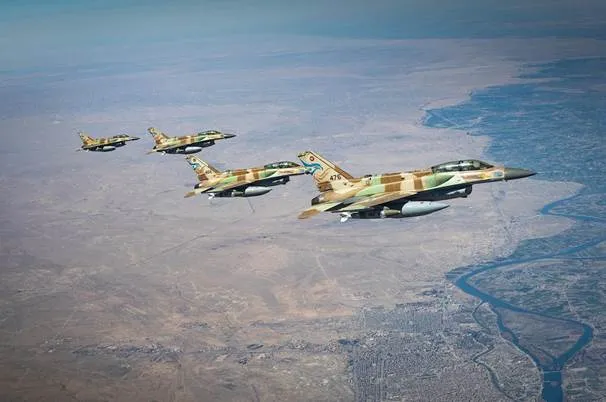
Dwutygodniowe zawieszenie broni między Iranem a jego przeciwnikami jest mniej zakończeniem, a bardziej rekalkulacją. To taktyczna przerwa w konflikcie, którego podstawowa logika pozostaje nierozstrzygnięta.

Z perspektywy Izraela i sprzymierzonych z nim państw Bliskiego Wschodu ten moment nie oznacza deeskalacji, lecz redystrybucję presji. Każdy z aktorów odczytuje zawieszenie broni nie jako pokój, lecz jako dźwignię — tymczasową, kruchą i warunkową.

Zawieszenie broni, w swojej najczystszej definicji, oznacza wstrzymanie działań wojennych. W tym przypadku trafniej rozumieć je jako operacyjną przerwę. Żadna ze stron nie osiągnęła swoich kluczowych celów i żadna nie wydaje się gotowa z nich zrezygnować.

Iran zgodził się ponownie otworzyć Cieśninę Ormuz (kluczową arterię dla globalnych rynków energii), nie uzyskując żadnych ze swoich deklarowanych żądań: brak gwarancji ostatecznego zakończenia wojny, brak złagodzenia sankcji, brak reparacji i brak uznania jego regionalnej pozycji.

Z zachodniej perspektywy interpretowane jest to jako dowód, że presja działa. Skumulowany efekt ciągłych uderzeń militarnych, izolacji gospodarczej i wewnętrznej niestabilności wydaje się zmuszać Teheran do taktycznego odwrotu. Ponowne otwarcie cieśniny nie jest postrzegane jako gest dobrej woli, lecz jako konieczność.

Perspektywa Izraela: strategiczna cierpliwość, warunkowa powściągliwość

Dla Izraela zawieszenie broni stanowi szansę, ale nie zobowiązanie. Jego doktryna strategiczna od dawna podkreśla prewencję i odstraszanie, szczególnie wobec zagrożeń egzystencjalnych, takich jak proliferacja nuklearna i zdolności w zakresie pocisków balistycznych.

Kalkulacja Izraela jest prosta: jeśli negocjacje prowadzone przez Stany Zjednoczone nie doprowadzą do możliwych do zweryfikowania i nieodwracalnych ograniczeń irańskiego programu nuklearnego i rakietowego, zawieszenie broni stanie się bez znaczenia. Opcja wznowienia działań militarnych pozostaje nie tylko realna, ale i uzasadniona w ramach izraelskiej doktryny bezpieczeństwa.

Co istotne, Izrael nie pozostaje w tej postawie osamotniony. Ciche zbliżenie z krajami takimi jak Zjednoczone Emiraty Arabskie, Bahrajn, Jordania i Arabia Saudyjska wzmacnia regionalny konsensus — w dużej mierze niewypowiedziany, lecz głęboko odczuwany — że osłabiony Iran jest lepszy niż Iran wzmocniony.

Państwa te mogą publicznie nie opowiadać się za eskalacją, lecz raczej nie będą jej się sprzeciwiać, jeśli uznają, że Iran wykorzystuje zawieszenie broni do przegrupowania.

Stany Zjednoczone: wewnętrzne rozbieżności, zewnętrzna presja

Stany Zjednoczone wchodzą w tę fazę z jednoczesną jasnością strategiczną i wewnętrzną niejednoznacznością. Oficjalnie administracja utrzymuje twarde żądania: całkowite usunięcie materiałów nuklearnych z Iranu, zaprzestanie wzbogacania uranu oraz demontaż zdolności w zakresie pocisków balistycznych. Są to cele maksymalistyczne, odzwierciedlające dążenie nie tylko do powstrzymania Iranu, lecz do zasadniczej zmiany jego profilu – zagrożenia.

Pod tą klarownością kryją się jednak polityczne rozbieżności. Napięcie między prezydentem Donaldem Trumpem a wiceprezydentem JD Vance’em uwidacznia konkurujące priorytety. Jeden dąży do historycznego dziedzictwa — być może trwałego osiągnięcia geopolitycznego, które przedefiniuje równowagę sił na Bliskim Wschodzie. Drugi, znacznie młodszy i będący w szczycie kariery, ograniczony jest koniecznością politycznej ciągłości, mając na uwadze wizerunek publiczny i przyszłą zdolność wyborczą.

Rozbieżność ta nie paraliżuje polityki USA, lecz wprowadza zmienność. Mieszane sygnały — czy to w tonie, czasie, czy taktyce — mogą komplikować negocjacje i tworzyć przestrzeń dla błędnych kalkulacji przeciwników.

Stany Zjednoczone zachowują również zdolność do „wysadzenia” zawieszenia broni, zarówno celowo, jak i pośrednio. Może to nastąpić poprzez:

    • eskalacyjne egzekwowanie „czerwonych linii”,
    • załamanie negocjacji prowadzące do wznowienia działań militarnych,
    • operacyjne sabotaże, takie jak uderzenia wymierzone w postacie dyplomatyczne lub polityczne, podważające nieoficjalne kanały kontaktu.

W tym sensie Waszyngton jest zarówno architektem zawieszenia broni, jak i potencjalnym czynnikiem jego upadku. W ubiegłą środę rozmowy pokojowe Vance’a z irańskim reżimem zostały już „wysadzone” po tym, jak kluczowa postać pomagająca organizować spotkania Iran–USA w Pakistanie została ranna w amerykańsko-izraelskich nalotach. 81-letni Kamal Kharazi, były minister spraw zagranicznych Iranu, został ranny, gdy uderzono w budynek w Teheranie — najprawdopodobniej była to próba zamachu.

Iran: strategiczne kurczenie się w warunkach wewnętrznych pęknięć

Iran wchodzi w zawieszenie broni w wyraźnie napiętej sytuacji. Decyzja o ponownym otwarciu Cieśniny Ormuz bez uzyskania ustępstw sugeruje, że reżim odczuwa presję militarną, gospodarczą i polityczną.

Wewnątrz kraju podział między frakcjami pragmatycznymi a twardogłowymi zdaje się pogłębiać. Doniesienia o konfrontacjach między prezydentem Masudem Pezeszkianem a dowódcami Korpusu Strażników Rewolucji Islamskiej odzwierciedlają głębsze napięcia strukturalne. Pragmatycy dostrzegają granice wytrzymałości — gospodarkę bliską załamania, społeczeństwo pod presją i aparat wojskowy pod ciągłym ostrzałem.

Twardogłowi natomiast pozostają ideologicznie przywiązani do oporu, nawet za wysoką cenę.

Ta fragmentacja tworzy kilka scenariuszy:

    • porozumienie negocjacyjne, które grozi wrażeniem słabości i wewnętrznym sprzeciwem,
    • dalsza konfrontacja, która zaprasza do kolejnych uderzeń z zewnątrz i pogłębia degradację gospodarczą,
    • destabilizacja wewnętrzna, w tym możliwe zamachy, przemoc frakcyjna, a nawet wojskowy zamach stanu prowadzony przez IRGC.

Dylemat reżimu jest ostry: kompromis zagraża spójności wewnętrznej; opór zagraża przetrwaniu.

Korpus Strażników Rewolucji: czynnik destabilizujący z własną sprawczością

Ekstremistyczny Korpus Strażników Rewolucji Islamskiej zajmuje wyjątkową pozycję — jako filar reżimu, ale też półautonomiczny aktor z własnymi interesami instytucjonalnymi.

Z jego perspektywy zawieszenie broni może być postrzegane nie jako konieczność strategiczna, lecz jako ograniczenie. Jego legitymizacja opiera się na oporze i konfrontacji; długotrwała deeskalacja grozi erozją jego wpływów.

Korpus może zakłócić zawieszenie broni na kilka sposobów:

    • prowokacyjne działania, takie jak ataki na żeglugę, regionalne siły zastępcze lub cele izraelskie,
    • nieautoryzowane operacje wojskowe, omijające cywilne kierownictwo i podważające wysiłki dyplomatyczne,
    • wewnętrzne rozgrywki o władzę, w tym działania przeciwko postrzeganym jako umiarkowani członkom reżimu.

Mimo że Iran próbuje przedstawiać narrację „zwycięstwa przez nieprzegraną” — podkreślaną wystrzeliwaniem rakiet w kierunku Izraela i wykrętną retoryką Rady Bezpieczeństwa Narodowego — rzeczywistość sugeruje, że to irański reżim pierwszy ustąpił.

To, co wydaje się napędzać tę zmianę, to nie symbolika, lecz konkret: rosnące zagrożenie dla kluczowej infrastruktury państwowej i jej niedawne zniszczenia. W ostatnich dniach izraelskie lotnictwo zwiększyło presję na reżim, uderzając w zasoby służące zarówno Korpusowi Strażników Rewolucji, jak i cywilom (które Korpus celowo wykorzystuje jako osłonę). To oznacza świadomą eskalację strategii.

Przez tygodnie izraelscy urzędnicy bezpieczeństwa argumentowali, że tylko uderzenia w infrastrukturę narodową mogą wymusić rzeczywistą zmianę kalkulacji w Teheranie, nawet pod wpływem twardogłowego kierownictwa Korpusu. Logika jest prosta, ale silna: gdy niszczone są mosty, sieci kolejowe, huty stali i zakłady petrochemiczne, skutki wykraczają daleko poza degradację militarną.

To nie tylko aktywa strategiczne; to ekonomiczne linie życia zatrudniające dziesiątki tysięcy Irańczyków. Ich zniszczenie tworzy dla reżimu podwójny kryzys: utrudnia odbudowę zdolności militarnych, a jednocześnie zwiększa presję wewnętrzną. Rząd już zmagający się z trudnościami gospodarczymi, niepokojami społecznymi i powszechnym niezadowoleniem musi teraz mierzyć się ze społeczeństwem, którego źródła utrzymania są bezpośrednio zagrożone.

W tym sensie uderzenia zrobiły więcej niż tylko osłabiły zdolności operacyjne Iranu; uwypukliły wewnętrzne sprzeczności reżimu, zmuszając go do równoważenia konfrontacji zewnętrznej z rosnącym ryzykiem destabilizacji wewnętrznej.

Iluzja zwycięstwa — i rzeczywistość strategii

Wśród proizraelskich odbiorców na Zachodzie to zawieszenie broni może wydawać się rozczarowujące, jeśli nie wręcz frustrujące. Po tygodniach intensywnej presji na infrastrukturę wojskową i reżimową Iranu wielu oczekiwało czegoś bliższego rozstrzygającemu wynikowi: „nokautującego ciosu”, który zasadniczo sparaliżowałby lub nawet doprowadził do upadku Islamskiej Republiki Iranu.

Ten moment nie nadszedł — ale nigdy nie był najbardziej prawdopodobnym scenariuszem.

Współczesne konflikty między państwami, zwłaszcza tymi głęboko uwikłanymi regionalnie i dysponującymi asymetrycznymi narzędziami władzy, rzadko kończą się nagłymi, rozstrzygającymi uderzeniami. Ewoluują poprzez fazy presji, adaptacji i napięć wewnętrznych. To, co na powierzchni może wyglądać jak powściągliwość lub niedokończenie, często stanowi część dłuższego łuku strategicznego.

Z tej perspektywy Izrael i Stany Zjednoczone nie wyczerpały swoich opcji; zachowały je.

Militarnie, gospodarczo i dyplomatycznie nadal istnieje znacząca dźwignia. Już wyrządzone szkody infrastrukturalne w Iranie nie są łatwe do odwrócenia. Sankcje mogą zostać zaostrzone. Operacje wywiadowcze mogą zostać rozszerzone. Precyzyjne uderzenia mogą zostać wznowione. Same negocjacje mogą być wykorzystywane jako narzędzia presji, a nie kompromisu.

Być może jednak najważniejsza „karta” nie jest zewnętrzna, lecz wewnętrzna wobec Iranu.

Skumulowana presja wojny, sankcji i dysfunkcji reżimu jest coraz silniej odczuwana przez irańskie społeczeństwo. Kruchość gospodarcza, inflacja i izolacja już podkopały zaufanie publiczne. Teraz, wraz z widocznymi oznakami słabości reżimu, zaczyna pękać psychologiczna bariera nieuchronności. Gdy rząd wydaje się silny, sprzeciw jest tłumiony nie tylko siłą, ale i poczuciem bezcelowości. Gdy wydaje się słaby, sprzeciw staje się wyobrażalny.

W tym miejscu przesuwa się horyzont strategiczny.

Jeśli duże grupy Irańczyków ponownie wyjdą na ulice, jak miało to miejsce w grudniu i styczniu, reżim stanie przed dylematem, z którym już się mierzył — lecz w zupełnie innych warunkach globalnych. W przeszłości, w tym podczas brutalnie tłumionych protestów w ostatnich miesiącach, reżim polegał na szybkości działania, ograniczonej przejrzystości i niewielkim zainteresowaniu międzynarodowym, by odzyskać kontrolę. Dziś sytuacja jest inna. Świat obserwuje Iran z intensywnością wykraczającą poza zwykłe kręgi dyplomatyczne i medialne.

Ostra pacyfikacja — masowe aresztowania, przemoc wobec demonstrantów czy egzekucje — nie odbyłaby się w próżni. Byłaby widziana, dokumentowana i nagłaśniana w czasie rzeczywistym. Takie działania mogłyby wywołać nie tylko odnowioną presję zewnętrzną, lecz także eskalację wewnętrzną. Narzędzia, którymi reżim historycznie utrzymywał kontrolę, w obecnych warunkach mogłyby przyspieszyć jego delegitymizację.

Nie gwarantuje to zmiany reżimu, ale znacząco podnosi stawkę.

Dla Izraela i Stanów Zjednoczonych tworzy to strategiczny paradoks: brak „nokautującego ciosu” może w rzeczywistości otworzyć drogę do bardziej doniosłego rezultatu — napędzanego nie tylko siłą zewnętrzną, lecz także wewnętrznym rozpadem.

Dla obserwatorów oczekujących rozstrzygającego finału ten moment może wydawać się niepełny. Jednak w konflikcie definiowanym przez warstwy militarne, polityczne, gospodarcze i społeczne, najbardziej decydujące zmiany często nie są natychmiastowe. Zawieszenie broni nie jest więc końcem presji na Iran. Może być początkiem innego jej rodzaju.


Link do oryginału:

Future of Jewish – How to Make Sense of the U.S.-Iran-Israel Ceasefire
Future of Jewish is the ultimate newsletter by and for people passionate about Judaism and Israel. Subscribe to better understand and become smarter about the Jewish world…
Read more

Zawartość publikowanych artykułów i materiałów nie reprezentuje poglądów ani opinii Reunion’68,
ani też webmastera Blogu Reunion’68, chyba ze jest to wyraźnie zaznaczone.
Twoje uwagi, linki, własne artykuły lub wiadomości prześlij na adres:
webmaster@reunion68.com



The Men Who Bring Them Home


The Men Who Bring Them Home

Dovi Safier


Yasar Darom is the IDF unit that spent more than two years making sure every deceased hostage had a proper burial. This week, they finally completed their sacred mission.

IDF soldiers pay tribute to St.-Sgt.-Maj. Ran Gvili, the last remaining hostage in Gaza, whose remains were recovered on Jan. 26, 2026 / IDF Spokesperson Unit

The moment I saw the photograph, I understood what it meant. No caption was necessary.

The body on the stretcher was Ran Gvili—the last missing soldier, the final name in a chapter that an entire country had been desperate to close. He was draped in an Israeli flag, surrounded by men in uniform. Relief and grief arrived together, the way they always do in these moments. He was no longer missing. He was no longer a question that kept families awake at night. He was home.

And then something strange happened. Time folded in on itself, and I was no longer looking at the present.

Suddenly, it was November 2023. A small shul on Moshav Shokeda, not far from the Gaza border. Men in uniform. The smell of sleeplessness and something else I couldn’t name. I had come looking for a way to help. I found something else entirely.

A few weeks after Oct. 7, a friend and I flew to Israel. We did what so many people did in those early, disorienting days: We visited wounded soldiers and then made our way to the amputee ward, where we distributed gifts, sang with the men, laughed with them, and cried together as we listened to their stories. Young men who had lost their limbs but not their spirit. Brave men who had given pieces of themselves so that others could remain whole.

We hit the road and drove across Judea and Samaria, handing out supplies at checkpoints: endless cartons of cigarettes, snacks, whatever small comforts we could carry. Soldiers who looked barely old enough to shave, standing guard over a land that suddenly felt more fragile than any of us had imagined.

Since Oct. 7, Yasar Darom have been everywhere. They have recovered hundreds of bodies—soldiers and civilians alike, sometimes piece by piece, often under fire.

We attended shiva after shiva, sliding into chairs that never grew comfortable, learning quickly that we were not strangers among the mourners. We were brothers. And when they asked where we had come from, we found one simple phrase that opened every door and unlocked every heart: Banu me’America. Banu le’hishtatef itchem b’tza’ar.

We came from America. We came to share in your grief.

It was only on our last day that we were granted permission to head south. By then, much of the area remained a closed military zone. The kibbutzim that had become killing fields. The Nova site, still littered with the belongings of those who had fled: shoes without owners, phones that would never ring again, a thousand small objects that had outlived the hands that held them.

A friend who had made the arrangements urged us to visit a very specific unit operating near the border. She thought perhaps we could help them in some way.

“Leave Jerusalem long before dawn,” she told us. “You’ll want to arrive in time to daven shacharis with them.”

We barely slept that night. The roads were dark and empty, and we drove in silence through a country that felt as if it was still holding its breath. The hills of Judea gave way to the flat expanse of the Negev, and I thought of all the journeys we Jews had made through darkness toward uncertain dawns.

When we arrived at the shul on Moshav Shokeda, the first pale light was breaking over the fields. The moshav itself had been miraculously spared, but it sat directly beside Be’eri—ground that had absorbed loss beyond imagination, beyond tears, beyond the capacity of language to hold.

We were greeted there by my friend’s brother-in-law, Boaz. The shul and an adjoining recreation center had become a makeshift headquarters. Men in uniforms milled about, yarmulkes of every stripe and color on their heads, sleeping bags rolled up in corners. Their faces looked young until you met their eyes and saw something far older looking back at you.

This was Yasar Darom.

The unit was born from tragedy. In May of 2004, two armored personnel carriers were blown up on the Philadelphi Route in Gaza, killing 13 soldiers and scattering their remains across the sand. Fellow soldiers were forced to sift through the debris on hands and knees, collecting body parts while cameras captured images that shocked the nation.

In the aftermath, the IDF recognized the need for specialized units to handle such work with professionalism and dignity. Yasar Darom was established under the office of the Chief Military Rabbinate, with a mission both sacred and strategic: to ensure that every fallen soldier receives a proper kevurah—buried with a name, with dignity, with a grave that a family can visit—and to deny the enemy any opportunity to use Israeli remains as bargaining chips or propaganda tools.

Since Oct. 7, Yasar Darom has been everywhere. In the burned homes of the Gaza border communities, where entire families were erased in minutes. At the Nova site, sifting through the wreckage of a music festival that had become a killing field—where young people who had come to dance beneath the desert stars instead met monsters at dawn. In open fields and bomb shelters and safe rooms that had not been safe at all. Inside Gaza itself, in territory that wanted them dead for the act of reclaiming the dead.

They have recovered hundreds of bodies—soldiers and civilians alike—sometimes days later, sometimes weeks, sometimes piece by piece, often under fire. No one was abandoned; no one forgotten.

We prayed shacharis, the morning prayer, with the men of Yasar Darom that morning in the little shul on the moshav.

It was an ordinary prayer service at first. The familiar rhythm of the words, the quiet shuffle of men finding their places, the low murmur of words spoken almost automatically by people who had been saying them their entire lives.

But then, my friend Reuven, a Kohen, stepped forward to the front of the shul. As he covered his head with his tallis, the chazzan’s voice, which had been steady until that moment, began to waver. Not from weakness. From weight.

And then came Birchas Kohanim, the priestly blessing.

As Reuven began to melodiously recite the ancient words, something in the room gave way. I looked around and realized, with a shock that I can still feel in my bones, that every single person in that room was crying. Soldiers who had walked through horrors I could not imagine. Men who had held what remained of other men in their hands. Weeping like children.

I did not understand. Not yet.

And then it landed.

To do what Yasar Darom does—to recover the fallen, to crawl through wreckage and open graves and sift through debris—you cannot be a Kohen, because Kohanim, members of the ancient tribe that once served in the Temple, cannot, according to Jewish law, be exposed to dead bodies. And exposure to dead bodies is a constant and unavoidable part of the work of Yasar Darom, which means that since the war began, through all those weeks of retrieval and recovery, these men had not once heard Birchas Kohanim. Not once. Something that had been part of the daily rhythm of their lives—a blessing so familiar it had perhaps faded into routine—had been taken from them precisely when they needed it most. They had given up this gift so that they could perform the ultimate chesed, the ultimate kindness that asks nothing in return.

And now, suddenly, unexpectedly, here it was. A Kohen standing before them, hands raised beneath a tallis, blessing them. Men whose days were spent bringing home the dead so that other Jews could be buried with names, with the dignity that Jewish law demands we afford to everyone.

Yevarechecha Hashem v’yishmerecha. May Hashem bless you and protect you.

I have never forgotten that shacharis. I don’t think I ever will.

We soon returned home to the United States, but we went back to Israel a few weeks later and checked in again with Boaz. He described how the team had been brought into the basement of a Gaza hospital that Hamas had converted into military infrastructure. Military intelligence directed them to a room in a subbasement where dozens of large construction sacks awaited, each one filled with what appeared to be dirt and debris. Each one had to be opened. Each one had to be sifted through by hand—slowly, methodically, carefully. They were looking for anything that might belong to someone who had not yet been found.

A fragment of bone. A scrap of fabric. Something no larger than a coin.

There is no way to rush that work. It cannot be done quickly, and it cannot be done carelessly. One missed detail means someone is still not home. One fragment overlooked means a family that will never know, a grave that will remain empty, a name that will never be spoken at a funeral.

They searched the same piles again and again. Piles that had already been gone through once were gone through a second time, and then a third. Because “already searched” is not the same as “fully searched,” and these men understood the difference.

And the work paid off. Three days later, back on the base, they crowded around an 11-inch tablet and watched a funeral. Somewhere in Israel, a family stood beside a grave, finally able to say Kaddish, finally able to begin the impossible work of mourning. No one at that funeral knew how this miraculous recovery had occurred. No one, of course, aside from these holy men who watched in silence, their eyes wet, their lips moving in prayers no one else could hear.

Not every day was spent in the field. The unit, consisting mainly of yeshiva graduates, numbed their pain with studying Talmud and other Jewish texts. For more than two years, they carried this weight. And still they kept going.

And then came the morning, earlier this week, of finding Ran Gvili.


IDF soldiers singing after the recovery of Ran Gvili. The song they are singing is Ani Ma’amin (“I Believe”): “I believe with complete faith in the coming of the Messiah. Even though he may tarry, nonetheless I will wait for him.” It has been over 800 days. Our faith may have wavered at times, but we never gave up. Welcome home, Ran. We have been waiting for you.

The soldier at the head of the procession that carried Ran Gvili’s flag-draped coffin out of Gaza was Boaz. A few days earlier, he and his men had received reliable intelligence that the remains of Ran Gvili—the last hostage, the final name—were likely buried in a grave in a Gaza cemetery. One grave among thousands. Ironically, two miles from the border with Israel, close enough to see home.

But nothing in Gaza is simple. The Alexandroni Brigade secured the area. Fear of booby-trapped coffins required that the elite Yahalom engineering unit examine each grave before it could be opened. A massive team of 20 dentists as well as doctors and medical examiners joined Yasar Darom. On Thursday, Operation Lev Amitz—Brave Heart—began.

Word of the operation leaked to the press. The whole country held its breath.

They dug through graves, one after another. Opened them. Tested remains against dental records. Again and again and again, with no guarantee that any of it would yield results. After nearly four days, things looked bleak. The men were exhausted. The earth had given up nothing.

Until it did.

They found him—843 days after his body had been dragged into Gaza.

We watched from thousands of miles away as they escorted the coffin out of Gaza. Kaddish was recited. And then, spontaneously, the soldiers began to sing Ani Maamin, Hebrew for “I believe.”

A few hours later, Boaz, a reservist who has spent more than 600 days in service since Oct. 7, sent a video message to the unit and their families back home. He was standing somewhere in the ruins of Gaza, still in uniform.

“We made history,” he said. “From the 7th of October until today. The last fallen soldier. By our hands.”

His voice kept breaking.

“Please pass this on to your wives. To your families. This is all for them. This is all for you.”


To learn more about Yasar Darom, or to support its operation, click here: https://www.jgive.com/new/en/usd/donation-targets/123627

Dovi Safier is an award-winning writer whose work focuses on modern Jewish history. A business professional active in Jewish communal life, he lives in Lawrence, New York, with his wife and six children.


Zawartość publikowanych artykułów i materiałów nie reprezentuje poglądów ani opinii Reunion’68,
ani też webmastera Blogu Reunion’68, chyba ze jest to wyraźnie zaznaczone.
Twoje uwagi, linki, własne artykuły lub wiadomości prześlij na adres:
webmaster@reunion68.com


Israel Expels Spain From US-Backed Gaza Coordination Center as Diplomatic Rift Deepens


Israel Expels Spain From US-Backed Gaza Coordination Center as Diplomatic Rift Deepens

Ailin Vilches Arguello


Spanish Prime Minister Pedro Sanchez speaks during a press conference after attending a special summit of European Union leaders to discuss transatlantic relations, in Brussels, Belgium, Jan. 23, 2026. Photo: REUTERS/Yves Herman

Israel has expelled Spain from the United States’ Civil-Military Coordination Center (CMCC) in Kiryat Gat, a hub established to coordinate humanitarian operations in the Gaza Strip, marking a sharp escalation in an already deteriorating diplomatic rift between the two countries.

On Friday, Israeli Prime Minister Benjamin Netanyahu announced Spain’s expulsion from the CMCC, framing the move as a response to Madrid’s increasingly anti-Israel stance and what he described as continued hostility toward the Jewish state.

“Spain has defamed our heroes, the soldiers of the [Israel Defense Forces], the soldiers of the most moral army in the world,” Netanyahu said during a press conference. “Anyone who attacks the State of Israel instead of the terrorist regimes … will not be our partner in the future of the region.”

“I am not willing to tolerate this hypocrisy and this hostility,” the Israeli leader continued. “I do not intend to allow any country to wage a diplomatic war against us without paying an immediate price for it.”

In a press release, Israeli Foreign Minister Gideon Saar confirmed that the United States had been informed ahead of time, adding that the decision followed Spain’s serious harm to the interests of both Jerusalem and Washington.

The Spanish government has also been informed of the decision, though it has yet to issue any public statement or official response.

“Spain’s obsessive anti-Israel bias under [Prime Minister Pedro Sanchez]’s leadership is so egregious that it has lost all capability to serve a constructive role in implementing US President Donald Trump’s peace plan and the center operating under it,” the top Israeli diplomat wrote in a post on X. 
.


Established in October 2025 as part of US Central Command, the CMCC was set up to coordinate and manage the flow of humanitarian, logistical, and security assistance from the international community into Gaza under Trump’s peace plan for the enclave.

Since the start of the war in Gaza, and increasingly amid the war with Iran and broader regional escalation, Spain has launched a fierce anti-Israel campaign aimed at undermining and isolating the Jewish state on the international stage.

Earlier this week, Sánchez publicly condemned Israeli strikes in Lebanon and the widening regional escalation tied to the Iran conflict, renewing calls for the European Union to suspend its association agreement with Israel and urging an end to “impunity for [Israel’s] criminal actions.”

The Spanish leader also accused Netanyahu of breaching basic humanitarian norms, saying his “contempt for life and international law is intolerable.”

Spanish Foreign Minister José Manuel Albares has also publicly condemned Israel’s military campaign, describing the conflict as “the greatest assault on the civilization built upon the humanist ideals of reason, peace, understanding, and universal law over the abuse of power, brute force, and arbitrariness.”

In a phone call with his Spanish counterpart on Friday, Iranian Foreign Minister Abbas Araghchi praised Spain’s “principled and honorable” stance on what he called “US-Israeli aggression against Iran,” urging countries to take a firmer stand against what he described as war crimes.

“Spain’s valuable stances in defending international law and human values ​​have been noted and praised by the Iranian nation and the international community, and will never be forgotten,” the top Iranian diplomat said.

Even though Spain welcomed the recently announced US–Iran ceasefire, Albares said, “Madrid will not applaud those who set the world on fire just because they show up with a bucket to put out that fire.”

As part of its broader anti-Israel campaign, Spain had recently closed its airspace to US aircraft involved in what officials described as a “reckless and illegal confrontation” – another move welcomed by Iran’s Islamist government. The EU member previously blocked US forces from using its bases for military operations against the Iranian regime.

In the last month, Iran has repeatedly praised Spain over its hostile posture toward the US-Israeli military campaign. Trump has lambasted the Spanish government for its stance, even threatening to cut off trade.

In one of its most controversial recent moves, Madrid also announced this week the reopening of its embassy in Tehran.

According to data from Spain’s Ministry of Trade reported by Servimedia, the Spanish government exported more than €1.3 million worth of dual-use materials to Iran in 2024 and the first half of 2025, including explosive components, laboratory reagents, and specialized control software.


Zawartość publikowanych artykułów i materiałów nie reprezentuje poglądów ani opinii Reunion’68,
ani też webmastera Blogu Reunion’68, chyba ze jest to wyraźnie zaznaczone.
Twoje uwagi, linki, własne artykuły lub wiadomości prześlij na adres:
webmaster@reunion68.com