Archive | 2026/04/18

Ambasador ZEA ostrzega USA

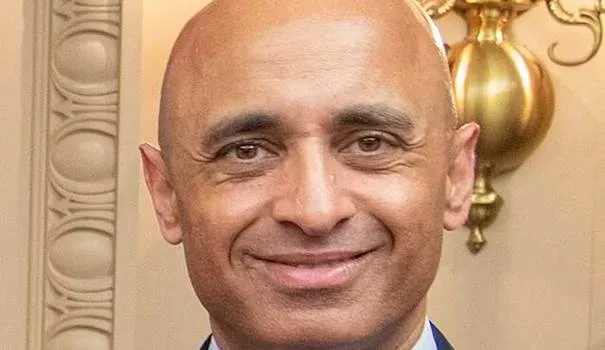
Yousef Al Otaiba, zdjęcie Departamentu Stanu autorstwa Freddie’ego Everetta, domena publiczna


Ambasador ZEA ostrzega USA

Hugh Fitzgerald


Państwa arabskie Zatoki Perskiej coraz bardziej obawiają się, że Amerykanie mogą zakończyć wojnę z Iranem, zanim kraj ten zostanie tak gruntownie osłabiony, by przez bardzo długi czas nie był w stanie ponownie zagrozić swoim sąsiadom. Państwa te stały się celem irańskich rakiet balistycznych i dronów, które spowodowały zniszczenia infrastruktury liczone w dziesiątkach miliardów dolarów. Sam Katar szacuje koszty napraw szkód wyrządzonych przez Iran na co najmniej 20 miliardów dolarów. Zjednoczone Emiraty Arabskie były celem większej liczby irańskich rakiet i dronów niż Izrael.

Państwa arabskie Zatoki naciskają na Amerykanów, aby kontynuowali wojnę do momentu całkowitego zniszczenia potencjału militarnego Iranu. Wyraziły również swoje oburzenie wobec innych członków Ligi Arabskiej — zwłaszcza Egiptu — za brak jednoznacznego potępienia Iranu i pełnej solidarności z państwami Zatoki. Teraz ambasador ZEA w USA przedstawił wizję swojego kraju dotyczącą tego, jak powinien wyglądać pokój z Iranem, w artykule opublikowanym w „Wall Street Journal”. Więcej na temat jego poglądów można znaleźć tutaj: „Ambasador ZEA w USA ostrzega przed zbyt wczesnym zakończeniem wojny z Iranem”, Jerusalem Post, 25 marca 2026:

Ambasador Zjednoczonych Emiratów Arabskich w Stanach Zjednoczonych, Yousef Al Otaiba, argumentował w artykule opinii opublikowanym w środę w „Wall Street Journal”, że wojna z Iranem powinna zakończyć się w sposób eliminujący długoterminowe zagrożenie ze strony Teheranu dla regionu. Przekaz ten pojawił się w momencie, gdy państwa Zatoki nasiliły publiczne ostrzeżenia dotyczące irańskich ataków na infrastrukturę cywilną i energetyczną.

W artykule zatytułowanym „ZEA przeciwstawiają się Iranowi” Al Otaiba napisał, że obecna wojna wymaga rozstrzygnięcia, które obejmie pełen zakres zagrożenia ze strony Islamskiej Republiki. Tekst ukazał się w środę po południu na stronach opinii „WSJ”.

Artykuł Al Otaiby pojawił się w momencie narastających sygnałów, że kluczowe państwa Zatoki przyjmują coraz twardsze publiczne stanowisko wobec Teheranu po tygodniach regionalnej eskalacji związanej z wojną USA i Izraela z Iranem.

Agencja Reuters poinformowała w środę, że państwa arabskie Zatoki powiedziały Radzie Praw Człowieka ONZ, iż ataki irańskich rakiet i dronów stanowią „egzystencjalne zagrożenie”, a przedstawiciele Kuwejtu i ZEA oskarżyli Iran o dążenie do destabilizacji porządku międzynarodowego poprzez terror i ekspansjonizm….

W tygodniu poprzedzającym publikację artykułu Otaiby Trump wypowiedział się w sposób sugerujący, że chciałby ogłosić zwycięstwo i zakończyć wojnę. Tekst Otaiby był częścią wysiłków państw Zatoki, aby ostrzec Amerykanów przed zakończeniem działań zbrojnych, zanim Iran utraci zdolność do odpowiedzi poprzez ataki na cele w regionie Zatoki.

W ciągu niespełna miesiąca ataki Iranu na wszystkich jego arabskich sąsiadów — zwłaszcza ZEA, Katar, Arabię Saudyjską i Kuwejt — popchnęły je ku cichemu sojuszowi z Izraelem. Gdy Siły Obronne Izraela niszczą w Iranie fabrykę rakiet balistycznych lub magazyn z 200 pociskami, zwiększają bezpieczeństwo nie tylko własne, lecz także państw Zatoki, które stały się celem irańskich ataków. Gdy IDF eliminuje dowódców Korpusu Strażników Rewolucji Islamskiej lub ponownie uderza w zakład wzbogacania uranu znajdujący się głęboko pod ziemią w Fordow, Natanz czy Isfahanie, ogranicza obecne i przyszłe możliwości Iranu do szkodzenia państwom Zatoki.

Państwa arabskie Zatoki zaczęły dostrzegać, że Izrael jest „najsilniejszym wrogiem” Islamskiej Republiki, a tym samym ich nieformalnym sojusznikiem. Nie chcą już osłabiać Izraela — przeciwnie, zależy im na jego sile. To Izrael ma zapewnić, że Islamska Republika nie będzie w stanie ponownie się uzbroić i zagrozić sąsiadom; to Izrael pomoże usunąć „klątwę” Hezbollahu z Libanu; to Izrael może wesprzeć monarchie Zatoki w powstrzymywaniu Bractwa Muzułmańskiego, które stanowi stałe zagrożenie dla ich istnienia. ZEA, Arabia Saudyjska, Kuwejt, a nawet Katar — państwo, które przez lata wspierało Hamas i udzielało schronienia jego przywódcom — postrzegają dziś Izrael jako niezbędną siłę stabilizującą w regionie. Jeszcze rok temu — kto by pomyślał?


Link do oryginału: https://jihadwatch.org/2026/03/uaes-ambassador-to-the-u-s-issues-a-warning

Jihad Watch, 28 marca 2026


Zawartość publikowanych artykułów i materiałów nie reprezentuje poglądów ani opinii Reunion’68,
ani też webmastera Blogu Reunion’68, chyba ze jest to wyraźnie zaznaczone.
Twoje uwagi, linki, własne artykuły lub wiadomości prześlij na adres:
webmaster@reunion68.com



Israel’s sniveling classes are in the minority


Israel’s sniveling classes are in the minority

Ruthie Blum


Journalist Netta Seroussi claims that the Jewish state owes her “a long list of apologies.” Social-media followers disagree with a vengeance.

Israelis enjoy the Tel Aviv beach despite the ongoing missile fire from Iran and Lebanon, March 24, 2026. Photo by Chaim Goldberg/Flash90.

If there were an Olympic sport for self-pity in a flourishing country, Israel might finally take home the gold—courtesy of its most comfortable citizens.

In a March 27 post on X, Netta Seroussi—a staffer at Channel 12’s “Uvda” (“Fact”), hosted by bleeding-heart Ilana Dayan—was clearly vying for the coveted medal.

“In my area code, there isn’t a single person who isn’t thinking about emigrating—some in practical terms, others as a wish,” she wrote, with readers understanding full well that the reference was to Tel Aviv. “It’s long since not just high-tech workers and doctors. Public-sector and third-sector employees, with no real employment prospects abroad, are willing to throw years of local experience into the garbage in order to give the next generation a different future.”

Never mind that this isn’t how the rest of us, including residents of the White City, perceive the sentiment of our neighbors; if that’s Seroussi’s experience, so be it. But her follow-up rant revealed the real motive behind her observation.

“I think about my grandmother, Alisa, who spent weeks vomiting on a ship from Montevideo to reach the Promised Land, or about my grandfather, Dov, an Irgun activist who was a prisoner of Zion in Africa for four years,” she stated, adding the clincher, “Of everything on the long list of apologies that the state owes me, this is perhaps the most unforgivable.”

One has to admire the sheer audacity of her words, even if her syntax leaves much to be desired. To invoke the trials and tribulations of her grandparents, who embodied the essence of Zionist history, to whine about her plight in the modern miracle of the Jewish state they helped to build goes beyond chutzpah.

Worse than that, she actually believes that the state owes her multiple “apologies” for failing to meet her expectations and those of her “area code” peers. Not the majority, mind you, but a narrow slice of society: urban, for the most part, economically secure and culturally influential.

Thankfully, her insulated bubble was burst by a slew of social-media followers who couldn’t tolerate the spoiled-brat attitude.

The following comments constitute a taste of the outrage on the part of Israelis who rejected her complaints:

    • “No one owes you anything. Certainly not an apology. You’re more than welcome to leave. Bye.”
    • “‘The state owes me an apology’… that’s where the failure is … No one owes me anything, and I’m not a victim.”
    • “Your grandfather fought so you could live in your own country—and you want to leave and blame it? What would he think?”
    • “In my ‘area code,’ nobody’s thinking about emigrating. There are challenges—but also dedication and hope.”
    • “You should be asking your grandparents for forgiveness—not the state asking you.”
    • “We see the problems—and still don’t think for a moment about giving up. The people of Israel live, thrive and endure.”

In other words, outside the curated echo chamber of the likes of Seroussi, Israelis are doing what we always do: debate, grumble and persevere—raising families at the highest rate in the Western world, and managing, against all odds, to sustain an upbeat mood under the constant strain of having to defend against enemies bent on wiping us off the map.

Seroussi’s woe-is-me theatrics aside, Israel ranks eighth on the latest World Happiness Report. Evidently, the citizens polled neglected to align their answers about their overall well-being with the gloom and doom emanating from left-wing Hebrew-language TV studios.

Not only that. Surveys indicate that an overwhelming majority of Israelis back the war against Iran and its proxy Hezbollah in Lebanon—despite having spent the past month running to bomb shelters throughout the day and wee hours of the night.

Seroussi and her fellow moaners are free to view things differently. They’re also at liberty to depart for what they imagine to be greener pastures abroad.

Such prerogatives are among the many options taken for granted by the sniveling classes. You know, the people who tend to omit a certain inconvenient phenomenon for Jews, regardless of their political persuasion: the explosion of antisemitism in New York, London, Paris and just about everywhere else.

It’s open Jew-hatred that would have seemed unfathomable not long ago, though probably not to Seroussi’s grandparents.


Ruthie Blum, a former adviser at the office of Israeli Prime Minister Benjamin Netanyahu, is an award-winning columnist and a senior contributing editor at JNS. Co-host with Ambassador Mark Regev of the JNS-TV podcast “Israel Undiplomatic,” she writes on Israeli politics and U.S.-Israel relations. Originally from New York City, she moved to Israel in 1977. She is a regular guest on national and international media outlets, including Fox, Sky News, i24News, Scripps, ILTV, WION and Newsmax.


Zawartość publikowanych artykułów i materiałów nie reprezentuje poglądów ani opinii Reunion’68,
ani też webmastera Blogu Reunion’68, chyba ze jest to wyraźnie zaznaczone.
Twoje uwagi, linki, własne artykuły lub wiadomości prześlij na adres:
webmaster@reunion68.com


Why Do Democrats Refuse to Accept That Lebanon Still Supports Hezbollah?


Why Do Democrats Refuse to Accept That Lebanon Still Supports Hezbollah?

Eric Bordenkircher


Smoke rises after an Israeli strike, amid escalating hostilities between Israel and Hezbollah, as the US-Israeli conflict with Iran continues, in southern Lebanon, March 28, 2026. Photo: REUTERS/Stringer

The progressive wing of the Democratic Party is working overtime to craft a US foreign policy in the Middle East defined by flawed thinking. The latest example comes from Senator Elizabeth Warren of Massachusetts.

On the afternoon of March 21, the left-wing senator felt compelled to share her bewildering thoughts on X, and tweeted:

Pay Attention to Lebanon.

Trump and Netanyahu started a regional war in the Middle East, creating a humanitarian disaster.                      

And now, the Israeli army has killed over 1,000 people in Lebanon — about 20% of them are kids.

Congress should not bankroll this escalating war of choice.

For anyone with knowledge about Lebanon, the Middle East, and US foreign policy in the region, the senator’s words are baffling, if not insulting. 

Warren’s crude attempt to curry opposition to Israeli self-defense reveals her bizarre rationalization and confused thinking. In her bizarro world, a country that strung along and lied to the US government while working to extort additional US tax dollars is considered a victim. 

If the former Democratic presidential candidate had been paying attention to Lebanon prior to March 21, she would have acknowledged that Lebanon has refused to stop Hezbollah from committing terror attacks against Israelis — and exporting its terror globally — and that a decades-old US policy (which she has never vocally and explicitly opposed) has been an utter failure.

Since 2006, the US government has bankrolled the “rebuilding” of the Lebanese Armed Forces (LAF) to the tune of billions of US tax dollars. Repeated incidents demonstrate that all the arming, training, and even paying the salaries of some soldiers did nothing to diminish the hollowness of the institution.

The latest example of LAF ineffectiveness occurred on March 2. Hezbollah launched its most recent unprovoked attack on Israel. It was an attack that the LAF via the Lebanese government told US authorities (barely two months ago) could not happen.

Lebanese authorities asserted that the area extending north from the Israeli-Lebanese border to the Litani River was clear of Hezbollah and its arms.

In addition to this falsehood, Lebanese authorities requested more funding to continue disarming Hezbollah.

The US and allies obliged by scheduling a LAF funding conference on March 5 in Paris. But the events of March 2 demonstrated that Lebanon either cannot — or will not — do what it has promised the international community in return for billions in aid. Fortunately for American taxpayers, the outbreak of violence in the region postponed the conference.

If the senior senator from Massachusetts had been paying attention to Lebanon prior to March 21, she would have also acknowledged the futility of diplomacy until conditions on the ground change.

The Biden-mediated ceasefire between Israel and Lebanon (which began on November 27, 2024) proved to be naïve and premature. The Lebanese state (once again) failed to keep its word by bringing the militia and terrorist group to heel (even in a limited area). Despite its considerable degradation, Hezbollah retained its weapons and maximalist goal — the destruction of Israel.

The Left needs to understand that right now, anything with the Lebanese government’s name on it is worth as much as the Lebanese pound — next to nothing. Suspending fighting is tantamount to giving Hezbollah the opportunity to regroup and rearm.   

The former Democratic presidential candidate indulges in denying agency to Israel and America’s enemies. Senator Warren ignores that the humanitarian disaster engulfing Lebanon is self-inflicted. Hezbollah and its supporters invited it. The Lebanese government did not prevent it, despite having 15 months to disarm Hezbollah. Instead, it dragged its feet, looking for any excuse to delay the job.   

What makes Warren’s tweet more insufferable is that many of the causalities and the parents of deceased children she speaks of are supporters of Hezbollah and its allies. They put themselves and their families in danger. They repeatedly voted for them in municipal and parliamentary elections (many will do it again), and celebrate the culture of “resistance.”

Segments of the now-displaced population never divulged the whereabouts of Hezbollah’s munitions to the state, or the population actively cooperated in concealing them. Is one expected to believe that the posters of former Hezbollah soldiers and its allies that line many roads in southern Lebanon are just decorative?

Senator Warren must also realize that Iran and its proxies chose to create a regional war. Iran chose to attack its Arab and Turkish neighbors, embassies, and international shipping. Hezbollah chose to attack Israel — at the direction of Iran.   

But in the progressive mindset of Senator Warren, these are secondary or insignificant issues. Lebanon’s failures, irresponsibility, and extortion are forgivable or forgettable.  

As witnessed by the tweet, her obsession with blaming Israel and the US is all-consuming; it defies logic and understanding. For the self-proclaimed progressive, restraining Israel is the priority. Labeling Israel the aggressor and US complicity is the norm. Denying Israel funding is the objective. Will any of this resolve the conflict? The senator has no real answer.  

Sadly, Senator Warren’s words and thoughts are not unprecedented, let alone uncommon. Progressives in the House and Senate share similar views. As the influence of the progressive wing in the Democratic party grows regarding foreign policy matters, understanding Senator Warren’s warped mind provides a glimpse of what to expect from the future of the party. 


Eric Bordenkircher, Ph.D., is a research fellow at UCLA’s Center for Middle East Development. He tweets at @UCLA_Eagle. The views represented in this piece are his own and do not necessarily represent the position of UCLA or the Center for Middle East Development.


Zawartość publikowanych artykułów i materiałów nie reprezentuje poglądów ani opinii Reunion’68,
ani też webmastera Blogu Reunion’68, chyba ze jest to wyraźnie zaznaczone.
Twoje uwagi, linki, własne artykuły lub wiadomości prześlij na adres:
webmaster@reunion68.com