Archive | 2026/04/22

Fikcja “rozbrojenia” Hamasu

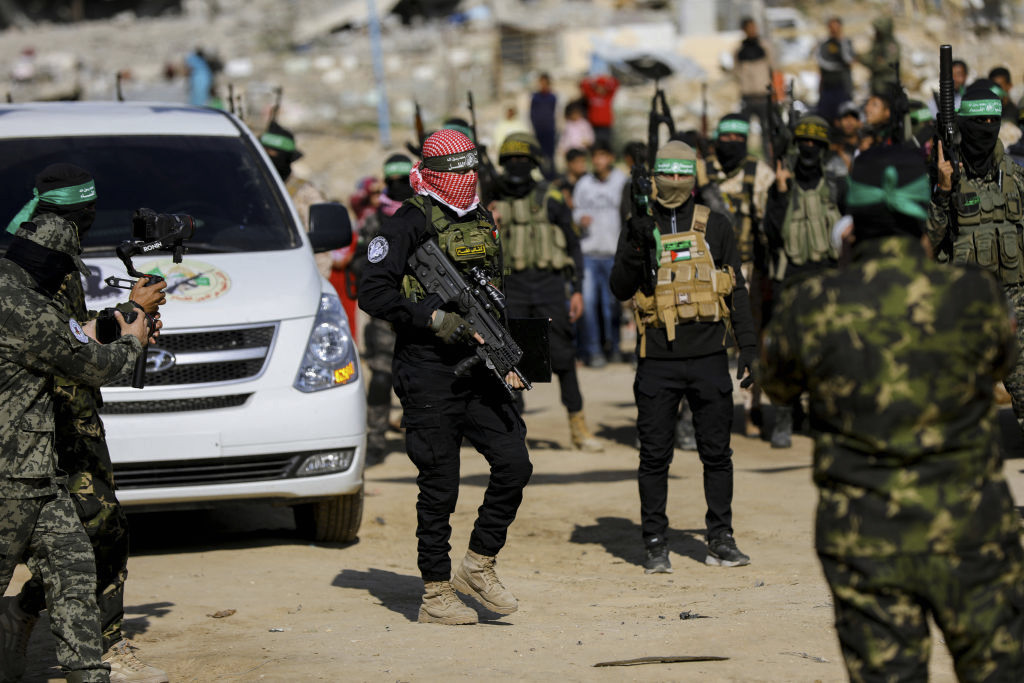
Na zdjęciu: Terroryści z Hamasu w Strefie Gazy, 15 lutego 2025 r. (Zdjęcie: Moiz Salhi/Middle East Images/AFP via Getty Images)

Fikcja “rozbrojenia” Hamasu

Khaled Abu Toameh
Tłumaczenie: Andrzej Koraszewski


Hamas i inne palestyńskie organizacje terrorystyczne ponownie odrzuciły żądania “Rady Pokoju” prezydenta USA Donalda J. Trumpa dotyczące złożenia broni.

Odmowa przekazania broni przez palestyńskie grupy terrorystyczne pokazuje, że nie traktują one poważnie powtarzanych przez Trumpa gróźb, iż muszą się rozbroić w ramach wynegocjowanego przez USA w październiku 2025 r. planu zawieszenia broni i odbudowy Strefy Gazy. Trump wystosował swoją najnowszą groźbę w lutym 2026 r., ostrzegając, że Hamas spotka się z “surową odpowiedzią”, jeśli nie zgodzi się na rozbrojenie.

Hamas, podobnie jak Iran, nadal traktuje ideę rozbrojenia z mieszaniną lekceważenia i retorycznego sprzeciwu, jasno sygnalizując, że nie ma zamiaru zrezygnować ze swojej broni ani zmienić swojego dążenia do eliminacji Izraela.

Dla Hamasu rozbrojenie nie jest poważną propozycją. Jest raczej narzędziem teatru politycznego — sposobem manipulowania darczyńcami i umacniania swojej kontroli nad Strefą Gazy.

Najnowsza odmowa rozbrojenia przez palestyńskie organizacje terrorystyczne nastąpiła po otrzymaniu przez nie szczegółowego, 12-punktowego planu rozbrojenia od “Rady Pokoju”.

Plan przewiduje ośmiomiesięczny harmonogram:

1. Przygotowanie (dni 1–15) – palestyński komitet technokratyczny przejmuje kontrolę nad bezpieczeństwem i rozpoczyna działania przygotowawcze.

2. Ciężkie uzbrojenie (dni 16–40) – Izrael usuwa ciężkie uzbrojenie; rozmieszczane są międzynarodowe siły bezpieczeństwa.

3. Zniszczenie infrastruktury (dni 31–90) – likwidacja wszystkich tuneli i infrastruktury wojskowej.

4. Pełna zbiórka (dni 91–250) – lokalne siły policyjne zbierają i rejestrują całą pozostałą broń palną, w tym karabiny i pistolety.

Palestyński urzędnik bliski rozmowom między “Radą Pokoju” a Hamasem stwierdził, że plan jest “niesprawiedliwy” i że Hamas będzie dążył do “poprawek i ulepszeń”.

Anonimowy urzędnik powiedział, że plan nie zapewnia gwarancji, iż Izrael wywiąże się ze swoich zobowiązań. Dodał również, że powiązanie odbudowy i poprawy warunków życia z kwestiami politycznymi, takimi jak rozbrojenie, może doprowadzić do wznowienia wojny.

Trzy palestyńskie organizacje terrorystyczne — Palestyński Islamski Dżihad (PIJ), Ludowy Front Wyzwolenia Palestyny (PFLP) oraz Demokratyczny Front Wyzwolenia Palestyny (DFLP) — wydały osobne oświadczenia krytykujące plan. Stwierdziły, że niesprawiedliwie stawia on rozbrojenie ponad takimi kwestiami jak odbudowa i wycofanie się Izraela.

PIJ napisał w swoim oświadczeniu:

“Broń oporu należy do narodu palestyńskiego i stanowi podstawowe narzędzie realizacji jego celów narodowych, przede wszystkim zakończenia okupacji i ustanowienia niepodległego państwa.”

Wysoki rangą przedstawiciel Hamasu, Ismail al-Sindawi, stwierdził, że sedno kryzysu “leży w okupacji”. Broń palestyńskich frakcji — jak powiedział — “jest naturalną konsekwencją okupacji”.

Hamas nie uznaje prawa Izraela do istnienia w jakichkolwiek granicach. Całe terytorium od Jordanu po Morze Śródziemne uważa za islamski wakf (dobro powierzone), należący do muzułmanów z boskiego nadania.

W ujęciu Hamasu powstanie Izraela na jakiejkolwiek części tej ziemi jest nielegalnym “projektem syjonistycznym” i formą kolonialnej okupacji. Karta Hamasu z 1988 roku ujmuje konflikt jako religijny i wzywa do “wyzwolenia całej Palestyny”.

Gdy Hamas mówi o “oporze” (muqawama), ma na myśli szeroki program mający na celu zniszczenie Izraela poprzez brutalny dżihad, podobnie jak islamski podbój Bizancjum czy turecka inwazja na północny Cypr w 1974 roku.

PFLP podkreślił, że “opór jest prawem narodu palestyńskiego”. Według tej organizacji “broń oporu nigdy nie była narzędziem chaosu, lecz środkiem ochrony narodu palestyńskiego”.

Z kolei DFLP ostrzegł, że wszelkie ustalenia dotyczące broni muszą być częścią jednolitego stanowiska palestyńskiego, twierdząc jednocześnie, że Izrael “stara się osiągnąć zyski polityczne poprzez presję dyplomatyczną po swojej porażce militarnej”.

Szejk Salem al-Sufi, przewodniczący Rady Plemion i Klanów Beduińskich w Strefie Gazy, powiedział, że broń palestyńskich organizacji terrorystycznych stanowi “ducha” narodu palestyńskiego. Podkreślił, że oddanie broni “nie wchodzi w grę bez osiągnięcia bezpieczeństwa i ustanowienia niepodległego państwa palestyńskiego”.

Według “Independent Arabia”, “Rada Pokoju” przedstawiła niedawno Hamasowi zestaw gwarancji określanych jako kuszące, lecz złożone.

Rzekome gwarancje obejmują przyznanie organizacji międzynarodowego parasola ochronnego poprzez rozmieszczenie międzynarodowych sił bezpieczeństwa i obserwatorów na granicy między Izraelem a Strefą Gazy, a także pisemne zobowiązanie USA, że Izrael nie będzie prowadził operacji wojskowych ani zamachów.

Zgodnie z tym samym raportem, około 20 000 bojowników Hamasu ma zostać włączonych do nowej formacji bezpieczeństwa i otrzymywać wynagrodzenie z funduszy międzynarodowych, przy czym formacja ta miałaby status oficjalnego aparatu bezpieczeństwa.

“Rada Pokoju” miała również zaoferować terrorystom Hamasu “immunitet polityczny i prawny”, gwarantując brak ścigania w zamian za udział w lokalnej radzie zarządzającej.

Jeśli to prawda, oznacza to uznanie Hamasu za dopuszczalnego partnera w przyszłym zarządzaniu Strefą Gazy. Samo prowadzenie takich negocjacji jest wysoce problematyczne — grozi legitymizacją organizacji terrorystycznej, utrwaleniem jej autorytarnej władzy oraz zwiększeniem ryzyka kolejnych masakr.

Włączenie terrorystów do aparatu bezpieczeństwa wysyła sygnał, że terroryzm nie pociąga za sobą konsekwencji, a sprawcy przemocy mogą płynnie przechodzić do oficjalnych struktur bez realnego rozbrojenia.

Legitymizacja takich grup — jak w przypadku talibów — podważa rządy prawa i zachęca inne organizacje terrorystyczne. Bez wiarygodnych mechanizmów egzekwowania, wspieranych przez społeczność międzynarodową, wezwania do rozbrojenia pozostają iluzją.

Ostatecznie rozbrojenie wymaga koordynacji między USA, kluczowymi państwami arabskimi i islamskimi oraz partnerami europejskimi, aby zapewnić spójny nacisk i przekaz.

Trudno jednak oczekiwać, że państwa sprzyjające Hamasowi — takie jak Katar, Turcja czy Pakistan — będą rzeczywiście uczestniczyć w zmuszaniu palestyńskich organizacji terrorystycznych do rozbrojenia.

“Rada Pokoju” będzie musiała wywierać presję — jako pierwszy krok w kierunku wymuszenia rozbrojenia.

Presja ta może obejmować odcinanie finansowania i dostaw wojskowych poprzez sankcje, ściślejszy nadzór nad przepływem pomocy oraz przeciwdziałanie przemytowi broni do Strefy Gazy. Odbudowa powinna być powiązana z weryfikowalnymi krokami w kierunku demilitaryzacji. Jeśli terroryści pozostaną nieugięci, Izrael może być zmuszony użyć siły militarnej w celu likwidacji wszystkich grup terrorystycznych w Strefie Gazy.

Bez takiej presji plany rozbrojenia będą nadal odrzucane. Każdy plan zakładający dobrowolne złożenie broni przez te grupy jest niebezpiecznie naiwny.


Zawartość publikowanych artykułów i materiałów nie reprezentuje poglądów ani opinii Reunion’68,
ani też webmastera Blogu Reunion’68, chyba ze jest to wyraźnie zaznaczone.
Twoje uwagi, linki, własne artykuły lub wiadomości prześlij na adres:
webmaster@reunion68.com



Iran Expands Child Soldier Recruitment, Cracks Down on Dissent Amid Escalating US-Israeli Strikes


Iran Expands Child Soldier Recruitment, Cracks Down on Dissent Amid Escalating US-Israeli Strikes

Ailin Vilches Arguello


A blaze after Israel’s Fire and Rescue Service said that an industrial building and a fuel tanker at Israel’s Oil Refineries were hit by debris from an intercepted Iranian missile, amid the US-Israel conflict with Iran, in Haifa, Israel, March 30, 2026. Photo: REUTERS/Rami Shlush

As US and Israeli strikes pound Iranian military sites, Iran is lowering the enlistment age for security roles to 12 and threating civilians with death for photographing war damage, fueling international outrage.

Last week, Iran’s Islamic Revolutionary Guard Corps (IRGC) announced a campaign recruiting children as young as 12 to serve as “Homeland Defending Combatants for Iran,” assisting with patrols, checkpoints, and logistics.

With the minimum age for war roles officially lowered to 12, human rights groups are now condemning the move, demanding that Iranian authorities immediately halt the campaign while imposing a complete ban on enlisting children under 18 in all military and paramilitary forces.

“There is no excuse for a military recruitment drive that targets children to sign up, much less 12-year-olds,” Bill Van Esveld, associate director for children’s rights at Human Rights Watch, said in a statement. “What this boils down to is that Iranian authorities are apparently willing to risk children’s lives for some extra manpower.”

“The officials involved in this reprehensible policy are putting children at risk of serious and irreversible harm and themselves at risk of criminal liability,” Van Esveld continued. “Senior leaders who fail to put a stop to this can make no claim to care for Iran’s children.”

For years, Iran has drafted children under 18 into the Basij militia, with Human Rights Watch documenting boys as young as 14 years old killed in combat, revealing a brutal pattern of exploiting children on the battlefield.

In the past, widely circulated social media images and videos have repeatedly shown children and teenagers in military-style uniforms cracking down on protests, including during the 2022 Woman, Life, Freedom uprising, which erupted nationwide after Mahsa Amini, a young Kurdish woman, died in a Tehran police station following her arrest for allegedly violating hijab rules.

Under international law, Iran’s latest initiative flagrantly violates the Convention on the Rights of the Child, which explicitly prohibits the use of children in military activities, marking a dramatic breach of its global obligations.

Human Rights Watch also uncovered multiple other war crimes, including the Iranian government’s relentless use of cluster munitions delivered by ballistic missiles at Israel since the conflict erupted last month. At least four civilians have been killed in these strikes, which constitute clear violations of international humanitarian law.

“Iran’s use of cluster munitions in populated areas in Israel pose a foreseeable and long-lasting danger to civilians,” Patrick Thompson, a researcher in HRW’s Crisis, Conflict, and Arms Division, said in a statement. “Cluster munition bomblets are dispersed over a wide area, making them unlawfully indiscriminate in violation of the laws of war.”

Fired from rockets, missiles, or aircraft, cluster munitions spread dozens of explosive bomblets across large areas, leaving many unexploded and posing a long-term, landmine-like danger to civilians for years or even decades.

Amid relentless US and Israeli attacks and mounting international pressure, the regime is also intensifying its domestic crackdown, now warning that photographing war-damaged areas could carry the death penalty.

Under this newly enacted policy, people accused of spying or cooperating with “hostile states” could face the death penalty and have all their assets confiscated.

Anyone caught photographing damaged sites could be accused of espionage, potentially providing intelligence to coalition forces, and face execution.

“People who take photos or videos of damaged sites and share them are effectively confirming whether strikes hit their targets,” Iran’s judiciary spokesperson Asghar Jahangir said on Tuesday, describing the action as the equivalent of cooperating with and providing intelligence to the enemy.

According to Iranian media and watchdog groups, more than 1,000 people have been arrested this month for filming sensitive locations, sharing anti-government content online, or allegedly “cooperating with the enemy.”

Against the backdrop of large-scale US and Israeli strikes pounding key regime strongholds in Shiraz and Isfahan — where critical military infrastructure has been repeatedly hit — tensions have surged to a boiling point as the pressure campaign intensifies

On Tuesday, the Israeli Air Force launched another sustained wave of precision airstrikes against Iranian weapons production and research facilities around Tehran, seeking to disrupt and dismantle the missile supply and manufacturing networks that support Tehran’s military arsenal.

Meanwhile, the IRGC this week threatened 18 American multinational technology and industrial companies, accusing them of involvement in “terrorist operations” and labeling them as “legitimate targets.”

“We advise the employees of these institutions to immediately distance themselves from their workplaces to preserve their lives,” the statement published on Tuesday said. “These companies should expect the destruction of their respective units in exchange for each terror act in Iran, starting from 8 PM Tehran time on Wednesday, April 1st.” 

Among the companies mentioned were major corporations such as Microsoft, Google, Apple, Intel, IBM, Tesla, and Boeing.


Zawartość publikowanych artykułów i materiałów nie reprezentuje poglądów ani opinii Reunion’68,
ani też webmastera Blogu Reunion’68, chyba ze jest to wyraźnie zaznaczone.
Twoje uwagi, linki, własne artykuły lub wiadomości prześlij na adres:
webmaster@reunion68.com

On Memorial Day, Netanyahu frames Israel’s fallen as ‘foundation of our independence’


On Memorial Day, Netanyahu frames Israel’s fallen as ‘foundation of our independence’

JNS Staff


“The people remember. The people salute. The people are deeply grateful to the sons and daughters, thanks to whom our existence is assured,” the prime minister said.

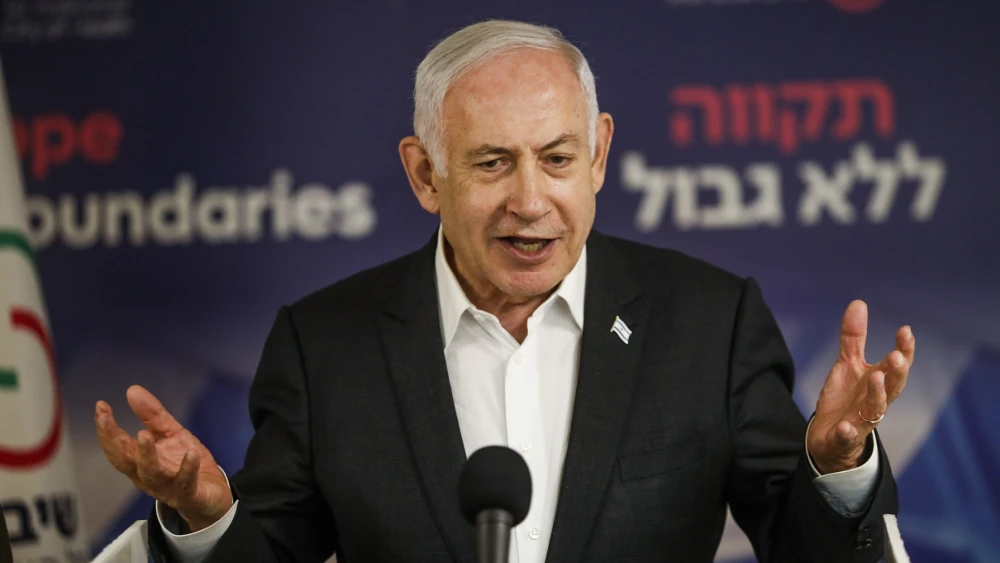
Israeli Prime Minister Benjamin Netanyahu speaks during a press conference at Sheba Medical Center at Tel HaShomer in Ramat Gan, June 8, 2024. Photo by Tomer Appelbaum/POOL.

Israeli Prime Minister Benjamin Netanyahu, speaking in Jerusalem on Israel’s Memorial Day, which began on Monday evening, said the day is one of “heavy sorrow” but also the “anchor of unifying togetherness.”

“The people remember. The people salute. The people are deeply grateful to the sons and daughters, thanks to whom our existence is assured. In the words of the prophet Isaiah: ‘For a people in Zion dwelt in Jerusalem, weep and do not weep,’ ” the prime minister said at a ceremony of Yad LaBanim, the official group commemorating Israel’s fallen.

Among those attending the ceremony were the speaker of the Knesset, the president of the Supreme Court, Israel’s chief rabbis, and the mayor of Jerusalem.

Netanyahu said the loss of a loved one always stays with the families of those who have fallen. He recalled how, after 50 years, his family still longs for his elder brother, Jonathan, who died leading the 1976 raid on Entebbe.

The prime minister spoke of Heli Wolfstall, who lost her son Ariel, an armored battalion officer, in the recent war. Wolfstall went to Poland as part of a group, ‘Witnesses in Uniform,’ with IDF company commanders.

Before the journey, Netanyahu related how she collected stones from the cemetery where her son was buried and took them to Treblinka, Birkenau, and the cemetery in Krakow, where soldiers of the Jewish Brigade, which fought the Nazis in Europe, were buried.

“There, in Krakow, Heli and IDF officers placed the stones of the Land of Israel on the graves of the fighters during the Holocaust. The officers sought to express their deep feeling that they were the successors of their predecessors in the same mission to ensure the eternity of Israel,” Netanyahu said.

Quoting Wolfstall, he said: “My family and I have paid the price of revival, and our hearts are torn, but this journey illustrated to me what would have happened if we hadn’t had the Israel Defense Forces. Instead of complete helplessness, today we have the strength and the spirit to fight back against our enemies.”

Netanyahu added: “This is precisely the difference between the reality of our life in terrible exile and the life of revival on the land of Israel. In contrast to the recent past, today we have a home, and we must guard it with all our might. The 25,648 fallen soldiers of Israel’s wars, joined by the fallen of the last few days on the Lebanese front, Barak Kalfon and Lidor Porat, are the foundation of our independence.”

He said that in every generation, there are those who rise up to destroy the Jewish people. Iran would have done so with nuclear bombs if Israel hadn’t struck first. “The names Natanz, and Fordow and Isfahan—these death sites would have joined the names of the death camps Auschwitz, Birkenau and Treblinka. But we acted and crushed the murder plot.”

Netanyahu described the current generation of fighters as the “generation of victory.”

Israel’s superiority over Iran has been proven, he said, as its flag flies from positions in Gaza to Mount Hermon on the Golan Heights, and its planes control the skies over Iran.

“We are not done yet,” he said. “But the world already knows our determination to defend ourselves; to protect not only ourselves, to protect humanity as well, from barbaric fanaticism.”


Zawartość publikowanych artykułów i materiałów nie reprezentuje poglądów ani opinii Reunion’68,
ani też webmastera Blogu Reunion’68, chyba ze jest to wyraźnie zaznaczone.
Twoje uwagi, linki, własne artykuły lub wiadomości prześlij na adres:
webmaster@reunion68.com