Archives

‘Goebbels Is Applauding From Hell’: UN Investigator Pillay, Who Accused Israel of Genocide, Wins Nobel Peace Prize


‘Goebbels Is Applauding From Hell’: UN Investigator Pillay, Who Accused Israel of Genocide, Wins Nobel Peace Prize

Debbie Weiss


Member of the United Nations Independent International Commission of Inquiry on the Occupied Palestinian Territory, including East Jerusalem, and in Israel, Navanethem Pillay speaks during a press briefing at the United Nations headquarters in New York, US, Oct. 27, 2022. Photo: REUTERS/Eduardo Munoz

Navi Pillay, the former United Nations human rights chief who led an investigation accusing Israel of genocide in Gaza, was awarded the 2026 Nobel Peace Prize on Friday for her contributions to international law and justice.

The Norwegian Nobel Committee awarded the prize to the 85-year-old South African jurist “for her efforts to promote peace and international law,” praising her decades of work prosecuting war crimes, crimes against humanity, and genocide.

“The system of international law is under tremendous pressure, and its institutions are under attack,” the Nobel Committee said in announcing its decision. It described Pillay as having “exceptional courage and integrity.”

Pillay’s selection comes a year after a UN Commission of Inquiry (COI) she chaired concluded that Israel had committed genocide in Gaza.

Israel’s Foreign Ministry condemned the award on Friday, accusing the Nobel Committee of legitimizing anti-Israel hatred and prejudice by honoring a figure who had promoted what it called the “genocide lie.”

The ministry described the decision as a “grotesque weaponization of an award” and said that Nazi propaganda minister Joseph Goebbels “is certainly applauding from hell.”

“If there were an award for lies, hatred, and blood libels, Navi Pillay wouldn’t just be a contender. She’d be a frontrunner,” the ministry said in a statement posted on X.

Anne Herzberg, legal adviser and UN representative for the Jerusalem-based watchdog NGO Monitor, accused Pillay of enabling antisemitism throughout her career at the United Nations.

“At a time when antisemitism is spiraling out of control, it is hardly surprising that the Nobel Peace Prize Committee chose to give this year’s award to Navi Pillay, who in her various UN roles has allowed Jew hatred and demonization of Israel to flourish,” Herzberg told The Algemeiner, describing the Nobel Committee’s choice as part of a history of inappropriate selections.

She accused Pillay of “egregious antisemitic remarks and repeatedly violat[ing] international fact-finding standards” while chairing the commission.

“She has whitewashed Hamas terrorism and spread the genocide blood libel,” Herzberg said.

The COI concluded in a 72-page report released in September last year that Israeli authorities had committed four of the five acts constituting genocide under the 1948 Genocide Convention in a bid to “destroy the Palestinians.”

“It is that there is an intent to destroy the Palestinians in Gaza through acts that meet the criteria set forth in the Genocide Convention,” Pillay said. 

The commission accused Israel of wantonly killing Palestinians, causing “serious bodily or mental harm,” imposing conditions intended to bring about their destruction, and “imposing measures intended to prevent births.” It also accused Prime Minister Benjamin Netanyahu, President Isaac Herzog, and former Defense Minister Yoav Gallant of inciting genocide.

Israel rejected the findings as politically motivated and unfounded, maintaining that its military operations were directed against Hamas following the terrorist group’s Oct. 7, 2023, massacre, rather than against Palestinians as a people.

The genocide report followed a March 2025 investigation in which the same commission accused Israel of committing genocidal acts and employing sexual violence against Palestinians, allegations rejected by Israeli officials.

Israel’s mission to the UN in Geneva challenged the commission’s methodology, arguing that investigators had accepted secondhand and uncorroborated allegations against Israeli soldiers while applying more demanding evidentiary standards when examining Hamas’s conduct.

Pillay’s appointment to lead the commission had drawn objections years before the genocide findings.

In February 2022, Geneva-based watchdog UN Watch submitted a 30-page complaint calling for her recusal, arguing that she had publicly prejudged issues she was subsequently appointed to investigate.

The complaint cited a 2020 petition Pillay signed demanding sanctions against what its organizers called apartheid Israel, as well as a 2017 interview in which she asserted that racial segregation amounting to apartheid was taking place in Israel.

The commission itself, established following the May 2021 war between Israel and Hamas, drew criticism for its unprecedented open-ended mandate.

In June 2023, the United States and 26 other countries condemned the inquiry at the UN Human Rights Council, criticizing its unlimited duration and what they described as disproportionate scrutiny of Israel. 

The controversy also extended to Pillay’s fellow commissioners.

In 2022, Indian human rights expert Miloon Kothari suggested that a “Jewish lobby” exercised control over social media and questioned why Israel was permitted to remain a UN member state. Kothari subsequently apologized following international criticism.

Another commissioner, Australian human rights expert Chris Sidoti, drew criticism for saying accusations of antisemitism were “thrown around like rice at a wedding.”

Pillay defended her colleagues against allegations of antisemitism and, when questioned again about Kothari’s remarks in 2023, said the matter had already been addressed.

Herzberg also pointed to Pillay’s tenure as UN High Commissioner for Human Rights during the 2009 Durban Review Conference, at which then-Iranian President Mahmoud Ahmadinejad delivered an anti-Israel speech that prompted European diplomats to walk out. Pillay publicly condemned his remarks afterward but criticized governments that boycotted the conference.

In 2014, more than 100 US lawmakers signed a letter addressed to Pillay accusing the Human Rights Council of investigating Israel rather than Hamas during the Gaza war and declaring that the body “simply cannot be taken seriously as a human rights organization.”

In September 2023, more than 30 Jewish and civil rights groups called on three major US law firms to withdraw their sponsorship of an international law conference that planned to present Pillay with an Outstanding Achievement Award despite her “bigotry” and harboring a “bias that fundamentally undermines the fight against antisemitism, Israeli-Palestinian peace prospects.”

Born in Durban in 1941 to a family of Indian descent, Pillay served as a judge at the International Criminal Court and as UN High Commissioner for Human Rights from 2008 to 2014. 

NGO Monitor founder and president Gerald Steinberg also issued a blistering condemnation of the Nobel Committee’s decision.

“Honoring notorious antisemite Navi Pillay with the Nobel Peace Prize is one more obscene step in the madness. If the committee would have been around in 1492, they would have given the award to Grand Inquisitor Tomás de Torquemada. Who is next – Francesca Albanese?” Steinberg told The Algemeiner, referring to the Spanish Inquisition’s first grand inquisitor and the UN special rapporteur on the Palestinian territories, who has accused IDF forces of raping, abducting, and executing Palestinian women, among other charges.


Zawartość publikowanych artykułów i materiałów nie reprezentuje poglądów ani opinii Reunion’68,
ani też webmastera Blogu Reunion’68, chyba ze jest to wyraźnie zaznaczone.
Twoje uwagi, linki, własne artykuły lub wiadomości prześlij na adres:
webmaster@reunion68.com


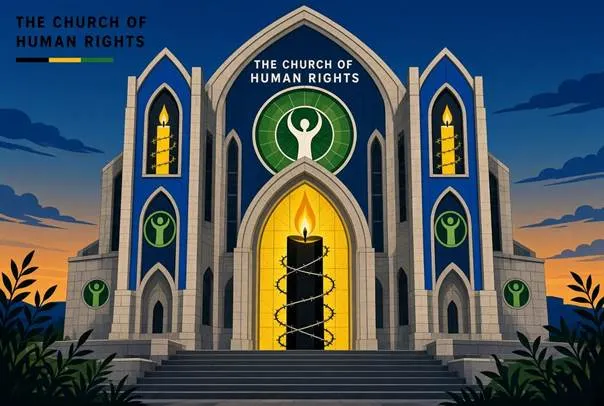
Kościół Praw Człowieka


Kościół Praw Człowieka

Elder of Ziyon


Instytucje, które osądzają wszystkich innych, same nie podlegają kontroli.


Od lat analizuję i krytykuję raporty oraz oświadczenia organizacji praw człowieka, takich jak Amnesty International i Human Rights Watch, znajdując w nich zarówno błędy, jak i dowody wyraźnej stronniczości. Jeden motyw powraca nieustannie: organizacje, które twierdzą, że walczą z bezkarnością możnych tego świata, same działają bezkarnie – popełnianie błędów czy instytucjonalna stronniczość nie pociągają za sobą żadnych realnych konsekwencji.

Przeczytałem transkrypcję wywiadu, jaki Quillette przeprowadził z Danielle Haas, byłą pracownicą HRW. Haas spędziła w Human Rights Watch niemal czternaście lat, z czego trzynaście jako starsza redaktorka. Redagowała sztandarowy World Report, nadzorując trwający sześć miesięcy proces, w który zaangażowane były setki pracowników i który obejmował około stu rozdziałów poświęconych poszczególnym krajom. Ma więc prawdopodobnie ogląd tego, co dzieje się wewnątrz HRW, jak mało kto.

Haas potwierdza, że samo HRW działa bezkarnie:

„Widzimy ogromną lukę w zakresie odpowiedzialności. […] Nie ma natomiast – dosłownie żadnej – kontroli ich publikacji, deklarowanych metod badawczych ani samej pracy: właśnie tego wszystkiego, na czym opiera się ich miękka siła…”

W artykule dla Sapir wyraziła się jeszcze dosadniej:

„Zbyt długo organizacje praw człowieka otrzymywały carte blanche, by pełnić rolę społecznych strażników, choć wcześniej nie musiały nawet dowieść, że nadają się do szczekania. Nieprzejrzyste, niewybieralne i w znacznej mierze przed nikim nieodpowiedzialne, powinny wreszcie zejść ze swoich moralnych wyżyn i własnym postępowaniem dowieść, że przestrzegają zasad odpowiedzialności i przejrzystości, których wymagają od innych.”

Brzmi znajomo. W taki sposób przez niemal całą swoją historię funkcjonował Kościół katolicki. Mógł postępować właściwie tak, jak chciał, bez rzeczywistego nadzoru; jeszcze kilka dekad temu mediom nawet nie przychodziło do głowy, by krytycznie przyglądać się Kościołowi.

Religia jest ważna. Prawa człowieka są ważne. Problem zaczyna się wtedy, gdy instytucje zaczynają utożsamiać same siebie z wartościami, które miały reprezentować. Atak na Kościół uznawano za atak na religię; atak na Amnesty czy HRW nadal traktowany jest jak atak na same prawa człowieka. Kiedy instytucja zostaje powołana do realizacji jakiegoś moralnego celu, często traci zdolność odróżniania własnego postępowania od tego celu.

Co ciekawe, właśnie organizacje powołane do realizacji szczytnych celów moralnych najbardziej potrzebują kontroli.

Gazety mają redaktorów, publikują sprostowania i mają konkurentów, którzy tylko czekają, by ujawnić ich błędy. Organizacje praw człowieka tego nie mają. Korporacje muszą odpowiadać przed klientami i akcjonariuszami. Instytucje finansowe podlegają obowiązkom regulacyjnym dotyczącym przejrzystości oraz zewnętrznym audytom. Tymczasem Amnesty i HRW mają darczyńców, ale nie ciąży na nich obowiązek ujawniania im swoich metod działania. Kościół nie ma zewnętrznej instancji kontrolującej jego politykę i sposób jej realizacji. Mówią nam, że możemy im zaufać, bo potrafią kontrolować się same. (Wydaje się, że dotyczy to również wielu organizacji międzynarodowych i ponadnarodowych).

Instytucje, które mówią światu, co jest słuszne i moralne, nie mają mechanizmu gwarantującego ich własną moralność. Co więcej, ich autorytet moralny sam staje się substytutem zabezpieczeń, które w normalnych warunkach sprawiają, że władzy można ufać. To ogromna władza sprawowana bez żadnego nadzoru. I, jak na ironię, jest to dokładnie to, o co organizacje pozarządowe tak często oskarżają rządy i armie – o bezkarne działanie bez niezależnego mechanizmu zdolnego wykrywać błędy i nadużycia.

Możemy zobaczyć, jak to działa, przyglądając się przypadkom, kiedy organizacje te są krytykowane przez podmioty zewnętrzne. NGO Monitor od dwóch dekad publikuje niezwykle szczegółowe analizy krytyczne dotyczące Human Rights Watch i Amnesty International. Niektóre mają charakter ideologiczny, inne są przesadzone; sam NGO Monitor również popełniał błędy. Jednak wiele jego zarzutów dotyczy konkretnych faktów i każdy, kto ma przeglądarkę internetową, może sprawdzić ich prawdziwość. Organizacja publikowała analizy najważniejszych raportów NGO, linijka po linijce, obejmujące setki twierdzeń, które można po prostu porównać z przywoływanymi źródłami.

We wcześniejszych latach Human Rights Watch rzeczywiście – przynajmniej w pewnym stopniu – odpowiadał na krytykę NGO Monitor. Niektóre odpowiedzi miały charakter lekceważący. W 2009 roku HRW opisał NGO Monitor jako organizację, która „nie prowadzi żadnych badań terenowych i potępia każdego, kto krytykuje Izrael”. To krytyka organizacji, a nie jej badań.

O ile jednak mogę stwierdzić, od około dziesięciu lat HRW ignoruje szczegółową krytykę swoich raportów publikowaną przez NGO Monitor.

Amnesty zachowuje się podobnie. Odpowiadając na krytykę swoich działań dotyczących Gazy, przedstawiciel Amnesty skarżył się, że NGO Monitor od dawna próbuje „dyskredytować” raporty dotyczące praw człowieka w Izraelu i na terytoriach palestyńskich.

Organizacje te nie pytają: „Czy ta krytyka jest prawdziwa?”. Mówią: „Nie uważamy krytyków za wystarczająco godnych, żeby im odpowiadać”.

Mam z tym osobiste doświadczenia.

Podczas wojny w Gazie w 2014 roku i po jej zakończeniu przez wiele miesięcy badałem tożsamość Palestyńczyków, których śmierć odnotowano podczas walk. Przeglądałem palestyńskie źródła informacyjne, strony organizacji zbrojnych, konta w mediach społecznościowych, nekrologi i inne materiały, identyfikując osoby przedstawiane jako cywile, choć istniały dowody łączące je z ugrupowaniami zbrojnymi.

Jako anonimowy bloger w ogromnym stopniu polegam na przejrzystości. Pokazuję, jak doszedłem do swoich wniosków, podaję linki do źródeł i każdy może sprawdzić moje ustalenia. Nikt nie musi mi wierzyć na słowo. Jeśli twierdziłem, że osoba sklasyfikowana przez Amnesty jako cywil została przez palestyńską organizację zbrojną zidentyfikowana jako bojownik, każdy mógł sprawdzić, czy źródło rzeczywiście tak mówiło.

Kiedy jeden z czytelników przedstawił Amnesty część moich ustaleń, organizacja nie wykazała, że moje dowody są błędne. Odpowiedziała: „Nie uznalibyśmy Elder of Ziyon za wiarygodne źródło”.

Tyle że to nie ja byłem źródłem. Źródłami były Hamas, Islamski Dżihad, a w niektórych przypadkach organizacje, które samo Amnesty uważało za wiarygodne, takie jak B’Tselem. Ja jedynie na te źródła wskazywałem.

Jeśli wrogo nastawiony krytyk mówi, że przywołane przez ciebie źródło przeczy twojemu raportowi, pytanie nie brzmi, czy krytyk ma właściwe poglądy polityczne, należy do odpowiednich organizacji albo wykazał dostateczne oddanie sprawie praw człowieka. Pytanie brzmi: czy źródło rzeczywiście przeczy twojemu raportowi?

W istocie wrodzy krytycy mogą być cenniejsi niż przychylni. Mają ogromną motywację, żeby znaleźć błędy, które umkną twoim kolegom i ideologicznym sojusznikom. Jeśli zależy ci na rzetelności, powinieneś krytykę przyjmować i na nią odpowiadać, a nie ją odrzucać. Ale HRW i Amnesty tak nie działają.

Dobrze, załóżmy więc, że NGO Monitor i ja jesteśmy tak beznadziejnie syjonistyczni, iż nasze opinie w ogóle się nie liczą. A co, jeśli krytyka pochodzi z wewnątrz?

Robert Bernstein założył Human Rights Watch i przez dwadzieścia lat stał na jego czele. W 2009 roku działalność organizacji dotycząca Bliskiego Wschodu zaniepokoiła go na tyle, że przedstawił swoje obawy zarządowi HRW. Zarząd jednogłośnie je odrzucił.

Bernstein wystąpił więc publicznie na łamach New York Timesa. HRW odpowiedział natychmiast i stanowczo, oświadczając, że „w pełni podtrzymuje” wyniki swojej pracy.

Podobnie Danielle Haas zaczęła zgłaszać zastrzeżenia z samego wnętrza instytucji. Zanim odeszła z HRW, próbowała korzystać z wewnętrznych kanałów. Kiedy w końcu wystąpiła publicznie, odpowiedź HRW sprowadzała się zasadniczo do stwierdzenia, że organizacja podtrzymuje przekonanie o rzetelności swojej pracy.

Krytykiem przestawał więc być NGO Monitor, a stawał się nim najpierw założyciel HRW, a potem jedna z najbardziej doświadczonych redaktorek organizacji. Reakcja instytucji właściwie się nie zmieniła.

Amnesty dostarcza jeszcze bardziej niezwykłego przykładu. Po opublikowaniu przez Amnesty International w 2024 roku raportu oskarżającego Izrael o ludobójstwo izraelska sekcja Amnesty publicznie zgłosiła sprzeciw. Co istotne, nie twierdziła, że Izrael nie dopuścił się niczego złego. Stwierdziła, że istnieją dowody straszliwych zbrodni, potencjalnie obejmujących zbrodnie przeciwko ludzkości i czystki etniczne, ale że teza o ludobójstwie nie została dostatecznie udowodniona.

Jej zastrzeżenie metodologiczne było dokładnie tym rodzajem uwagi, który poważna instytucja badawcza powinna przyjąć z zadowoleniem. Amnesty Israel argumentowała, że alternatywne wyjaśnienie działań Izraela powinno zostać przeanalizowane przez autentycznego „adwokata diabła”, najlepiej osobę spoza zespołu badawczego – właśnie po to, by zabezpieczyć się przed wybiórczym dobieraniem dowodów i samooszukiwaniem.

Odpowiedzią Amnesty International było zawieszenie Amnesty Israel na dwa lata.

Międzynarodowe kierownictwo organizacji zarzuciło Amnesty Israel, że usiłowała „publicznie podważyć wiarygodność badań i stanowisk Amnesty dotyczących praw człowieka” oraz że jej krytyka była „głęboko szkodliwa dla misji Amnesty w dziedzinie praw człowieka”, zagrażając „wiarygodności, integralności i spójności operacyjnej” organizacji.

Amnesty nie odpowiedziała publicznie, punkt po punkcie, na szczegółowe argumenty metodologiczne Amnesty Israel. Zamiast tego ukarała oddział, który je przedstawił. Po prostu skorzystała ze swojej bezkarności.

Na własnej stronie poświęconej wolności słowa Amnesty pisze:

„Twój głos ma znaczenie. Masz prawo mówić, co myślisz, dzielić się informacjami i domagać się lepszego świata. Masz również prawo zgadzać się lub nie zgadzać z tymi, którzy sprawują władzę, oraz wyrażać swoje poglądy podczas pokojowych protestów.

Korzystanie z tych praw – bez strachu i bezprawnej ingerencji – ma zasadnicze znaczenie dla życia w otwartym i sprawiedliwym społeczeństwie, w którym ludzie mają dostęp do wymiaru sprawiedliwości i mogą korzystać ze swoich praw człowieka.”

Amnesty Israel zrobiła dokładnie to, czego Amnesty domaga się od wszystkich innych. I została za to ukarana przez „tych, którzy sprawują władzę”.

Nic z tego nie jest nieuniknione.

W 2009 roku Instytut Praw Człowieka International Bar Association oraz Instytut Raoula Wallenberga opracowały Lund-London Guidelines on International Human Rights Fact-Finding Visits and Reports – Wytyczne Lund-Londyn dotyczące międzynarodowych misji badawczych i raportów w sprawie praw człowieka. Powód ich stworzenia jest znamienny. Raporty organizacji pozarządowych są rutynowo traktowane przez sądy, rządy i inne instytucje jako materiał dowodowy, choć nie istniał żaden uzgodniony międzynarodowy standard określający, w jaki sposób taki materiał powinien być tworzony.

Wytyczne wymagają, by prowadzący dochodzenia byli bezstronni i byli postrzegani jako bezstronni. Zakres zleconego badania nie powinien zawierać z góry założonych wniosków. Badacze powinni dysponować odpowiednią wiedzą fachową. Raporty powinny być obiektywne i należycie udokumentowane. Istotne zarzuty powinny znajdować niezależne potwierdzenie. Dowody przeczące przyjętej tezie oraz odpowiedzi oskarżonych powinny być traktowane poważnie. Droga prowadząca od dowodów do wniosków powinna być przejrzysta.

Jeśli zatem HRW i Amnesty są przekonane o rzetelności swoich metod, dlaczego nie miałyby publicznie poprzeć tak ważnego międzynarodowego standardu? Być może z niektórymi jego elementami się nie zgadzają – na przykład z ujawnianiem nazwisk badaczy, jeśli mogłoby to narazić ich na niebezpieczeństwo – ale można takie wyjątki wyraźnie opisać, przestrzegając całej reszty standardu. Dlaczego więc dwie najważniejsze organizacje pozarządowe zajmujące się prawami człowieka nie stosują wytycznych Lund-Londyn?

Publiczne zobowiązanie się do przestrzegania zewnętrznego standardu stworzyłoby coś, czego tym organizacjom wyraźnie brakuje: punkt odniesienia, nad którym nie sprawują kontroli. Ludzie z zewnątrz mogliby porównywać ich działalność ze standardami opracowanymi przez kogoś innego niż Amnesty czy HRW.

Jeszcze lepszym rozwiązaniem byłyby prawdziwie niezależne audyty, w których zewnętrzni eksperci otrzymywaliby wystarczający dostęp do materiałów, by ustalić, czy opublikowane wnioski rzeczywiście wynikają z dowodów.

Zamiast tego organizacje te posługują się własnymi, nieprzejrzystymi metodami i mówią światu: „Zaufajcie nam. Wykonujemy Bardzo Ważną Pracę, więc nie zadawajcie pytań”.

Tak właśnie Kościół tradycyjnie traktował swoich krytyków. Nie ufamy firmom farmaceutycznym ani bankom tylko dlatego, że zapewniają nas o własnej uczciwości – dlaczego więc mielibyśmy na słowo wierzyć tym, którzy pouczają wszystkich innych, jak powinni postępować?

HRW twierdzi, że jest bezstronny. Dlaczego więc zatrudnił Omara Shakira, który zanim został dyrektorem Human Rights Watch ds. Izraela i Palestyny, był otwartym zwolennikiem BDS? HRW bronił zarówno jego, jak i jego rzekomej bezstronności, ale nie o to chodzi. Jak pokazują wytyczne Lund-Londyn, organizacje, którym naprawdę zależy na bezstronności, powinny unikać nawet jej pozornej utraty.

Jeśli organizacjom tym rzeczywiście zależy na obiektywizmie, dlaczego ktoś miałby przez całą karierę badać ten sam kraj i ten sam konflikt? Dlaczego nie przenosić badaczy co kilka lat między regionami? Ktoś, kto spędził trzy lata na badaniu Izraela, powinien następne trzy poświęcić Wenezueli, Sudanowi czy Chinom. Oprócz zmniejszenia ryzyka ideologicznego uwikłania dałoby to badaczom coś, czego organizacje praw człowieka rozpaczliwie potrzebują: perspektywę. Ktoś, kto przez dziesięć lat wpatruje się w grzechy jednego kraju, może łatwo stracić z oczu to, jak gdzie indziej wyglądają zwykłe ludzkie zachowania, zwykła wojna, zwykła niekompetencja władz i zwykłe naruszenia prawa. Widzenie tunelowe nie jest wiedzą ekspercką.

Być może najważniejszym spostrzeżeniem Danielle Haas jest to, że organizacje praw człowieka są jednocześnie instytucjami badawczymi i organizacjami aktywistycznymi. Te dwie funkcje ciągną je w przeciwnych kierunkach poznawczych.

Badacz pyta: Co się wydarzyło? Aktywista pyta: Jak skłonić ludzi do działania?

Badania mogą zakończyć się niepewnością. Aktywizm nie może: potrzebuje przesłania. Dział komunikacji potrzebuje nagłówka. Media społecznościowe potrzebują oburzenia. Zbieranie funduszy potrzebuje zaangażowania.

Haas zwraca uwagę, że raport HRW o „izraelskim apartheidzie” zawierał pewne niuanse dotyczące tego, gdzie dokładnie miałby on występować, stwierdzając, że Izrael nie praktykuje apartheidu w granicach Zielonej Linii. Tymczasem zespół HRW odpowiedzialny za media społecznościowe nie pozostawia miejsca na żadne niuanse, używając hashtagu „#IsraelApartheid”. To samo dotyczy oskarżenia Amnesty o „ludobójstwo”. W samym raporcie organizacja przyznaje, że rozszerza metodę stosowaną przez Międzynarodowy Trybunał Sprawiedliwości przy ustalaniu zamiaru – elementu kluczowego dla definicji ludobójstwa – mimo to zdecydowała się zatytułować raport w taki sposób i bez żadnych zastrzeżeń nieustannie używać w mediach społecznościowych słowa „ludobójstwo”. Jeśli jednym ze znaków rozpoznawczych organizacji ma być rzetelność, media społecznościowe i chwytliwe hasła z pewnością jej nie ułatwiają. Co więcej, jeśli badania okazują się wadliwe (a tak było w tym przypadku), organizacja, której zależy na prawdzie, powinna je skorygować. Jeśli jednak zdążyła już związać ich wnioski z całą kampanią aktywistyczną, wycofanie się staje się niemal niemożliwe bez narażenia się na śmieszność.

Nie wymaga to korupcji. Nie wymaga nawet świadomej nieuczciwości. Wystarczą zwykli ludzie pracujący wewnątrz instytucji przekonanej o moralnej słuszności swojej misji.

I tak wracamy do Kościoła.

Lekcja płynąca ze skandali Kościoła katolickiego nie polegała na tym, że religia jest zła. Polegała na tym, że autorytet moralny nie może zastąpić odpowiedzialności. Co więcej, im większym autorytetem moralnym dysponuje instytucja, tym bardziej niebezpieczne staje się jej przekonanie, że własna cnota może zastąpić zewnętrzną kontrolę.

Organizacje praw człowieka potrzebują takiej samej architektury pokory.

Potrzebują znacznie większej przejrzystości w kwestii tego, jak powstają raporty i w jaki sposób dobierane są dowody. Potrzebują rzeczywistej zdolności do korygowania samych siebie: nie tylko prostowania bezpiecznych błędów faktograficznych, lecz także mechanizmów pozwalających ponownie rozważać fundamentalne wnioski. Potrzebują refleksyjnej etyki – stosowania wobec samych siebie tych samych standardów odpowiedzialności, których wymagają od rządów. Potrzebują pokory poznawczej i jawnego rozpatrywania konkurencyjnych hipotez. Potrzebują dialogu z poważnymi krytykami, również tymi wrogo nastawionymi – odpowiadania na dowody zamiast klasyfikowania oskarżycieli. Przede wszystkim zaś potrzebują niezależnego nadzoru dysponującego wystarczającą władzą, by uniemożliwić ignorowanie niewygodnych ustaleń.

Są to elementy tego, co nazywam „etoszkieletem” (ethoskeleton): strukturą, która nie pozwala, by przekonanie o własnej moralności przekształciło się w samodzielne wystawianie sobie świadectwa moralności.

Największym zagrożeniem dla instytucji moralnej nie musi być to, że jej członkowie przestaną wierzyć w jej zasady. Być może większym zagrożeniem jest to, że uwierzą w nie tak głęboko, iż przestaną odróżniać te zasady od samych siebie.

Prawa człowieka są zbyt ważne, by powierzać je organizacjom, które odpowiadają przede wszystkim przed samymi sobą.

Kościół Praw Człowieka ma swoje przykazania. Ma swoich misjonarzy. Ma śledczych i sędziów. Ma ogromną władzę i pieniądze. Wskazuje grzechy i od wszystkich innych domaga się skruchy.

Najbardziej ze wszystkiego brakuje mu konfesjonału.


Zawartość publikowanych artykułów i materiałów nie reprezentuje poglądów ani opinii Reunion’68,
ani też webmastera Blogu Reunion’68, chyba ze jest to wyraźnie zaznaczone.
Twoje uwagi, linki, własne artykuły lub wiadomości prześlij na adres:
webmaster@reunion68.com


Examining NYT report alleging top US Embassy aide in Jerusalem suppressed Israel cables – editorial


Examining NYT report alleging top US Embassy aide in Jerusalem suppressed Israel cables – editorial

JPOST EDITORIAL


David Milstein / (photo credit: GO NAKAMURA/REUTERS)

The New York Times published a serious accusation on Thursday: that David Milstein, a senior adviser to US Ambassador to Israel Mike Huckabee, suppressed or altered diplomatic reporting to make Prime Minister Benjamin Netanyahu’s government appear more favorable to Washington.

Such an allegation deserves scrutiny, as does the way a newspaper presents the evidence and the response of those it accuses.

The Times reported that Milstein had delayed, blocked, or rewritten embassy communications about Israeli settlements, settler violence, and humanitarian conditions in Gaza. It said its investigation drew on interviews with 15 US officials and dozens of internal documents.

These are substantial claims that should be examined on their evidence rather than accepted or rejected because of the politics surrounding them.

Huckabee disputed the account. According to coverage of the investigation, the ambassador categorically rejected the allegations and challenged their factual basis. In his public response, he criticized the newspaper’s handling of his comments.

US Ambassador to Israel Mike Huckabee arrives to meet residents of Turmus Ayya, a Palestinian town near Ramallah in the West Bank that is home to many American citizens, September 5, 2026. (credit: REUTERS/AMMAR AWAD)

Readers must be able to distinguish evidence, interpretation, and disputes

That complaint raises a question distinct from the accuracy of the investigation itself: Did readers receive the substance of the ambassador’s response, or only excerpts that left important elements out?

When a report makes consequential allegations about officials representing the United States, selected quotations should accurately convey the substance of their replies. Readers need to understand what was denied, what explanation was offered, and whether reporters sought to test that explanation against the documents and accounts on which they relied. Publishing a rebuttal is not merely a formality to be completed before returning to the accusation.

The presence of anonymous sources and internal documents strengthens a report only to the extent that they support its specific conclusions. Neither the number of interviews nor the forcefulness of an official’s denial settles the matter. What matters is whether readers can distinguish firsthand evidence, interpretation, disputed accounts, and facts that remain unknown.

The Times also discussed Milstein’s connection to conservative commentator Mark Levin. Milstein is Levin’s stepson, and Levin is a prominent supporter of Israel and Netanyahu. Their relationship may be relevant background, but family ties do not establish that Levin directed Milstein’s work, shaped embassy communications, or influenced what information reached the Trump administration.

If the report is suggesting such influence, readers deserve to know what supports that suggestion. Documented communications or testimony linking Levin to specific decisions would be significant. Without that connection, placing family relationships alongside allegations about altered diplomatic reporting risks encouraging an inference that has not been demonstrated.

Diplomatic cables routinely reviewed and revised

Diplomatic cables are routinely drafted, reviewed, challenged, and revised within institutions serving elected administrations. Political appointees and career diplomats may disagree about assessments or priorities. Such disagreements are not automatically improper. Deliberately suppressing material information, particularly if it leaves policymakers with a distorted picture of conditions on the ground, would be a much more serious issue.

Any assessment of Milstein’s conduct should therefore distinguish ordinary internal editing from instances in which important information allegedly failed to reach its intended recipients. What authority did he hold? Which changes were requested, and why? Who approved them? Were relevant assessments ultimately delivered through other channels? These details would help readers judge the weight of the accusations.

The Times reportedly acknowledged uncertainty about whether the alleged interventions changed White House policy and how much Huckabee knew. These limitations should remain prominent. Allegations that someone sought to influence diplomatic reporting do not automatically establish that US President Donald Trump or his advisers made decisions on a distorted record.

The newspaper’s investigation may contain valuable findings, and officials’ denials should not automatically outweigh testimony from people familiar with embassy operations. At the same time, Huckabee’s objections about the use of his statement warrant a fair hearing. The credibility of either side depends on the completeness of the underlying record, not on which side delivers the sharper criticism.

Reporting on Israel and US policy carries unusual political weight. Readers should not have to infer connections from proximity, search elsewhere for a central rebuttal, or confuse the possible motives of officials with proof of specific misconduct. Clear sourcing, meaningful context, and faithful representation of responses are basic safeguards against those problems.

The full published allegations and Huckabee’s complete remarks should be assessed together. Serious charges require substantial evidence, and those accused deserve to have their answers represented accurately. A newspaper asking the public to trust its investigation must make it possible to evaluate not only its conclusions, but how it reached them.


Zawartość publikowanych artykułów i materiałów nie reprezentuje poglądów ani opinii Reunion’68,
ani też webmastera Blogu Reunion’68, chyba ze jest to wyraźnie zaznaczone.
Twoje uwagi, linki, własne artykuły lub wiadomości prześlij na adres:
webmaster@reunion68.com


Young Oct. 7 Survivors Heal From Their Trauma Through Rock Music in New Documentary


Young Oct. 7 Survivors Heal From Their Trauma Through Rock Music in New Documentary

Shiryn Ghermezian


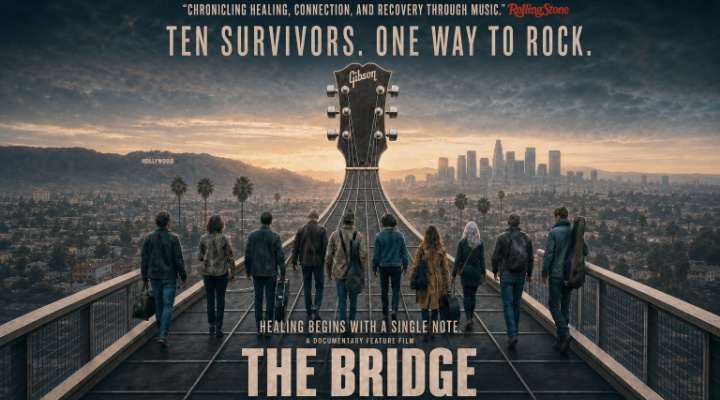
A poster for “The Bridge.” Photo: Provided

A new documentary from the Emmy-winning executive producer and director of “Friends” follows 10 young Israeli survivors of the Oct. 7, 2023, Hamas terrorist attack in Israel as they heal from their trauma through the help of music.

“The Bridge” will open in theaters across North America in November but will screen with partner organizations in communities across the US beginning on Wednesday, to coincide with the third anniversary of the Oct. 7 massacre. The documentary chronicles survivors of the attack as they travel from Israel to Los Angeles to attend the legendary Rock ‘n’ Roll Fantasy Camp, where they navigate through their trauma. The group focuses on healing, resilience, connection, and recovery through music, while being mentored by legendary musicians from bands including Guns N’ Roses, Van Halen, Black Sabbath, and the Trans-Siberian Orchestra.

The group of Israelis included Nova Music Festival survivors; a musician whose father, a Magen David Adom volunteer ambulance driver, was murdered by Hamas terrorists on Oct. 7; a singer who hid in her safe room as terrorists when on a deadly rampage outside her door; and a longtime touring musician whose brother was kidnapped on Oct. 7 and held hostage in the Gaza Strip.

“After Oct. 7, every sound would make me panic,” said Nova Music Festival survivor Raz Shifer in the official trailer for “The Bridge.” She said after her experience at the rock camp, “Music is my victory.”

“What begins as a leap into the unknown becomes a once-in-a-lifetime journey for 10 young Israeli survivors of Oct. 7 — proof that even after the darkest moments, music can be more than sound. It can be salvation,” read a synopsis of the film. “Ten survivors. One way to rock. For these 10 young Israelis, healing begins with a single note — and grows into a shared journey of resilience, brotherhood, and sound that carries far beyond the stage. Through mentorship, performance, and the simple act of picking up an instrument again, the survivors of ‘The Bridge’ are reclaiming their voices.”

The documentary is directed and edited by Brad Allgood, and produced by Emmy Award winner Kevin S. Bright, who executive produced the iconic television series “Friends” and directed 60 episodes of the show. “The Bridge” is also produced by Bright’s longtime friend and music industry veteran David Fishof, who is the founder and CEO of the Rock ‘n’ Roll Fantasy Camp, in association with the nonprofit Rock ‘N’ Heal. Legendary songwriter and 17-time Academy Award nominee Diane Warren helped on the film as well. The group of Oct. 7 survivors recorded a theme song “Prayers for this World” that was written by Warren at Pluto Recording Studio and originally performed by Cher.

Fishof has years of experience producing rock tours and has worked with veteran rockers including Ringo Starr, Roger Daltrey, Joe Walsh, Bill Wyman, and Peter Frampton. The idea of “The Bridge” starts after the Oct. 7 atrocities in 2023, when Fishof traveled to southern Israel to tour communities and sites along the Israel-Gaza border impacted by the attack. During the trip, Fishof attended the funeral of Hamas hostage Yotam Haim, where the victim’s brother, Tuval, played a drum solo before laying his sticks in his brother’s grave.

“I need to bring his brother to my camp,” Fishof recounted thinking at the time. “It could have a profound impact.”

Shortly afterward, he was connected with 10 Israeli musicians whose lives had been overturned on Oct. 7 and brought them to the Rock ‘n’ Roll Fantasy Camp. The survivors connected with fellow campers and performed alongside their mentors at some of Los Angeles’ most historic music venues, including the Whisky a Go Go and the Viper Room. Fishof invited a film crew to document the experience.

The visionaries behind “The Bridge” said they hope the film inspires healing and highlights the power of music.

“Music has a way of reaching people that words simply cannot,” Bright said in a released statement. “I have spent my career telling stories that bring people together, and there is nothing I have been more moved by than watching these young survivors use music to process their trauma, rebuild their confidence, and reclaim their joy. This film is proof that even after the darkest moments, healing is possible.”

“It has been the honor of a lifetime to bring a group of ten survivors of the Oct. 7 attacks to Hollywood for an unforgettable, life-changing experience,” Fishof added. “Watching them pick up instruments, stand on stage, and find their voice again after living through the unimaginable — that is the power of music. We are so excited to bring these survivors back to the US, Canada, and cities around the world for screenings, conversations, performances and concerts, as well as commemorations, so that even more communities can witness their strength and be part of their healing.”

“The Bridge” will screen on Wednesday in New York at the Marlene Meyerson JCC Manhattan and the Jacob Burns Film Center, one of the most successful suburban art houses in the country. Additional screenings on the anniversary of the Oct. 7 attack will take place at The Studio at Mizner Park hosted by the Jewish Federation of Palm Beach County, which will include a concert with Israeli musicians from the film; the St. Louis Kaplan Feldman Holocaust Museum in Missouri, Temple Emanu-El in Florida; and the Jewish Community Center London. “The Bridge” will open theatrically at Laemmle Theaters in Los Angeles from Nov. 5–11, with hundreds of additional screenings scheduled at theaters, synagogues, Jewish community centers, film festivals, and campuses in the US and abroad.

Watch a trailer for “The Bridge” in the video below.


Zawartość publikowanych artykułów i materiałów nie reprezentuje poglądów ani opinii Reunion’68,
ani też webmastera Blogu Reunion’68, chyba ze jest to wyraźnie zaznaczone.
Twoje uwagi, linki, własne artykuły lub wiadomości prześlij na adres:
webmaster@reunion68.com


‘October 7 Will Return’: Hamas, Like Iran, Will Not Voluntarily Give Up the Fight


‘October 7 Will Return’: Hamas, Like Iran, Will Not Voluntarily Give Up the Fight

Khaled Abu Toameh


  • The chants matter because they reveal what speeches about peace and reconstruction conceal.
  • These slogans raise a fundamental question for anyone discussing the future of the Gaza Strip: What exactly has changed?
  • The answer is particularly important because the international framework for the Gaza Strip explicitly calls for something very different.
  • US President Donald J. Trump’s 20-point peace plan states that Gaza is to become a “deradicalized terror-free zone” that poses no threat to its neighbors. The plan calls for the decommissioning of weapons, demilitarization and the establishment of an International Stabilization Force. It also envisages a process intended to change Gazan mindsets and narratives by emphasizing tolerance and peaceful coexistence.
  • On paper, the objective is peaceful coexistence. Public gatherings are proclaiming that Gaza belongs to Hamas and rejecting international forces.
  • This is the main problem facing any attempt to transform the Gaza Strip.
  • Reconstruction can rebuild buildings. It cannot dismantle an ideology.
  • The answer will determine whether Gaza’s reconstruction becomes part of a genuine transition toward stability, or whether reconstruction takes place alongside the reorganization of the same forces that brought the Hamas terrorists to power in the Gaza Strip and the region into war.
  • Has the ideological and military foundation for another October 7 massacre actually been removed?
  • On the eve of the October 7 anniversary, the world should pay close attention when people in the Gaza Strip say they want the October 7 massacre to happen again.
  • It is crucial to remember what senior Hamas official Ghazi Hamad said shortly after the October 7 massacre: “The Al-Aqsa Flood [what Hamas calls the October 7 massacre] is just the first time, and there will be a second, a third, a fourth, because we have the determination, the resolve, and the capabilities to fight.”

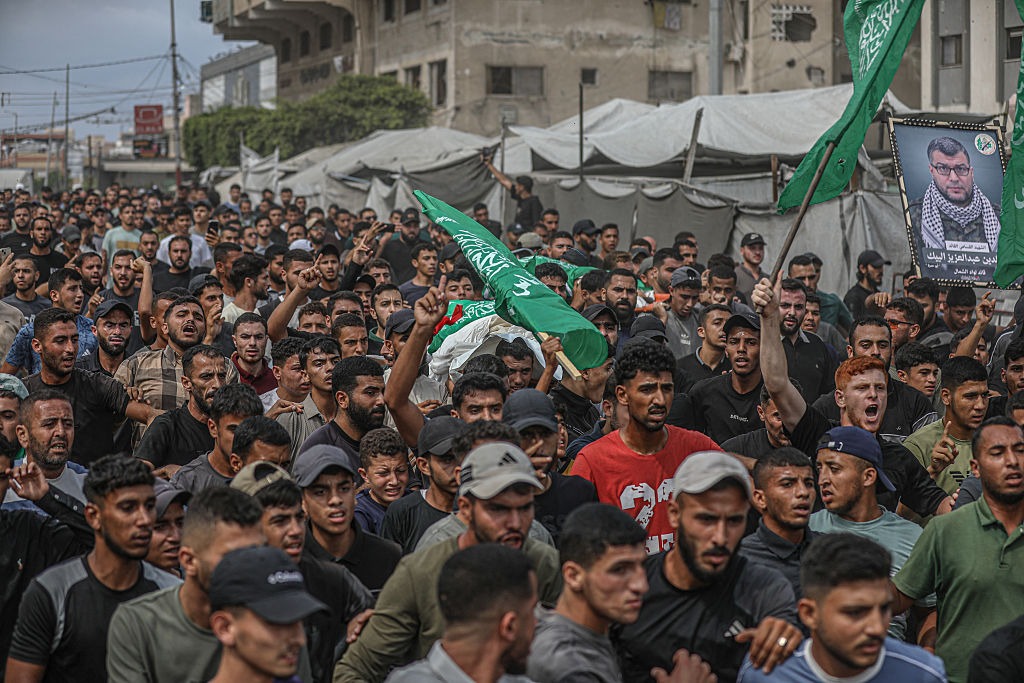
Chants can be heard in the streets of the Gaza Strip during funeral processions for Hamas commanders and members killed by Israel: “October 7 will return! It is coming back!” Pictured: The funeral procession for Hamas commanders Izz al-Din al-Beik and Mohannad Abu al-Foul in Gaza City on September 29, 2026. (Photo by Faiz Qreqa/Middle East Images/AFP via Getty Images)

Nearly three years after Hamas-led terrorists invaded Israel on October 7, 2023, murdered roughly 1,200 people and abducted 251, some of the voices emerging from the Gaza Strip are sending a disturbing message: October 7 is regarded by Hamas and its supporters as an operation they plan to repeat.

Chants can be heard in the streets of the Gaza Strip during funeral processions for Hamas commanders and members killed by Israel: “October 7 will return! It is coming back!”

Others include: “Eid [holiday] for you, Eid; October 7 is the day of the Eid,” and “Gaza is all Hamas… Gaza is all Hamas.”

At one recent funeral, Hamas supporters chanted: “Listen, listen, all the people, all of Gaza is for Hamas, no international forces, only eternal Hamas.”

At another funeral they chanted:

“Put sword against sword… we are the men of Mohammad Deif!” (Referring to the slain commander-in-chief of the Al-Qassam Brigades).

“O martyr, rest, rest… we will continue the struggle!”

“Say Allah and raise your voices… either we liberate it [Palestine], or we die!”

At another procession, participants chanted: “Khaybar, Khaybar, O Jews… October 7 will return,” referring to the 628 CE Battle of Khaybar, an oasis near Medina inhabited by Jewish tribes who were besieged and defeated by forces under the Islamic Prophet Mohammed.

The chants matter because they reveal what speeches about peace and reconstruction conceal.

These slogans raise a fundamental question for anyone discussing the future of the Gaza Strip: What exactly has changed?

The answer is particularly important because the international framework for the Gaza Strip explicitly calls for something very different.

US President Donald J. Trump’s 20-point peace plan states that Gaza is to become a “deradicalized terror-free zone” that poses no threat to its neighbors. The plan calls for the decommissioning of weapons, demilitarization and the establishment of an International Stabilization Force. It also envisages a process intended to change Gazan mindsets and narratives by emphasizing tolerance and peaceful coexistence.

The Board of Peace’s July 30, 2026 roadmap, goes even further. It calls for the decommissioning of heavy weapons, military production sites, weapons depots and tunnels, and says that at the end of the process only the National Committee for the Administration of Gaza should hold, store, or control weapons in the Gaza Strip. The roadmap explicitly describes its objectives as a Gaza governed without Hamas control and without “rule by the gun,” under the principle of “One Authority, One Weapon, One Law.”

On paper, the international plan speaks about deradicalization. On the streets, the funeral chants coming from parts of the Gaza Strip present a dramatically different picture. Hamas supporters are chanting “October 7 will return.”

On paper, the objective is peaceful coexistence. Public gatherings are proclaiming that Gaza belongs to Hamas and rejecting international forces.

This does not establish that every Palestinian in the Gaza Strip shares these views. Gaza contains many Palestinians with different experiences, opinions, and political loyalties — and some perhaps afraid to express them. The continued public expression of these slogans nevertheless demonstrates that Hamas’s ideological message remains capable of mobilizing thousands of supporters in the Gaza Strip.

It is significant that there has not been a sustained, broad-based public revolt to displace Hamas as the dominant armed and political force in the Gaza Strip. There have been expressions of anger and opposition to Hamas, including calls for protests, but Hamas has demonstrated an ability to mobilize supporters publicly.

The London-based Asharq Al-Awsat newspaper reported that a planned June 26 mobilization against Hamas failed to attract significant participation, while Hamas continued to display flags and organize funerals for its members.

This is the main problem facing any attempt to transform the Gaza Strip.

Reconstruction can rebuild buildings. It cannot dismantle an ideology. New roads, hospitals, schools, housing projects, and economic opportunities cannot guarantee that the next generation will reject the ideology that produced October 7.

The deployment of international personnel cannot substitute for a fundamental change in the status of terrorist organizations such as Iran-backed Hamas and Palestinian Islamic Jihad.

Has the ideological and military foundation for another October 7 massacre actually been removed?

On the eve of the October 7 anniversary, the world should pay close attention when people in the Gaza Strip say they want the October 7 massacre to happen again.

It is crucial to remember what senior Hamas official Ghazi Hamad said shortly after the October 7 massacre:

“The Al-Aqsa Flood [what Hamas calls the October 7 massacre] is just the first time, and there will be a second, a third, a fourth, because we have the determination, the resolve, and the capabilities to fight.”


Khaled Abu Toameh is an award-winning journalist based in Jerusalem.


Zawartość publikowanych artykułów i materiałów nie reprezentuje poglądów ani opinii Reunion’68,
ani też webmastera Blogu Reunion’68, chyba ze jest to wyraźnie zaznaczone.
Twoje uwagi, linki, własne artykuły lub wiadomości prześlij na adres:
webmaster@reunion68.com